

Sapa Travel Guide (2026)
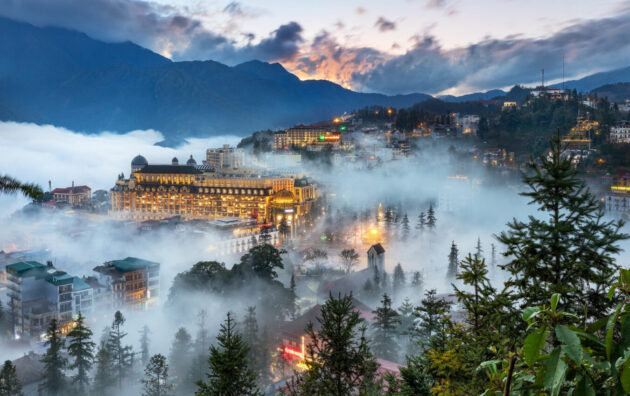
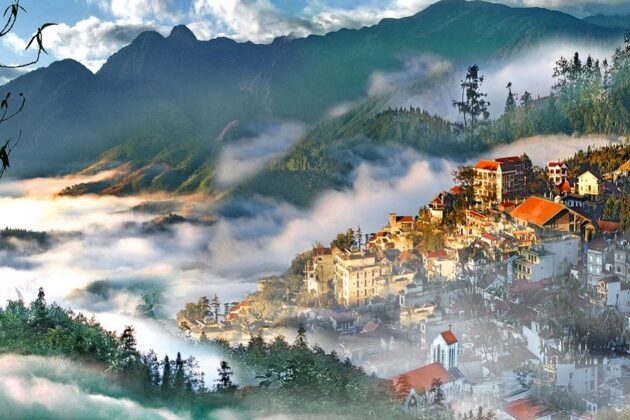
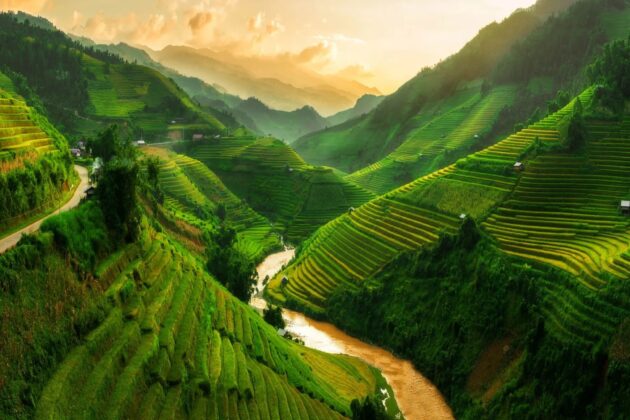
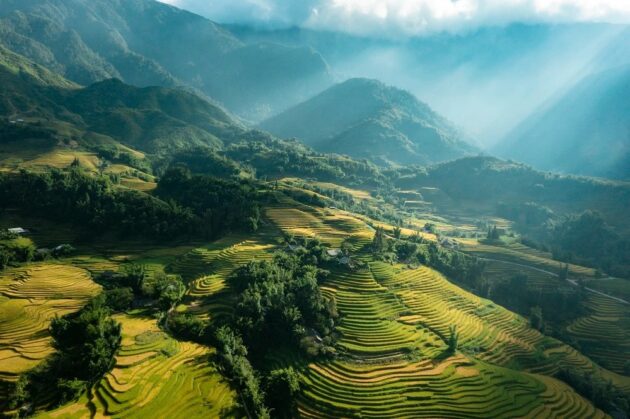
Sapa (Sa Pa) is a stunning mountain town in northern Vietnam’s Lao Cai Province, famous for its dramatic rice terraces, misty valleys, ethnic minority villages (primarily Hmong, Dao, Tay, and others), and cool highland climate. Perched at about 1,500 meters, it offers a refreshing escape from Vietnam’s tropical heat, with opportunities for trekking, cultural immersion, and views of Mount Fansipan (the “Roof of Indochina” at 3,143m).
Sapa has grown into a popular destination blending authentic hill-tribe life with improving infrastructure, including luxury resorts and the Fansipan cable car. It’s especially trending for travelers seeking nature and culture.
Best Time to Visit
Sapa’s weather is cooler and more variable than the rest of Vietnam, with “four seasons in one day.”
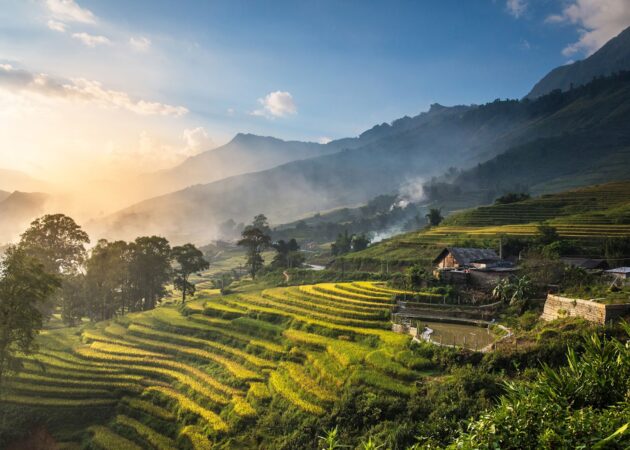
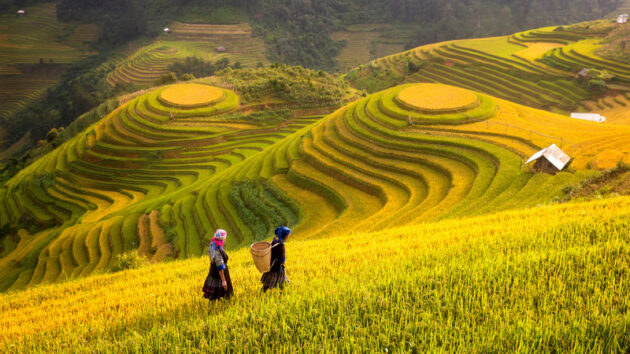
Best periods: March–May (spring: mild 14–25°C, blooming flowers, fewer crowds) and September–November (autumn: clear skies, golden rice terraces at harvest, excellent trekking).
Summer (June–August): Lush green terraces but more rain and mist.
Winter (December–February): Chilly (can drop near freezing, occasional frost/snow on peaks), foggy, but atmospheric for those who enjoy crisp air.
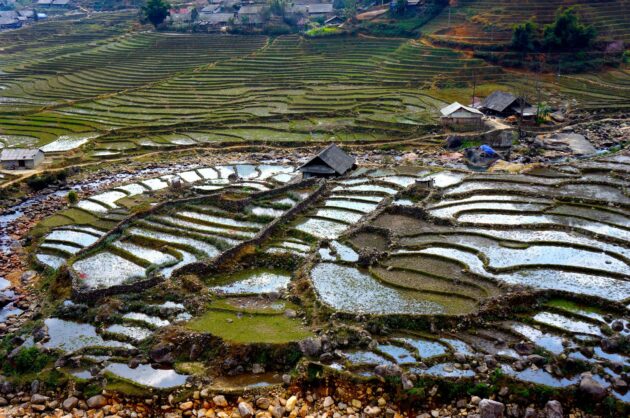
Rice terrace highlights: Green and flooded in spring/summer; golden in September–October.
September–October often ranks as ideal for photography and hiking. Check forecasts, as mountain weather shifts quickly.
How to Get There
Most travelers arrive via Hanoi (about 300–320 km away, 5–8+ hours travel).
Sleeper Bus (most popular for budget/direct): 5–7 hours, comfortable options with reclining seats or beds. Companies like Sapa Express or Inter Bus Lines. Direct to Sapa town.
Train to Lao Cai + transfer: Overnight sleeper trains (8–9 hours) from Hanoi to Lao Cai station, then 30–60 minute bus/van/taxi to Sapa (scenic but longer overall). Luxury trains (e.g., Sapaly, Chapa Express) offer better comfort.
Private Car/Van: 5–6 hours, most comfortable (good for families or groups), but pricier.
No direct flights; nearest major airport is in Hanoi.
Book transport in advance, especially during peak seasons or festivals.
Top Things to Do
Trekking Rice Terraces & Villages — The highlight. Popular routes include Cat Cat Village (easy access, waterfalls), Muong Hoa Valley (Lao Chai, Ta Van, Y Linh Ho for iconic terraces), and Ta Phin (Red Dao & Black Hmong). Opt for guided treks (local ethnic guides recommended) for 1–3 days, including homestays. Paths can be slippery/muddy—wear good shoes.
Mount Fansipan — Take the scenic cable car (15 minutes to summit) for panoramic views, or trek if you’re experienced. Part of Hoang Lien National Park.
Sapa Town — Stroll the central square, visit the stone church (French colonial influence), explore the market, and catch the vibrant Saturday night “love market” where locals gather.
Ethnic Villages & Homestays — Immerse in Hmong, Dao, or other communities. Learn about handicrafts, weaving, and daily life. Many offer overnight stays with local meals.
Other activities: Viewpoints like O Quy Ho Pass, short hikes to waterfalls, or seasonal events like the Sapa Rose Festival (late April–early May).
Allow 2–4 days minimum; longer for multi-day treks.
Where to Stay
Luxury: Hôtel de la Coupole – MGallery (iconic, central, French-inspired glamour), Silk Path Grand Sapa Resort & Spa.
Mid-range/Boutique: Pao’s Sapa Leisure Hotel, KK Sapa Hotel, Bamboo Sapa Hotel, Aliana Boutique Sapa Hotel & Spa. Many offer valley views.
Budget/Eco/Homestays: Sapa Pine Hill Eco Lodge, village homestays in Ta Van or Cat Cat (authentic and affordable, often $10–50/night).
Tips: Choose spots with mountain/lake views. Central Sapa for convenience; outskirts or villages for quieter immersion. Book ahead in peak seasons.
Food & Local Specialties
Sapa’s cuisine features fresh mountain ingredients, wild herbs, and ethnic influences. Must-tries:
Thang Co: Hearty horse meat/offal stew with spices (an acquired taste).
Grilled “carried-under-armpit” pig (Lon cap nach): Crispy-skinned small pig marinated in herbs.
Sapa salmon or sturgeon: Fresh from local farms—try hotpot or grilled.
Other: Bamboo-tube rice (com lam), five-color sticky rice (xoi ngu sac), forest mushrooms, and northern Vietnamese classics like pho or grilled meats.
Eat at local spots for authenticity (e.g., Little Sapa for pho) or tourist-friendly places with set menus. Many homestays serve home-cooked meals.
Practical Tips
Costs: Budget-friendly overall. Expect $30–80/day per person (mid-range) covering food, simple lodging, and activities. Treks/guides add more; luxury higher. Cash is king in villages (ATMs in town).
Safety & Health: Generally safe for tourists, but use common sense (watch belongings in crowds, negotiate with vendors). Trails can be steep/slippery—hire guides if inexperienced. Altitude is moderate; prepare for cool/rainy weather (layers, rain jacket, sturdy shoes). Mosquito repellent and basic meds advised.
Getting Around: Walk in town; taxis, xe om (motorbike taxis), or rented scooters for nearby areas. Guided tours simplify village visits.
Other: Bargain at markets. Respect local customs (ask before photos). Tourism supports communities but can feel commercialized in popular spots—choose responsible operators.
Final Thoughts
Sapa rewards those who embrace its rugged beauty and slower pace. For the most magical experience, combine trekking with village homestays during shoulder seasons. Safe travels—it’s one of Vietnam’s most rewarding destinations! If you have specifics (budget, group size, interests), I can refine this further.