Ho Chi Minh City Travel Guide (2026)
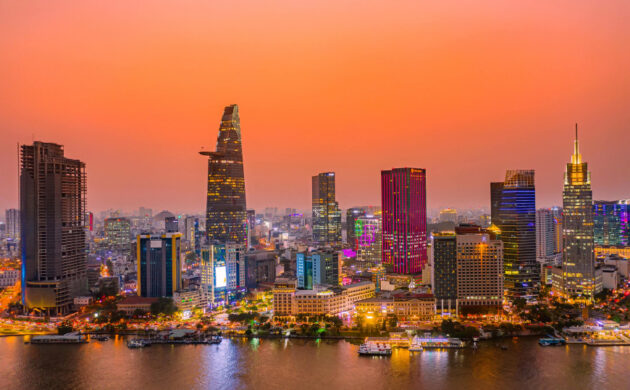
Ho Chi Minh City (still widely called Saigon by locals) is Vietnam’s largest, most dynamic metropolis—a chaotic, energetic blend of French colonial architecture, wartime history, vibrant street life, and incredible food. It’s a hub for first-time visitors to Vietnam, digital nomads, and food lovers, with endless motorbike traffic, bustling markets, and a mix of old and new that feels alive 24/7.
Best Time to Visit
The dry season (December to April, peaking in December–February) offers the most comfortable weather: sunny days, lower humidity, and temperatures around 21–34°C (70–93°F). January and February are often ideal, with minimal rain. March–April gets hotter and drier.
The rainy season (May–November) brings frequent afternoon showers, but it’s cheaper and less crowded—ideal if you don’t mind occasional downpours.
Avoid Tet (Lunar New Year, usually late January/early February) if you dislike crowds and higher prices.
Getting There & Around
Airport: Tan Son Nhat International Airport (SGN) is central. Pre-arrival immigration info may be required; lines can be long, so plan accordingly.
Getting to the city: Grab (ride-hailing app) is the easiest and safest option for taxis/scooters. Avoid random street taxis to prevent overcharging.
In the city: Traffic is intense—cross roads confidently but carefully (motorbikes will swerve around you). Use Grab for almost everything; it’s cheap, fixed-price, and reliable. A growing metro line exists, but Grab remains king for most travelers. Walking is feasible in District 1, but distances add up quickly.
Pro tip: Download Grab and a translation app (Google Translate works well with offline Vietnamese). Carry small VND bills; ATMs are plentiful.
Top Things to Do
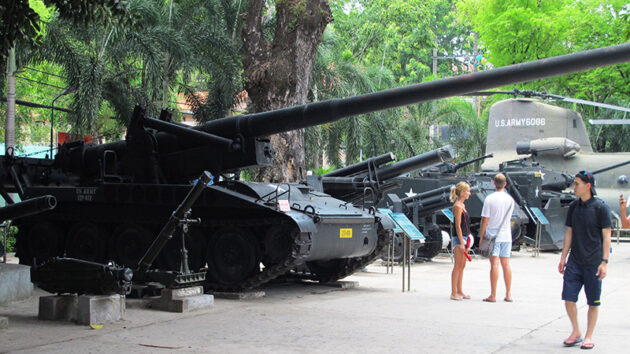
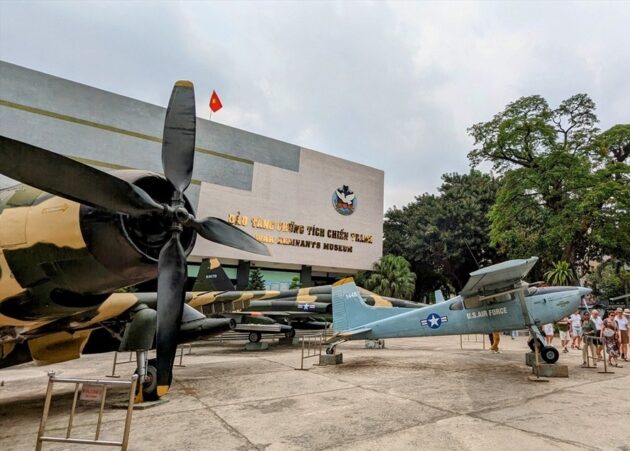
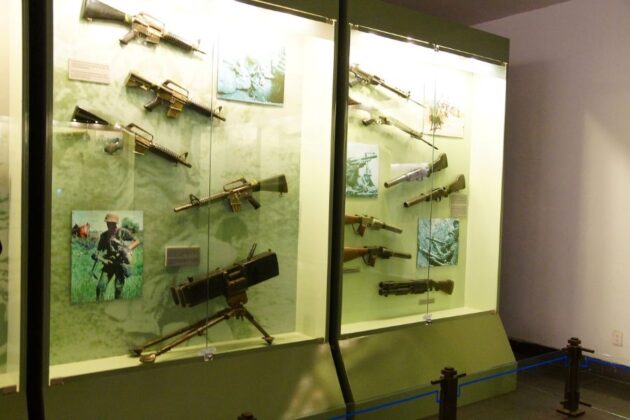
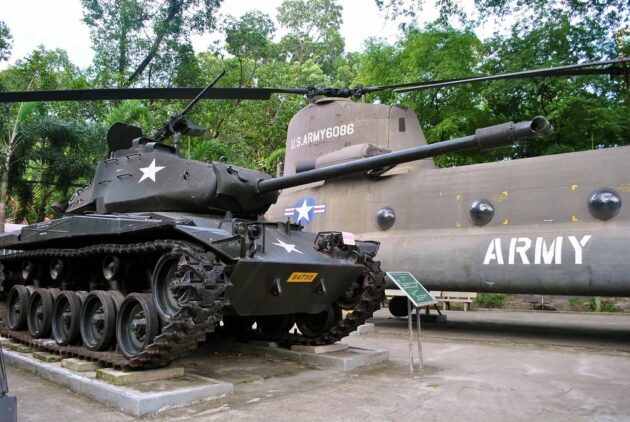
War Remnants Museum
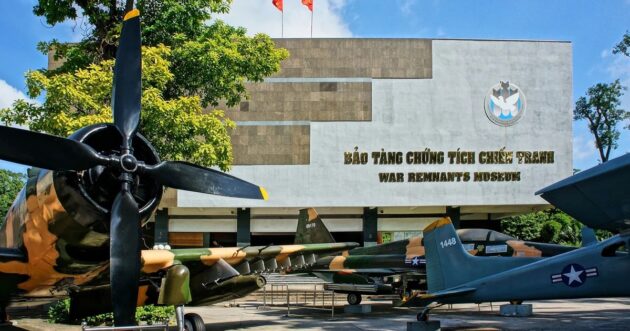
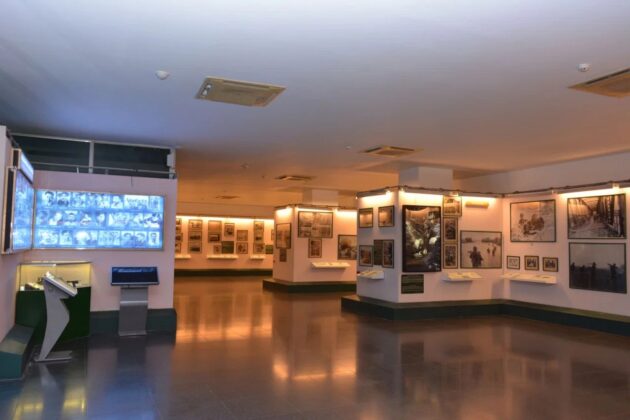
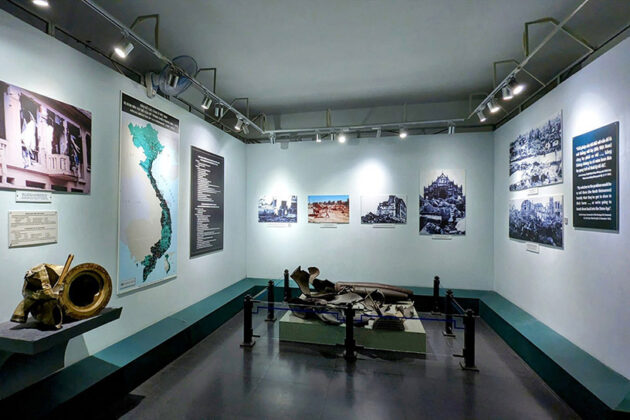
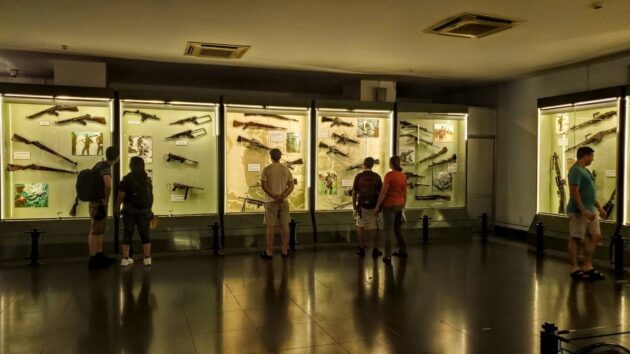
The War Remnants Museum (Bảo Tàng Chứng Tích Chiến Tranh) in Ho Chi Minh City (formerly Saigon) is one of Vietnam’s most visited and emotionally powerful historical sites. It documents the Vietnam War—referred to locally as the “American War”—primarily from the Vietnamese perspective, focusing on the human cost, atrocities, chemical warfare, and long-term consequences.
Notre Dame Cathedral of Saigon
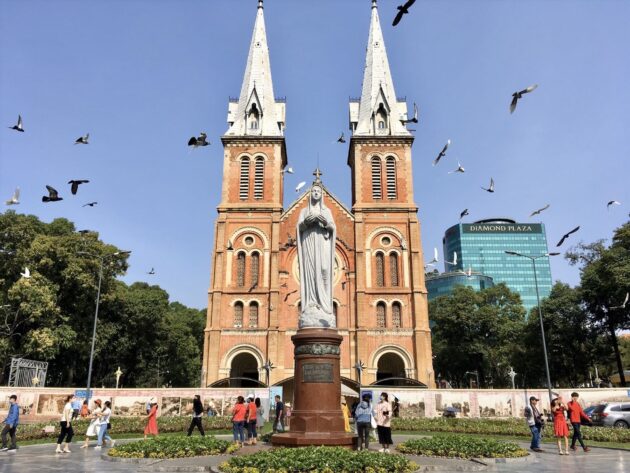
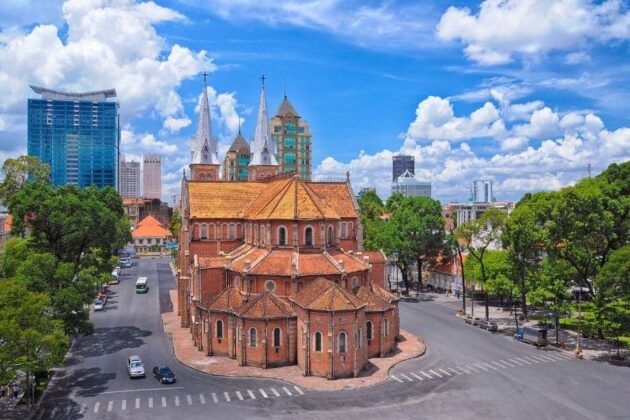
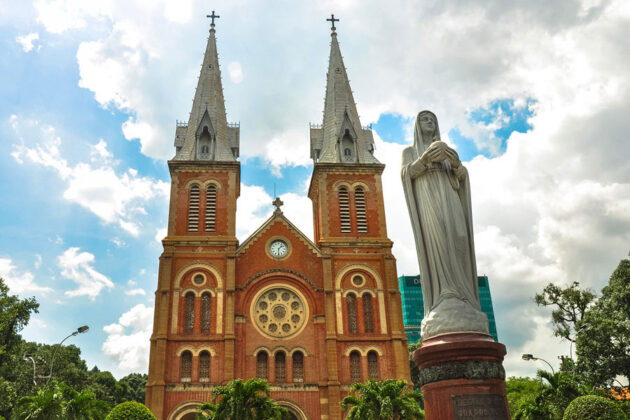
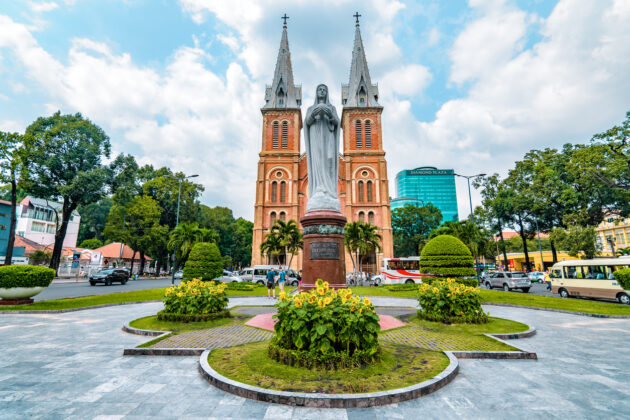
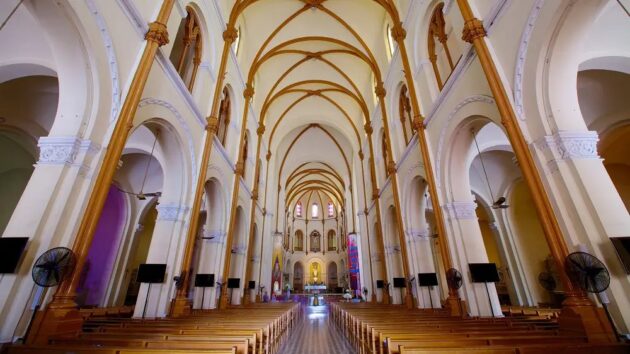
Notre Dame Cathedral of Saigon, located in the heart of Ho Chi Minh City, Vietnam, is a striking example of neo-Romanesque architecture that was built by French colonists between 1863 and 1880. Constructed entirely with materials imported from France, including the distinctive red bricks from Marseille, the cathedral has become an iconic symbol of the city, renowned for its twin bell towers, ornate stained-glass windows, and a peaceful statue of the Virgin Mary.
Saigon Skydeck
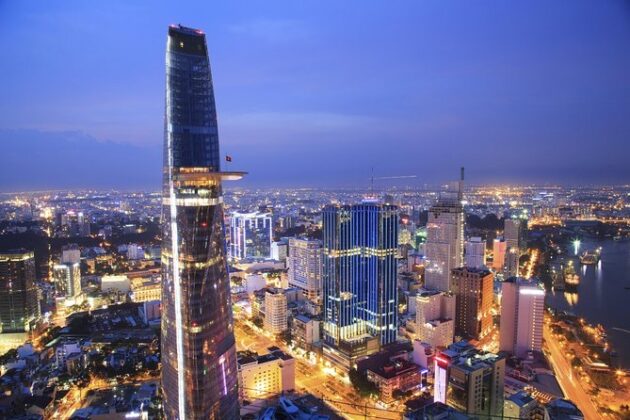
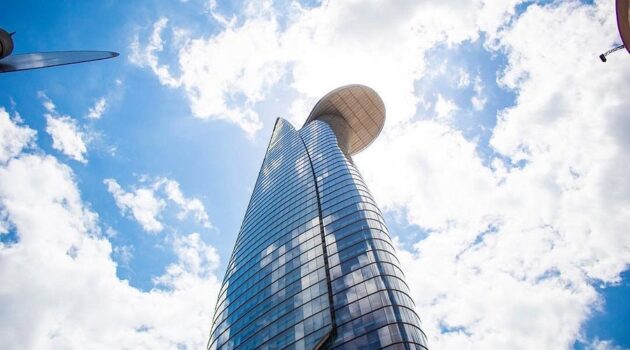
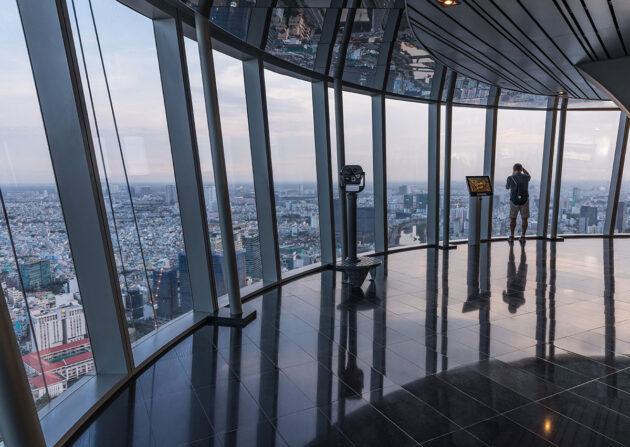
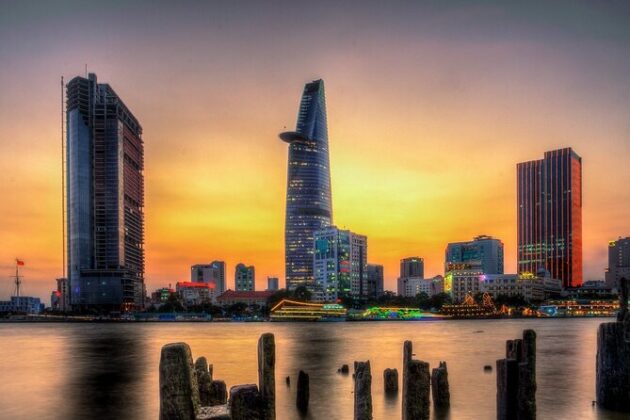
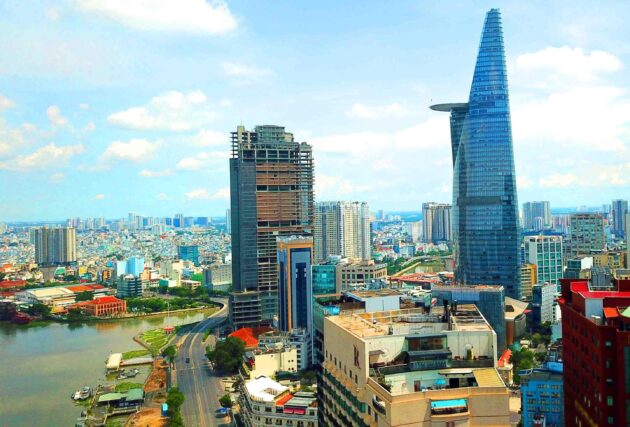
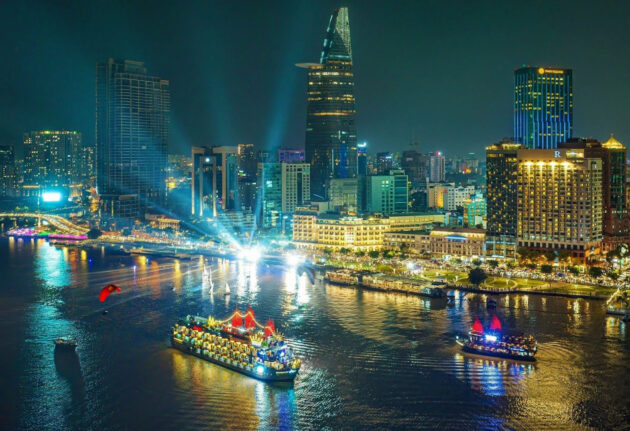
Perched atop the Bitexco Financial Tower, the Saigon Skydeck in Ho Chi Minh City offers a breathtaking 360-degree panoramic view of the bustling metropolis and beyond. Located on the 49th floor, this modern observatory allows visitors to witness the dynamic contrast between the city’s sleek skyscrapers, the winding Saigon River, and the sprawling, dense neighborhoods below.
Cu Chi Tunnels
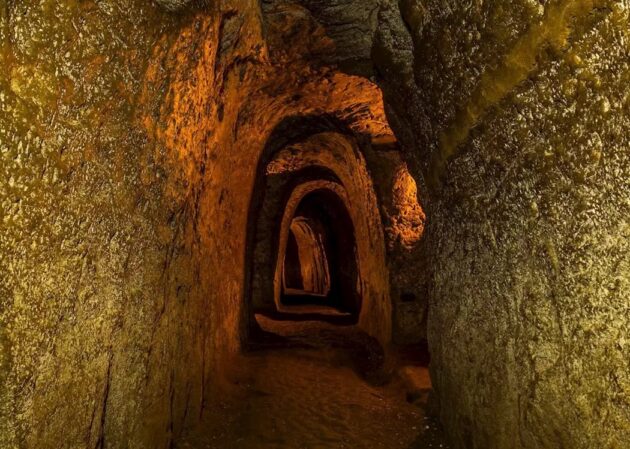
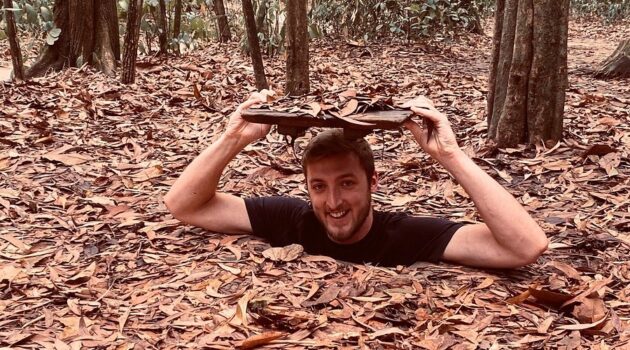
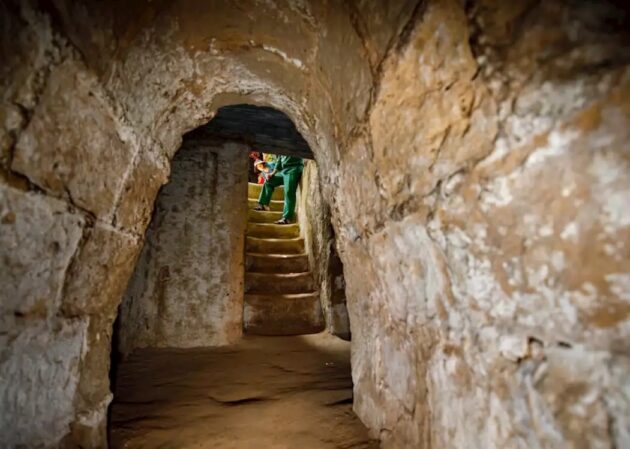
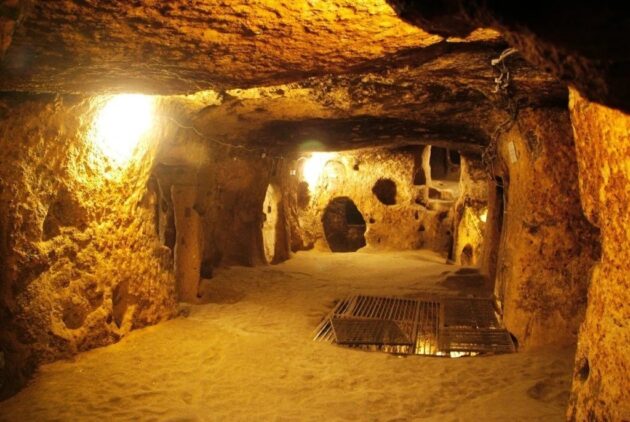
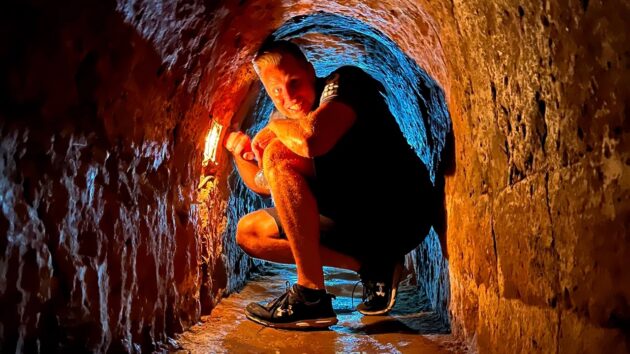
The Cu Chi Tunnels are an extensive underground network that served as a strategic base for Viet Cong guerrillas during the Vietnam War. Stretching over 250 kilometers, these multi-level tunnels included living quarters, weapons caches, field hospitals, and command centers, allowing soldiers to evade enemy troops, stage surprise attacks, and maintain communication.
Bui Vien Walking Street
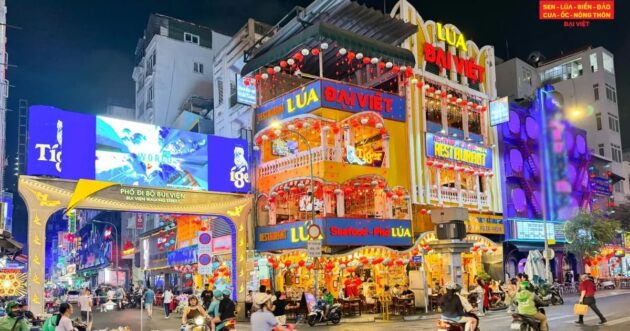
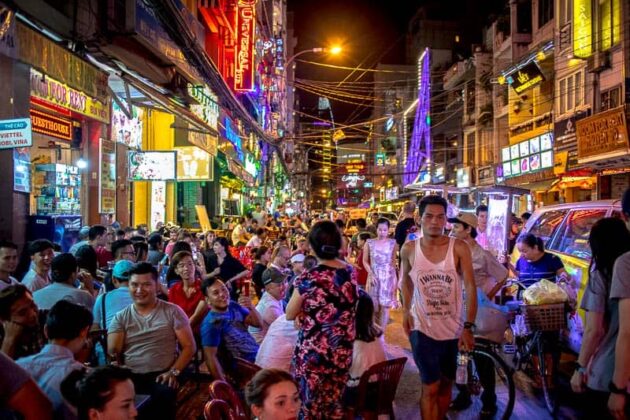
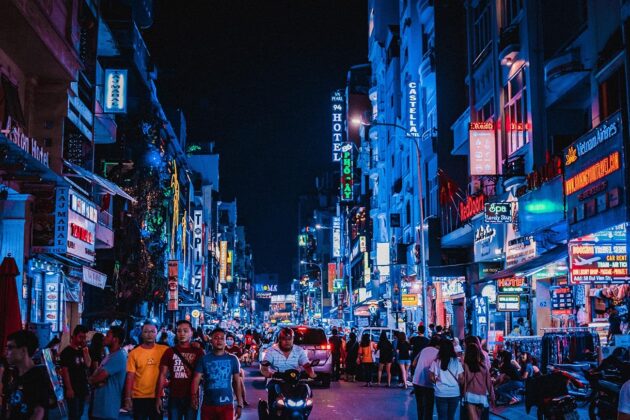
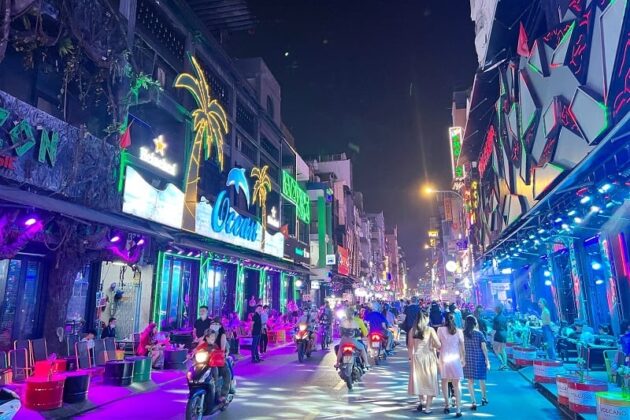
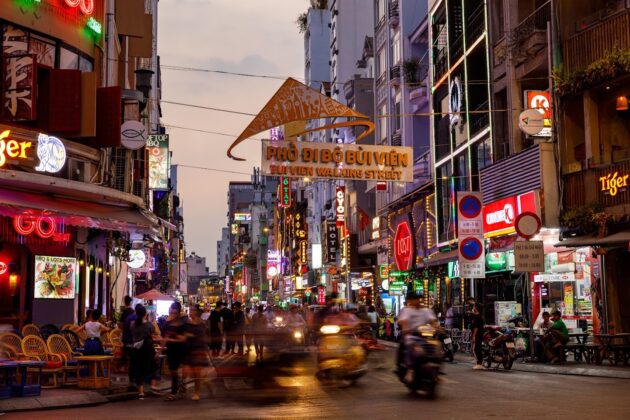
Bui Vien Walking Street is the vibrant heart of the city’s backpacker district, known for its energetic, neon-lit atmosphere that comes alive at night. Stretching for several blocks in District 1, this pedestrian-friendly street is packed with bustling bars, street food stalls, live music venues, and souvenir shops, drawing a mix of tourists and locals.
Cafe Apartments
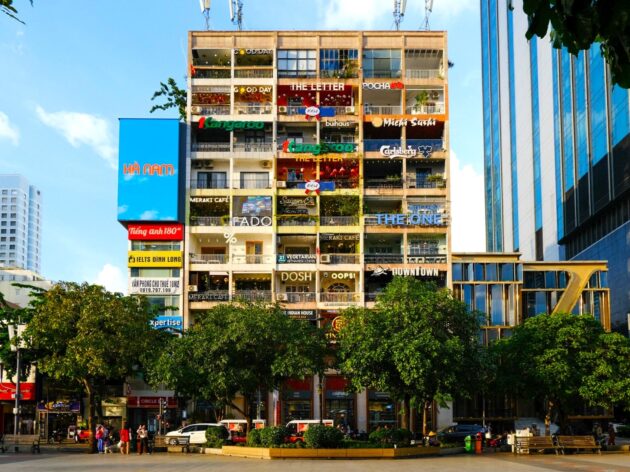
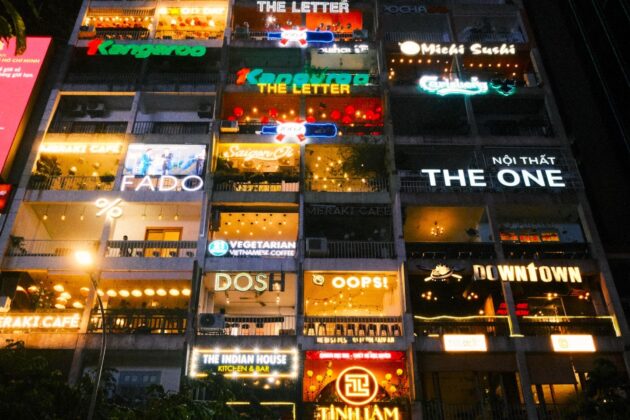
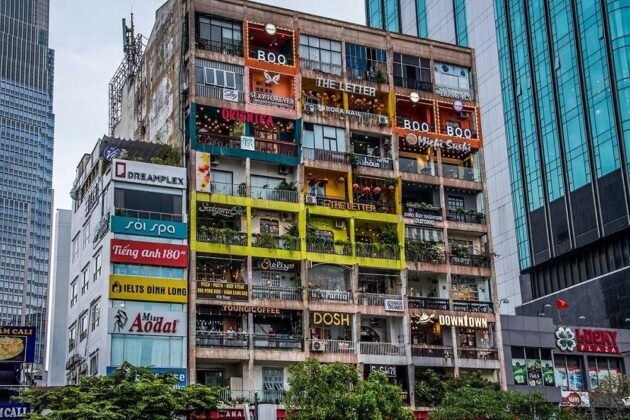
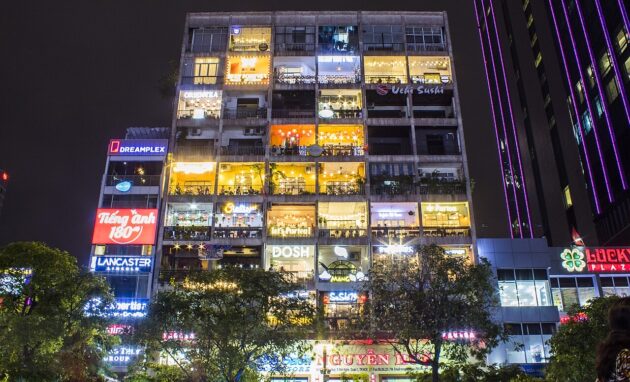
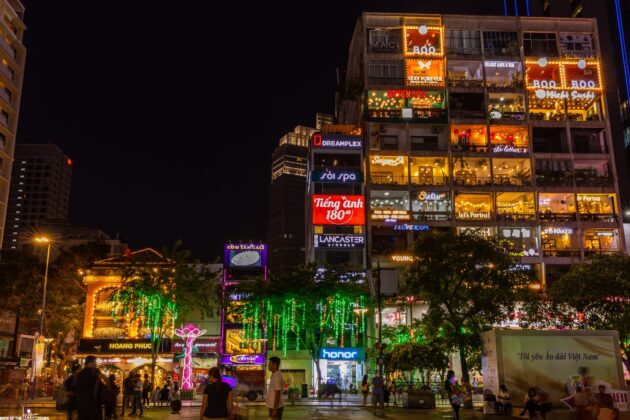
Located in the heart of District 1 on Nguyen Hue Walking Street, the Cafe Apartments is a iconic nine-story building that has been transformed into a vertical “chocolate box” of independent stores. Originally constructed in the mid-20th century as government and military housing, this historic structure now houses over 50 distinct businesses, including trendy coffee shops, unique boutiques, pottery studios, and even perfume-making workshops.
Saigon River Cruise
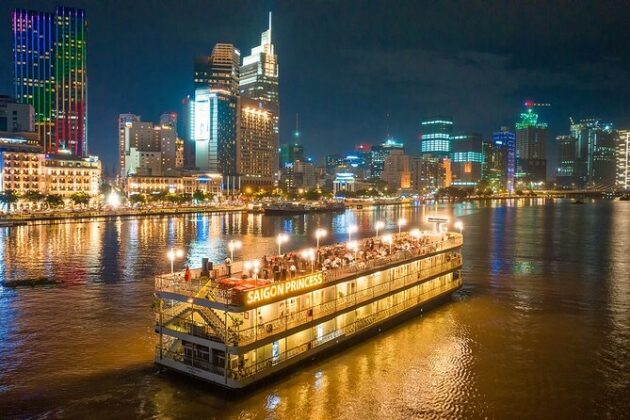
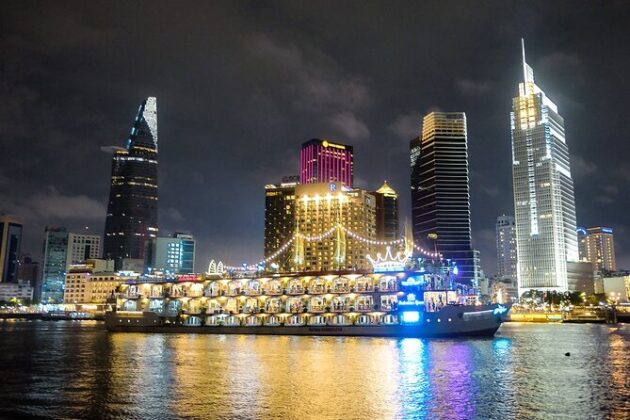
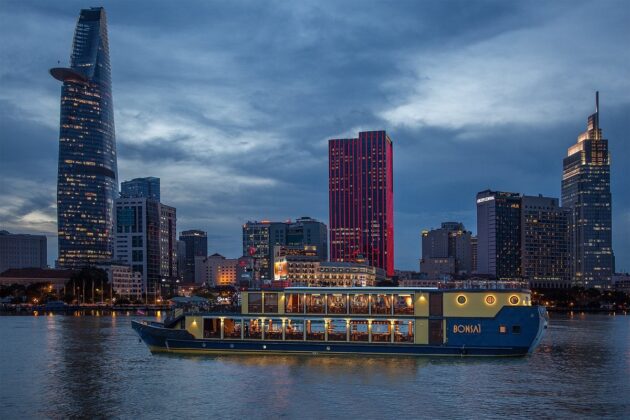
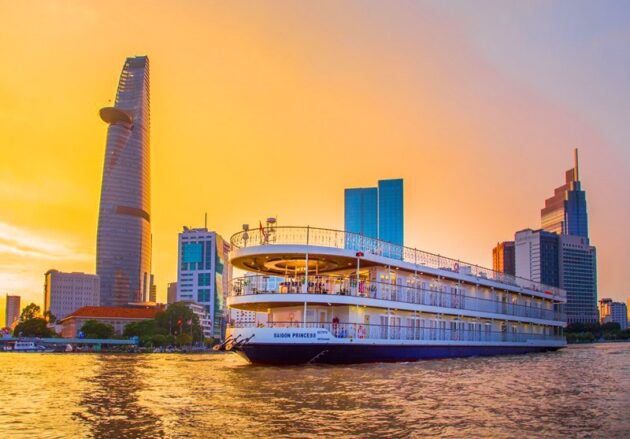
A Saigon River Cruise offers a captivating escape from the bustling streets, allowing visitors to see the city’s dynamic skyline and historic landmarks from the water. As you glide along the Saigon River, especially at dusk or in the evening, you’ll pass by a mix of modern skyscrapers, colonial-era buildings, traditional Vietnamese river life, and cargo ships, creating a vivid contrast between old and new.
Food Scene (Saigon’s Highlight)
Saigon is a food paradise—affordable, diverse, and flavorful. Must-tries:
Bánh mì (crispy baguette sandwiches) — Try spots like Banh Mi 37.
Phở (noodle soup) — Beef or chicken variations.
Bún thịt nướng (grilled pork with vermicelli), bánh xèo (sizzling pancake), bò lá lốt (beef in betel leaves).
Cơm tấm (broken rice plate), fresh spring rolls, and seafood.
Vietnamese coffee (cà phê sữa đá—strong, sweet, iced) at countless cafes.
Street food tours or night markets for safe, guided sampling.
Look for local spots in District 1 or food streets like Ho Thi Ky. Vegetarian options are widely available. Hygiene is generally good at popular stalls, but use common sense (peel fruit, bottled water).
Where to Stay
District 1: Most convenient for sights, food, and nightlife (e.g., near Ben Thanh or Dong Khoi Street).
Budget: Guesthouses or 2–3 star hotels (~$15–40/night). Mid-range: Boutique options or well-located 3–4 star hotels. Luxury: Iconic spots like Hotel Majestic Saigon or The Reverie Saigon (river views, opulent design).
Other areas: Thao Dien (Trendy, expat vibe across the river) or quieter spots for a break from the chaos.
Practical Tips
Safety: Generally safe for tourists; violent crime is rare. Watch for petty theft (phones, bags) in crowds—especially phone snatching by motorbikes. Use hotel safes, avoid flashing valuables, and be cautious at night in quieter areas. Solo female travelers usually feel comfortable in tourist zones.
Money: Vietnam Dong (VND). Cards accepted in many places, but cash is king for street food/markets. ATMs everywhere.
Health: Stay hydrated (it’s hot!), use mosquito repellent, and consider travel insurance. Tap water is not for drinking.
Etiquette: Dress modestly at religious sites. Remove shoes when entering homes/temples. Smile and be patient with the chaos—it’s part of the charm.
Costs (2026 estimates): Very budget-friendly. Daily budget: $30–60/person (budget traveler) for food, transport, and sights; more for comfort/luxury. Meals: $1–5 street food, $5–15 restaurant. Grab rides: $1–4.
Final Thoughts
Ho Chi Minh City rewards those who embrace its energy. Wander, eat adventurously, and soak in the contrasts between colonial past and bustling present.