
Phra Nakhon Si Ayutthaya Travel Guide (2026)
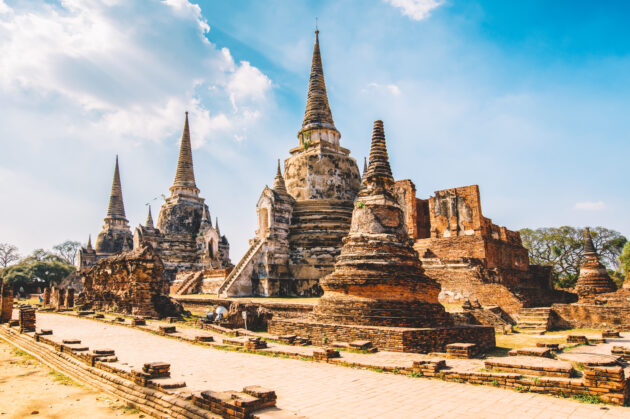
Phra Nakhon Si Ayutthaya (commonly called Ayutthaya) is Thailand’s ancient capital, located about 80 km (50 miles) north of Bangkok. It served as the Siamese capital from 1350 until its destruction by Burmese forces in 1767. The ruins of its grand temples and palaces form a UNESCO World Heritage Site, often compared to Angkor Wat or Bagan for its atmospheric brick chedis (stupas), prangs, and weathered Buddha statues.
It offers a compelling mix of history, photogenic ruins, river scenery, and excellent street food—making it an easy and rewarding day trip or short stay from Bangkok.
Best Time to Visit
Cool and dry season (November–February): Ideal weather (22–30°C / 72–86°F), comfortable for cycling or walking between temples, and great light for photos. This is peak season with more crowds.
Shoulder months (March–April, October): Fewer crowds and lower prices, but hotter (especially April, up to 40°C).
Rainy season (May–October): Short afternoon showers possible; mornings are often fine, with lush greenery and fewer tourists.
Tip: Visit temples early morning or late afternoon to avoid midday heat and crowds. Dress modestly (shoulders and knees covered) for temple visits.
How to Get There from Bangkok
Train (recommended): Frequent services from Krung Thep Aphiwat Central Terminal (Bang Sue) or Hua Lamphong take 1–2 hours. Affordable and scenic.
Minivan/Bus: From Mo Chit terminal, ~1.5–2 hours, cheap (~70 baht).
Private taxi or tour: Convenient for groups or with luggage; day tours are widely available.
Driving: Easy via highways, but traffic can be an issue leaving Bangkok.
Ayutthaya is compact, so once there you can explore easily.
Top Things to Do and See
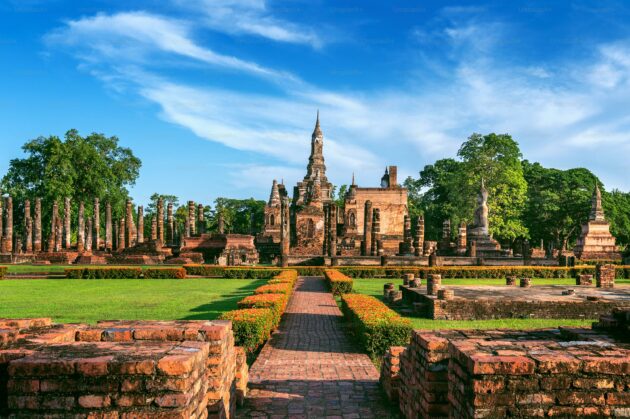
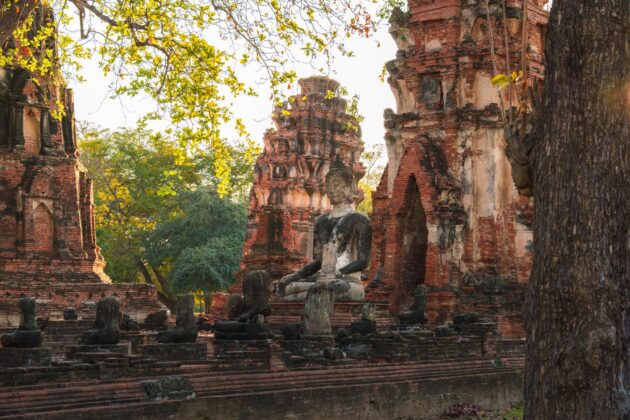
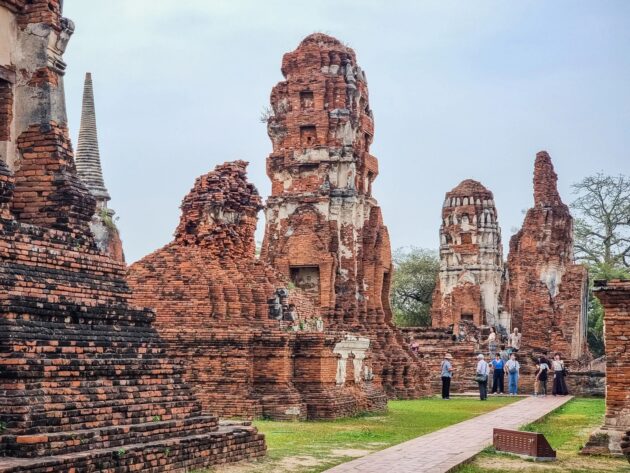
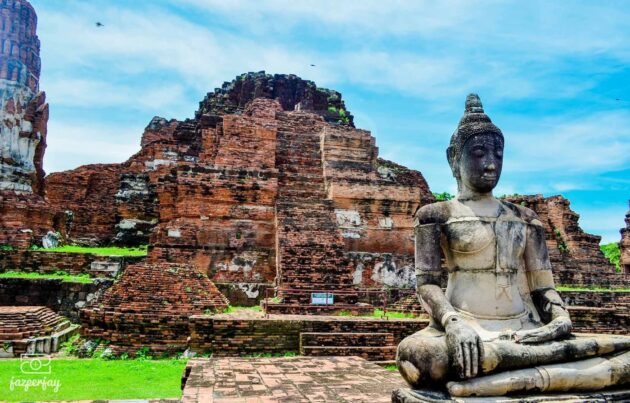
Wat Mahathat
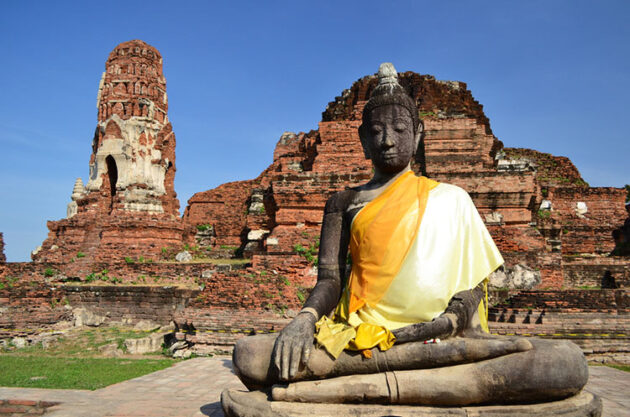
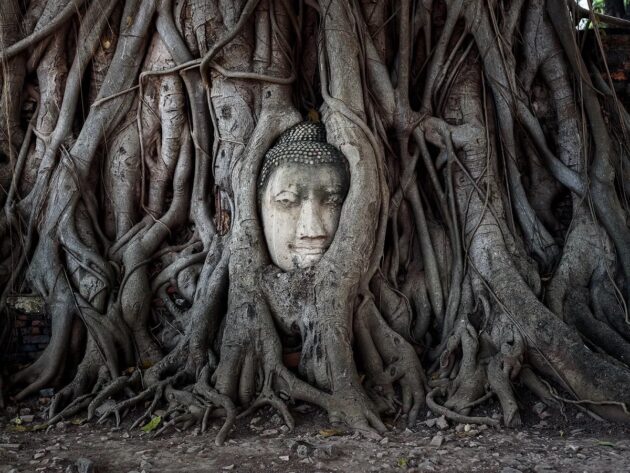
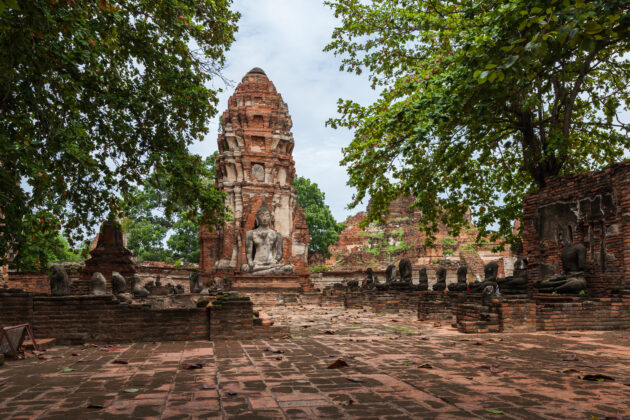
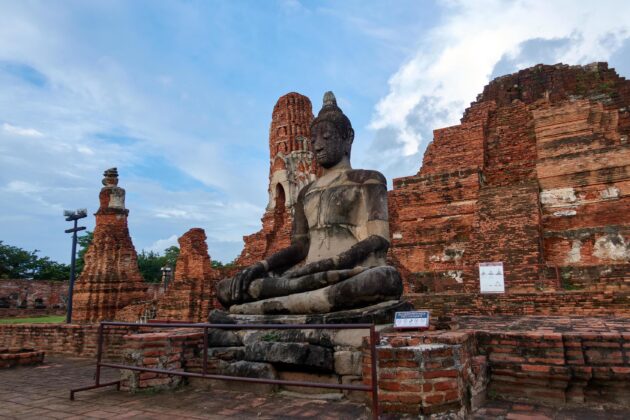
Wat Mahathat (Monastery of the Great Relic) is one of the most iconic and photogenic ruins in Ayutthaya Historical Park, a UNESCO World Heritage Site in Phra Nakhon Si Ayutthaya, Thailand. Construction began in the 1370s (around 1374) during the early Ayutthaya Kingdom, possibly under King Borommaracha I or King Ramesuan. It served as a major royal and religious center, housing important Buddha relics.
Wat Phra Si Sanphet
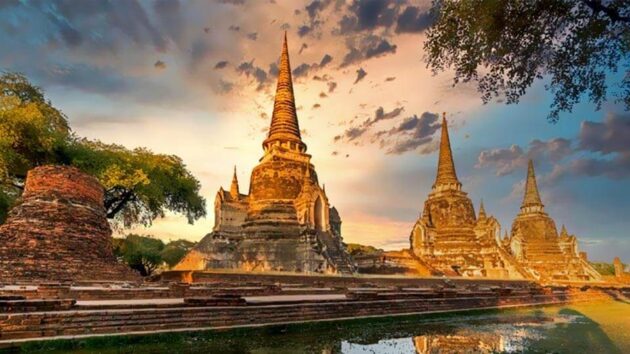
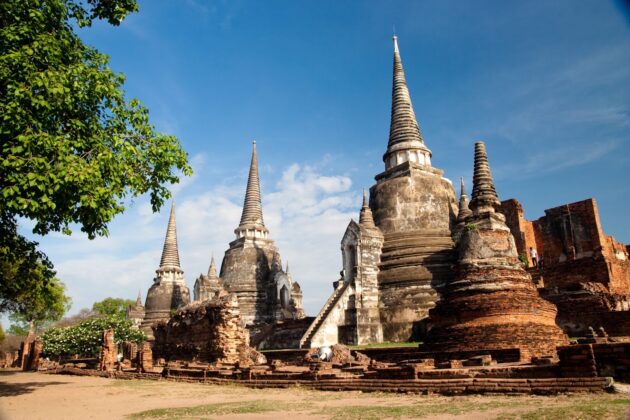
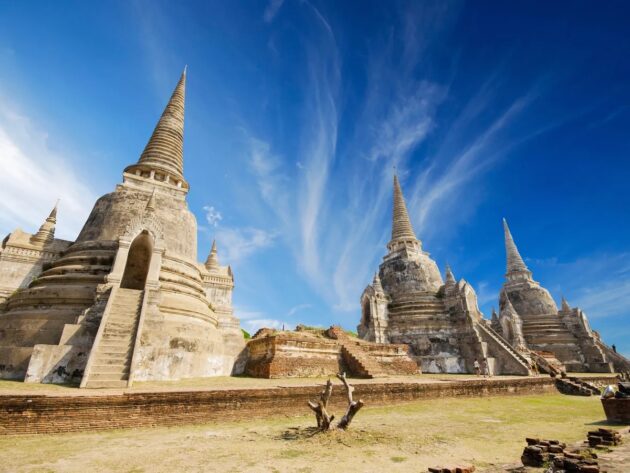
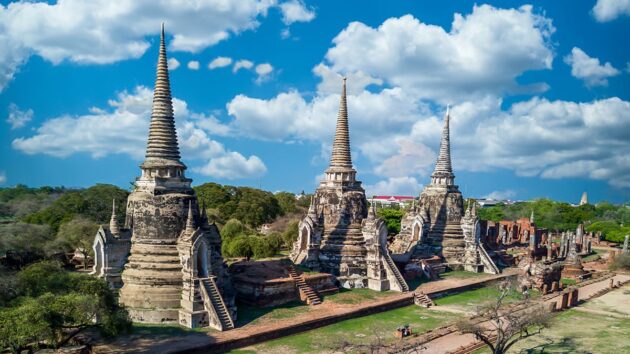
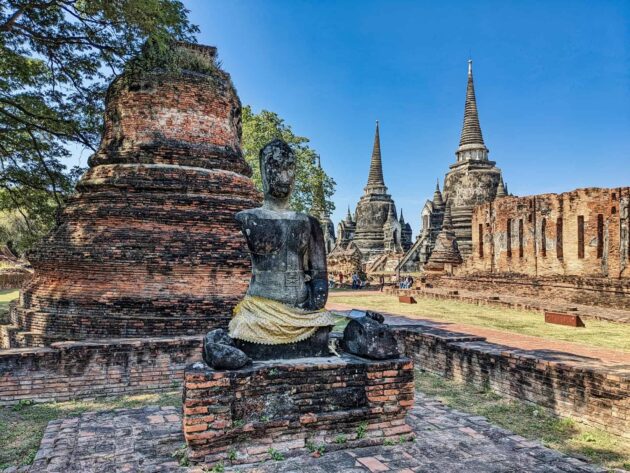
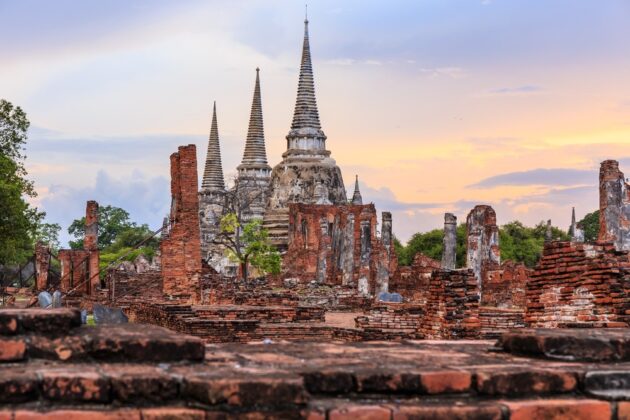
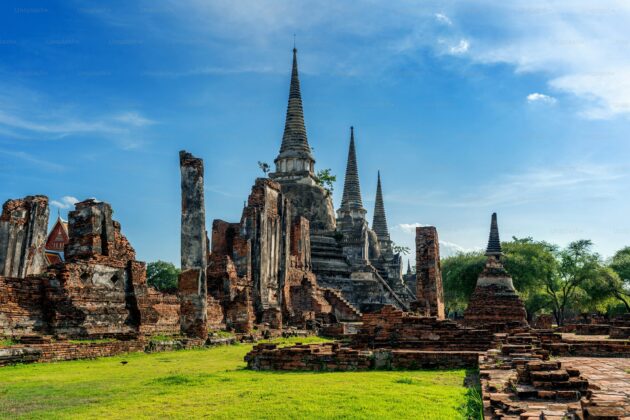
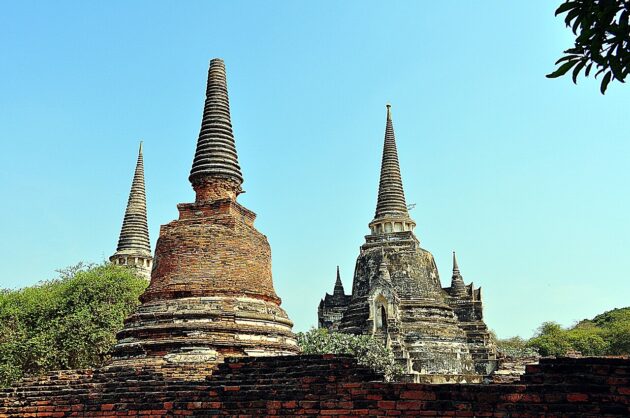
Wat Phra Si Sanphet (also spelled Wat Phra Sri Sanphet) is one of the most iconic and important temples in Ayutthaya Historical Park, a UNESCO World Heritage Site in Phra Nakhon Si Ayutthaya, Thailand. It served as the royal temple (equivalent to Bangkok’s Wat Phra Kaew) and was the largest and holiest in the ancient Ayutthaya Kingdom.
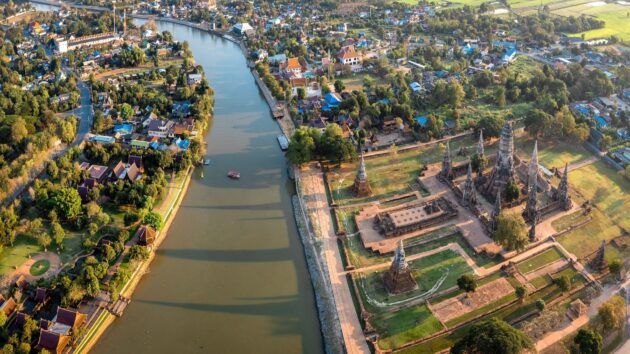
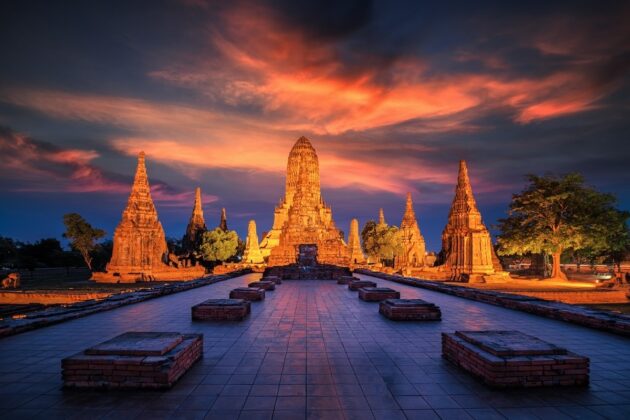
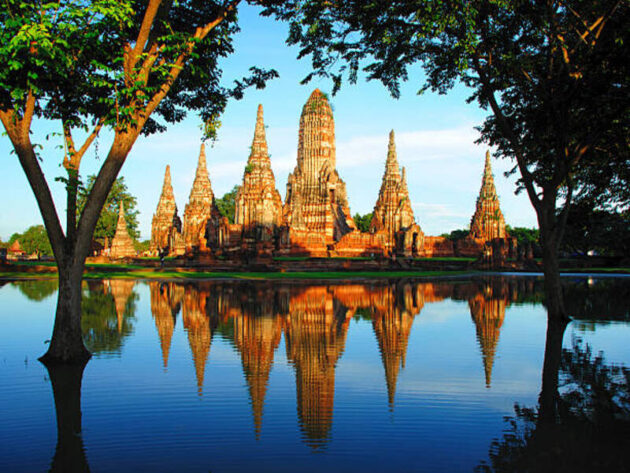
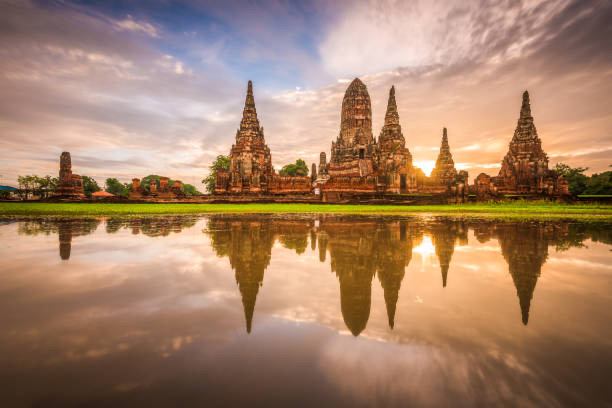
Wat Chaiwatthanaram
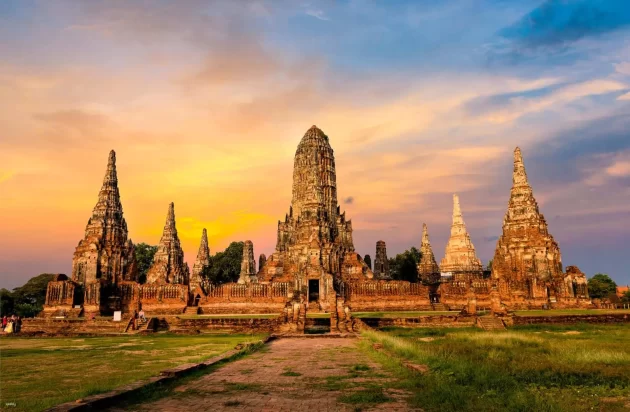
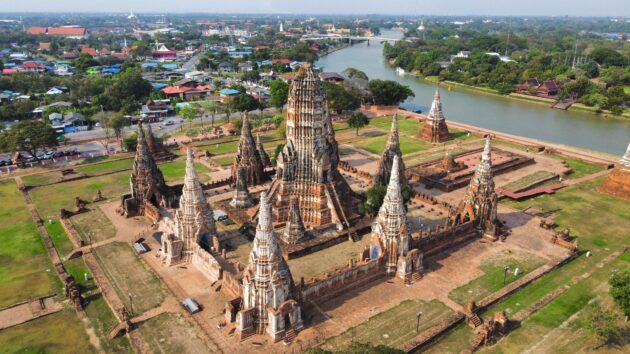
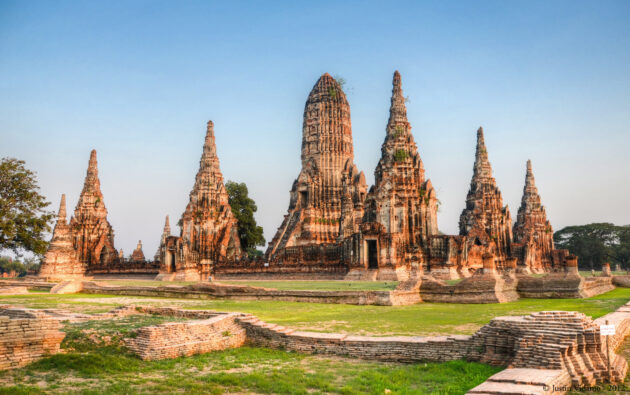
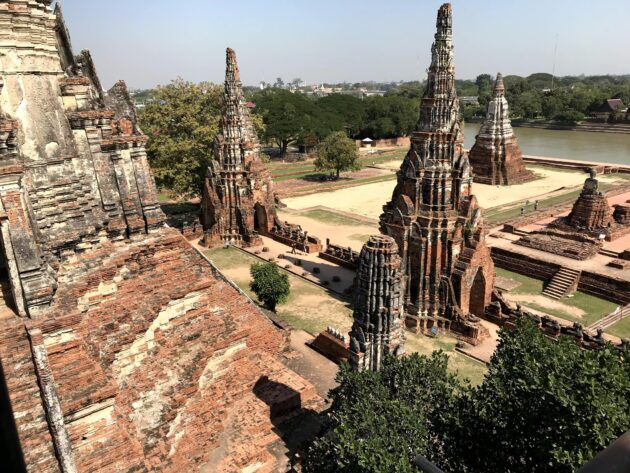
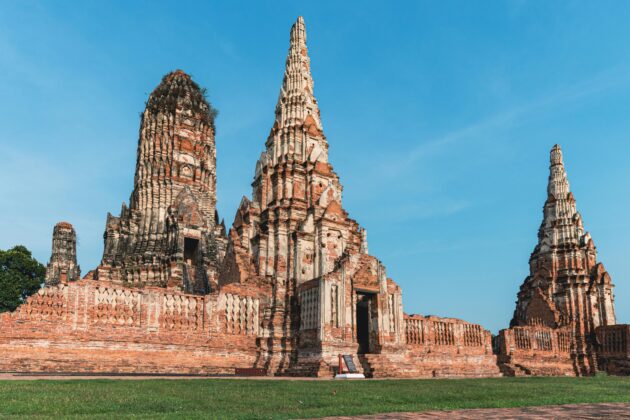
Wat Chaiwatthanaram (also spelled Wat Chai Wattanaram or Wat Chaiwatthanaram) is one of the most iconic and photogenic temples in Ayutthaya Historical Park, a UNESCO World Heritage Site in Phra Nakhon Si Ayutthaya, Thailand. It features strong Khmer-style architecture, reminiscent of Angkor Wat, with a towering central prang (spire) symbolizing Mount Meru, the sacred mountain in Hindu-Buddhist cosmology.
Wat Ratchaburana
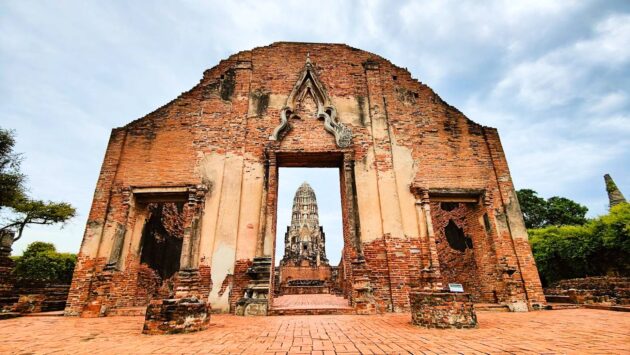
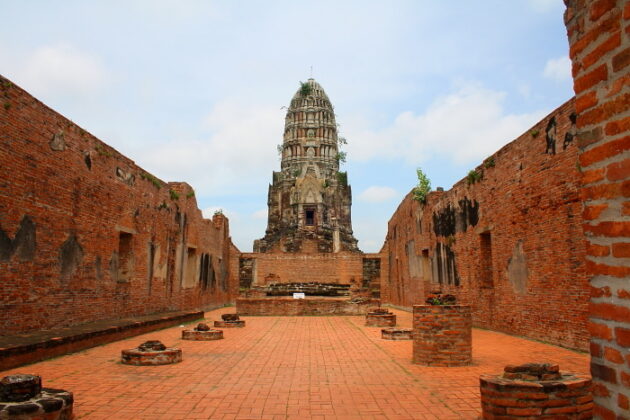
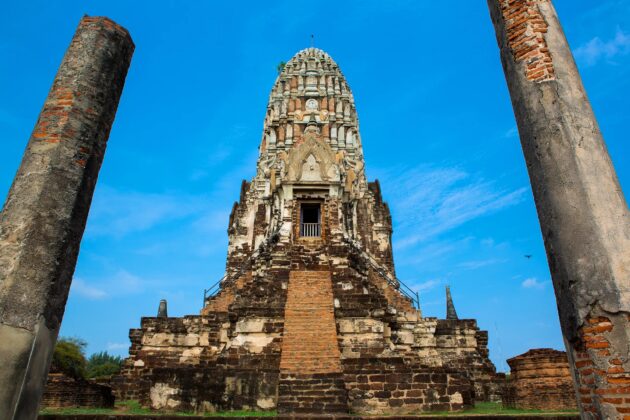
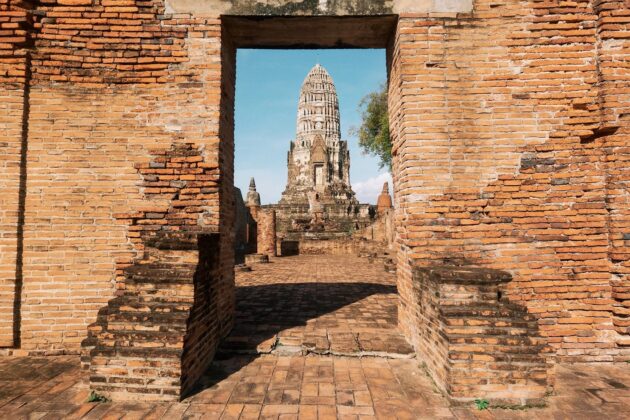
Wat Ratchaburana in Phra Nakhon Si Ayutthaya, Thailand, is a historic Buddhist temple renowned for its impressive prang (corncob-shaped tower) and well-preserved 15th-century murals. Built in 1424 by King Borommarachathirat II to commemorate his two brothers who died in a power struggle, the temple features a central prang adorned with intricate stucco reliefs of mythical creatures and floral patterns.
Wat Lokayasutharam
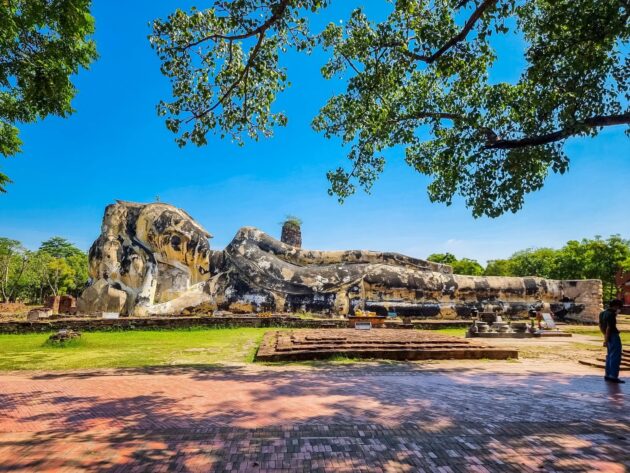
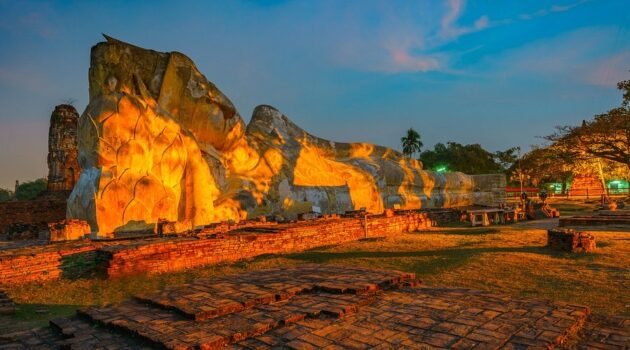
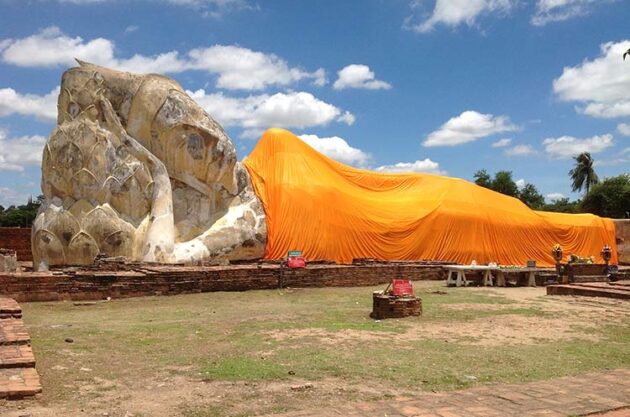
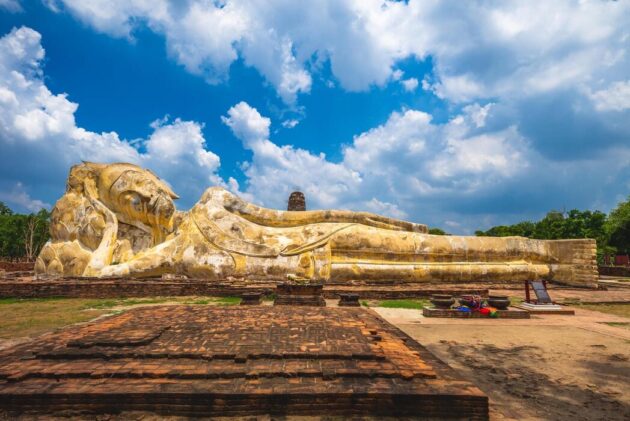
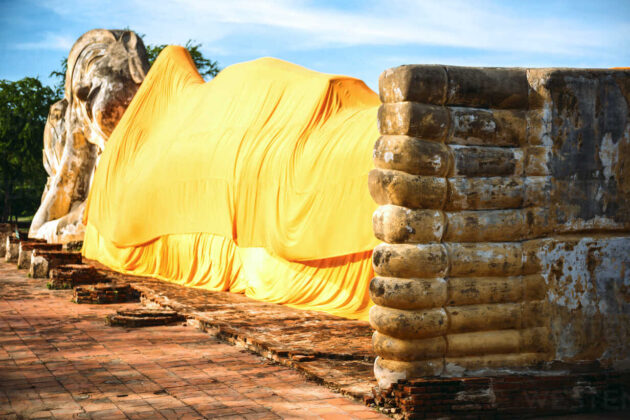
Wat Lokayasutharam in Phra Nakhon Si Ayutthaya, Thailand, is an ancient temple site best known for its impressive reclining Buddha statue, known as Phra Buddha Saiyat, which measures over 42 meters long and 8 meters high. This iconic brick-and-stucco image depicts the Buddha entering Nirvana and remains remarkably well-preserved despite the temple’s destruction during the Burmese invasion of 1767.
Wat Yai Chai Mongkhon
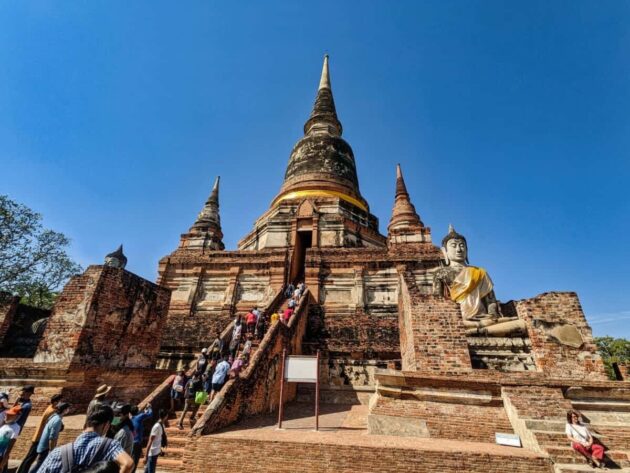
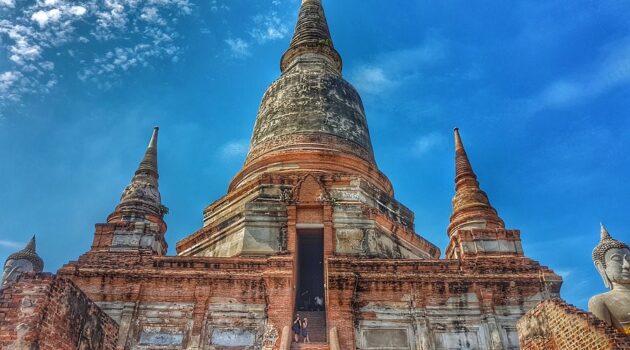
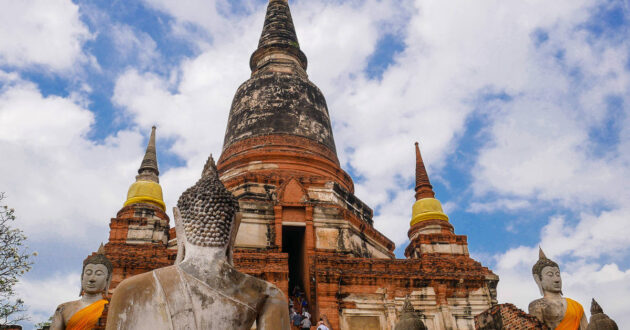
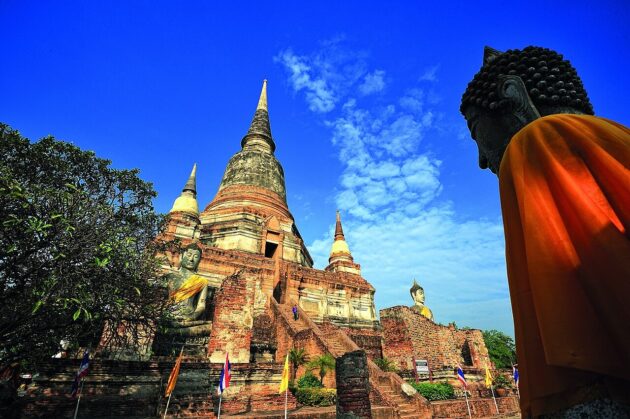
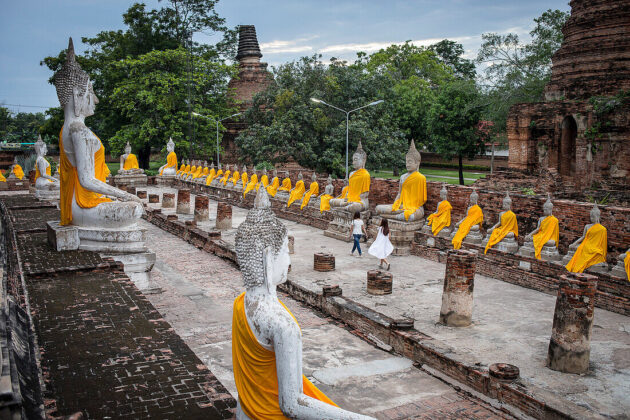
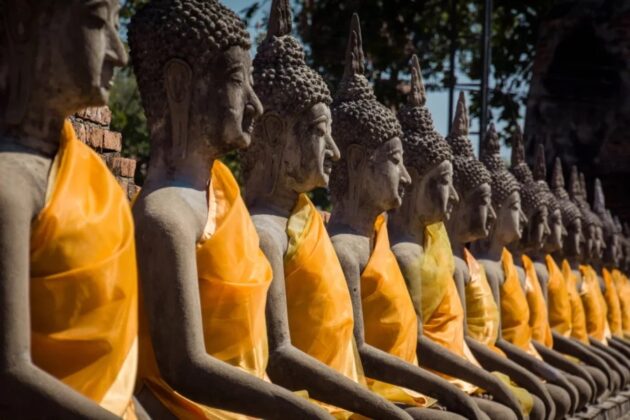
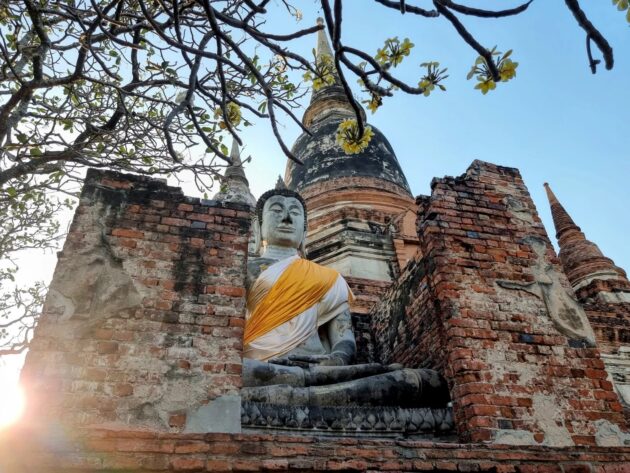
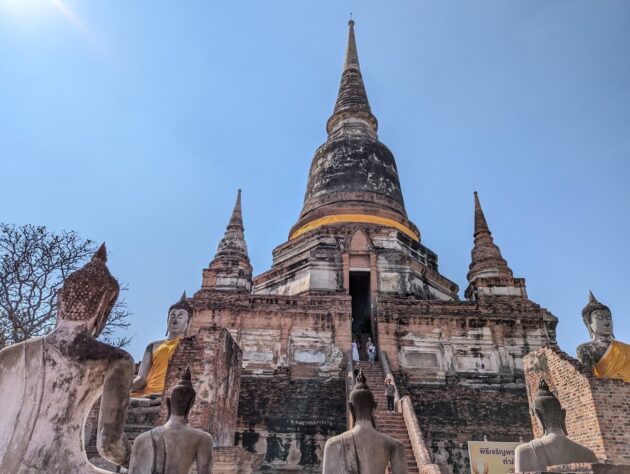
Wat Yai Chai Mongkhon (วัดใหญ่ชัยมงคล), or the “Great Monastery of Auspicious Victory,” is one of the most iconic and photogenic temples in Ayutthaya, Thailand. It is an active Buddhist monastery with impressive historical architecture, including a towering chedi (stupa), rows of seated Buddha statues, and a reclining Buddha.
Getting Around
Rent a bicycle (popular and fun for the flat terrain).
Tuk-tuk (negotiate rates; good for groups or heat avoidance).
Motorbike rental or songthaews.
Food Specialties
Ayutthaya is famous for boat noodles (kuay tiao ruea)—small bowls of rich, dark broth (often with blood for thickness) with pork/beef, noodles, and toppings. Try multiple bowls. Look for Pa Lek Boat Noodles (long-standing, well-regarded).
Other highlights: Giant river prawns, roti sai mai (sweet candy floss in roti), and standard Thai street food at night markets. Riverside restaurants offer relaxed dining.
Where to Stay
Riverside luxury: Sala Ayutthaya or similar (temple views, pools).
Mid-range/Boutique: Busaba Ayutthaya, Krungsri River Hotel, or guesthouses near the Historical Park.
Budget: Hostels or simple hotels around Naresuan Road (walkable to main sites).
Staying overnight lets you enjoy quieter mornings and sunsets.
Practical Tips
Entry/Fees: Most temples 50–80 baht; some free.
Heat/Sun: Bring water, hat, sunscreen; take breaks.
Respect: Remove shoes where required; don’t climb on structures.
Crowds: Weekdays or early starts are best.
Money: ATMs available; many spots are cash-friendly.
Safety: Standard precautions; the area is generally safe for tourists.
Final Thoughts
Ayutthaya provides a fascinating glimpse into Thailand’s history and a peaceful contrast to Bangkok’s energy. Whether as a quick day trip or relaxed base, its ruins and riverside charm make it memorable. Plan at least a full day, and consider two for the best experience. Safe travels!