
Mount Fuji Travel Guide (2026): Japan’s Iconic Peak
Mount Fuji (富士山, Fujisan) is Japan’s highest mountain at 3,776 meters (12,389 feet) and one of the most recognizable landmarks in the world. A UNESCO World Cultural Heritage Site, it is sacred to the Japanese and attracts climbers, photographers, and nature lovers from around the globe. Its near-perfect symmetrical cone, snow-capped summit, and serene surrounding lakes make it a bucket-list destination.
Best Time to Visit
Climbing Season: Early July to early September. The official trails are open only during this period when the mountain is mostly snow-free. Mid-July to late August is the peak window with the best weather.
Viewing Season (non-climbing): Spring (April–May): Cherry blossoms around the Five Lakes area. Summer (June–August): Clear skies for great views. Autumn (October–November): Stunning fall foliage (especially late October). Winter (December–March): Beautiful snow-covered Fuji, ideal for photography but very cold.
Pro Tip: Check the weather forecast carefully. Fuji is famous for “Kagome” (cloud belts) that can suddenly hide the summit.
How to Get There
From Tokyo (most common starting point):
Train: Take the JR Tokaido Shinkansen to Shin-Fuji or Shizuoka Station (about 1–1.5 hours), then transfer to local buses.
Highway Bus: Direct buses from Tokyo Station, Shinjuku, or Shibuya to the Fuji Five Lakes area (Kawaguchiko) take about 2–2.5 hours.
Car Rental: Recommended for flexibility, especially if you want to explore the lakes. Drive via the Tomei Expressway.
Main Bases:
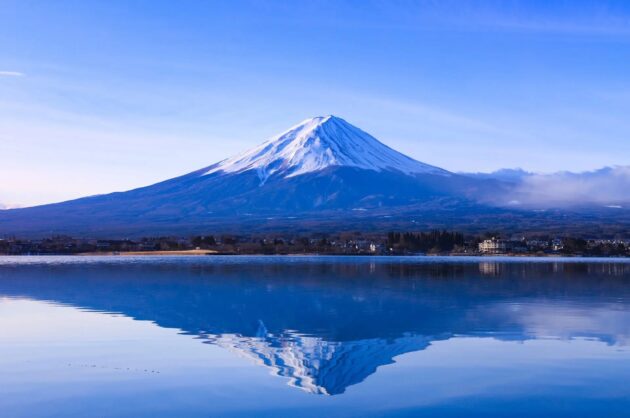
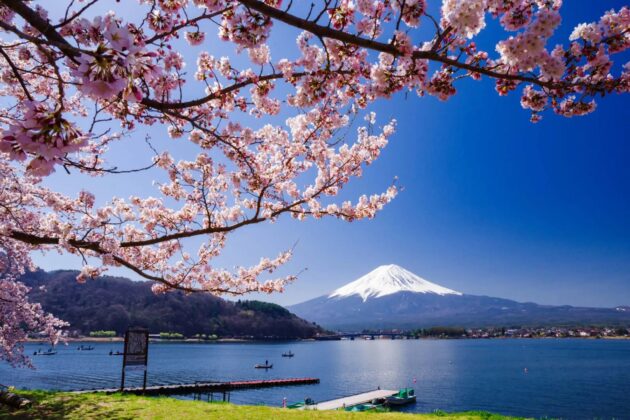
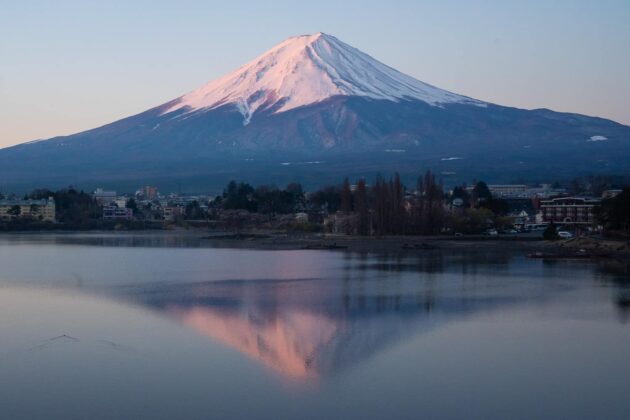
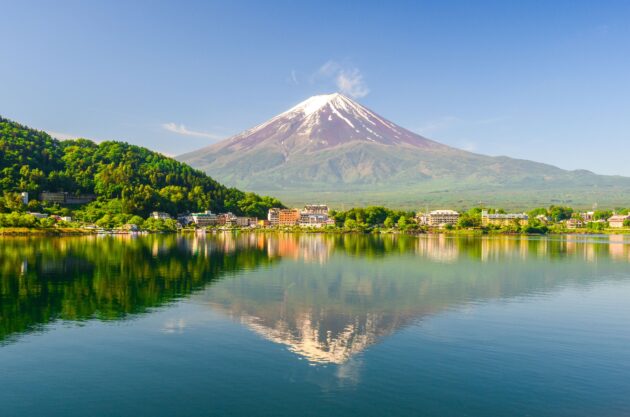
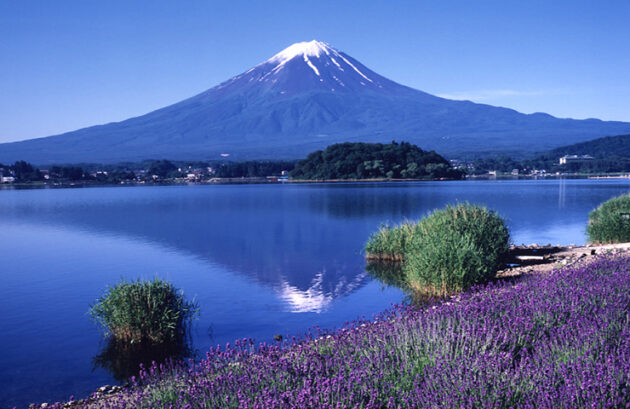
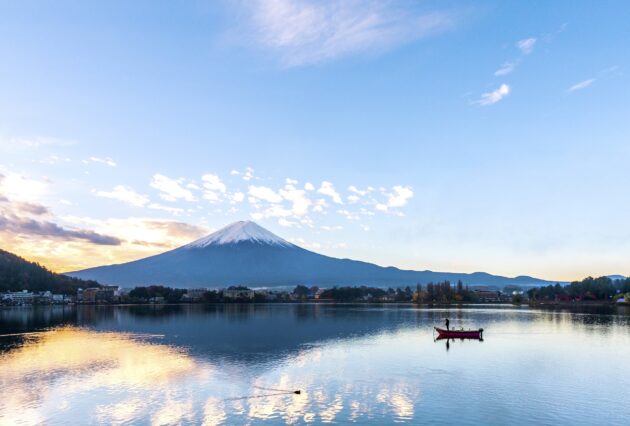
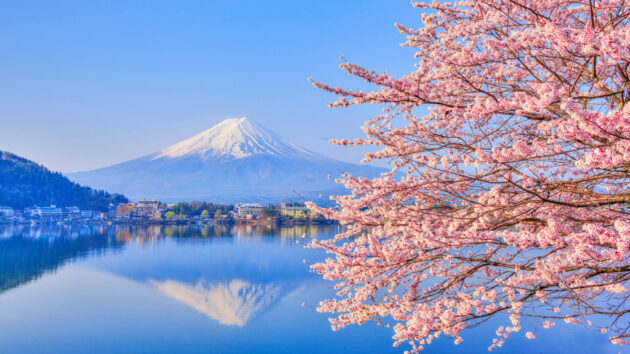
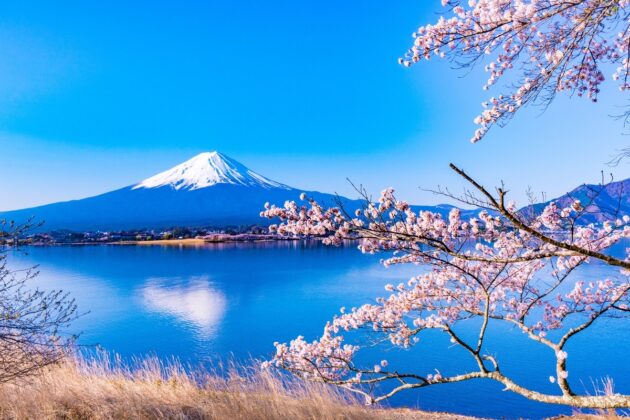
Lake Kawaguchi: Lake Kawaguchi, one of the Fuji Five Lakes in Yamanashi Prefecture, is one of the most accessible and scenic spots to view Mount Fuji. It offers stunning reflections of Japan’s iconic mountain, combined with hot springs, outdoor activities, and a relaxing resort atmosphere. It’s an ideal destination for a day trip or overnight stay from Tokyo.
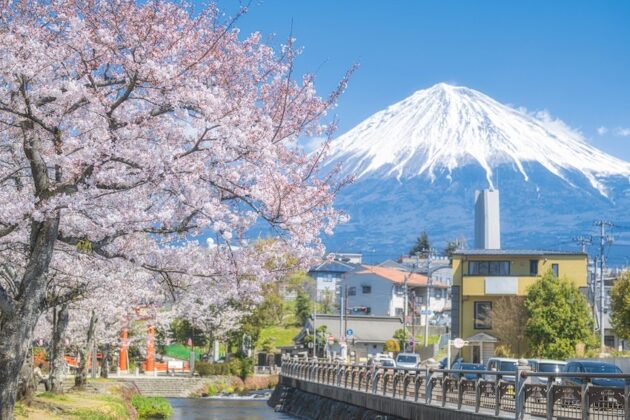
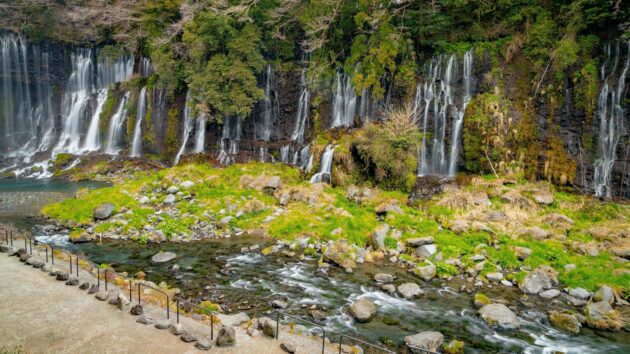
Fujinomiya: Fujinomiya is a charming city in Shizuoka Prefecture at the southwestern base of Mount Fuji. It serves as a less crowded alternative to the more popular northern Fuji Five Lakes area. As the traditional starting point for climbing Mount Fuji via the Fujinomiya Trail, it offers stunning mountain views, sacred shrines, beautiful waterfalls, and unique local cuisine.
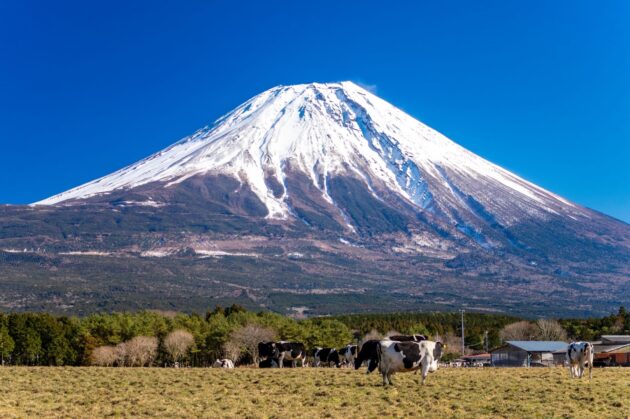
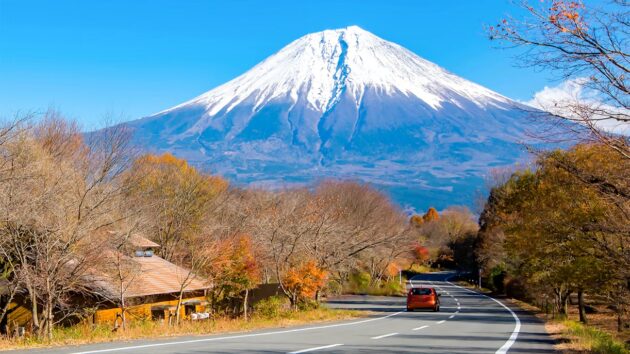
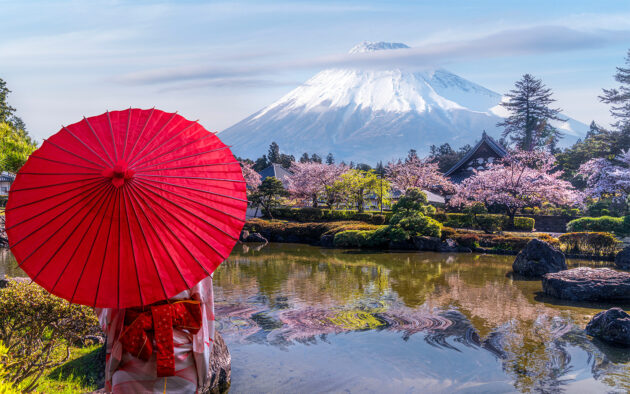
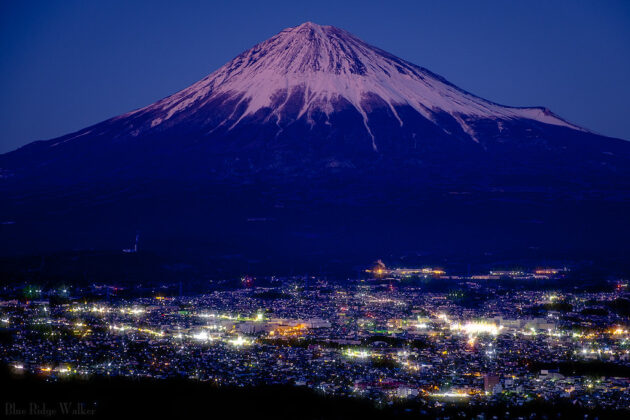
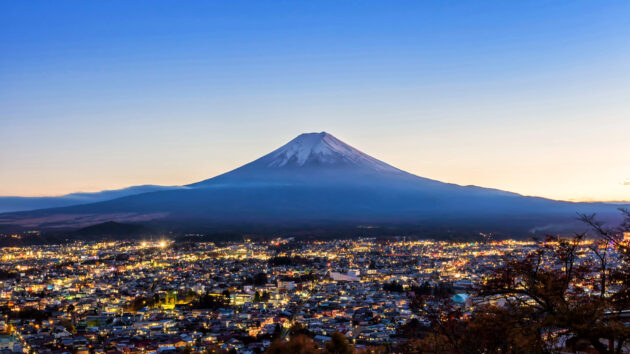
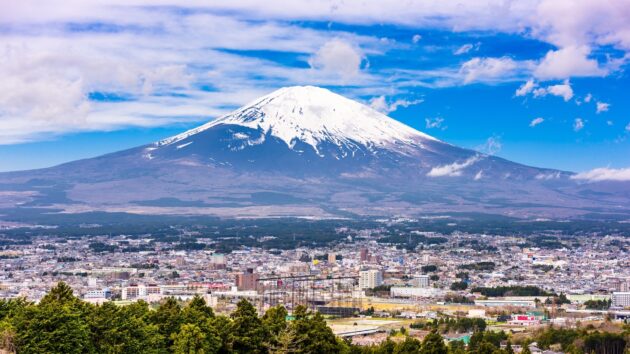
Gotemba: Gotemba (御殿場, Gotenba) is a charming city in Shizuoka Prefecture at the southeastern foot of Mount Fuji. It serves as an excellent base for exploring Japan’s iconic mountain, with stunning Fuji views, world-class shopping, onsen (hot springs), and outdoor activities.
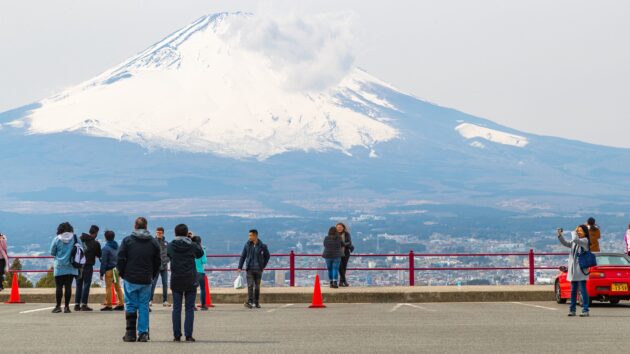
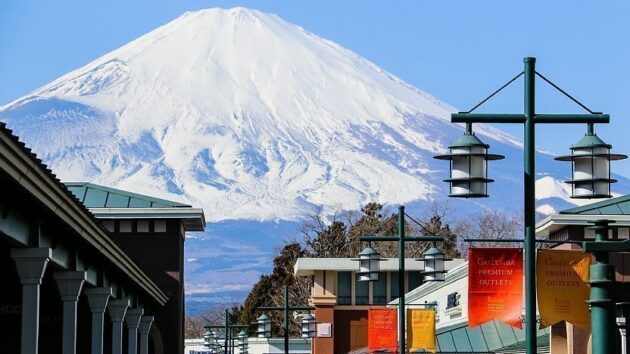
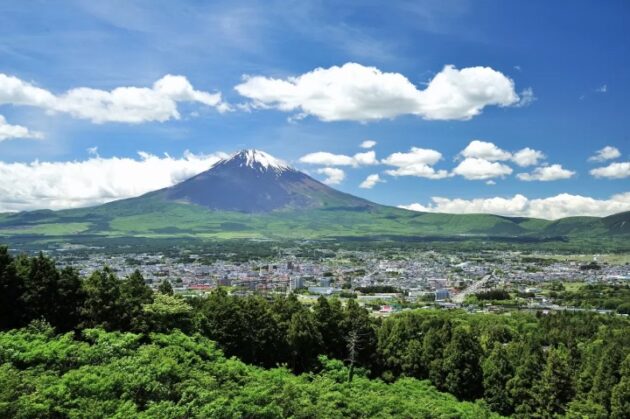
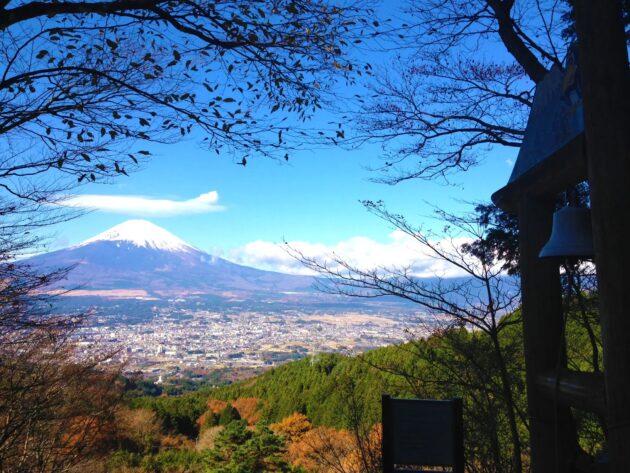
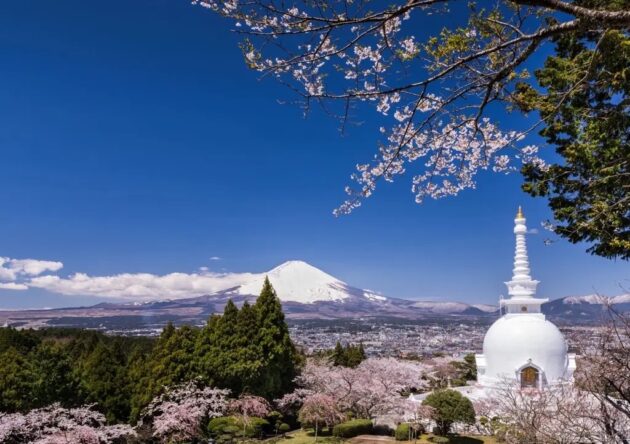
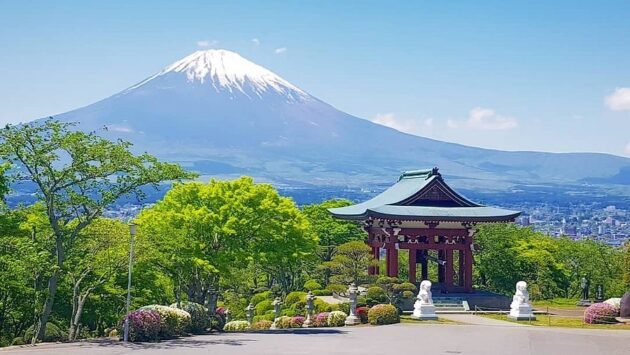
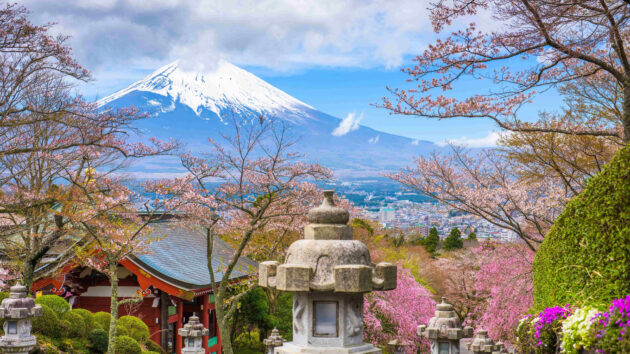
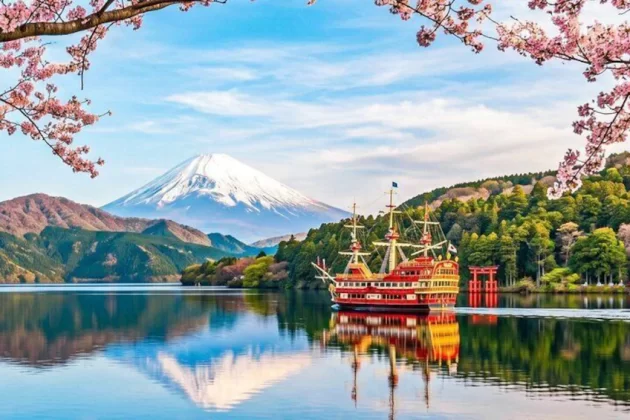
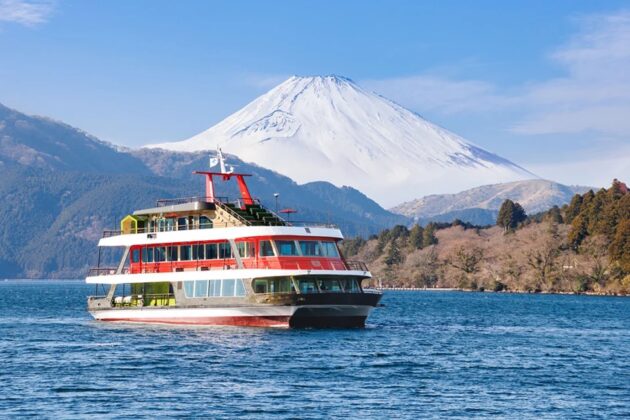
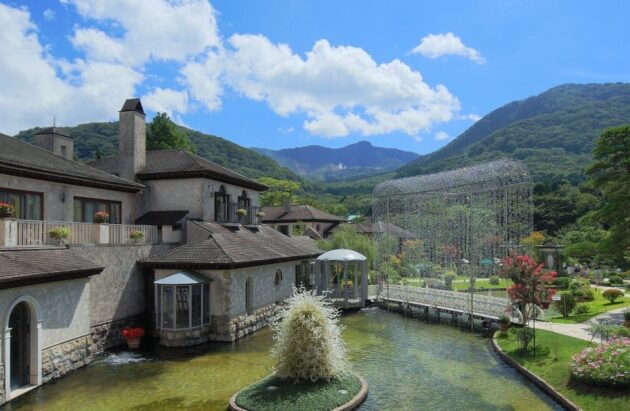
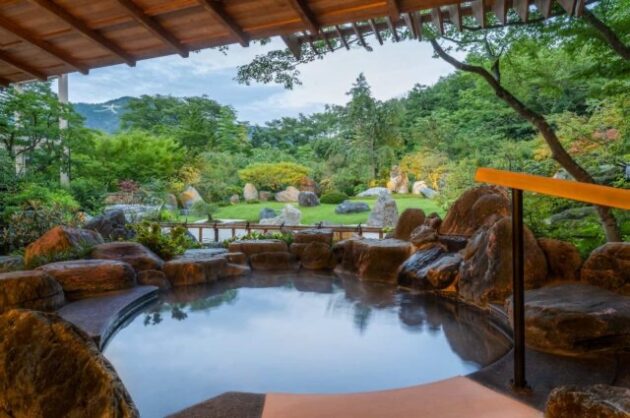
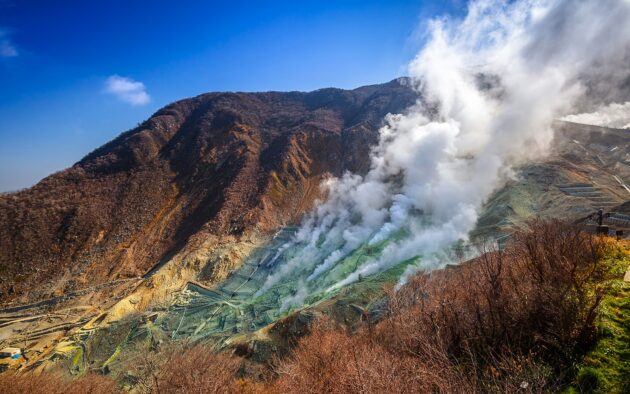
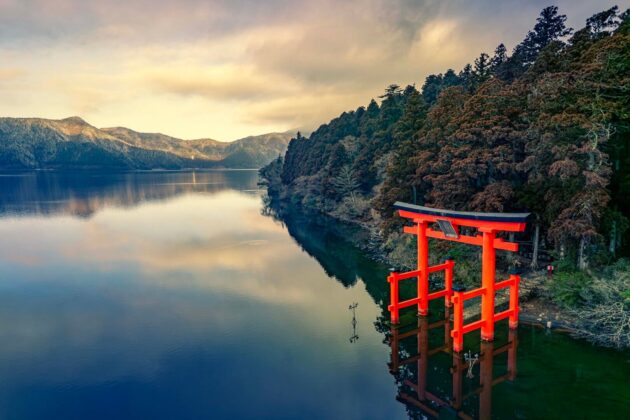
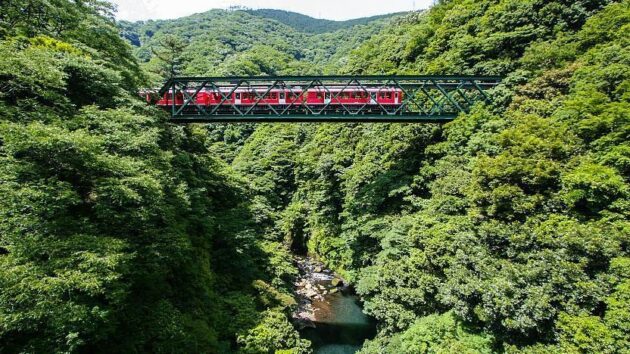
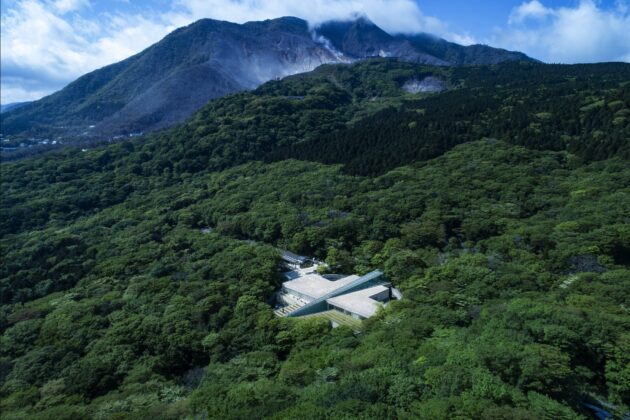
Hakone: Hakone (箱根), located in Kanagawa Prefecture just 80–100 km southwest of Tokyo, is one of Japan’s most popular weekend getaways. Famous for its volcanic landscapes, world-class onsen (hot springs), beautiful Lake Ashi, and iconic views of Mount Fuji, Hakone offers a perfect mix of nature, culture, and relaxation.
Climbing Mount Fuji
Climbing Fuji is a major highlight but physically demanding. It’s not a technical climb, but altitude and steep sections make it challenging.
Popular Trails: Yoshida Trail (most popular, from Fuji Subaru Line 5th Station) – Starts at 2,300m, 6–8 hours up, 4–6 hours down. Fujinomiya Trail – Shortest but steepest. Gotemba Trail – Longest and least crowded. Subashiri Trail – Scenic forest sections.
Essential Tips: Start at night (around 10 PM–midnight) from the 5th station to reach the summit for sunrise (Goraiko). Book mountain huts in advance for rest and meals (highly recommended). Bring: Headlamp, warm layers (temperature drops to 0°C/32°F at summit even in summer), rain jacket, trekking poles, snacks, and ¥1,000–2,000 trail maintenance fee. Altitude sickness is common — descend immediately if you feel very unwell.
Many people now choose day hikes or just visit the 5th stations for views without summiting.
Best Places to View Mount Fuji
You don’t have to climb to enjoy Fuji! Some of the best viewpoints include:
Lake Kawaguchi: Classic postcard view, especially from the northern shore or Oishi Park.
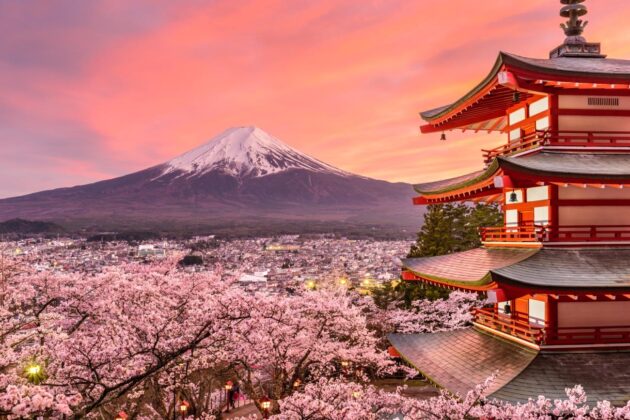
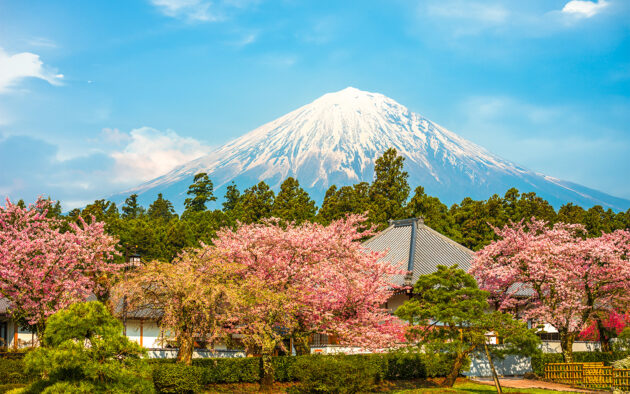
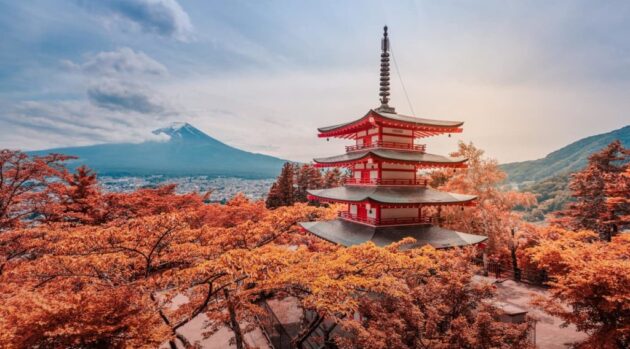
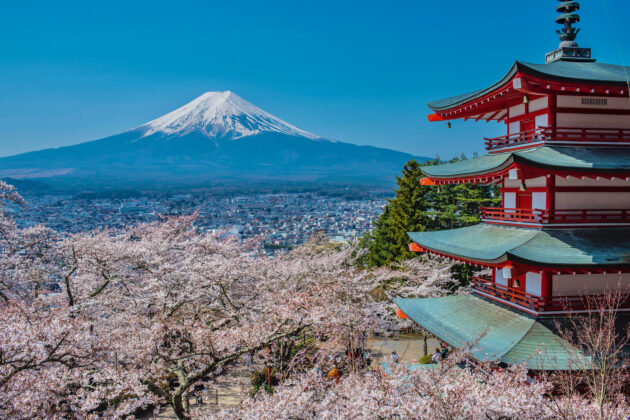
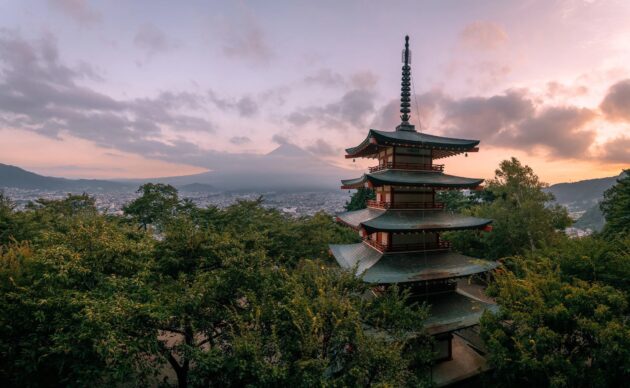
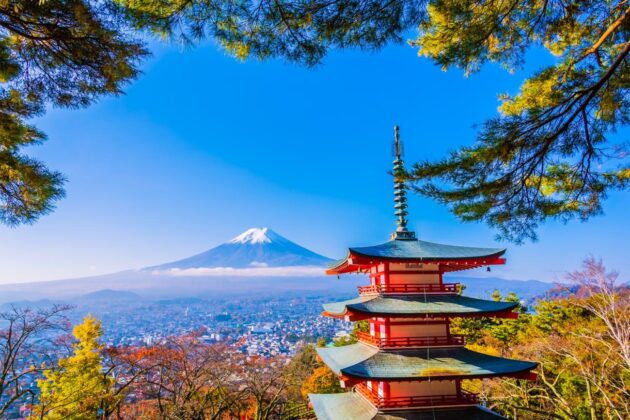
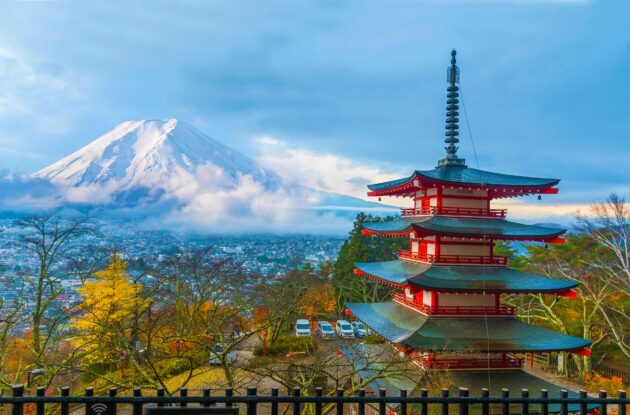
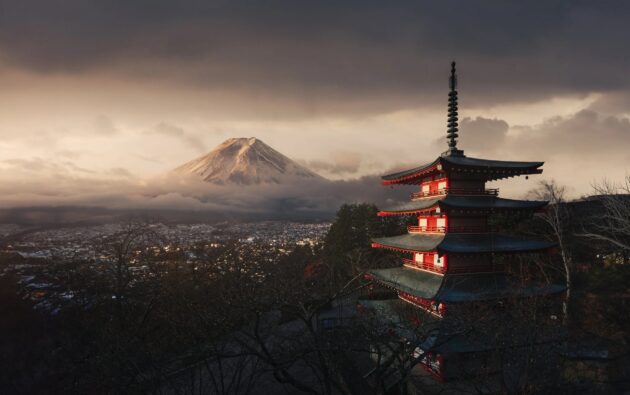
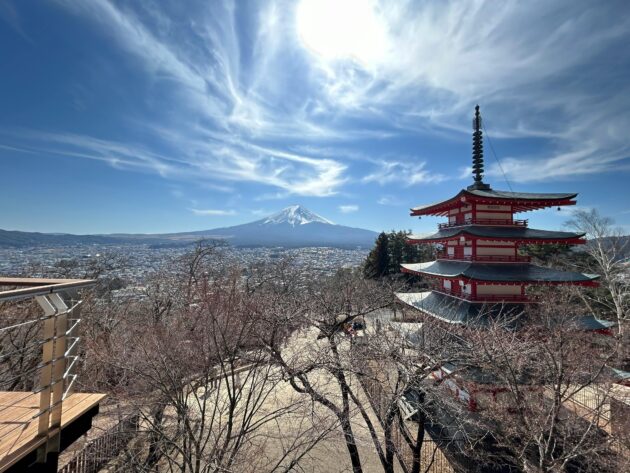
Chureito Pagoda (Arakurayama Sengen Park): The famous pagoda with Fuji in the background — stunning in autumn or cherry blossom season.
Lake Ashi (Hakone): Combine with a Hakone day trip.
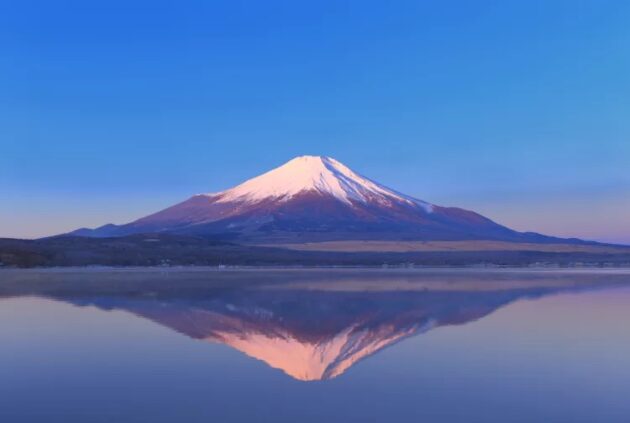
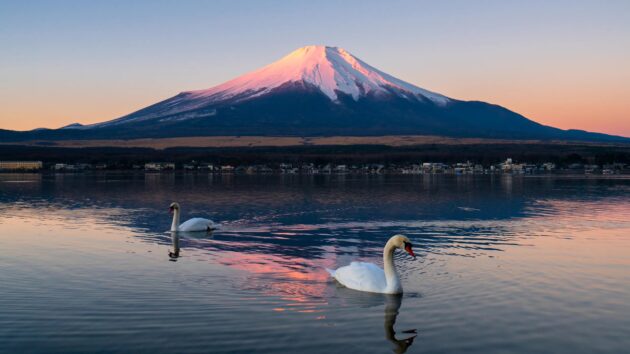
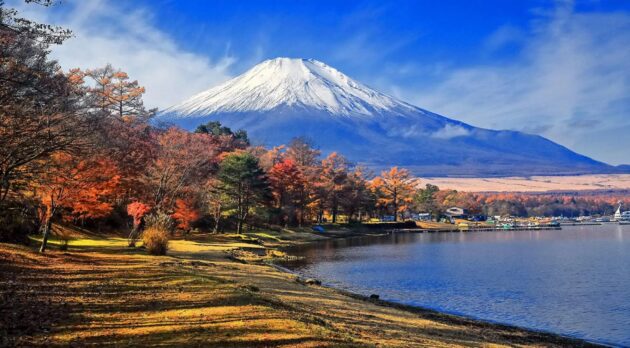
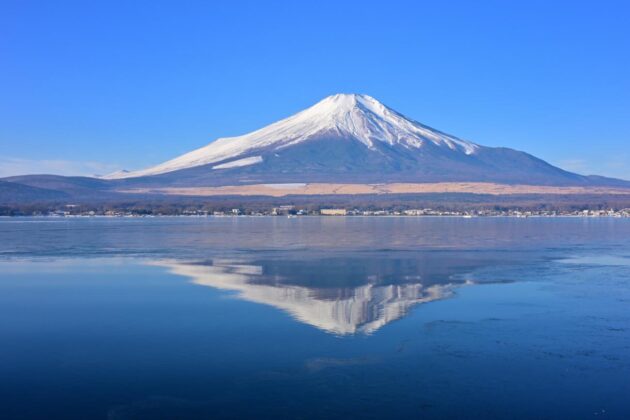
Lake Yamanaka: Lake Yamanaka (山中湖, Yamanaka-ko) is the largest and highest of the Fuji Five Lakes at the northern foot of Mount Fuji. Sitting at about 980 meters above sea level, it offers stunning panoramic views of Japan’s iconic mountain, especially on clear days when Fuji’s snow-capped peak reflects perfectly in the water.
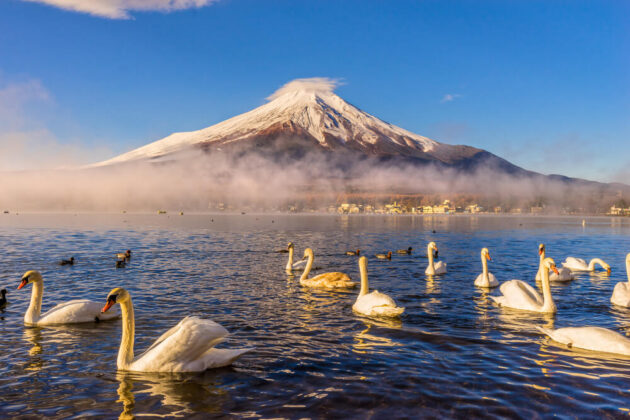
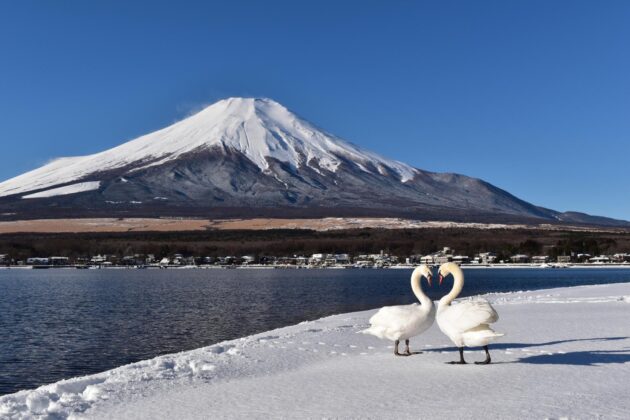
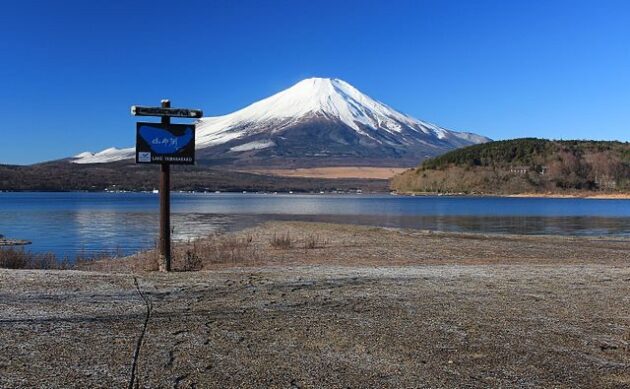
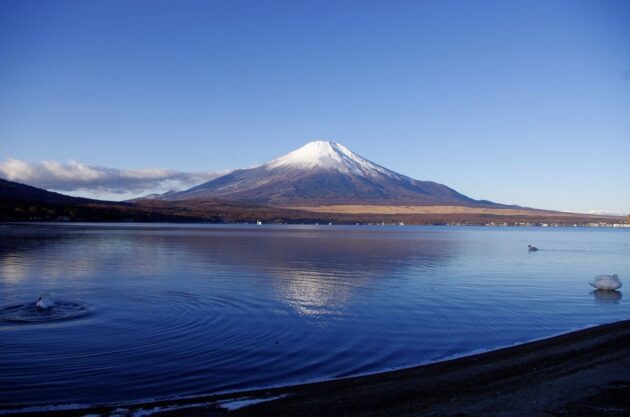
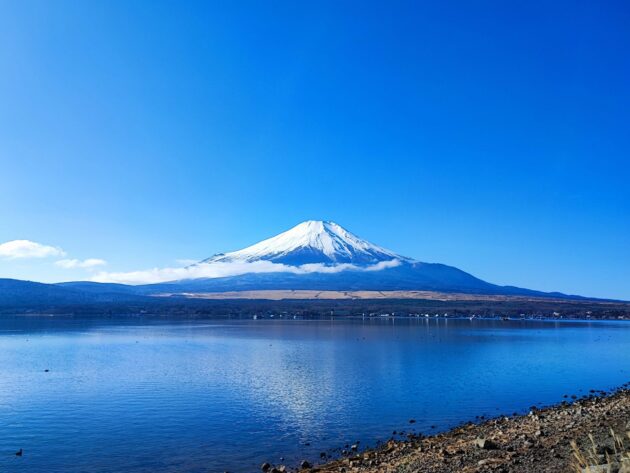
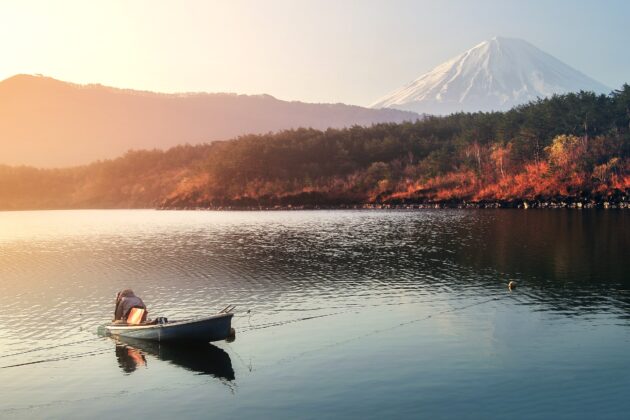
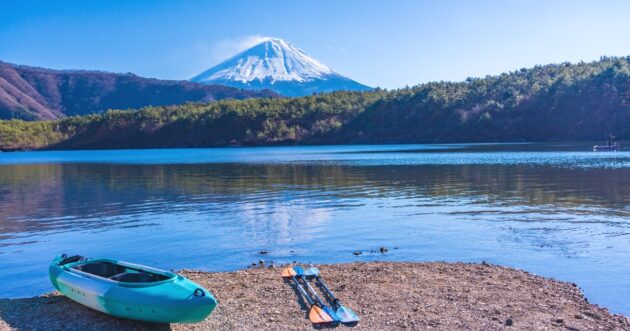
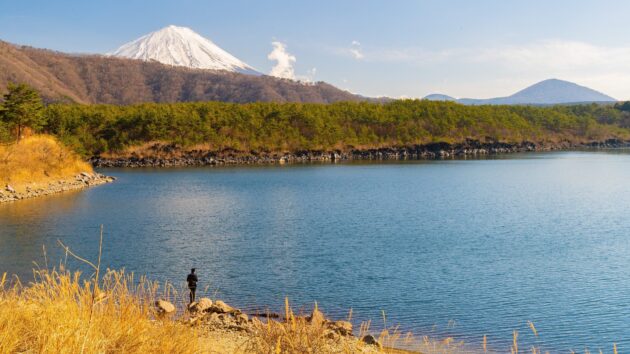
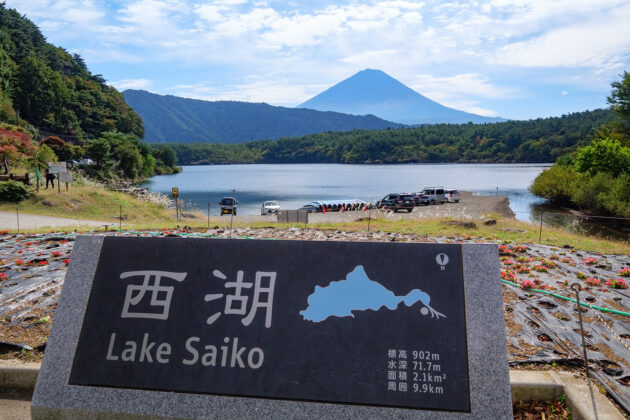
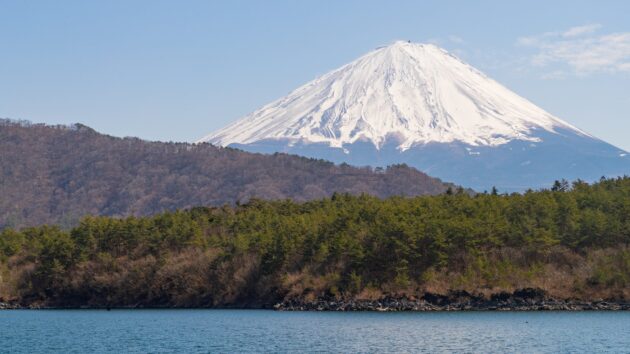
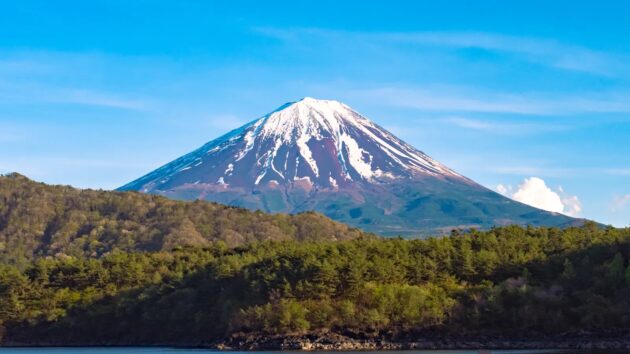
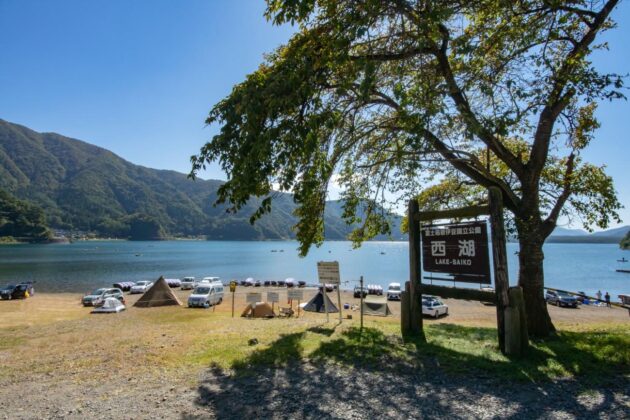
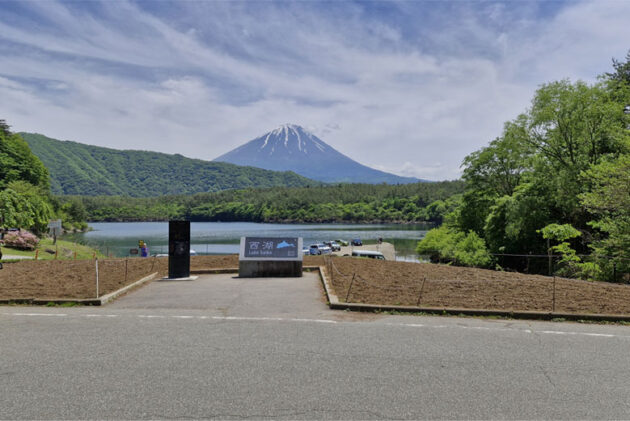
Lake Saiko: Lake Saiko is one of the Fuji Five Lakes (Fujigoko) in Yamanashi Prefecture, located west of the more popular Lake Kawaguchiko. It is the third-largest and second-deepest of the five lakes, offering a quieter, more nature-focused experience compared to its busier neighbors.
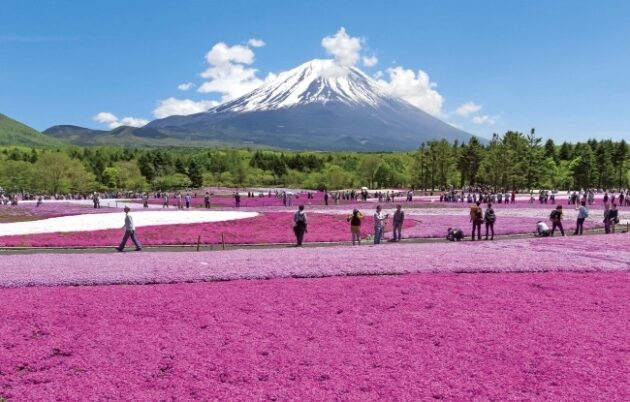
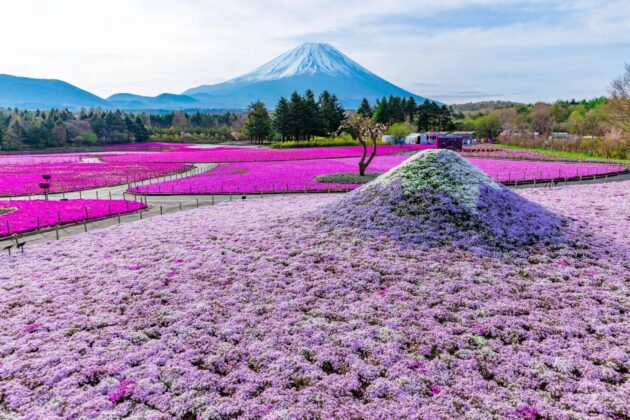
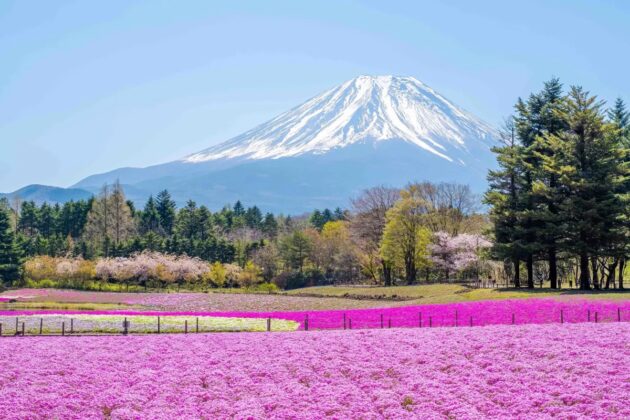
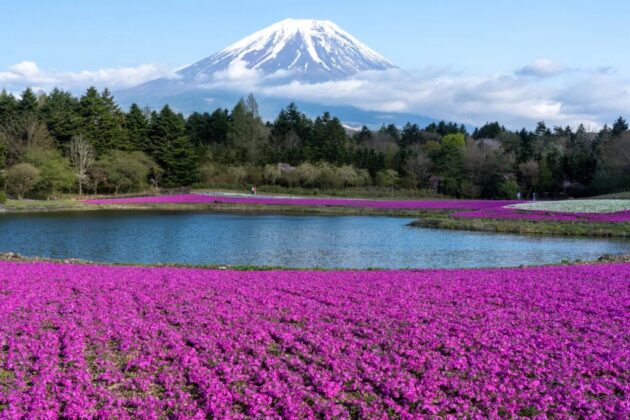
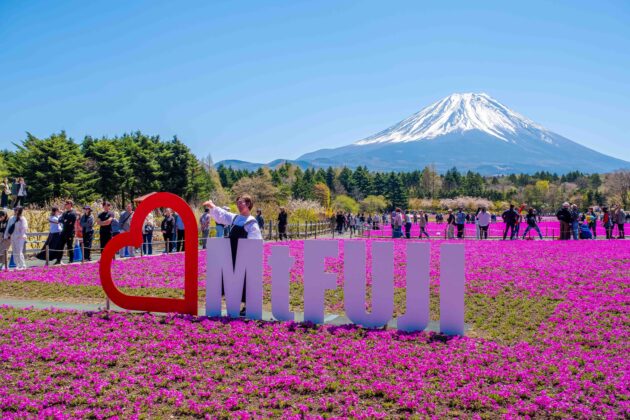
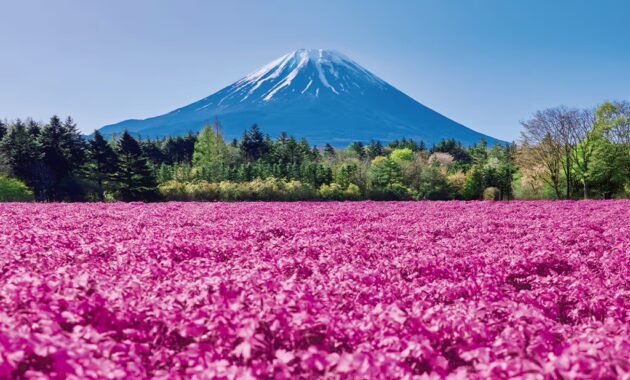
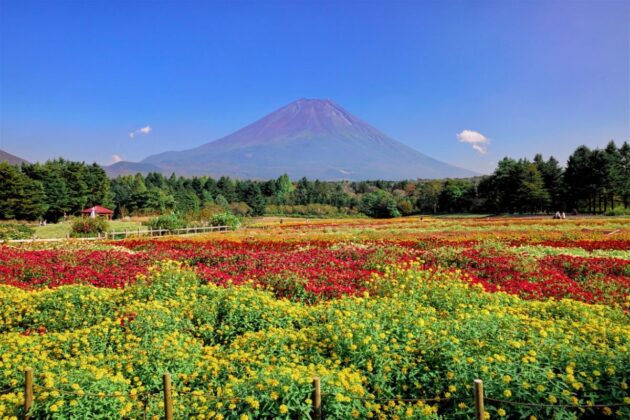
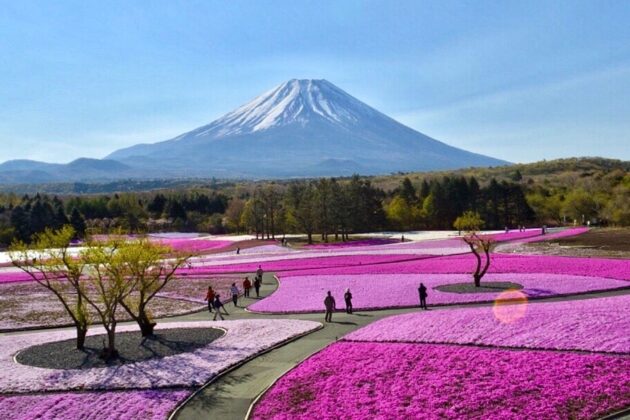
Fuji Motosuko Resort: Fuji Motosuko Resort, located in the Fuji Five Lakes region of Yamanashi Prefecture, is a scenic destination famous for the annual Fuji Shibazakura Festival (Fuji Shibazakura Matsuri). This event features vast carpets of pink moss phlox (shibazakura) set against the iconic backdrop of Mount Fuji, creating one of Japan’s most photogenic spring landscapes.
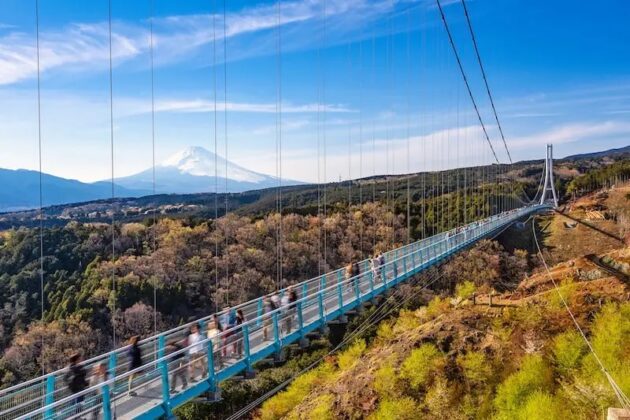
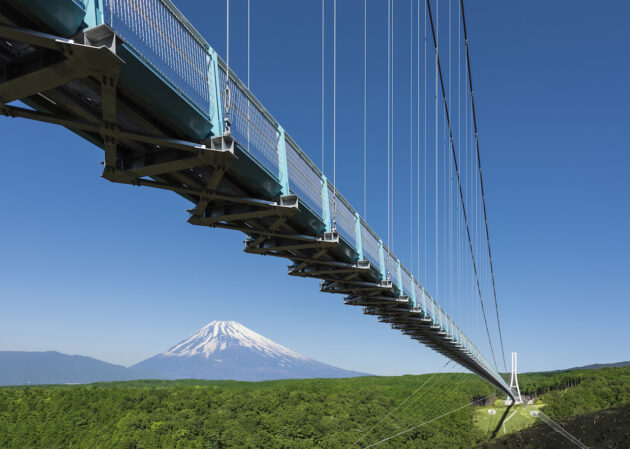
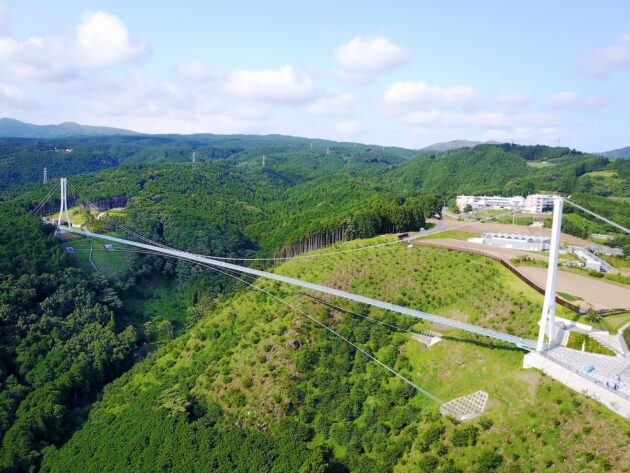
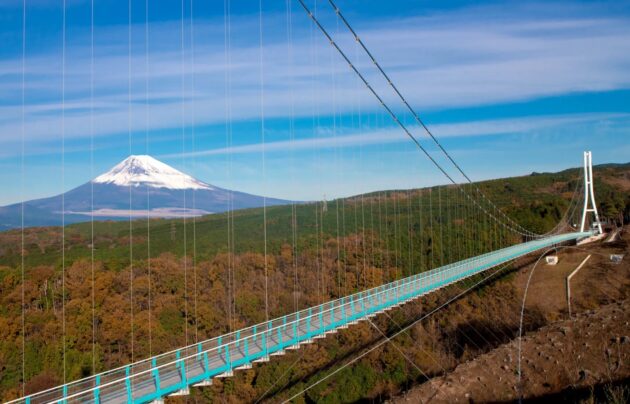
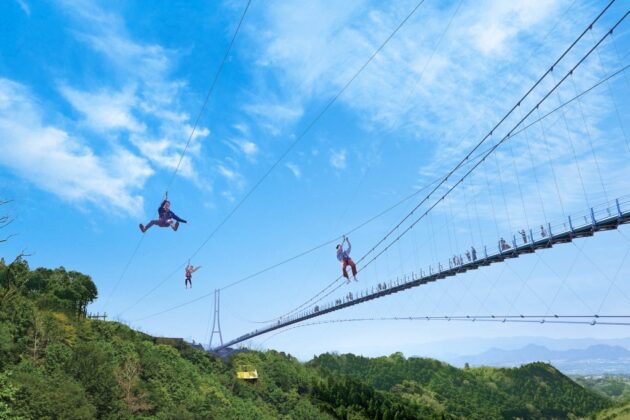
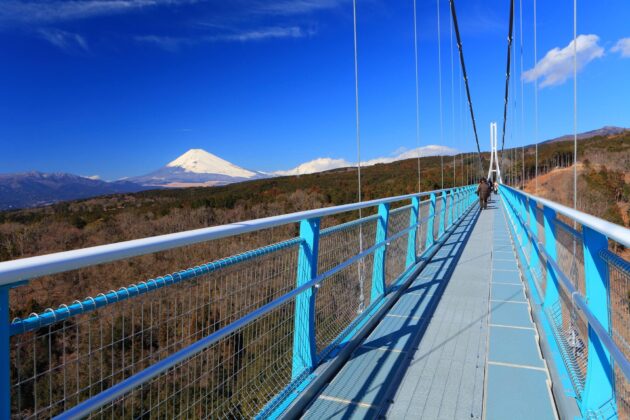
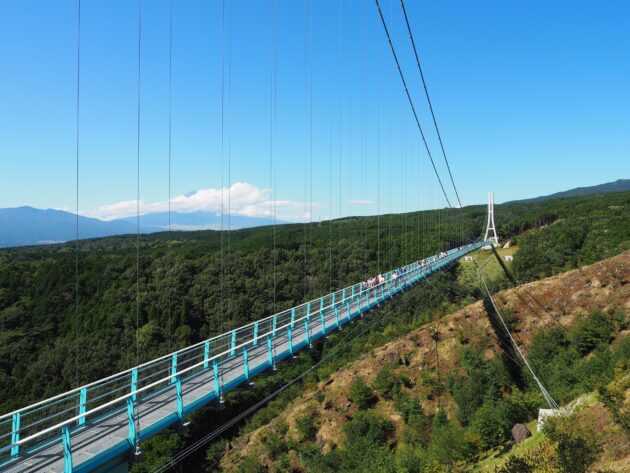
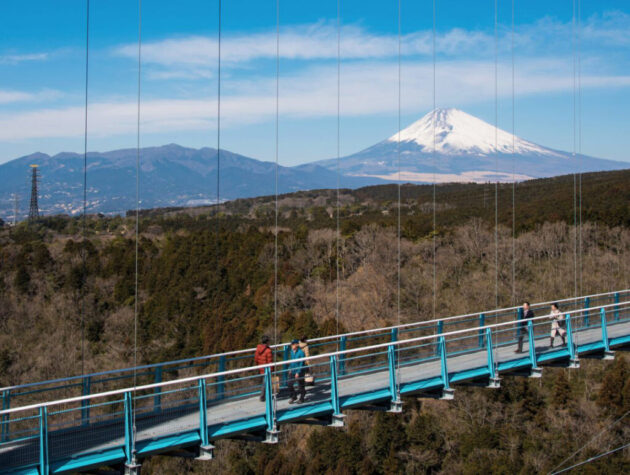
Mishima Skywalk: Mishima Skywalk is Japan’s longest pedestrian suspension bridge, spanning an impressive 400 meters (about 1,312 feet) at a height of around 70 meters above a forested valley. Located in Mishima, Shizuoka Prefecture, it offers stunning panoramic views of Mount Fuji, Suruga Bay (Japan’s deepest bay), and the lush Izu Peninsula landscapes.
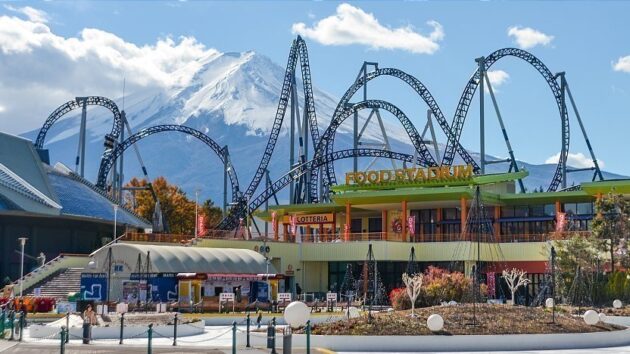
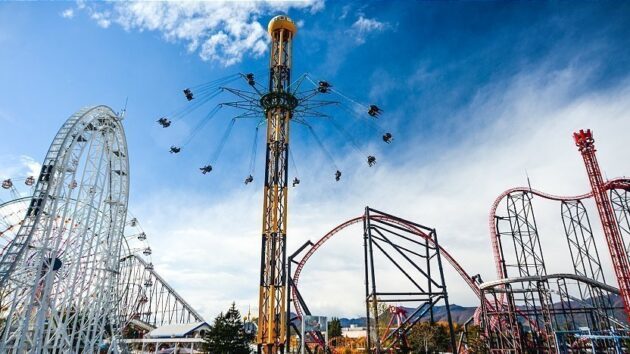
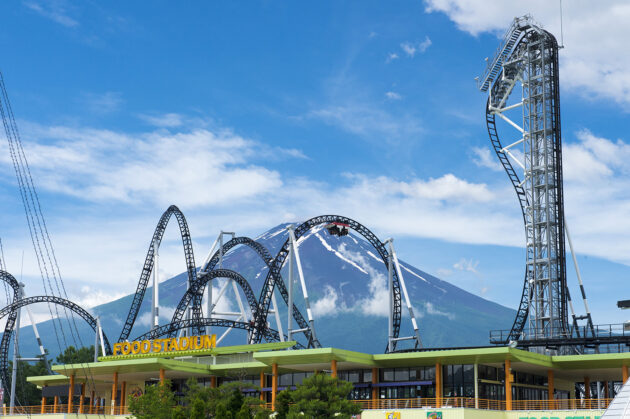
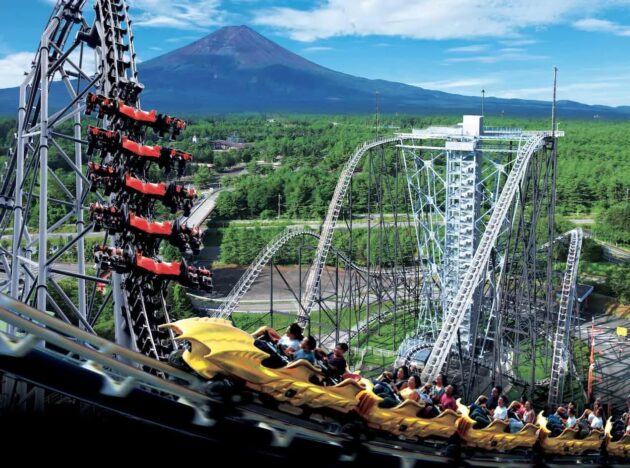
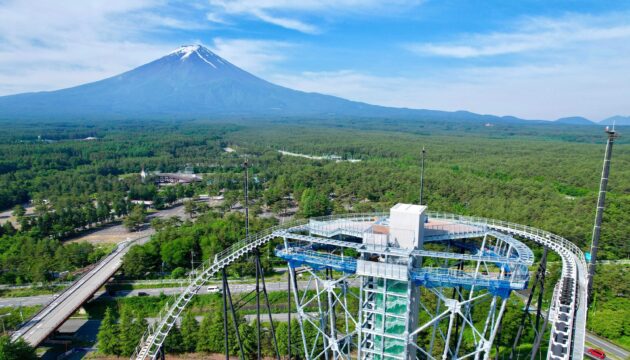
Fuji-Q Highland: Fuji-Q Highland is one of Japan’s top amusement parks, famous for its world-record-breaking roller coasters and stunning views of Mount Fuji. Located in Fujiyoshida, Yamanashi Prefecture, it offers a mix of extreme thrills, family-friendly attractions, anime-themed experiences, and haunted houses.
Nearby Attractions
Fuji Five Lakes (Fujigoko): Kawaguchiko, Yamanaka, Saiko, Shojiko, Motosuko.
Hakone: Onsen (hot springs), volcanic valleys, and ropeways.
Aokigahara Jukai (Suicide Forest): Eerie but fascinating (visit responsibly).
Fujisan Hongu Sengen Taisha Shrine: Beautiful Shinto shrine at the base.
Fuji Safari Park or GrinPa Fuji for families.
Accommodation
Budget: Hostels and guesthouses in Kawaguchiko (~¥4,000–8,000/night).
Mid-range: Ryokans and hotels with Fuji views (~¥12,000–25,000).
Luxury: Hoshinoya Fuji or Fuji View Hotel.
Mountain Huts: Basic shared rooms on the trails (~¥7,000–12,000 including meals).
Book early, especially during climbing season and Golden Week.
Food to Try
Houtou (hearty miso noodle stew with vegetables and pumpkin).
Fujinomiya Yakisoba.
Fresh lake fish and wasabi (Shizuoka is Japan’s wasabi capital).
Kuroiwa strawberry desserts and soft-serve ice cream.
Practical Tips
Currency: Cash is still preferred at mountain huts and smaller shops.
Language: English signs are common in tourist areas, but basic Japanese helps.
Internet: Free Wi-Fi is widely available in Kawaguchiko.
Respect: Fuji is sacred. Follow “Leave No Trace,” don’t litter, and respect local customs.
Crowds: Weekends and Japanese holidays are very busy. Consider weekdays.
Safety: Check official websites for trail status and weather. Never climb outside the official season unless experienced with winter mountaineering.
Final Thoughts
Mount Fuji is more than just a mountain — it represents beauty, resilience, and Japanese spirituality. Whether you summit it, photograph it from afar, or relax by its lakes, the experience is unforgettable.