
Osaka Travel Guide (2026): Japan’s Kitchen and Entertainment Capital
Osaka is Japan’s third-largest city and one of the most fun, food-obsessed, and approachable destinations in the country. Known as “Japan’s Kitchen,” it offers incredible street food, a lively nightlife scene, historic castles, modern architecture, and friendly locals who love to eat and drink.
Best Time to Visit
Spring (March–May): Cherry blossoms (sakura) peak in early–mid April. Very popular and crowded.
Autumn (September–November): Beautiful fall foliage and comfortable weather. Excellent time to visit.
Summer (June–August): Hot and humid, with the famous Tenjin Matsuri festival in July.
Winter (December–February): Cold but less crowded, great for illuminations and onsen trips.
Avoid: Golden Week (late April–early May) and Obon (mid-August) for fewer crowds.
How to Get There
By Air: Kansai International Airport (KANSAI/KIX) is well-connected to major cities worldwide.
Airport Limousine Bus or JR Haruka Express train to Osaka city center (about 45–60 minutes).
By Shinkansen (Bullet Train): From Tokyo (~2.5 hours), Kyoto (~15 minutes), or Hiroshima (~1 hour).
Local Transport: Osaka has an excellent subway system, JR trains, and private lines (Keihan, Hankyu, Kintetsu). Get an ICOCA card (rechargeable) or Osaka Amazing Pass (1- or 2-day unlimited travel + free entry to attractions).
Top Attractions
Osaka Castle (大阪城)
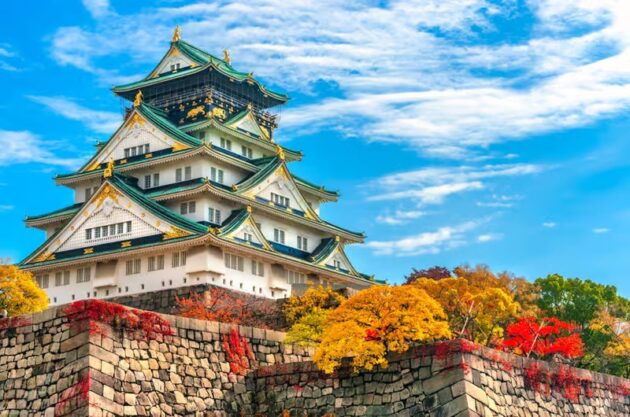
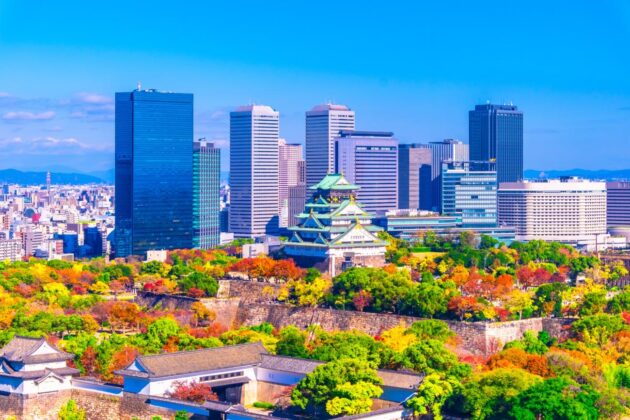
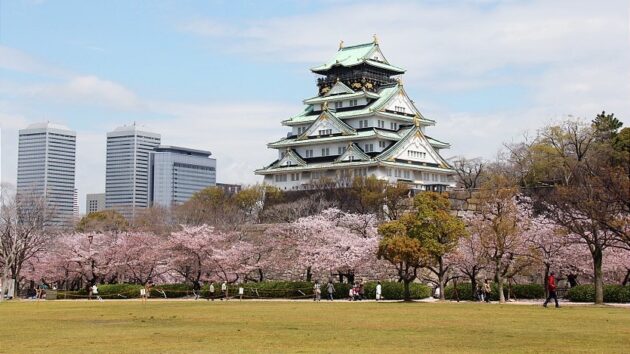
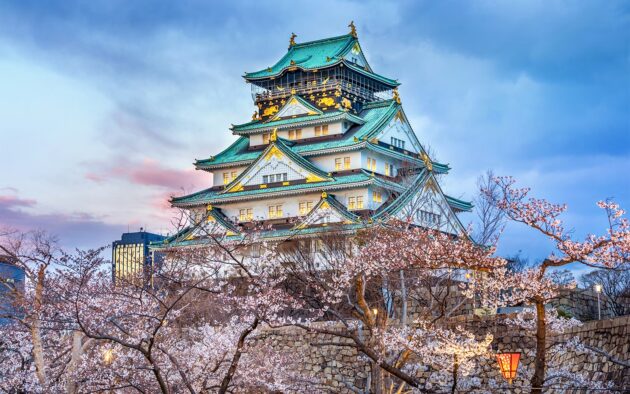
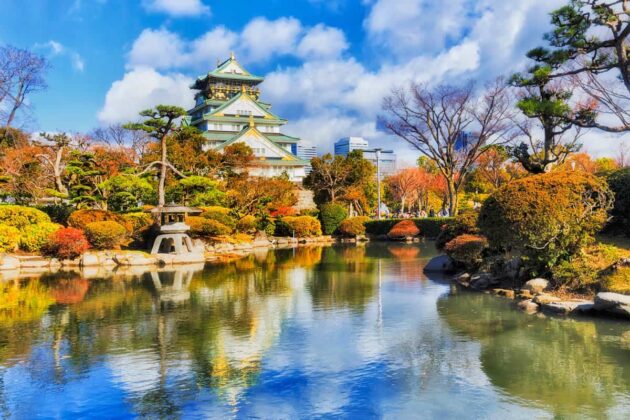
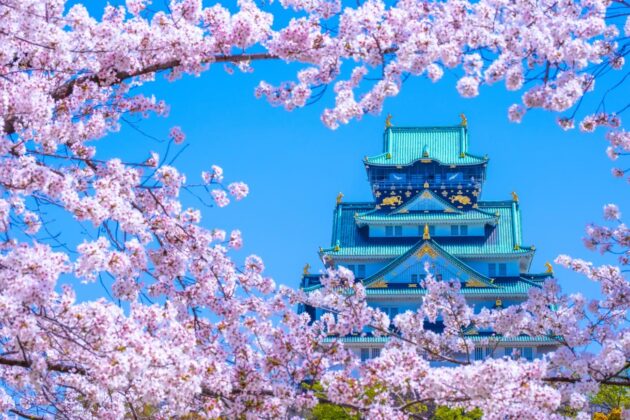
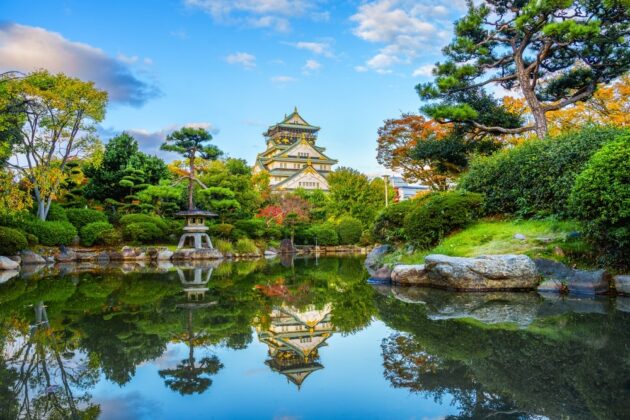
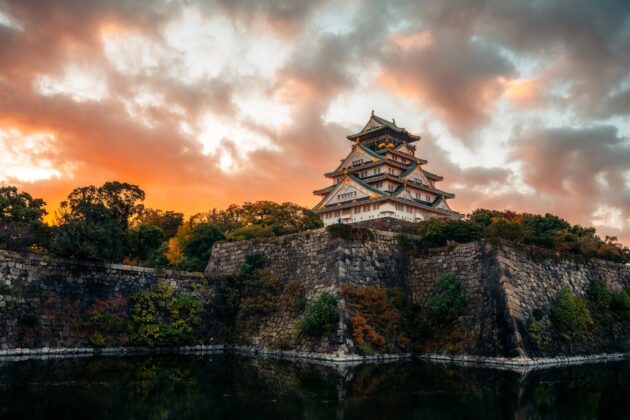
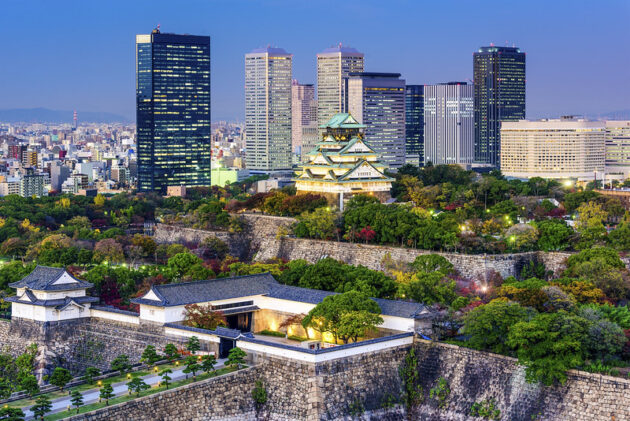
Osaka Castle (大阪城, Ōsaka-jō) is one of Japan’s most iconic landmarks and a must-visit destination in Osaka. The grand castle tower, surrounded by cherry blossoms in spring or colorful autumn leaves in fall, offers stunning views and a deep dive into Japan’s feudal history.
Dotonbori
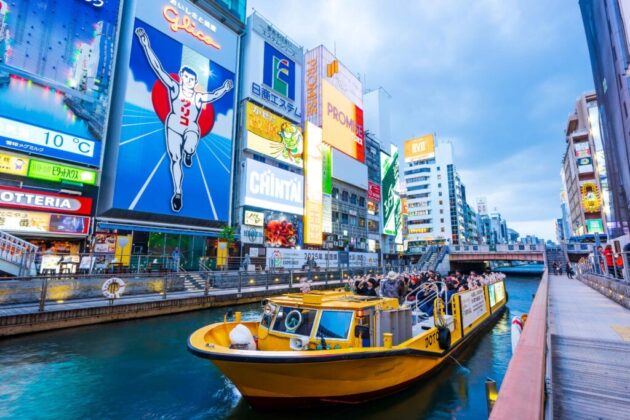
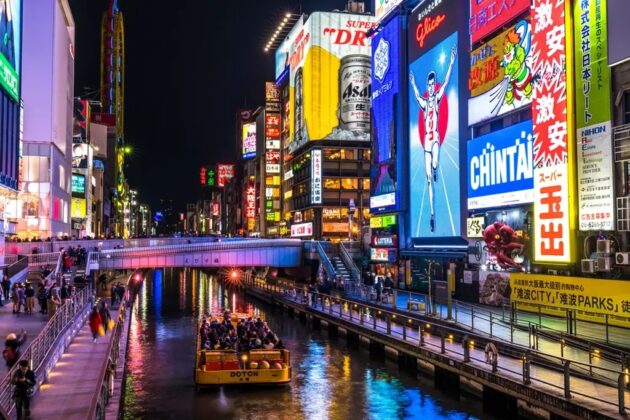
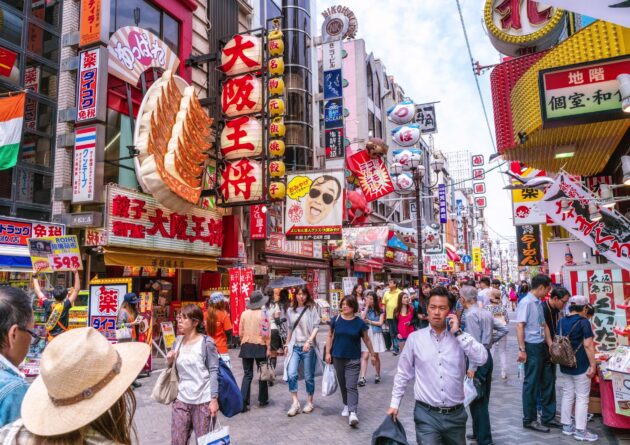
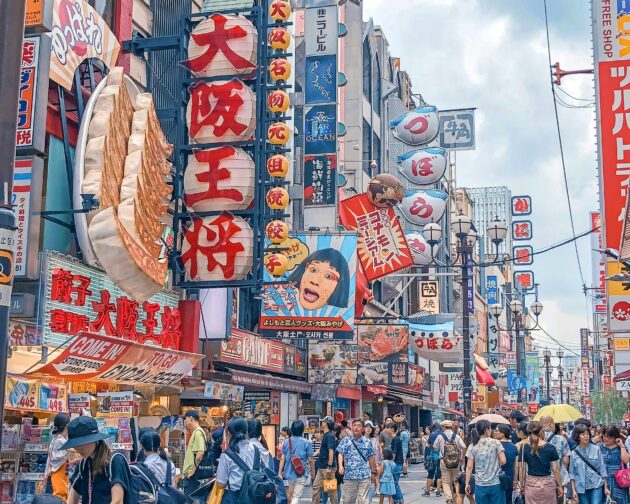
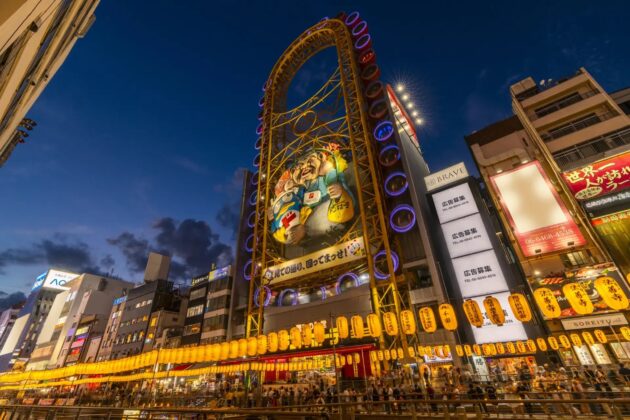
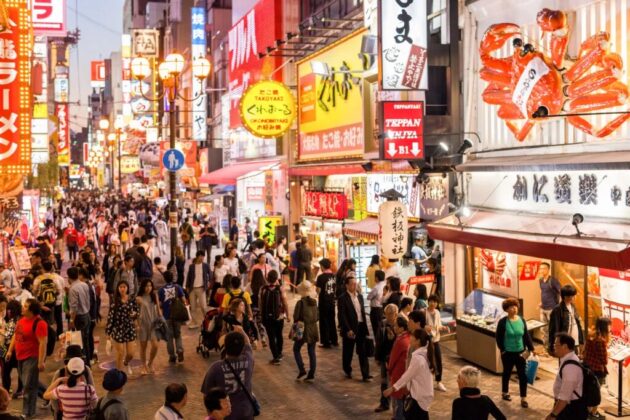
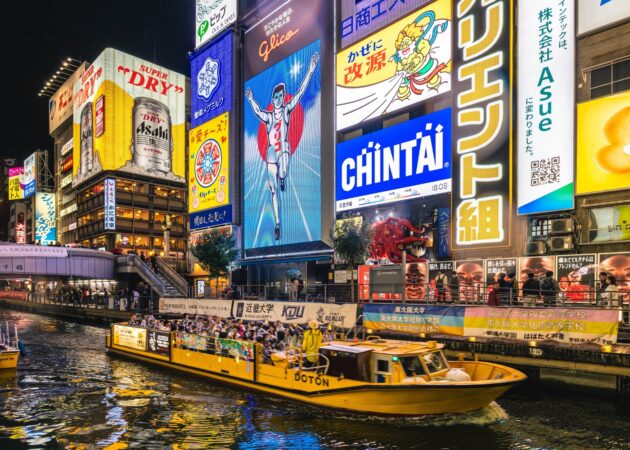
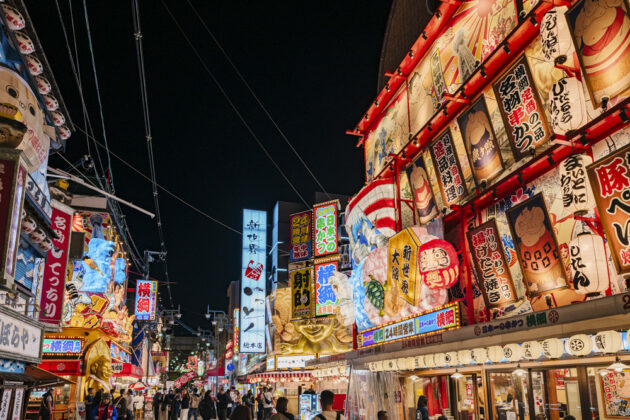
Dotonbori is the iconic entertainment and food district in Osaka, often considered the soul of the city’s vibrant nightlife and street food culture. Located along the Dotonbori Canal in Namba, it’s famous for its dazzling neon signs, the giant running Glico Man billboard, quirky mechanical crab and pufferfish signs, and an endless array of restaurants and street stalls.
Universal Studios Japan
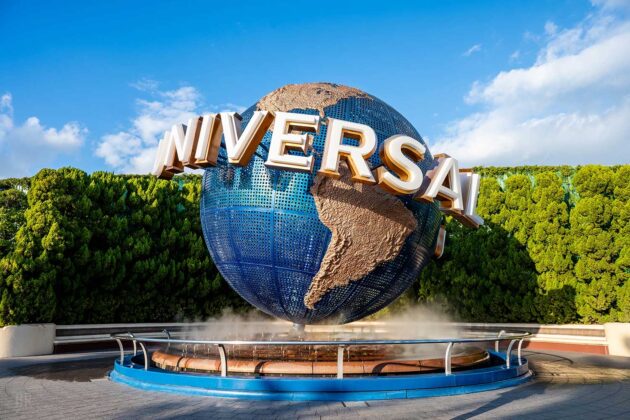
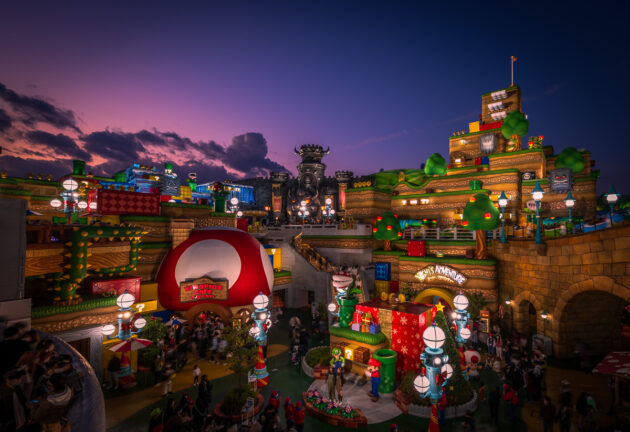
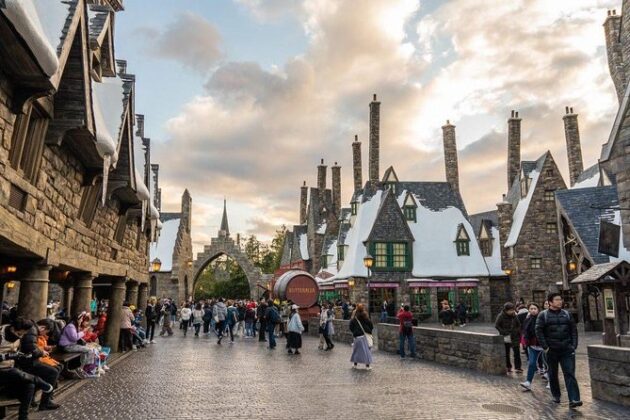
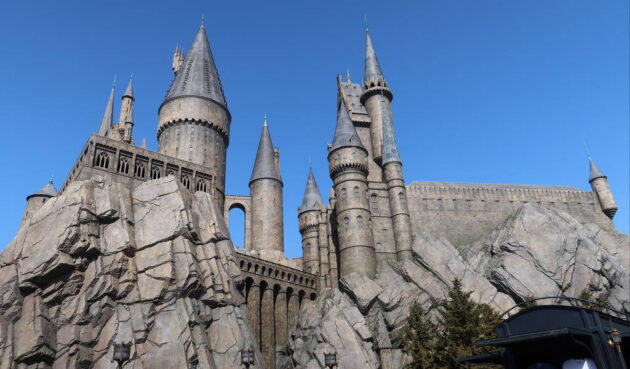
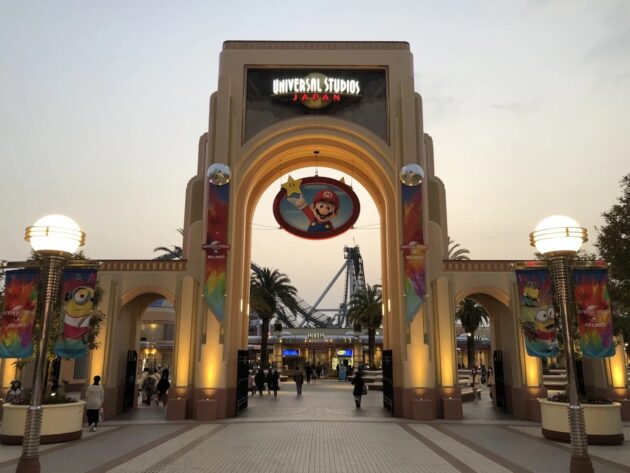
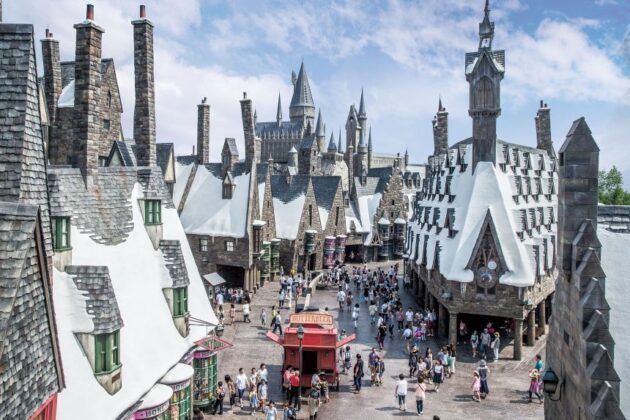
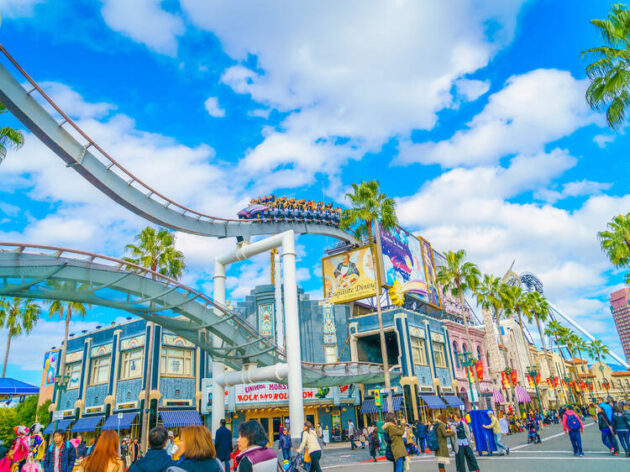
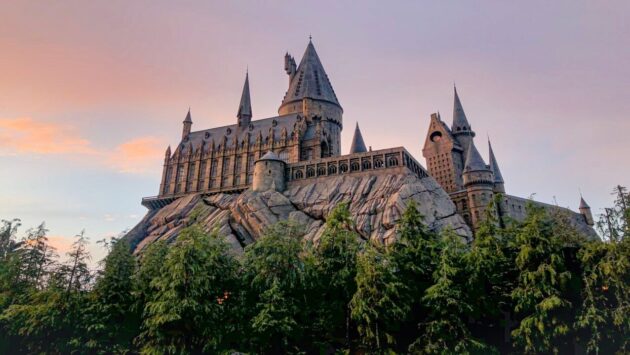
Universal Studios Japan, located in Osaka, is one of Asia’s most exciting theme parks. It blends Hollywood blockbusters with immersive Japanese pop culture experiences, making it a must-visit for families, thrill-seekers, and movie fans. Highlights include the magical Wizarding World of Harry Potter, the vibrant Super Nintendo World, and classic rides like Jurassic Park and Jaws.
Osaka Aquarium Kaiyukan
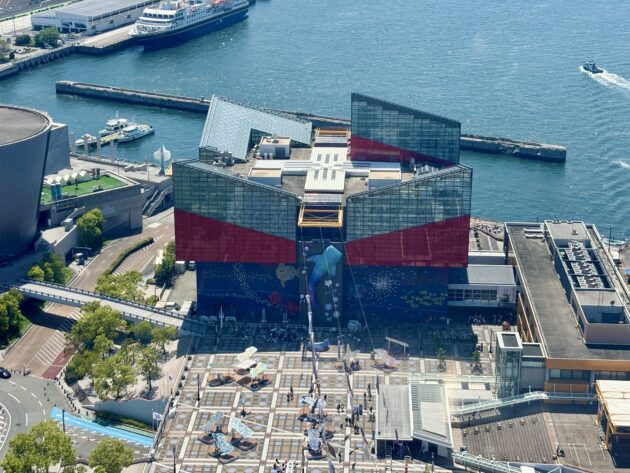
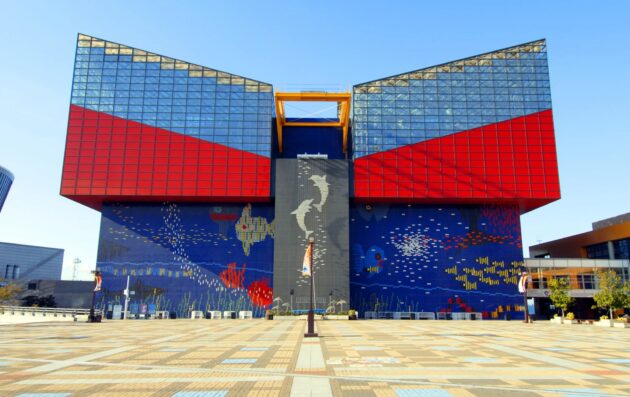
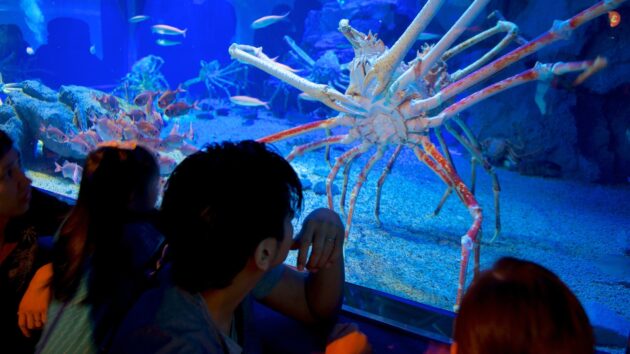
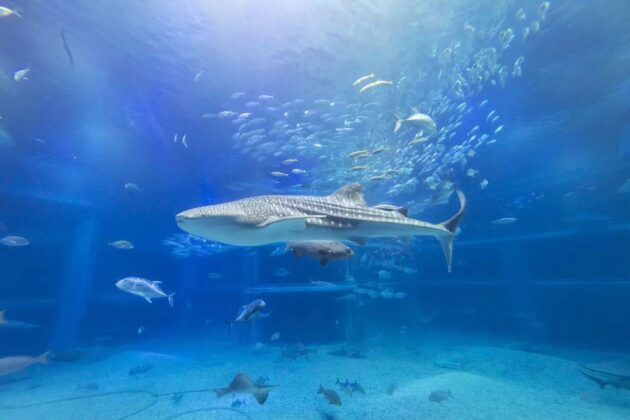
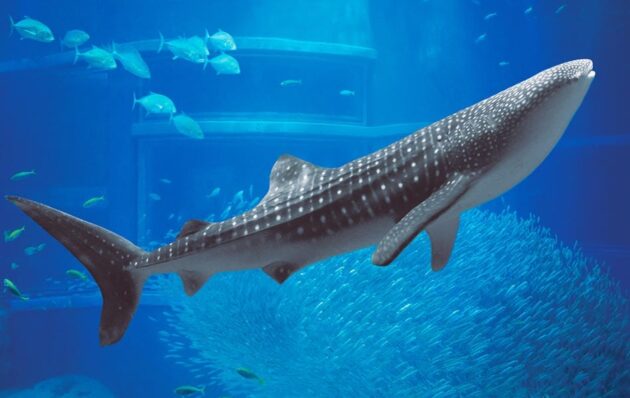
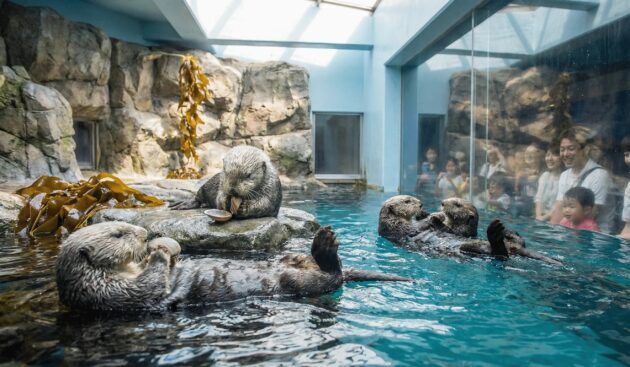
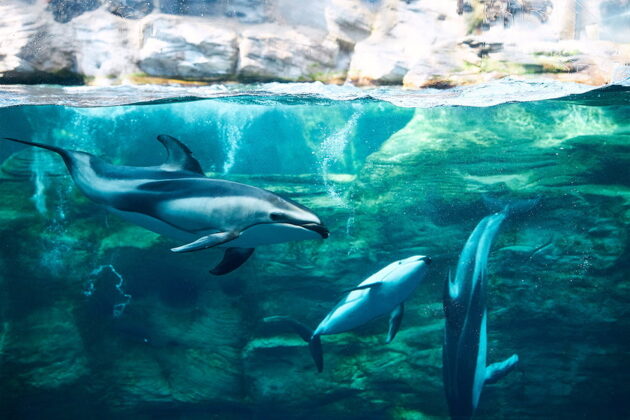
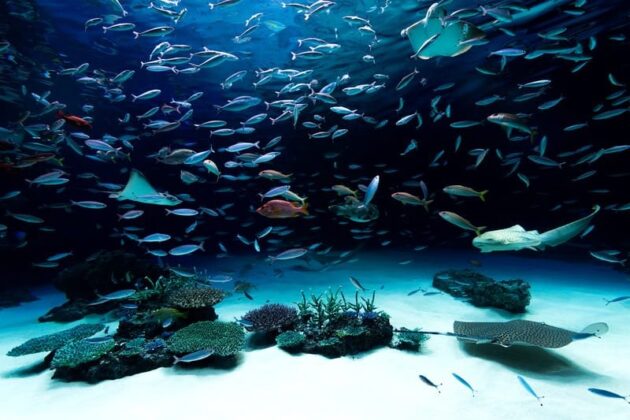
Osaka Aquarium Kaiyukan (海遊館) is one of the world’s largest and most impressive aquariums. Located in the Tempozan Harbor Village area of Osaka Bay, it features a unique spiral design that takes visitors on a journey through the Pacific Rim’s diverse marine environments. With around 30,000 creatures from over 620 species, it’s a must-visit attraction, especially for families, couples, and marine life enthusiasts.
Kuromon Market
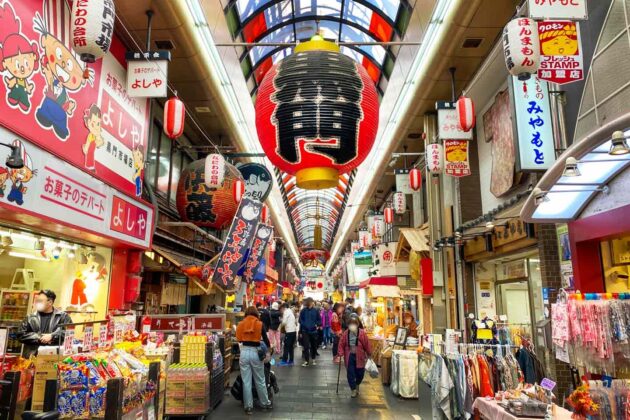
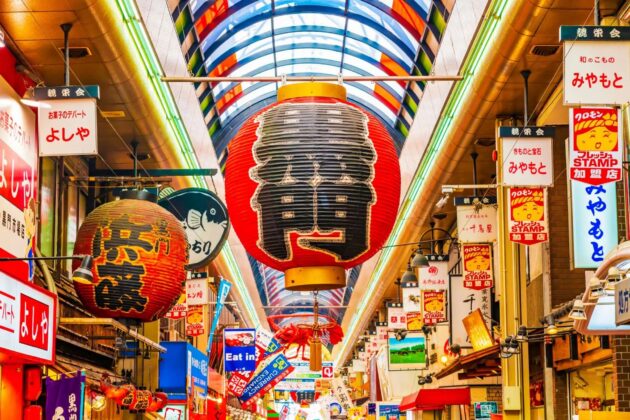
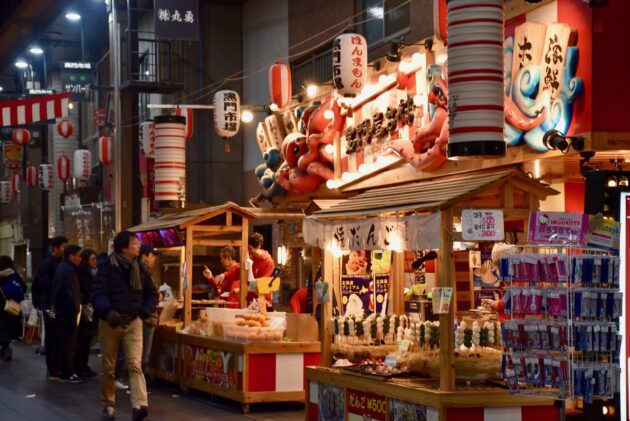
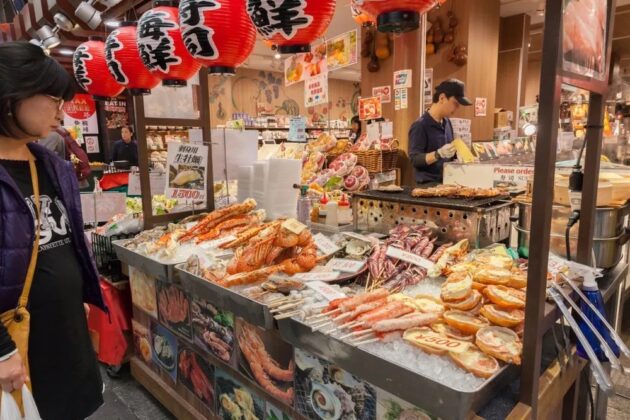
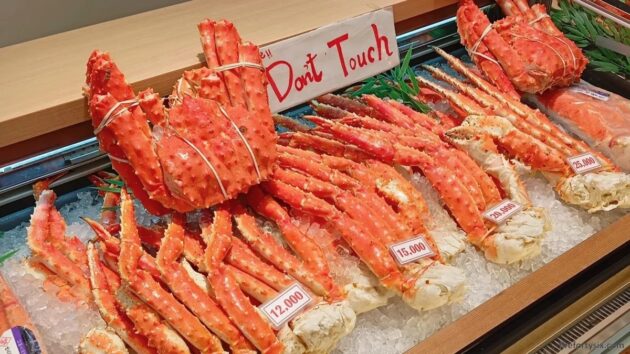
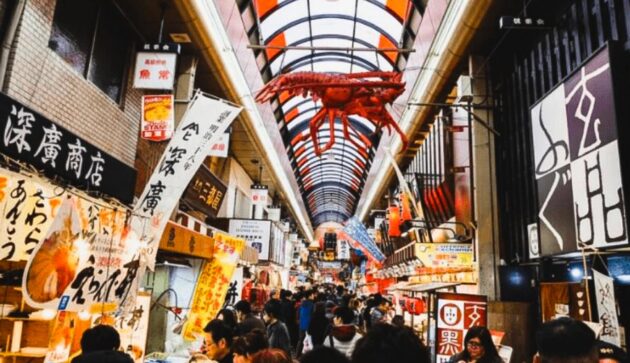
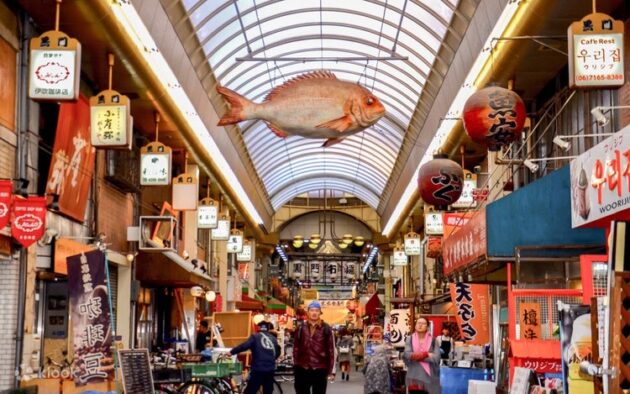
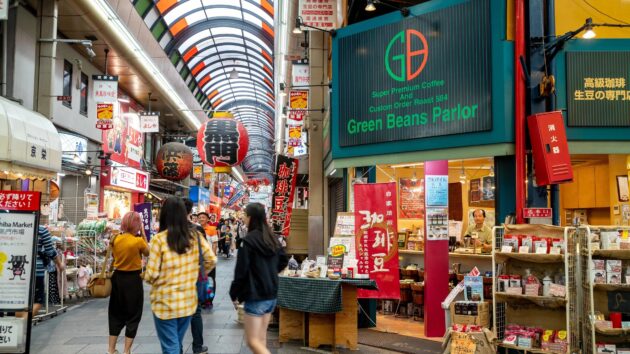
Kuromon Market, also known as Kuromon Ichiba or “Osaka’s Kitchen,” is a vibrant, historic covered market in the heart of Osaka’s Minami (Namba) area. Dating back to the Edo Period and gaining prominence in the Meiji era, it spans about 600 meters with around 150 shops specializing in ultra-fresh seafood, meat, produce, street food, and more.
Tsutenkaku
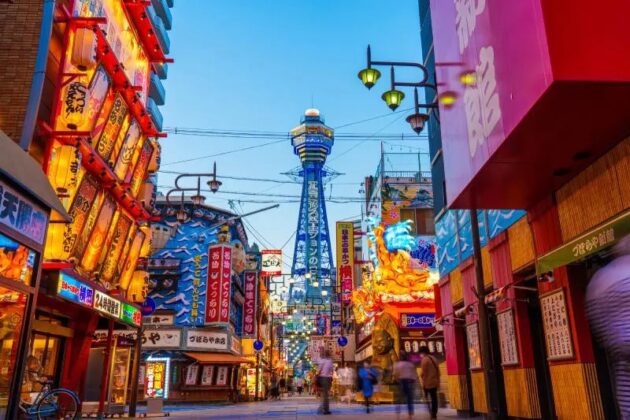
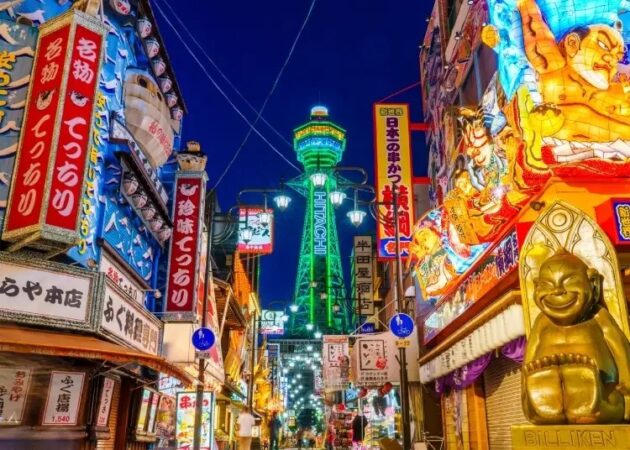
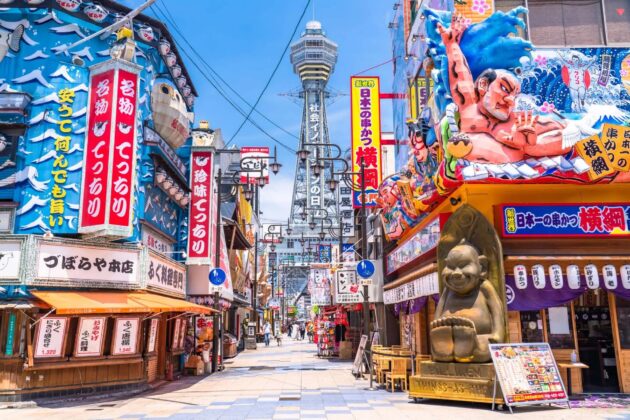
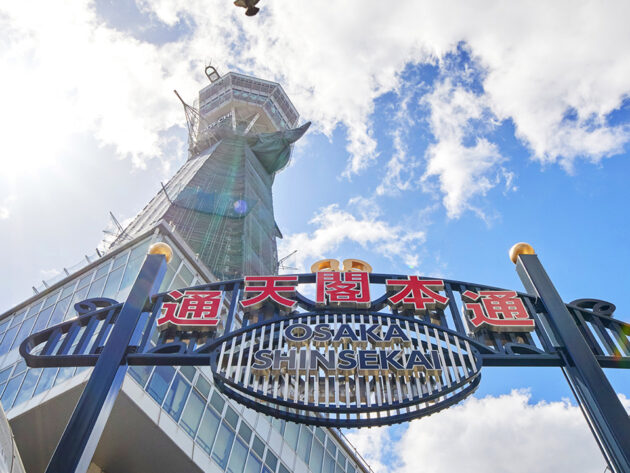
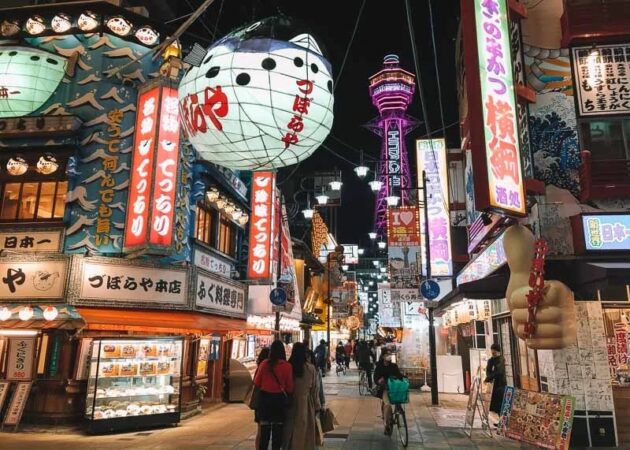
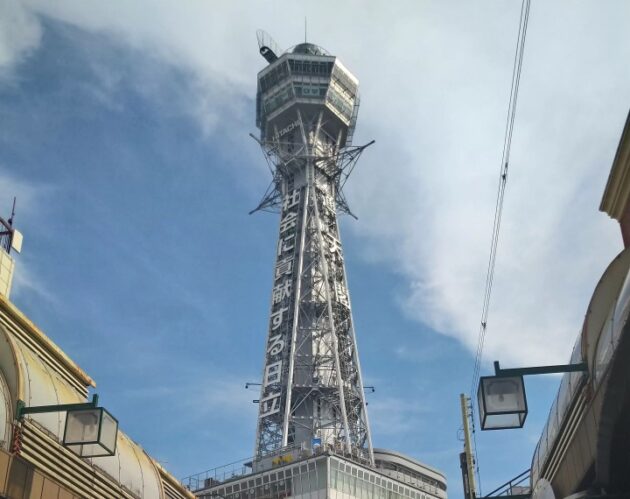
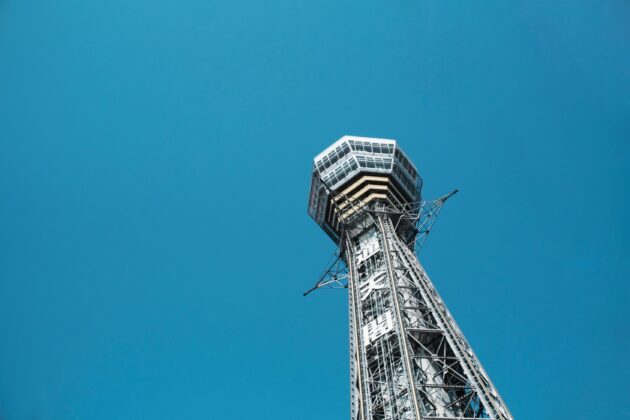
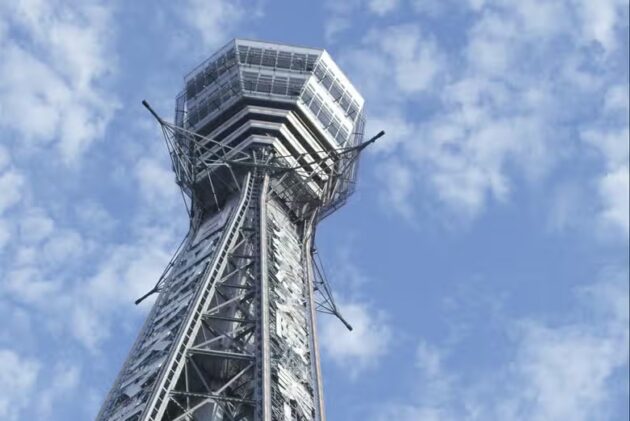
Tsutenkaku (通天閣, meaning “Tower Reaching Heaven”) is one of Osaka’s most iconic landmarks. Located in the vibrant Shinsekai (“New World”) district, this retro tower stands 103 meters tall and offers panoramic views of the city, along with fun attractions like a thrilling slide and the famous Billiken statue.
Umeda Sky Building
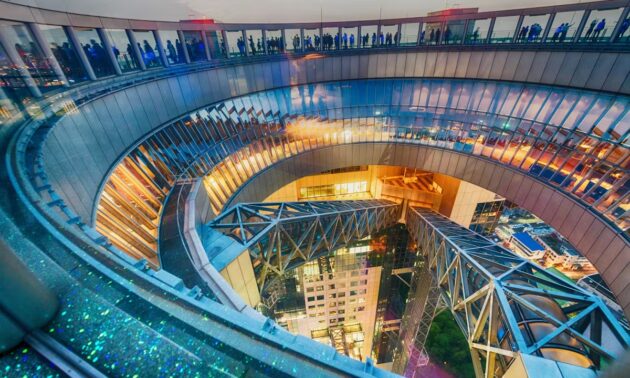
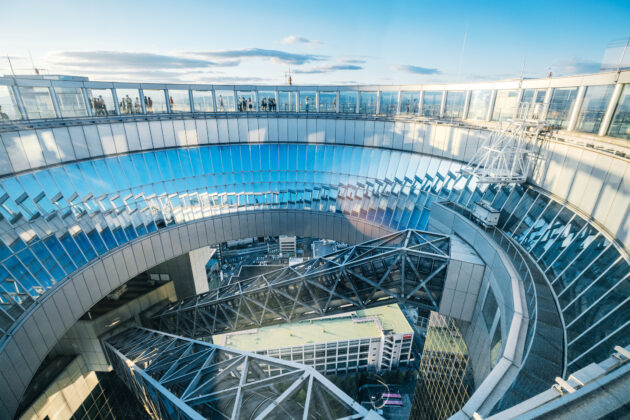
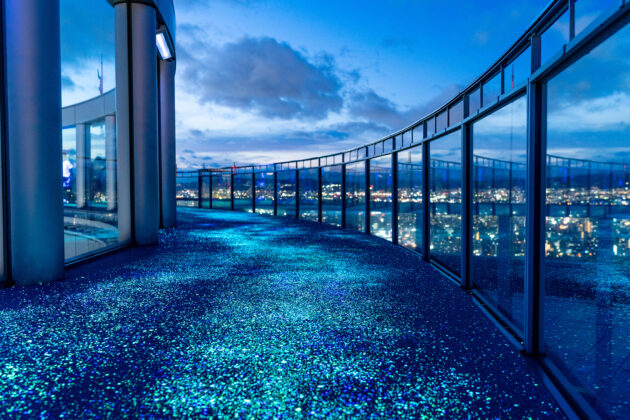
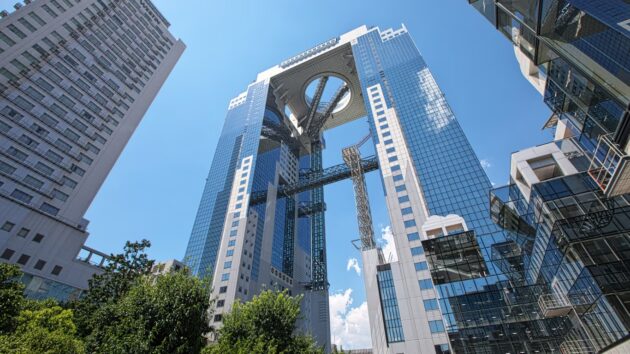
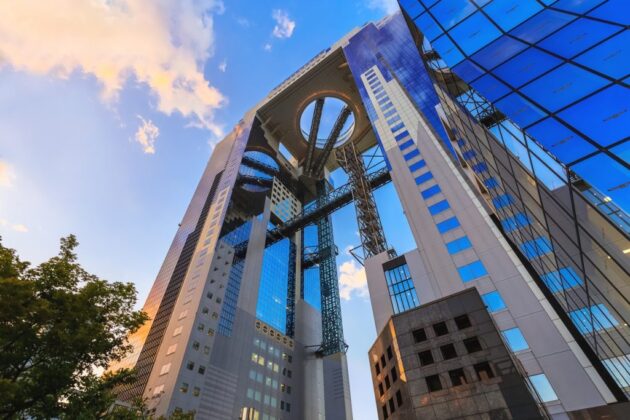
The Umeda Sky Building (梅田スカイビル) is one of Osaka’s most distinctive landmarks. Completed in 1993, this 173-meter-tall structure consists of two connected towers linked by the spectacular “Floating Garden Observatory” (Kuchu Teien Observatory) at the top. Its futuristic design and panoramic 360-degree views make it a must-visit for first-time visitors to Osaka.
Sumiyoshi Taisha Shrine
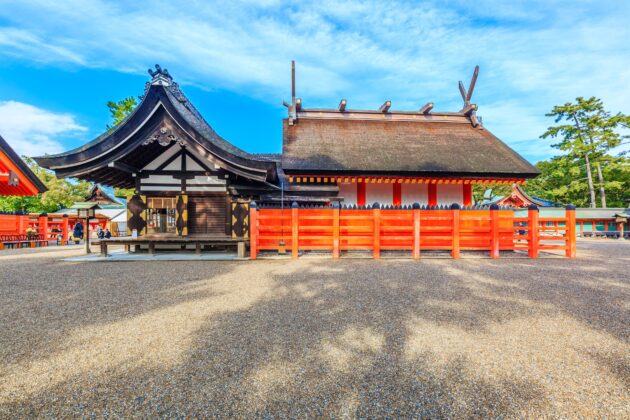
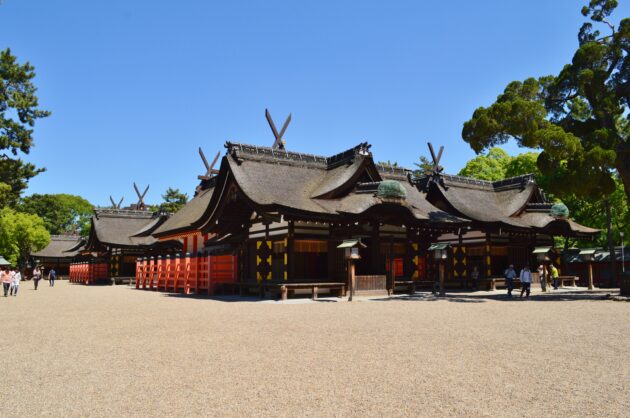
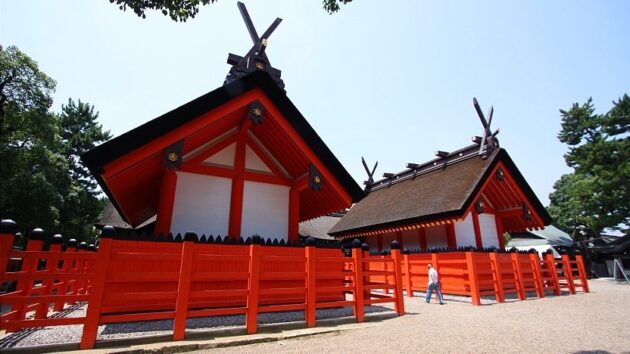
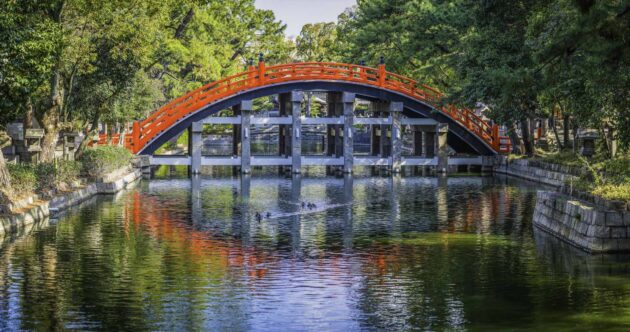
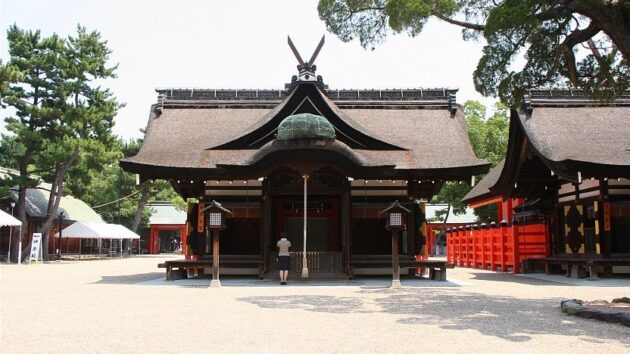
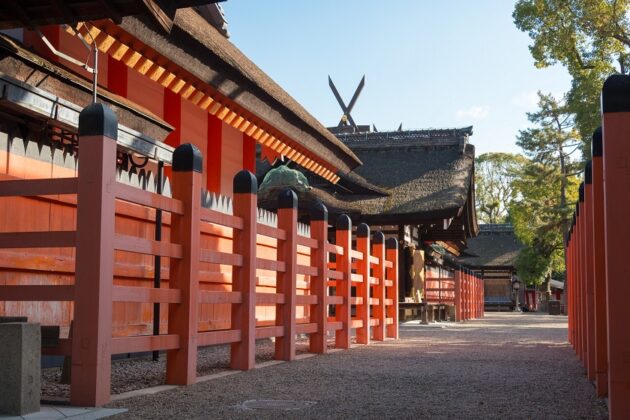
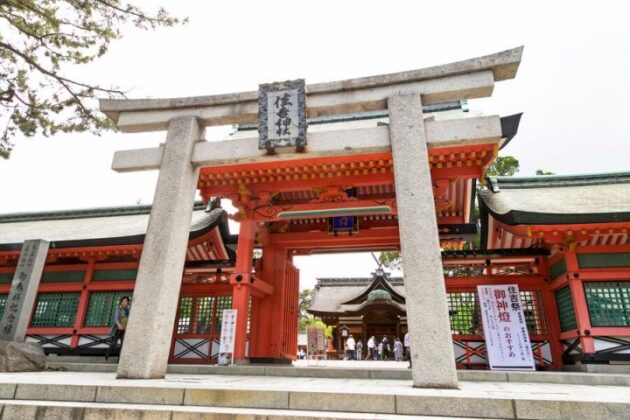
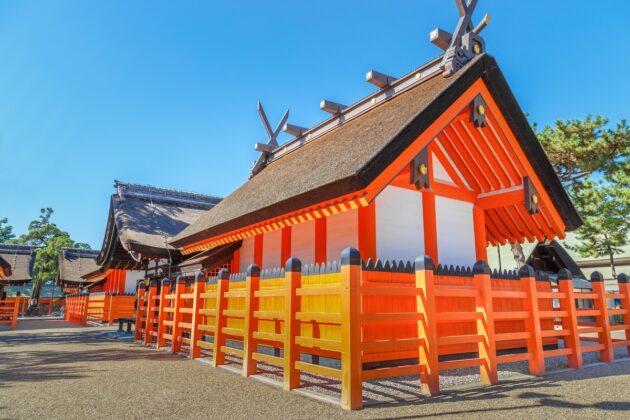
Sumiyoshi Taisha (住吉大社), also known as Sumiyoshi Grand Shrine, is one of Japan’s oldest and most important Shinto shrines. Founded in the 3rd century (around 211 AD) by the legendary Empress Jingū, it predates the arrival of Buddhism in Japan. It serves as the head shrine for over 2,300 Sumiyoshi shrines nationwide.
Tempozan Ferris Wheel
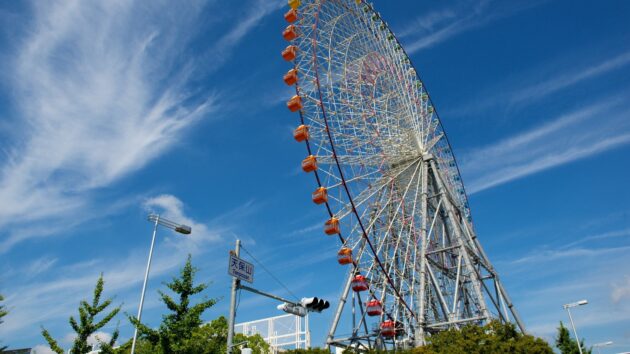
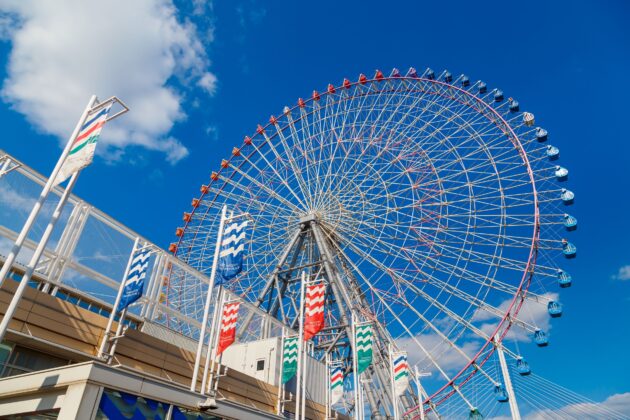
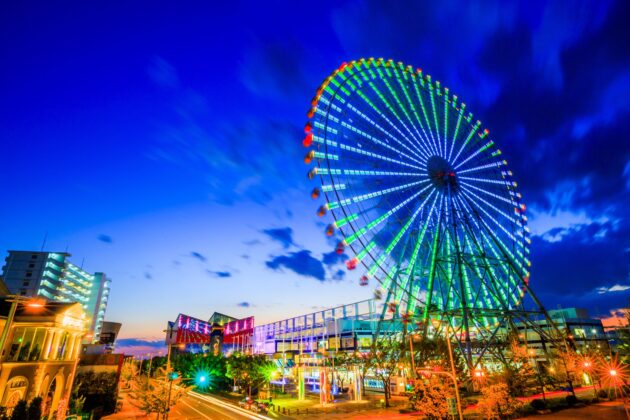
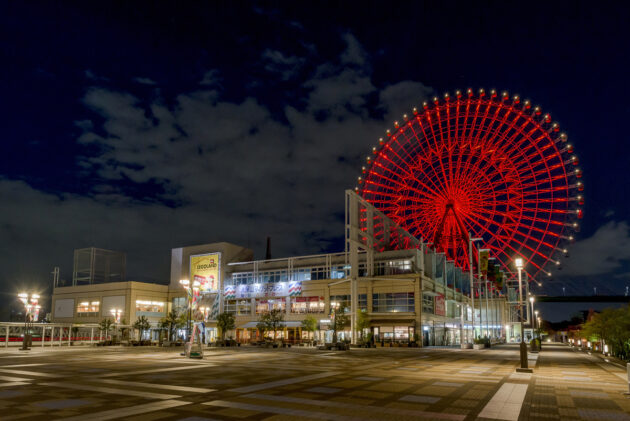
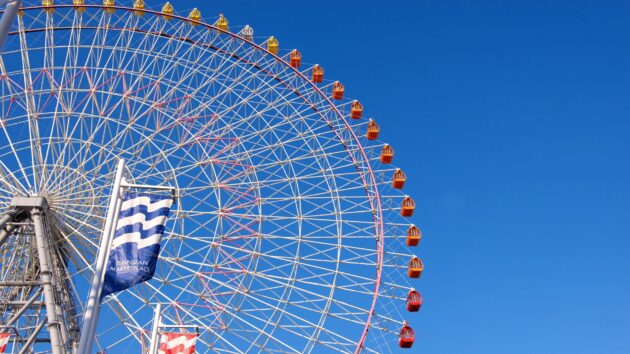
The Tempozan Ferris Wheel (also known as Tempozan Giant Ferris Wheel) is one of Osaka’s iconic landmarks and one of the world’s largest Ferris wheels. Standing at 112.5 meters tall with a 100-meter diameter, it offers breathtaking panoramic views of Osaka Bay, the city skyline, mountains, and even distant landmarks like the Akashi Kaikyo Bridge.
Osaka Food – Don’t Leave Hungry!
Osaka is legendary for its cuisine: Takoyaki (octopus balls); Okonomiyaki (savory pancake); Kushikatsu (fried skewers); Ramen (especially rich tonkotsu style); Konamon culture (flour-based dishes); Street food in Dotonbori, Ura-Namba, and Tenma.
Must-try restaurants: Chibo or Fukutaro for okonomiyaki; Daruma for kushikatsu; Any standing yatai (food stall) for late-night eats.
Practical Tips
Language: English signs are common in tourist areas, but learning basic Japanese phrases helps.
Money: Many places accept credit cards and IC cards, but carry some cash for small shops and street food.
Safety: Osaka is very safe, though watch for pickpockets in crowded Dotonbori at night.
Etiquette: Don’t walk while eating/drinking, and be mindful of quiet on public transport.
Free Wi-Fi: Available at stations, airports, and many cafes (or buy a pocket Wi-Fi/eSIM).
Accommodation: Budget: Hostels in Namba/Dotonbori; Mid-range: Hotels in Umeda or Namba; Luxury: InterContinental, Ritz-Carlton, or W Osaka.
Final Thoughts
Osaka’s charm lies in its people and food culture — it’s less polished than Tokyo or Kyoto but far more down-to-earth and fun. Locals often say “Kuidaore” — “eat until you drop.”
Enjoy your trip to Osaka — you’re going to love it! 🇯🇵