
Da Nang Travel Guide (2026)
Da Nang is a vibrant coastal city that blends modern infrastructure, stunning beaches, and easy access to cultural and natural highlights in central Vietnam. It’s often used as a practical base for exploring the region, thanks to its international airport, growing skyline, and relaxed vibe compared to busier spots like Hanoi or Ho Chi Minh City. Da Nang has boomed in recent years with resorts, bridges, and attractions, but it retains friendly locals and excellent street food.
Best Time to Visit
Da Nang has a tropical climate with a dry season (roughly February/March to August) and a rainy/typhoon season (September to December/January, peaking in October-November).
Peak recommendation: March to May offers pleasant temperatures (mild to warm, lower humidity) and lower crowds before the summer heat. April-August brings hot, sunny beach weather with clear skies, ideal for swimming and outdoor activities.
June-August can hit the mid-30s°C (high 80s to low 90s°F) with reliable sun.
Shoulder periods like February or September can work for fewer tourists and better prices, but check forecasts.
Avoid October-November if possible due to higher rain and potential typhoons.
Pack light clothing, sunscreen, a rain jacket (just in case), and modest attire for temples/pagodas.
Getting There
Da Nang International Airport (DAD) is well-connected domestically and has growing international routes (especially from Asia). From the US, there are no direct flights; expect 1-2 stops (common via Seoul, Tokyo, Taipei, Hong Kong, or Singapore). Total travel time is often 18-30+ hours depending on connections. Major US hubs like LAX, SFO, or SEA route through these.
From the airport to the city/beach area: Grab (ride-hailing app), taxi (~15-30 minutes), or hotel shuttle. Vietnam offers e-visas or visa exemptions for many nationalities—check current rules before travel.
Top Things to Do
My Khe Beach
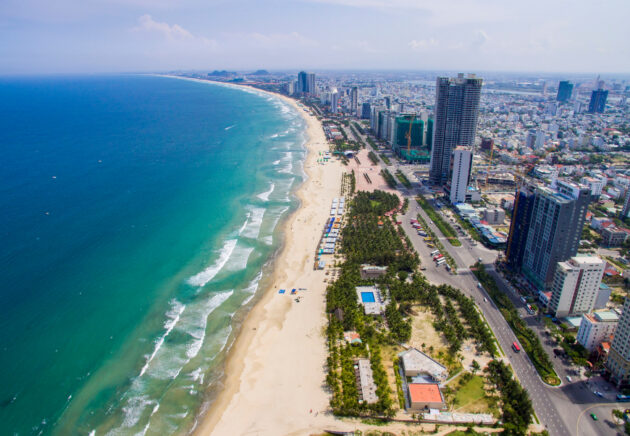
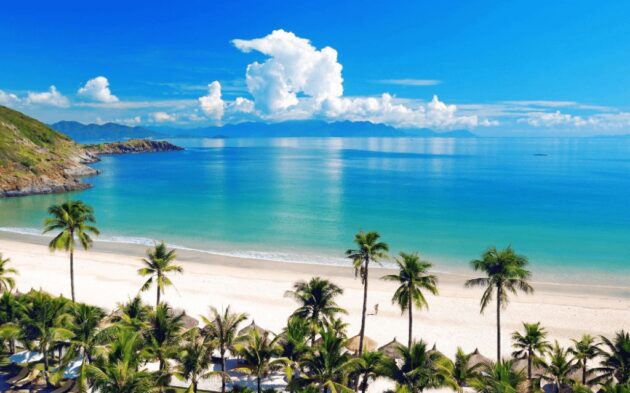
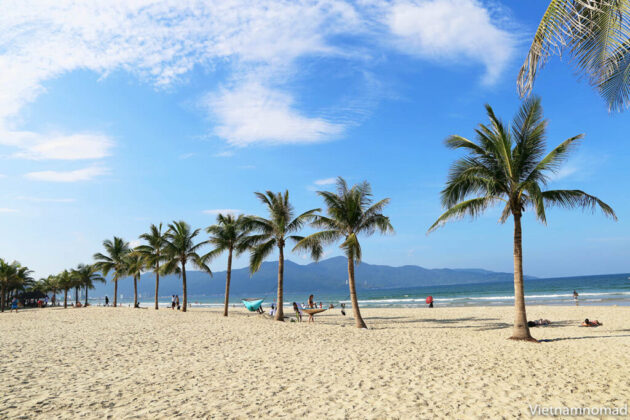
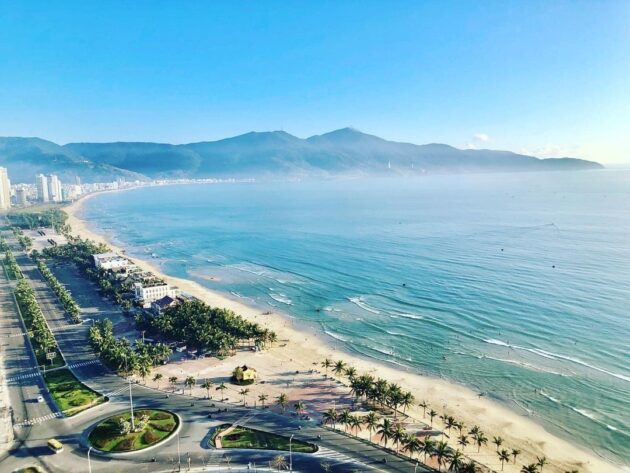
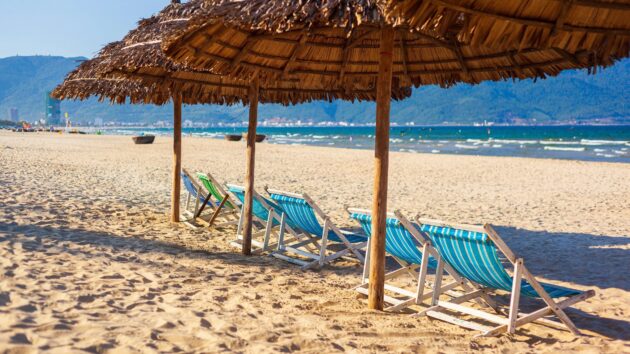
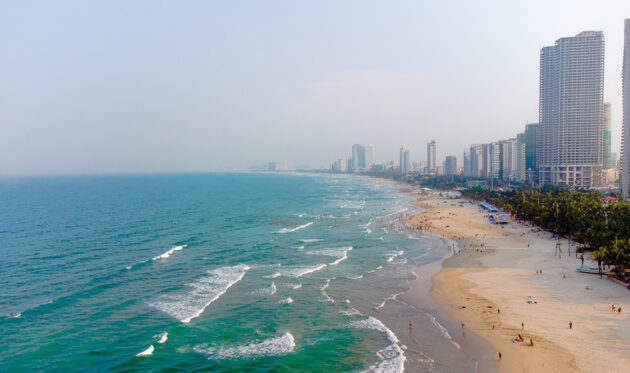
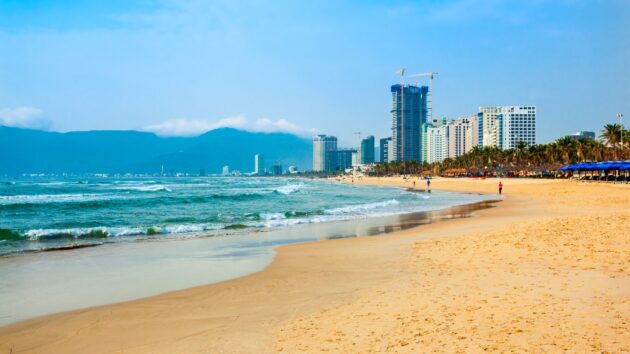
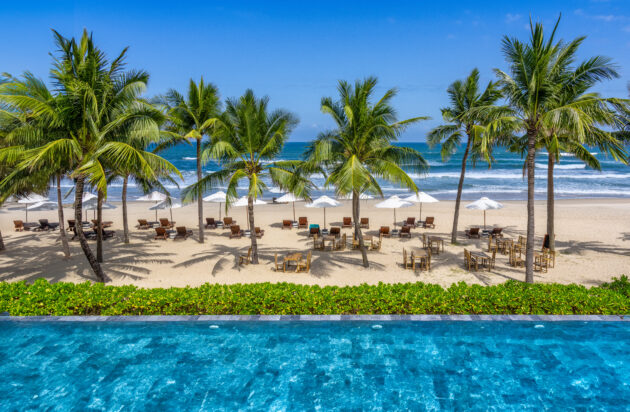
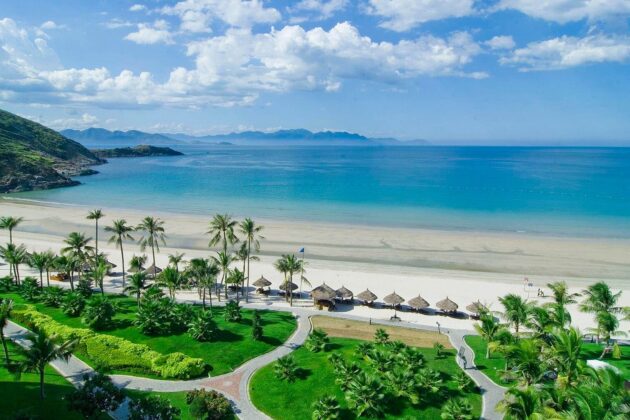
My Khe Beach (Bãi Mỹ Khê) is one of the country’s most famous and accessible urban beaches. It boasts soft white (or golden) sand, calm turquoise waters with gentle waves, and a long stretch ideal for swimming, walking, and relaxation. Often ranked among Asia’s top beaches, it’s conveniently located right next to Da Nang city center, making it easy to combine beach time with city vibes, nearby attractions, and great food.
Dragon Bridge (Cầu Rồng)
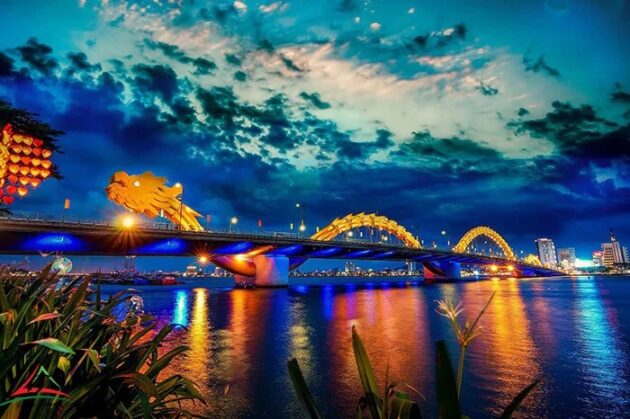
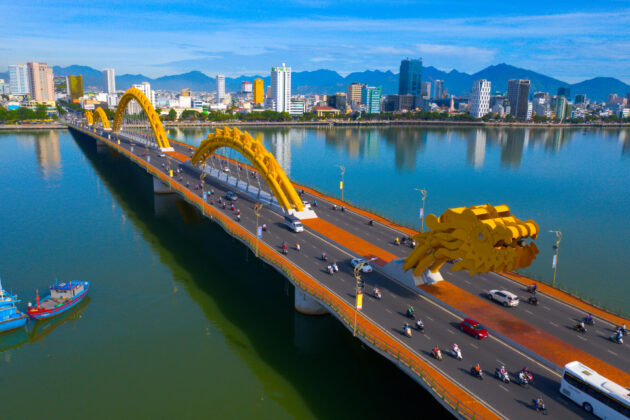
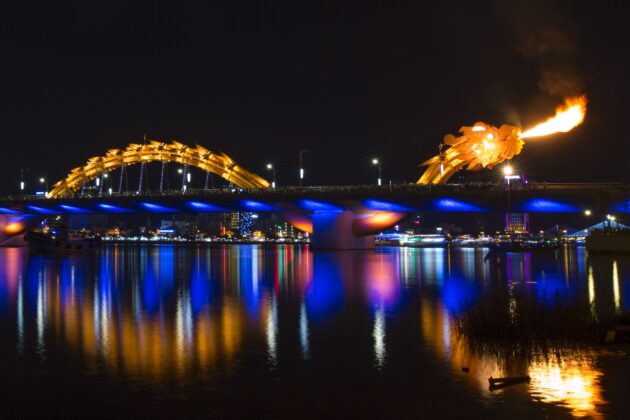
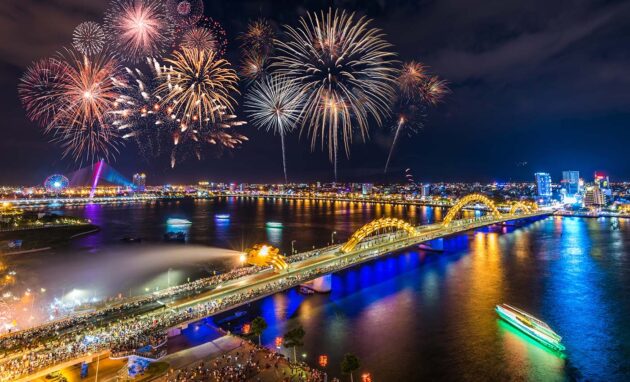
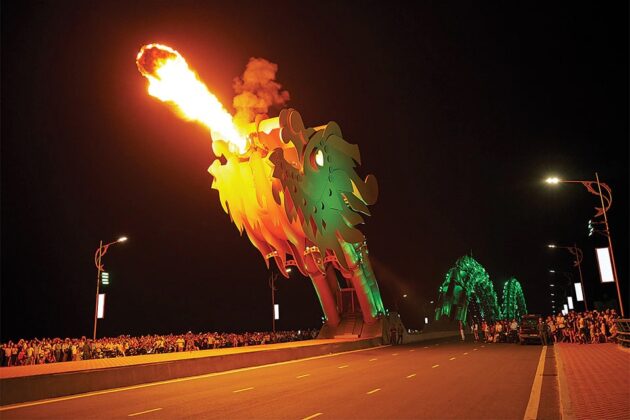
The Dragon Bridge in Da Nang, Vietnam, is a striking 666-meter-long architectural marvel that spans the Han River, renowned for its dramatic design resembling a golden dragon soaring toward the sea. Completed in 2013, this iconic bridge not only facilitates traffic but also captivates visitors with its nightly spectacle of fire and water breathing from the dragon’s head, accompanied by dazzling LED lights.
Marble Mountains
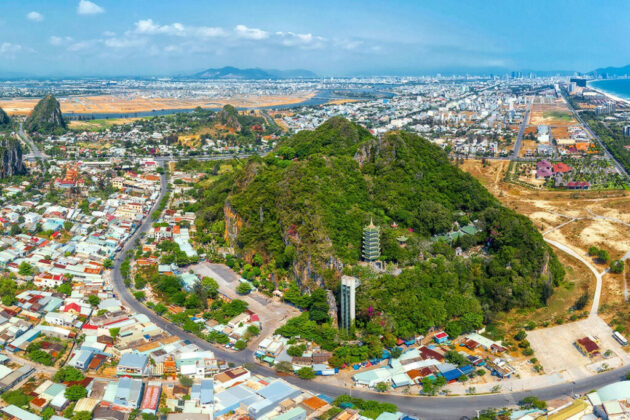
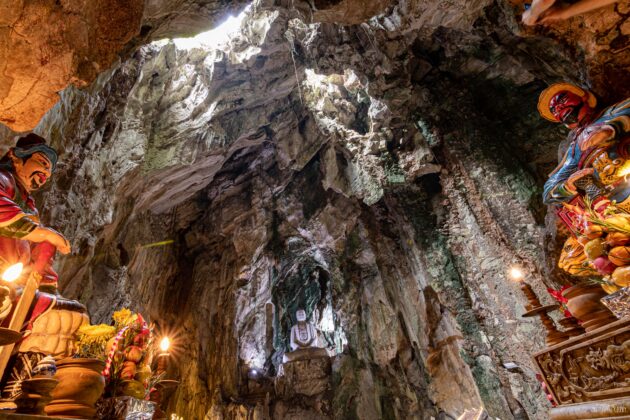
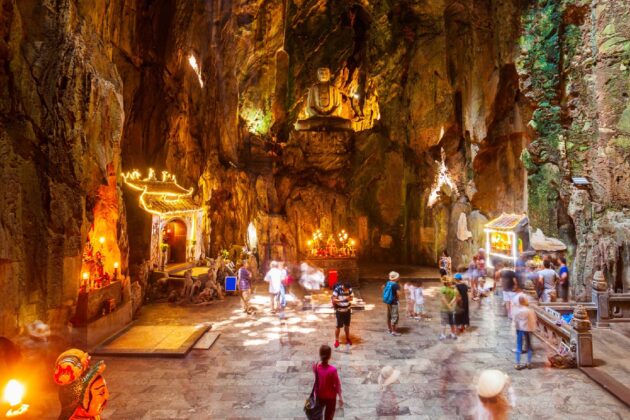
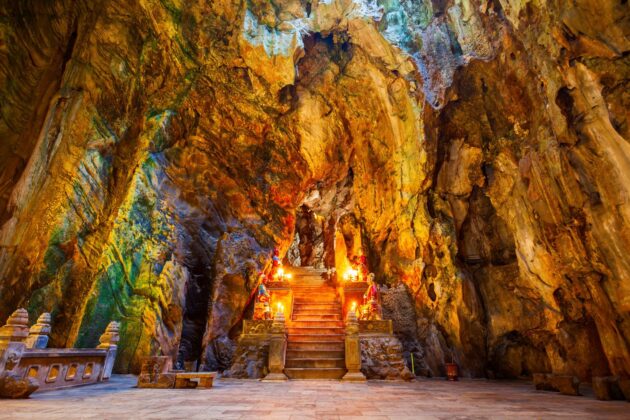
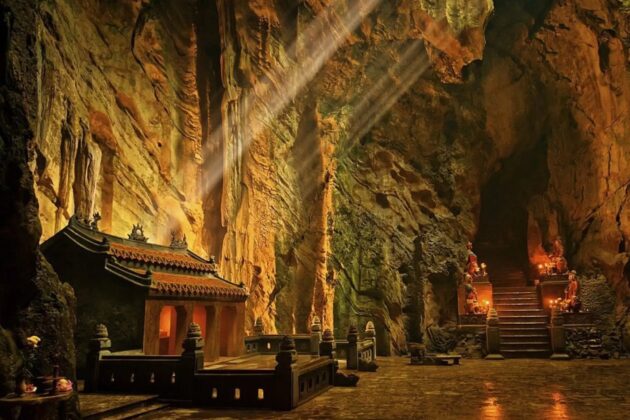
The Marble Mountains are a cluster of five limestone and marble hills named after the five elements: water, wood, fire, earth, and metal. This stunning site features a network of natural caves, hidden tunnels, and Buddhist sanctuaries, with centuries-old pagodas and statues carved directly into the rock. Visitors can climb stone steps to enjoy panoramic views of the coastline, explore the mystical Am Phu Cave, or visit traditional stone-carving villages at the base.
Ba Na Hills
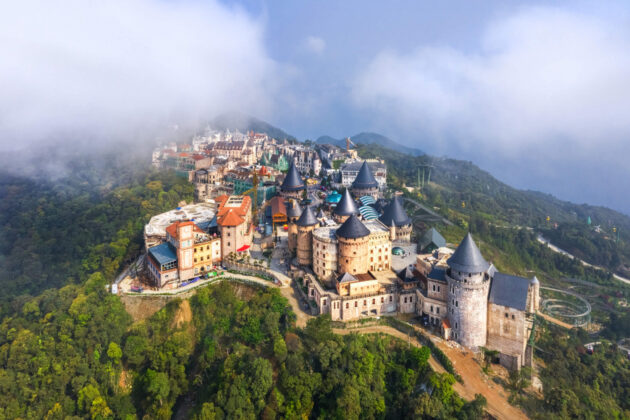
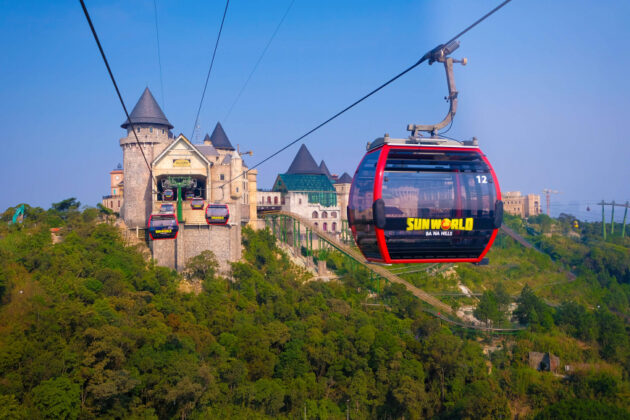
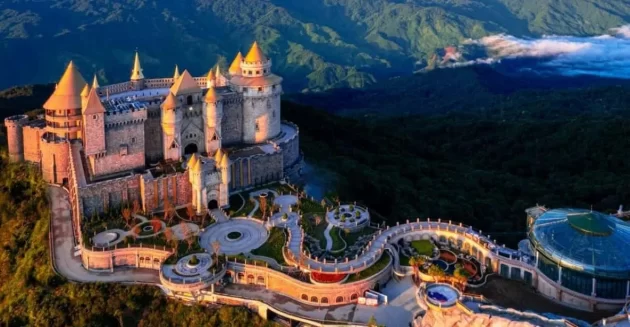
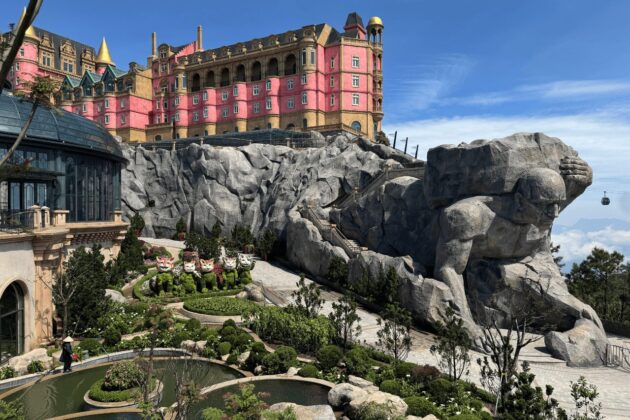
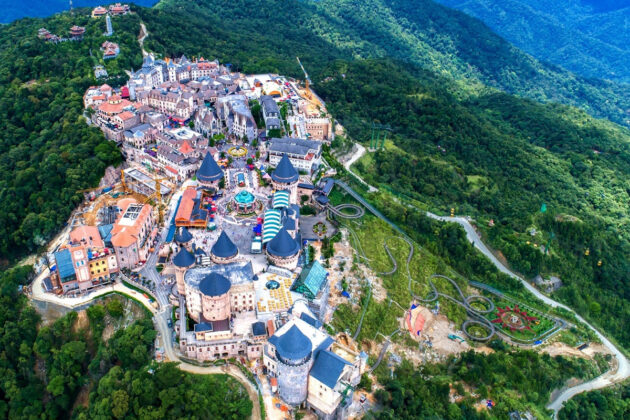
Ba Na Hills (Bà Nà Hills or Sun World Ba Na Hills) is a popular mountain resort and theme park complex about 25–30 km southwest of Da Nang city center in central Vietnam. Perched at around 1,400–1,487 meters above sea level in the Truong Son Mountains, it offers a cool escape from the coastal heat, blending French colonial-style architecture, lush gardens, the iconic Golden Bridge, thrilling rides, and panoramic views.



Son Tra Peninsula
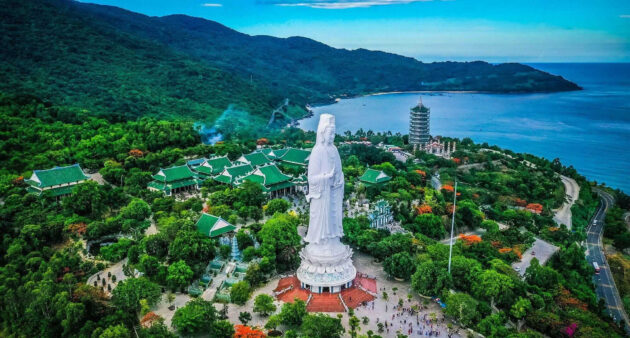
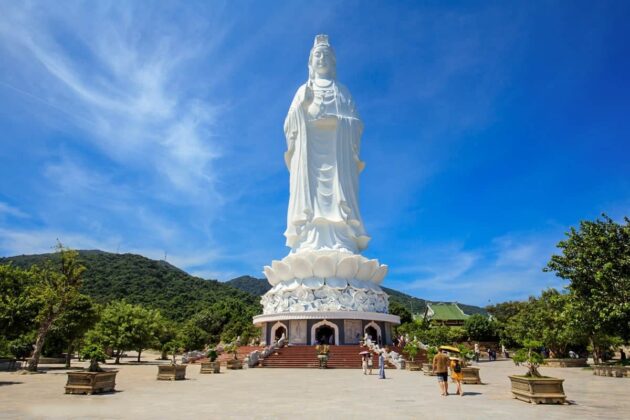
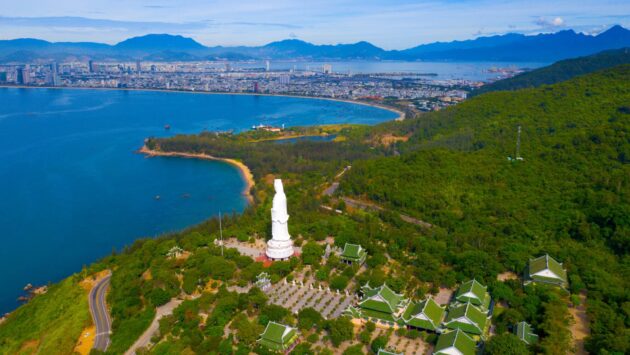
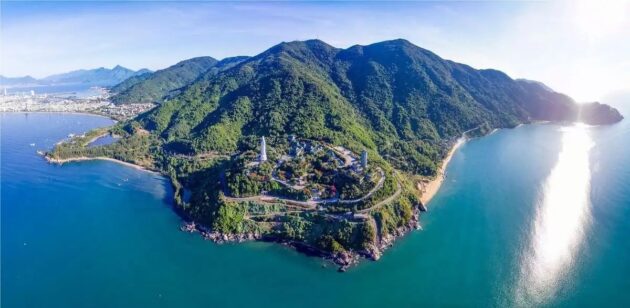
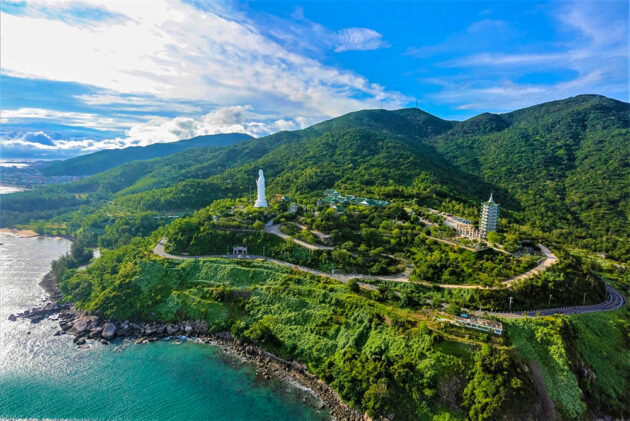
Nestled on the outskirts of Da Nang, the Son Tra Peninsula is a breathtaking fusion of lush tropical jungle and pristine coastline, often hailed as the “Green Lung of the City.” This majestic headland is home to the iconic Linh Ung Pagoda, where a towering white Lady Buddha statue gazes protectively over the sea, while its winding mountain roads offer spectacular panoramic views of the endless ocean and modern city skyline.
Nearby Day Trips
Hoi An Ancient Town
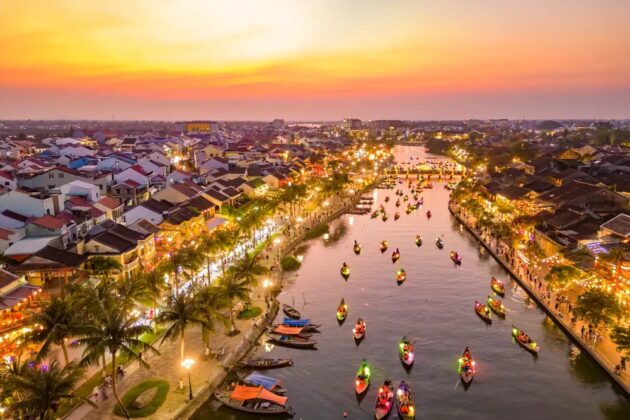
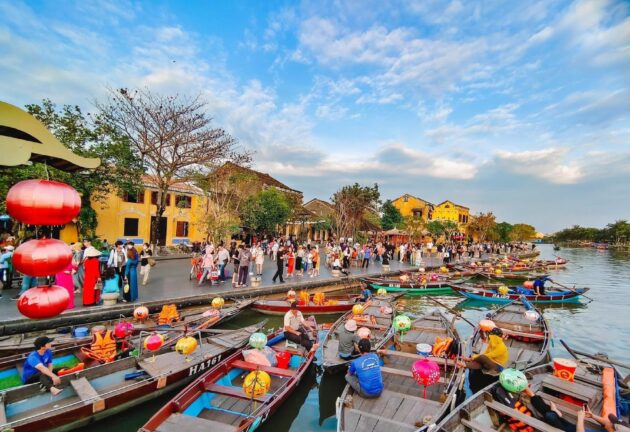
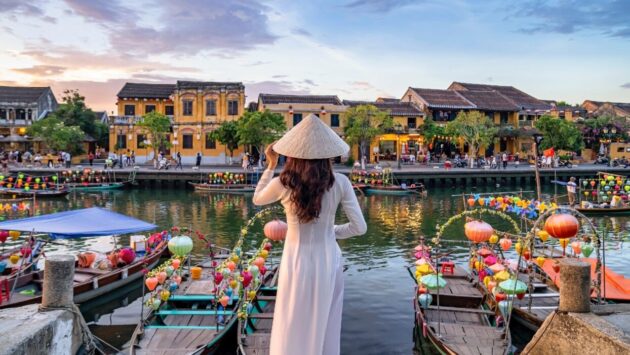
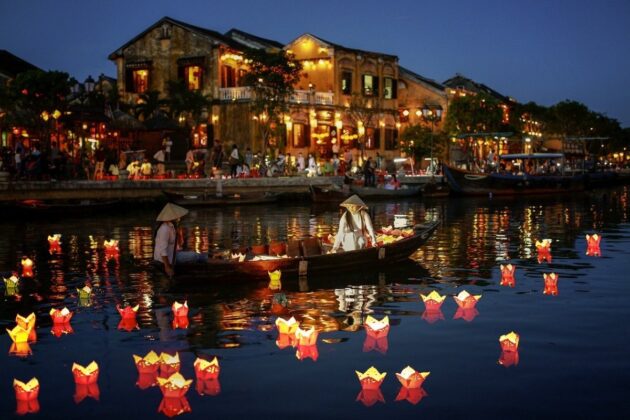
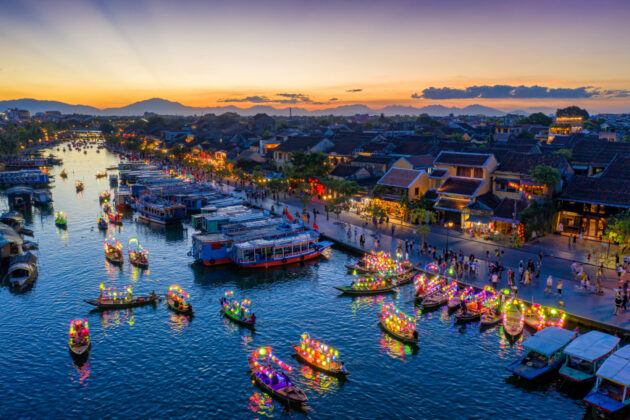
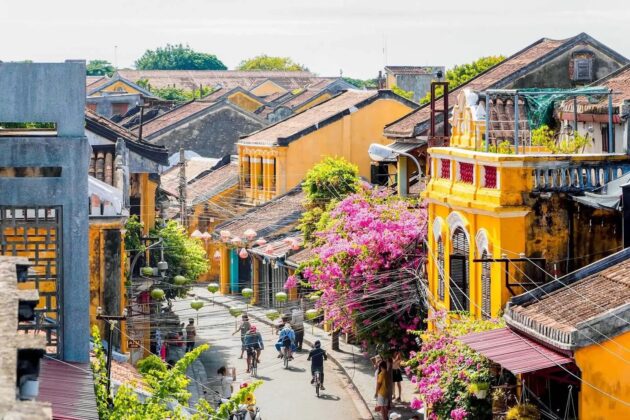
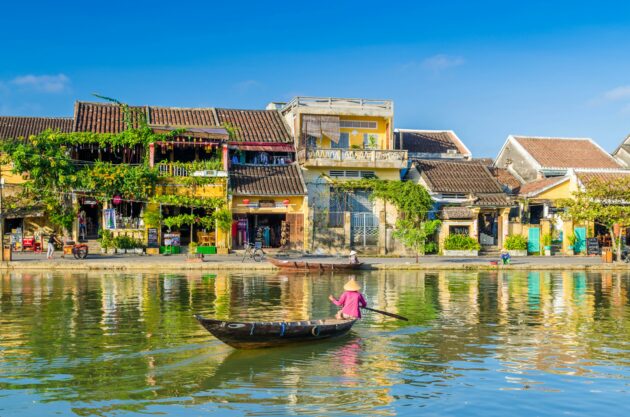
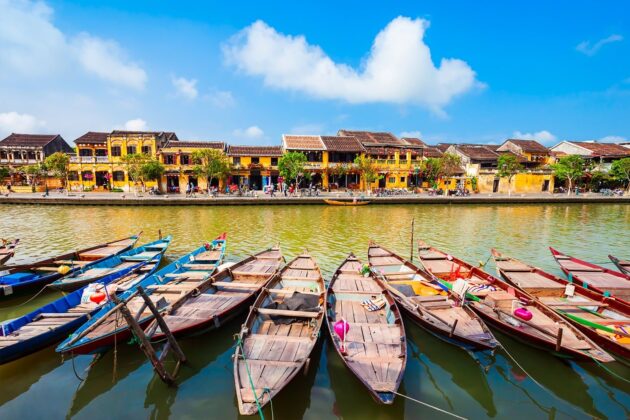
Hoi An is a UNESCO World Heritage Site renowned for its beautifully preserved ancient town, colorful silk lanterns, historic trading-port architecture, and charming riverside vibe. Once a bustling 15th–19th century port, it now offers a magical mix of cultural heritage, delicious local cuisine, tailoring shops, and nearby beaches and countryside.
My Son Sanctuary
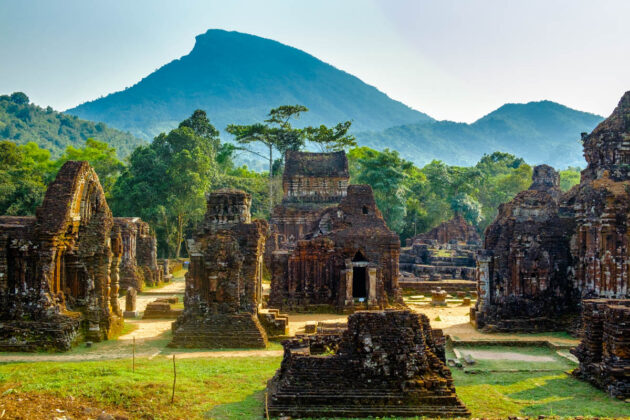
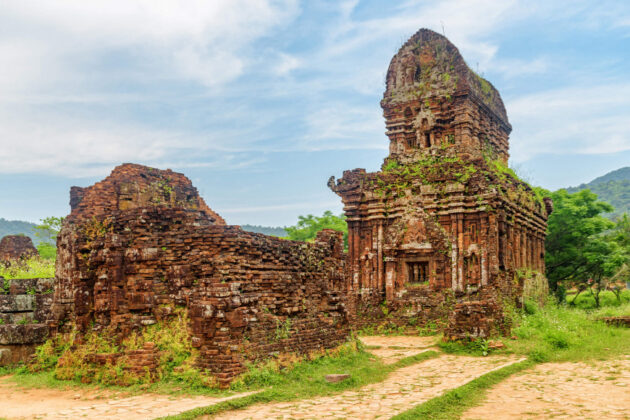
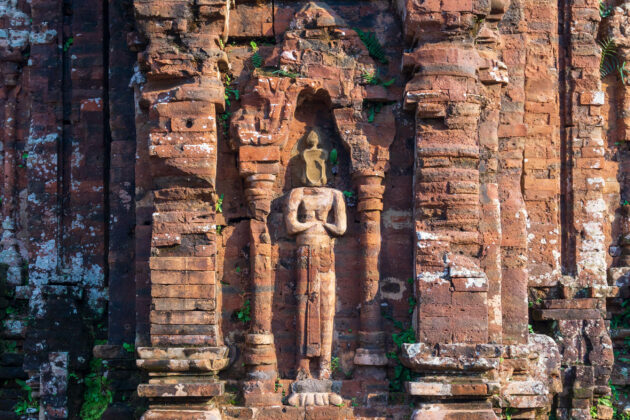
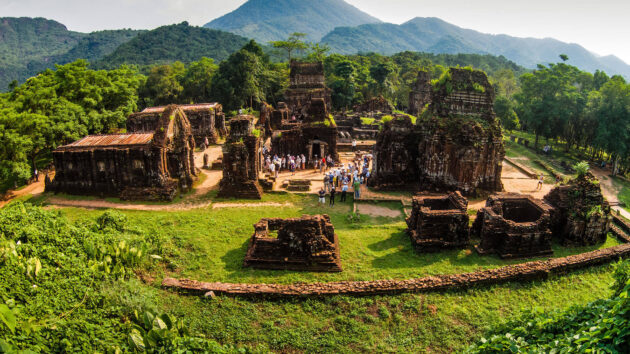
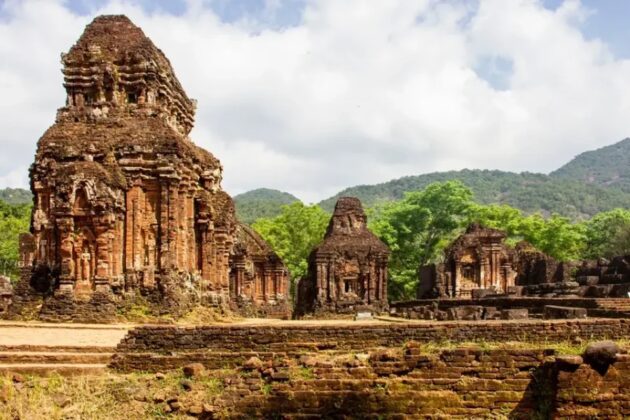
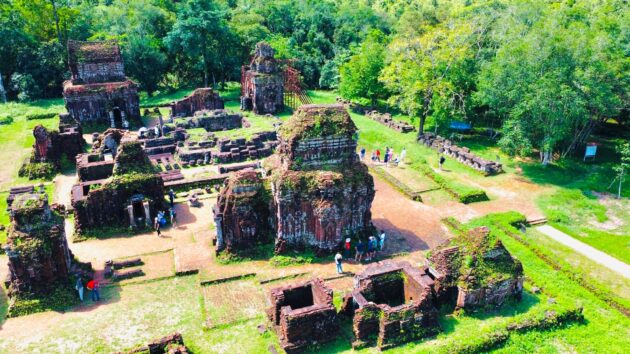
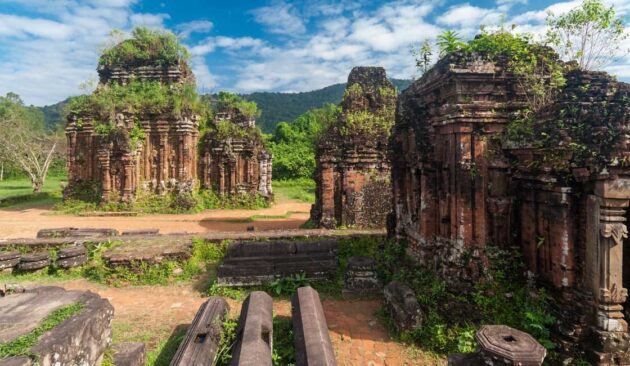
My Son Sanctuary (Mỹ Sơn) is a UNESCO World Heritage Site and one of Vietnam’s most important archaeological treasures. It features ancient Hindu temple ruins built by the Champa Kingdom between the 4th and 13th centuries. Located in a scenic valley surrounded by mountains and jungle in Duy Xuyen District, Quang Nam Province, it’s an easy half-day trip from Da Nang or Hoi An.

Where to Stay
Beach area (My Khe / My An / Son Tra): Best for relaxation with direct beach access. Options range from luxury resorts (e.g., InterContinental Danang Sun Peninsula, Furama Resort) to mid-range beach hotels.
City/riverside (Hai Chau): More urban vibe, closer to bridges, markets, and restaurants. Good for shorter stays or nightlife.
Luxury picks: InterContinental Sun Peninsula (iconic design on Son Tra), high-end beachfront resorts.
Budget/mid-range: Plenty of clean, modern hotels and boutique spots (e.g., in My An). Use Booking.com or Agoda for deals.
Many visitors prefer beachfront for the views and ease.
Food Scene
Da Nang is a foodie’s delight with fresh seafood, affordable street eats, and a growing cafe culture.
Must-try local dishes: Mì Quảng: Turmeric noodles with pork, shrimp, herbs, and peanuts. Bánh Xèo: Crispy savory pancakes with fillings. Bún chả cá: Fish cake noodles. Grilled seafood, broken rice (cơm tấm), and fresh spring rolls. Street food spots around central districts or night markets—try Bánh Xèo Bà Dưỡng or local favorites for authentic flavors.
Night markets and riverside spots offer variety. International options (including Western) are easy to find near tourist areas. Drink fresh sugarcane juice or coconut water. Hygiene is generally good in popular spots, but stick to bottled water and busy vendors.
Getting Around
Grab app: Cheapest and most convenient for taxis/motorbikes.
Motorbike/scooter rental: Common for independence (Son Tra, Hai Van), but traffic can be chaotic—wear a helmet and drive defensively.
Taxis: Use reputable companies (avoid overcharging).
Walking: Feasible in beach or riverside areas.
Practical Tips & Safety
Da Nang is generally safe for tourists, with low violent crime. Watch for petty theft (bag snatching on motorbikes in crowded areas), traffic when crossing streets, and strong sun/rip currents at beaches (follow flags/lifeguards).
Download Grab, Google Translate, and a maps app.
ATMs are widespread; cards accepted in tourist spots (cash is king for street food).
Bargain at markets; tipping is appreciated but not mandatory.
Respect local customs: Remove shoes at temples, dress modestly.
English is more common in tourist areas than elsewhere in Vietnam.
Final Thoughts
Da Nang offers a perfect balance: chill beach days, cultural day trips, and vibrant evenings. If you’re coming from the US (like West Chester, PA), budget for long flights and consider combining with Hoi An for a fuller central Vietnam experience. Safe travels—enjoy the fresh seafood and sunsets!