




Hoi An Travel Guide (2026)
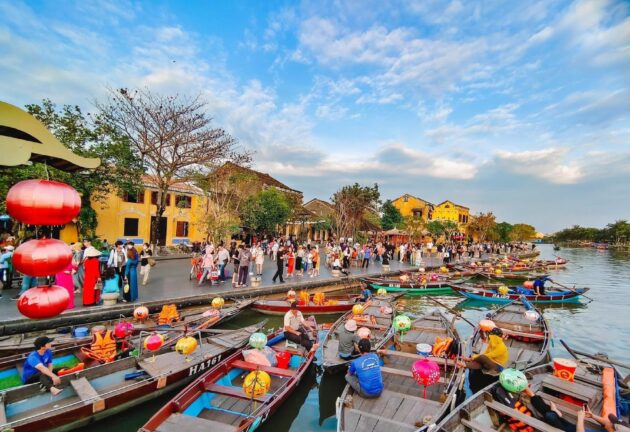
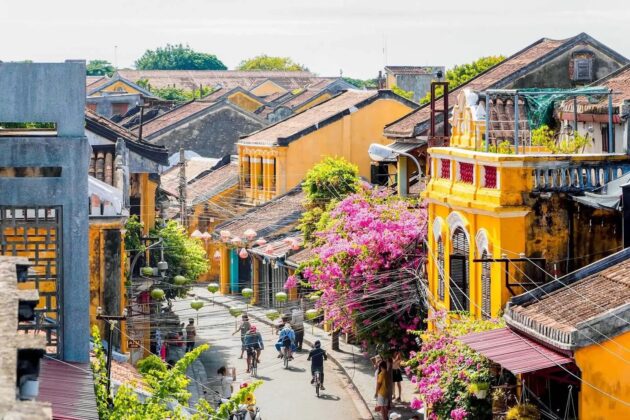
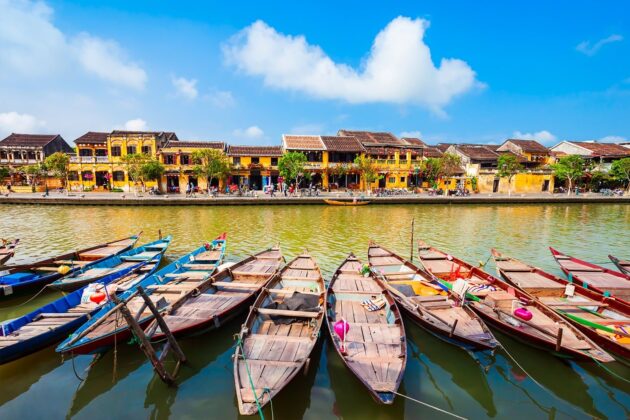
Hoi An is a UNESCO World Heritage Site renowned for its beautifully preserved ancient town, colorful silk lanterns, historic trading-port architecture, and charming riverside vibe. Once a bustling 15th–19th century port, it now offers a magical mix of cultural heritage, delicious local cuisine, tailoring shops, and nearby beaches and countryside. It’s one of Vietnam’s most atmospheric destinations—romantic at night with glowing lanterns and relaxed by day.
Best Time to Visit
The dry season (February to August) is generally best, with warm, sunny weather ideal for exploring the Old Town, cycling, and beach visits. Peak comfort comes in February to April, when temperatures are mild (around 18–28°C / 64–82°F), humidity is lower, and rainfall is minimal.
May–August: Hotter and busier, but still mostly dry.
September–January (wet/rainy season): Higher chance of heavy rain and flooding, especially October–November. However, it can be quieter and more affordable, with the occasional full-moon lantern festival adding magic.
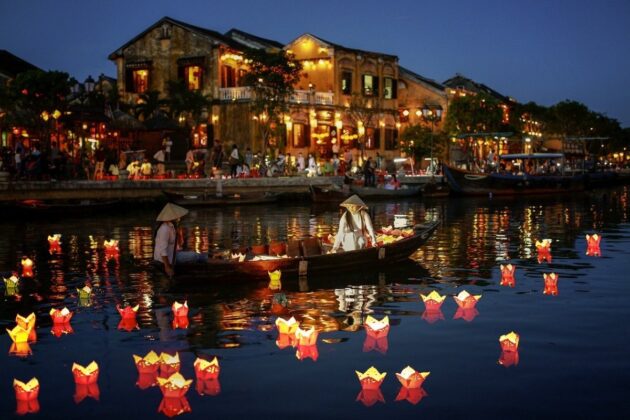
Monthly full-moon lantern events often occur, turning the Old Town into a fairy-tale scene with lights dimmed and lanterns everywhere.
How to Get There
Most travelers fly into Da Nang International Airport (DAD), about 30–45 minutes north of Hoi An. From there:
Grab (Vietnam’s ride-hailing app, like Uber) — reliable and affordable for cars or bikes.
Private transfer or taxi — around 350,000–500,000 VND (~$14–20 USD).
Shuttle bus or public options — cheaper but slower.
Hoi An is easily combined with Da Nang (beaches, Marble Mountains) or Hue (imperial city, ~3–4 hours away).
Getting Around Hoi An
Walking: The Ancient Town is compact and pedestrian-friendly (vehicles are restricted in core areas at peak times).
Bicycle: Cheap (often free from hotels, otherwise ~20,000–50,000 VND/day) and perfect for exploring rice paddies, villages, and the countryside.
Grab: Easy for short rides or to beaches.
Boat: Traditional sampan rides on the Thu Bon River are scenic, especially at sunset or during lantern releases.
Cash (VND) is king for small vendors, though cards work in many hotels/restaurants. Download Grab and use Google Maps.
Top Things to Do
Wander Hoi An Ancient Town — Stroll the yellow-walled streets, visit the iconic Japanese Covered Bridge (built ~17th century), old merchant houses, Chinese assembly halls, temples, and museums. Buy a ticket (~120,000 VND for adults) for entry to the heritage area and access to 5 attractions.
Experience the Lanterns — Hoi An is the “Lantern City.” Walk at night for the magical glow. Join a lantern-making workshop (a fun, hands-on activity) or release floating lanterns on the river during full-moon events.
River Boat Ride — Take a sampan on the Thu Bon River, especially beautiful at dusk.
Get Clothes Tailored — Hoi An is famous for custom clothing. Quality varies—research shops, allow 24–48+ hours for fittings, and expect prices to have risen (still a bargain compared to home). Be wary of “too good to be true” deals.
Beach Time — Head to An Bang Beach (relaxed, good for swimming/drinks) or nearby Cua Dai. Quieter than Da Nang’s beaches.
Cycle or Bike Tour — Explore coconut groves, rice paddies, and villages. Basket boat rides in the coconut forest are touristy but fun.
Cooking Class — Learn to make local specialties like cao lầu (noodles), bánh xèo (savory crepes), or white rose dumplings.
Day Trips: My Son Sanctuary — Cham ruins (~1–1.5 hours away), often visited via half- or full-day tour (early morning avoids heat/crowds). Marble Mountains or Da Nang. Hue for imperial history.
Other highlights: Central Market for street food and souvenirs, photography at golden hour, and cultural shows.
Food Highlights
Hoi An has standout Central Vietnamese cuisine: Cao lầu — signature noodle dish with pork, greens, and croutons. White rose (bánh bao bánh vạc) — delicate dumplings. Bánh xèo and mì Quảng (noodles). Fresh seafood, com ga (chicken rice), and banh mi.
Eat at the Central Market, street stalls, or riverside spots. Try cooking classes for deeper insight. Cafes are excellent for Vietnamese coffee and people-watching.
Where to Stay
Ancient Town: For immersion and walkability (boutique hotels, heritage homes).
Near An Bang or Cua Dai Beach: For relaxation and pool/beach vibes (resorts like Hoiana for luxury).
Countryside/Riverside: Quieter, with rice paddy views.
Options range from budget guesthouses (~300,000+ VND/night) to mid-range and luxury resorts. Book ahead in peak season (Feb–April).
Practical Tips
Entrance Ticket: ~120,000 VND covers the Old Town and select sites. Lantern festivals are free but still require town access.
Safety: Generally very safe for tourists. Watch for petty theft, use Grab to avoid taxi scams, and be cautious cycling in traffic. No major crime issues, but standard precautions apply (don’t leave valuables unattended).
Money & Bargaining: Carry cash for markets/tailors. Polite bargaining is expected.
Crowds: Early morning or late evening is best for photos and fewer people. Sunset and night are peak romance but busier.
Sustainability: Support eco-friendly workshops and local businesses where possible.
Final Thoughts
Hoi An rewards slow travel—spend at least 2–4 days to soak in the vibe, with time for day trips. It’s photogenic, walkable, and culturally rich, making it a highlight of any Vietnam itinerary. Combine it with Da Nang for beaches or extend to Hue for history.
Safe travels, and enjoy the lanterns!