
Hanoi’s Old Quarter Travel Guide (2026)
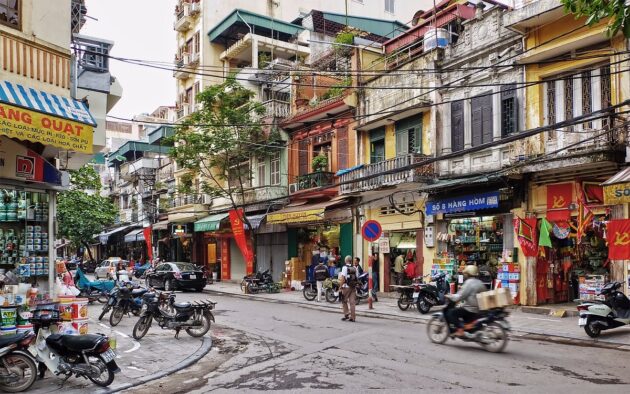
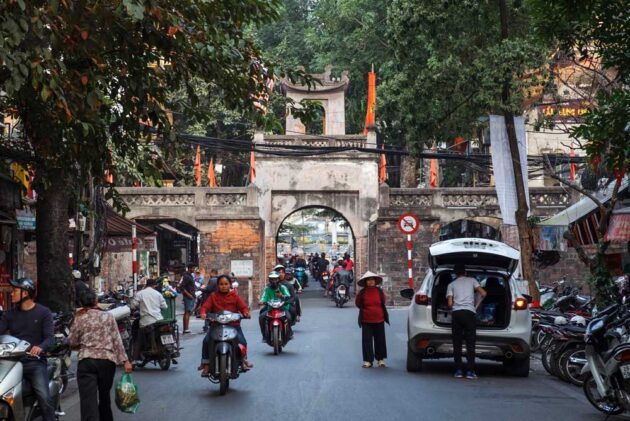
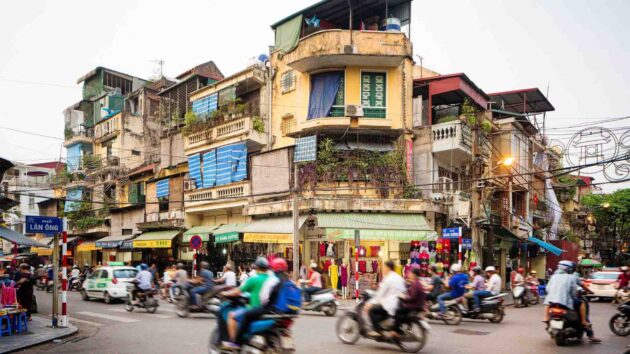
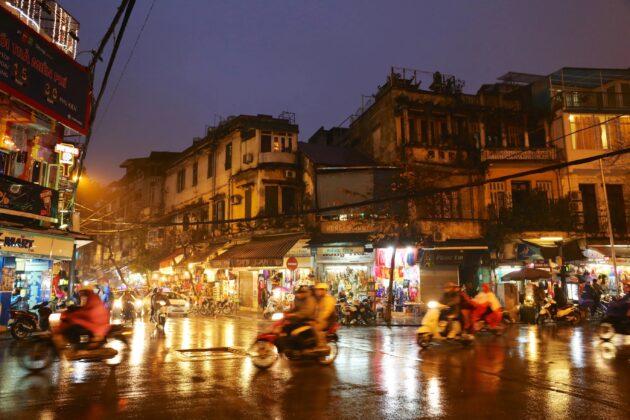
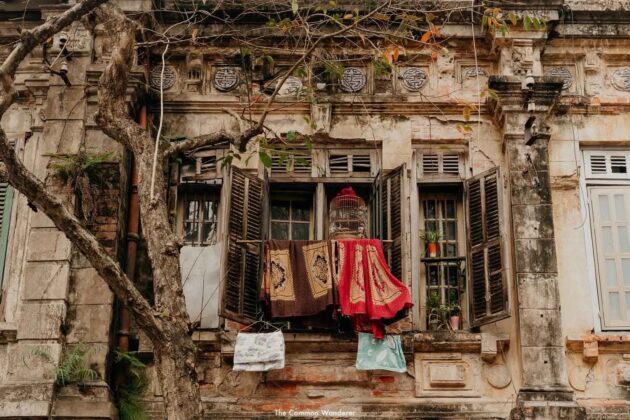
Hanoi’s Old Quarter (Phố Cổ) is the historic heart of Vietnam’s capital — a vibrant, chaotic maze of narrow streets dating back over 1,000 years, packed with French colonial influences, ancient temples, bustling markets, legendary street food, and nonstop energy from motorbikes and pedestrians.
The area features the famous “36 Streets,” each historically tied to a specific trade or craft (e.g., Hàng Gai for silk, Hàng Bạc for silver, Hàng Mã for paper offerings, Hàng Tre for bamboo). Tube houses — narrow but deep buildings — line the lanes, creating an immersive, sensory-rich experience where wandering is the main activity.
Getting There & Around
From Noi Bai International Airport (about 30–45 km away): Public bus #86 is cheap and goes directly to the Old Quarter area. Grab (app-based ride) or reputable taxis (Mai Linh, G7 — use the meter) are convenient. Private transfers or airport shuttles work well for groups. Avoid unlicensed taxis.
Within Hanoi: Walk as much as possible in the Old Quarter (it’s compact but watch for traffic). Use Grab (car or bike) for longer distances — cheap, tracked, and reliable. The expanding metro (Line 2A/3 as of 2026) helps avoid some traffic. Buses are budget-friendly but slower. Cyclos are fun for short scenic rides.
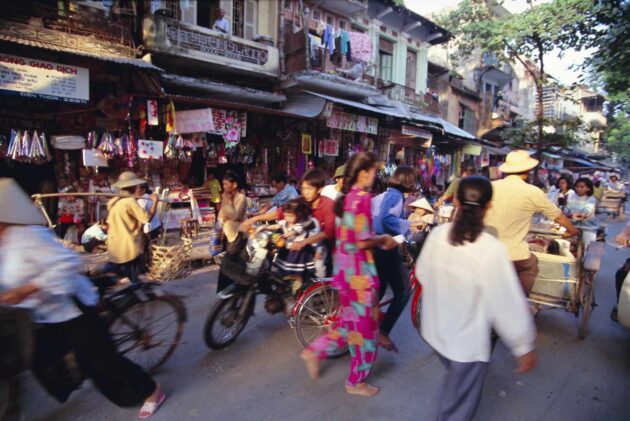
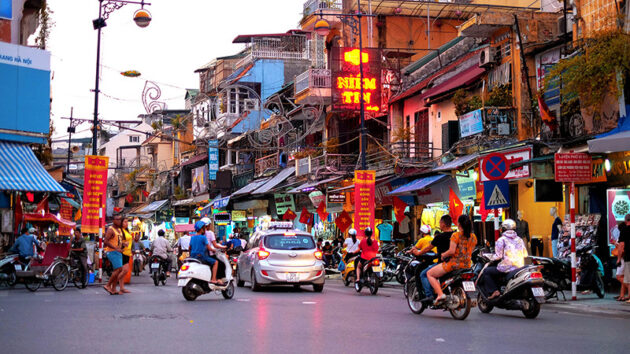
Crossing streets: Walk at a steady pace — motorbikes will flow around you. Avoid rush hours (7–9 AM, 4–6 PM) if possible.
Top Things to Do
Wander the 36 Streets and Get Lost — The best “activity” is simply strolling. Observe craftsmen, street vendors, hidden temples, and daily life. Streets like Hang Ma (colorful lanterns and offerings) and Hang Thiec (tin goods) feel particularly atmospheric.
Hoan Kiem Lake (Sword Lake) & Ngoc Son Temple — The peaceful centerpiece of the Old Quarter. Walk the tree-lined paths (locals do tai chi in the morning), cross the iconic red Huc Bridge to the temple on the island, and see the Turtle Tower. It’s magical at dawn or dusk.
Dong Xuan Market — A massive, historic covered market for wholesale goods, fresh produce, souvenirs, and street eats. Great for people-watching and bargaining.
Hanoi Train Street — A narrow alley where trains pass inches from cafes (check current schedules and safety rules — it’s regulated).
St. Joseph’s Cathedral — A beautiful neo-Gothic church in the French Quarter edge of the Old Quarter; vibrant at Christmas or for evening lights.
Other Highlights: Bach Ma Temple (one of the oldest in Hanoi). Water puppet show (traditional performances nearby). Nearby: Hoa Lo Prison (Hanoi Hilton), Museum of Vietnamese Women, or a short trip to the Temple of Literature.
Pro tip: Join a free or paid walking tour, or rent a cyclo (cycle rickshaw) for a relaxed overview of the chaos.
Street Food & Dining
The Old Quarter is paradise for foodies. Eat like locals on low plastic stools:
Pho (noodle soup) — Try spots like Phở Gia Truyền Bát Đàn.
Bún chả (grilled pork with noodles) — Famous at places like Bún Chả 41 Cửa Đông.
Bánh cuốn (steamed rice rolls), bánh mì, nem cuốn (fresh spring rolls), bún riêu (crab noodle soup).
Egg coffee (cà phê trứng) — Invented in Hanoi; Cafe Giảng is iconic.
Other classics: Nom thit bo kho (beef jerky salad), chè (sweet desserts).
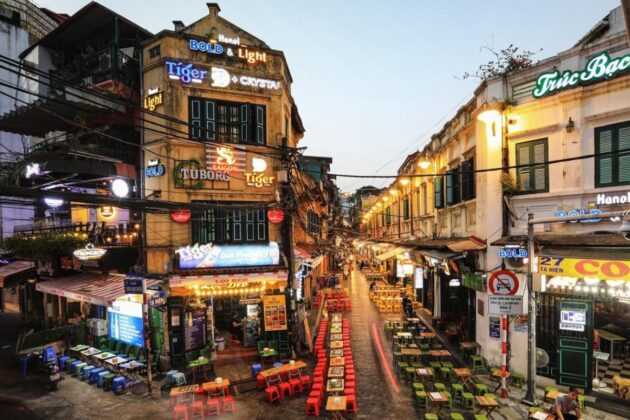
Look for busy local spots rather than overly touristy ones. Weekend night markets and Ta Hien “Beer Street” (bia hoi — fresh draft beer) come alive in the evenings. Consider a guided street food tour for the best introductions.
Where to Stay
Staying in the Old Quarter puts you in the middle of the action — walkable to everything, though it can be noisy.
Budget: Hostels and guesthouses (~$15–30/night).
Mid-range: Boutique hotels like La Siesta properties, Soleil Boutique Hotel, or similar (often with nice rooftops or colonial charm, $40–150/night).
Luxury: Options edging into the French Quarter, such as Sofitel Legend Metropole or Capella Hanoi.
Book centrally near Hoan Kiem Lake for easier access and slightly quieter pockets.
Practical Tips & Safety
Safety: Vietnam is generally very safe for tourists (U.S. State Department: Level 1 — exercise normal precautions). Petty theft like pickpocketing can occur in crowded markets or tourist spots — keep valuables secure and be aware in busy areas. Traffic is the biggest hazard.
Money: Use ATMs; small VND notes are handy for street food and taxis. Bargain at markets (politely).
Health: Stay hydrated, use mosquito repellent (dengue risk), and be cautious with street food hygiene if you have a sensitive stomach. Download translation apps and have hotel addresses in Vietnamese.
Etiquette: Dress modestly at temples; remove shoes where required. Learn basic phrases like “Xin chào” (hello) and “Cảm ơn” (thank you).
Final Thoughts
The Old Quarter rewards slow exploration — embrace the sensory overload of honking horns, sizzling grills, incense, and colorful chaos. It’s the perfect base for day trips to Ha Long Bay, Ninh Binh, or Sapa.
Pack comfortable walking shoes, a light rain jacket (depending on season), and an open mind. Enjoy your trip to one of Southeast Asia’s most atmospheric neighborhoods!