
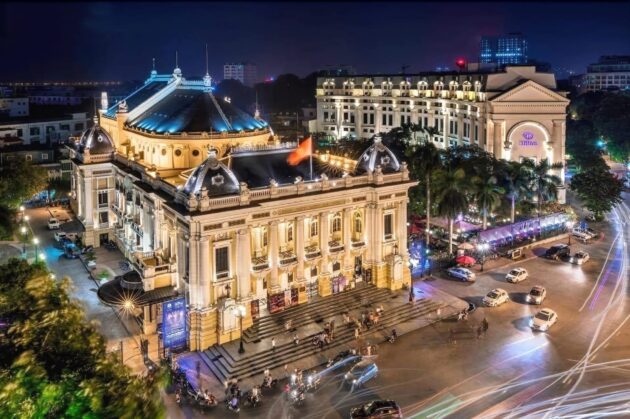
Hanoi Travel Guide (2026)
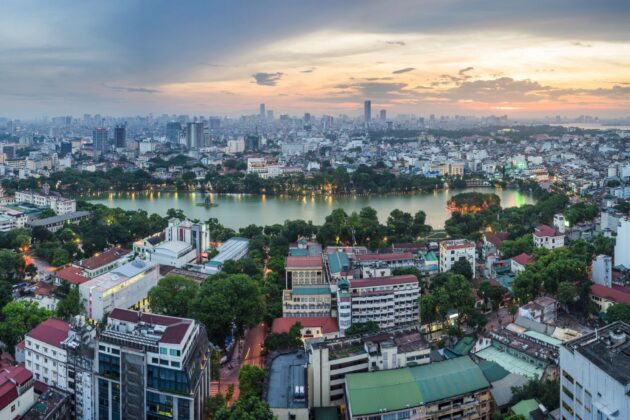
Hanoi, Vietnam’s capital, blends centuries-old history, chaotic energy, French colonial architecture, and one of Southeast Asia’s best street-food scenes. The city rewards slow exploration: wander narrow alleys in the Old Quarter, sip egg coffee by a lake, and watch the rhythm of scooters and street vendors. It serves as an ideal base for northern Vietnam adventures like Ha Long Bay or Ninh Binh.
Best Time to Visit
Best periods: September–November and March–April offer mild temperatures (around 20–28°C / 68–82°F), lower humidity, and mostly dry, sunny days—perfect for walking and outdoor activities.
October–November is often highlighted as ideal with clear skies and comfortable weather.
Summer (May–August): Hot and humid (up to 35°C+), with heavy rains.
Winter (December–February): Cooler (down to 10–15°C), sometimes misty or chilly, especially at night—bring layers.
Avoid peak summer rains if possible, though the city remains vibrant year-round.
Getting There and Around
Airport: Noi Bai International Airport (HAN), about 45–60 minutes north of the city center. Use official taxis, Grab (ride-hailing app), or airport shuttles. Pre-book or use reputable services to avoid overcharging.
Within Hanoi: Walking — Best for the Old Quarter and around Hoan Kiem Lake. Grab (bike or car) — Affordable, convenient, and widely used. Download the app in advance. Xe ôm (motorbike taxis) — Common but agree on price first; wear a helmet. Cyclo (cycle rickshaws) — Touristy and fun for short scenic rides, but negotiate firmly. Public buses exist but are less practical for first-timers due to language and navigation.
Safety tip: Traffic is intense and chaotic. Cross streets slowly and steadily—scooters will flow around you. Avoid walking or riding after dark in unfamiliar areas if possible. Keep valuables secure against petty theft.
Top Things to Do
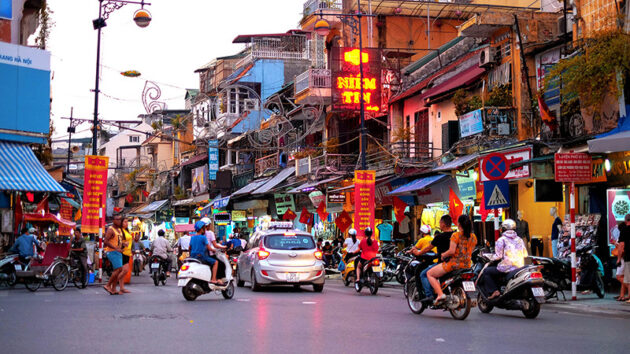
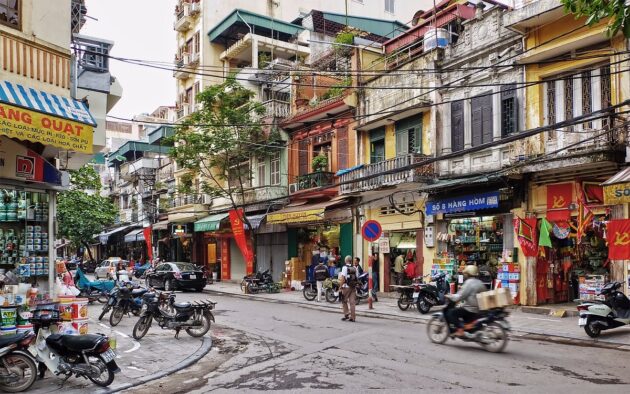
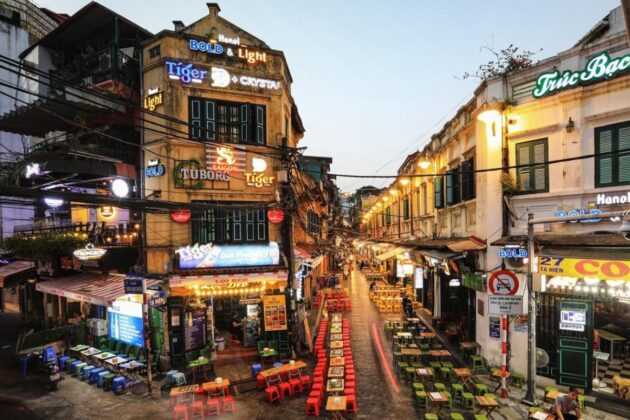
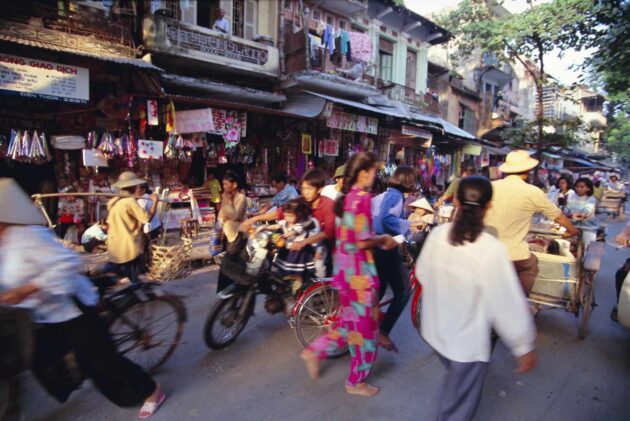
Old Quarter
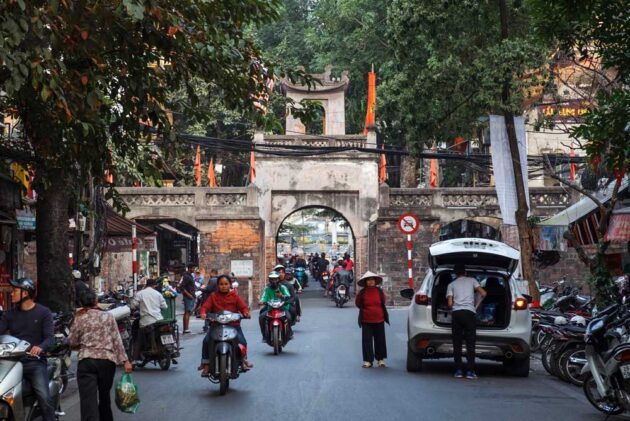
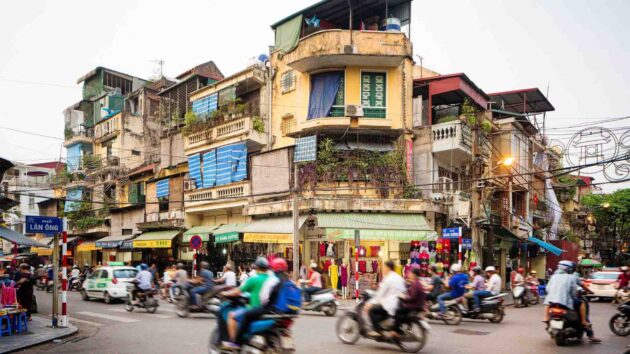
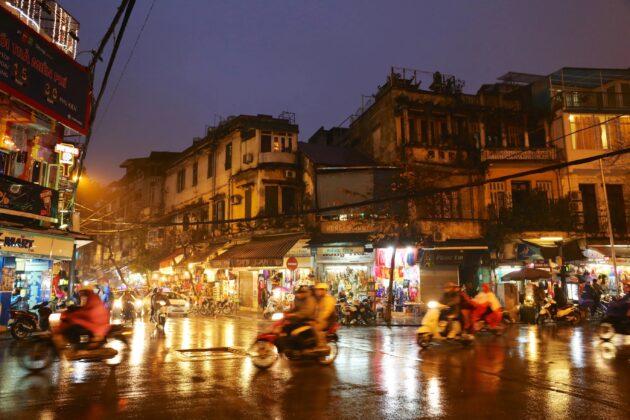
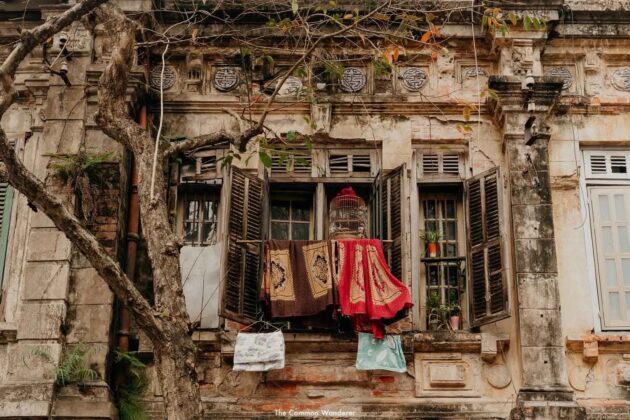
Wander the maze of 36 (or more) ancient streets, each historically tied to a trade (e.g., silver, shoes, herbs). Soak in the sensory overload of vendors, temples, and street life. Great for people-watching and photos.
Temple of Literature (Van Mieu)
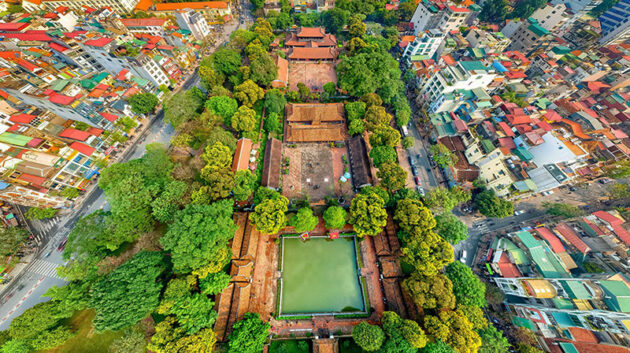
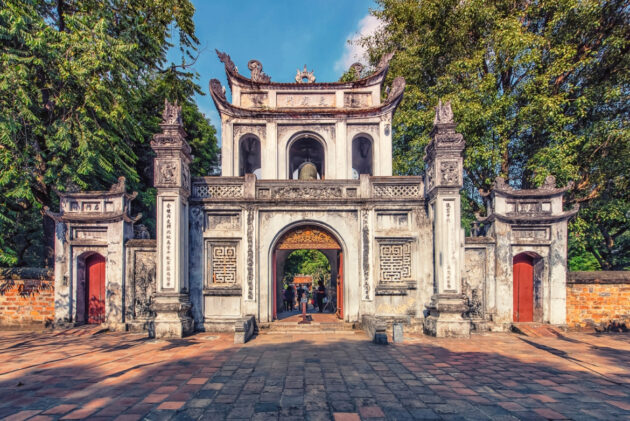
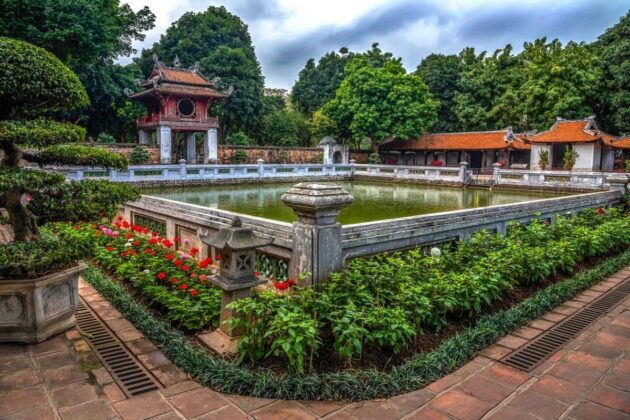
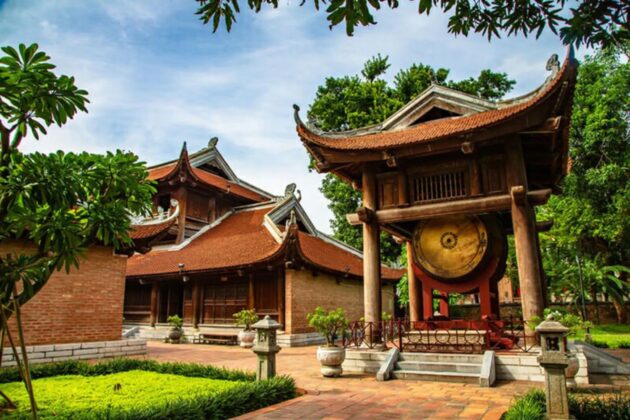
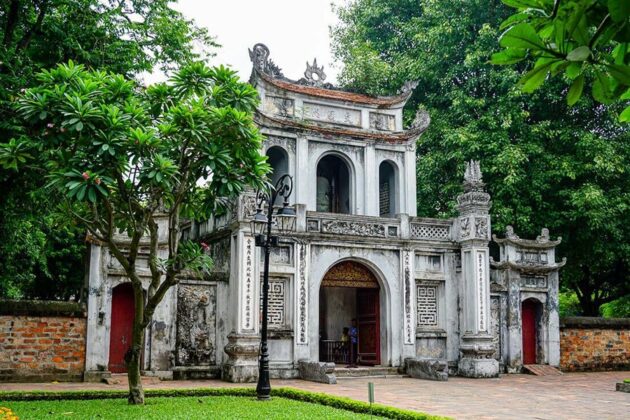
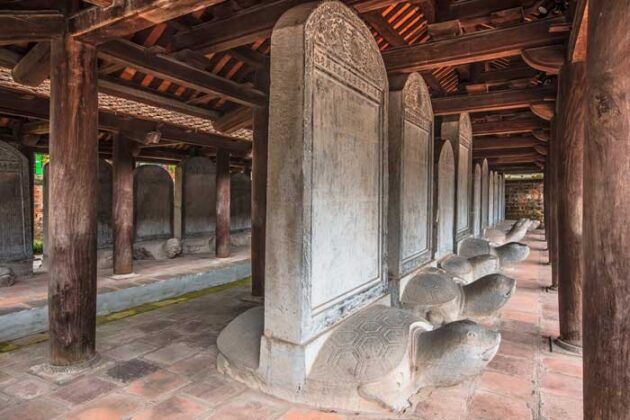
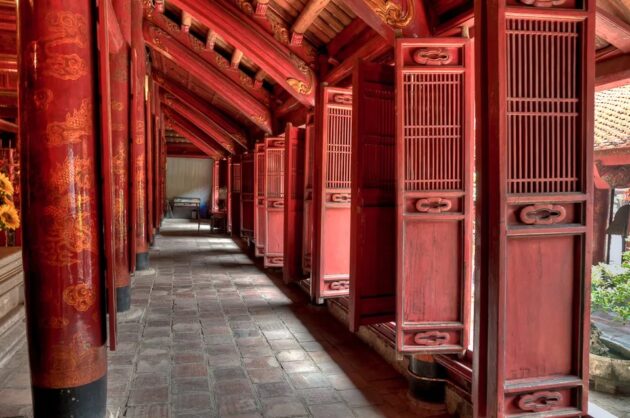
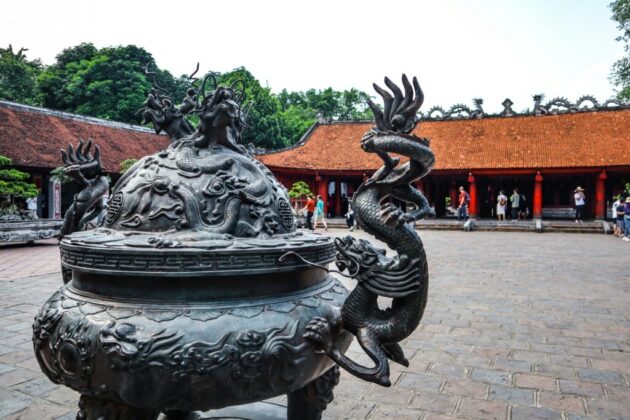
The Temple of Literature (Văn Miếu – Quốc Tử Giám) in Hanoi is Vietnam’s first national university and one of the city’s most serene, culturally significant landmarks. Built in 1070 during the Lý Dynasty by Emperor Lý Thánh Tông, it was originally dedicated to Confucius and later expanded in 1076 into the Imperial Academy (Quốc Tử Giám) to educate scholars and mandarins for the royal court.
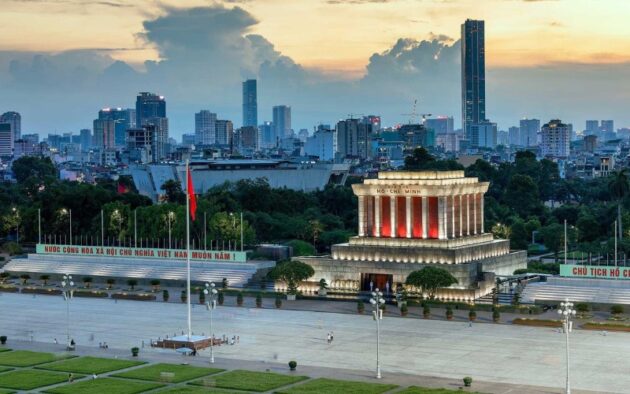
Ho Chi Minh Mausoleum
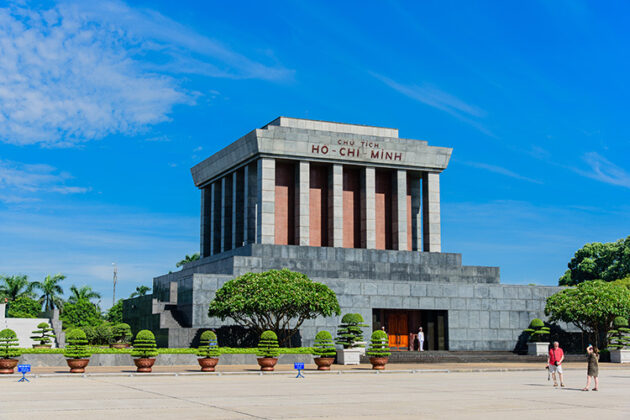
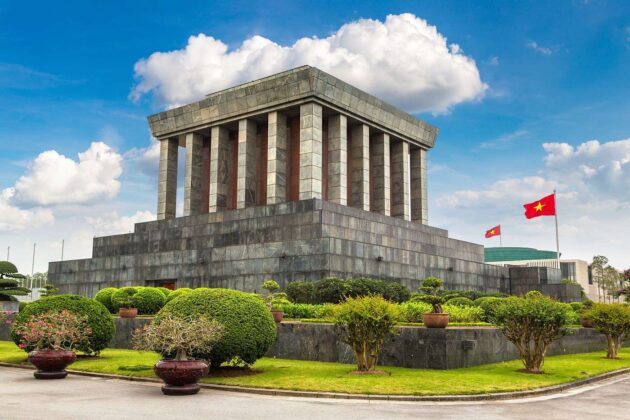
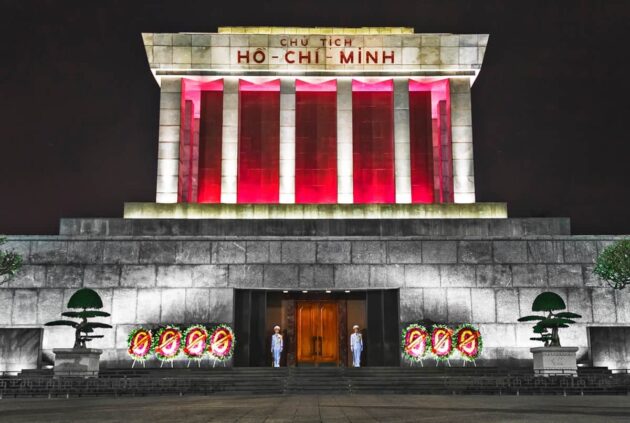
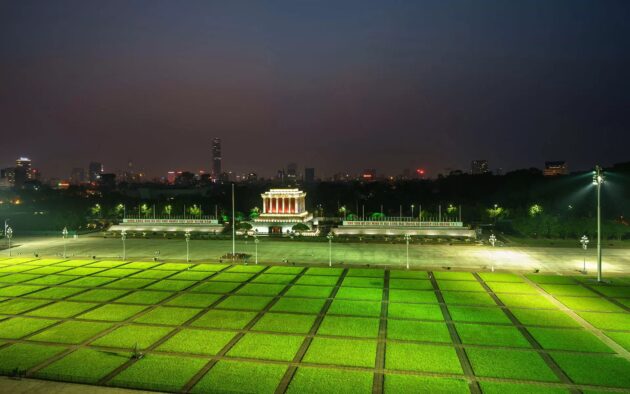
The Ho Chi Minh Mausoleum in Hanoi, Vietnam, is a monumental granite structure that serves as the final resting place of the nation’s revered revolutionary leader, President Ho Chi Minh. Located in Ba Dinh Square, where he declared Vietnam’s independence in 1945, the solemn mausoleum allows visitors to pay their respects to “Uncle Ho,” whose embalmed body lies on display in a glass case.
Hanoi Train Street
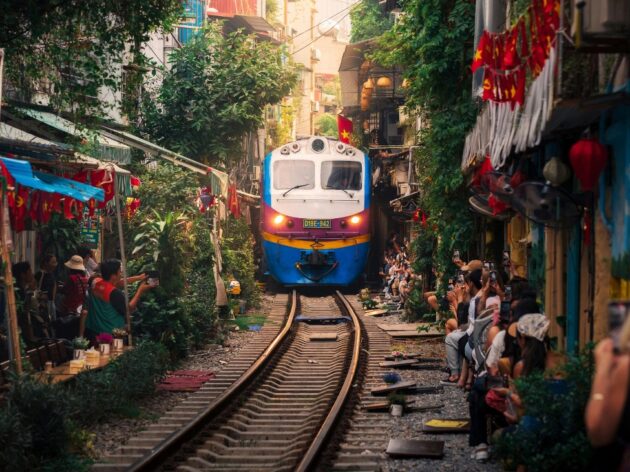
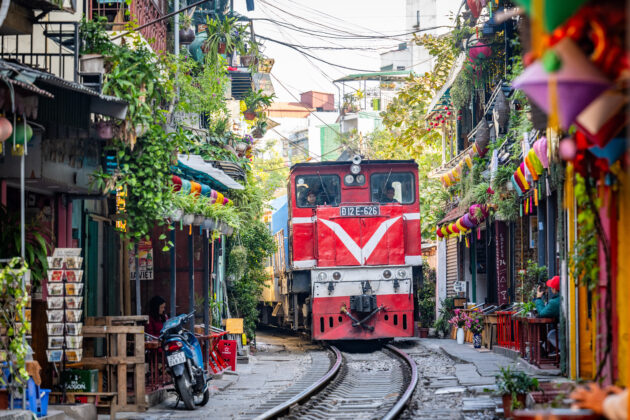
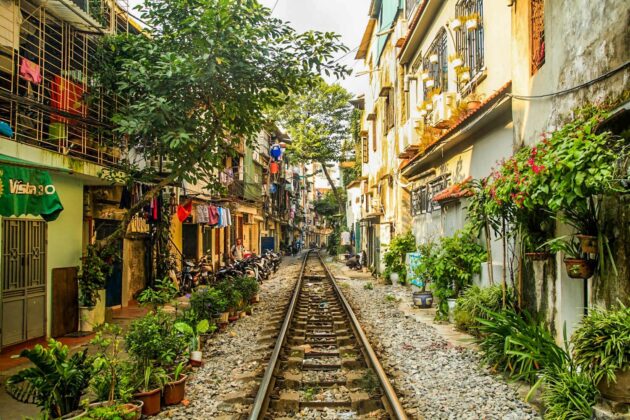
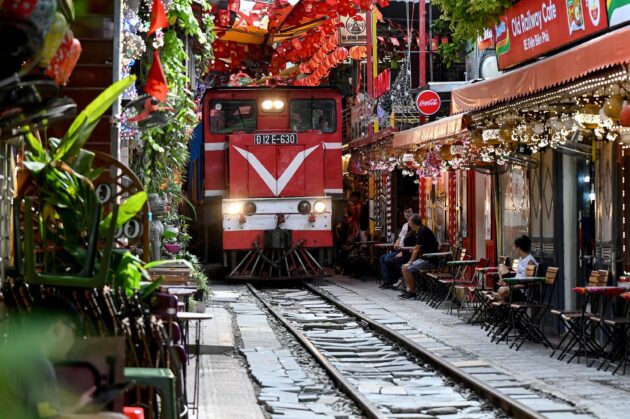
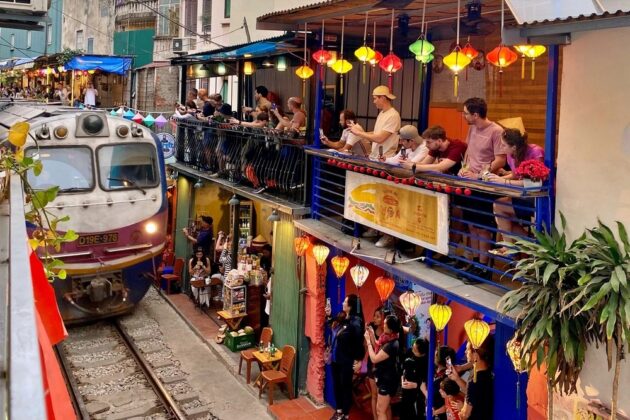
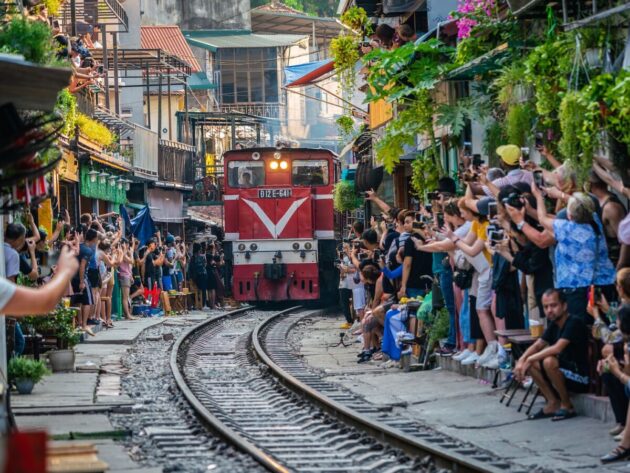
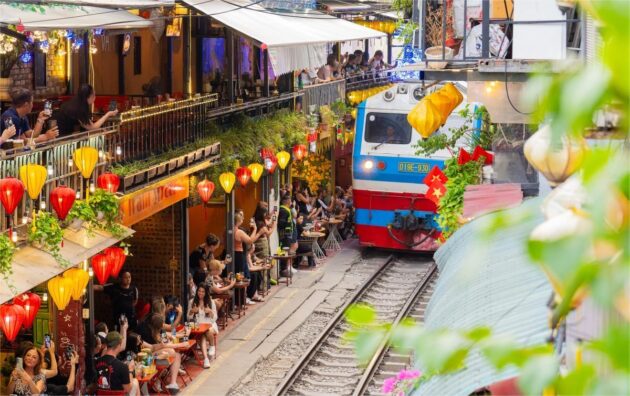
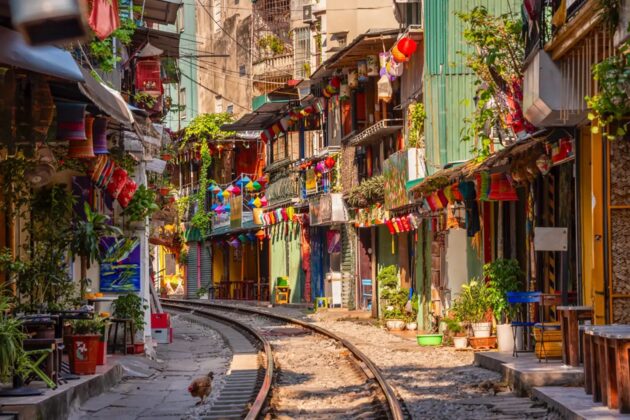
Hanoi Train Street (Phố Tàu or “Railway Cafe Street”) is one of Hanoi’s most iconic and adrenaline-pumping attractions. A narrow residential alley with active train tracks running straight through it, lined with tiny cafes and homes just inches from the rails. Trains pass extremely close to seating areas, creating a thrilling (and loud) spectacle as you sip coffee or a drink. It became a social media sensation but has faced ongoing safety crackdowns due to overcrowding and risks.
Hoa Lo Prison Museum
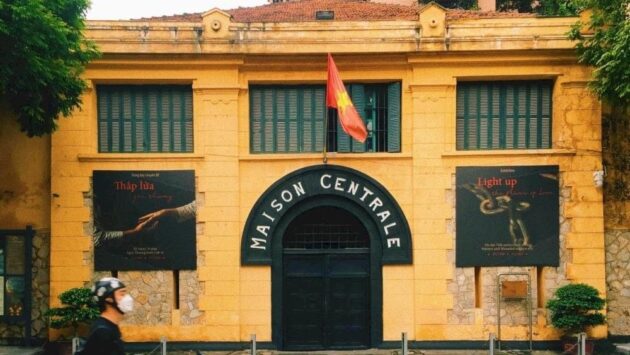
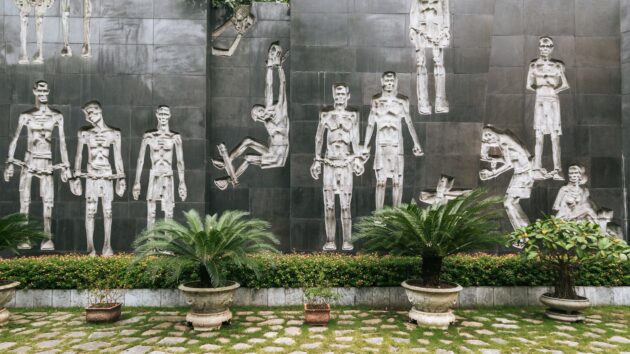
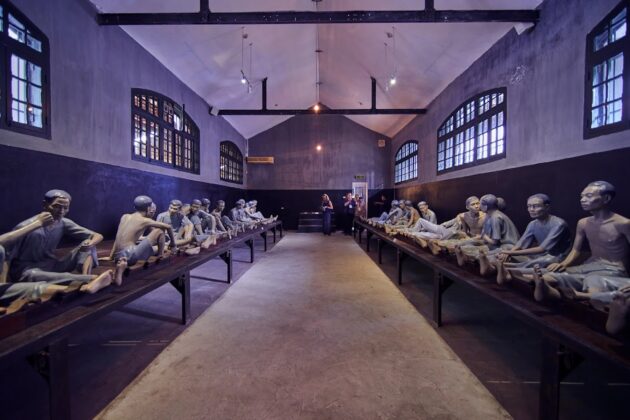
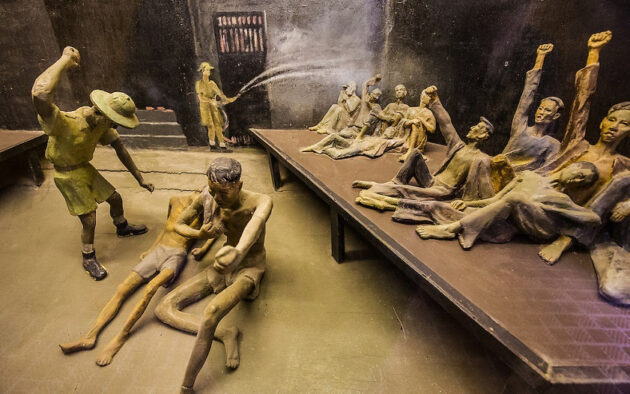
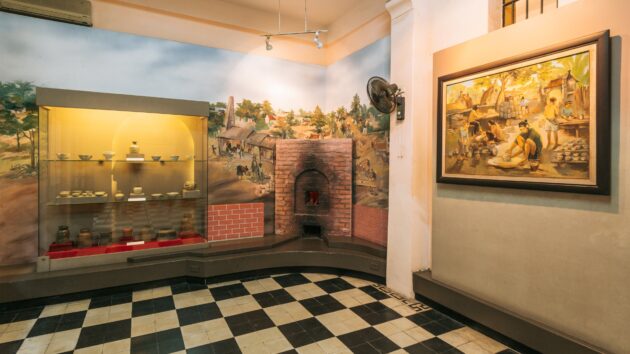
Hoa Lo Prison Museum in Hanoi, Vietnam, known ironically as the “Hanoi Hilton” during the American War, offers a sobering glimpse into the country’s colonial and wartime history. Originally built by the French in the late 19th century to detain Vietnamese political prisoners under brutal conditions, the museum later chronicles its use during the Vietnam War for housing captured American pilots, including Senator John McCain.
Water Puppet Show
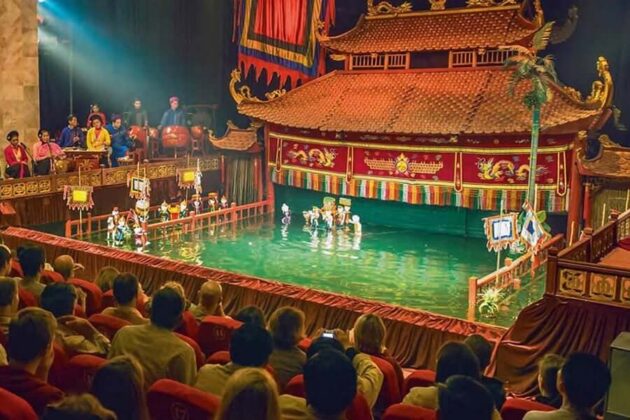
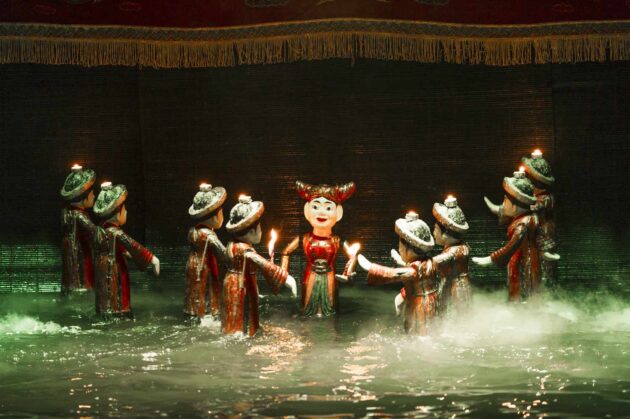
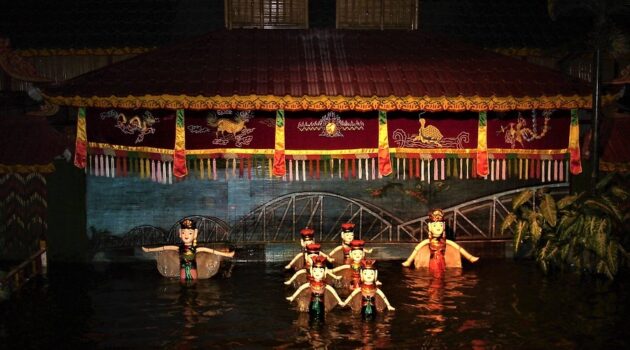
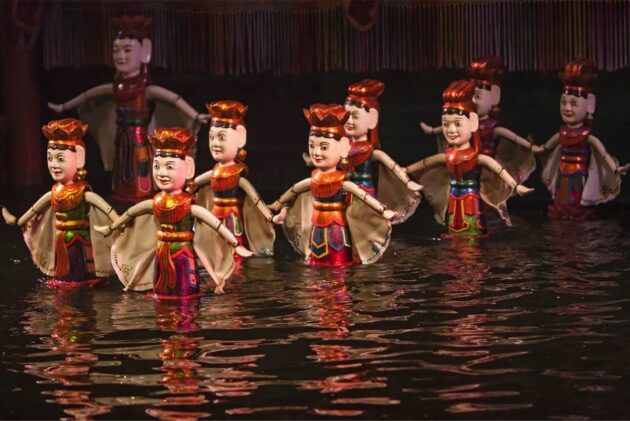
The Water Puppet Show in Hanoi, Vietnam, is a unique traditional art form that dates back to the 11th century, originating in the flooded rice paddies of the Red River Delta. Performed in a waist-deep pool of water, the puppets—controlled by skilled puppeteers standing behind a bamboo screen—enact village tales of daily life, farming, and legends, accompanied by live traditional Vietnamese music and singing.

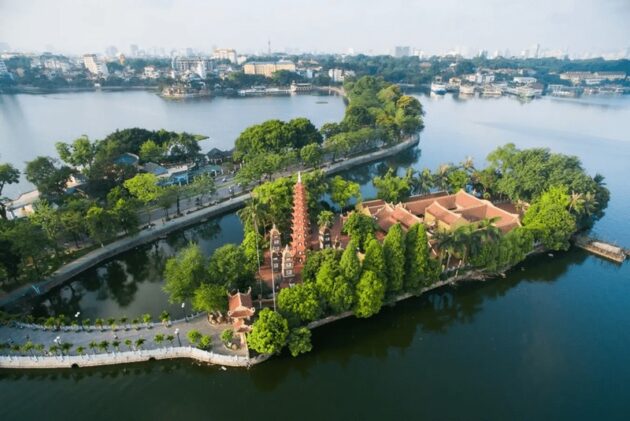
Tran Quoc Pagoda
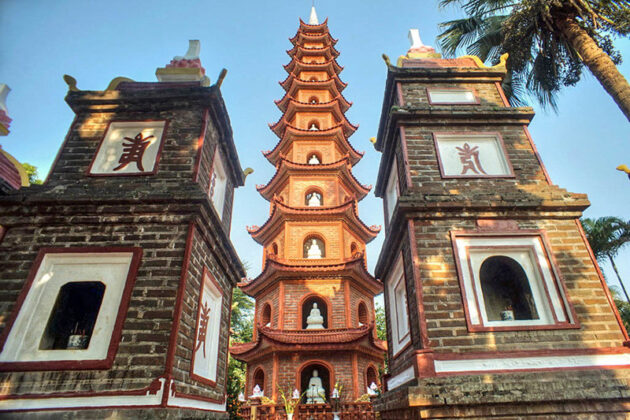
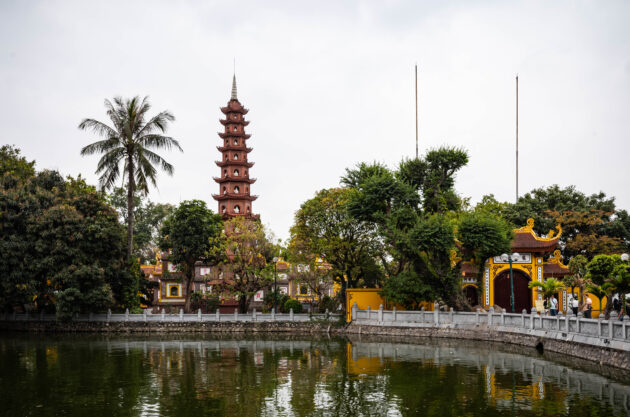
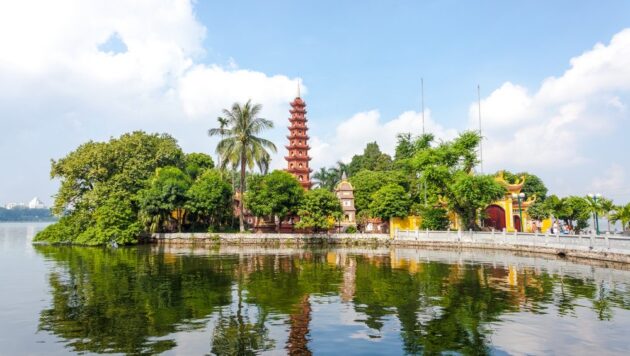
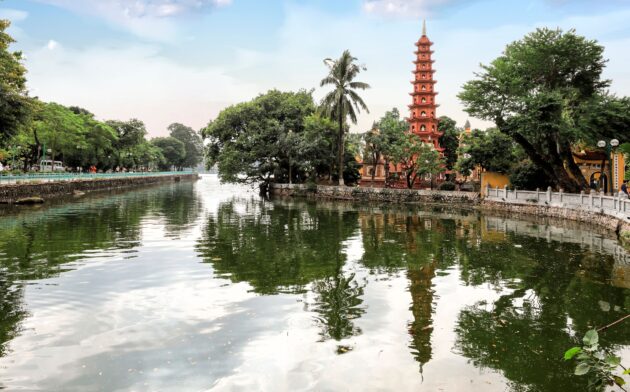
Tran Quoc Pagoda in Hanoi, Vietnam, is the city’s oldest Buddhist temple, dating back over 1,500 years to the Ly Dynasty. Located on a small island in West Lake, it features a striking red-and-white tower and serene statues, creating a peaceful contrast with the bustling capital. The pagoda’s name translates to “National Defense,” reflecting its historical significance.
Food: Street Food Heaven
Hanoi is a foodie paradise. Eat like locals at low stools on the sidewalk—portions are fresh, flavorful, and cheap.
Must-try dishes: Pho (noodle soup) — Try beef (pho bo) or chicken. Spots like Phở Gia Truyền or Phở Sướng. Bun Cha — Grilled pork with noodles and herbs (famous at spots like Bun Cha Dac Kim; Obama ate here once). Banh Mi — Crispy baguette sandwiches (Banh Mi 25 is a traveler favorite). Egg Coffee (Ca Phe Trung) — Sweet, frothy delight at Cafe Giảng or Cafe Dinh.
Others: Banh Cuon (steamed rice rolls), Cha Ca (grilled fish with turmeric/dill), fresh spring rolls, and bun rieu (crab noodle soup).
Tips: Join a street food tour for the best experience and safety. Stick to busy stalls with high turnover. Drink bottled water or ice from reputable spots.
Where to Stay
Old Quarter / Hoan Kiem Lake area — Most convenient for first-timers: walkable to major sights, food, and nightlife. Mix of budget hostels, boutique hotels, and mid-range options.
French Quarter — More elegant colonial buildings and quieter vibe.
West Lake (Tay Ho) — Trendier, upscale, with good dining but farther from the historic core.
Book in advance for popular areas. Prices are generally affordable.
Day Trips from Hanoi
Ha Long Bay — UNESCO site with limestone karsts. Day tours or (better) overnight cruises available. Book reputable operators to avoid low-quality boats.
Ninh Binh (Tam Coc) — “Halong Bay on land”: boat rides through rice paddies and karst mountains. Easy day trip.
Sapa — Hill station with rice terraces and ethnic villages (longer trip, often overnight bus/train).
Practical Tips
Money: ATMs are widespread; carry some cash (VND) for street food and small vendors. Cards accepted at bigger places.
Language: English is limited outside tourist zones—use translation apps or learn basics (“xin chao” = hello, “cam on” = thank you).
Scams: Common in tourist areas (overpriced cyclo rides, “friendly” locals leading to shops). Use Grab, agree prices upfront, and politely decline unsolicited help.
Health: Air pollution can be an issue—check AQI and wear a mask if sensitive. Mosquito repellent for evenings. No special vaccines beyond routine, but consult a doctor.
Internet/SIM: Buy a local SIM at the airport for cheap data (Grab, maps, etc.).
Final Thoughts
Hanoi can feel overwhelming at first with its noise and crowds, but give it a couple of days and you’ll fall into its lively rhythm. Start early to beat heat/crowds, embrace the chaos, and prioritize food and people-watching over ticking every box. Safe travels—enjoy Vietnam’s energetic capital!