
A Travel Guide to Rhine Falls (2026)
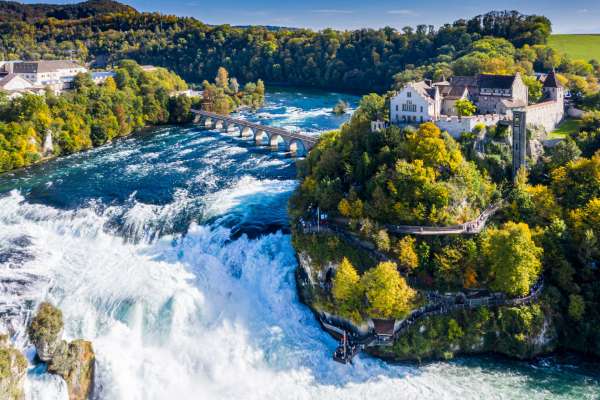
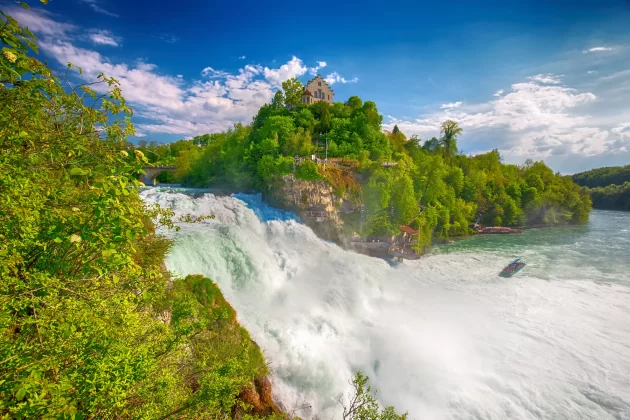
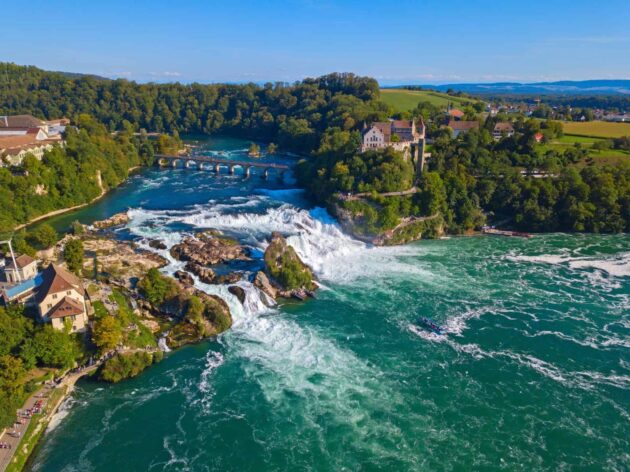
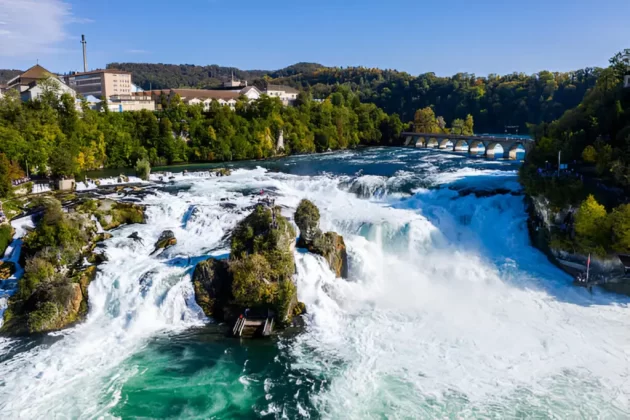
Nestled on the border between the cantons of Schaffhausen and Zurich, Rhine Falls (Rheinfall in German) is Europe’s most powerful waterfall and one of Switzerland’s most iconic natural wonders. Plunging over 23 meters (75 feet) high and spanning 150 meters (490 feet) wide, it thunders with up to 600 cubic meters of water per second during peak flow—enough to fill an Olympic swimming pool in under 10 seconds. This majestic cascade, formed by glacial erosion over millennia, draws over a million visitors annually, offering a perfect blend of raw power, scenic beauty, and accessible adventure. Whether you’re a nature lover, thrill-seeker, or history buff, here’s your ultimate guide to experiencing the Rhine Falls.
Why Visit Rhine Falls?
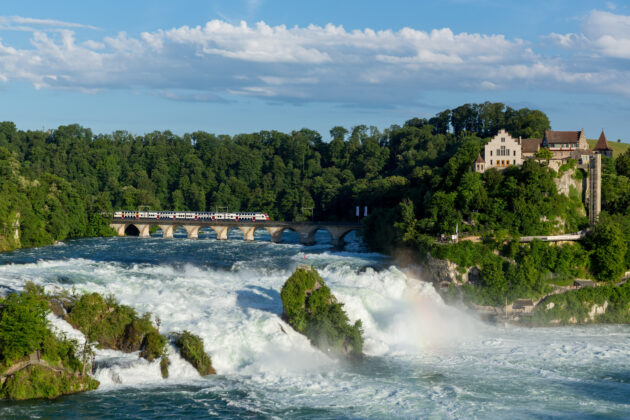
The falls aren’t just a spectacle; they’re a gateway to Switzerland’s dramatic landscapes. Surrounded by lush forests, medieval castles, and the winding Rhine River, the site feels like a scene from a fairy tale. Unlike Niagara or Victoria Falls, Rhine Falls is compact and visitor-friendly—easy to reach from major cities, with family-friendly activities and stunning photo ops. It’s also a hub for eco-tourism, highlighting the Rhine’s role in Europe’s biodiversity.
How to Get There
Rhine Falls is conveniently located about 50 km (31 miles) northeast of Zurich, making it an ideal day trip.
By Train: From Zurich Hauptbahnhof (main station), take a direct train to Neuhausen Rheinfall or Schaffhausen (25–40 minutes, ~CHF 10–15 one way). Trains run every 30 minutes via Swiss Federal Railways (SBB). From the station, it’s a 10-minute walk to the falls. Pro tip: Use the SBB app for tickets and real-time schedules.
By Car: Drive from Zurich via the A4 motorway (45 minutes). Parking is available at the Rheinfall Parking lot (CHF 5–10 for the day). Note: Switzerland’s vignette (road toll sticker) is required for highways—CHF 40 for a year.
From Other Cities: From Basel: 1-hour train ride. From Schaffhausen: 5-minute train or bus. Public transport is efficient and eco-friendly, aligning with Switzerland’s carbon-neutral goals.
Best Time to Visit
Peak Season (June–August): Water flow is at its mightiest after spring melt, creating a roaring spectacle. Expect crowds and mild weather (15–25°C/59–77°F), but book activities in advance.
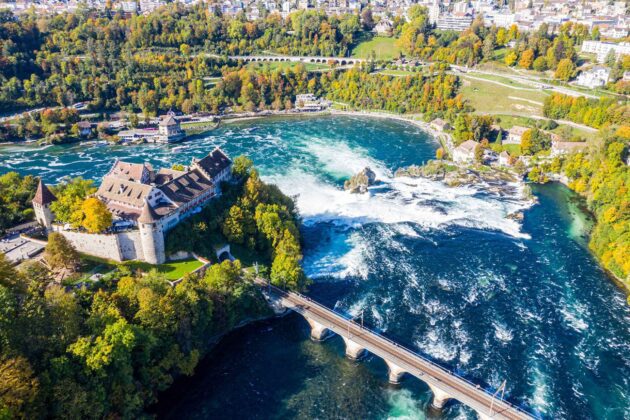
Shoulder Seasons (May, September–October): Fewer tourists, vibrant autumn foliage, and flows still impressive. Temperatures hover around 10–20°C (50–68°F).
Winter (November–March): A frozen wonderland with potential ice formations—magical but slippery. Flows are lower, but holiday lights add charm. Avoid if you’re prone to cold (0–5°C/32–41°F).
Note: Check for any seasonal events, like the Rhine Falls Illumination Festival in summer, via the official website.
Aim for early mornings or late afternoons to beat the midday rush.
What to Do
Rhine Falls offers a mix of adrenaline and relaxation, all within a compact area.
Viewing Platforms and Trails: Start at the free panoramic platforms on the north bank (Schaffhausen side) for jaw-dropping vistas. Hike the 1-km (0.6-mile) loop trail through forests for varied angles—easy for all ages, about 30–45 minutes.
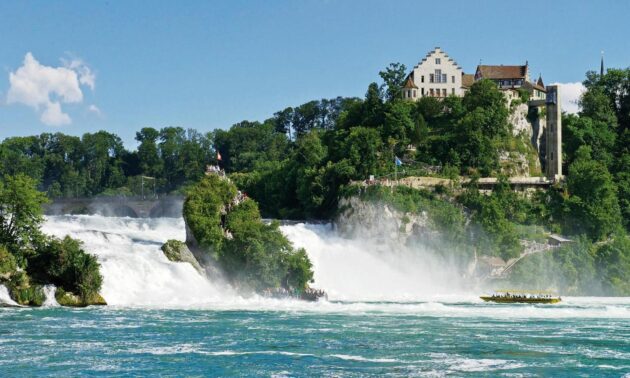
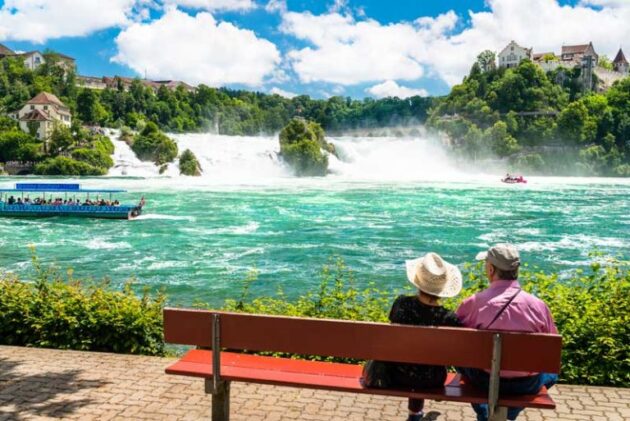
Boat Tours: Get up close with a 10–15-minute boat ride to the rock outcrop in the falls’ center (CHF 10–15). Feel the mist and thunder—wear a poncho! Electric boats are now standard for low emissions. Evening sunset cruises (summer only) offer a romantic glow.
Rock Climbing and Ziplining: For thrill-seekers, guided rock climbing on the falls’ basalt cliffs (CHF 100–150, 2–3 hours) or a 300-meter zipline across the Rhine (CHF 50, seasonal).
Nearby Attractions: Schloss Laufen: A clifftop castle with a medieval museum and adventure playground (CHF 5 entry). Schloss Wörth: On the south bank, offering falconry shows and Rhine cruises. Hike to the Rheinfallfelsen (Falls Rock) for a misty selfie spot.
Wellness and Relaxation: Unwind at the Thermalbad Zurzach spa (20 minutes away) with Rhine-fed hot pools.
Practical Tips
Tickets and Costs: Entry to viewing areas is free; boats and extras add up to CHF 30–50 per person. Buy combo tickets online to save.
Accessibility: Wheelchair-friendly paths and elevators at key spots; strollers OK on main trails.
What to Bring: Waterproof jacket, sturdy shoes, binoculars, and snacks (picnic areas abound). Download the Rhine Falls app for audio guides in multiple languages.
Sustainability: Use reusable water bottles—refill stations are everywhere. Drones and swimming are prohibited to protect the ecosystem.
Where to Stay
Base yourself nearby for a relaxed vibe:
Neuhausen or Schaffhausen (Budget): Hotel Rheinfall (~CHF 120/night) or guesthouses with river views.
Luxury: Romantik Hotel Münchnerhof in Schaffhausen (CHF 200+), blending historic charm with modern amenities.
Zurich (Day Trip): If combining with city sights, stay at Baur au Lac (CHF 500+) for elegance.
Camping: Riverside sites at Camping Rheinfall (CHF 40/night, seasonal).
Food and Drink
Rheinfall Restaurant: Fresh trout from the Rhine and fondue (CHF 20–40 mains).
Local Brews: Try Schaffhausen beer at Brauhaus zur Munot.
Picnics: Grab cheeses and chocolates from Coop supermarkets.
Final Thoughts
Rhine Falls captures Switzerland’s essence—majestic, precise, and effortlessly awe-inspiring. In just a few hours, you’ll witness nature’s fury up close, then retreat to chocolate-fueled bliss. Whether splashing on a boat or strolling castle paths, it’s a reminder of why the Swiss cherish their pristine outdoors. Plan your visit soon—the falls wait for no one.
Safe travels and Gerüchte Gschicht (happy storytelling)! For updates, visit rheinfall.com.