
Sixty Dome Mosque Travel Guide (2026)
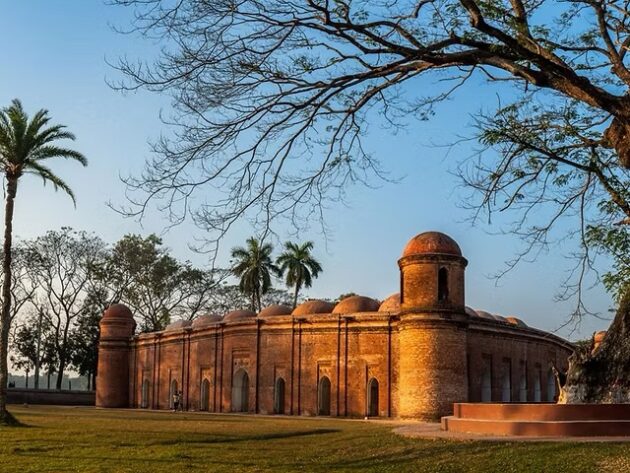
The Sixty Dome Mosque (locally known as Shait Gambuj Masjid or Shat Gombuj Masjid) is a stunning 15th-century architectural masterpiece and the centerpiece of the Historic Mosque City of Bagerhat, a UNESCO World Heritage Site in southwestern Bangladesh.
History and Architecture
Built between approximately 1442 and 1459 CE by Khan Jahan Ali (a Sufi saint, administrator, and founder of the medieval city of Khalifatabad during the Bengal Sultanate), the mosque served as a central place of worship in a planned Muslim settlement near the Sundarbans mangrove forests.
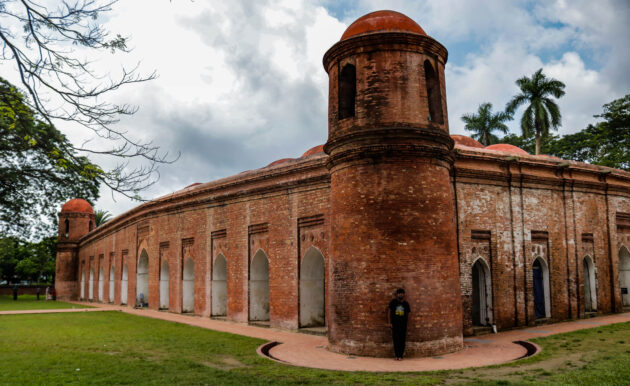
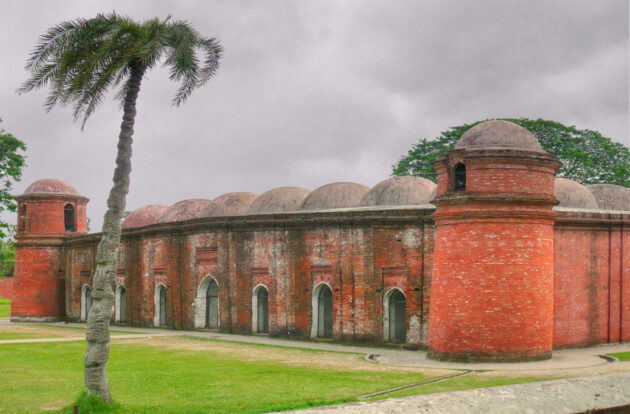
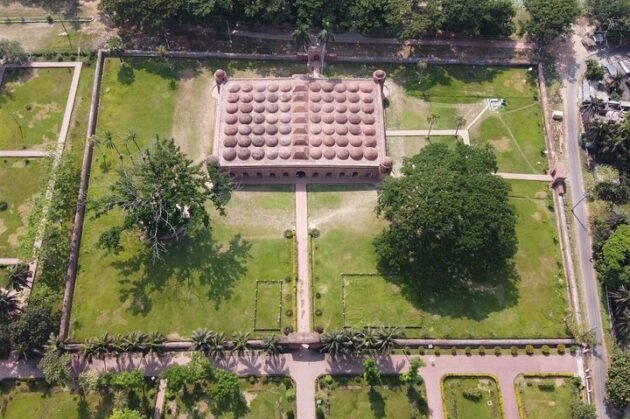
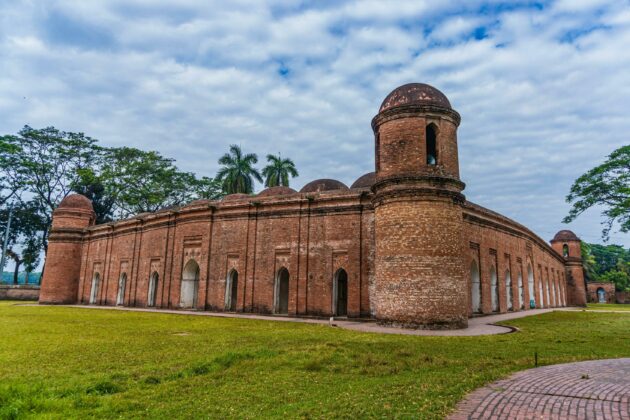
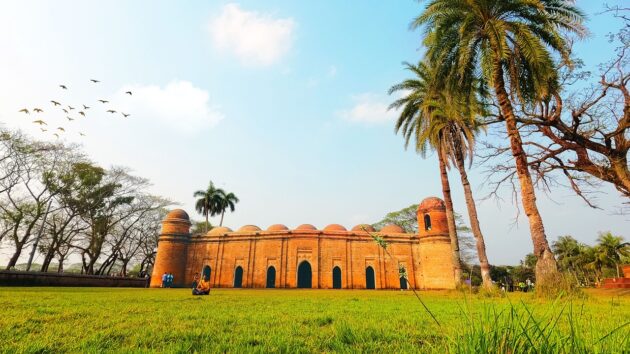
Despite its name, the structure features 77 low domes (including some distinctive Bengali chau-chala curved domes) supported by 60 stone pillars, plus four corner towers. The massive brick building measures about 160 x 190 feet and could once accommodate around 2,000 worshippers. Its thick, tapering brick walls, arched doorways (11 on the east, 7 each on north and south), and clever ventilation keep the interior remarkably cool even in Bangladesh’s heat. The design blends Persian, Turkish, and local Bengali elements, making it one of the most impressive medieval mosques in the Indian subcontinent.
The entire Bagerhat complex originally included hundreds of mosques, mausoleums, tanks (dighi), and civic buildings, many now reclaimed by jungle after Khan Jahan Ali’s death in 1459.
What to Expect on a Visit
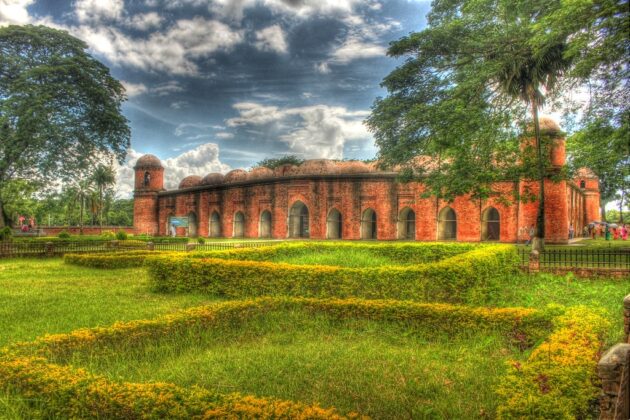
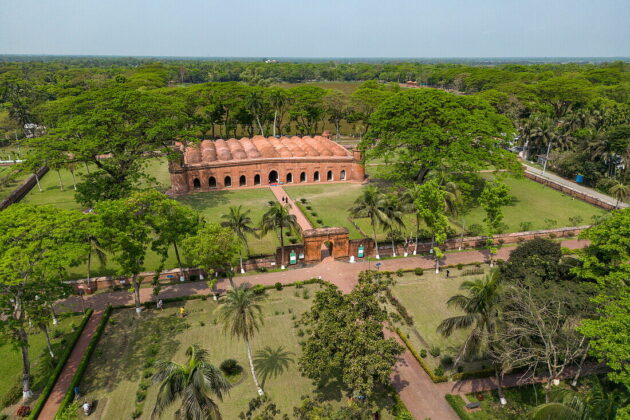
The mosque sits in a peaceful, landscaped area with gardens, pathways, and a large pond behind it. The interior features rows of sturdy pillars creating a forest-like effect with echoing acoustics—stand still and listen to the space.
Interior views with prayer rugs:
A small site museum (Bagerhat Regional Museum) nearby displays artifacts, including a taxidermy crocodile from a local tank. Entry ticket usually covers both the mosque grounds and museum.
Note: This is an active place of worship. Women may face restrictions entering the main prayer hall at times (check the sign at the entrance). Avoid visiting during prayer times, especially Friday midday (Jumma) prayers.
Practical Travel Information
Location: About 5–7 km from Bagerhat town, roughly 25–35 km (15–20 miles) from Khulna city, in Khulna Division.
Best Time to Visit: November to February (cooler, drier winter season) for comfortable walking and photography. Early morning or late afternoon offers softer light and fewer crowds. Avoid monsoon (June–October) due to heavy rain and potential disruptions.
Opening Hours: Generally from around 9 AM; the site is open daily but plan around prayer times (avoid ~12:30–2 PM and late afternoon prayers).
Entry Fees (approximate, subject to change; one ticket often covers mosque + museum): Foreigners: 200–300 BDT (~USD 2–3); SAARC countries: ~100 BDT; Locals/students: Lower rates (20 BDT or less); Photography fees may apply separately in some cases.
How to Get There: From Dhaka: Bus or train to Khulna (6–8 hours), then local bus, CNG auto-rickshaw, or private car/taxi to the mosque (~1 hour). Direct buses to Bagerhat are also available. Some travelers take organized day tours. From Khulna: Easiest base—local buses drop near the mosque. Private AC car or guided tour recommended for comfort (~1 hour each way). Local transport from Bagerhat town: Buses, microbuses, CNG, or easy bikes.
Many visitors do Bagerhat as a day trip from Khulna, combining it with the nearby Sundarbans mangrove forests (another UNESCO site).
Nearby Attractions
Nine Dome Mosque (Noy Gombuj Masjid): Smaller, elegant with terracotta details.
Singair Mosque and other minor mosques in the area.
Mausoleum of Khan Jahan Ali: Serene tomb complex beside a large tank (dighi).
Explore village paths around the pond behind the Sixty Dome Mosque for a glimpse of local life.
Tips for Visitors
Dress Code: Modest clothing—cover shoulders and knees. Women may want a headscarf for respect, especially near prayer areas. Remove shoes before entering.
Respect: Be quiet and courteous; avoid photographing worshippers or during prayers. Locals are generally friendly.
What to Bring: Water, sunscreen, hat, comfortable walking shoes, and cash (small BDT notes). Insect repellent if exploring around ponds.
Photography: Golden hour light is magical on the brickwork. Drones may have restrictions at heritage sites.
Safety and Comfort: The area is generally safe for tourists, but stick to main paths. Heat and humidity can be intense outside winter—stay hydrated.
Food: Limited options right at the site (basic tea/snacks nearby). Eat in Bagerhat town or return to Khulna for better restaurants (try local river fish, chui jhal curry, or thalis).
Accommodation and Planning
Khulna offers the widest range of hotels (budget to mid-range). Bagerhat has a few basic options if you want to stay overnight for a slower pace. Mongla (near Sundarbans) is another base. For a full experience, combine with a Sundarbans boat tour.
If you’re short on time, a private guided day trip from Khulna or even Dhaka can cover the mosque plus a couple of other sites efficiently.
Final Thoughts
The Sixty Dome Mosque offers a profound sense of history and tranquility—its fortress-like exterior and cool, columned interior make it one of Bangladesh’s most rewarding heritage sites. Plan thoughtfully around weather and prayer times for the best experience. Safe travels!