
Vientiane Travel Guide (2026)
Vientiane (ວຽງຈັນ), the capital of Laos, is one of Southeast Asia’s most relaxed and understated cities. Situated on the banks of the Mekong River, it blends French colonial architecture, golden Buddhist temples, lively markets, and a laid-back riverside vibe. Unlike bustling neighbors like Bangkok or Hanoi, Vientiane feels slow-paced and charmingly low-key—perfect for temple-hopping, Mekong sunsets, and sampling Lao cuisine without the crowds.
It’s an ideal base for 1–3 days, often combined with trips to Luang Prabang or Vang Vieng. The city mixes spiritual sites, historical monuments, and a growing café scene influenced by its French past.
Best Time to Visit
The dry season from November to February offers the most pleasant weather: cooler temperatures (around 20–30°C/68–86°F), low humidity, and minimal rain. This is peak tourist time, though Vientiane never feels overwhelmingly crowded.
March–May: Hot and dry (up to 38–40°C/100–104°F); best avoided if you dislike extreme heat.
June–October: Rainy season with lush greenery but frequent afternoon showers and higher humidity.
Lao New Year (Pi Mai, mid-April) brings water festivals and celebrations if you’re up for the festive (and wet) energy.
How to Get There and Around
By air: Wattay International Airport (VTE) has direct flights from major Southeast Asian hubs (Bangkok, Hanoi, Siem Reap, etc.) and some longer routes.
By land: Popular border crossings from Thailand (e.g., Nong Khai to Vientiane via the Friendship Bridge). Buses or trains connect from Thailand and other Lao cities.
Within Vientiane: The city is compact and walkable in the center. Use tuk-tuks, songthaews (shared trucks), taxis, or ride-hailing apps for longer distances. Renting a bicycle or scooter is common for flexibility, but drive cautiously. Buddha Park is about 25 km (15 miles) outside the city—easy by tuk-tuk or taxi.
Top Things to Do
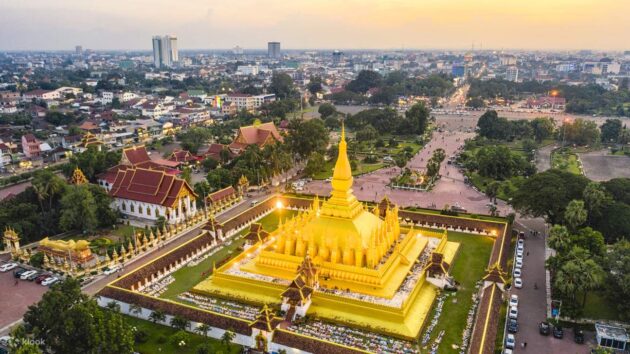
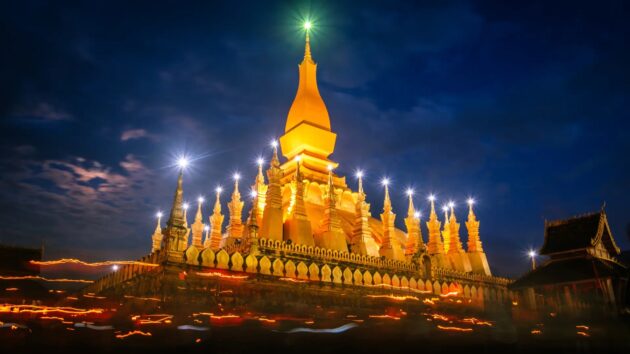
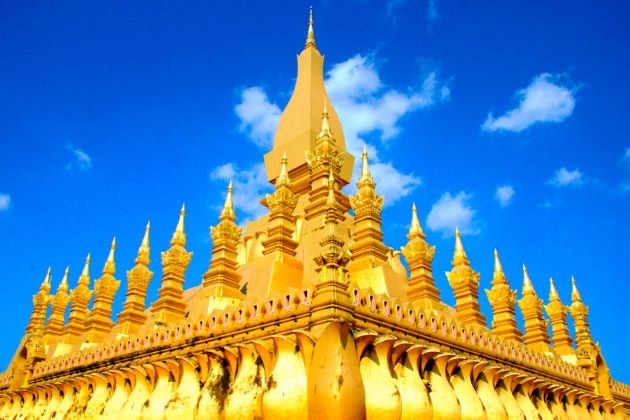
Pha That Luang (Great Sacred Stupa)
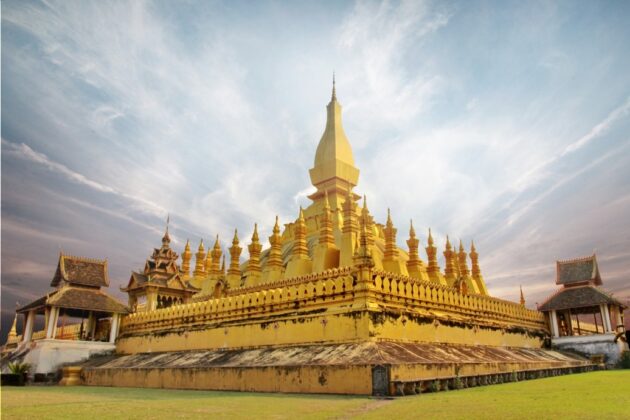
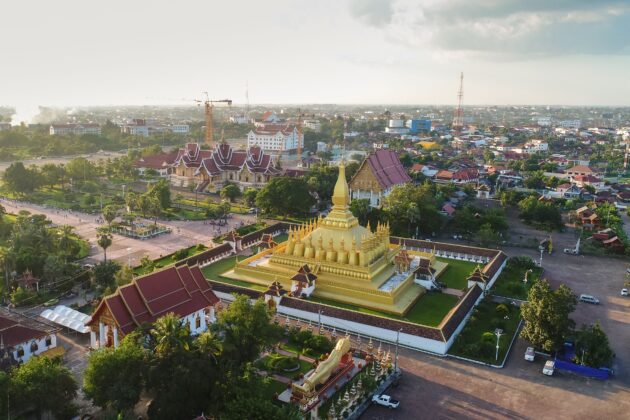
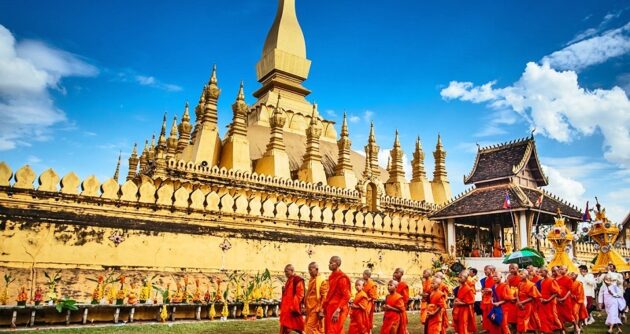
Pha That Luang, located in Vientiane, Laos, is a magnificent gold-covered Buddhist stupa and the most important national monument in the country. Symbolizing both the Buddhist faith and Lao sovereignty, its stunning architecture features a central spire surrounded by smaller spires, representing a lotus blossom. Originally built as a Hindu temple in the 1st century, it was later converted into a Buddhist stupa.
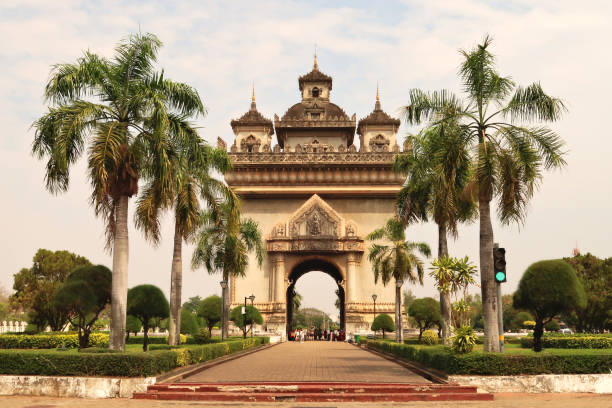
Patuxai (Victory Monument)
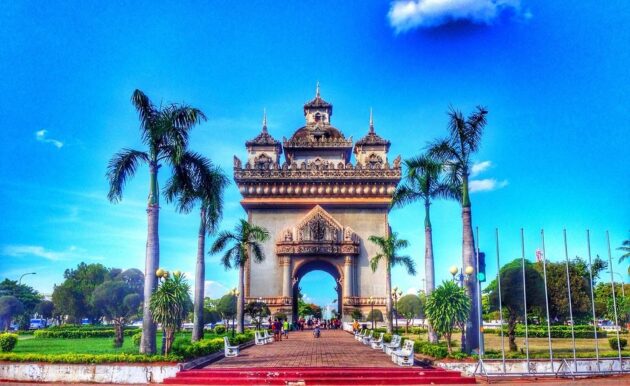
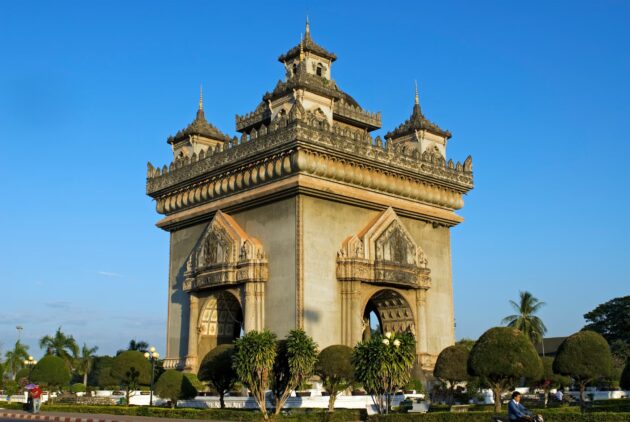
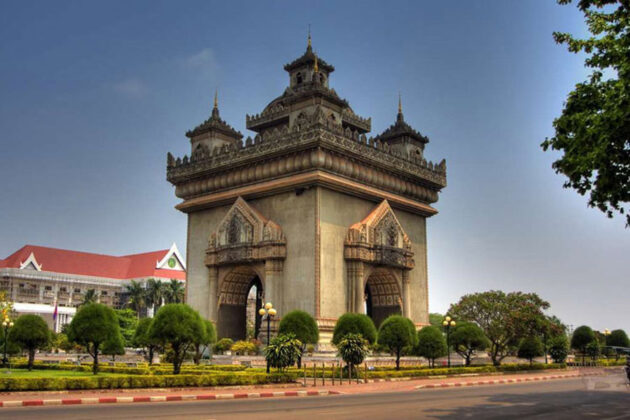
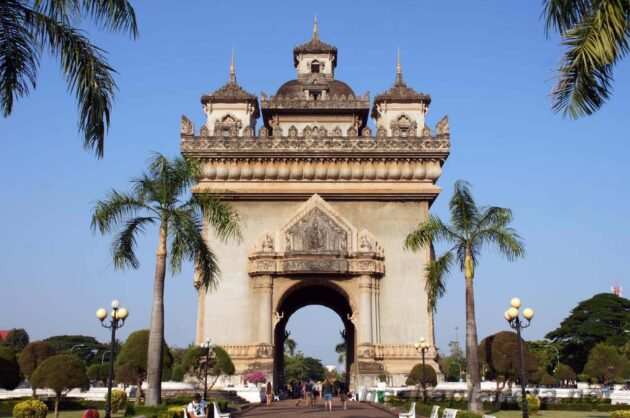
Patuxai, also known as the Victory Gate, is a iconic war monument located in the heart of Vientiane, the capital of Laos. Built between 1957 and 1968 using funds originally meant for a new airport, it honors Laotian soldiers who fought for independence from France. The monument blends traditional Lao architectural elements, such as intricate carvings and mythical creature motifs, with distinctly French-inspired archways and pillars, reflecting a unique fusion of styles often described as “a concrete version of the Arc de Triomphe with Lao flair.”
Wat Si Saket
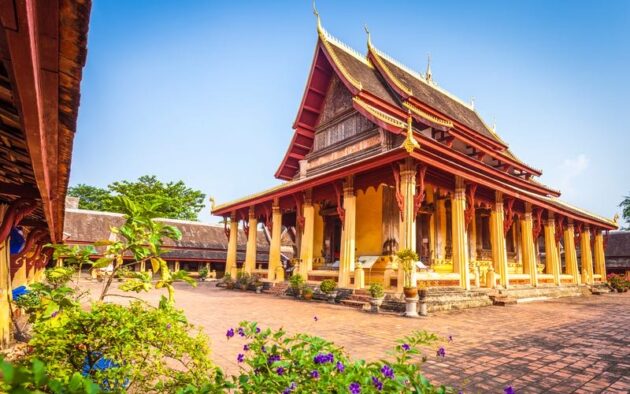
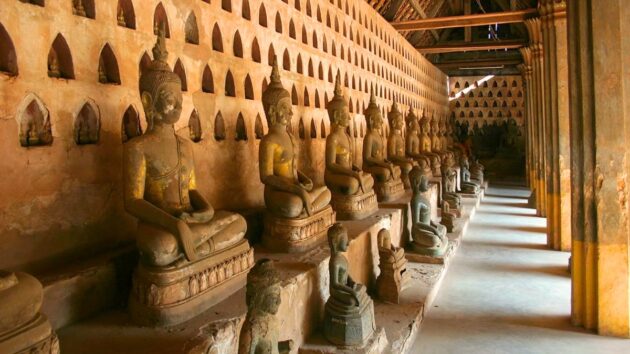
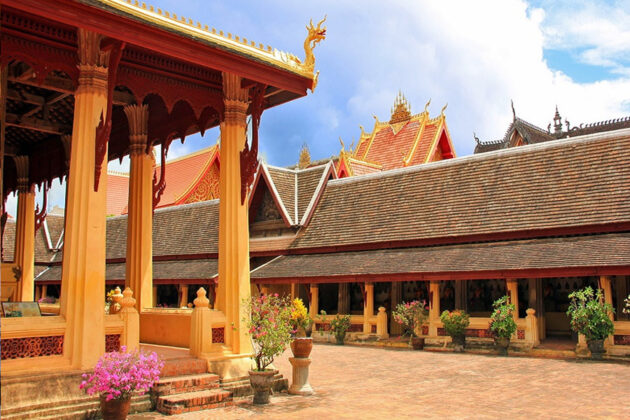
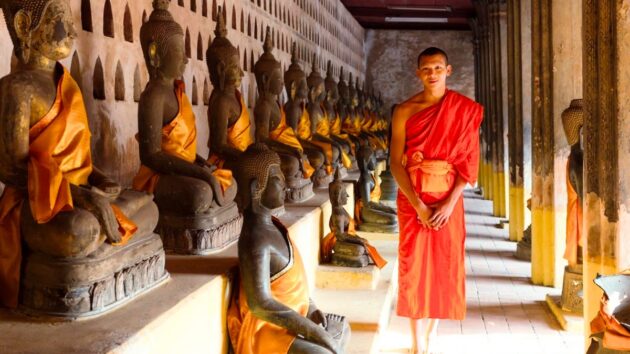
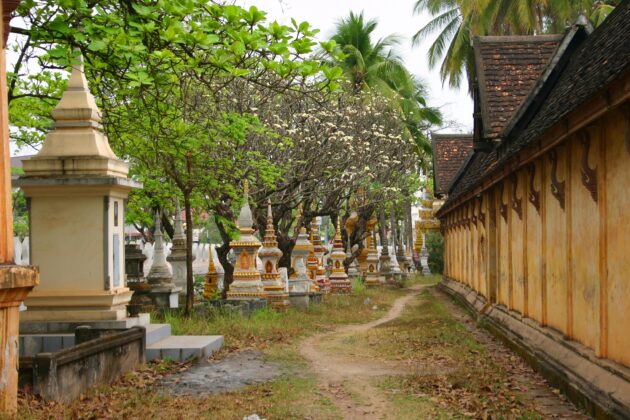
Wat Si Saket in Vientiane, Laos, is one of the oldest and most remarkable temples in the city, famous for its unique architecture and serene courtyard. Built in 1818 during the reign of King Anouvong, it is the only Lao temple to have survived the Siamese invasion of 1828, making it a precious historical landmark. The temple is distinguished by its cloister wall housing thousands of tiny Buddha statues and its five-tiered roof, while its interior features a grand altar and wall paintings depicting the life of the Buddha.
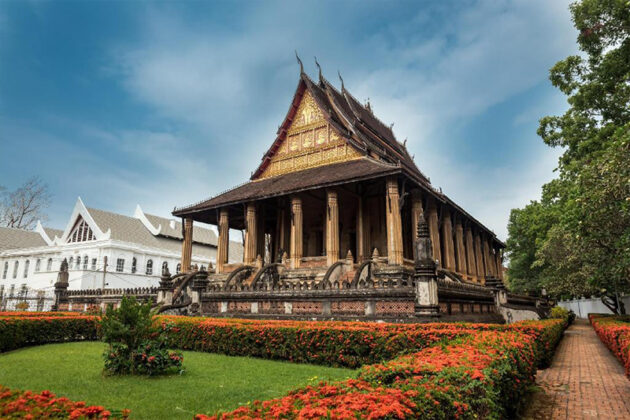
Haw Phra Kaew (or Ho Phra Keo)
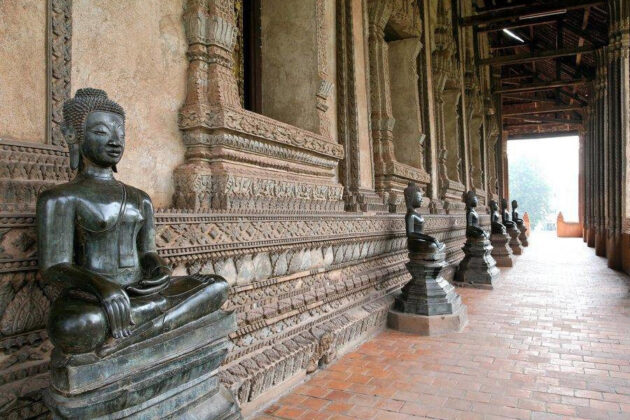
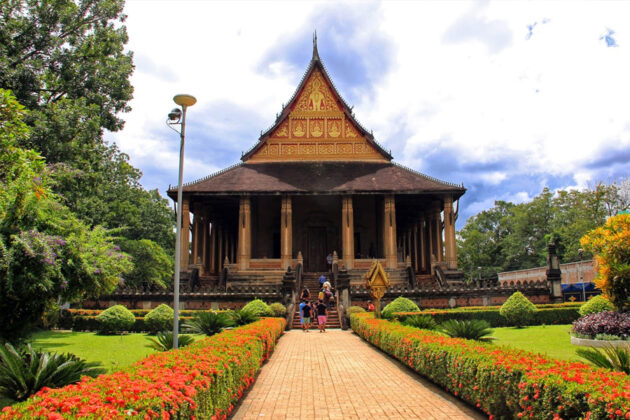
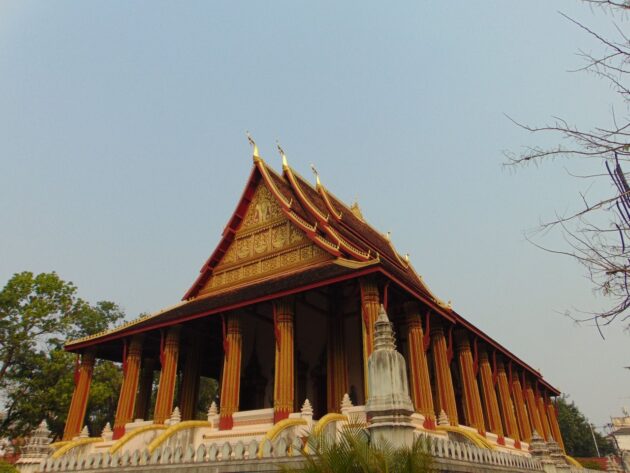
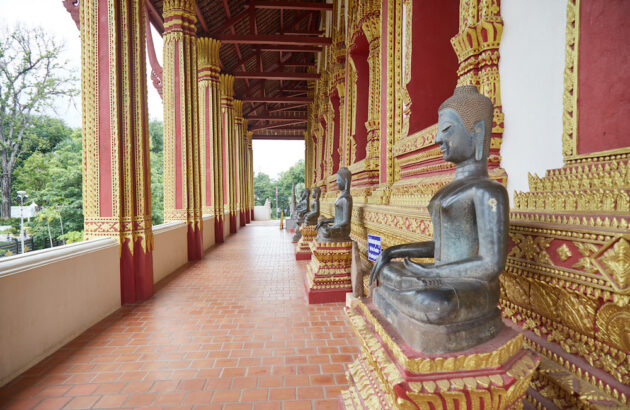
Haw Phra Kaew in Vientiane, Laos, is a historic former royal temple, originally built in 1565 to house the revered Emerald Buddha. Although the famous Buddha image was later taken to Thailand (where it now resides in Bangkok’s Wat Phra Kaew), the temple itself remains a striking example of classical Lao architecture. Today, it functions as a museum and a religious art gallery, showcasing a remarkable collection of Lao Buddhist sculptures and artifacts.
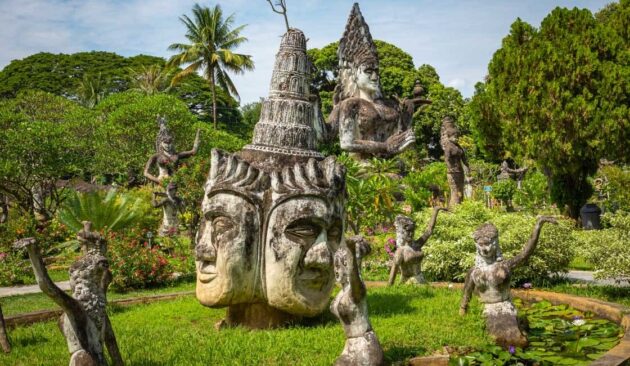
Buddha Park (Xieng Khuan)
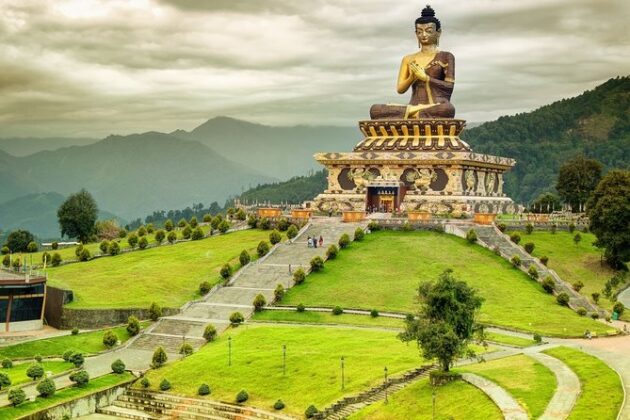
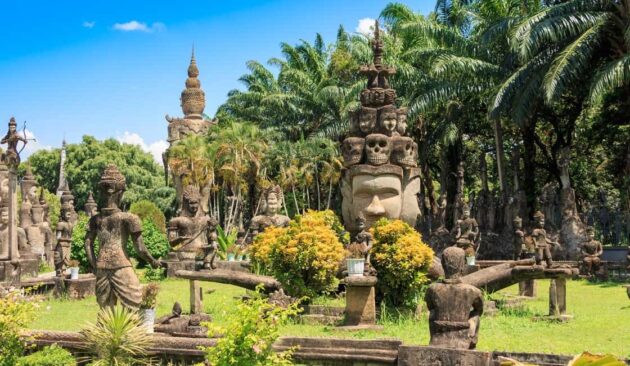
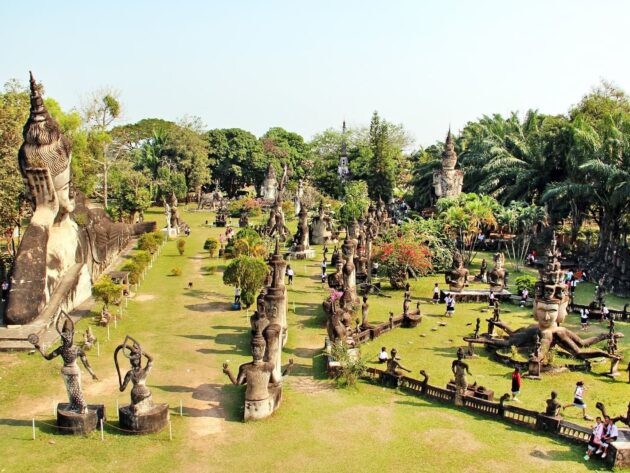
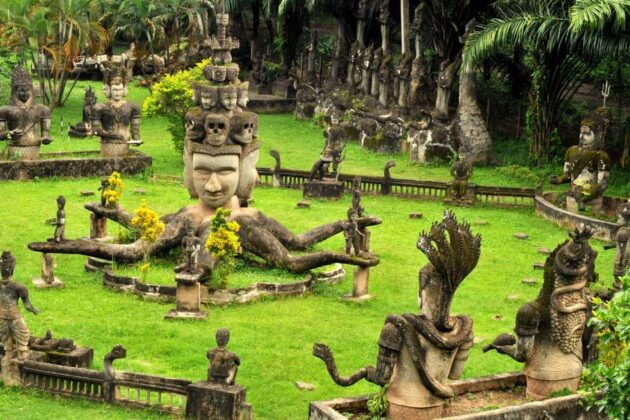
Buddha Park, also known as Xieng Khuan, is a surreal sculpture garden located about 25 kilometers southeast of Vientiane, Laos. Featuring over 200 bizarre and intricate religious statues made of reinforced concrete, the park blends Buddhist and Hindu iconography, with highlights including a giant reclining Buddha and a three-story “pumpkin” structure that visitors can walk through, symbolizing heaven, earth, and hell. Created in 1958 by a mystic monk-shaman, it offers a unique, whimsical, and slightly eerie experience that reflects a distinct vision of spirituality and philosophy.
Food and Drink
Lao cuisine shines here with fresh, herbaceous flavors. Must-tries:
Laap (or larb): Minced meat salad with lime, herbs, and toasted rice—often considered the national dish.
Sticky rice, grilled meats, noodle soups (like khao piak), and jaew (chili dips).
French influences: Baguettes, coffee, and pastries from colonial days.
Eat at street stalls, morning markets (e.g., Khua Din), riverside spots, or night markets. For variety, try international options in the central area—Thai, Indian, or Western cafés. Cooking classes are a fun way to learn local dishes.
Vegetarian options exist but may be limited outside tourist spots; communicate clearly.
Where to Stay
Budget: Guesthouses and inns near the river or center (e.g., around $20–50/night).
Mid-range: Boutique hotels with colonial charm or modern amenities ($50–100).
Luxury: Options like Crowne Plaza or riverside resorts for comfort and views.
Popular areas: Near Lane Xang Avenue, the Mekong waterfront, or central boulevards for easy access to sights. Many hotels cluster around the main roads parallel to the river.
Practical Tips
Currency: Lao Kip (LAK); USD and Thai Baht widely accepted. ATMs available, but carry cash for markets and small vendors. Credit cards work in larger hotels/restaurants.
Safety: Vientiane is generally safe with low violent crime. Petty theft (pickpocketing) can occur in tourist areas—use common sense. Watch for traffic and avoid remote border areas due to UXO risks (stick to marked paths if venturing out). Current advisories suggest exercising increased caution in parts of the country due to UXO and occasional unrest, but Vientiane itself is low-risk for most travelers.
Health: Drink bottled water; use mosquito repellent (dengue/malaria risk low in the city but present). No mandatory vaccinations for most, but check routine ones.
Culture and Etiquette: Respect temples—remove shoes, dress modestly, and avoid touching heads or pointing feet at Buddha images. Laos is Buddhist and conservative; “sabai sabai” (relaxed) attitude prevails.
Language: Lao is official; basic English in tourist areas. Learning “sabaidee” (hello) and “khop chai” (thank you) goes far.
Budget: Affordable—expect $35–60/day for mid-range travel (food, transport, sights). Higher for luxury.
Final Thoughts
Vientiane rewards slow exploration. Take time for a riverside beer, temple reflection, or market wander. It’s a gentle introduction to Laos before heading to more adventurous spots like Vang Vieng’s karsts or Luang Prabang’s UNESCO heritage.
For the latest details on visas, flights, or events, check official sources or apps closer to your trip. Safe travels!