
My Son Sanctuary Travel Guide (2026)
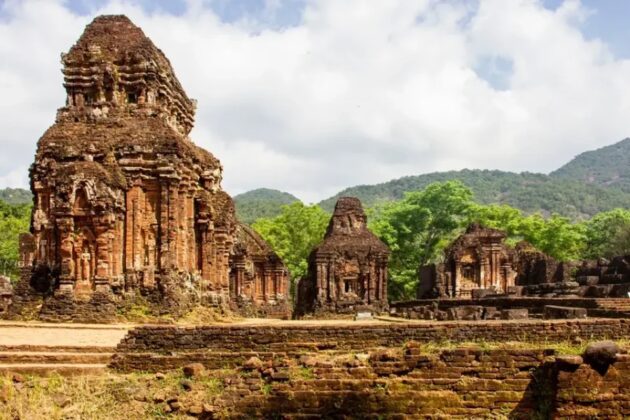
My Son Sanctuary (Mỹ Sơn) is a UNESCO World Heritage Site and one of Vietnam’s most important archaeological treasures. It features ancient Hindu temple ruins built by the Champa Kingdom between the 4th and 13th centuries. Located in a scenic valley surrounded by mountains and jungle in Duy Xuyen District, Quang Nam Province, it’s an easy half-day trip from Da Nang or Hoi An.
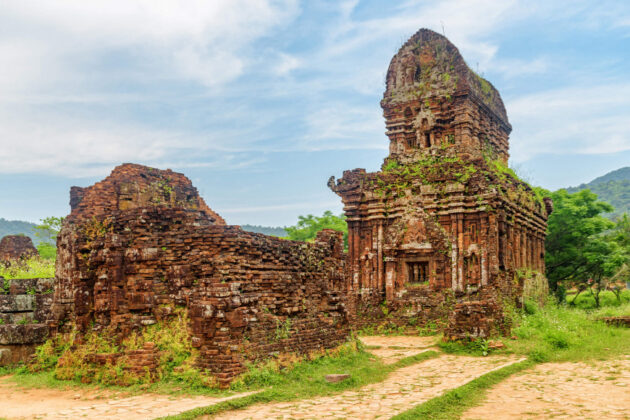
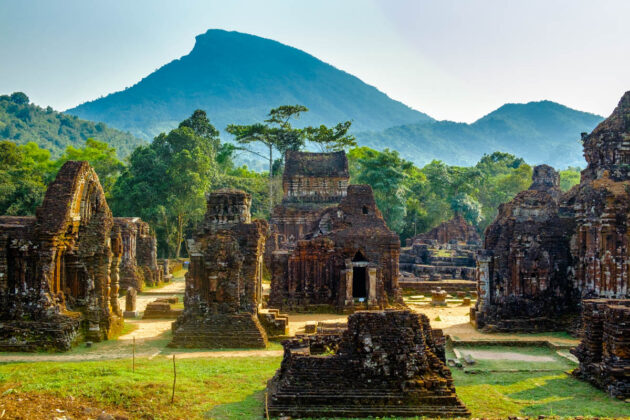
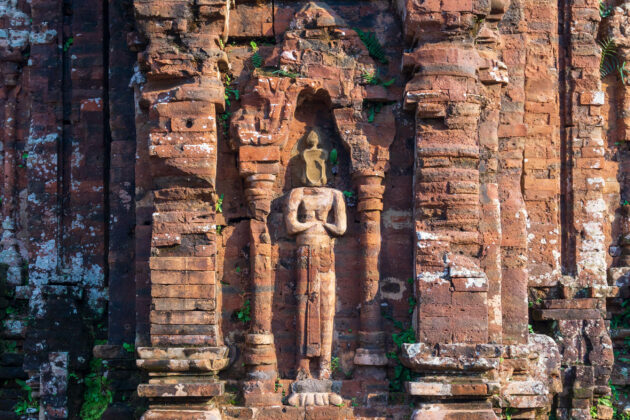
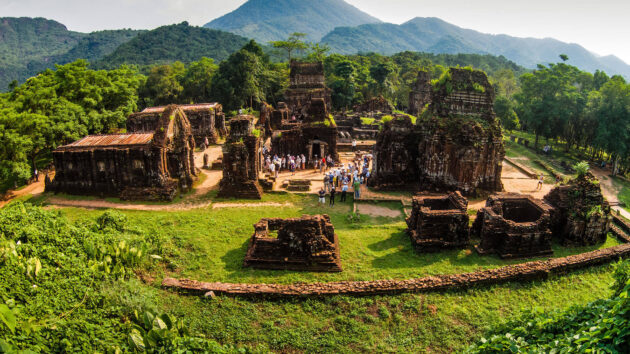
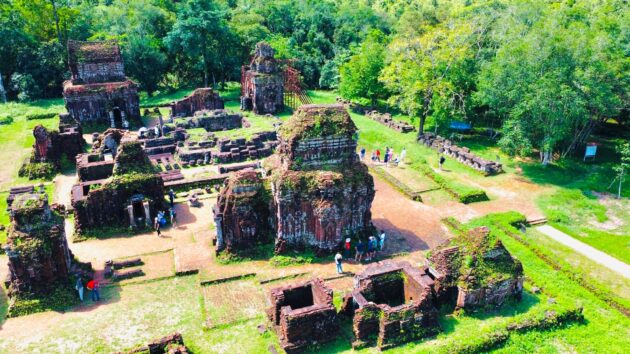
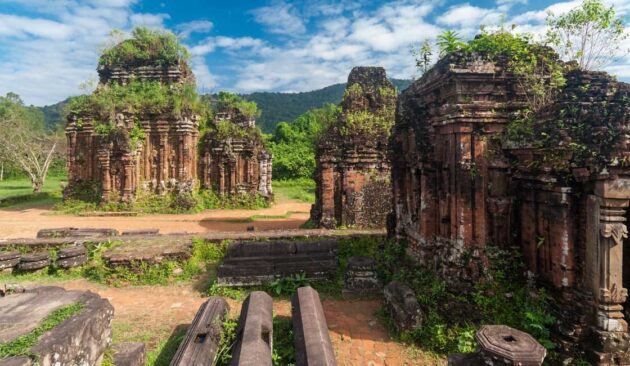
Often called Vietnam’s version of Angkor Wat (though much smaller and less crowded), My Son served as the spiritual and religious center for the Cham people, who were heavily influenced by Indian Hindu traditions, particularly the worship of Shiva. Over 70 structures once stood here; about 20 remain in varying states of preservation, grouped into clusters (e.g., Groups A, B-C-D, E, G). The red-brick towers, intricate carvings, and bas-reliefs showcase Cham architectural skill and symbolism, representing Mount Meru, the mythical home of the gods.
History in Brief
The site dates back to at least the 4th century under King Bhadravarman I, with construction continuing for nearly 1,000 years. It suffered damage from time, a major fire in the 6th century, wars (including U.S. bombing during the Vietnam War), and neglect until French rediscovery in 1898. UNESCO inscribed it in 1999 for its cultural interchange and as a testament to an extinct Asian civilization.
Getting There from Da Nang
My Son lies about 40–45 km southwest of Da Nang (roughly 1–1.5 hours by road) and around 45–55 km from Hoi An (about 1 hour).
Guided tour — Most convenient for visitors. Many half-day or full-day tours from Da Nang or Hoi An include hotel pickup/drop-off, transport, entrance fees, and an English-speaking guide. Prices often start around $35–45 USD per person for group tours; private tours cost more ($75+). Some combine it with a Thu Bon River cruise or Hoi An visit.
Private car/driver or taxi — Flexible and comfortable, especially for families or groups. Expect $25–70+ depending on distance and vehicle.
Shared shuttle bus — Budget-friendly option with scheduled departures (e.g., morning from Da Nang or Hoi An). Book ahead.
Motorbike — Adventurous and scenic but requires experience with Vietnamese traffic and roads. Not ideal for everyone.
There’s no reliable public bus directly to the site, so organized transport is recommended.
Opening Hours and Ticket Prices
Hours: Typically open daily from 6:00 AM to 5:00 PM (ticket sales until around 5:00 PM; site may allow until 5:30–6:00 PM). Confirm locally as minor changes can occur.
Entrance fees (approximate; cash often preferred): Foreign adults: 150,000 VND (~$6 USD); Vietnamese adults: 100,000 VND; Children (5–15 years): 30,000–50,000 VND; Under 5: Free.
Tickets may include a basic map or shuttle within the site (e.g., electric cart from the parking/ticket area to the main ruins). You can buy them on-site, online, or as part of a tour. Some visitors add an evening cultural performance (“My Son Legend”) for extra cost.
Best Time to Visit
Time of day: Early morning (arrive by opening or shortly after) is strongly recommended. It’s cooler, less crowded (tour buses often arrive later, around 10 AM), and the light is great for photos and a peaceful atmosphere. Late afternoon is a secondary option to avoid midday heat.
Season: Dry season (roughly February–August) is preferable, especially February–April or August–September for milder conditions. Central Vietnam can be hot and humid year-round; rainy season (September–January) brings more showers that can make paths slippery. Avoid Tet (Lunar New Year) if possible due to crowds.
Wear comfortable walking shoes, light breathable clothes (modest coverage for temples: shoulders and knees preferred), hat, sunscreen, and insect repellent. Bring water—shade is limited in parts of the site.
What to Expect and Tips
Time needed: 1.5–3 hours on-site is typical. Explore the main clusters (B-C-D often has the best-preserved towers).
The site involves walking on paths through a forested valley; it’s not overly strenuous but can be hot.
Guided tours enhance the experience with historical context—many travelers praise knowledgeable local guides.
It can feel touristy during peak hours, but early visits often yield a more serene feel.
Combine with nearby attractions: Hoi An Ancient Town, Marble Mountains, or a river boat ride for a full day.
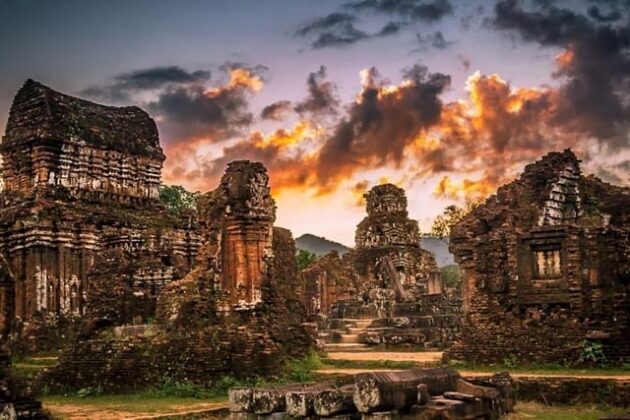
Photography is excellent, especially in soft morning light with mist in the valley.
Practical Advice
Book tours or shuttles in advance, especially in high season.
Check current prices, weather, and any updates via your hotel or reliable platforms like TripAdvisor/GetYourGuide, as details can shift slightly.
Respect the site: No climbing on structures, and follow conservation rules.
Final Thoughts
My Son makes an excellent cultural add-on to a Da Nang/Hoi An itinerary—pairing ancient history with Vietnam’s beautiful central coast.