Bangkok Travel Guide (2026)
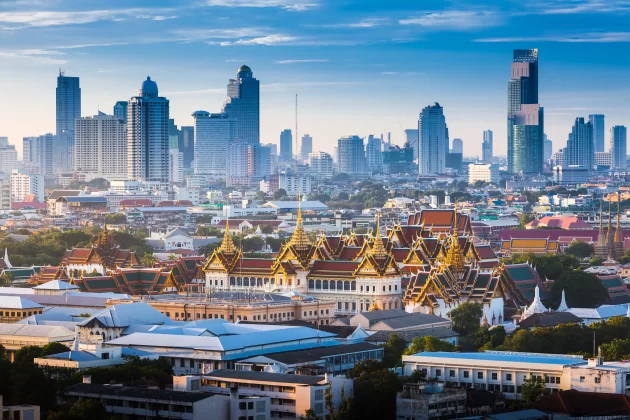
Bangkok, Thailand’s vibrant capital, blends ancient temples, chaotic street life, world-class food, and modern skyscrapers. It’s a sensory overload in the best way—think golden spires reflecting off the Chao Phraya River, the sizzle of street food stalls, and rooftop bars with glittering city views. Whether you’re here for 3 days or a week, Bangkok rewards both classic sightseeing and wandering off the beaten path.
Best Time to Visit
The cool and dry season (November to February) is ideal, with milder temperatures (around 20–28°C / 68–82°F), lower humidity, and minimal rain—perfect for exploring temples and markets. December and January are peak months, so expect crowds and higher prices.
Hot season (March–June): Very hot and humid; good for indoor malls or day trips, but tiring for walking.
Rainy season (July–October): Afternoon showers are common (not all-day rain), fewer crowds, and lower hotel rates. Bring a compact umbrella or poncho.
Avoid major holidays like Songkran (April) if you dislike massive water fights and closures.
Getting There and Around
Airports: Suvarnabhumi (BKK) is the main international hub; Don Mueang (DMK) handles many budget flights. Use the Airport Rail Link for cheap, fast access to the city center.
Transport in Bangkok:
BTS Skytrain and MRT Subway: Best for avoiding traffic—clean, cheap, and efficient. Get a Rabbit Card or use contactless payment.
Chao Phraya River Express Boats: Scenic and practical for riverside sights (Grand Palace area).
Grab app (like Uber): Reliable for taxis/motorcycles; often cheaper and safer than street hails. Avoid unmetered taxis.
Tuk-tuks: Fun for short hops but negotiate hard and expect a tourist premium.
Traffic is notorious—plan extra time and use public transit when possible.
Pro tip: Download offline maps (Google Maps or Maps.me) and a translation app. Carry small Thai Baht (THB) notes for street vendors and boats.
Top Things to Do
The Grand Palace
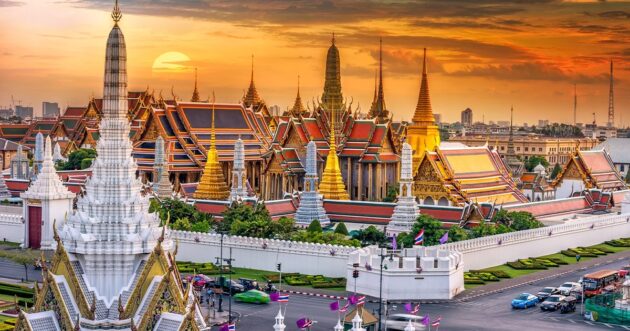
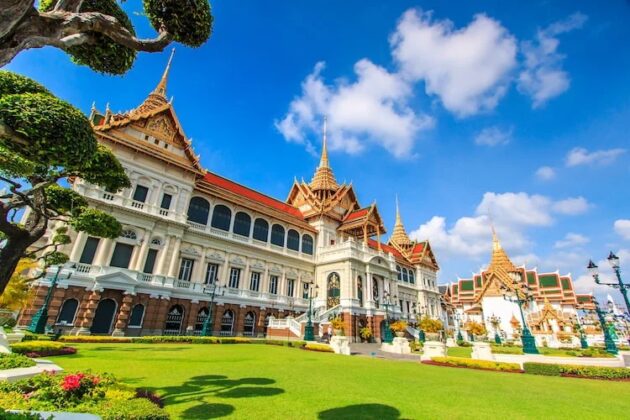
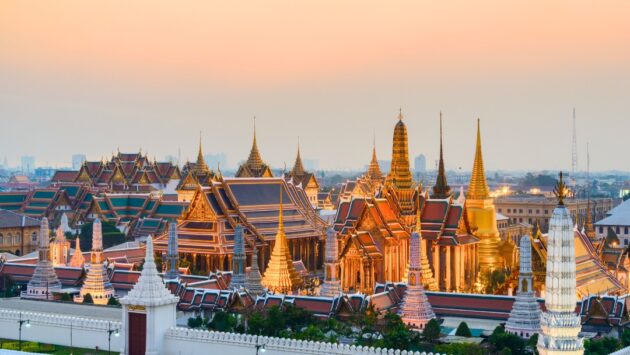
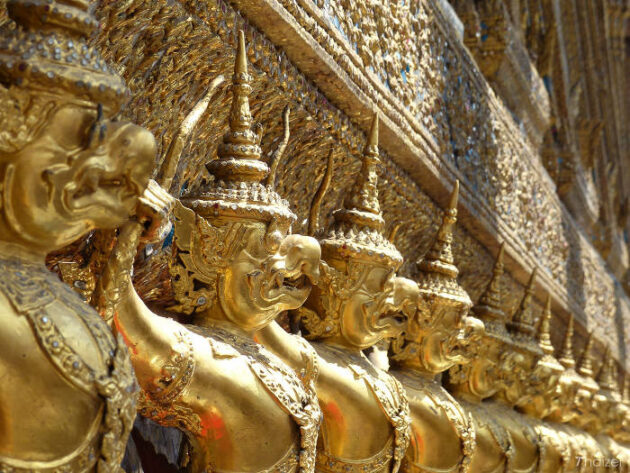
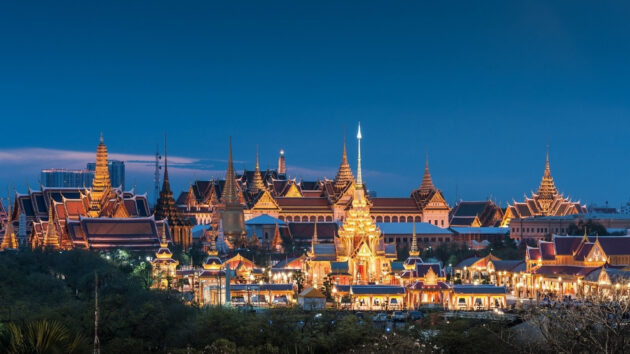
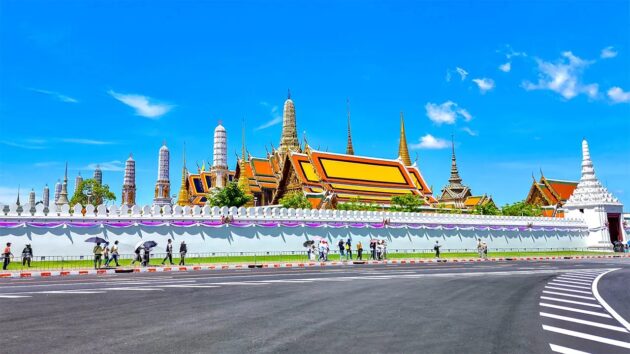
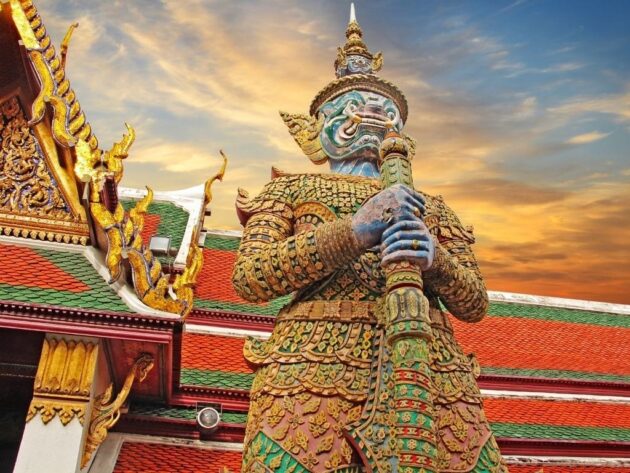
The Grand Palace (Phra Borom Maha Ratchawang) in Bangkok is one of Thailand’s most iconic landmarks and a must-visit for travelers. Established in 1782 by King Rama I, it served as the official residence of the Kings of Siam (and later Thailand), the royal court, and the seat of government for over 150 years.
Wat Phra Kaew
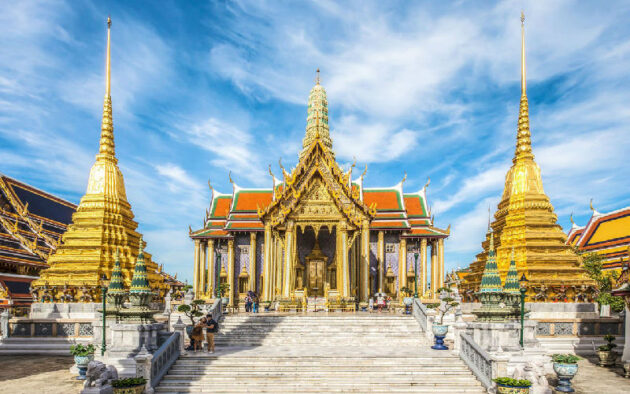
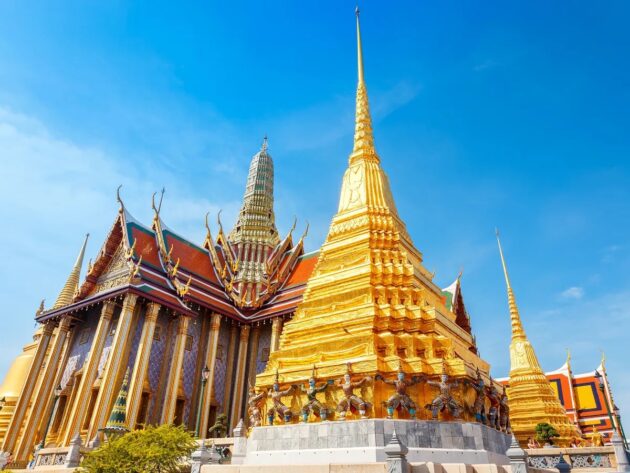
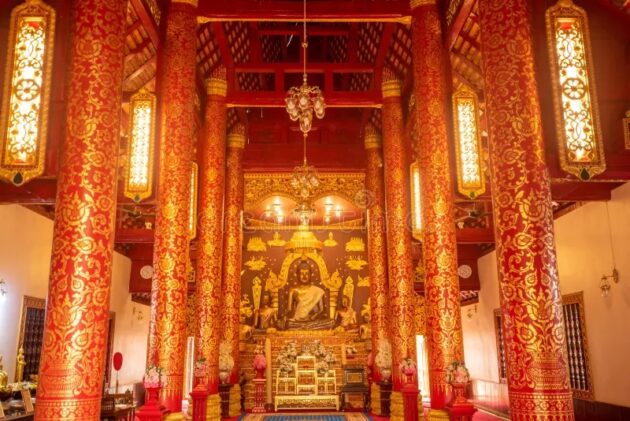
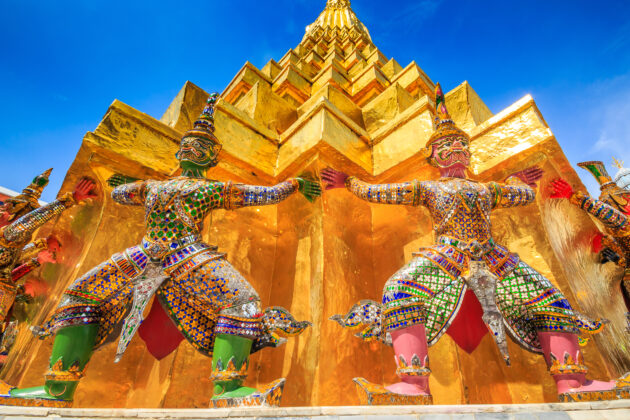
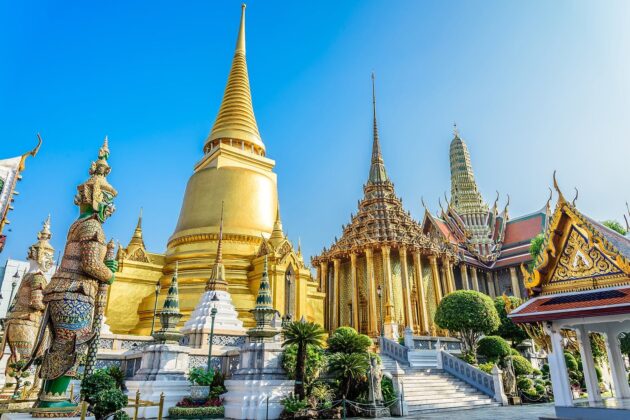
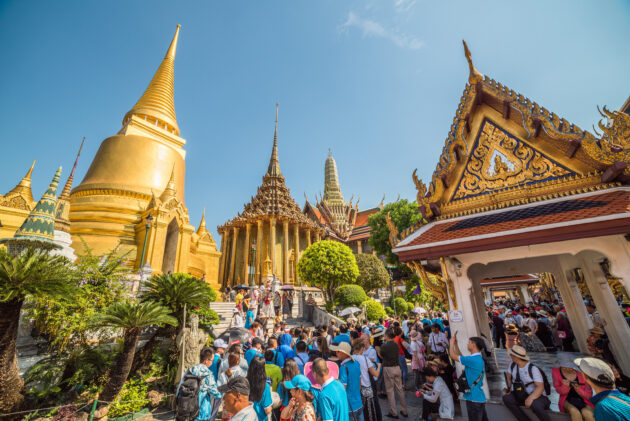
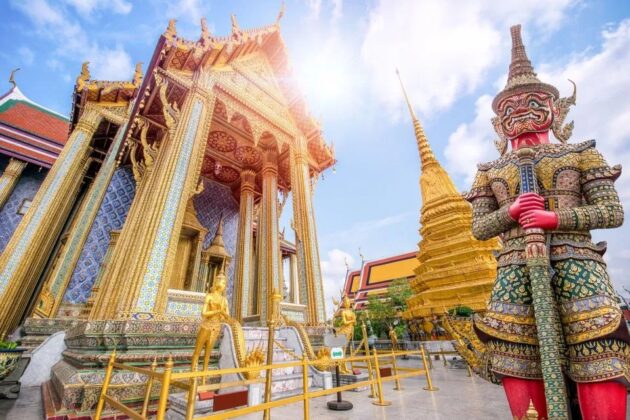
Wat Phra Kaew, also known as the Temple of the Emerald Buddha, is one of Thailand’s most sacred and spectacular religious sites, located within the historic grounds of the Grand Palace in central Bangkok. The temple houses the revered Emerald Buddha, a intricately carved jade statue of the meditating Buddha, which is adorned with seasonal golden robes changed in a royal ceremony.
Wat Pho (Reclining Buddha)
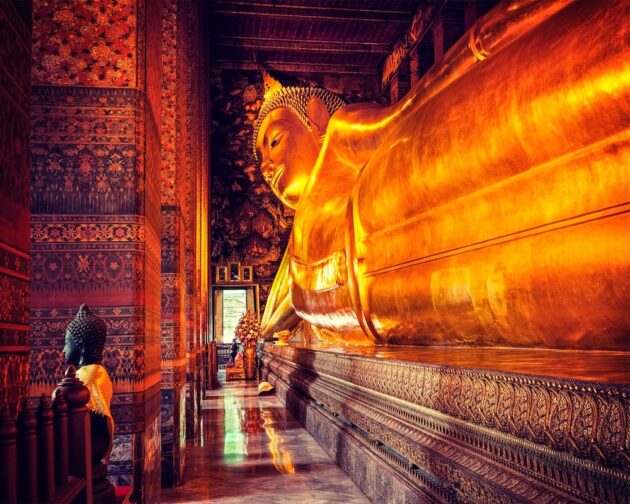
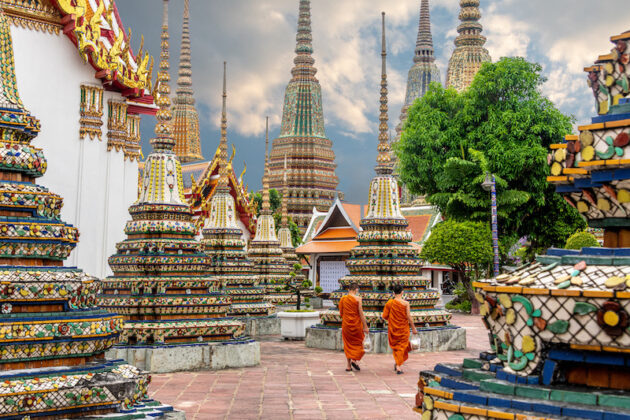
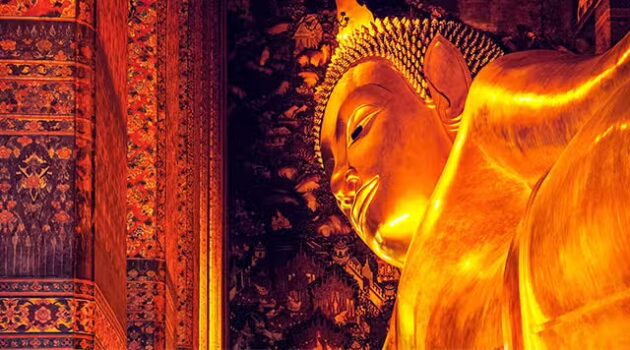
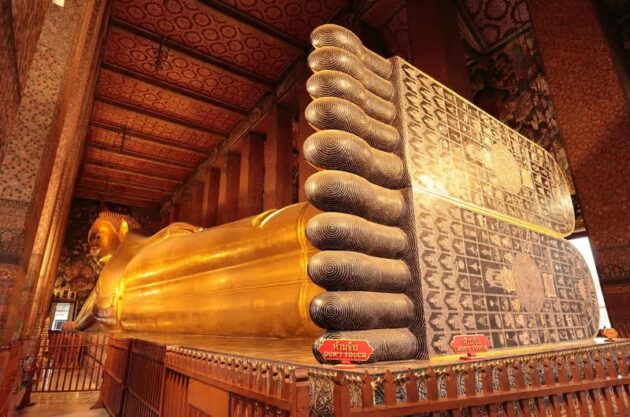
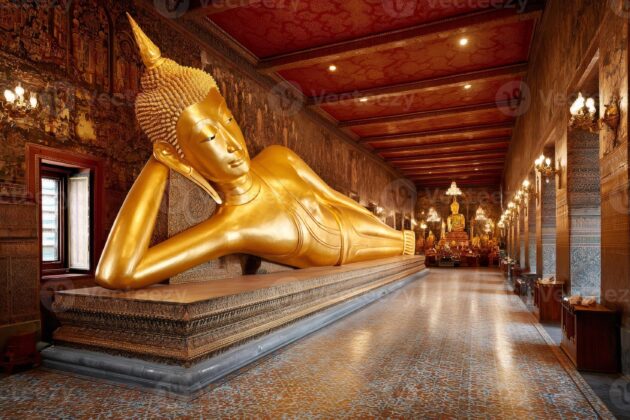
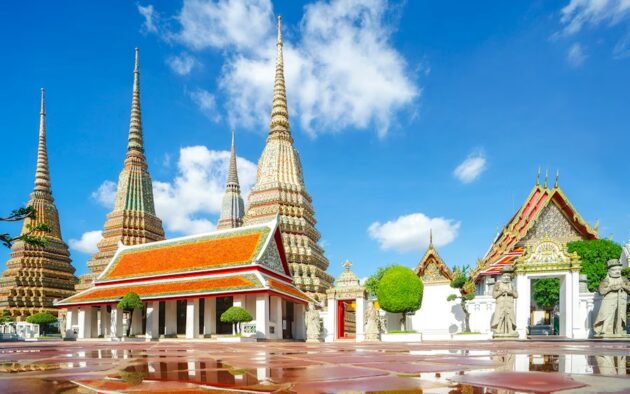
Wat Pho, officially Wat Phra Chetuphon Wimon Mangkhalaram Rajwaramahawihan, is one of Bangkok’s oldest, largest, and most iconic temples. It is famously known as the Temple of the Reclining Buddha and serves as a major cultural and historical landmark in the Rattanakosin area.
Wat Arun (Temple of Dawn)
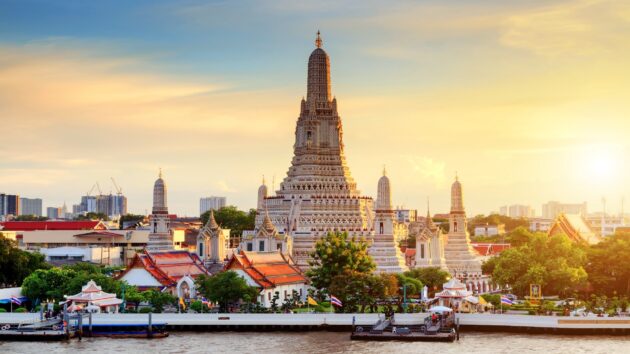
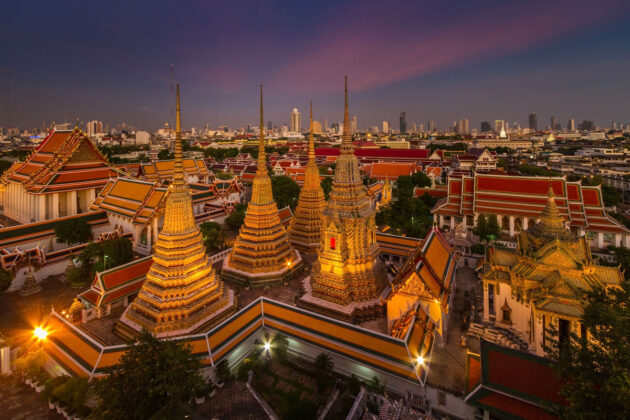
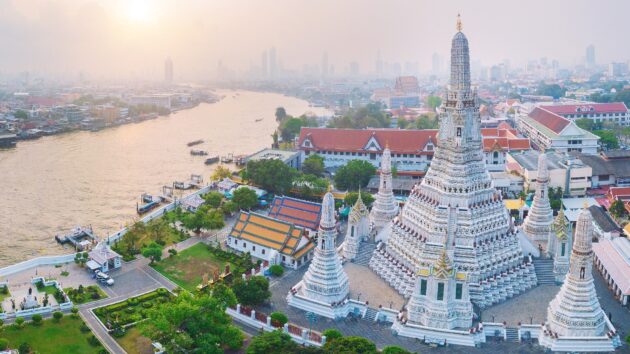
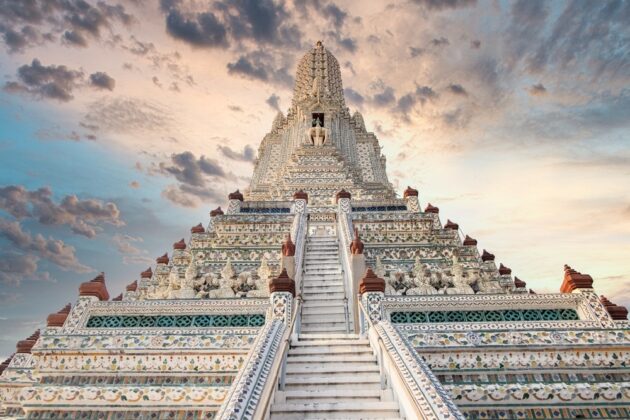
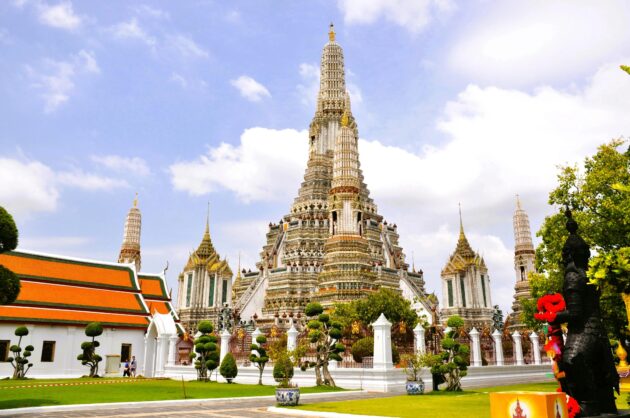
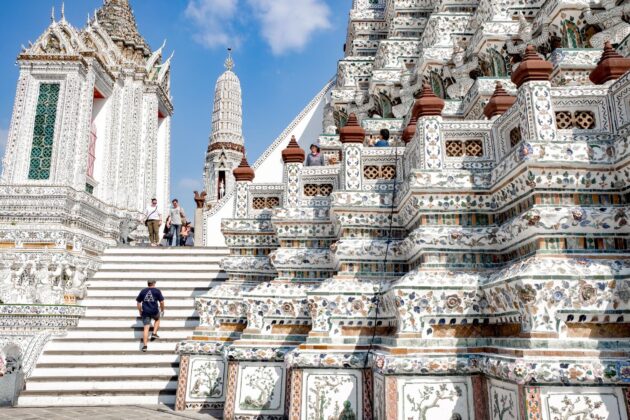
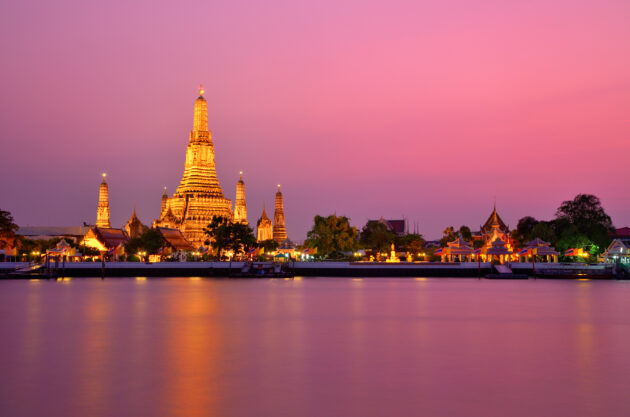
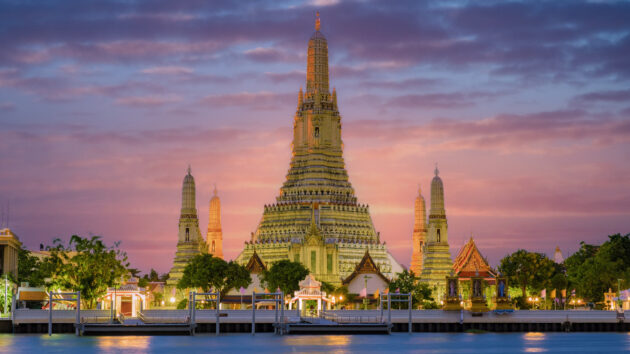
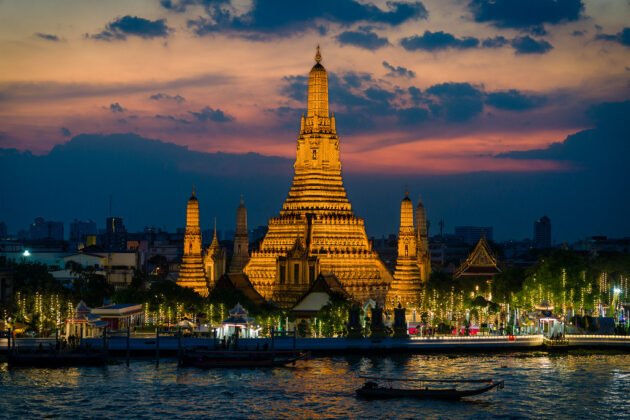
Wat Arun, officially Wat Arun Ratchawararam Ratchawaramahawihan and commonly known as the Temple of Dawn, is one of Bangkok’s most iconic landmarks. It sits on the west bank of the Chao Phraya River in the Bangkok Yai (Thonburi) district, directly opposite Wat Pho and near the Grand Palace area.
Chinatown (Yaowarat)
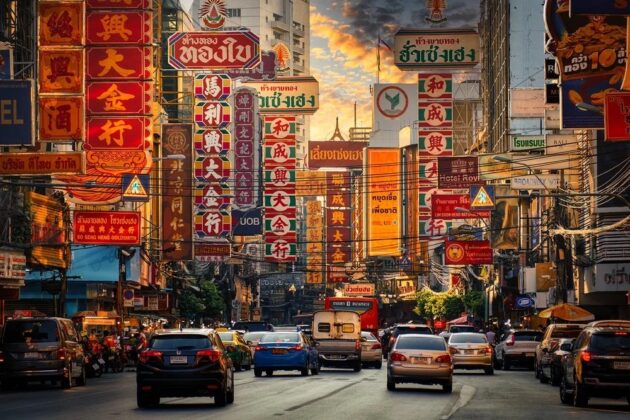
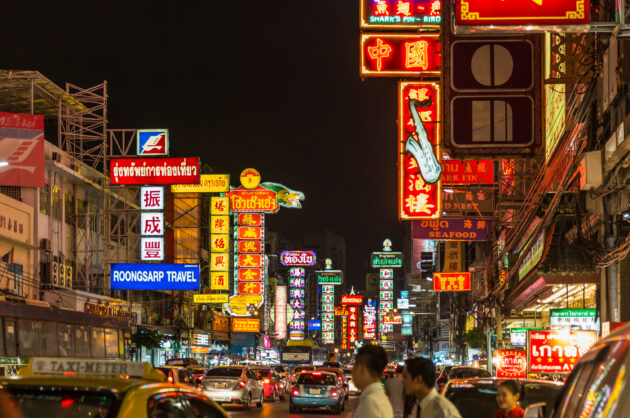
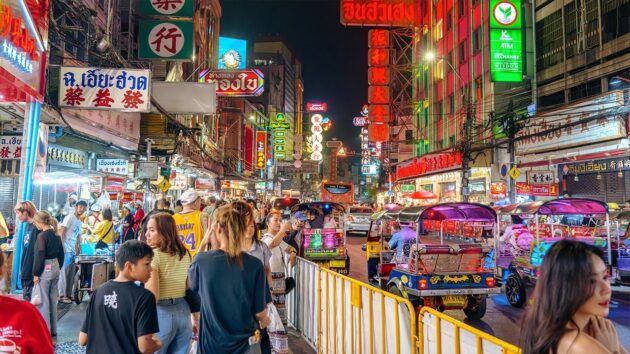
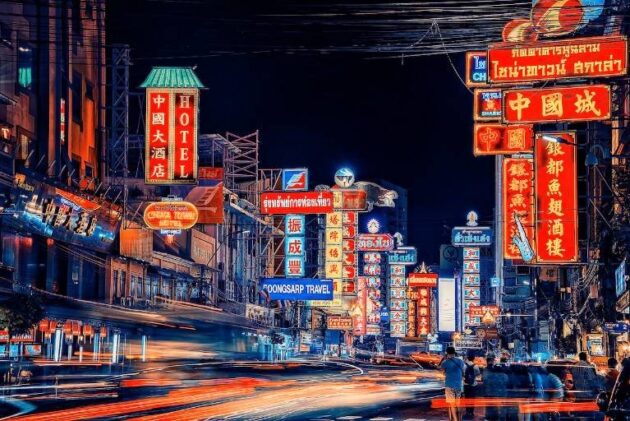
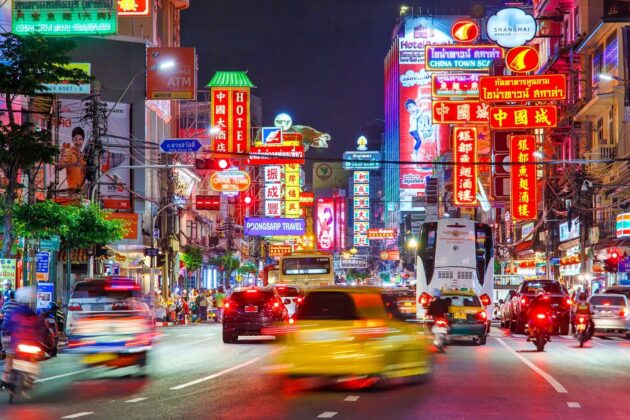
Bangkok’s Chinatown, located on Yaowarat Road, is a vibrant and bustling district that offers an unforgettable sensory experience, blending rich cultural heritage with modern-day energy. By day, it’s a maze of gold shops, traditional herbal stores, and market stalls selling everything from dried goods to fresh produce. But by night, the area transforms into a world-famous street food paradise, where sizzling woks and aromatic steam fill the air with the scent of grilled seafood, dim sum, and exotic delicacies like bird’s nest soup and crispy pork belly.
Chatuchak Weekend Market
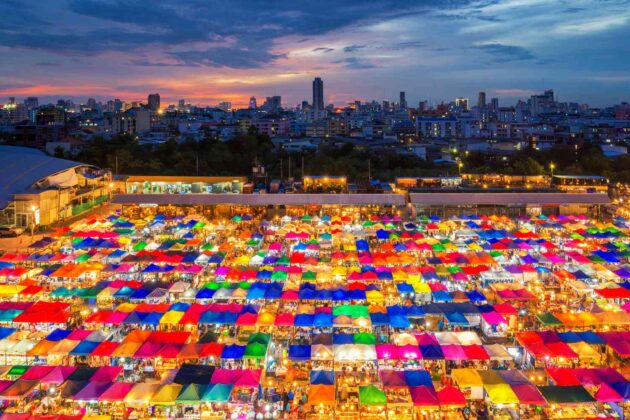
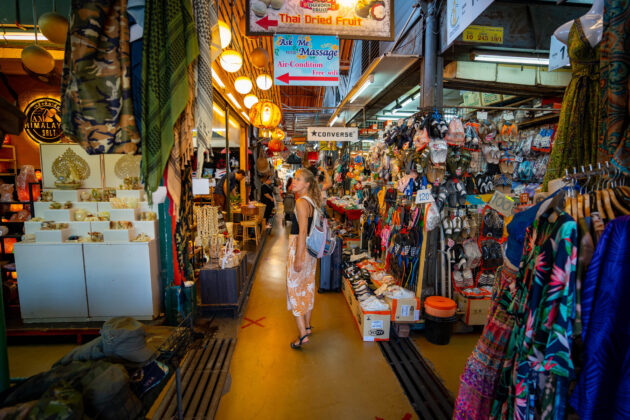
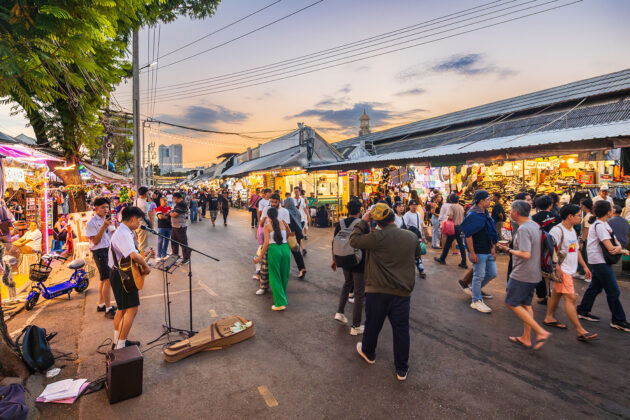
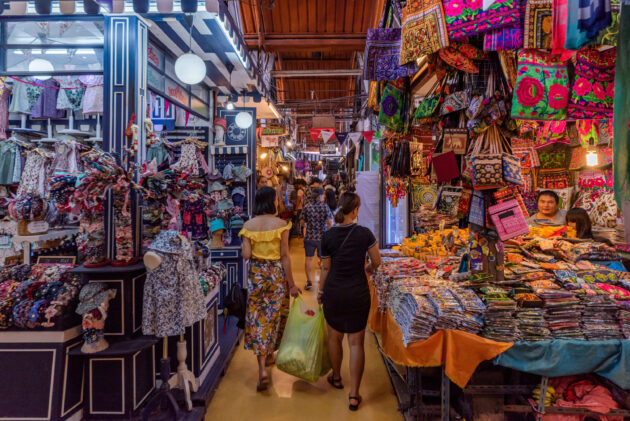
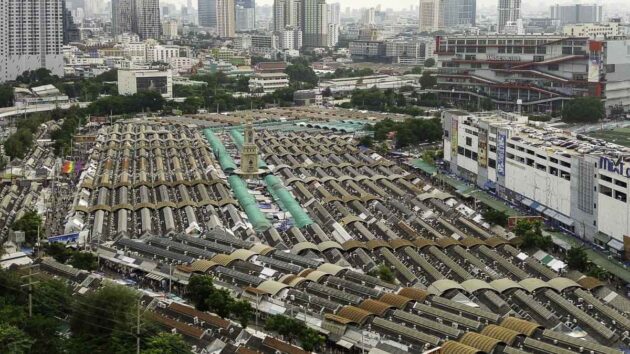
Chatuchak Weekend Market in Bangkok, Thailand, is one of the largest and most diverse markets in the world, spanning over 35 acres and featuring more than 15,000 stalls. Open only on Saturdays and Sundays, it offers an overwhelming array of goods, from vintage clothing, handmade crafts, and antiques to exotic pets, fresh produce, and authentic Thai street food.
Damnoen Saduak Floating Market
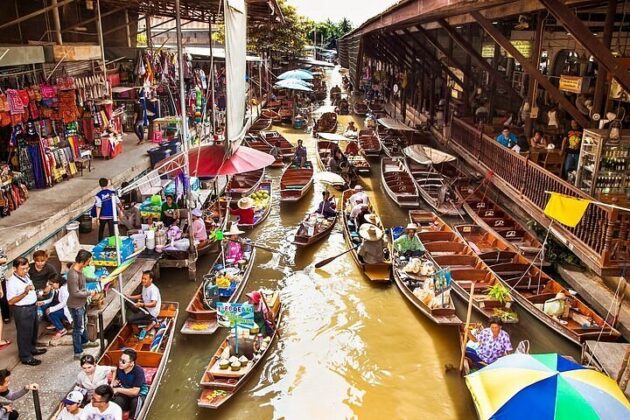
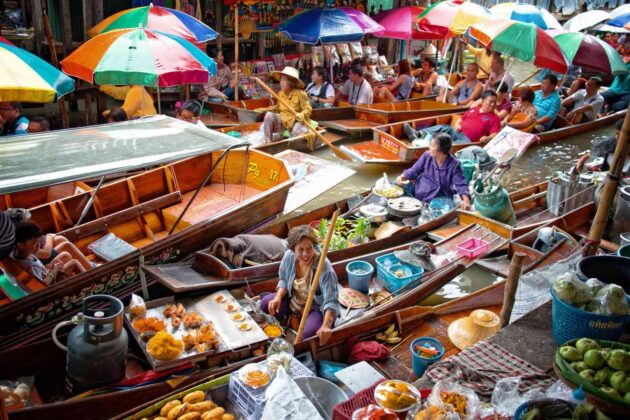
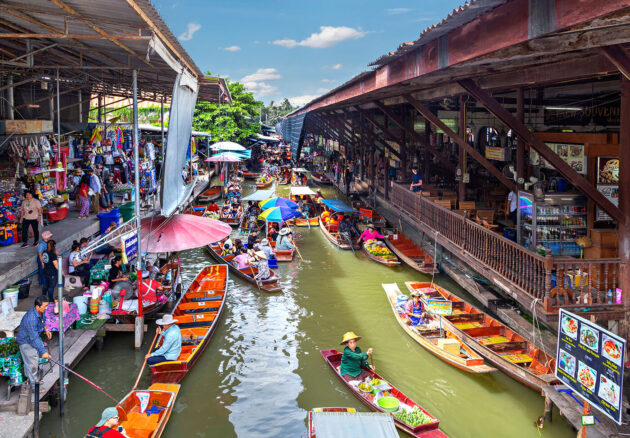
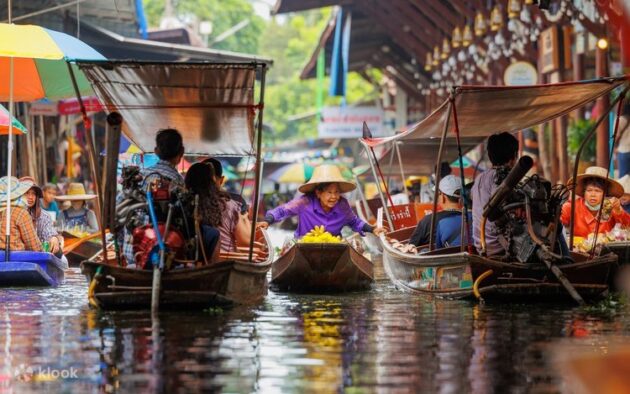
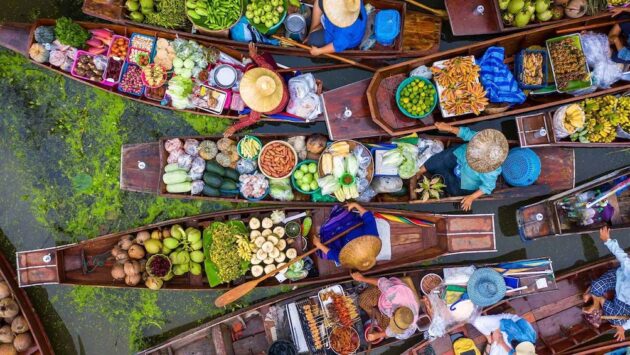
Damnoen Saduak Floating Market in Bangkok, Thailand, is one of the country’s most famous and vibrant floating markets, offering a lively glimpse into traditional Thai river trading culture. Located about 100 kilometers southwest of central Bangkok, the market buzzes each morning with wooden boats loaded with fresh tropical fruits, fragrant noodles, coconut pancakes, handmade souvenirs, and colorful local goods.
Khao San Road
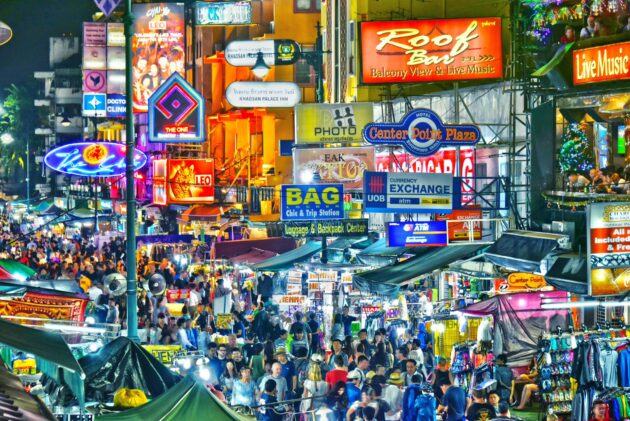
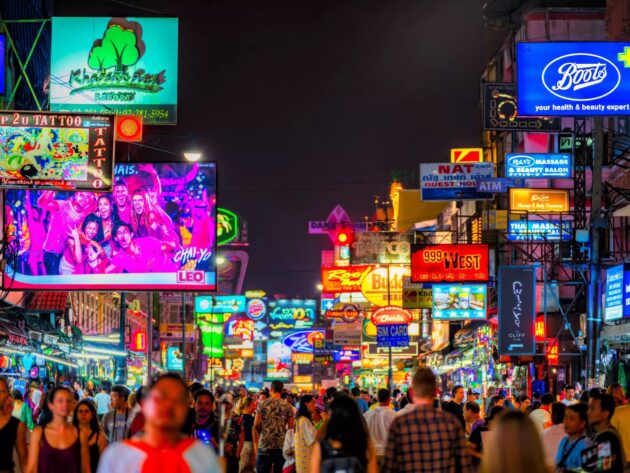
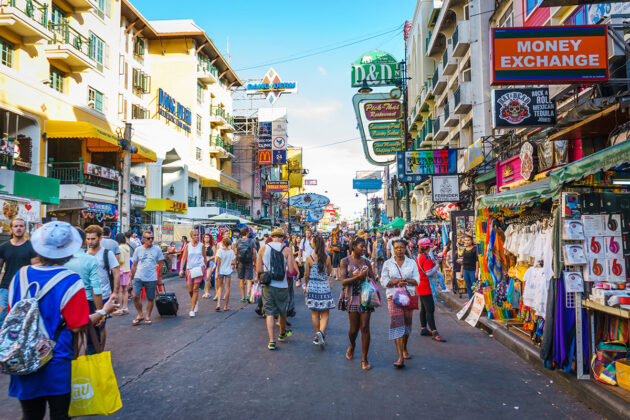
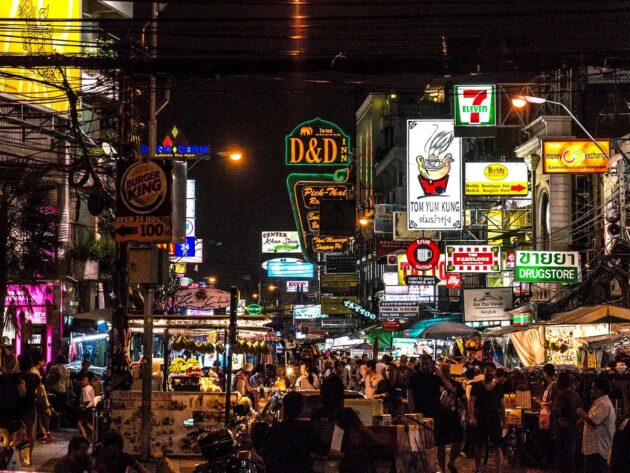
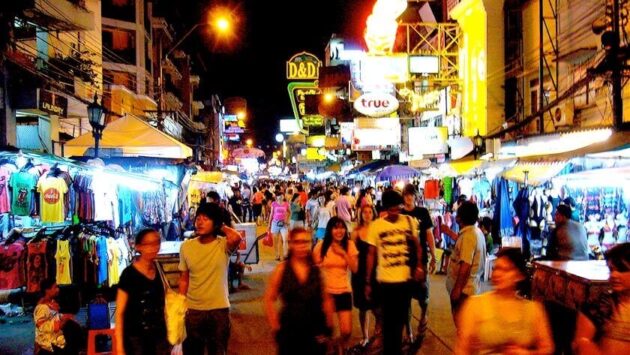
Khao San Road in Bangkok, Thailand, is a world-famous backpacker hub known for its vibrant, chaotic, and energetic atmosphere. Lined with budget guesthouses, street food stalls, lively bars, and eclectic shops, it serves as a cultural melting pot where travelers from around the globe gather to eat, drink, shop, and relax. During the day, it offers a more laid-back vibe, but at night it transforms into a bustling party street filled with music, lights, and excitement.
Lebua at State Tower
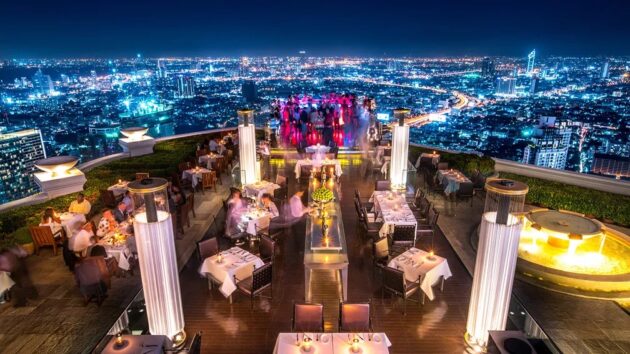
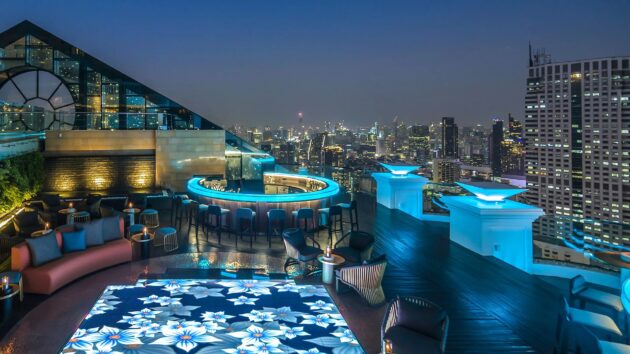
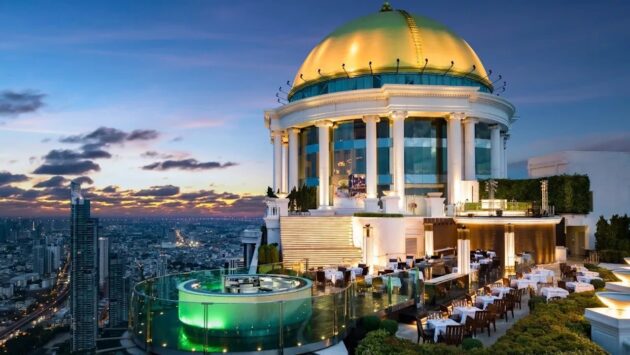
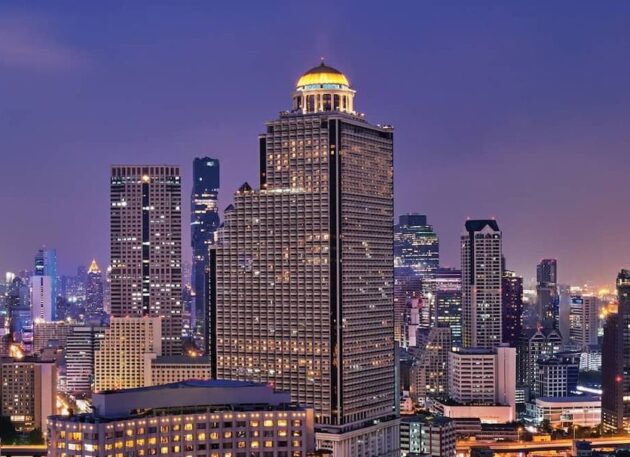
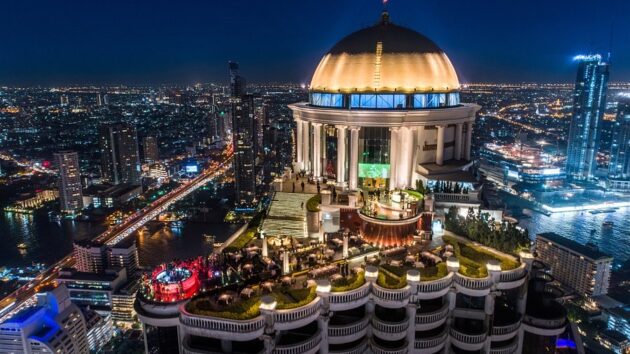
Lebua at State Tower in Bangkok, Thailand, is an iconic luxury hotel complex renowned for its breathtaking river and city views, world-class dining, and opulent rooftop experiences. Perched high above the Chao Phraya River, it is home to the famous Sky Bar and Sirocco restaurant, both featured in Hollywood films like The Hangover Part II.
King Power Mahanakhon
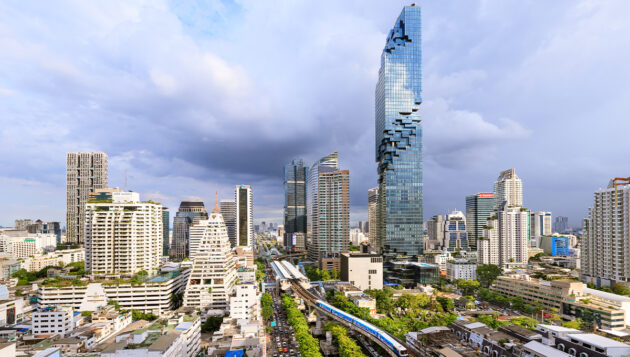
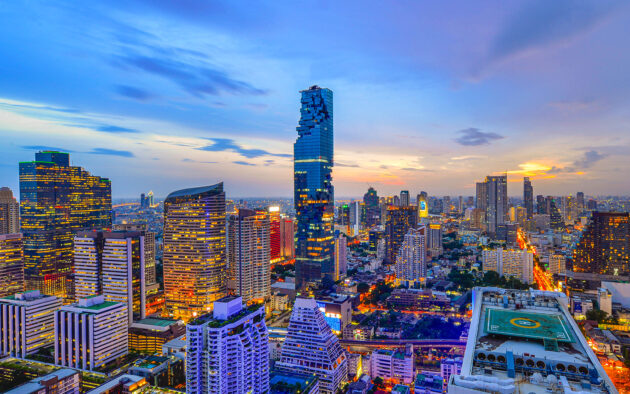
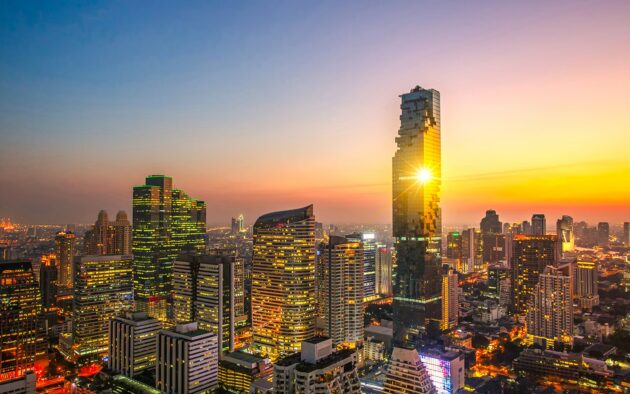
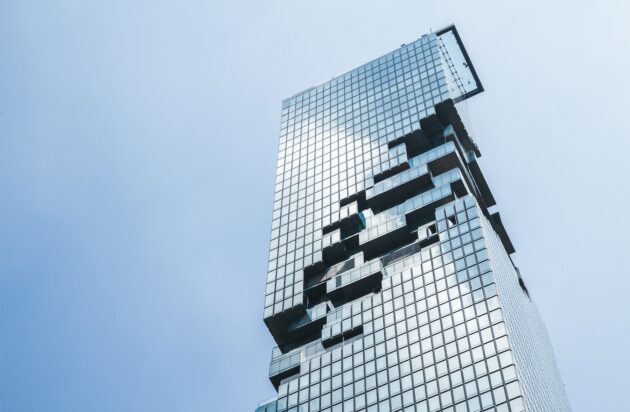
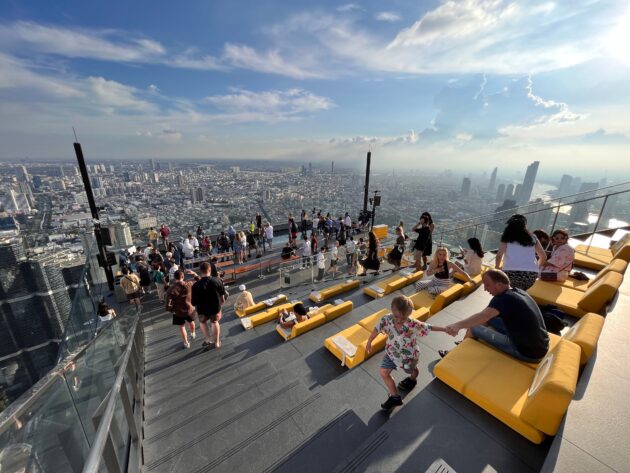
King Power Mahanakhon in Bangkok, Thailand, is a striking landmark that redefines the city’s skyline with its unique, pixelated architecture. Standing at 314 meters, it is one of Bangkok’s tallest buildings, featuring a glass-bottomed skywalk on the 78th floor, an observation deck with breathtaking 360-degree views, and a luxurious rooftop bar.
Safari World
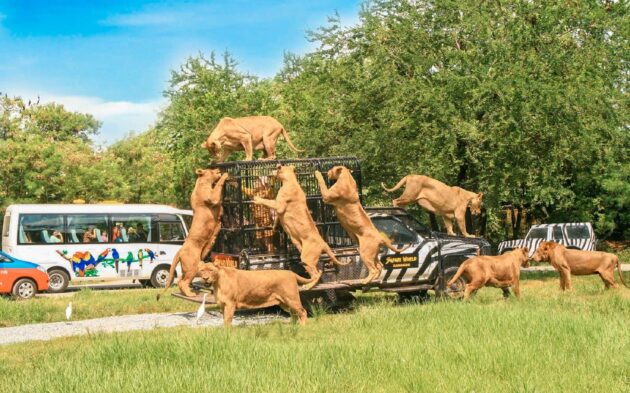
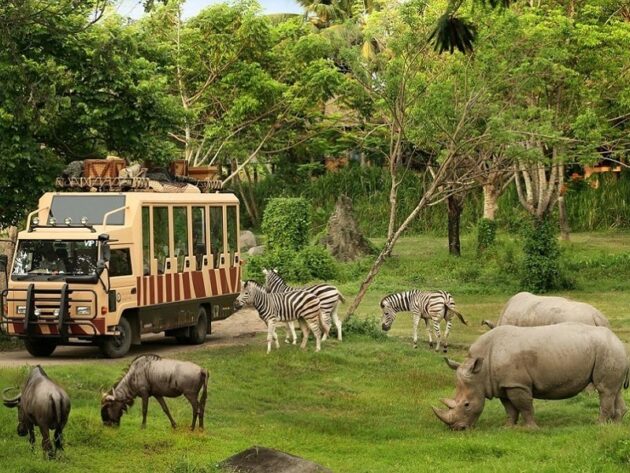
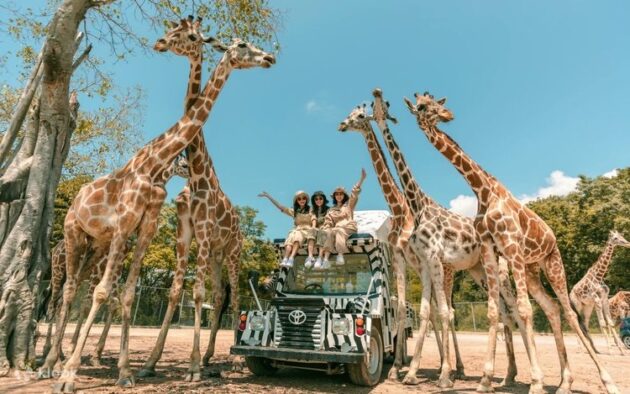
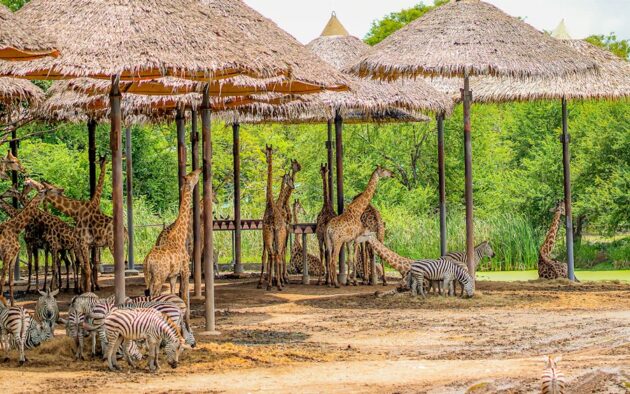
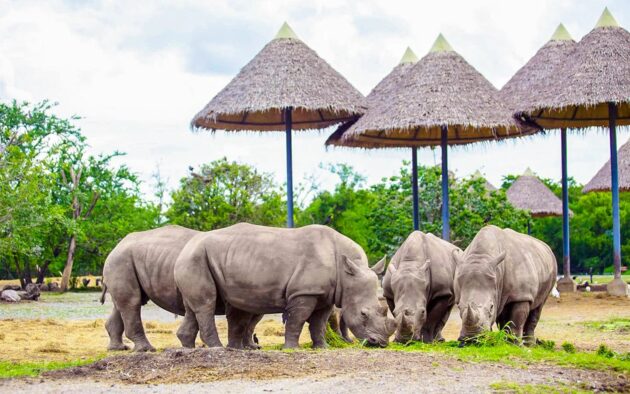
Safari World in Bangkok, Thailand, is a popular zoo and recreational park divided into two main sections: Safari Park and Marine Park. The Safari Park allows visitors to drive through scenic open habitats where animals like giraffes, zebras, lions, and tigers roam freely, offering a unique close-up experience of wildlife in a setting that resembles the African savanna.
Food: Street Eats Paradise
Bangkok is one of the world’s best food cities. Street food is generally safe if it’s busy and freshly cooked—follow the crowds.
Must-Try: Pad Thai (try Thip Samai), mango sticky rice, boat noodles, som tam (papaya salad), grilled seafood in Chinatown, and Michelin-starred street spots like Jay Fai (crab omelette—book ahead or queue).
Areas: Yaowarat (Chinatown) at night, Victory Monument for local eats, Wang Lang Market, or Sukhumvit soi (side streets).
Markets: Or Tor Kor (fresh produce), Chatuchak.
Drinks: Fresh coconut water, Thai iced tea, or rooftop cocktails.
Vegetarian/vegan options are plentiful (look for “jay” food during festivals). Drink bottled water and use hand sanitizer.
Where to Stay
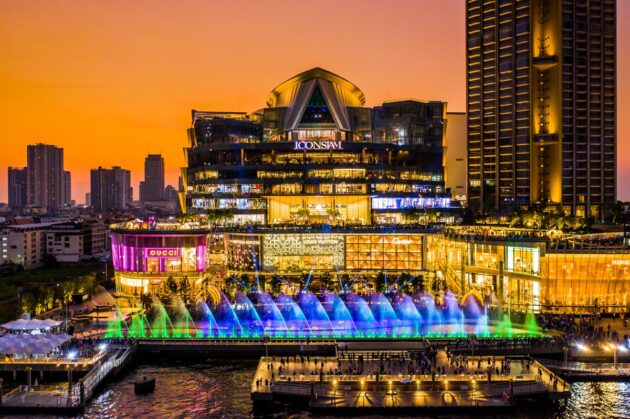
Riverside: Scenic, near Grand Palace/Wat Arun. Good for first-timers wanting views (e.g., near ICONSIAM).
Sukhumvit: Modern, great BTS access, nightlife, restaurants, and malls. Asok or Phrom Phong for convenience.
Khao San / Banglamphu: Budget-friendly, lively, walkable to old city sights—ideal for backpackers.
Silom / Sathorn: Business district with good transport and night markets.
Siam / Pratunam: Shopping central.
Chinatown: Immersive and food-focused.
Book in advance for high season. Options range from hostels (~500–1,000 THB) to luxury riverside hotels.
Practical Tips and Safety
Safety: Generally safe for tourists, but watch for pickpockets in crowds, scams (e.g., “closed temple” tuk-tuk tricks), and traffic. Use reputable taxis/Grab. Women travelers often feel comfortable, but standard big-city caution applies.
Etiquette: Remove shoes in temples/homes; don’t touch anyone’s head; dress modestly at religious sites. The Thai monarchy and Buddhism are highly respected—avoid criticism.
Health: Mosquito repellent (dengue risk), sunscreen, and motion sickness meds if prone (ferries/boats). Pharmacies are everywhere.
Money: ATMs are common; exchange some cash or use cards/apps. Tipping isn’t mandatory but appreciated for good service.
Scams to Avoid: Overpriced “special” tours, gem scams, or unsolicited guides.
Sustainability: Use reusable water bottles (many hotels have filters) and support ethical elephant experiences (no riding).
Final Thoughts
Bangkok can feel overwhelming at first—embrace the chaos, slow down with a Thai massage, and let the city surprise you. It’s affordable, flavorful, and endlessly energetic. Safe travels, and enjoy every spicy, chaotic, wonderful bite!