
Cape Roca (Cabo da Roca) Travel Guide (2026)
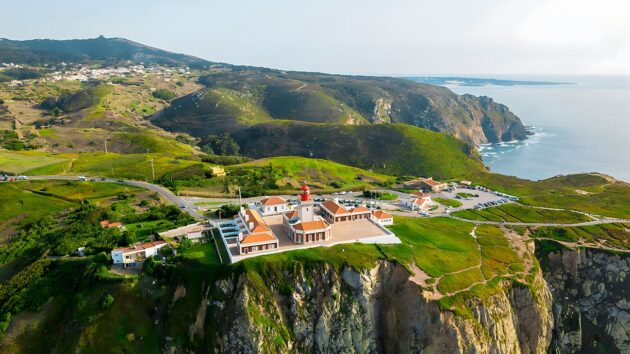
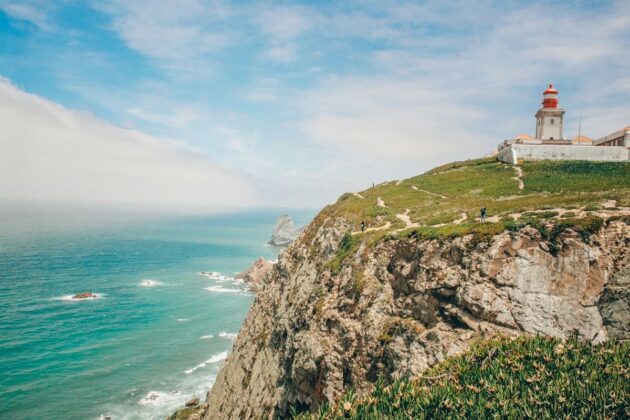
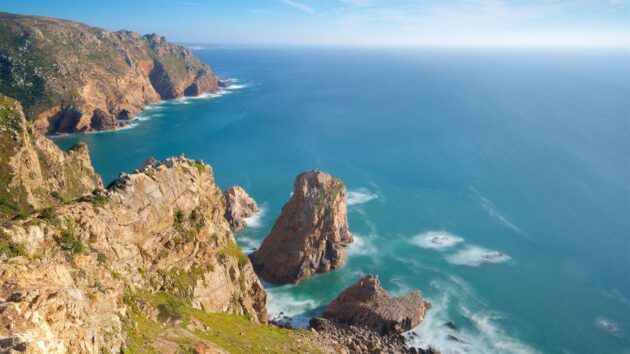
Cape Roca, or Cabo da Roca, is the westernmost point of mainland Europe (and the Eurasian landmass). Located in the Sintra-Cascais Natural Park, about 40 km west of Lisbon, it features dramatic 140-meter cliffs plunging into the Atlantic Ocean, a historic lighthouse, and sweeping coastal views. The poet Luís de Camões famously described it as the place “where the land ends and the sea begins.” It’s a must-visit for its raw natural beauty, sense of remoteness, and photo opportunities.
Why Visit Cape Roca?
Iconic Landmark: Stand at Europe’s western edge, marked by a stone monument with coordinates (38°47′N, 9°30′W) and Camões’ quote.
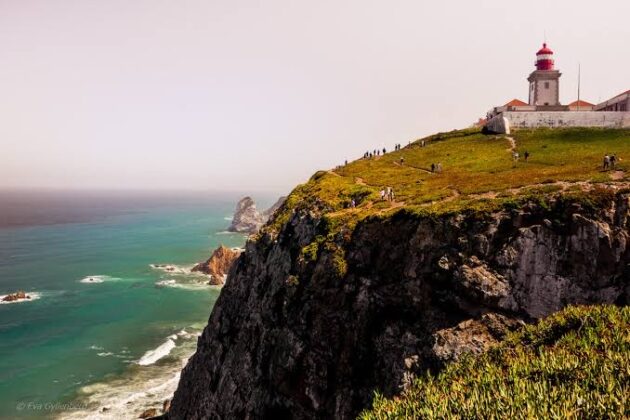
Scenery: Towering cliffs, crashing waves, and panoramic ocean vistas—especially stunning at sunset.
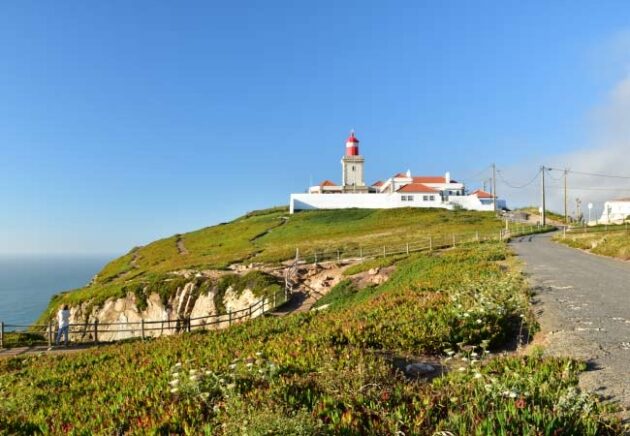
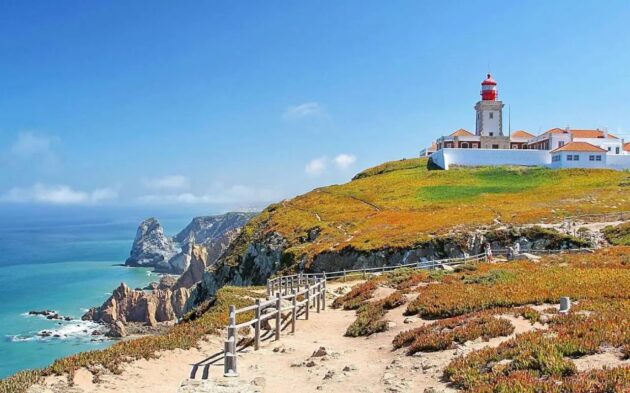
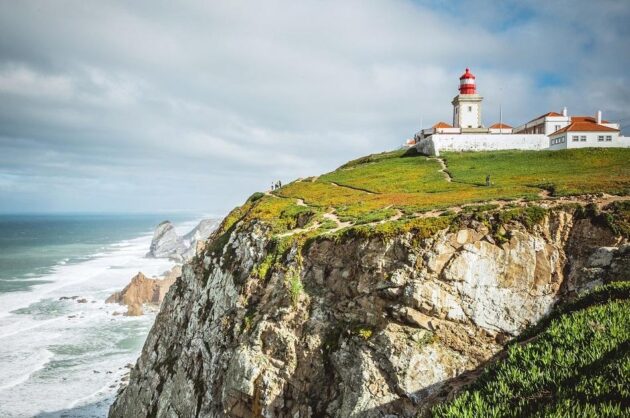
Lighthouse: Built in 1772 (Portugal’s oldest purpose-built one), it’s a striking red-and-white structure visible from far out at sea. You can view the exterior but not enter.
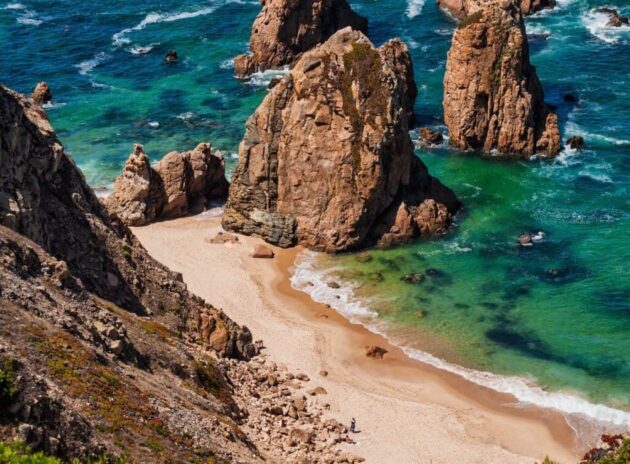
Hiking & Nature: Part of a protected park with trails to nearby beaches like Praia da Ursa.
Atmosphere: Feels wild and windswept, offering a contrast to busier spots like Sintra or Cascais.
Entry is free and accessible 24/7 (facilities have more limited hours). A small tourist office/gift shop sells souvenirs and an optional “I Visited the Westernmost Point” certificate (~€11).
How to Get There
Cape Roca is easily combined with a day trip to Sintra and/or Cascais.
From Lisbon (most common starting point):
Public Transport (budget-friendly, ~1.5–2 hours one way): Train from Rossio or Oriente to Sintra (~40 min), or from Cais do Sodré to Cascais (~35–45 min). Then take bus 1624 or 1253 to Cabo da Roca (~25–45 min). Total cost ~€5–15 round trip.
Car: ~45–60 minutes via scenic N247 road. Parking is available but fills up midday in peak season.
Guided Tour: Many full-day tours from Lisbon include Sintra + Cabo da Roca + Cascais—convenient for first-timers.
Taxi/Uber: Feasible but more expensive (~€60+ one way).
Tip: Check bus schedules (Carris Metropolitana) in advance, especially for return trips.
Best Time to Visit
Season: Spring (March–May) and autumn (September–October) for milder crowds and pleasant weather. Summer (June–August) is popular but windier and busier. Winters can be foggy, rainy, and very windy.
Time of Day: Late afternoon or sunset for the best light and fewer crowds. Avoid midday when tour buses arrive. Early morning can be foggy but quieter.
Weather Note: It’s often much cooler and windier than inland areas—bring layers and a windproof jacket year-round.
Things to Do
Admire the Views & Monument — Walk the fenced cliff paths for safety.
Visit the Lighthouse — Take photos of the iconic structure.
Hike — Short trails north to Praia da Ursa (steep, ~20–30 min one way) or further to Praia da Adraga. Stay on paths and behind fences—cliffs are unstable.
Sunset Watching — Magical as the sun dips into the Atlantic.
Souvenirs & Info — Grab a certificate or coffee at the on-site bar/restaurant (basic options available).
Safety: Strong winds and sheer drops. Never go beyond barriers for photos. Supervise children closely.
Nearby Attractions & Itinerary Ideas
Sintra (18 km east): Fairy-tale palaces like Pena Palace.
Cascais (15 km south): Charming coastal town with beaches and marina.
Azenhas do Mar: Picturesque cliffside village.
Beaches: Praia da Ursa, Praia Grande, or Guincho for surfing.
Sample Day Trip: Lisbon → Sintra (palaces) → Bus to Cabo da Roca (afternoon/sunset) → Cascais (dinner) → Back to Lisbon.
Where to Eat & Stay
On-site: Basic café/bar with snacks and drinks.
Nearby (Azenhas do Mar, Colares, etc.): Seafood restaurants with ocean views, such as Restaurante Azenhas do Mar or options in Adraga.
Accommodations: Few right at the cape. Stay in Sintra, Cascais, or nearby guesthouses like Quinta Vale da Roca for a more immersive experience.
Practical Tips
What to Bring: Windbreaker, sturdy shoes, sunscreen, water, camera/phone. Cash for certificate/bus if needed.
Crowds: Peak in summer midday—visit off-peak for a better experience.
Accessibility: Limited due to terrain; the main viewpoint is reachable but paths can be uneven.
Internet/Maps: Download offline maps; signal can be spotty.
Sustainability: Stick to trails to protect the natural park.
Final Thoughts
Cape Roca offers one of Portugal’s most memorable natural experiences—a dramatic endpoint to the continent that feels both humbling and exhilarating. Whether as a quick stop or part of a coastal adventure, it’s well worth the journey. Safe travels!