
Évora Travel Guide (2026): Portugal’s Historic Gem in the Alentejo Region
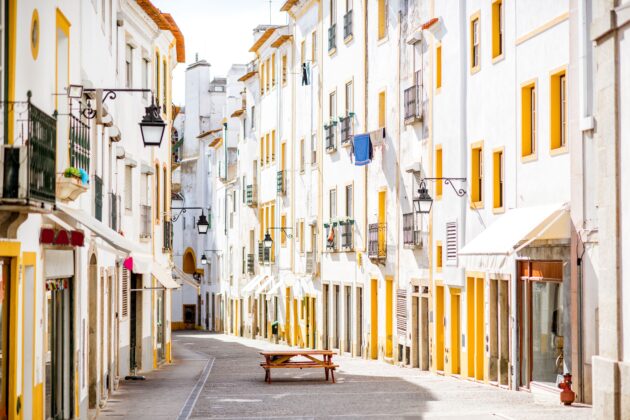
Évora (pronounced EH-voh-rah) is a captivating UNESCO World Heritage city and the capital of Portugal’s Alentejo region. Known for its remarkably preserved historic center, Roman ruins, medieval architecture, and rich culinary traditions, it offers a perfect blend of history, culture, and relaxed charm. Often called a “museum city,” Évora’s whitewashed buildings, winding cobblestone streets, and ancient monuments make it feel like a step back in time, while its vibrant university atmosphere and excellent food scene keep it lively.
Best Time to Visit
Spring (April–June) and autumn (September–October) are ideal. Expect mild temperatures (around 20–25°C/68–77°F), fewer crowds, and beautiful wildflowers or harvest season vibes. Summers can be extremely hot (often exceeding 35°C/95°F), making sightseeing uncomfortable midday. Winters are cooler and quieter, great for indoor sites and hearty meals.
How to Get There
From Lisbon (about 1.5 hours): Frequent buses (Rede Expressos or FlixBus, ~€10–15) or trains (from Lisboa Oriente, ~€12–17, 1.5 hours). Driving via A2/A6 is straightforward (~1 hour 20 minutes).
From Porto: Longer journey (4+ hours by car or with transfers by train/bus).
Airport access: Fly into Lisbon (LIS) and connect by bus/train. Renting a car outside Lisbon is recommended for flexibility, especially for countryside day trips. Park outside the city walls (e.g., near Avenida de Lisboa) and walk in—driving inside is restricted and parking is limited.
The historic center is compact and highly walkable.
Top Attractions
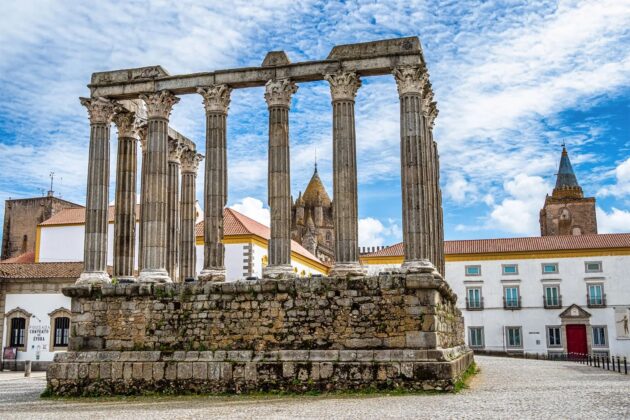
Roman Temple of Évora (Templo Romano / Temple of Diana): One of the best-preserved Roman ruins on the Iberian Peninsula. Built in the 1st century AD, its Corinthian columns are stunning, especially at golden hour.
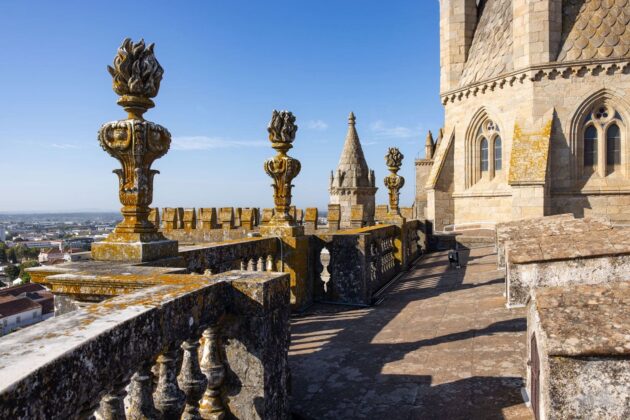
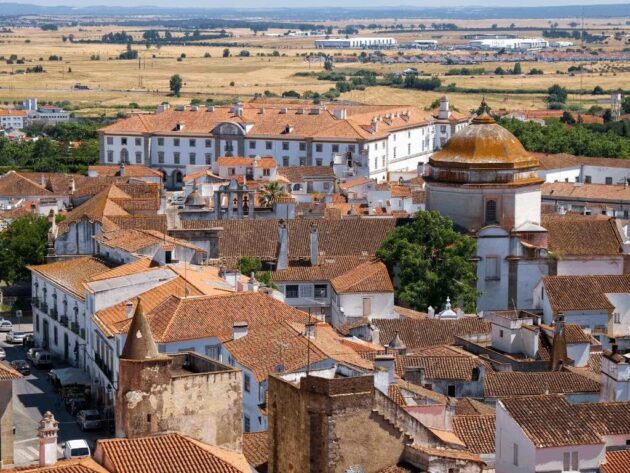
Évora Cathedral (Sé de Évora): Portugal’s largest medieval cathedral. Climb to the roof for panoramic views over the city and Alentejo plains. Don’t miss the cloister and museum.
Chapel of Bones (Capela dos Ossos): Inside the Church of São Francisco. Its walls are lined with the bones of over 5,000 monks—a haunting yet fascinating memento mori.
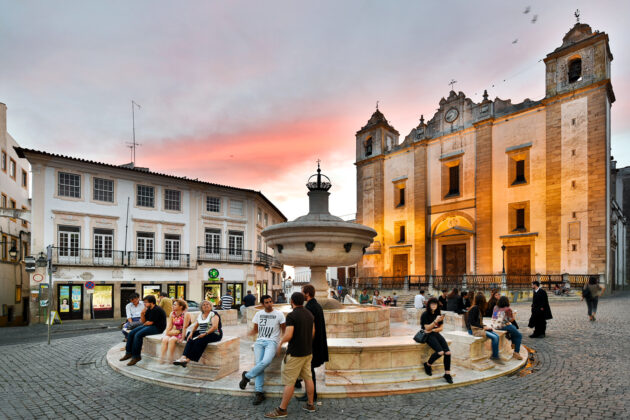
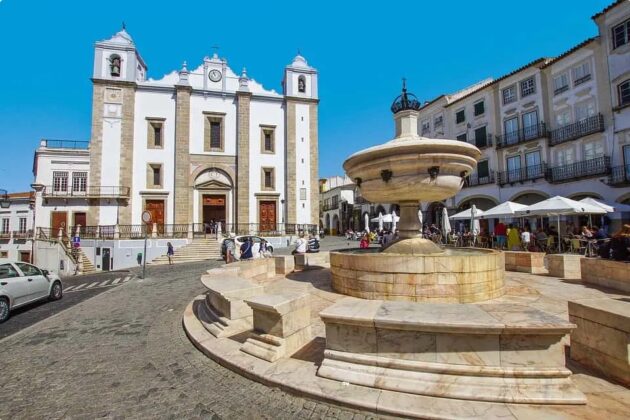
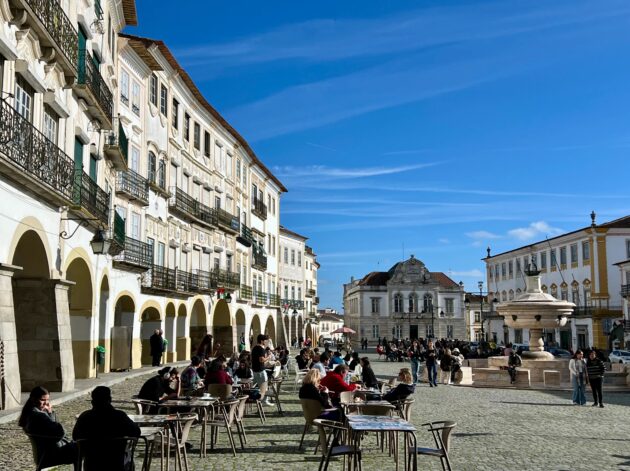
Praça do Giraldo: The lively main square, lined with cafés, shops, and historic buildings. Perfect for people-watching.
University of Évora: One of Europe’s oldest universities. Explore the cloisters and ornate halls.
Aqueduto da Água de Prata: Stroll along or near this impressive 16th-century aqueduct.
Nearby: Cromeleque dos Almendres (megalithic stone circle, older than Stonehenge—about 15–20 minutes by car) and wine estates.
Other highlights include the Évora Museum, public gardens, and charming churches.
Suggested Itinerary
1–2 Days (Day Trip or Quick Visit): Focus on the historic center—Roman Temple, Cathedral, Chapel of Bones, Praça do Giraldo, and a leisurely meal.
3 Days (Recommended):
Day 1: Historic core (Temple, Cathedral, Bones Chapel), evening in Praça do Giraldo.
Day 2: University, aqueduct, museum, and local markets or shopping.
Day 3: Day trip to Almendres Cromlech, a winery (e.g., Cartuxa or Esporão), or picturesque villages like Monsaraz.
Food and Drink: Alentejo Cuisine
Alentejo food is hearty, rustic, and delicious, emphasizing bread, olive oil, herbs, pork (especially porco preto black pig), lamb, cheeses, and wines.
Must-Try Dishes: Açorda alentejana (garlic-coriander bread soup with egg); Migas with pork; Carne de porco à alentejana (pork with clams); Local cheeses, sausages, and convent sweets (e.g., queijinhos do céu, sericaia).
Top Restaurants: Taberna Típica Quarta-Feira or Botequim da Mouraria: Intimate, authentic experiences (book ahead; small seating). Fialho: Historic institution for classic Alentejo fare. Origens or Dom Joaquim: Elevated or refined takes on regional cuisine.
Pair meals with robust Alentejo wines (reds like Aragonez). Try pastries at Pastelaria Conventual Pão de Rala. Many spots offer affordable menu do dia lunch specials.
Where to Stay
Luxury: Convento do Espinheiro or Pousada Convento de Évora (historic convents with modern comforts); Octant Évora or M’ar de Ar Aqueduto.
Mid-range/Boutique: Imani Country House (agritourism), Hotel Albergaria do Calvário, or options inside the walls for atmosphere.
Budget: Guesthouses or hostels in the center.
Staying inside or near the walls is best for immersion.
Practical Tips
Currency: Euro (€). Cards widely accepted; carry cash for small spots.
Language: Portuguese; English is spoken in tourist areas.
Safety: Very safe; standard precautions apply.
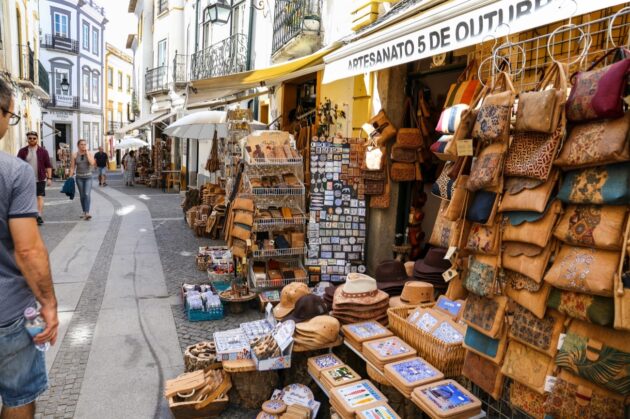
Shopping: Cork products, ceramics, olive oil, and wines.
Tours: Consider a guided walking tour or winery visit for deeper insight.
Sustainability: Support local producers and respect the historic sites.
Final Thoughts
Évora rewards a slower pace—wander the streets, savor long lunches with wine, and soak in the Alentejo’s golden light. Whether you come for history, food, or a peaceful escape, this soulful city leaves a lasting impression.
Safe travels! If you’re combining with Lisbon or other Alentejo spots, Évora makes an unforgettable centerpiece.