
Wheeler National Wildlife Refuge Travel Guide (2026)
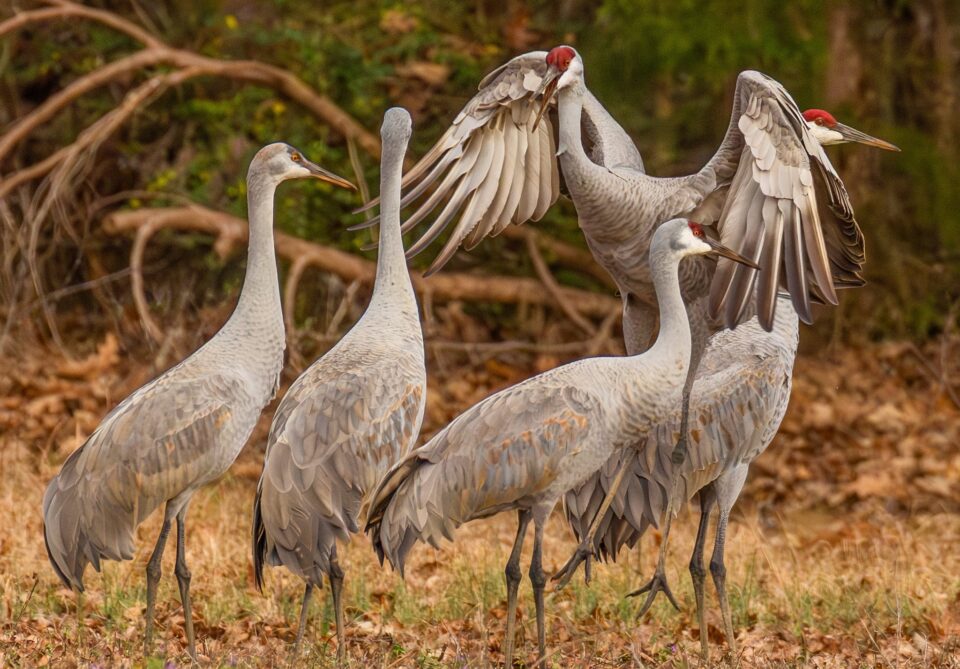
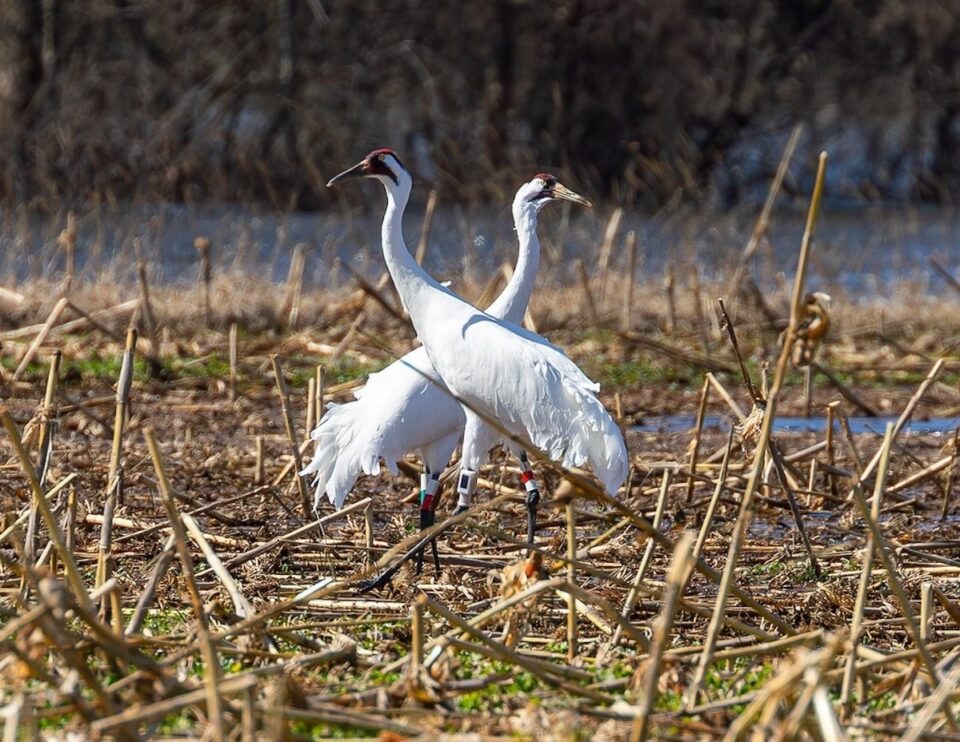
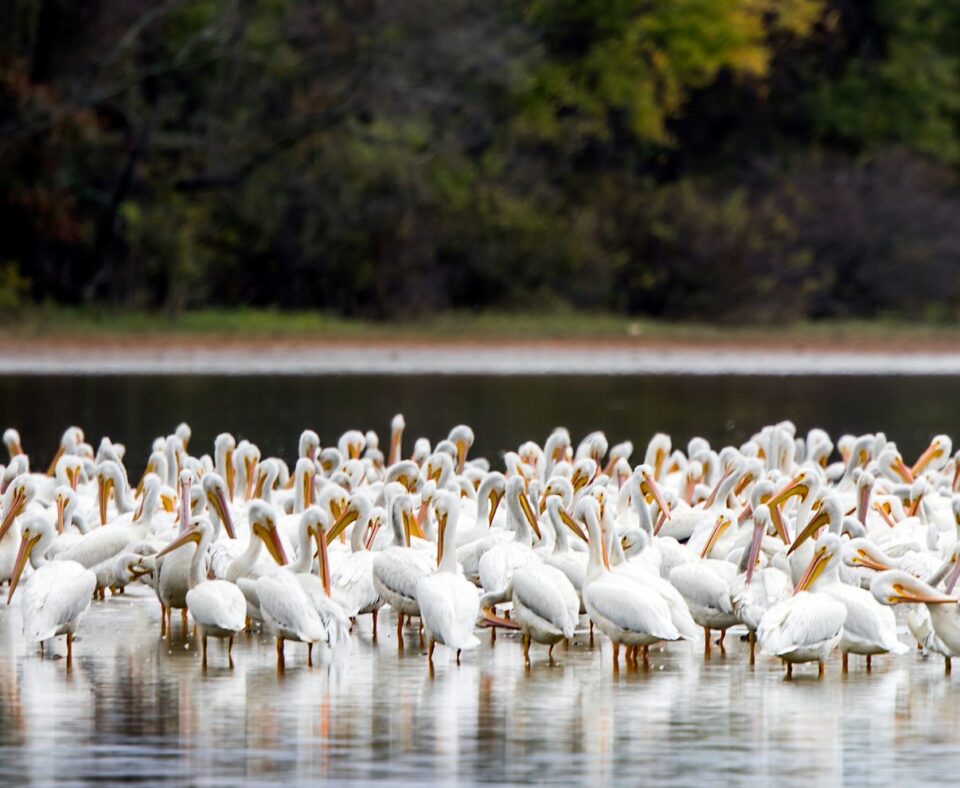
Wheeler National Wildlife Refuge protects about 35,000 acres of wetlands and woodland on the Tennessee River near Decatur, Alabama, as a wintering area for ducks, geese, cranes, and other migratory birds. Established in 1938, the refuge hosts thousands of wintering waterfowl and is a winter home to endangered whooping cranes. Its most irreplaceable experience is the winter birding: thousands of cranes and waterfowl concentrated on the refuge’s impoundments, with observation buildings and trails built for the viewing.
Why It Is Worth Visiting
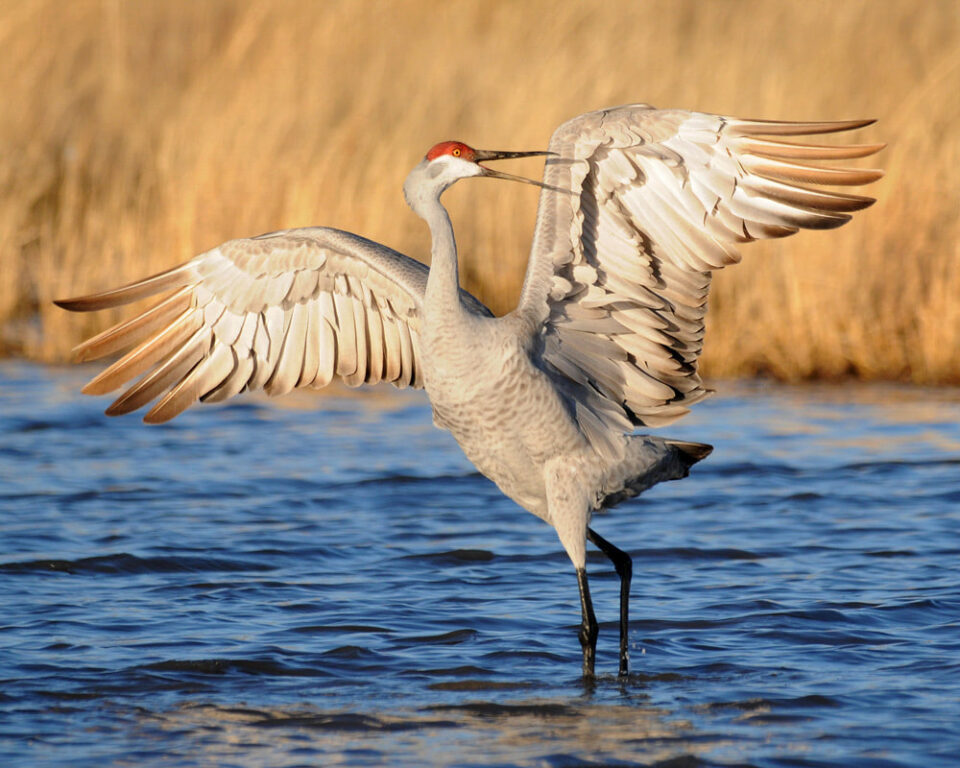
The refuge’s reason for existing is birds: established in 1938 as a wintering area for ducks, geese, and other migratory birds, it now attracts thousands of wintering waterfowl and cranes each year, and it manages habitat for a dozen federally endangered or threatened species. The whooping cranes are the standout — the endangered species first arrived at the refuge in 2004 and now spends winters there. Visitors can use the Visitor Center and Wildlife Observation Building, photography blinds, and trails and boardwalks that reach into the wetlands, making the winter migration one of Alabama’s most dependable wildlife experiences. The refuge is a U.S. Fish & Wildlife Service unit, so access is free.
DananaGo’s read is that Wheeler rewards timing: the refuge is exceptional in winter, when the cranes and waterfowl are concentrated and the viewing structures are at their best, and less distinctive in the off-season.
DananaGo’s verdict: This is a Secondary Attraction (state-level recommendation) — an Alabama B-grade stop worth a detour when time allows. The reasons are concrete: it is the state’s most dependable winter birding destination, it hosts endangered whooping cranes, and its trails and observation buildings put the migration in reach without special equipment. It suits birdwatchers, wildlife photographers, and families. A reasonable stay is 2–4 hours at the observation points and trails, best in winter. Travelers with no interest in birds can skip it; for birders, it is the state’s essential winter refuge.
What to Experience
The Winter Waterfowl and Crane Concentration
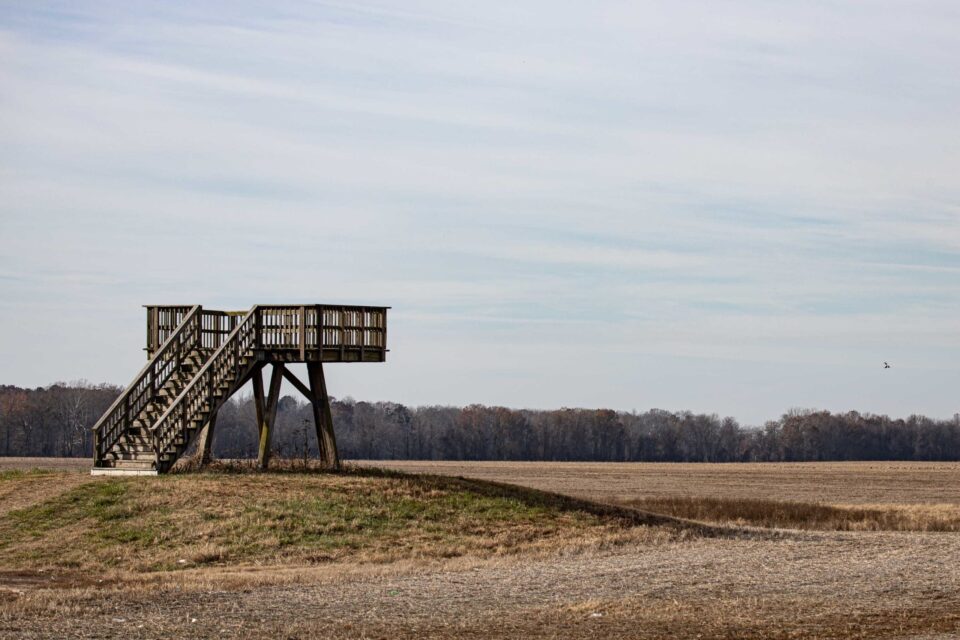
In winter, thousands of waterfowl and cranes gather on the refuge’s impoundments. The Wildlife Observation Building and photography blinds are built for the viewing, making the winter migration the refuge’s defining experience.
The Trails and Boardwalks
The refuge’s trails and boardwalks — including the Atkeson Cypress Boardwalk — reach into the wetlands, letting visitors walk among the habitat rather than only look from the road. Check current trail conditions, as storm damage occasionally closes boardwalks.
The Visitor Center and Wildlife Observation Building
The Visitor Center and the adjacent Observation Building are the refuge’s recommended first stop, with exhibits, staff, and a prime view over the wetlands. They are the practical starting point for a first visit.
Plan Your Visit
| Address | The Visitor Center is near 1100 County Road 67, Decatur, AL 35603; the refuge lies along the Tennessee River near Decatur |
|---|---|
| Recommended time | 2–4 hours at the observation points and trails; best in winter |
| Hours | Visitor Center, Wildlife Observation Building, photography blinds, and the Atkeson Cypress Boardwalk open Tuesday–Saturday 9 am–4 pm, March–October; year-round hours vary — check the current schedule |
| Admission | Free; no entrance fee |
| Best time | Winter (roughly November–February) for the peak crane and waterfowl concentration |
| Getting there | Near Decatur in north Alabama, off I-565; the refuge lies along the Tennessee River, a short drive from Huntsville |
Check the official website for current opening hours, admission prices, reservations, and key visitor policies.
A Focused Visit Route
Start at the Visitor Center and the Wildlife Observation Building, the refuge’s recommended first stop, and look over the impoundments from the building’s windows. Walk the nearby trails and boardwalks into the wetlands, stopping at the photography blinds if you have a camera. Check current hours and trail conditions before you go — some boardwalks close after storm damage — and time the visit for winter, when the cranes and waterfowl are concentrated and the refuge is at its best.
DananaGo Tips
- Visit in winter for the peak bird concentration; the refuge’s defining experience is seasonal.
- Check the current schedule — the main buildings run reduced winter hours, and some trails close for repair.
- Bring binoculars or a camera; the photography blinds make good viewing spots.
- The refuge is free; no pass or permit is needed for general access.
Explore More of Alabama
Alabama has more to offer beyond the refuge — use the state map below to find other sites worth your time.