
Somapura Mahavihara Travel Guide (2026)
Somapura Mahavihara, also known as Paharpur Buddhist Vihara or Sompur Mahavihara, is a magnificent 8th-century Buddhist monastery complex in Paharpur village, Badalgachhi Upazila, Naogaon District, northwestern Bangladesh. It ranks among the largest and most important Buddhist viharas (monasteries) south of the Himalayas and is a UNESCO World Heritage Site since 1985.
History and Significance
The Pala Dynasty (specifically under King Dharmapala, r. c. 770–810 CE, or possibly his successor Devapala) constructed the monastery as a major center of Mahayana Buddhist learning and scholarship. It attracted monks and scholars from across Asia and functioned as an intellectual hub until around the 12th–17th centuries, blending Buddhist, Jain, and Hindu influences at times.
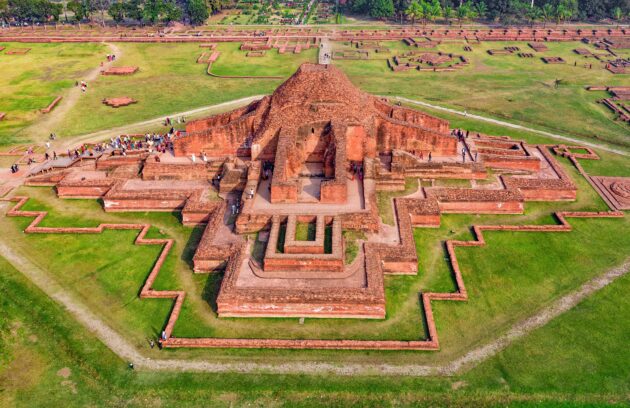
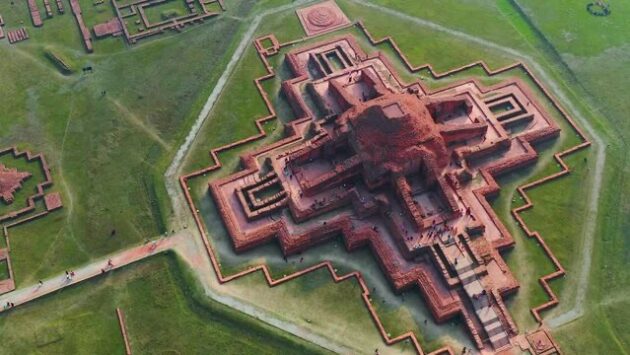
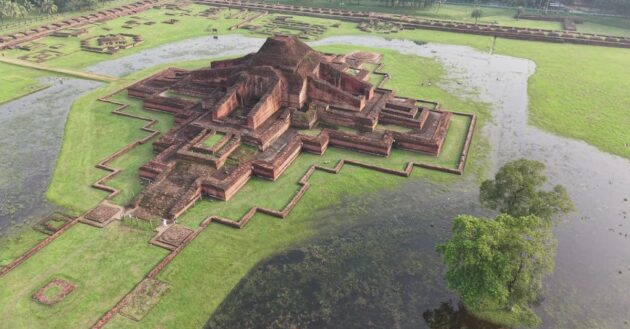
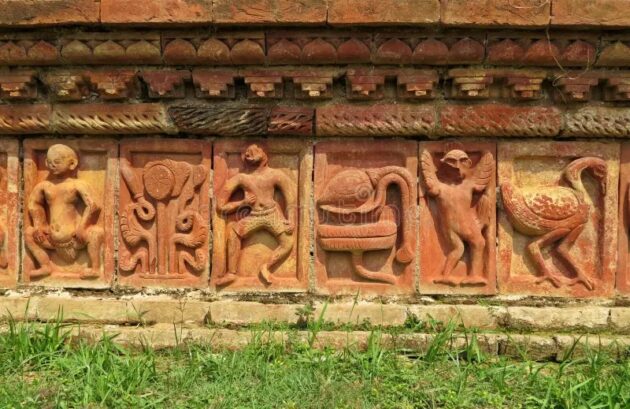
The vast quadrangular complex covers about 27 acres (11 hectares) and features a massive central cruciform temple (stupa/shrine) rising like a pyramid, surrounded by 177 monastic cells, smaller stupas, shrines, and courtyards. Excavations have uncovered thousands of terracotta plaques depicting daily life, musicians, animals, myths, and religious motifs—showcasing unique artistic achievements with influences from Bengal, Gupta, and Southeast Asian styles. Seals found on-site confirm its identity as “Shri-Somapure-Shri-Dharmapaladeva-Mahavihariyarya-bhiksu-sangghasya.”
It is one of Bangladesh’s three UNESCO World Heritage Sites and highlights the rise of Mahayana Buddhism in Bengal.
What to See
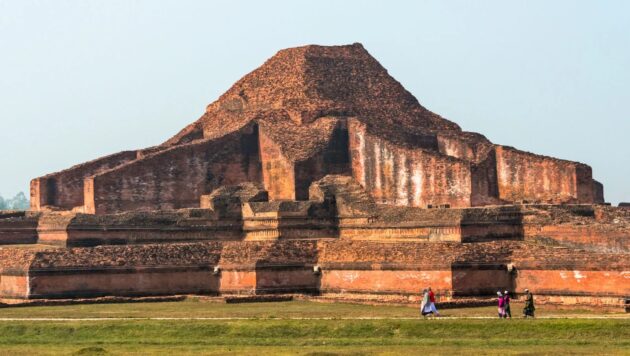
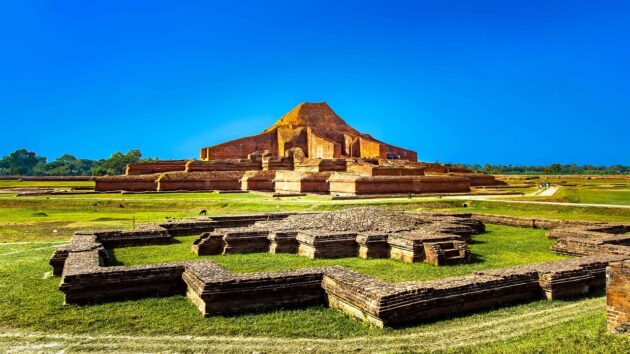
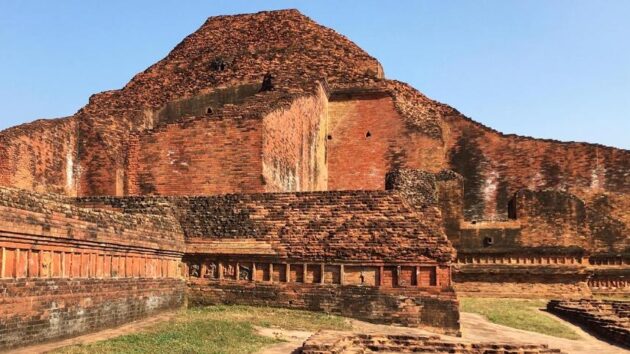
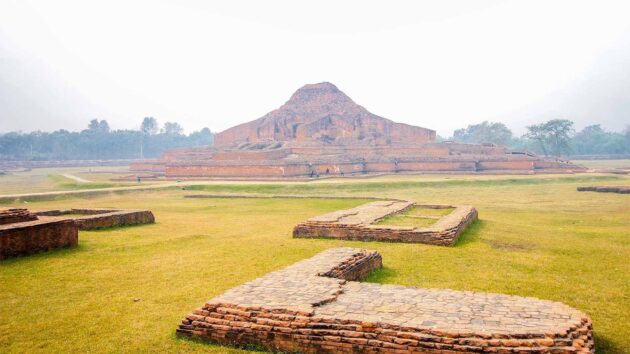
Central Temple Ruins: The towering cruciform structure (about 22 meters high in its ruined state) with terraces and intricate brickwork.
Monastic Cells: Rows of monk quarters arranged around the courtyard.
Terracotta Plaques: Hundreds of decorative panels on the walls showing scenes from everyday life and Buddhist stories.
Site Museum: Displays excavated artifacts including stone sculptures, inscriptions, coins, ceramics, and more (included with site ticket; closed Sundays in some reports).
Surrounding Features: Smaller stupas, ponds, and additional structures like Satyapir Bhita and Gandheswari Temple remnants nearby.
Plan for 1.5–2+ hours to explore the expansive site. Early morning or late afternoon (sunset) offers the best light and fewer crowds; the ruins take on a golden glow.
Practical Information
Opening Hours (subject to minor seasonal changes; confirm locally): Summer (April–September): Tue–Sat 10am–6pm (lunch/Fri prayer breaks); Mon afternoon only; Sun closed. Winter (October–March): Tue–Sat 9am–5pm (shorter breaks); Mon afternoon; Sun closed. Some sources mention open from ~7am to sunset for the ruins, but the museum follows stricter hours. Avoid Sundays if possible.
Entry Fees (approximate; varies slightly by source): Bangladeshi nationals: 20–30 Taka (students lower). SAARC nationals: 100–200 Taka. Other foreigners: 200–500 Taka. Museum access is usually included. Children under 5 free. English-speaking guides are often available at the ticket counter.
Best Time to Visit: October to March (cooler, drier winter months). Temperatures are pleasant (10–25°C/50–77°F), ideal for walking the open site. Avoid hot, humid summers (April–September) if possible.
How to Get There
Paharpur lies about 250–280 km northwest of Dhaka (6–7+ hours by road).
From Dhaka: Bus or private car via Tangail–Jamuna Bridge–Bogra–Joypurhat–Paharpur (or via Naogaon). Buses to Bogra/Naogaon are frequent.
From Bogra (common hub, ~60–70 km): Bus to Joypurhat then local bus to Paharpur (~30 min), or direct arrangements. CNG/rickshaw/taxi possible.
By Air: Fly to Rajshahi (103 km away) or Saidpur (91 km), then road to Bogra/Paharpur.
By Train: Options via Joypurhat or other stations, then local transport.
Hiring a private car/driver or joining an organized tour from Dhaka/Bogra is most comfortable, especially for first-timers. Public transport is cheap but involves changes.
Where to Stay and Eat
On-site: Basic guesthouse cottages within the complex (peaceful, with potential sunrise views over the ruins). Limited availability.
Nearby: Limited options in Paharpur itself. Better hotels/lodges in Naogaon town, Badalgachhi, or Bogra (more facilities).
Food: Heritage Café on-site serves local Bangladeshi meals (rice, dal, vegetables, mutton dishes). Snacks, coconuts, and street vendors available. Carry water and light snacks.
Tips for Visitors
Wear comfortable shoes, hat, sunscreen, and modest clothing (respect the site).
Bring cash (Taka); ATMs are limited in the village.
Combine with nearby sites for a fuller day: Mahasthangarh ruins (ancient city), Kusumba Mosque, or other Naogaon/Bogra attractions.
Photography is generally allowed (check for restrictions on certain areas).
The site is peaceful and rural—great for history buffs, Buddhists, and photographers.
Final Thoughts
Somapura Mahavihara offers a profound glimpse into ancient Bengal’s Buddhist golden age amid lush countryside. It’s a highlight for anyone exploring Bangladesh’s rich pre-Islamic heritage. Safe travels!
For the latest details (hours/fees can shift), check with Bangladesh’s Department of Archaeology or a local tour operator.