
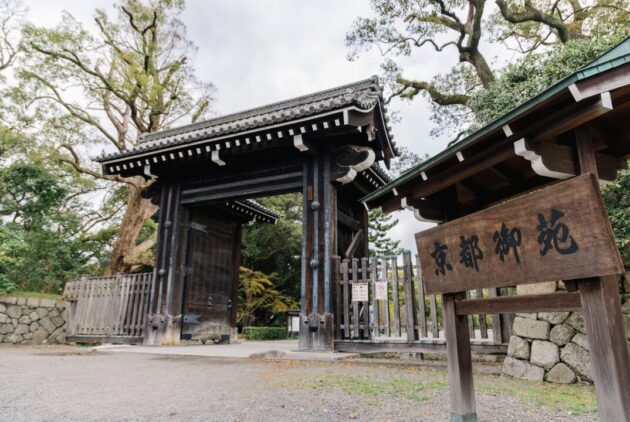
Kyoto Gyoen National Garden Travel Guide (2026)
Kyoto Gyoen National Garden (京都御苑), also known as Kyoto Imperial Palace Park, is a vast, serene public park in the heart of Kyoto, Japan. Spanning about 65 hectares (roughly 1.3 km north to south and 0.7 km east to west), it serves as a green oasis surrounding the historic Kyoto Imperial Palace. Once home to over 140 residences of court nobles during the Edo period, it was transformed into a national garden after the capital moved to Tokyo, preserving the imperial heritage while offering a peaceful retreat for locals and visitors alike.
History at a Glance
The site has deep roots dating back to the Heian period. It became the residential area for imperial families and nobles. After the Meiji Restoration (1868), when the emperor moved to Tokyo, the area declined until Emperor Meiji ordered its preservation as the outer garden of the Imperial Palace. It officially became a national garden in 1949. Today, it blends history, nature, and recreation.
Why Visit?
Free and Open 24/7: No entrance fee and accessible anytime, making it incredibly convenient.
Seasonal Beauty: Famous for cherry blossoms (especially weeping sakura), plum blossoms, autumn foliage (including ginkgo trees), wisteria, and more.
Historical Highlights: Home to the Kyoto Imperial Palace and Sento Imperial Palace.
Local Vibe: A favorite spot for picnics, jogging, walking dogs (on leash), and relaxing away from crowded tourist areas.
Best Time to Visit
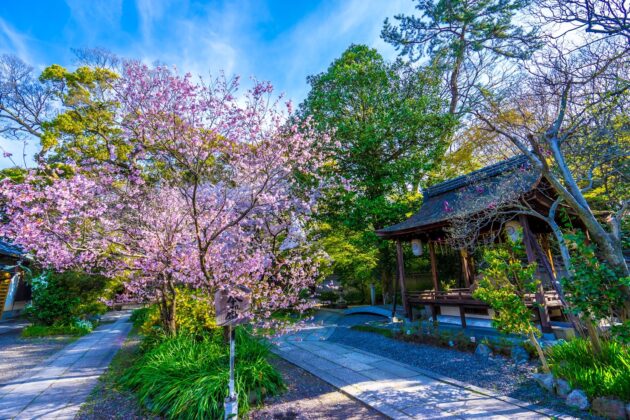
Spring (March–April): Peak cherry blossom season. The weeping cherry trees at the former Konoe-tei Residence (northwest corner) are spectacular.
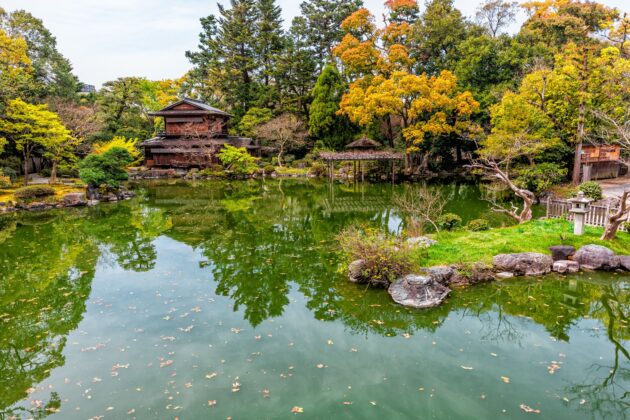
Autumn (October–November): Vibrant foliage, especially on the large ginkgo and maple trees.
Early March: Plum blossoms in the plum grove.
Anytime: Even in summer or winter, the wide lawns, shaded paths, and massive trees provide a refreshing escape. Avoid midday summer heat if possible.
How to Get There
By Subway (Recommended): Take the Karasuma Line to Imadegawa Station (northern side) or Marutamachi Station (southern side). Both are just a 5–10 minute walk to the park entrances.
From Kyoto Station: Subway: Karasuma Line (~10–15 minutes to Marutamachi). Bus: Lines 4, 17, or 205 to Furitsu Idai Byoin-mae, then a short walk.
By Bike/Taxi: Easy access; taxis are convenient if you’re carrying luggage or traveling with family.
Top Attractions and Things to Do
Kyoto Imperial Palace (Kyoto Gosho) — Located in the center. Free guided tours are available (advance reservation often required via the Imperial Household Agency website). Admire the impressive gates, traditional architecture, and palace gardens from outside if not joining a tour.
Sento Imperial Palace — Another imperial residence within the park. Requires separate reservation.
Weeping Cherry Trees (Shidare-zakura) — Especially beautiful at the former Konoe-tei Residence site.
Plum Grove and Other Gardens — Seasonal flower spots, including peach groves.
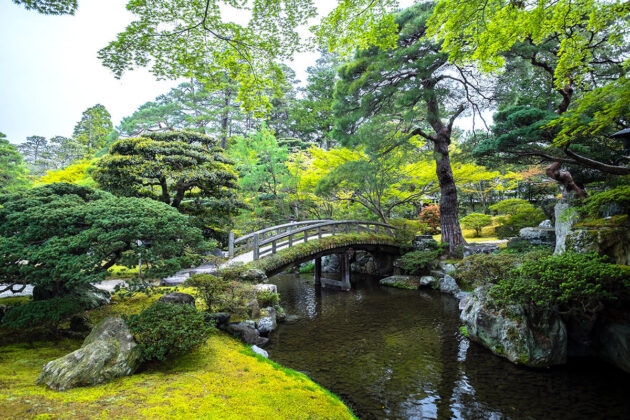
Wide Lawns and Paths — Perfect for picnics, people-watching, or a leisurely stroll. There are benches, open grassy areas, and tree-lined boulevards.
Small Shrines — Such as Itsukushima Shrine, Munakata Shrine, and Shirakumo Shrine scattered around.
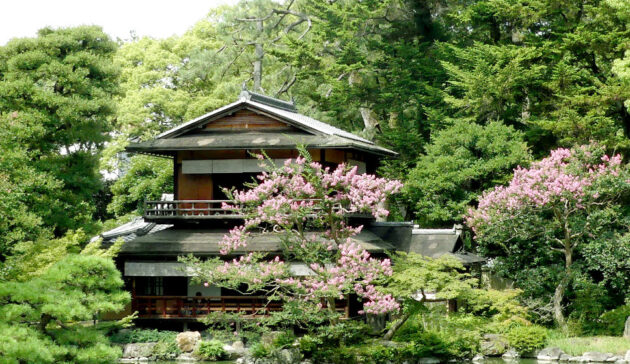
Former Noble Residences Sites — Remnants like Kan’innomiya Residence (exhibition hall).
Pro Tip: Pick up a free guide map at the park or download it from the official site.
Practical Information
Opening Hours: 24 hours daily, year-round.
Admission: Free (some small buildings or tea houses may have minor fees, e.g., Shusui-tei around 300 yen).
Facilities: Limited cafes/shops inside. Rest areas have Wi-Fi (KYOTO Wi-Fi). Public restrooms available. Parking exists but is limited.
Rules: No unleashed dogs, no feeding animals, no drones, stay off lawns with bikes, no smoking in many areas.
What to Bring: Comfortable walking shoes (gravel paths), picnic food, a camera, and sunscreen/hat in summer.
Suggested Itinerary
Half-Day Visit: Enter from Imadegawa Station, stroll south through the park, visit the Imperial Palace area, picnic on the lawn, and exit via Marutamachi.
Combine With: Nearby sites like Shimogamo Shrine or a walk along the Kamo River. It’s centrally located, so easy to pair with other Kyoto highlights.
Tips for Visitors
Visit early morning or late afternoon for fewer people and better light.
The park is family-friendly with space for kids to play.
Respect the historical atmosphere — it’s a national treasure.
In peak seasons (cherry blossoms), it can get busy but never feels overwhelmingly crowded like some temples.
Final Thoughts
Kyoto Gyoen National Garden offers a perfect balance of nature, history, and tranquility in one of Japan’s most culturally rich cities. Whether you’re a history buff, nature lover, or just need a break from temple-hopping, it’s an essential stop that feels authentically local.
Enjoy your visit to this hidden-in-plain-sight gem!