
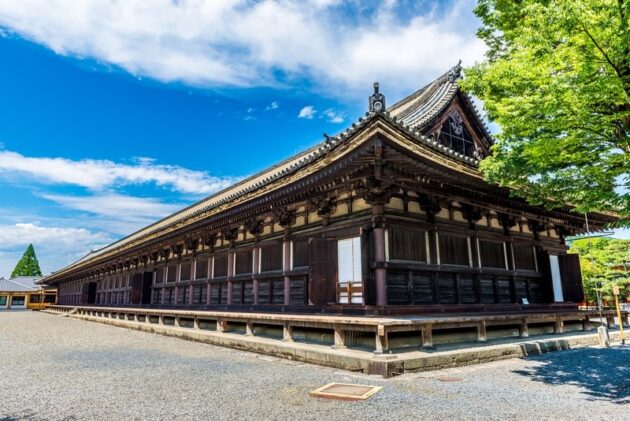
Sanjūsangendō Temple Travel Guide (2026)
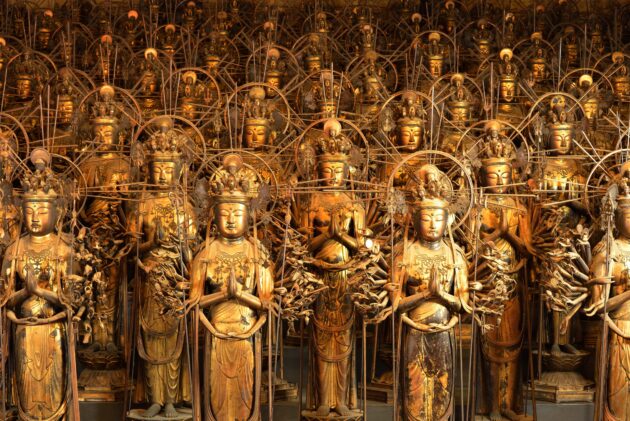
Sanjūsangendō (三十三間堂), officially known as Rengeō-in Temple, is one of Kyoto’s most iconic and visually stunning Buddhist temples. Famous for its extraordinary collection of 1,001 statues of the Thousand-armed Kannon (Senju Kannon), it offers a serene yet awe-inspiring experience that feels almost otherworldly.
Why Visit Sanjūsangendō?
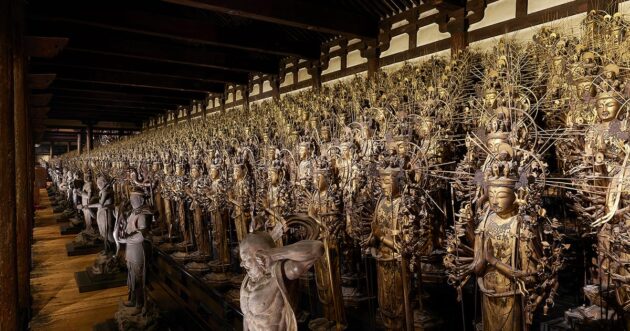
Home to 1,001 life-sized statues of Kannon, arranged in 10 rows and 33 columns — the largest such collection in Japan.
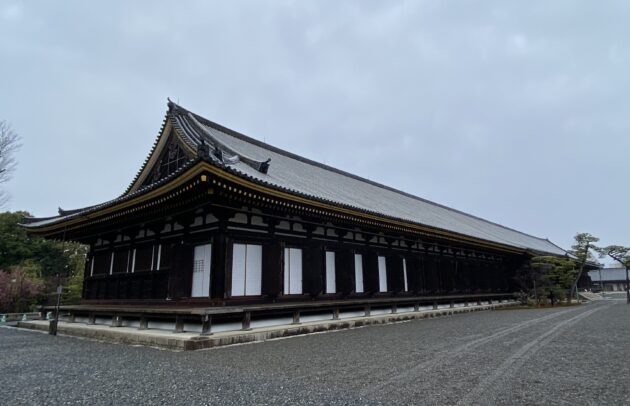
The main hall is the longest wooden structure in Japan (approx. 120 meters / 394 feet long).
Incredible architectural beauty from the late Heian period, with exquisite detailing on the statues.
A peaceful atmosphere perfect for reflection, photography, and cultural immersion.
Location
Address: 657 Sanjūsangendō-mawari, Higashiyama Ward, Kyoto 605-0941, Japan
It is located in eastern Kyoto, very close to Kyoto National Museum and within walking distance of Kiyomizu-dera Temple.
How to Get There
From Kyoto Station: Take bus #206 or #100 (about 10–15 minutes) and get off at “Sanjūsangendō-mae” stop.
By Train: Nearest station is Keihan Shichijō Station (about 10-minute walk).
Taxi: Easy and affordable from central Kyoto (around ¥1,000–1,500 from Kyoto Station).
Opening Hours & Admission
Hours: 8:30 AM – 5:00 PM (last entry 30 minutes before closing); Winter (Nov 16 – Mar 31): 9:00 AM – 4:00 PM.
Admission: Adults: ¥600; Children (junior high & elementary): ¥300; Group discounts available.
Note: Photography is strictly prohibited inside the main hall.
What to Expect & Highlights
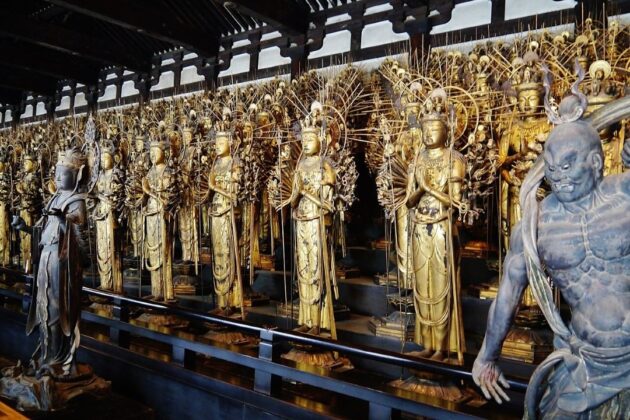
The Main Hall (Hondō): Walk along the long corridor and be surrounded by the 1,001 Kannon statues. The central statue is a massive seated Kannon (3.3 meters tall), flanked by 1,000 standing statues. Each has 40 arms (symbolizing 1,000 arms), and many have unique facial expressions.
The 28 Guardian Deities: Impressive statues of thunder gods, wind gods, and other protectors line the front rows.
The Annual Tōshiya Archery Ceremony: If you visit in January, you may witness the traditional long-distance archery event held on the temple grounds.
Beautiful Garden: A small but lovely Japanese garden behind the hall provides a quiet space for reflection.
Best Time to Visit
Early morning (right after opening) to avoid crowds.
Spring (late March – April): Cherry blossoms nearby.
Autumn (late November): Stunning autumn foliage around the temple.
Avoid Golden Week (early May) and New Year’s holiday if you dislike crowds.
Visitor Tips
Respect the rules: No photos inside, no loud talking, remove hats and be mindful of others.
Time needed: 45–75 minutes is sufficient.
Weather: Wear comfortable shoes — you’ll do some walking on tatami and gravel.
Accessibility: The main hall has some steps; wheelchairs have limited access.
Combine with nearby sites: Kyoto National Museum (right next door); Kiyomizu-dera Temple (20–25 min walk uphill); Chishaku-in Temple; Fushimi Inari Shrine (further but doable by bus/taxi).
Final Thoughts
Sanjūsangendō is a must-visit for anyone interested in Japanese Buddhism, architecture, or simply seeking a profound cultural experience in Kyoto. Its sheer scale and spiritual atmosphere make it one of the most memorable temples in the ancient capital.