
Vang Vieng Travel Guide (2026)
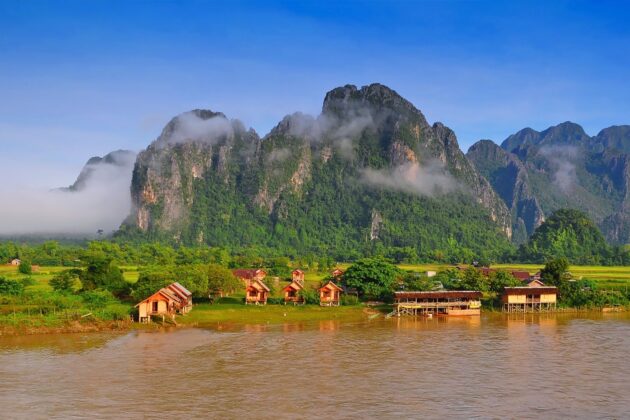
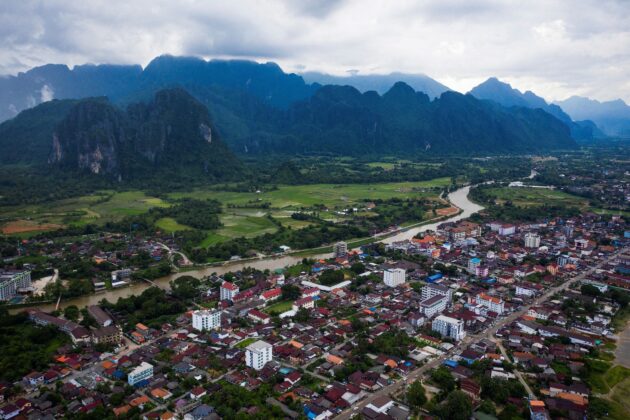
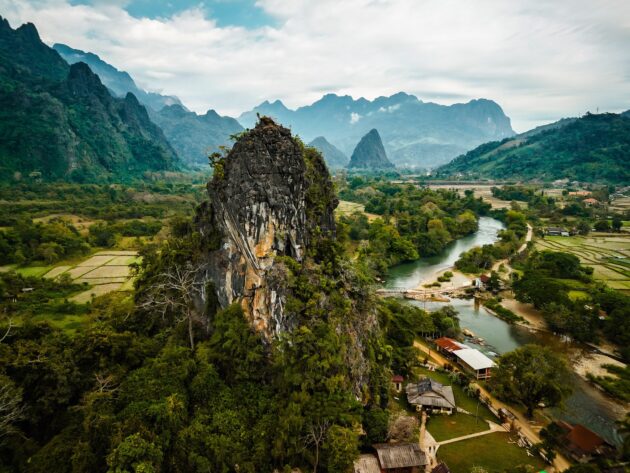
Vang Vieng, Laos, sits along the Nam Song River amid dramatic limestone karst mountains, rice paddies, and caves. Once notorious as a backpacker party hub with river tubing, it has evolved into an eco-adventure destination focused on nature, outdoor activities, and a more relaxed vibe, while retaining some nightlife and budget appeal.
The surrounding scenery—emerald lagoons, hidden caves, and panoramic viewpoints—makes it a highlight for many Laos itineraries, especially as a stop between Vientiane and Luang Prabang.
How to Get There
Vang Vieng lies in Vientiane Province, about 150-160 km north of Vientiane and roughly halfway to Luang Prabang.
From Vientiane: The most convenient options are the Laos-China high-speed train (around 1 hour) or bus/minivan (2-3 hours via improved roads/tollway). Taxis or private transfers are also available.
From Luang Prabang: High-speed train (about 50-60 minutes, ~$15-22) is the fastest and most comfortable. Buses or minivans take longer (several hours).
Train notes: The Vang Vieng station is a short distance from town center; arrange pickup or a tuk-tuk in advance. Tickets can sell out in peak season—book via agencies or online platforms if possible.
No commercial airport serves Vang Vieng directly.
Best Time to Visit
The dry season (November to April) offers the most pleasant weather for outdoor activities: cooler temperatures (especially November-February, with nights dipping to ~15°C/59°F), low rainfall, and clear skies ideal for hiking, ballooning, and river activities.
Peak crowds and higher prices occur November-February.
March-April gets hotter.
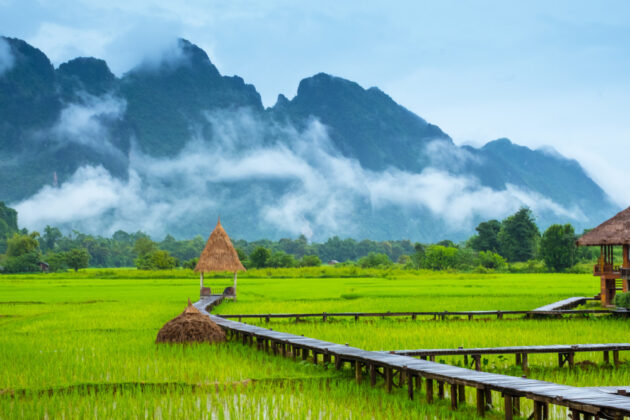
The wet season (May-October) brings lush green landscapes, more rain (potential for heavy afternoon storms), and higher water levels in rivers/caves, but some activities may be affected. It’s less crowded and cheaper.
Top Things to Do
Vang Vieng shines for nature-based adventures. Many travelers rent a motorbike or join organized tours (kayaking + caving + ziplining combos are popular and often include lunch).
Blue Lagoons: Swim in the turquoise waters of Blue Lagoon 1 (most popular and accessible), 2, 3, or others. They feature swings, small jumps, and relaxing spots amid karst scenery. Entry fees apply (around 10,000-20,000 Kip).
Caves: Explore Tham Chang (Elephant Cave—lit paths, views), Tham Poukham (near Blue Lagoon 1), Tham Nam (Water Cave for inner-tube floating), and others. Some involve short hikes or rafting inside.
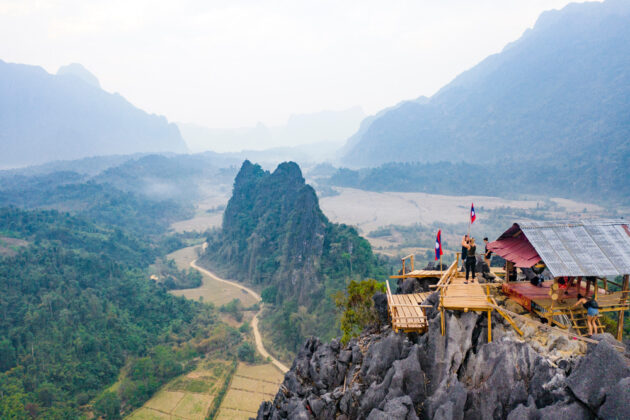
Viewpoints: Hike to Nam Xay Viewpoint for sweeping panoramas of the river and mountains (moderate effort, rewarding). Pha Ngern is another solid option, especially for sunset.
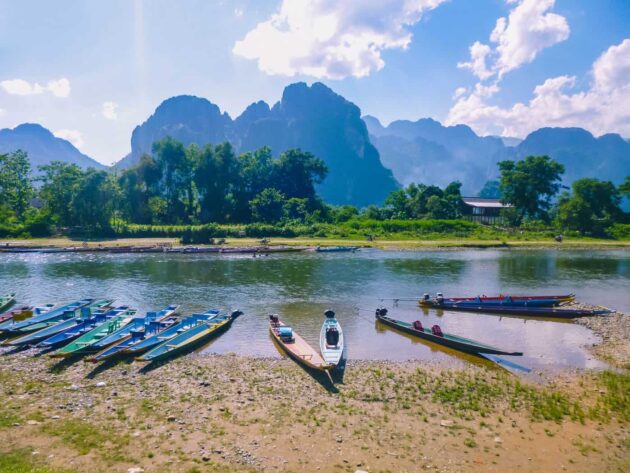
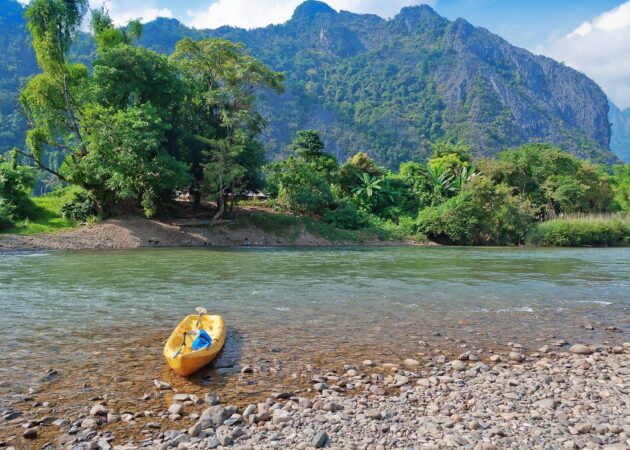
River Activities: Tubing on the Nam Song (relaxed float with optional bar stops—less wild than in the past; 3-5 hours). Kayaking (often combined with other activities).
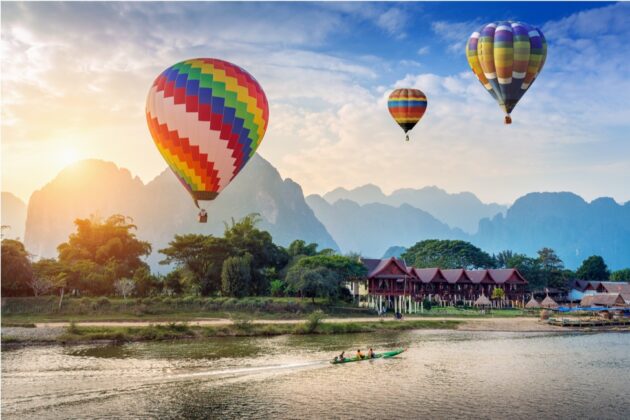
Adventure Options: Ziplining through jungle/karsts, rock climbing, paramotoring (powered paragliding for aerial views), hot air balloon rides at sunrise, or off-road buggy tours through the countryside.
Other: Visit Tham Chang Cave + nearby lagoon, cycle through rice fields, or simply relax riverside with the mountain backdrop.
Full-day guided tours (kayaking + cave tubing + zipline + lagoon) are widely available and convenient for first-timers.
Where to Stay
Accommodations range from budget guesthouses and hostels to riverside resorts.
Mid-range to upscale: Riverside Boutique Resort Vang Vieng (great views, pool, restaurant) and Amari Vang Vieng are frequently recommended for comfort and location.
Budget: Hostels and riverside bungalows cater to backpackers.
Many options sit along or near the river or main street for easy access to restaurants and tours.
Book in advance during peak dry season.
Food and Drink
Expect a mix of Lao, Thai, and Western options (pizzas, burgers, stir-fries). Local Lao food—grilled meats, sticky rice, fresh papaya salad (som tam), and river fish—is affordable and tasty. Riverside spots and the night market offer good value. Some places serve Lao BBQ.
Vegetarian/vegan options exist, though choices may be limited outside tourist-oriented eateries.
Practical Tips
Getting around: Rent a motorbike/scooter for flexibility (common and cheap), or use tuk-tuks/bicycles. Many activities require transport outside town.
Costs: Budget-friendly overall—meals $2-5, activities/tours $20-50+, entry fees low. ATMs are available, but carry some cash (Kip) for smaller spots.
Safety: Generally safe for tourists in main areas, but exercise caution with river activities (currents, rocks, alcohol). Choose reputable operators for adventures. Be aware of past incidents involving adulterated alcohol—stick to well-known venues and bottled drinks where possible. Standard travel precautions apply (secure belongings, avoid isolated areas at night if alone).
Health: Drink bottled water; use mosquito repellent. No major new health alerts specific to Vang Vieng as of 2026, but check current advisories.
Sustainability: Support eco-friendly operators; the area has shifted toward greener tourism.
Final Thoughts
Vang Vieng rewards 2-4 days: enough time for a mix of adventure and downtime enjoying the scenery. It pairs well with Vientiane (south) or Luang Prabang (north) on a Laos loop. Pack light layers, comfortable shoes for hiking, swimwear, and sunscreen.
If you’re into nature and light adventure without big-city hustle, it’s a scenic gem worth the stop. Safe travels!