
Saint-Louis Travel Guide (2026)
Saint-Louis (Ndar in Wolof) is one of West Africa’s most charming and historically rich destinations. Founded in the 17th century, it was the first French colonial capital in Africa and a major trading post. Its elegant colonial architecture, island setting on the Senegal River, vibrant music scene, and proximity to stunning natural reserves make it a unique and rewarding stop.
Why Visit Saint-Louis?
UNESCO World Heritage Site since 2000 for its unique blend of French colonial, Creole, and African architecture.
Relaxed, artistic atmosphere compared to busy Dakar.
Excellent base for birdwatching, desert excursions, and cultural experiences.
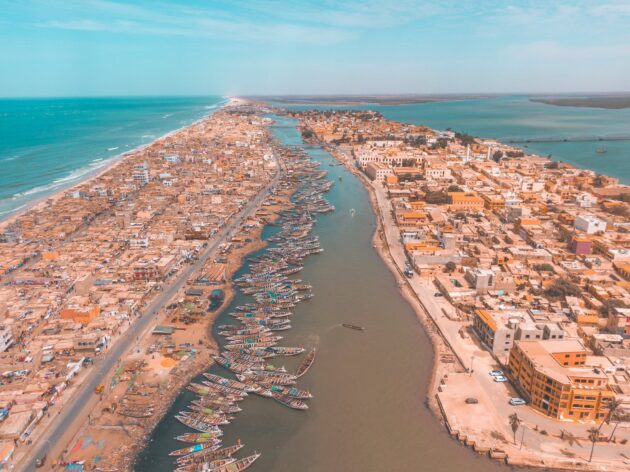
Known as the “Venice of Africa” due to its islands and canals.
Best Time to Visit
November to May (Dry Season): Ideal time. Pleasant temperatures (20–30°C/68–86°F), lower humidity, and perfect for birdwatching (especially January–March when millions of migratory birds arrive at Djoudj).
June to October (Rainy Season): Hotter and humid with occasional heavy rains. Fewer tourists but greener landscapes.
How to Get There
By Air: Fly into Saint-Louis Airport (XLS) (limited flights) or more commonly into Dakar Blaise Diagne International Airport (DSS). From Dakar, it’s about 4–5 hours by road.
From Dakar: Best option: 7-Place shuttle bus or private taxi (around 25,000–35,000 CFA one way). Sept-Place (shared taxi) from Gare Routière Pompiers. Organized day trips or private transfers available.
By Train: The historical train line is not reliable for passengers currently.
Top Attractions
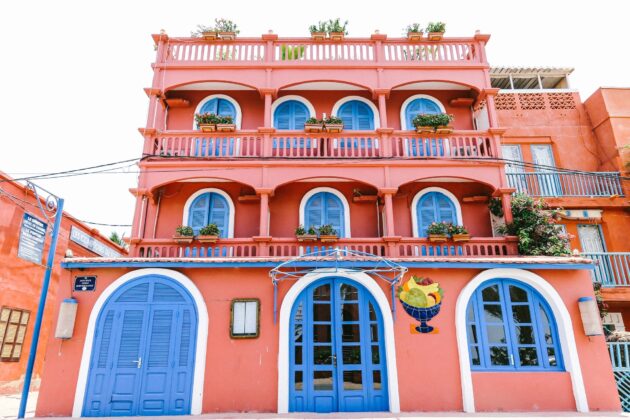
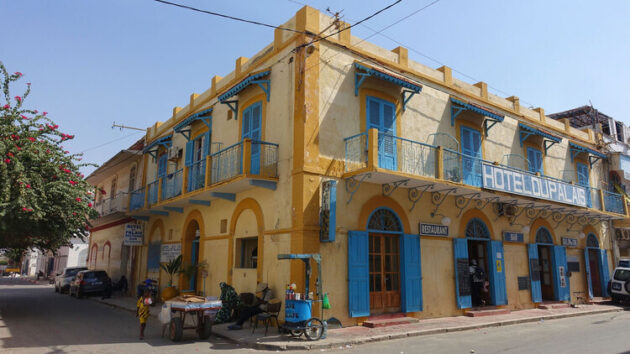
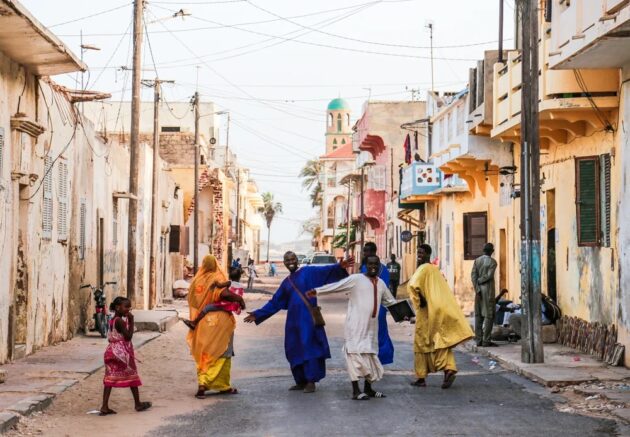
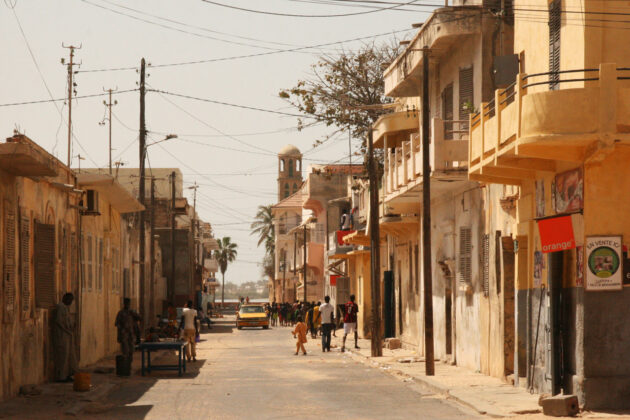
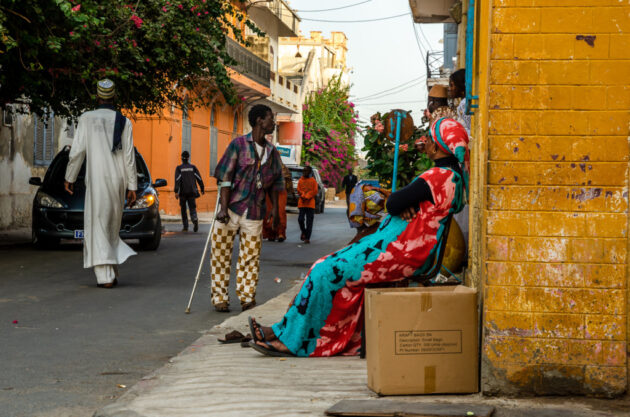
Saint-Louis Island (Île de Ndar): Walk the charming streets lined with colorful colonial buildings, wooden balconies, and old warehouses. Visit the Governor’s Palace, Cathedral of Saint-Louis, and the Musée du CRDS.
Faidherbe Bridge: Iconic 19th-century metal bridge connecting the island to the mainland. Beautiful at sunset.
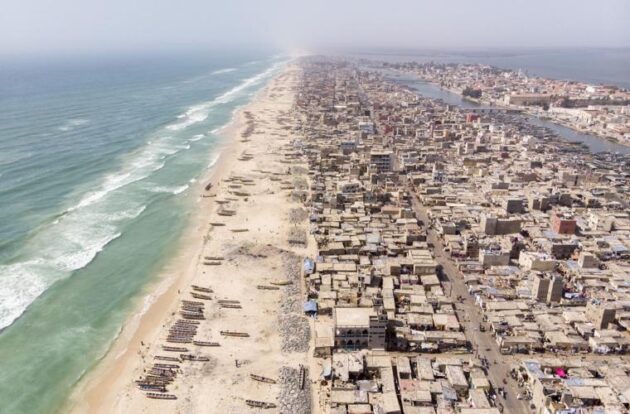
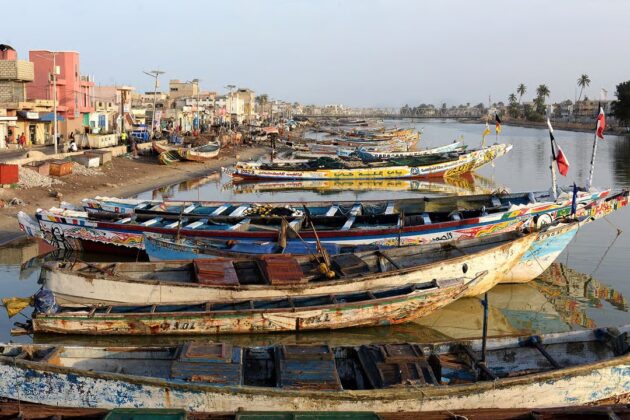
Guet N’Dar Fishing Village: Authentic Wolof fishing community on the Langue de Barbarie peninsula. Watch colorful pirogues and experience local life.
Hydrobase & Old Port: Great for photos and sunset walks.
Nearby:
Djoudj National Bird Sanctuary (60 km away): UNESCO site and one of the largest bird reserves in the world. Boat safaris to see pelicans, flamingos, herons, and crocodiles.
Langue de Barbarie National Park: Beautiful beaches, sand dunes, and the dramatic point where the Senegal River meets the Atlantic.
Richard Toll (1 hour away): Famous for the “Castle of the Baron Roger” and vast sugar cane fields.
Things to Do
Take a horse-drawn carriage (calèche) tour of the island.
Enjoy live music — Saint-Louis has a strong jazz and mbalax scene (check Institut Français events).
Boat trip on the Senegal River.
Visit local markets for crafts, fabrics, and jewelry.
Day trip to the Ferlo Desert or Lompoul Desert for camel rides and dunes (2–3 hours away).
Food & Drink
Senegalese cuisine is excellent here: Thiéboudienne (national dish: fish, rice, vegetables); Yassa (chicken or fish with onion-lemon sauce); Fresh seafood (grilled captain fish, shrimp, oysters); Ceebu Yapp (meat version of thiéboudienne).
Recommended spots: Le Flamingo or Le Bougainvillier for upscale Senegalese/French fusion. Chez Toubab or small riverside restaurants for authentic local meals. Street food: Try dibi (grilled meat) or accara (black-eyed pea fritters).
Where to Stay
Luxury/Boutique: La Maison Blanche, Hôtel de la Sorcière, or Roog Songo Eco-lodge.
Mid-range: Hôtel Pointe Sud, Gîte de l’Île.
Budget: Auberges and guesthouses on the island (many around 15,000–25,000 CFA/night).
Many hotels offer beautiful river views and colonial charm.
Getting Around
Walk on the island (very pedestrian-friendly).
Horse-drawn carriages or taxis for longer distances.
Motorbike taxis (very common).
Rent a bicycle or hire a private driver for day trips.
Practical Tips
Currency: West African CFA Franc (XOF). Cards accepted in some hotels/restaurants, but bring cash.
Language: French is official. Wolof is widely spoken. Basic English is limited outside tourist spots.
Safety: Generally safe for tourists, but use normal precautions (avoid walking alone at night in quiet areas, watch belongings in crowds).
Health: Drink bottled water. Use mosquito repellent (especially evenings). Yellow fever vaccination recommended.
Respect: Dress modestly when visiting religious sites. Ask before photographing people.
Suggested Itinerary
3 Days / 2 Nights:
Day 1: Arrive, explore Saint-Louis Island, Faidherbe Bridge, evening riverside walk.
Day 2: Morning boat trip to Djoudj Bird Sanctuary, afternoon in Guet N’Dar.
Day 3: Relaxed island walk, market visit, depart.
5+ Days: Add Langue de Barbarie beach time, a desert excursion, and more cultural experiences.
Final Thoughs
Saint-Louis offers a perfect mix of history, culture, nature, and relaxation. It’s less touristy than many African destinations but rich in authentic experiences.