
Seoraksan National Park Travel Guide (2026)
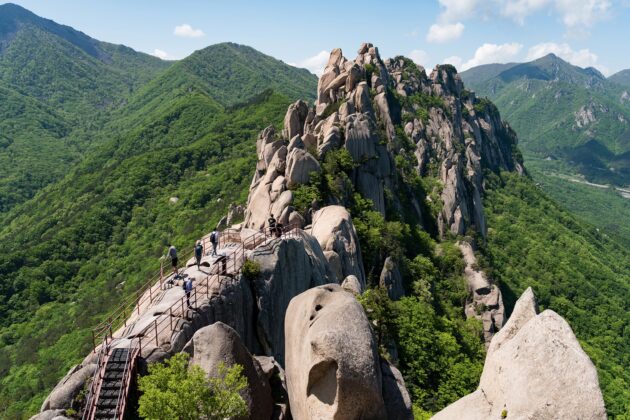
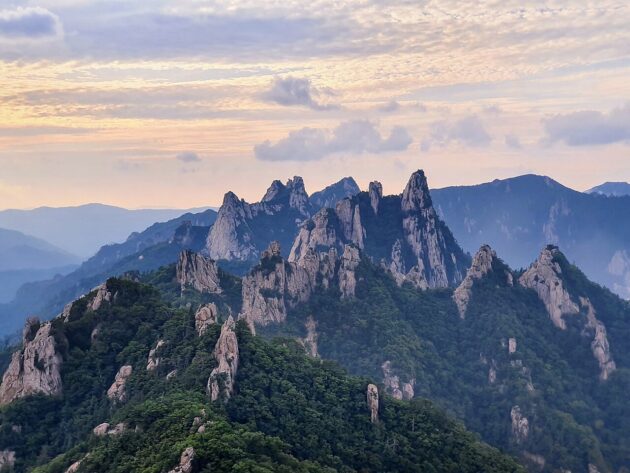
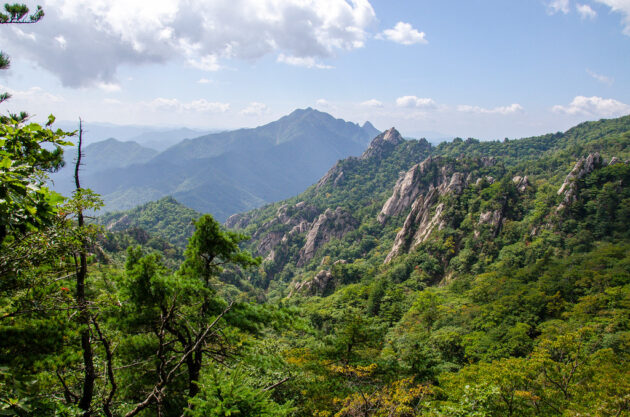
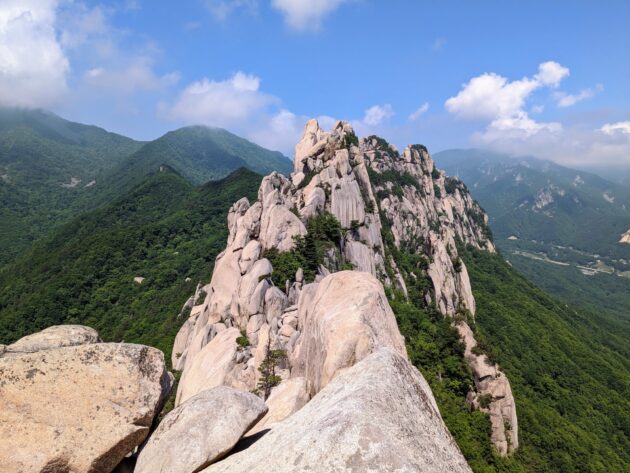
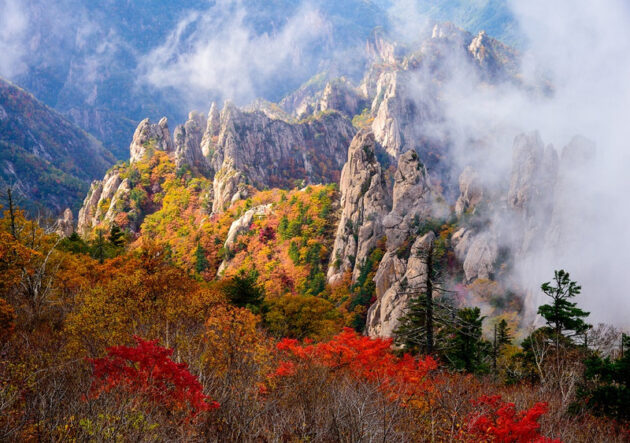
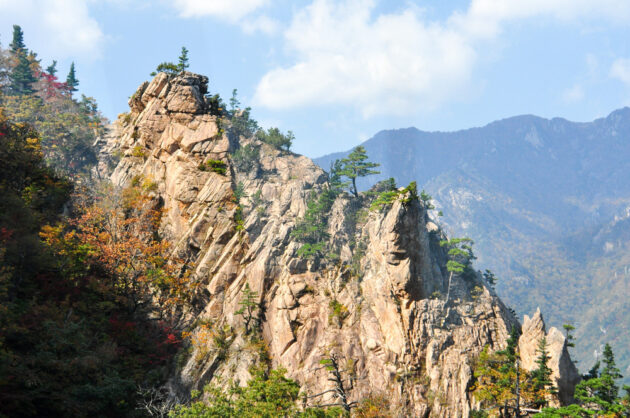
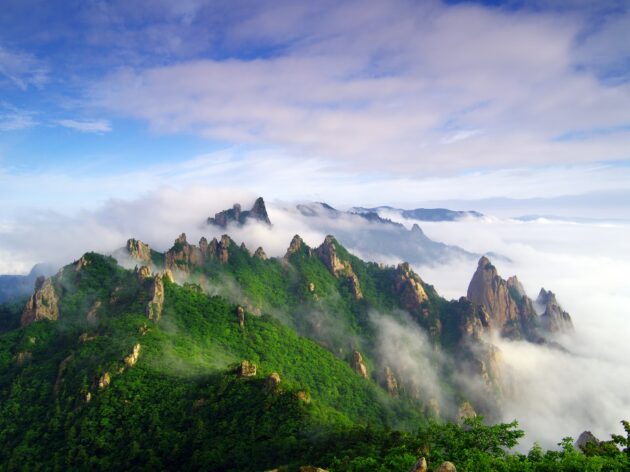
Seoraksan (설악산), often called Mount Seorak, is one of South Korea’s most stunning natural destinations and a UNESCO Biosphere Reserve. Known for its dramatic granite peaks, lush valleys, cascading waterfalls, ancient temples, and vibrant autumn foliage, it ranks as the country’s third-highest mountain range. The park spans over 154 square miles and offers something for everyone: easy walks, challenging hikes, cable car rides, and serene Buddhist sites.
Best Time to Visit
Autumn (September–November): Peak season for fiery red, orange, and yellow foliage. Trails get crowded, especially on weekends—book transport and accommodations early.
Spring (March–May): Mild weather, blooming flowers (azaleas and cherry blossoms), fewer crowds, and flowing waterfalls. Excellent for hiking.
Summer: Green landscapes and waterfalls, but hot and humid. Good for swimming in streams.
Winter: Snowy wonderland with fewer visitors; some trails may close due to ice or fire prevention periods. Check current conditions.
The park operates year-round (generally 6 AM–8 PM), but cable cars and certain trails adjust by season and weather.
How to Get There
Most visitors base in Sokcho (a coastal city) or near the main entrance.
From Seoul: Take an express bus from Seoul Express Bus Terminal or Dong Seoul Bus Terminal to Sokcho (2.5–3.5 hours, frequent departures, ~17,000–20,000 KRW). Buses can sell out, especially in peak season—book via apps like Kobus or Klook.
To the Park: From Sokcho Bus Terminal, take local bus #7 or #7-1 (20–45 minutes) to the main Sogongwon (Outer Seorak) entrance. Taxis are also available.
Alternatives: Rent a car for flexibility, or join a guided day tour from Seoul (convenient for first-timers). No direct trains to Sokcho/Seoraksan.
Tip: Start early to beat crowds and secure cable car tickets.
Top Attractions and Things to Do
Seorak Cable Car: A quick 5-minute ride to Gwongeumseong Fortress area with panoramic views. Round-trip tickets (~12,000 KRW for adults) sell out fast—buy on-site early. Not suitable for those with severe fear of heights.
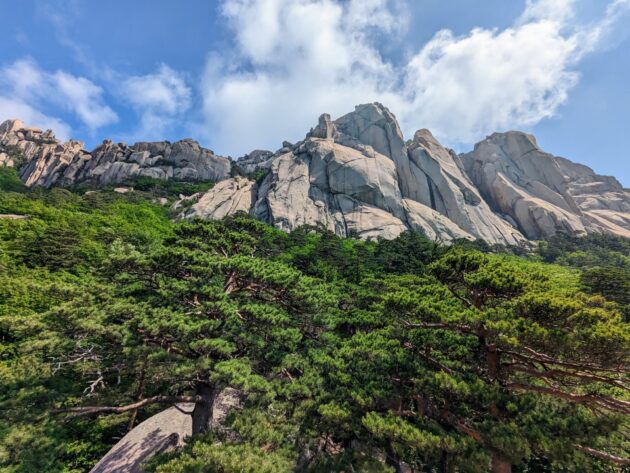
Ulsanbawi Rock: Iconic hike with massive boulders and epic views. Moderate difficulty; ~3–4 hours round trip from the main entrance.
Biryeongpo Waterfall & Yukdam Falls: Easier valley walks along streams and forests.
Biseondae (Flying Fairy) Peak: Scenic rock formations.
Dinosaur Ridge (Gongryong Ridge): Challenging but rewarding ridge hike with stunning vistas (advanced hikers).
Temples: Visit Sinheungsa Temple (one of Korea’s oldest) for cultural insight and peaceful vibes.
Other: Gwongeumseong Fortress ruins, mountain shelters for multi-day treks, and wildlife spotting.
Hiking Tips: Trails range from easy (waterfall paths) to strenuous (to Daecheongbong Peak, the highest at ~1,708m). Wear good shoes, bring water/snacks, and check trail statuses (some close seasonally for safety/fire prevention). Download offline maps or use the park app.
Where to Stay
Near the Park (Seorakdong): Convenient for early hikes. Options include Kensington Hotel Seorak (4-star, closest to entrance, mountain views) or budget resorts/guesthouses like Smile Resort.
Sokcho City: More restaurants, beaches, markets, and nightlife. Great base with easy bus access (e.g., hotels near the beach or bus terminal). Recommended for comfort and variety.
Book ahead for autumn and weekends.
Food and Drink
Near the Park: Simple Korean meals—bibimbap, noodle soups, or mountain vegetable dishes at park restaurants.
Sokcho Specialties: Fresh seafood (e.g., squid sundae—stuffed squid), hoe (raw fish), and abalone. Try the Sokcho Traditional Market or waterfront spots.
Other: Makgeolli (rice wine) pairs well with local fare. Vegetarian/vegan options exist but are limited—plan ahead.
Practical Tips
Entrance Fee: Generally free or low-cost for main areas (check for specific trails or cable car).
What to Bring: Comfortable layered clothing, rain jacket, sturdy hiking boots, sunscreen, hat, reusable water bottle, cash (some spots limited cards), and a T-Money card for buses.
Crowds: Weekdays are quieter. Autumn weekends are very busy.
Safety: Stay on marked trails, respect wildlife (bears exist but rare sightings), and monitor weather for sudden changes.
Language: English signage is limited; Google Translate or a translation app helps. Locals are friendly.
Sustainability: Follow Leave No Trace principles—pack out trash and stay on paths.
Final Thoughts
Seoraksan rewards those who take the time to explore its trails and soak in the scenery. Whether for a day trip or multi-day adventure, it’s a highlight of any South Korea itinerary. Safe travels and enjoy the mountains! 🏔️