

Edmund Pettus Bridge Travel Guide (2026)
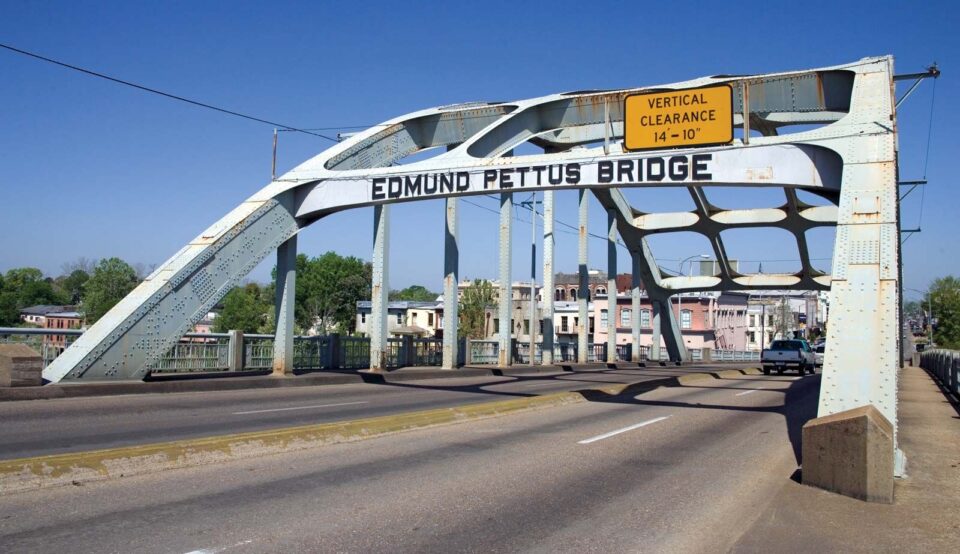
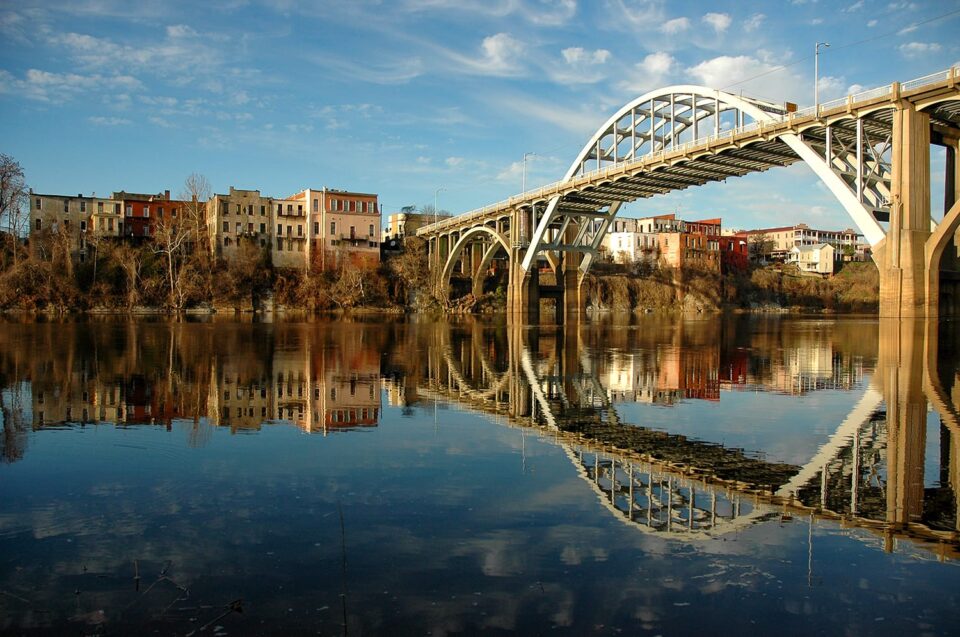
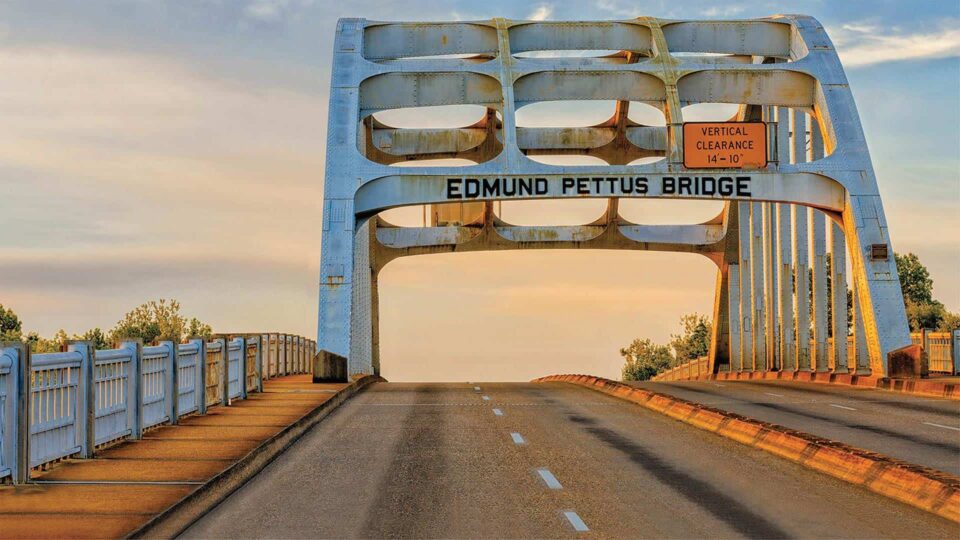
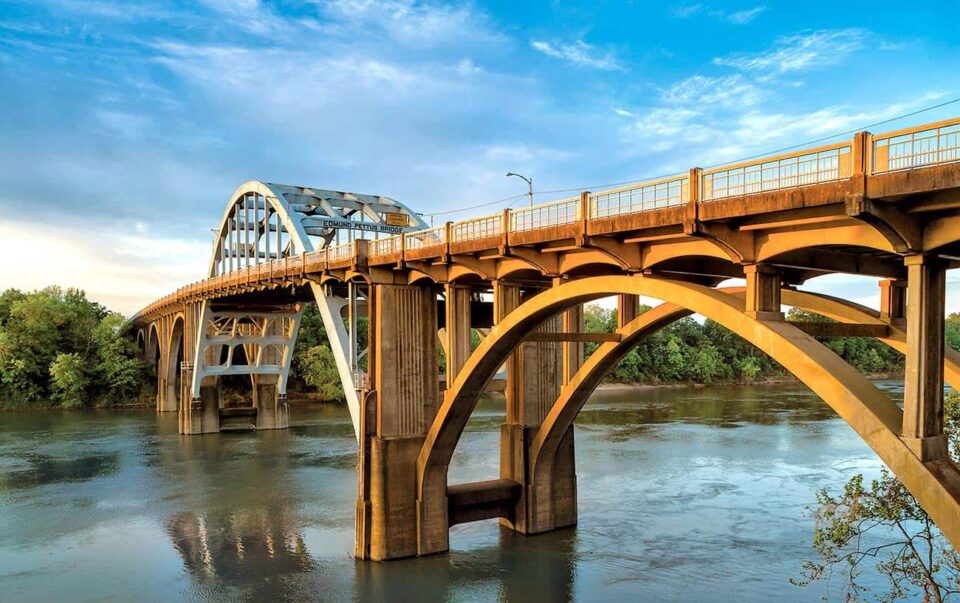
The Edmund Pettus Bridge in Selma, Alabama, is where roughly 600 voting-rights marchers were beaten by state and local police on Bloody Sunday, March 7, 1965 — an event that shocked the nation and helped produce the Voting Rights Act of 1965. The bridge is part of the Selma to Montgomery National Historic Trail, and its arch over the Alabama River is one of the most recognizable symbols of the civil rights movement. Its most irreplaceable experience is walking the bridge itself, following the same crossing the marchers attempted.
Why It Is Worth Visiting
The bridge carries one of the defining moments of the civil rights movement. On March 7, 1965, some 600 marchers heading east out of Selma on U.S. Route 80 were stopped six blocks from the start, at the Edmund Pettus Bridge, where lawmen attacked them with clubs and tear gas and drove them back into Selma. Two days later King led a symbolic march to the bridge, and on March 21 about 3,200 marchers set out again, walking the 54 miles to the state capitol in Montgomery, where they arrived 25,000 strong on March 25. Less than five months later, President Lyndon Johnson signed the Voting Rights Act of 1965. The bridge is an official National Historic Trail site and was designated an “All-American Road,” and walking across it connects you directly to that history.
DananaGo’s read is that the bridge’s power comes from its ordinariness: it is a working road bridge over the Alabama River, and that ordinary setting makes the events of Bloody Sunday land harder than any museum display.
DananaGo’s verdict: This is a Secondary Attraction (state-level recommendation) — an Alabama B-grade stop worth a detour when time allows. The reasons are concrete: it is the site of one of the civil rights movement’s most famous events, it is on the National Historic Trail, and walking the bridge is free and immediate. It suits civil-rights and American-history travelers, students, and anyone tracing the movement. A reasonable stay is 30–60 minutes to walk the bridge and read the interpretive markers. Travelers with no interest in civil rights history can skip it; for those tracing the movement, it is an essential stop alongside the Selma to Montgomery Trail.
What to Experience
Walking the Bridge
Cross the Edmund Pettus Bridge on foot, following the same route the marchers took. The bridge is a working road crossing, and walking its span over the Alabama River brings the history to the ground you stand on.
The Interpretive Markers
The bridge and its surroundings carry interpretive markers that tell the story of Bloody Sunday, the two later marches, and the Voting Rights Act that followed. Take the time to read them before or after the crossing.
Connecting to the Selma to Montgomery Trail
The bridge is the starting point of the Selma to Montgomery National Historic Trail, which runs 54 miles to the state capitol in Montgomery. Even a short visit to the bridge can connect to the larger story of the march route.
Plan Your Visit
| Address | The Edmund Pettus Bridge crosses the Alabama River on U.S. Route 80 in Selma, AL 36701 |
|---|---|
| Recommended time | 30–60 minutes to walk the bridge and read the markers |
| Hours | The bridge is a public road crossing, open at all times; interpretive sites follow their own hours |
| Admission | Free; the bridge and its markers are open to the public |
| Best time | Any daylight hour; early morning for quieter crossings |
| Getting there | In downtown Selma, on U.S. Route 80 at the Alabama River; the Selma interpretive center is nearby |
Check the official website for current opening hours, admission prices, reservations, and key visitor policies.
A Focused Visit Route
Start at the foot of the bridge on the Selma side and read the interpretive markers that set the scene of Bloody Sunday. Walk across the bridge over the Alabama River, pausing at the center to take in the crossing. Continue to the far side and turn back, or connect to the Selma to Montgomery Trail’s interpretive sites in town. The crossing itself takes only minutes, but the visit rewards time with the markers and the surrounding history.
DananaGo Tips
- Walk the bridge — the crossing is the essential experience, not just the view.
- Combine the bridge with the nearby Selma to Montgomery Trail interpretive center for the fuller story.
- Visit in March for the annual Bridge Crossing Jubilee that commemorates the events.
- The bridge is a working road; be aware of traffic and cross on the pedestrian walkway.
Explore More of Alabama
Alabama has more to offer beyond the bridge — use the state map below to find other sites worth your time.