
Horseshoe Bend National Military Park Travel Guide (2026)
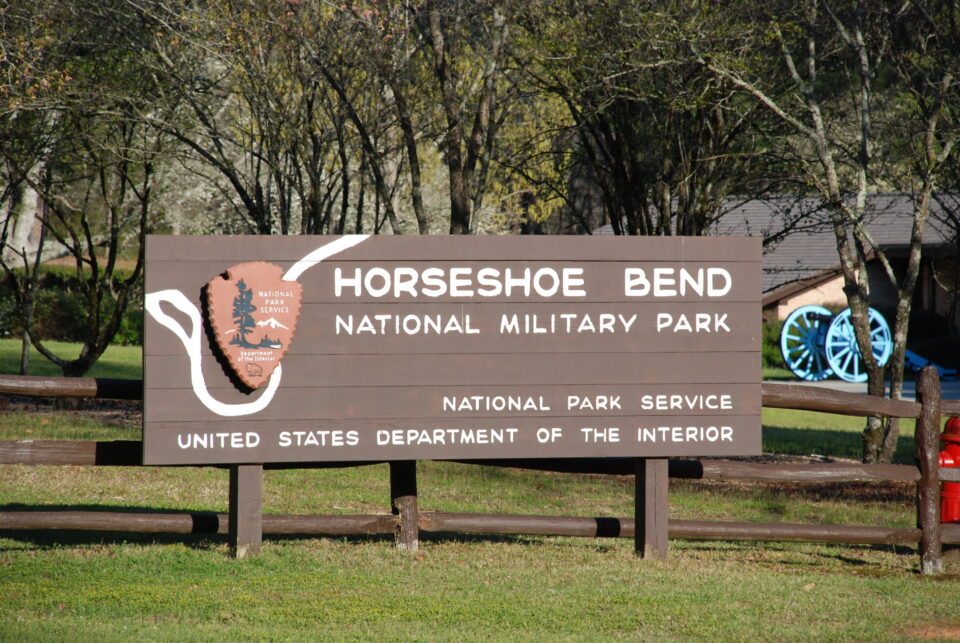
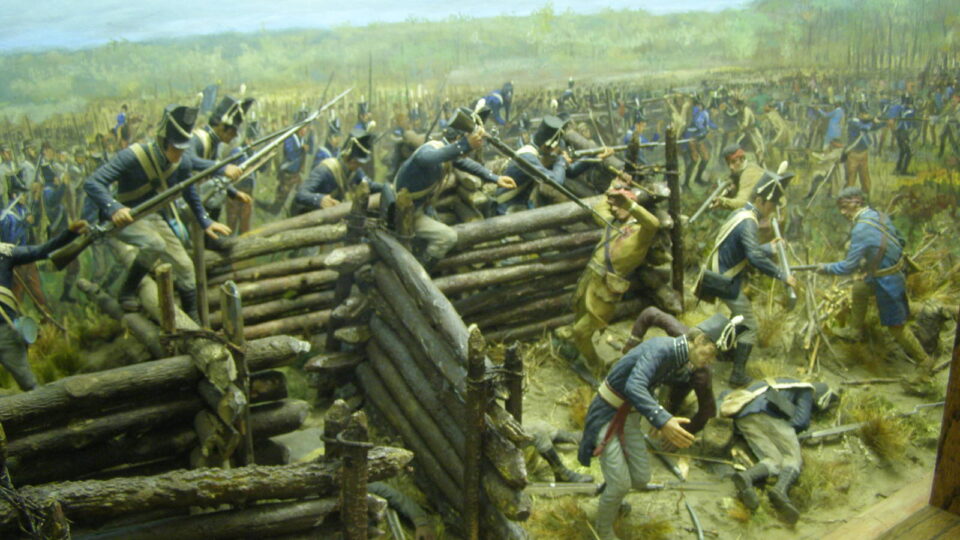
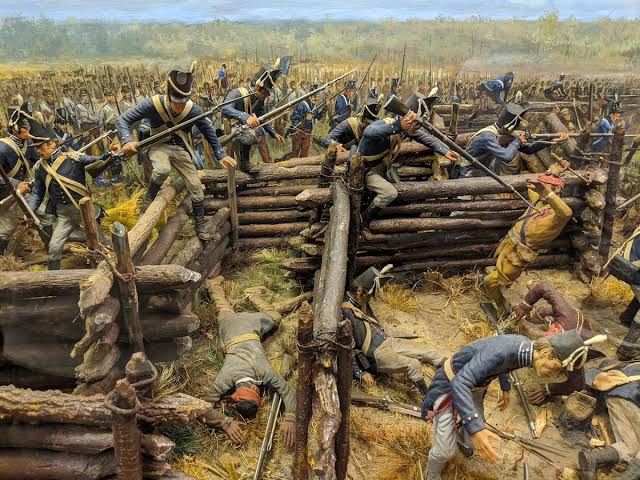
Horseshoe Bend National Military Park preserves the battlefield where, on March 27, 1814, Major General Andrew Jackson’s army of 3,300 men attacked about 1,000 Red Stick Creek warriors fortified in a horseshoe-shaped bend of the Tallapoosa River. The battle ended the Creek War, forced a land cession of 23 million acres, and made Jackson a national hero. Its most irreplaceable experience is standing on the actual battlefield — a quiet riverside landscape where the site of one of the Creek War’s defining battles remains open and undeveloped.
Why It Is Worth Visiting
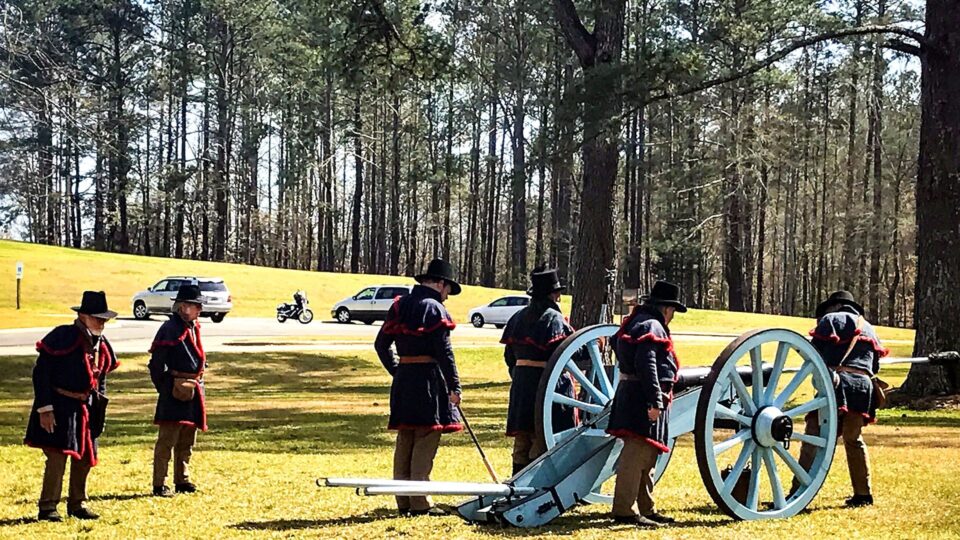
The park preserves the ground of a battle that reshaped the American Southeast: more than 800 Red Sticks died on March 27, 1814, in the engagement that ended the Creek War and led to the cession of 23 million acres to the United States. The National Park Service interprets the battle at the visitor center, then opens the battlefield itself to visitors — a 2.8-mile trail through the park, a self-guided driving tour, and the site of the battle lines along the river. The park is deliberately quiet and uncommercialized, which makes the history land with more force: you walk the same ground where the battle was fought. Admission is free.
DananaGo’s read is that Horseshoe Bend works best as a history walk: the visitor center provides the context, and then the park’s trails and riverbank put you inside the battlefield’s setting in a way a museum cannot.
DananaGo’s verdict: This is a Secondary Attraction (state-level recommendation) — an Alabama B-grade stop worth a detour when time allows. The reasons are concrete: it is the site of a decisive Creek War battle, it is a National Park Service unit with full interpretation, and its free 2.8-mile trail makes the battlefield walkable. It suits military-history and Native American history travelers, students, and hikers. A reasonable stay is 2–3 hours for the visitor center and the trail. Travelers with no interest in history or the outdoors can skip it; for those tracing the Creek War or Jackson’s rise, it is the essential battlefield.
What to Experience
The Visitor Center and the Battle Story
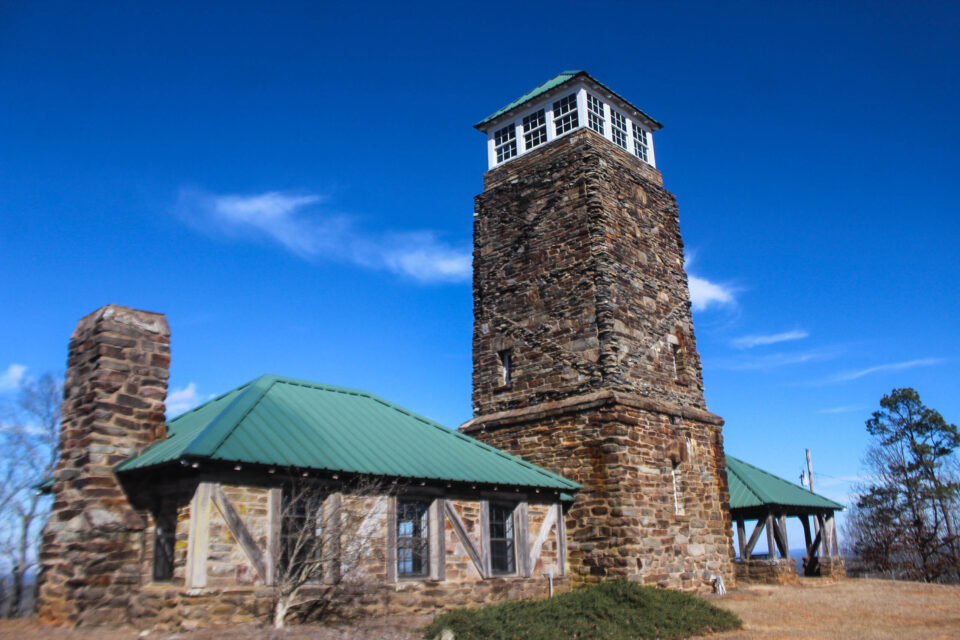
The park’s visitor center interprets the battle: the forces involved, the Creek War’s causes and consequences, and the land cession that followed. It gives the context that makes the battlefield meaningful, including the perspectives of the Red Stick Creek defenders.
The 2.8-Mile Battlefield Trail
The park’s main trail runs 2.8 miles through the battlefield, along the river and past the key sites of the fight. It is the way to experience the ground firsthand, and the quiet landscape carries the weight of the history.
The Self-Guided Driving Tour
For visitors who want the battlefield without the full hike, the park offers a self-guided driving tour that reaches the key sites by road, with interpretive stops along the way.
Plan Your Visit
| Address | 11288 Horseshoe Bend Road, Daviston, AL 36256 |
|---|---|
| Recommended time | 2–3 hours for the visitor center and the battlefield trail |
| Hours | The park is open during daylight hours year-round; the visitor center keeps daily hours — check the current schedule |
| Admission | Free; no entrance pass required |
| Best time | Spring and fall for mild walking weather |
| Getting there | Near Daviston in east-central Alabama, off Highway 49; the park is reached by road from the surrounding towns |
Check the official website for current opening hours, admission prices, reservations, and key visitor policies.
A Focused Visit Route
Start at the visitor center to understand the battle — the forces, the causes, and the consequences. Then walk the 2.8-mile trail through the battlefield, following the river and the key sites of the fight. If you prefer the road, take the self-guided driving tour instead. The visit works best as a history-first, ground-second sequence: the visitor center makes the walk meaningful.
DananaGo Tips
- Start at the visitor center before walking the trail; the battle context is essential to the experience.
- Wear comfortable shoes — the 2.8-mile trail is the park’s best experience.
- Take the driving tour if the full hike is too much; it reaches the key sites by road.
- Combine the park with a visit to the nearby towns for a fuller east-central Alabama day.
Explore More of Alabama
Alabama has more to offer beyond the battlefield — use the state map below to find other sites worth your time.