
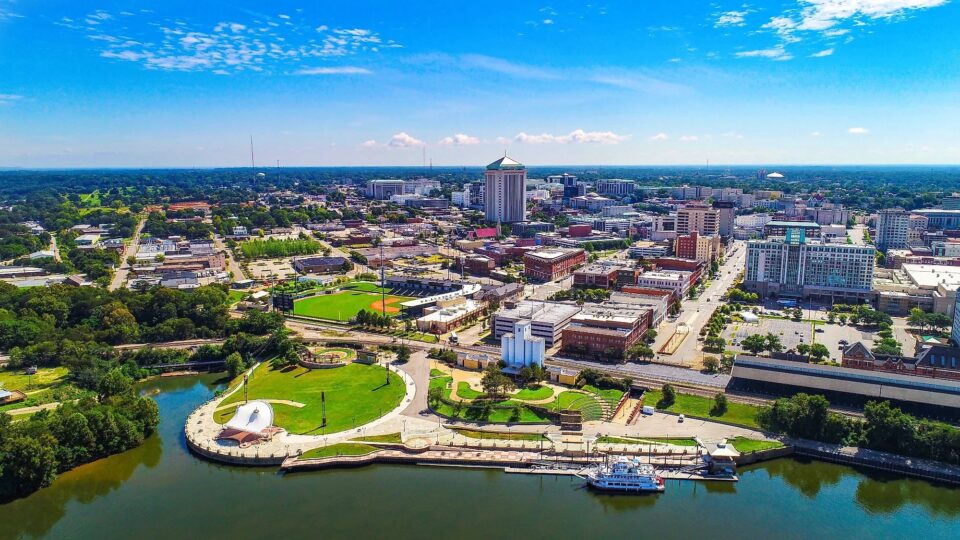
Montgomery Travel Guide (2026)
Montgomery is the city where American civil rights history is densest: the Legacy Sites built by the Equal Justice Initiative, the church where Martin Luther King Jr. preached, and the state capitol steps where the Selma-to-Montgomery march ended in 1965 all sit within a compact downtown. The city’s core experience is a demanding but essential day of American history — the National Memorial for Peace and Justice and the Legacy Museum first, then the church and the capitol on foot. Montgomery asks you to confront the country’s racial history head-on, and it rewards the visitors who take the time to do it properly.
Why Montgomery?
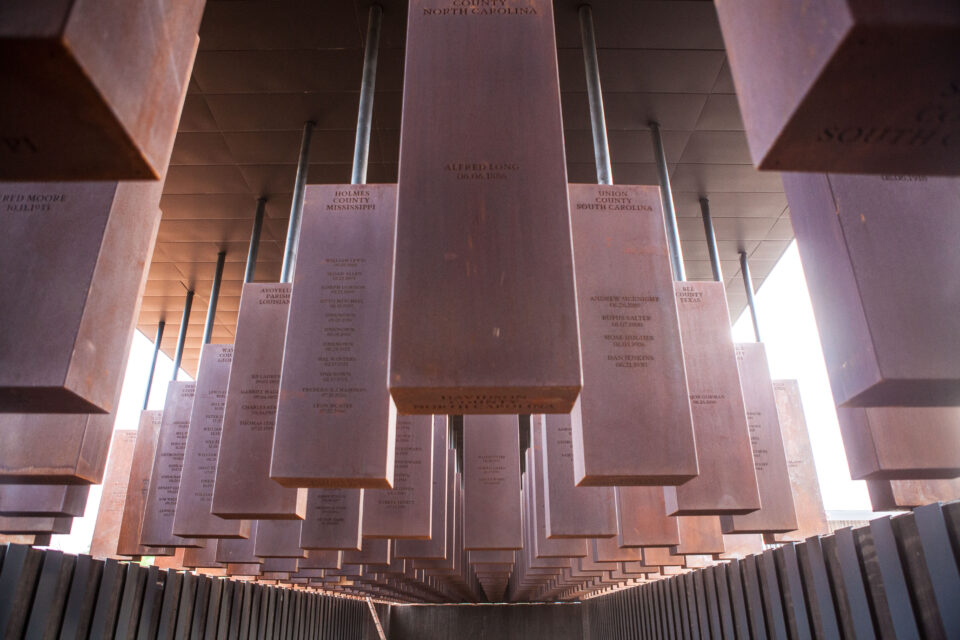
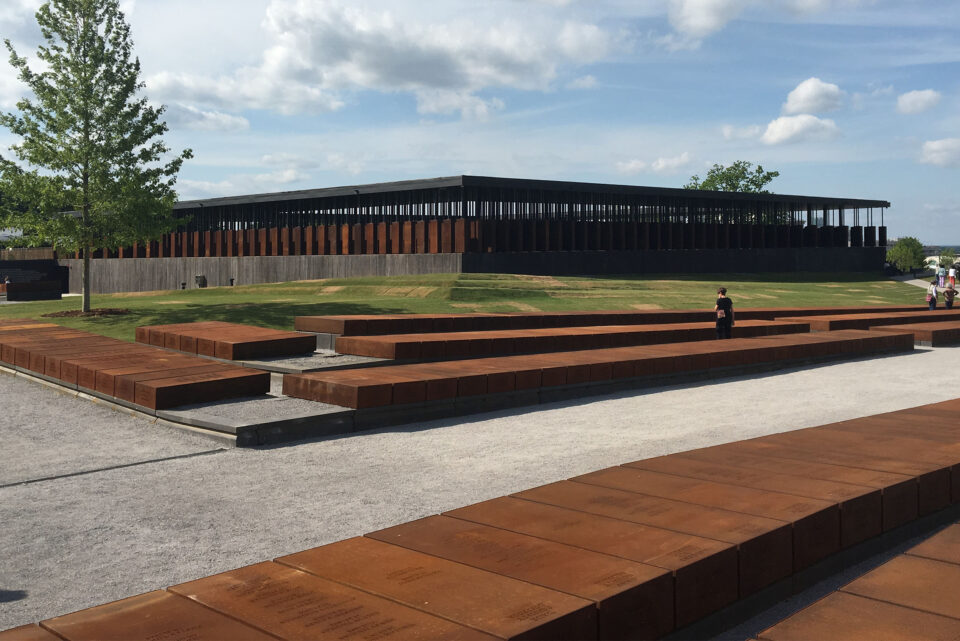
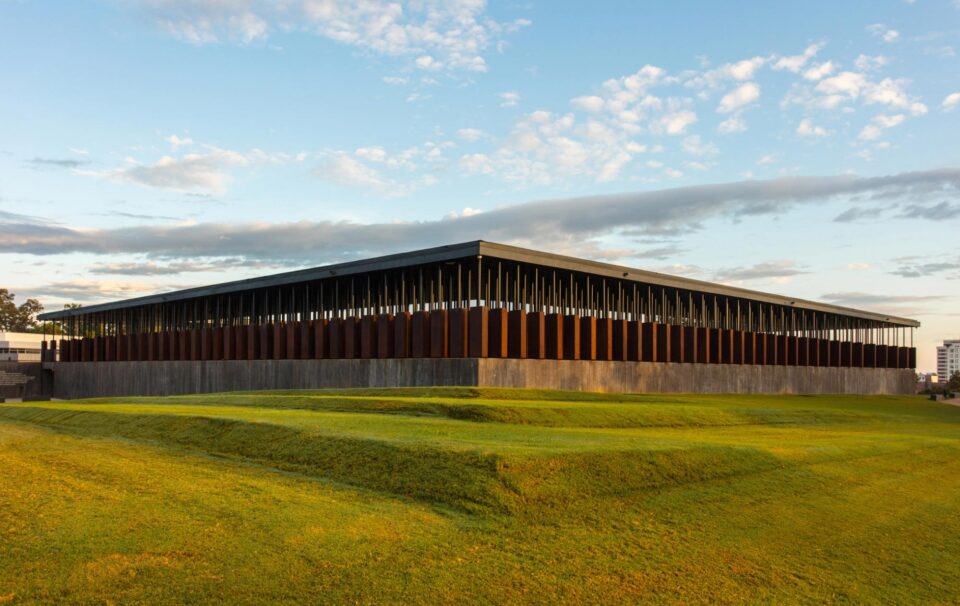
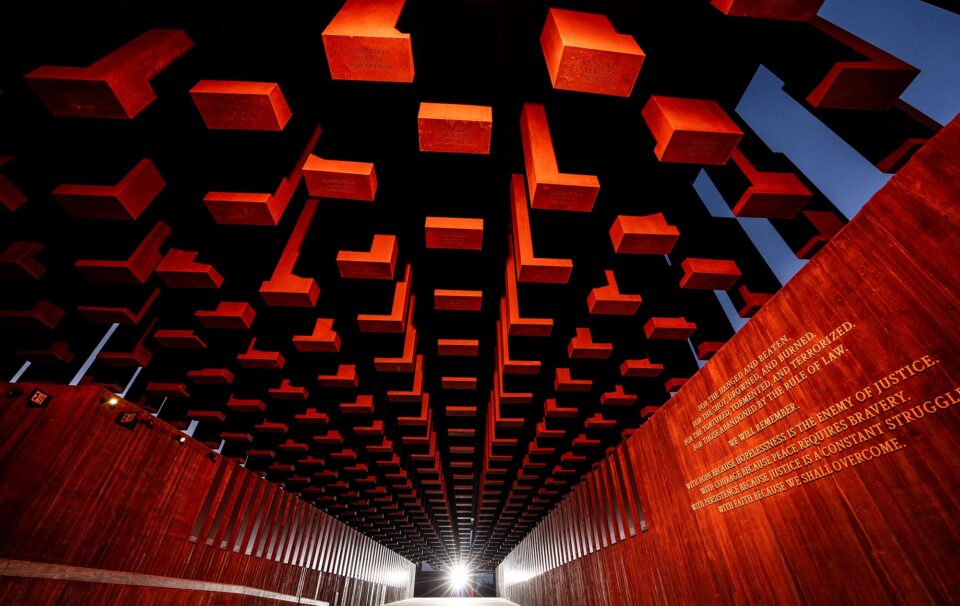
- The Legacy Sites are the country’s first comprehensive lynching memorial. More than 800 steel columns name over 4,400 victims of racial terror lynching, and the adjacent Legacy Museum traces four centuries of racial inequality. No other city has anything like it, and no amount of reading substitutes for walking the memorial.
- The civil rights sites sit in one walkable downtown. The Legacy Museum, the memorial, Dexter Avenue King Memorial Baptist Church, and the state capitol — where the 1965 march ended with King addressing some 25,000 people — all connect within the city center.
- The church where King preached is still a working church. Dexter Avenue, where King served as pastor from 1954 to 1960, remains an active congregation, which gives the visit a weight no museum can reproduce.
- The capitol joins two defining moments. The building where the Confederacy was organized in 1861 is the same building whose steps saw the 1965 march end — a rare double history in one site.
DananaGo’s verdict: Montgomery suits history travelers, students, and anyone who wants to engage seriously with American civil rights history. Plan 2 days: one full day for the Legacy Sites (the museum alone needs 2–3 hours, the memorial 1–2 more), and a second day for the church, the capitol, and the surrounding downtown. Travelers who prefer to avoid heavy subject matter should weigh that before visiting; for everyone else, this is one of the most important stops in the American South.
Top Attractions
National Memorial for Peace and Justice & Legacy Museum
Primary Attraction
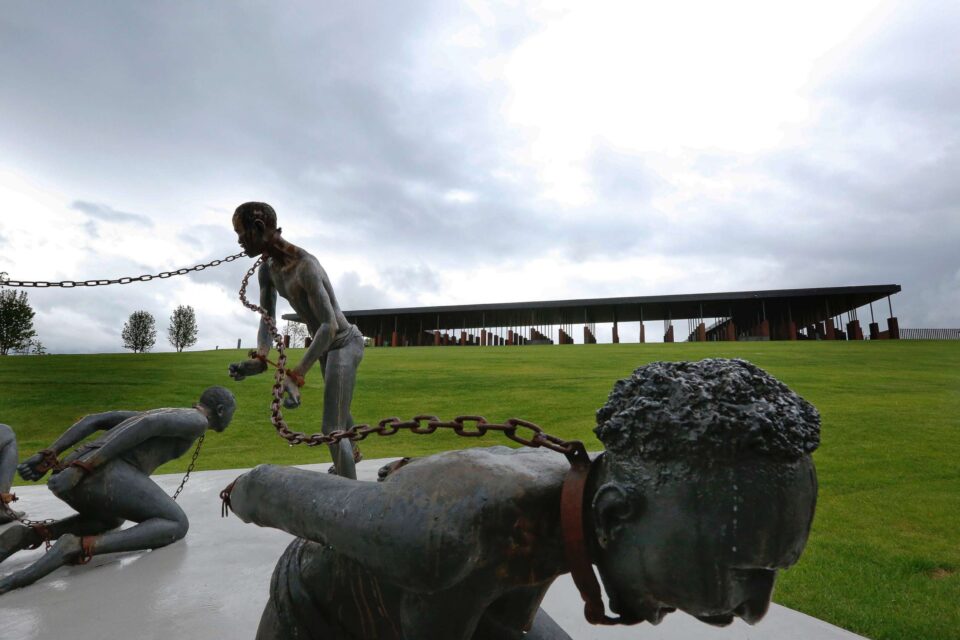
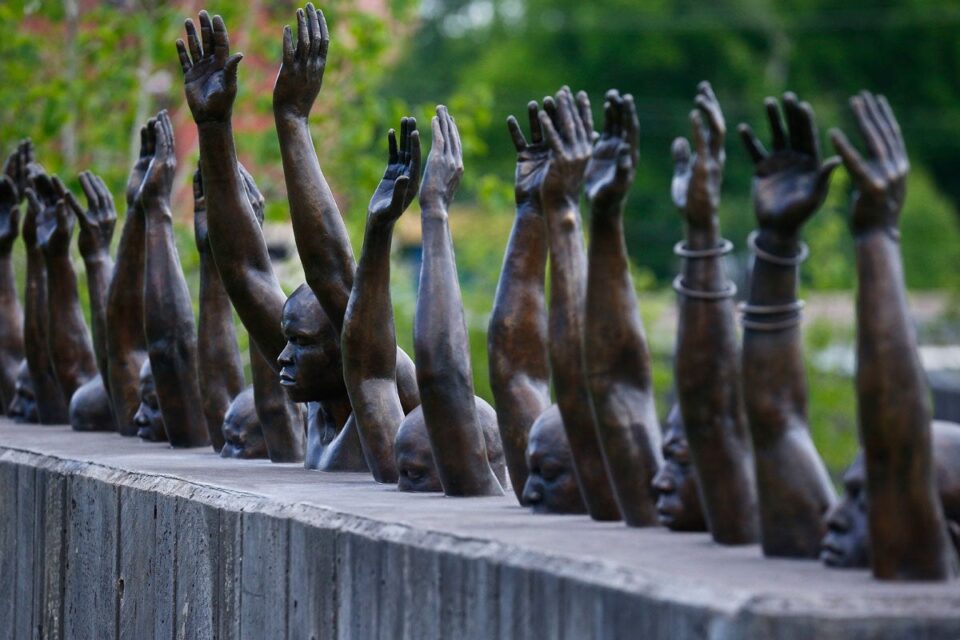
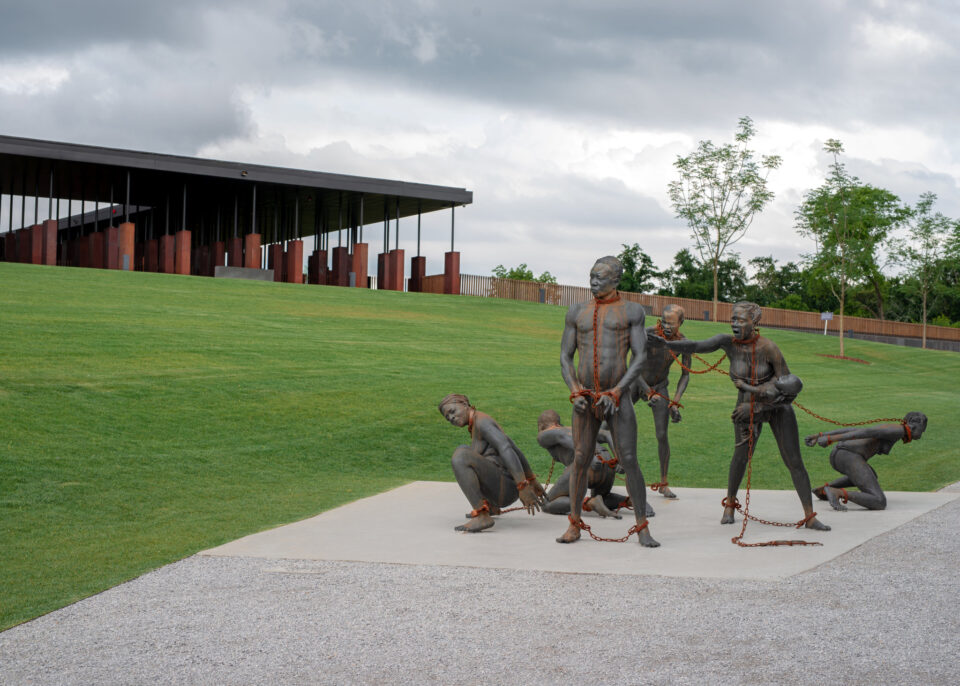
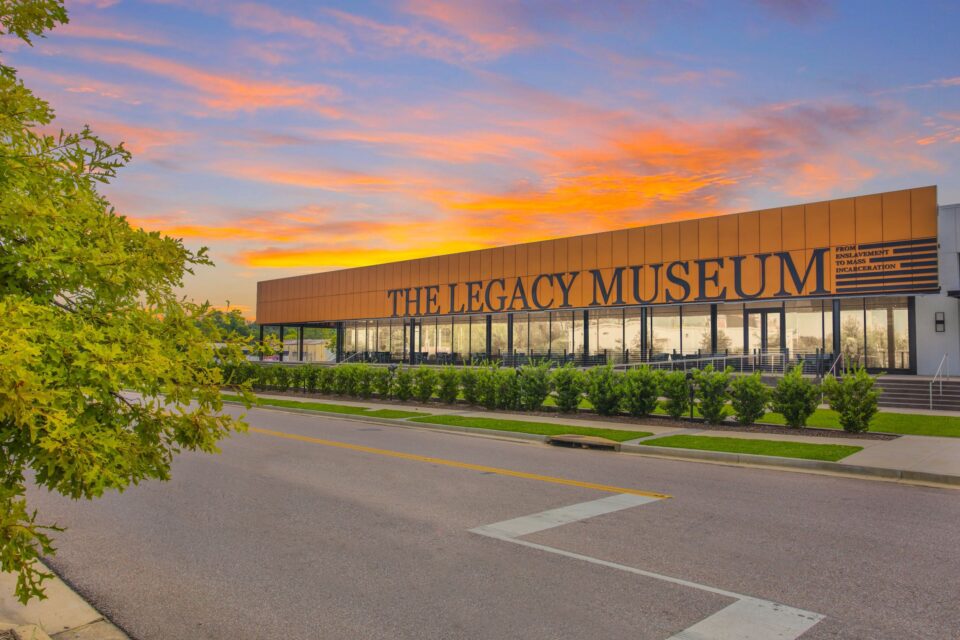
The essential Montgomery experience: the country’s first comprehensive memorial to racial terror lynching, with more than 800 columns naming over 4,400 victims, and a museum tracing four centuries of inequality. Start here and give it the time it demands.
Alabama State Capitol
Secondary Attraction
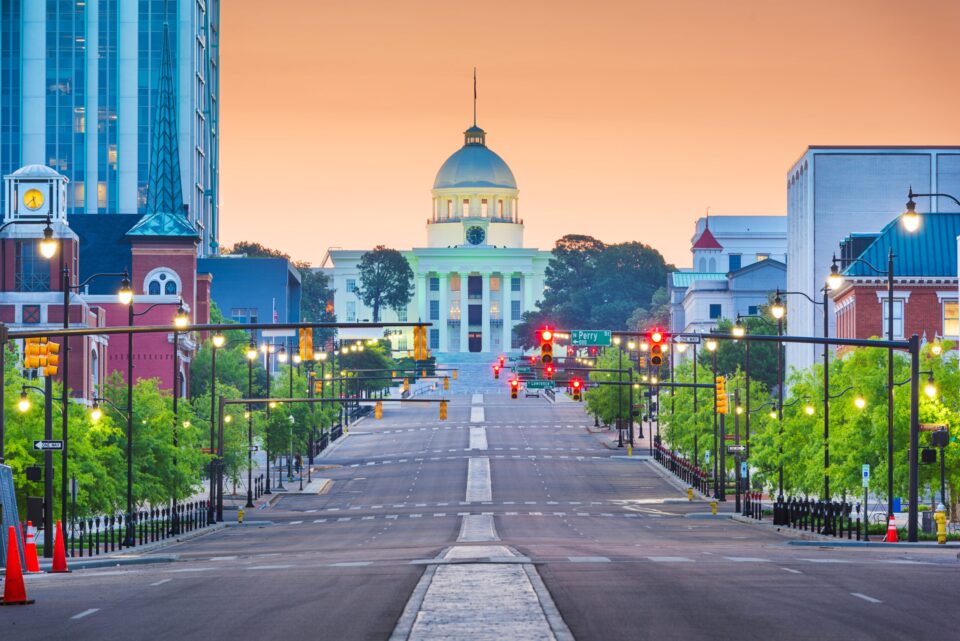
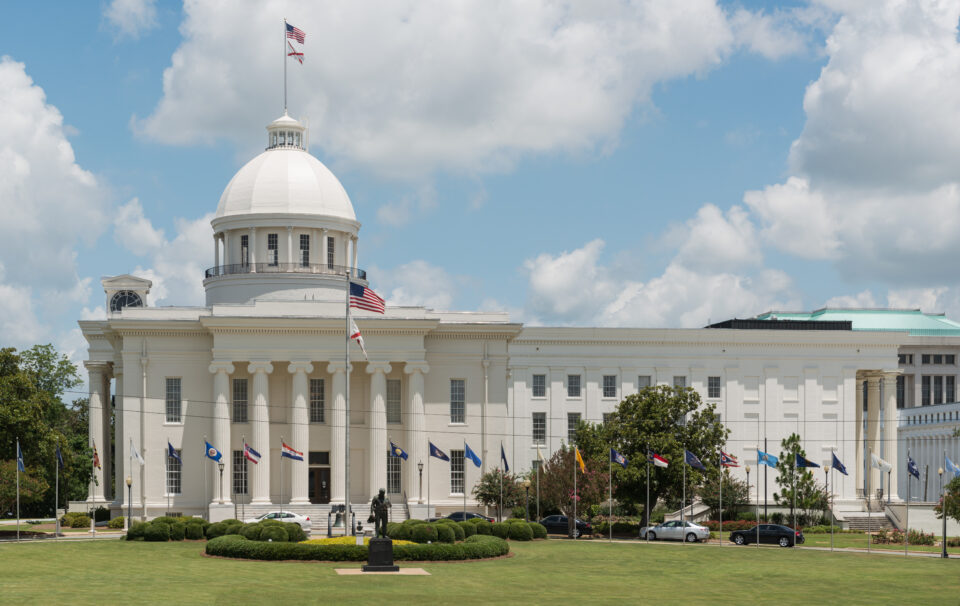
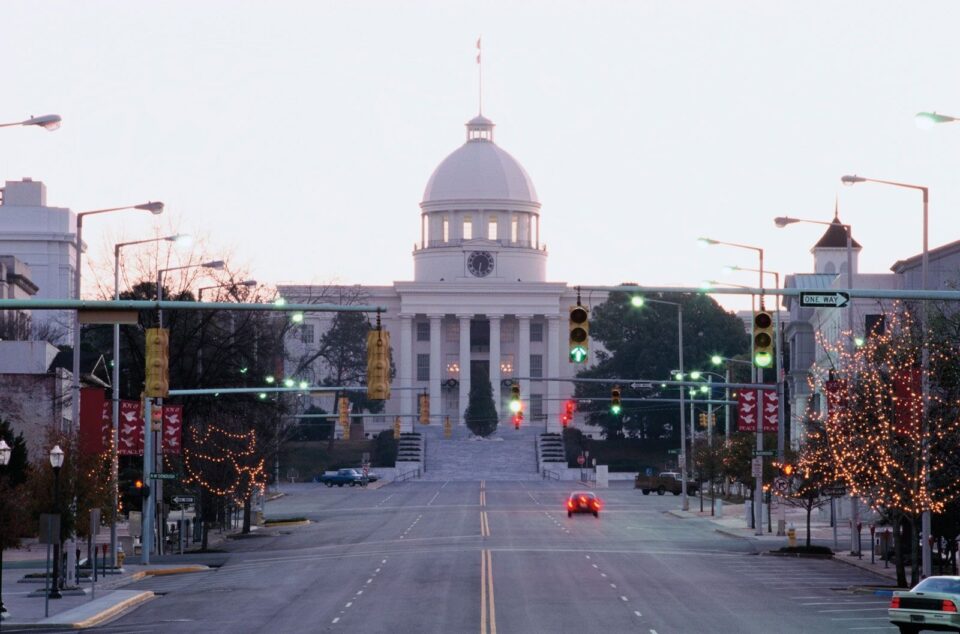
The building where the Confederacy was organized in 1861 and where the 1965 Selma-to-Montgomery march ended on the steps. The double history is visible from the portico alone.


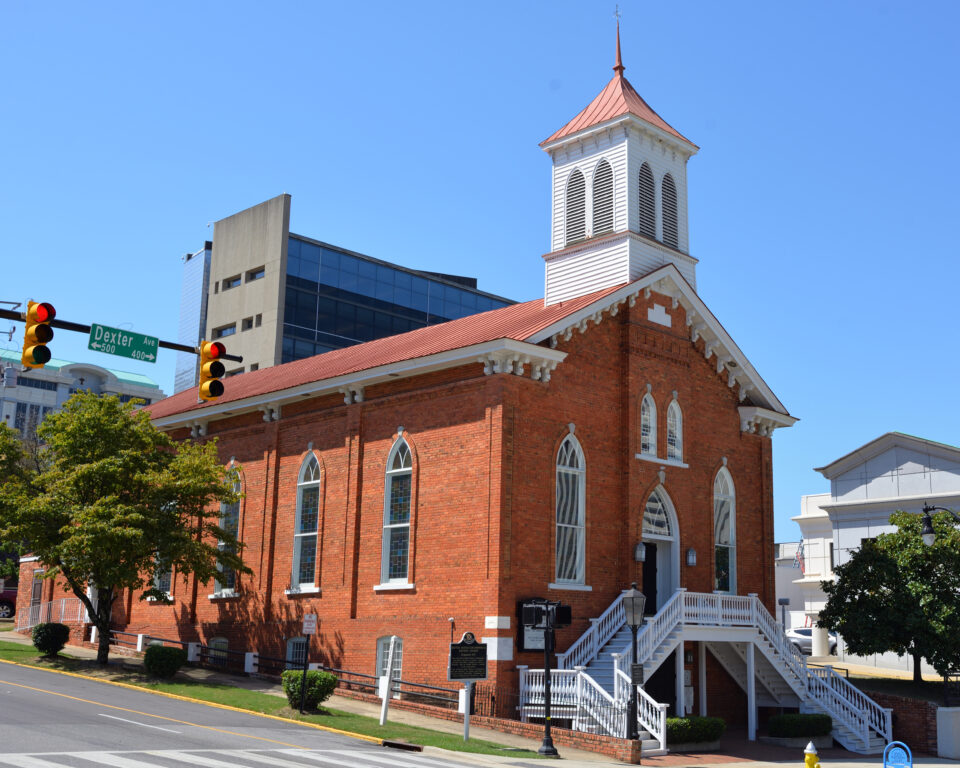
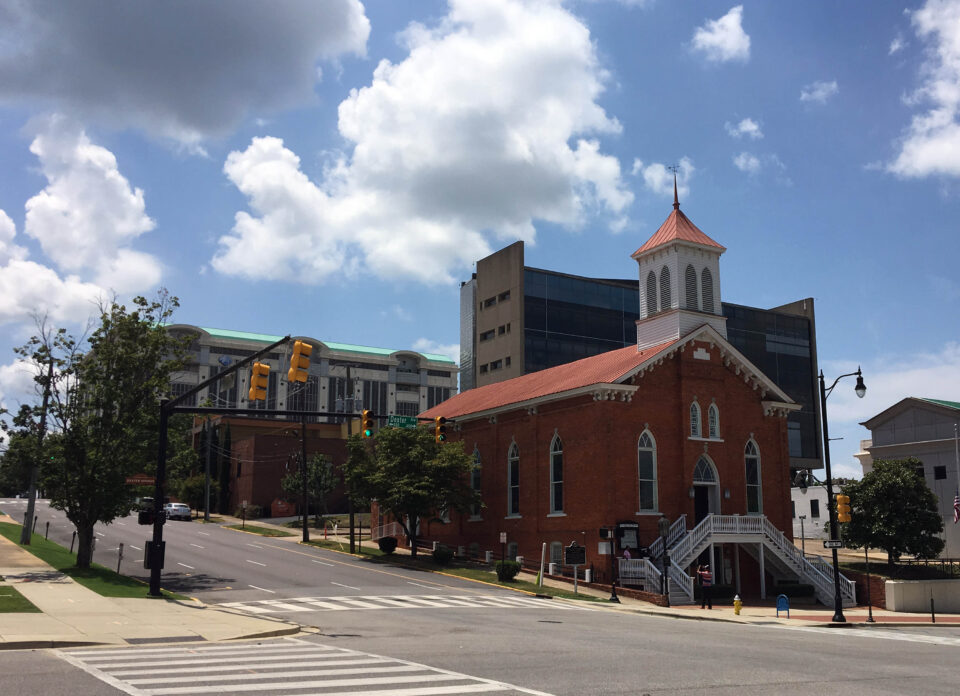
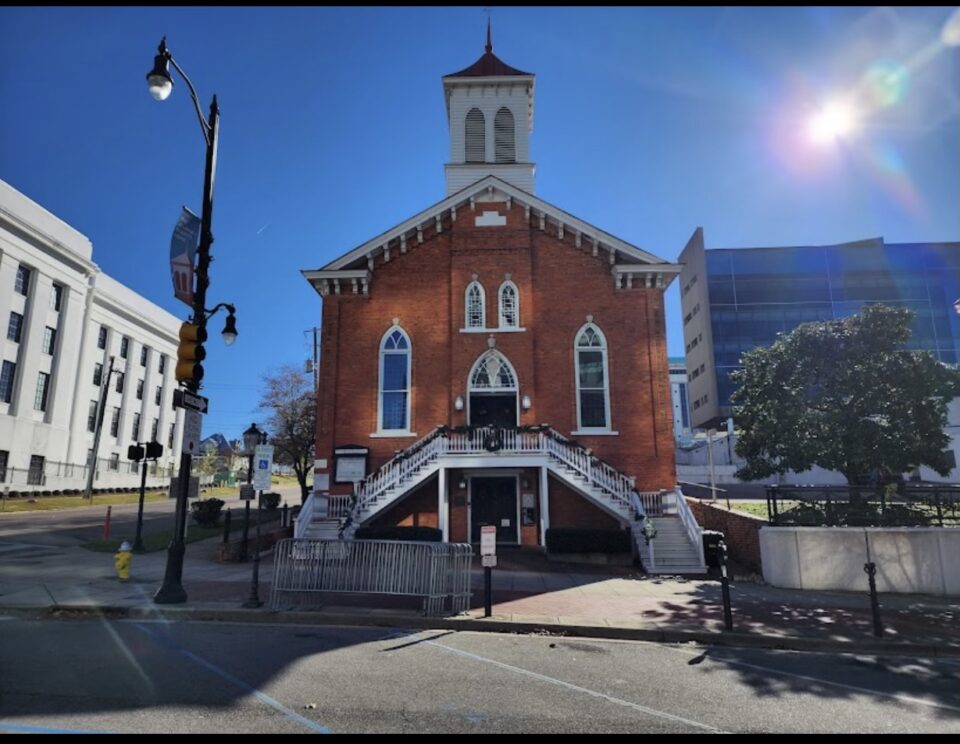
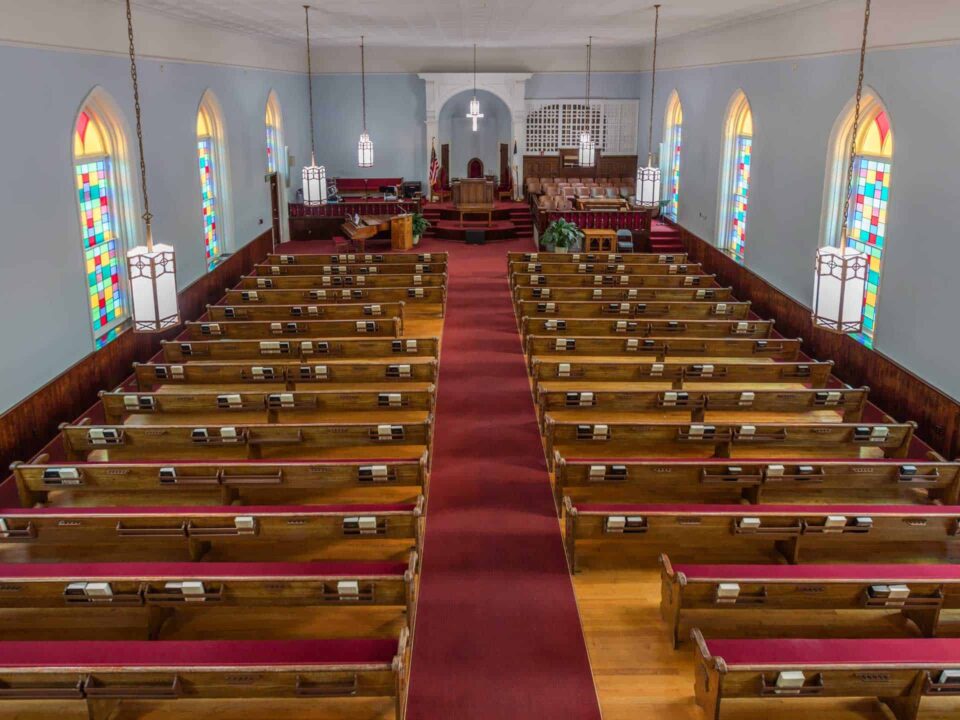
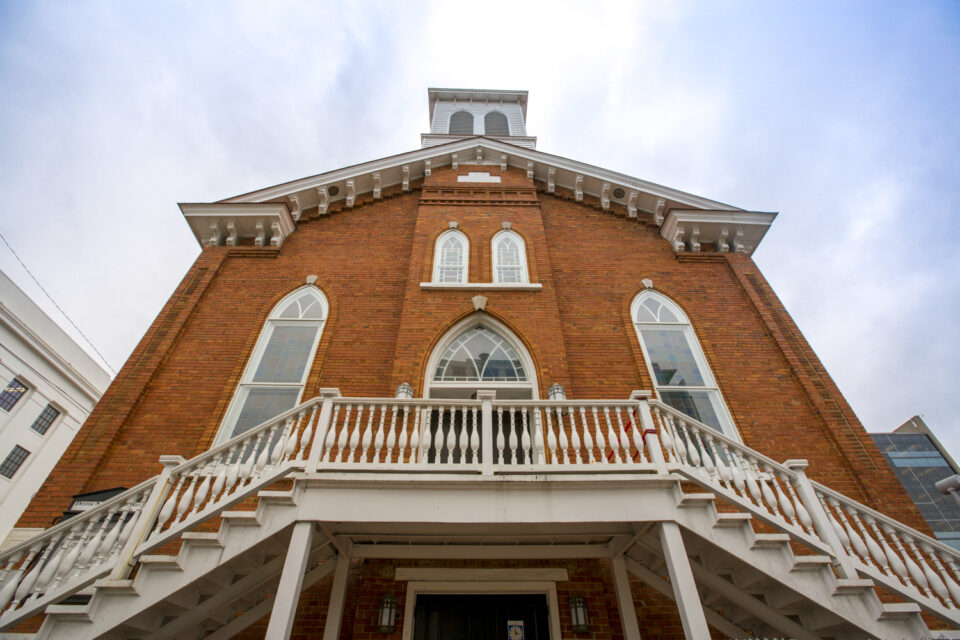
Dexter Avenue King Memorial Baptist Church
Secondary Attraction
The church where Martin Luther King Jr. served as pastor from 1954 to 1960, still an active congregation and open by appointment. The pulpit where the movement’s most famous leader preached.
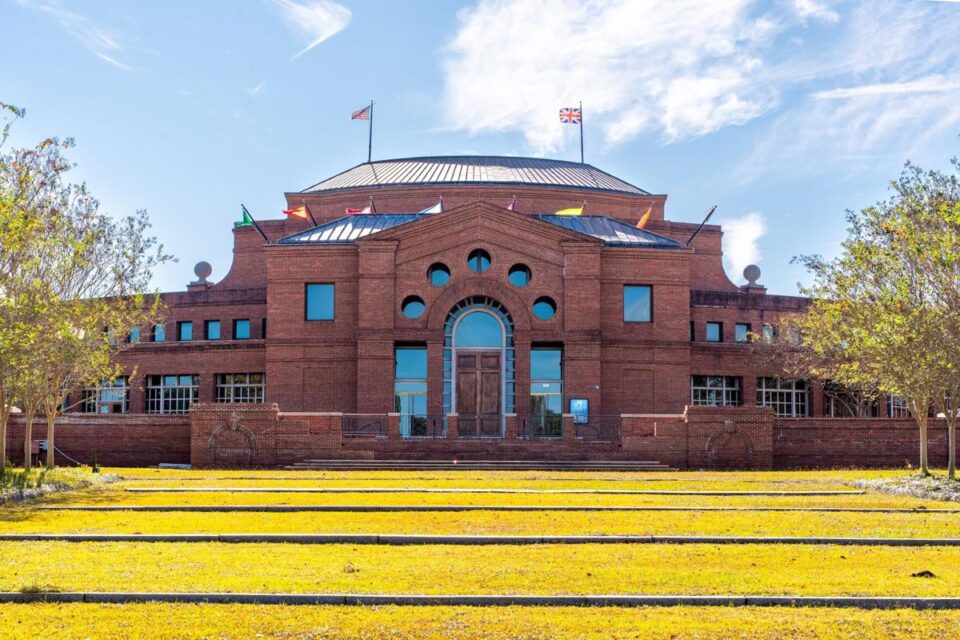
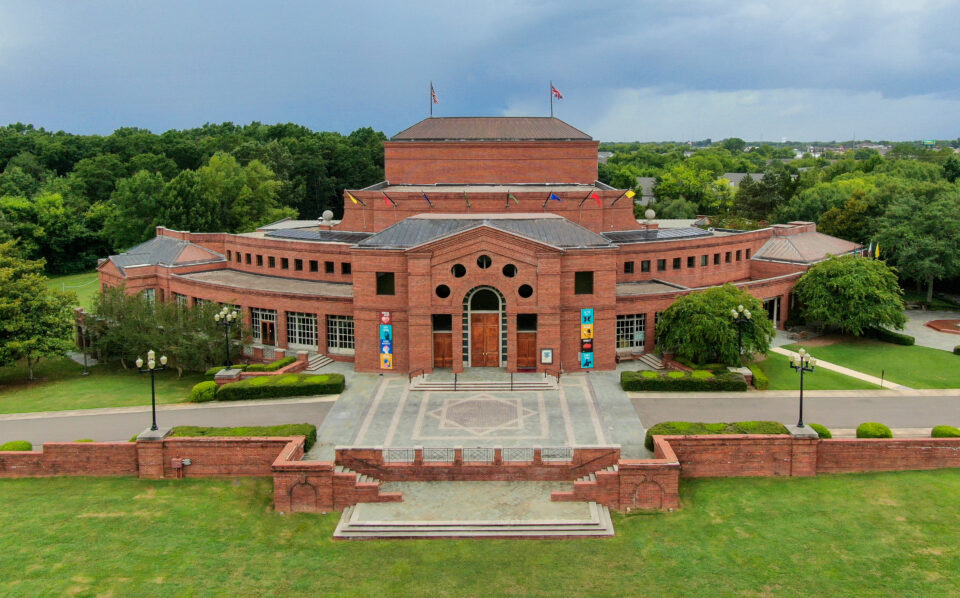
Alabama Shakespeare Festival
Secondary Attraction
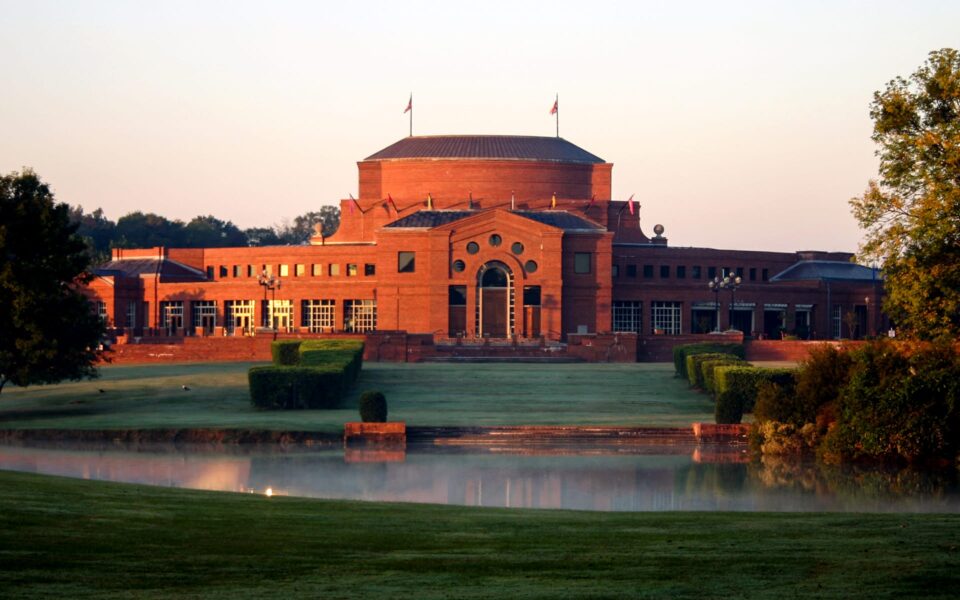
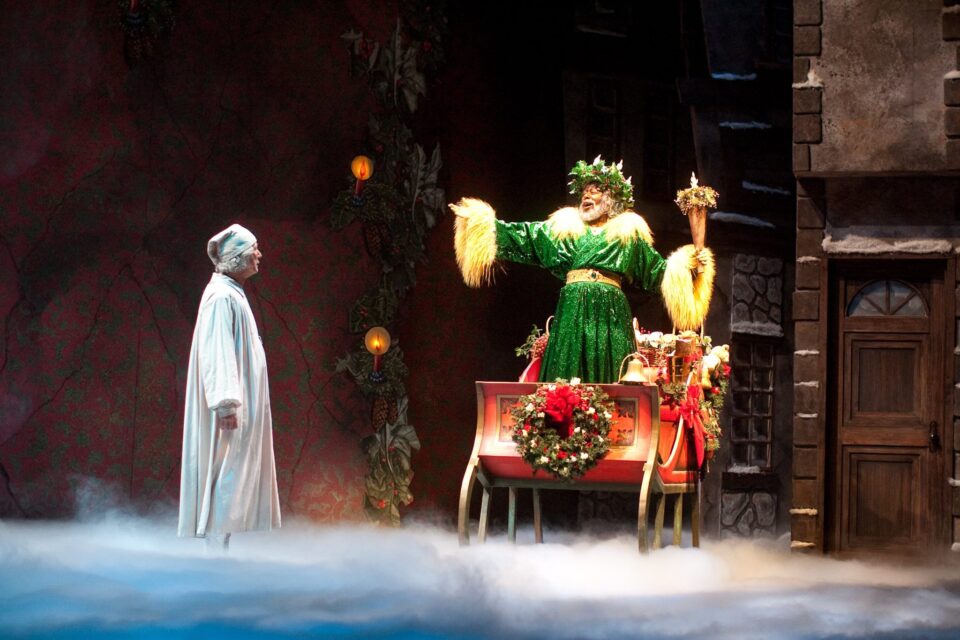
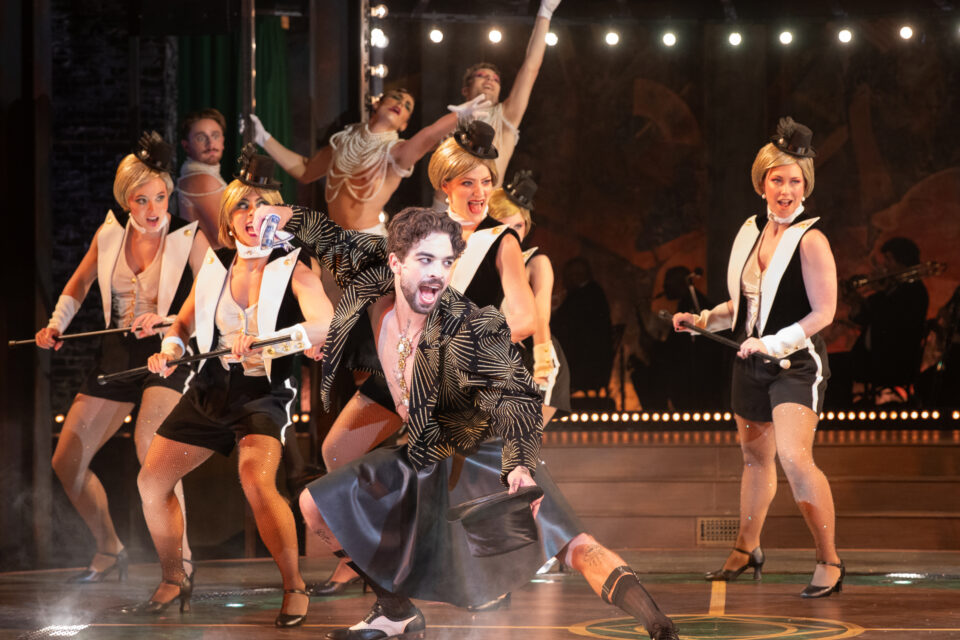
The state theatre in Blount Cultural Park, running a full season of Shakespeare and contemporary plays with backstage tours. The cultural evening for a longer Montgomery stay.
How to Plan Your Trip
Recommended Length of Stay
2 days is the honest minimum: the Legacy Sites deserve a full day on their own, and the church, the capitol, and the downtown sites need a second. A three-day stay adds the Shakespeare Festival or a slower pace through the museums.
The DananaGo Route
Day 1 — The Legacy Sites: Start at the Legacy Museum at 400 N. Court Street and give it 2–3 hours, moving through the exhibits in order. Take the free shuttle to the National Memorial for Peace and Justice and walk the memorial deliberately — allow 1–2 hours. If time remains, continue to the related Freedom Monument Sculpture Park. This is a demanding day; plan a quiet evening after it.
Day 2 — The church, the capitol, and downtown: Walk from the state capitol down Dexter Avenue to Dexter Avenue King Memorial Baptist Church, following the route the 1965 march completed in reverse. Take the church tour (booked in advance), then walk back up to the capitol for its public rooms and the portico where the march ended. The whole loop fits a morning, leaving the afternoon for a slower downtown walk.
Getting Here & Around & Eat & Stay
How to Get There
By air: Montgomery Regional Airport (MGM) is about 9 miles from downtown, roughly a 15-minute drive, with taxis, ride-hailing, and rental cars at the terminal. By train: Montgomery has no Amtrak service; the nearest rail station is Birmingham, about 90 miles north. By car: Montgomery sits at the junction of I-65 and I-85, about 90 miles south of Birmingham and 160 miles west of Atlanta.
Getting Around
Downtown is walkable, and the Legacy Sites, the church, and the capitol sit within it — the DananaGo Route can be done entirely on foot. The M Transit bus system and its on-demand micro-transit cover the wider city, and Uber and Lyft operate throughout. A car is convenient for the airport and the Shakespeare Festival, which sits east of downtown.
What to Eat & Drink
Montgomery’s food is Southern, barbecue, and seafood, served with local farm produce. The dining concentrates in the downtown area near the civil rights sites, and the Cloverdale and Five Points districts add a cluster of restaurants a short drive from the center. The city’s barbecue culture shows up in summer festivals and in the smokehouses around town.
Where to Stay
Downtown is the right base: the Legacy Sites, the church, and the capitol are all within walking distance, which matters for a history-focused itinerary. Staying downtown keeps the demanding Day 1 route — and its quiet evening — within reach. For the Shakespeare Festival, a stay near the cultural park east of downtown is a practical alternative.
DananaGo Tips
- Give the Legacy Sites a full day and start early; the museum alone needs 2–3 hours, and the memorial deserves unhurried time.
- Book the Dexter Avenue church tour in advance — the sanctuary opens by appointment only, and no tours run on Sundays or Mondays.
- The history here is emotionally demanding; plan a quiet evening after the Legacy Sites day.
- Spring and fall are the best seasons; summer in Montgomery is hot, and the outdoor parts of the memorial are best done in the morning.
Explore More
Montgomery is part of a larger Alabama story — use the state map below to explore beyond the city.