

Moundville Archaeological Park Travel Guide (2026)
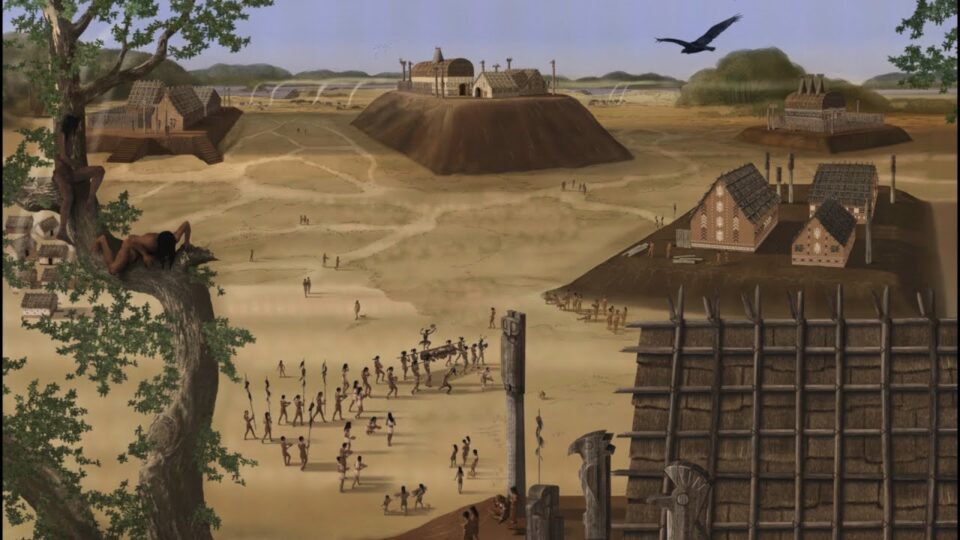
Moundville Archaeological Park preserves a Mississippian town occupied from about A.D. 1000 to 1450, where 26 earthen mounds surround a central plaza on the Black Warrior River west of Tuscaloosa. The site ranks second only to Cahokia in size and complexity among Mississippian centers, and the Jones Archaeological Museum interprets the society that built it. Its most irreplaceable experience is the scale of the place: walking among the grassy mounds that rise from the plaza, seeing in their arrangement the structure of a pre-contact city.
Why It Is Worth Visiting
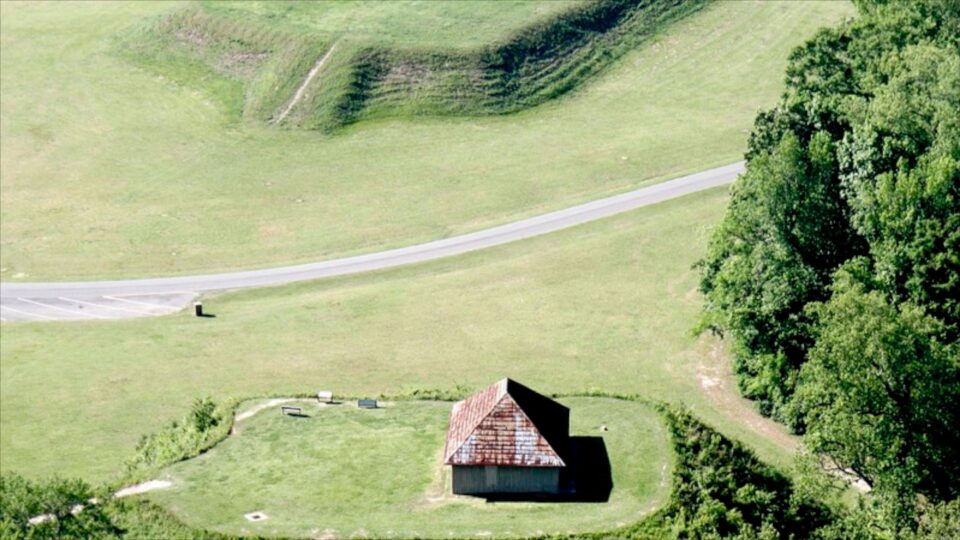
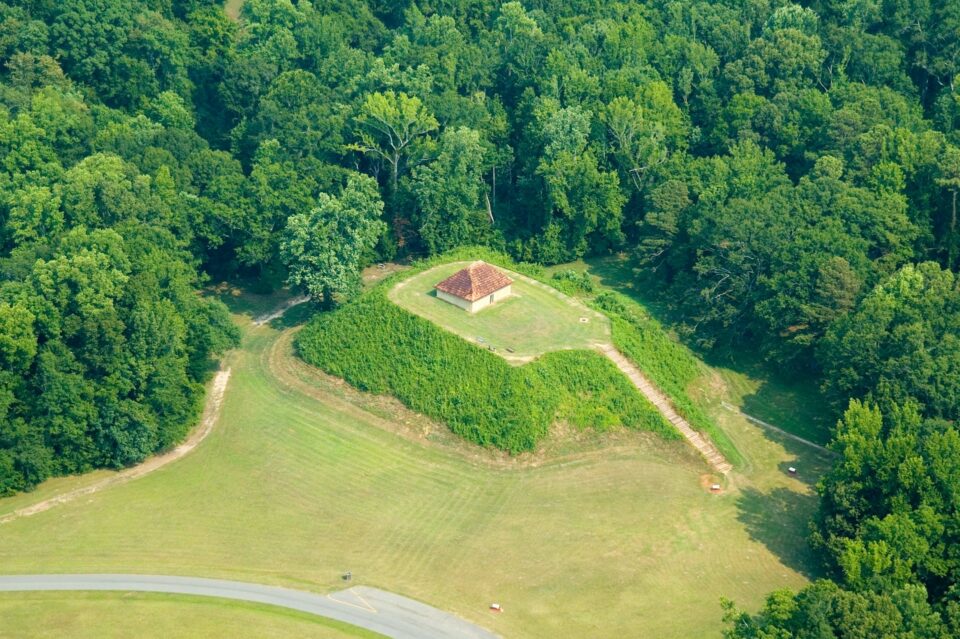
Moundville is one of the most significant Mississippian sites in North America: 26 earthen mounds arranged around a central plaza, occupied from about A.D. 1000 to 1450, and second in size and complexity only to Cahokia in Illinois. The University of Alabama’s park preserves and interprets the site, and the Jones Archaeological Museum displays artifacts and exhibits that explain the society that built it — its leaders, its crafts, and its trade. Because the mounds are grass-covered earthworks rather than stone ruins, the experience is about the layout and the setting: walking the plaza between the mounds conveys the scale of the town as it was. The park also hosts the annual Moundville Native American Festival, which brings the site’s cultural heritage to life.
DananaGo’s read is that Moundville rewards a deliberate visit: the mounds are quiet grassy forms, and their meaning comes from the museum and from understanding the layout, so the site works best when you spend time with both.
DananaGo’s verdict: This is a Secondary Attraction (state-level recommendation) — an Alabama B-grade stop worth a detour when time allows. The reasons are concrete: it is one of North America’s largest Mississippian sites, its museum interprets the society in depth, and the mound plaza is unique in the region. It suits archaeology and Native American history travelers, students, and families. A reasonable stay is 2–3 hours for the mounds and the museum. Travelers with no interest in archaeology can skip it; for pre-contact Native American history, it is Alabama’s essential site.
What to Experience
The Mound Plaza
Walk among the 26 mounds that ring the central plaza on the Black Warrior River. The arrangement of the mounds — their size and placement — conveys the structure of the Mississippian town, and the grassy forms carry the scale of the site in a way no exhibit can.
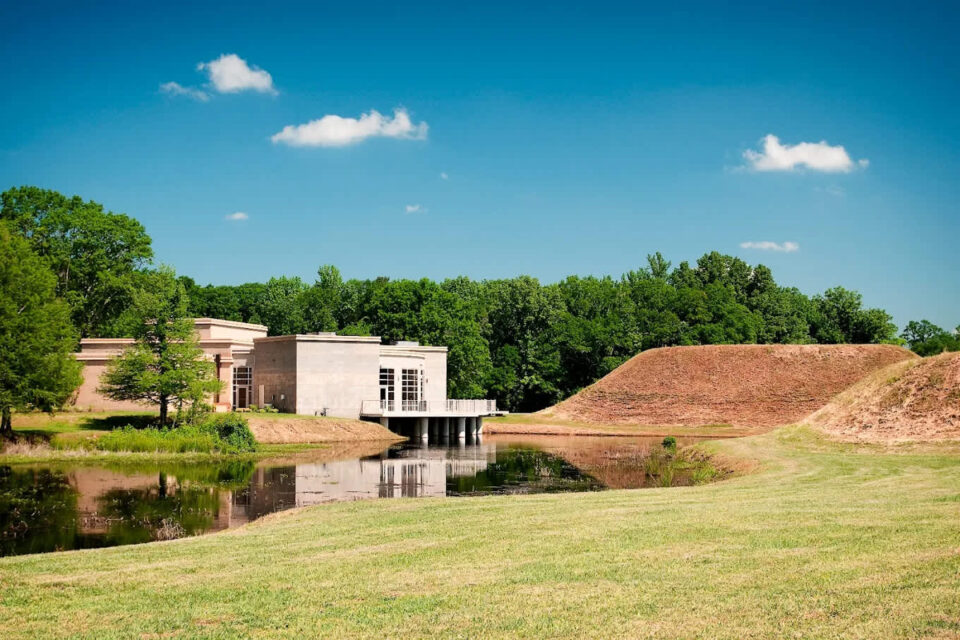
The Jones Archaeological Museum
The museum interprets the society that built Moundville: its leaders, its crafts, its trade, and its rituals, using artifacts from the site. It is the key to understanding what you are walking among, and it holds some of the finest Mississippian art found in the Southeast.
The Annual Native American Festival
Each October, the park hosts the Moundville Native American Festival, a multi-day gathering of Native American cultural demonstrations, crafts, and performances. If your visit aligns with the festival, it brings the site’s heritage to life.
Plan Your Visit
| Address | 634 Mound State Parkway, Moundville, AL 35474 |
|---|---|
| Recommended time | 2–3 hours for the mounds and the museum |
| Hours | Park grounds daily 8:30 am–6 pm; admissions building 8:30 am–4 pm (last entry 15 minutes before closing); museum daily 9 am–5 pm |
| Admission | Adults $8; seniors $7; students and military $6; under 5 free; Native American visitors free with tribal membership card |
| Best time | Spring and fall for mild walking weather; October for the Native American Festival |
| Getting there | On the Black Warrior River west of Tuscaloosa, about 15 miles from the city, on Mound State Parkway |
Check the official website for current opening hours, admission prices, reservations, and key visitor policies.
A Focused Visit Route
Start at the Jones Archaeological Museum to learn what the mounds mean, then walk out onto the plaza and among the mounds, using the site’s self-guided tour to understand the layout. Return to the museum for the artifacts after you have seen the site itself. The museum-before-ground order makes the mounds legible. Allow two to three hours, and check the park’s notices, as parts of the site may close for maintenance.
DananaGo Tips
- Start at the museum, then walk the mounds; the layout only becomes meaningful with context.
- Check the park’s notices before visiting — portions of the site have closed for erosion repairs.
- The self-guided tour, developed with descendant tribes, is worth taking.
- Time an October visit for the Native American Festival if your schedule allows.
Explore More of Alabama
Alabama has more to offer beyond the mounds — use the state map below to find other sites worth your time.