


Tuskegee Airmen National Historic Site Travel Guide (2026)
Tuskegee Airmen National Historic Site preserves Moton Field, where the first African American military pilots trained during World War II before flying as the Red Tails. The Army Air Corps conducted a military test here to determine whether African Americans could be trained to fly combat aircraft, and the pilots who passed through — plus the mechanics, navigators, and support crews — helped desegregate American aviation. Its most irreplaceable experience is standing in the hangars where that training happened, among the exhibits that tell how these airmen overcame segregation to serve.
Why It Is Worth Visiting
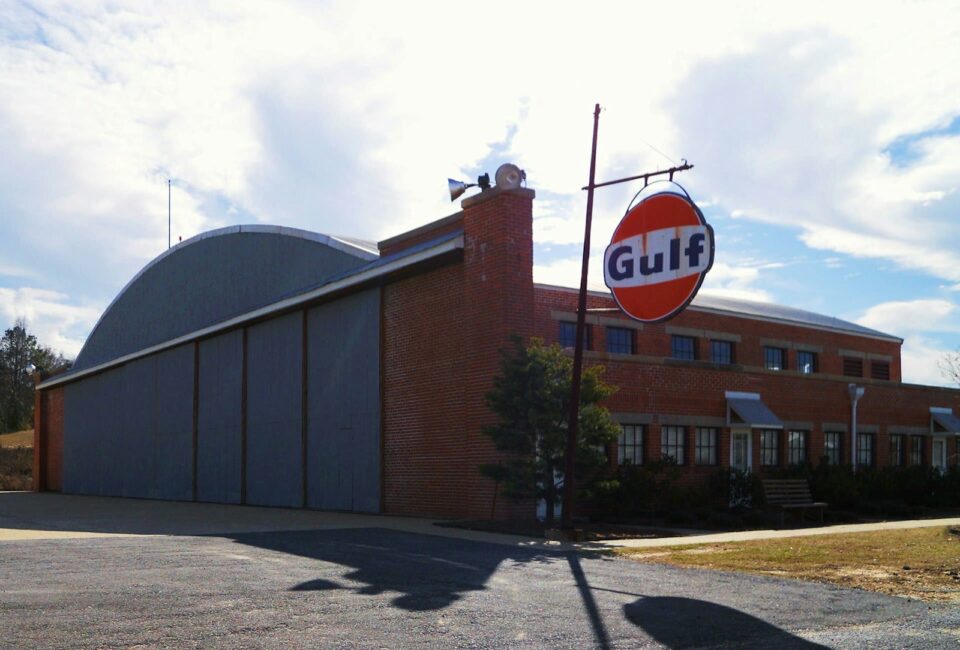
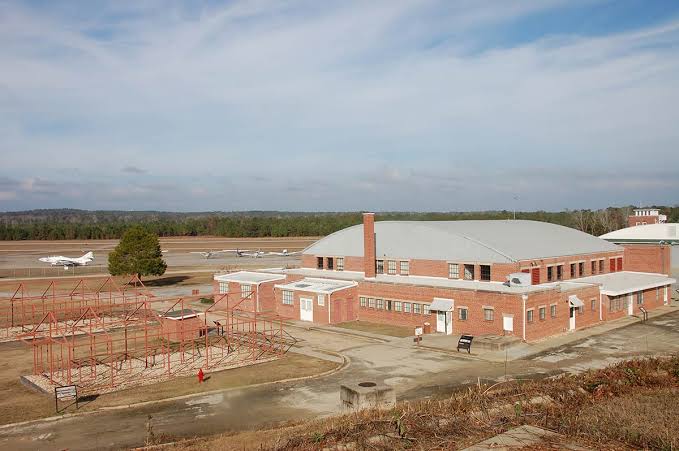
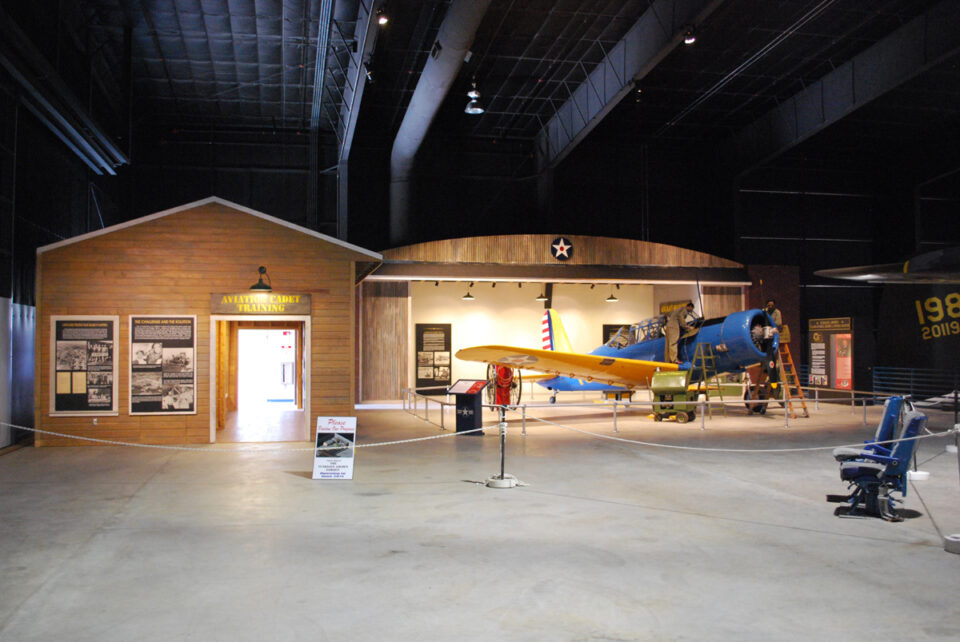
The site preserves the ground where American aviation history was made: Moton Field was where the Tuskegee Airmen program began, with the Army Air Corps testing whether African Americans could be trained as military pilots. The pilots who trained here went on to fly combat missions in World War II, their red-tailed P-51 Mustangs giving them the name the Red Tails, and their success helped pave the way for the desegregation of the U.S. military. The site’s two historic hangars now hold exhibits that tell the story, including a flight simulator and the training planes the cadets used. The site is a National Park Service unit, so admission is free, and it sits beside the Tuskegee University campus.
DananaGo’s read is that the site’s power is the hangars themselves: these are the actual buildings where cadets trained, and the exhibits inside make the scale of the achievement — and the barrier they broke — concrete.
DananaGo’s verdict: This is a Secondary Attraction (state-level recommendation) — an Alabama B-grade stop worth a detour when time allows. The reasons are concrete: it is the original training ground of the first African American military pilots, its hangars are preserved as exhibits, and it connects aviation history to the civil rights story. It suits American-history and aviation travelers, students, and families. A reasonable stay is 2–3 hours for the hangars and grounds. Travelers with no interest in aviation or history can skip it; for those tracing the Airmen’s story, it is the essential site.
What to Experience
Hangar 1 and Hangar 2
The site’s two historic hangars are its core. Hangar 1 houses exhibits on the cadets’ training, including a flight simulator and the small planes they learned in, and both hangars place you inside the buildings where the program ran. This is the “power of place” the park describes — the actual ground of the training.
The Red Tails Story
The exhibits trace the Airmen from training at Moton Field to combat in World War II, where the red-tailed aircraft gave them their name, and on to the legacy that helped desegregate the military. The story connects the hangars to the wider civil rights movement.
The Site Grounds
The grounds around the hangars include the training field and interpretive areas, open daily from sunrise to sunset. Walking the site connects the hangars to the landscape where the cadets trained.
Plan Your Visit
| Address | 1616 Chappie James Avenue, Tuskegee, AL 36083 |
|---|---|
| Recommended time | 2–3 hours for the hangars and grounds |
| Hours | Hangar 1 and Hangar 2 open Monday–Saturday 9 am–4:30 pm; grounds open daily sunrise to sunset; closed Sundays and major holidays |
| Admission | Free; no entrance fee or pass required |
| Best time | Weekday mornings for a quieter visit |
| Getting there | At Moton Field in Tuskegee, near the Tuskegee University campus; parking is at the site’s overlook area |
Check the official website for current opening hours, admission prices, reservations, and key visitor policies.
A Focused Visit Route
Start at Hangar 1, the site’s main exhibit space, and follow the story of the Airmen from training through combat and legacy. Cross to Hangar 2 for the second half of the exhibits. Walk the grounds, including the training field, to connect the hangars to the landscape. The visit works best at a deliberate pace — the hangars carry the story, and the grounds give it space.
DananaGo Tips
- Start in Hangar 1 and follow the exhibits in order; the story builds from training to legacy.
- Check the operating hours — the hangars close Sundays and major holidays.
- Combine the site with the nearby Tuskegee Institute National Historic Site for a fuller Tuskegee day.
- The park is free; no pass is needed.
Explore More of Alabama
Alabama has more to offer beyond the airfield — use the state map below to find other sites worth your time.