


Tuskegee Institute National Historic Site Travel Guide (2026)
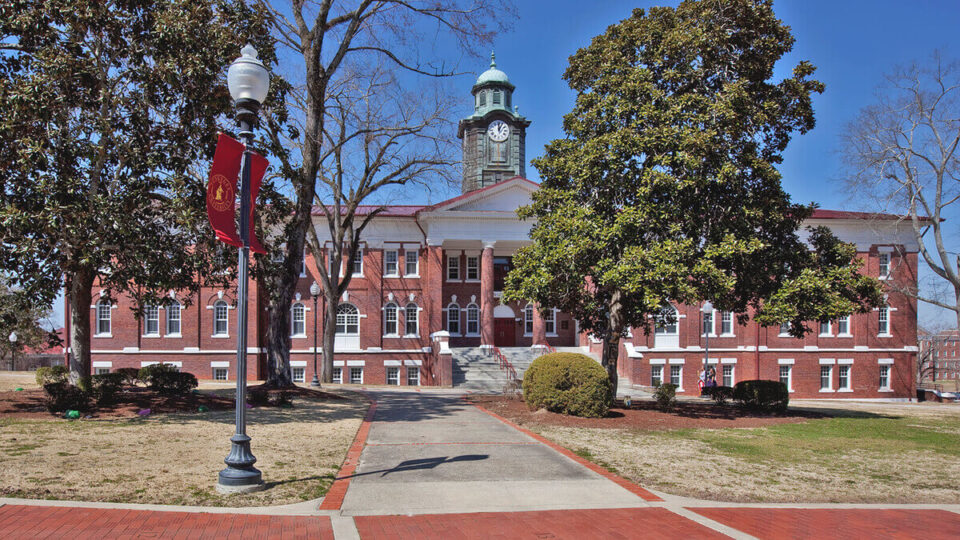
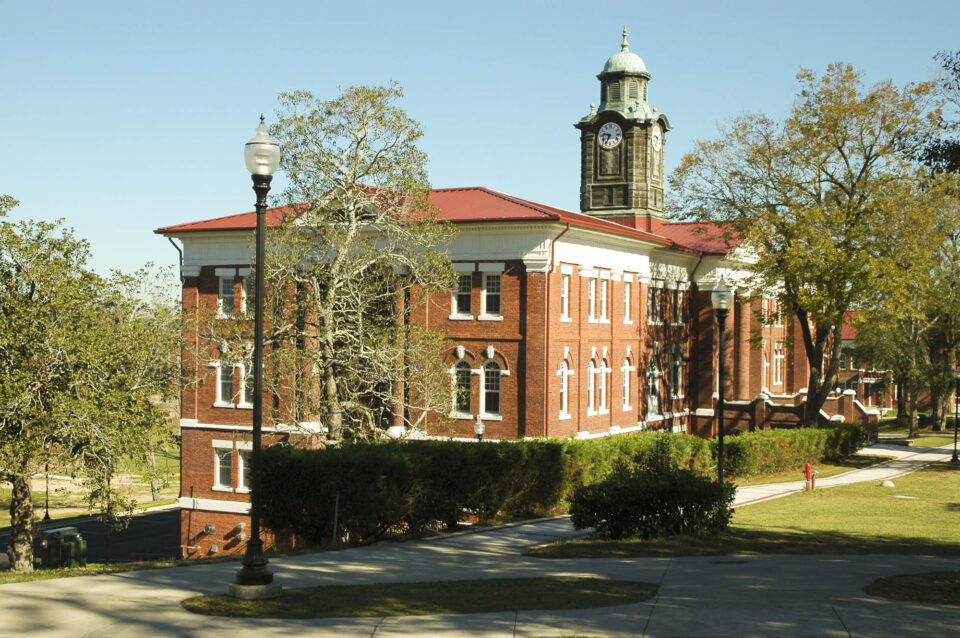
Tuskegee Institute National Historic Site preserves the historic campus of Tuskegee University, founded by Booker T. Washington in 1881 and shaped by George Washington Carver’s innovations in agriculture. It is the only National Park designated to be a college campus, and it tells the story of how an all-Black institution educated generations under segregation. Its most irreplaceable experience is visiting the two defining places of the campus — the George Washington Carver Museum and The Oaks, Washington’s home — on ground that is still a working university.
Why It Is Worth Visiting
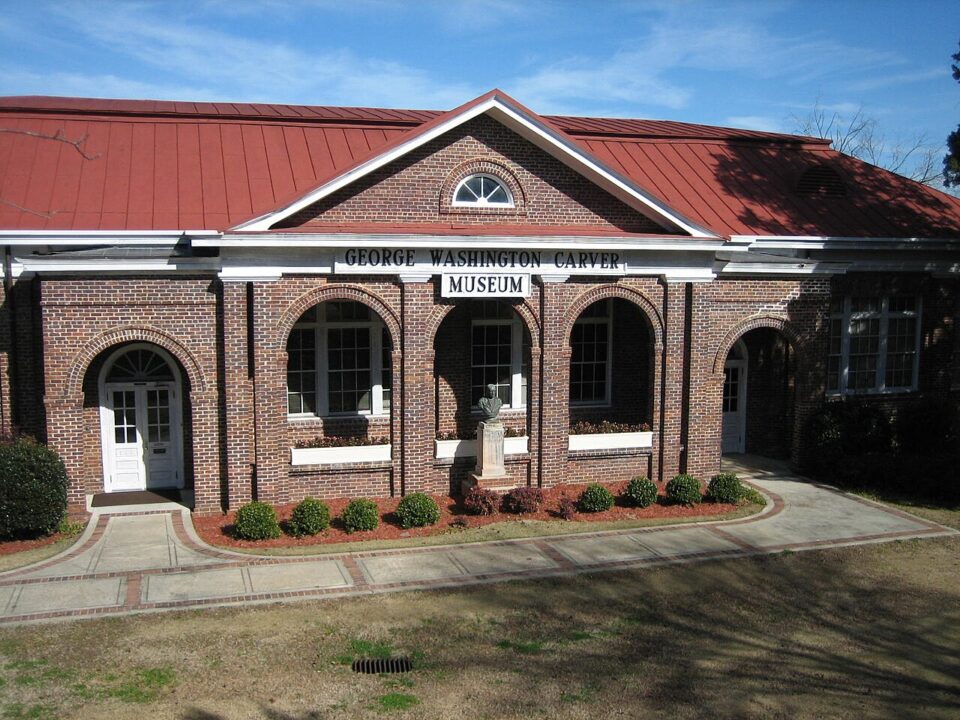
The site preserves the campus that Washington built from 1881, recruiting teachers like Carver, who arrived in 1896 and made Tuskegee famous through his agricultural research, especially with peanuts. Established as a National Historic Site in 1974, it is the only National Park designated to be a college campus, and it interprets the legacy of education, innovation, and leadership that Washington and Carver fostered. The George Washington Carver Museum displays his work with peanuts and sweet potatoes, his agricultural research, and his broader impact, while The Oaks — Washington’s home — is furnished to reflect his life as Tuskegee’s first principal. Because the site is on a living campus, the history is embedded in an institution that still operates.
DananaGo’s read is that Tuskegee Institute rewards a two-stop visit: the museum for Carver’s science, The Oaks for Washington’s leadership, with the campus between them carrying the story.
DananaGo’s verdict: This is a Secondary Attraction (state-level recommendation) — an Alabama B-grade stop worth a detour when time allows. The reasons are concrete: it is the only National Park that is a college campus, it preserves two defining figures of African American education, and its museum and home offer a complete interpretive visit. It suits American-history and education travelers, students, and families. A reasonable stay is 2–3 hours for the museum and The Oaks. Travelers with no interest in education history can skip it; for those tracing Washington, Carver, and the legacy of Tuskegee, it is the essential site.
What to Experience
The George Washington Carver Museum
The museum interprets Carver’s scientific achievements and legacy: his work with peanuts and sweet potatoes, his contributions to sustainable agriculture, and his impact on education and innovation. Exhibits and a short film tell his story, and the museum is the site’s main interpretive center.
The Oaks, Home of Booker T. Washington
Washington’s home, furnished to reflect the period in which he lived, is open for guided tours that tell the story of his leadership and the growth of the institute. The tours run several times daily and are the visit’s second essential stop.
The Living Campus
Because the site is on the working Tuskegee University campus, the walk between the museum and The Oaks passes through the institution the two men built. The campus setting is part of the experience.
Plan Your Visit
| Address | 1212 West Montgomery Road, Tuskegee Institute, AL 36088 |
|---|---|
| Recommended time | 2–3 hours for the museum and The Oaks |
| Hours | George Washington Carver Museum: Monday–Saturday 9 am–4:30 pm; The Oaks: Tuesday–Thursday, guided tours at 9:30, 10:30, 1:30, 2:30, and 3:30 pm; both closed Thanksgiving, Christmas, and New Year’s Day |
| Admission | Free; no entrance fee or pass required |
| Best time | Weekday mornings; time The Oaks tours around the scheduled hours |
| Getting there | On the Tuskegee University campus, near the Tuskegee Airmen National Historic Site; the museum and The Oaks are reached by road within the campus |
Check the official website for current opening hours, admission prices, reservations, and key visitor policies.
A Focused Visit Route
Start at the George Washington Carver Museum to learn the institute’s story and Carver’s science. Walk across the campus to The Oaks, timing your visit to a scheduled guided tour of Washington’s home. The campus walk between the two connects the museum’s science to the leader who built the institution. Allow two to three hours, and check the museum and tour schedules in advance, since The Oaks runs limited days.
DananaGo Tips
- Plan around The Oaks’ tour times — it is open Tuesday–Thursday only, with scheduled tours.
- Start at the Carver Museum, then walk to The Oaks; the campus between them is part of the story.
- Combine the site with the nearby Tuskegee Airmen National Historic Site for a full Tuskegee day.
- The park is free; no pass is needed.
Explore More of Alabama
Alabama has more to offer beyond the campus — use the state map below to find other sites worth your time.