
Barnes Foundation Travel Guide (2026)
The Barnes Foundation offers one of America’s most distinctive ways to encounter art. Renoir, Cézanne, Matisse, Picasso, Van Gogh, African sculpture, decorative ironwork, furniture, and everyday objects appear together in dense “ensembles” designed to reveal relationships of color, line, light, and space rather than follow a conventional chronology.
Experience Profile
PRIMARY EXPERIENCE
SECONDARY EXPERIENCES
Why It Is Worth Visiting
The Barnes is not simply a museum with famous paintings. Albert C. Barnes arranged works from different periods and cultures into carefully balanced wall compositions, placing masterpieces beside metal hinges, furniture, textiles, and ceramics. The Philadelphia building recreates those arrangements while providing modern spaces for education and special exhibitions.
DananaGo’s verdict: this is a map-level Philadelphia attraction for travelers who want an intense, visually driven art experience. The collection is internationally important, but its real distinction is the unconventional way it teaches visitors to look. Allow at least two hours and avoid treating it as a checklist of famous names.
What to Experience
The Ensembles
Begin by looking at each wall as a complete composition before focusing on individual works. Repeated shapes, colors, lines, and ironwork create connections across cultures and centuries. The galleries intentionally use minimal labels, so observation comes before biography or chronology.
Renoir, Cézanne, Matisse, and Modern Europe
The collection has exceptional depth in Renoir and Cézanne, alongside major works by Matisse, Picasso, Van Gogh, Modigliani, and Soutine. Rather than rushing toward one masterpiece, compare several works by the same artist and notice how neighboring objects change the way each painting reads.
Art Beyond the European Canon
African sculpture, Native American pottery and jewelry, Greek antiquities, Pennsylvania German furniture, and decorative metalwork are essential to the Barnes experience. Their placement reflects Barnes’s comparative method, though visitors should also consider how collecting practices and historical labels shape the interpretation of these objects.
The Parkway Building and Garden
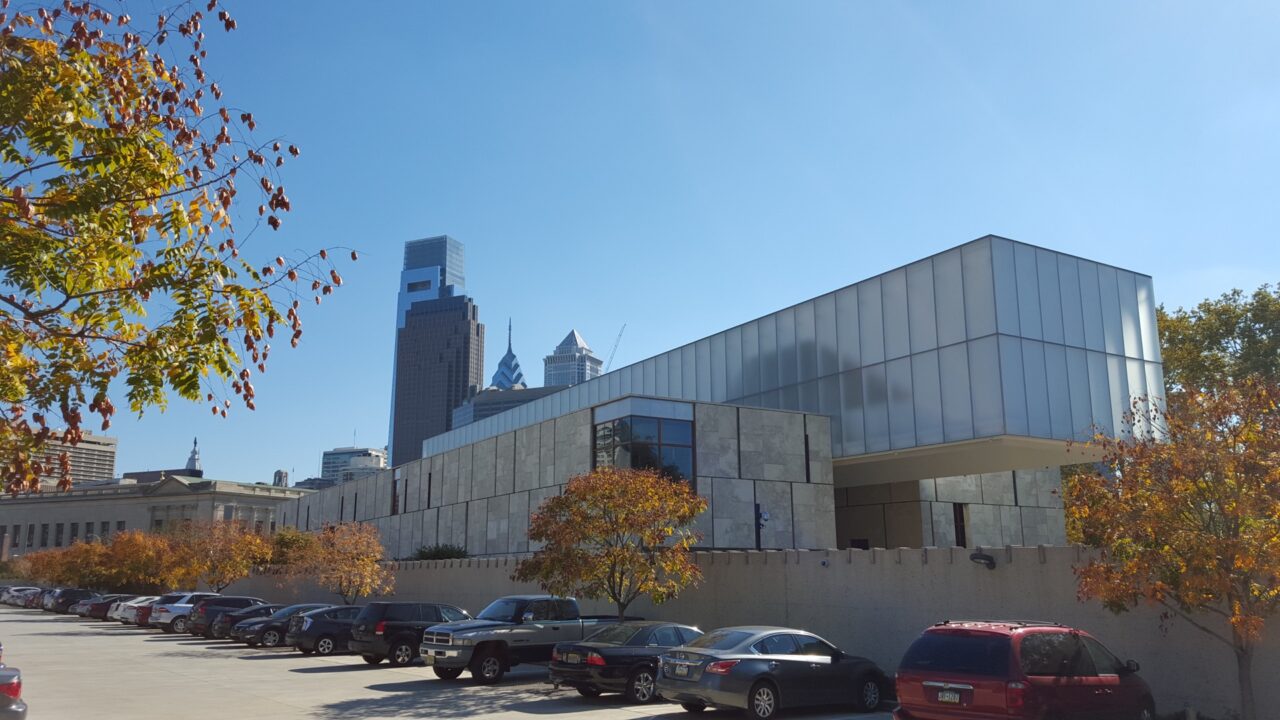
The 2012 building by Tod Williams Billie Tsien Architects preserves the scale and sequence of the original Merion galleries inside a larger contemporary structure. Pause in the light-filled court and outdoor spaces to understand how the architecture mediates between an intimate collection and the civic scale of the Benjamin Franklin Parkway.
Plan Your Visit
| Address | 2025 Benjamin Franklin Parkway, Philadelphia, PA 19130 |
|---|---|
| Recommended time | 2–3 hours; add time for a special exhibition, tour, café, or garden |
| Regular hours | Thursday–Monday, 11:00 a.m.–5:00 p.m.; members enter from 10:00 a.m. |
| Admission | General admission includes the collection and special exhibition and is valid for two days; prices and discounts vary |
| Best time | Thursday or Friday near opening for a quieter first circuit through the collection rooms |
| Getting there | SEPTA buses, Philly PHLASH, Indego bike share, rideshare, walking, or on-site paid parking |
| Accessibility | Barrier-free entrance, elevators, standard wheelchair access, accessible parking, assistive listening devices, and service-animal access |
Before visiting, confirm the official hours, tickets, transportation, and visitor guidance, review accessibility information, and check the collection overview. Hours, prices, exhibitions, tours, and works on loan can change.
A Smart Two-and-a-Half-Hour Route
- Spend the first ten minutes learning how Barnes’s ensembles use color, line, light, and space.
- Make one uninterrupted circuit through the collection rooms, reading each wall before individual labels or guide content.
- Return to two or three rooms that held your attention and compare works by Renoir, Cézanne, Matisse, or another artist in depth.
- Use the mobile gallery guide selectively for objects whose visual relationships are not immediately clear.
- Explore the special exhibition or temporary display only after completing the permanent ensembles.
- Finish in the court or garden and review the online collection to save works for later study.
DananaGo Tips
- Reserve ahead: timed admission and tours can sell out, especially on weekends and during major exhibitions.
- Look before reading: the ensembles make more sense when you first identify repeated forms and colors yourself.
- Travel light: larger bags, backpacks, umbrellas, and bulky items must be checked.
- Use photography carefully: personal photography is generally permitted unless posted otherwise, but flash, tripods, and selfie sticks are prohibited.
- Do not overbook the day: pair the Barnes with one nearby outdoor or architectural stop rather than another large art museum.
Experience It Online
The official Barnes Collection Online contains more than 3,000 objects and translates Barnes’s visual method into an interactive browsing system organized by color, line, light, and space. It is an unusually strong cloud-travel experience: useful for choosing works before a visit and substantial enough for independent exploration from home.
Explore More of Philadelphia
Use the map below to discover more must-see attractions across Philadelphia and compare their locations with your current position.