
Eastern State Penitentiary Travel Guide (2026)
Eastern State Penitentiary is one of Philadelphia’s most powerful historic environments: a monumental nineteenth-century prison preserved in a state of stabilized ruin. Its radial architecture, cellblocks, audio stories, exhibitions, and contemporary justice education turn a visually dramatic site into a serious exploration of punishment, reform, incarceration, and the people whose lives unfolded behind the walls.
Experience Profile
PRIMARY EXPERIENCE
SECONDARY EXPERIENCES
Why It Is Worth Visiting
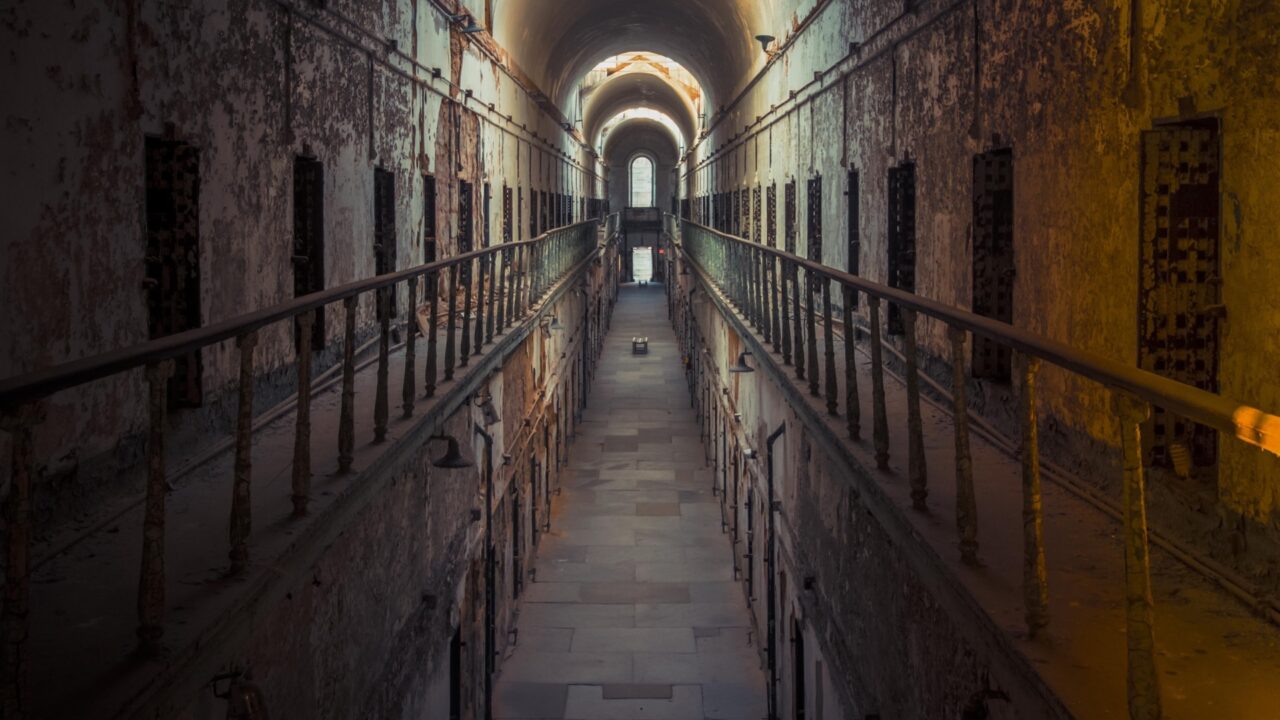
When Eastern State opened in 1829, its system of separate confinement and hub-and-spoke plan influenced prison design around the world. Today, the surviving structure makes that philosophy physically legible: long vaulted cellblocks radiate from a central surveillance point, while cells, exercise yards, religious spaces, and later additions reveal changing ideas about incarceration.
DananaGo’s verdict: this is a map-level Philadelphia attraction because the architecture, preserved atmosphere, and interpretation are exceptional together. It is not simply a “haunted prison” or an Al Capone stop. Allow two to three hours and approach the subject with curiosity and respect.
What to Experience
The Radial Plan and Cellblocks
Begin at the central rotunda and look down the radiating corridors before entering individual cellblocks. The arrangement explains how architecture was used to organize isolation and surveillance. Cell Block 7, with its two-story galleries and skylit barrel vault, is especially effective for understanding the institution’s scale and later evolution.
The Voices of People Who Lived and Worked Here
The main audio tour, narrated by Steve Buscemi and incorporating testimony from former incarcerated people and staff, gives the ruins human context. Listen to the core route before wandering freely; otherwise the architecture can overwhelm the individual experiences the site is trying to preserve.
Al Capone’s Cell and Daily Life
Al Capone’s furnished cell is memorable, but it represents only one unusual story. Balance it with ordinary cells, work and recreation areas, religious spaces, disciplinary practices, and exhibits about race, gender, sexuality, health, and daily life. The broader history is more important than celebrity crime.
Prisons Today and The Big Graph
Do not leave without the contemporary interpretation. Prisons Today: Questions in the Age of Mass Incarceration and The Big Graph connect Eastern State’s history to incarceration in the United States today. These sections turn the visit from architectural tourism into a more demanding conversation about justice, policy, and human impact.
Plan Your Visit
| Address | 2027 Fairmount Avenue, Philadelphia, PA 19130 |
|---|---|
| Recommended time | 2–3 hours; allow longer for exhibits, mini tours, and art installations |
| Regular hours | Generally 10:00 a.m.–5:00 p.m., with seasonal Tuesday closures in parts of winter and additional special-event hours |
| Last entry | Normally one hour before closing |
| Admission | Daytime audio-tour and guide-led ticket prices vary; online purchase is usually less expensive than walk-up admission |
| Best time | Arrive at opening on a weekday for quieter cellblocks and better photography conditions |
| Getting there | SEPTA bus, rideshare, bike, or a walk from the Benjamin Franklin Parkway and Philadelphia Museum of Art area |
| Accessibility | Accessible routes cover much of the large historic site, but uneven outdoor terrain, steps, and preserved spaces require advance route planning |
Before visiting, confirm the official hours and seasonal closures, tickets and visitor guidance, accessibility information, and current exhibits. Special events, evening programs, mini tours, and accessible routes can change.
A Smart Two-and-a-Half-Hour Route
- Start with the main audio-tour route to establish the prison’s founding ideas and chronology.
- Pause at the central rotunda to understand how the radial plan controlled movement and sightlines.
- Explore Cell Block 7 and at least one earlier, smaller cellblock for architectural contrast.
- See Al Capone’s cell briefly, then spend more time on ordinary daily life and personal testimony.
- Join one short educator-led mini tour if the subject or restricted area adds something new.
- Finish with The Big Graph and Prisons Today, leaving time for reflection rather than rushing directly to the exit.
DananaGo Tips
- Wear stable shoes: preserved floors, outdoor paths, and uneven surfaces are part of the experience.
- Bring layers: much of the complex is not climate-controlled and temperatures can differ sharply between sunlit yards and stone corridors.
- Use headphones deliberately: complete the core audio route first, then choose optional stories by interest.
- Do not reduce the site to horror: Halloween events are separate from the daytime historical interpretation.
- Pair by geography: the Philadelphia Museum of Art and Fairmount neighborhood work well nearby, but avoid scheduling another large museum immediately afterward.
Experience It Online
The official Prisons Today page includes a 3D virtual tour created with the Associated Press, along with videos and interactive material about mass incarceration. It is the strongest stable online experience currently offered for independent visitors and provides context that is valuable before or after an in-person visit.
Explore More of Philadelphia
Use the map below to discover more must-see attractions across Philadelphia and compare their locations with your current position.