Cambodia Travel Guide (2026)
Cambodia offers an unforgettable mix of ancient wonders, resilient culture, bustling cities, serene countryside, and beautiful beaches. From the iconic temples of Angkor to floating villages and coastal escapes, it’s a compact country that’s relatively easy and affordable to explore, with incredibly welcoming people.
Best Time to Visit
The dry season (November to April) is generally the best period, with pleasant weather for temple visits, city exploration, and beaches. November to February brings cooler temperatures (around 21–30°C/70–86°F) and lower humidity, making it ideal but also peak tourist season with higher crowds and prices. March–April can get very hot and humid.
The wet/monsoon season (May–October) features more rain (heaviest in September), but it brings lush green landscapes, fewer crowds, and dramatic scenes at Angkor (like reflections in temple pools). It’s a good time for lower prices and fewer tourists, though roads can be affected and outdoor activities disrupted.
Tip: Shoulder months like November or April balance good weather with fewer crowds.
Top Attractions
Angkor Archaeological Park
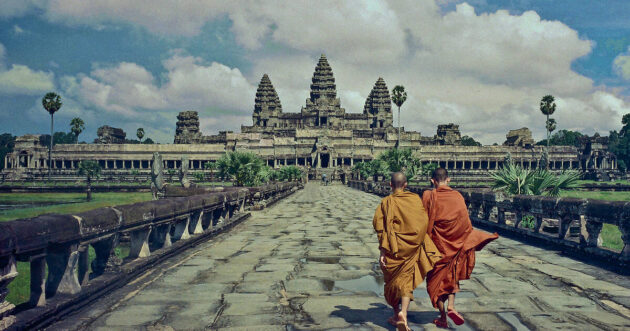
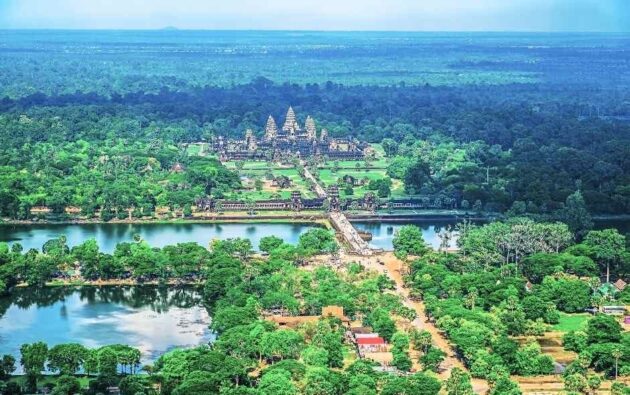
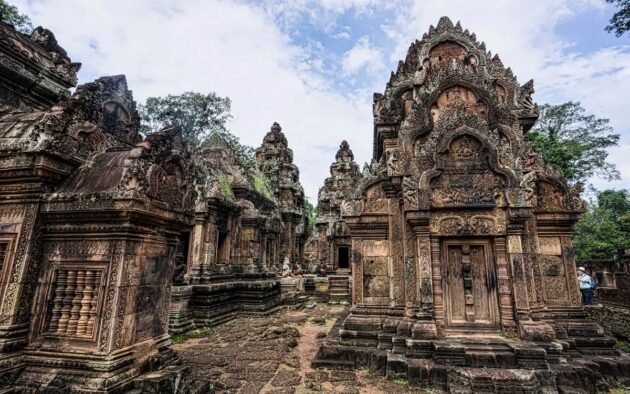
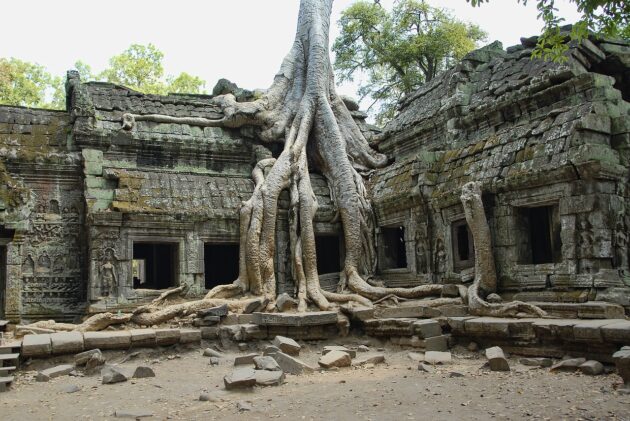
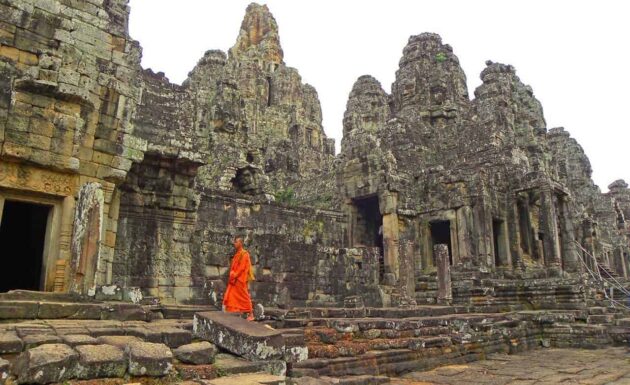
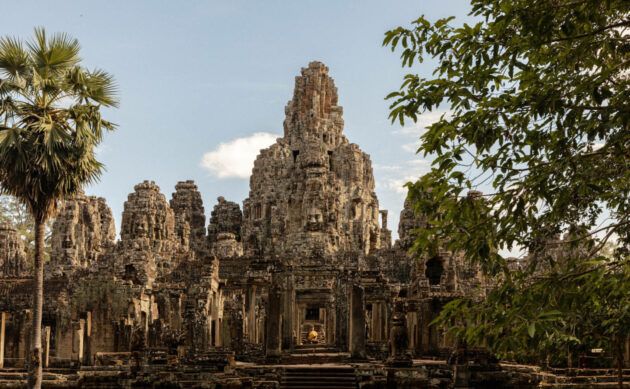
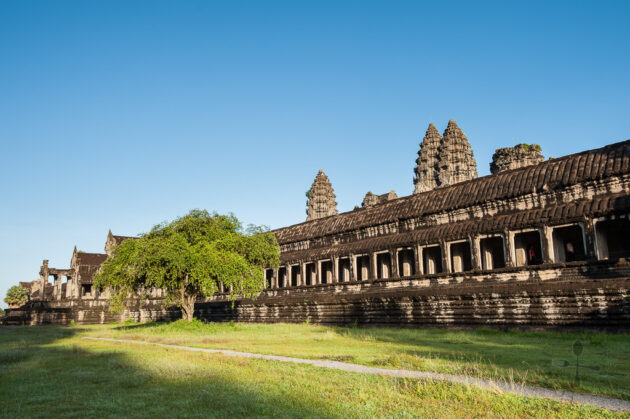
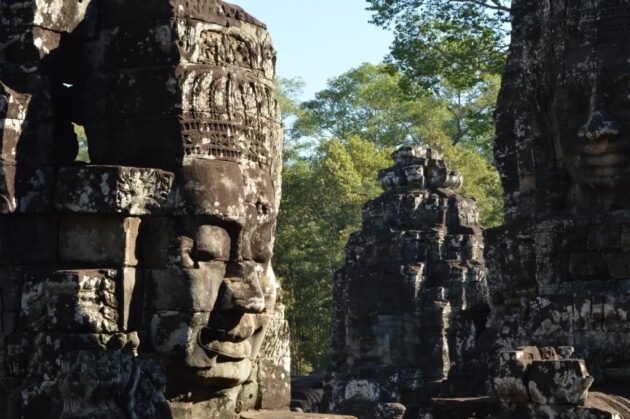
The crown jewel—a vast complex of ancient Khmer temples, including Angkor Wat (the world’s largest religious monument), Bayon (with its enigmatic smiling faces), and Ta Prohm (famous for tree roots overtaking ruins). Buy a 1- or 3-day pass; sunrise visits are magical but crowded. Allow 2–3 days.
Phnom Penh
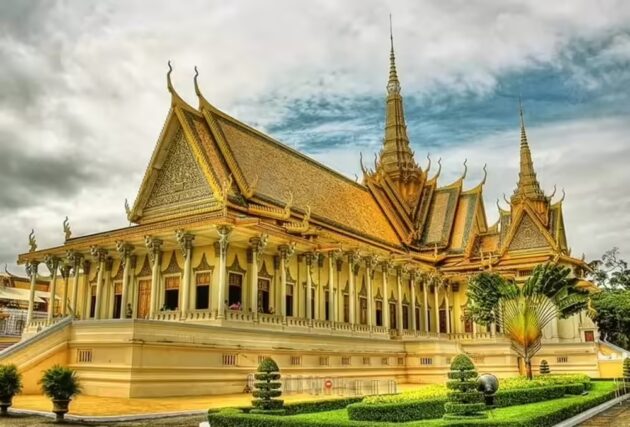
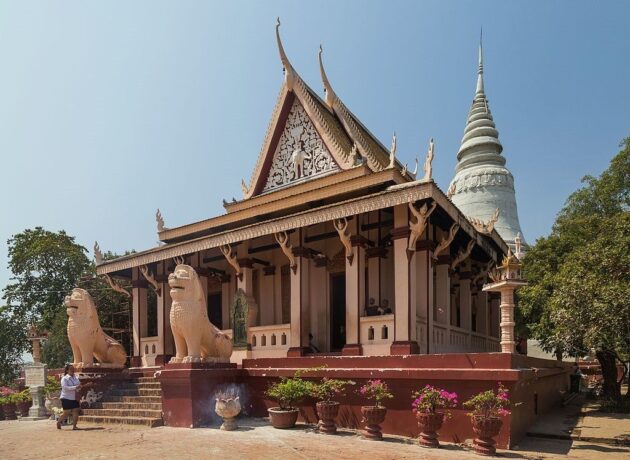
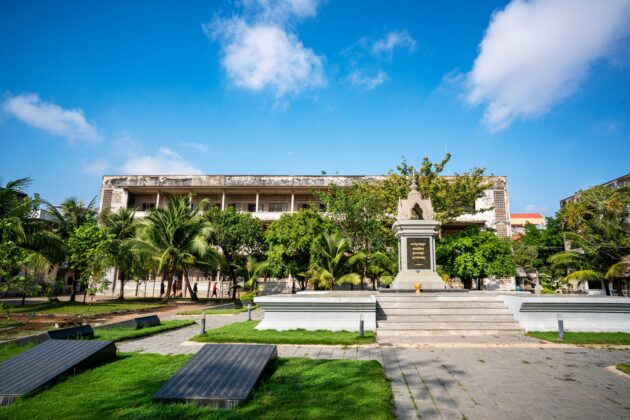
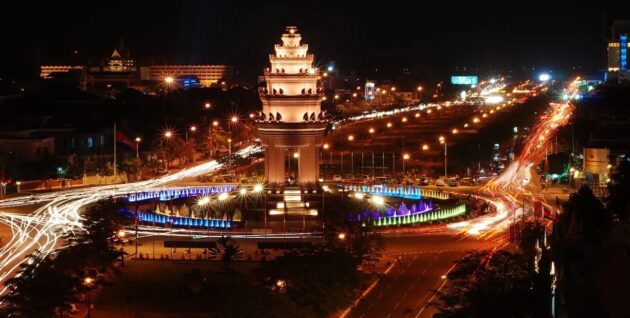
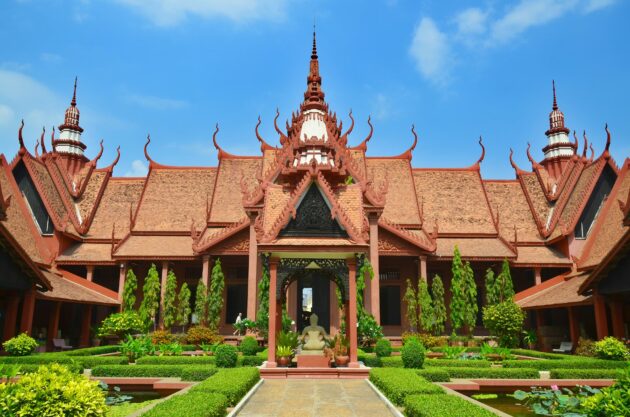
The vibrant capital with the Royal Palace, Silver Pagoda, and sobering historical sites like the Tuol Sleng Genocide Museum and Killing Fields (Choeung Ek), which provide essential context to Cambodia’s Khmer Rouge history.
Tonlé Sap Lake
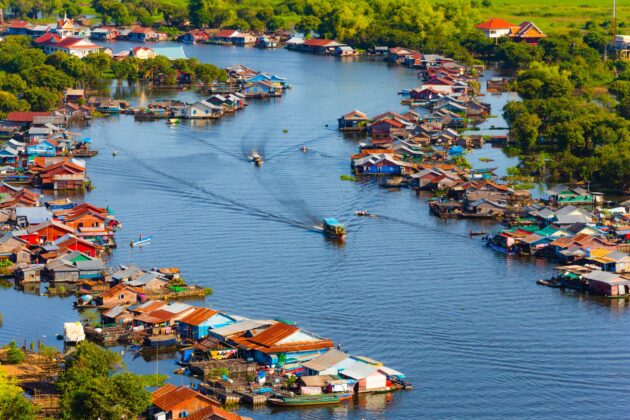
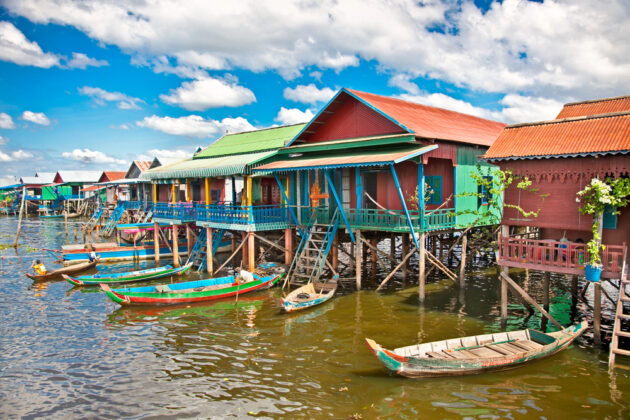
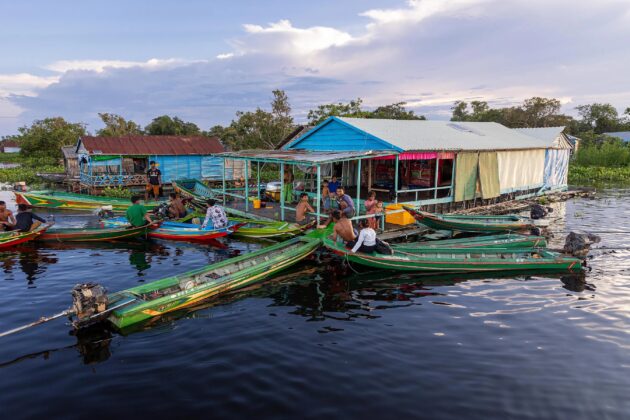
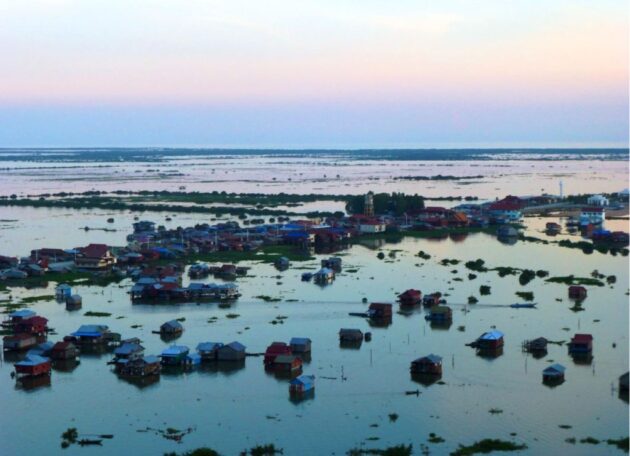
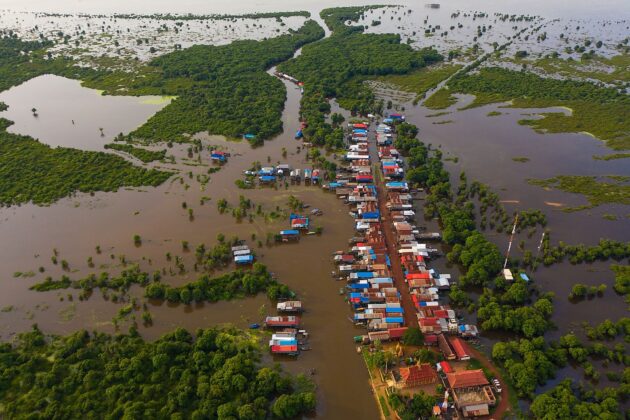
Tonlé Sap Lake in Cambodia is Southeast Asia’s largest freshwater lake, renowned for its unique hydrological phenomenon: during the monsoon season, the Mekong River’s rising waters reverse the flow of the Tonlé Sap River, causing the lake to swell to over five times its dry-season size. This annual flooding enriches the surrounding floodplains with nutrient-rich silt, creating one of the world’s most productive inland fisheries and supporting a vibrant ecosystem.
Koh Rong
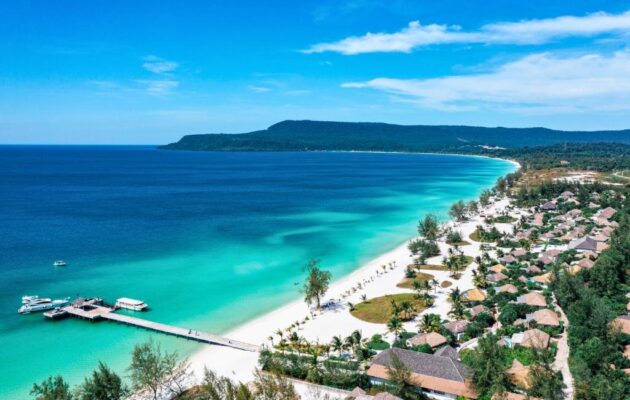
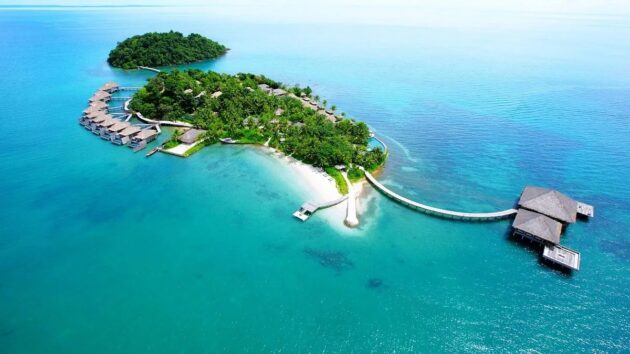
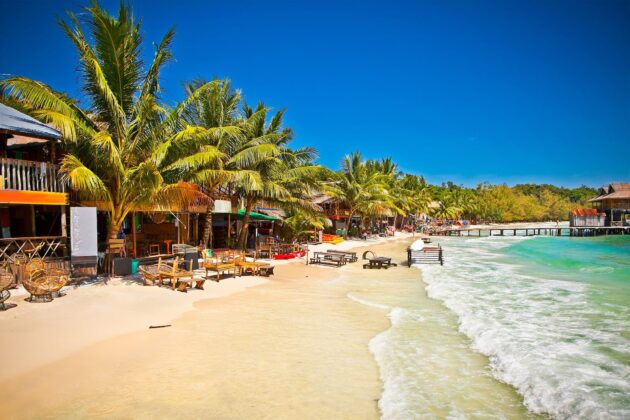
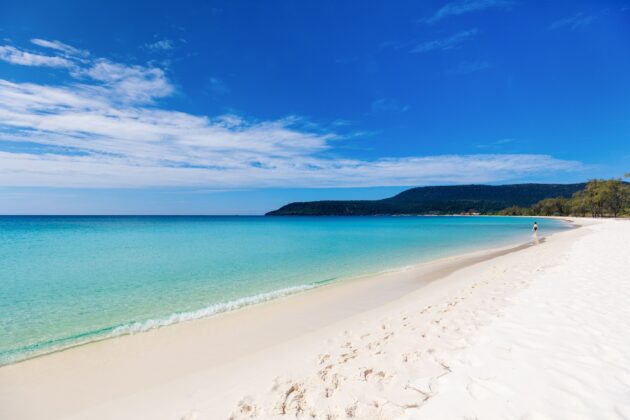
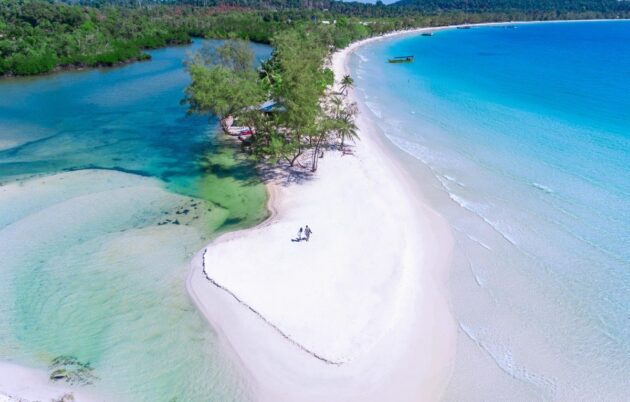
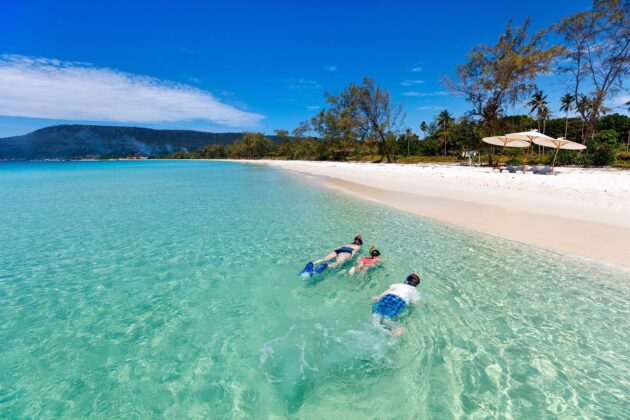
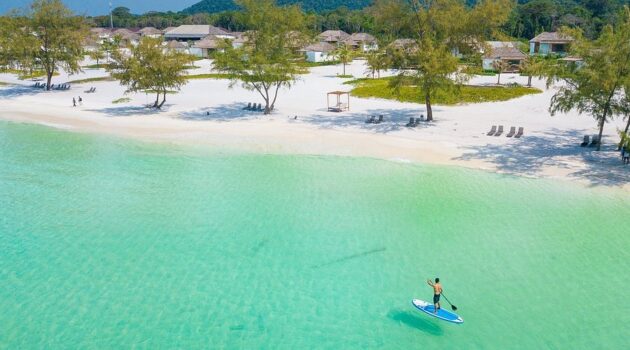
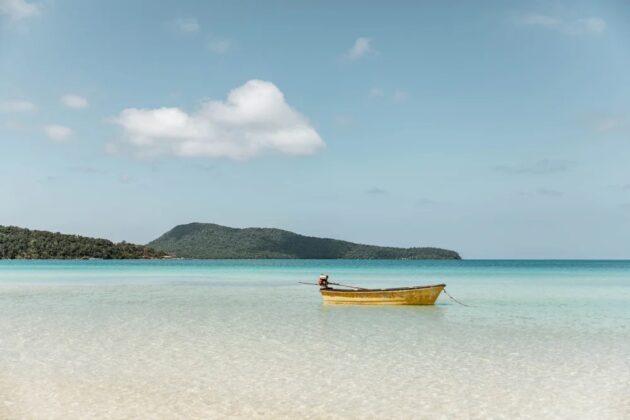
Koh Rong is a stunning tropical island in the Gulf of Thailand, off the southern coast of Cambodia. It’s known for its powdery white-sand beaches, crystal-clear turquoise waters, lush jungle interior, and laid-back island vibe that blends backpacker energy with natural beauty. The island features over 20 beaches, vibrant marine life for snorkeling and diving, and a famous bioluminescent plankton experience at night.
Getting Around
Between cities: Buses or minivans are cheap and reliable (book via 12Go Asia or hostels). Phnom Penh to Siem Reap takes 5–7 hours. Domestic flights (e.g., Cambodia Angkor Air) are quick for longer distances.
Within cities/towns: Tuk-tuks (negotiate or use Grab app), motos, or ride-hailing apps. Renting a scooter is popular for countryside exploration if you’re experienced.
Boats: Useful for islands or Tonlé Sap.
Roads have improved but can be bumpy; private drivers with cars are affordable for groups.
Food and Culture
Cambodian cuisine emphasizes fresh ingredients, rice, and fish. Must-tries:
Amok (national dish: fragrant coconut fish curry steamed in banana leaves).
Kuy teav or nom banh chok (noodle soups).
Sour soups, grilled meats, and street snacks like fried tarantulas (for the adventurous).
Influences from French (baguettes, coffee), Chinese, and neighbors.
Culture is rooted in Theravada Buddhism—dress modestly at temples (cover shoulders/knees, remove shoes), avoid touching heads, and be respectful. Khmer hospitality shines through; learning a few phrases (“sok sabay” for hello) goes far. English is common in tourist areas.
Practical Tips and Safety
Currency: US dollars are widely used alongside the riel (KHR). ATMs are common; carry small bills.
Accommodation: Budget guesthouses to boutique hotels; book ahead in peak season.
Health: Use mosquito repellent (dengue risk), drink bottled water, and get travel insurance. Tap water is not safe.
Safety: Cambodia is generally safe for tourists in main areas, with low violent crime. Watch for petty theft (phone/bag snatching in crowds or from tuk-tuks in Phnom Penh). Use common sense, avoid isolated areas at night, and stick to reputable transport. Avoid border areas with Thailand due to conflict. Landmines exist in remote/rural zones—stay on paths.
Final Thoughts
Cambodia rewards curious travelers with its blend of awe-inspiring history, natural beauty, and warm spirit. Start planning around your interests—temples, beaches, or culture—and you’ll leave with lasting memories. Safe travels! If you have specific questions (e.g., budget, family travel, or a custom itinerary), let me know.