
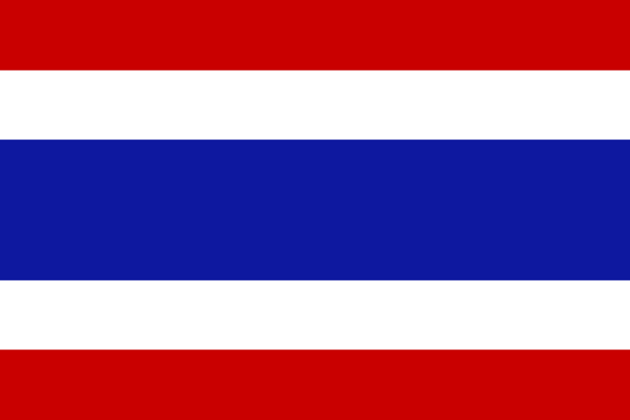
Thailand Travel Guide (2026)
Thailand is a vibrant Southeast Asian destination blending bustling cities, ancient temples, lush jungles, and stunning tropical beaches. It’s known for its friendly people (“Land of Smiles”), incredible street food, affordable travel, and mix of cultural depth and relaxation. Whether you’re into temples and markets in Bangkok, hill tribes and elephants in the north, or island-hopping in the south, Thailand offers something for every traveler.
Best Time to Visit
Thailand has a tropical climate with three main seasons:
Cool/Dry Season (November–February): Best overall for most of the country—pleasant temperatures (around 29–34°C/84–93°F), lower humidity, and minimal rain. Ideal for beaches, temples, and outdoor activities. Peak season means higher prices and crowds, especially December–January.
Hot Season (March–May): Very hot and humid; good for fewer crowds and lower prices, but beach weather can still be fine.
Rainy/Green Season (June–October): Short, sharp showers (often afternoons); landscapes are lush. The Andaman coast (Phuket side) sees more rain, while the Gulf (Koh Samui) can be better. Shoulder months like May or October offer good value.
Regional note: Weather varies—west coast (Andaman) is best Nov–Apr; east/Gulf can be good longer. For beaches and island-hopping, aim for dry season.
Major Cities
Bangkok
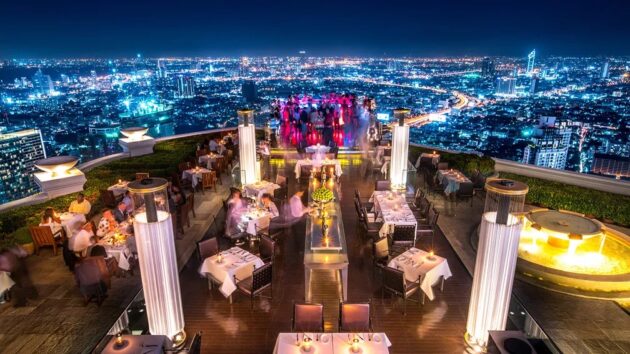
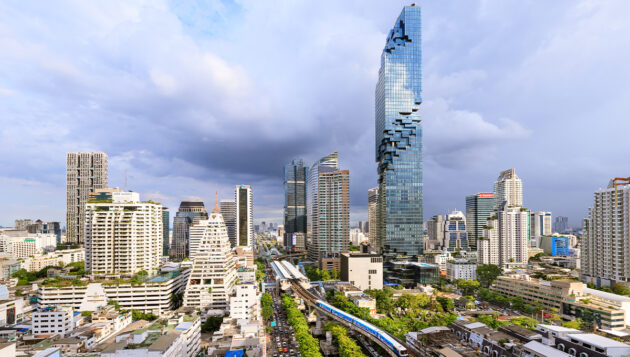
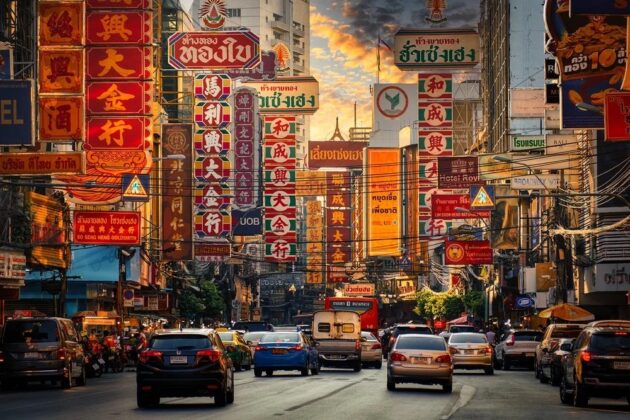
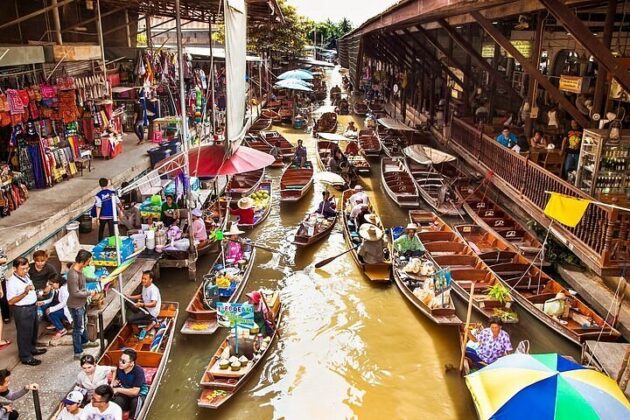
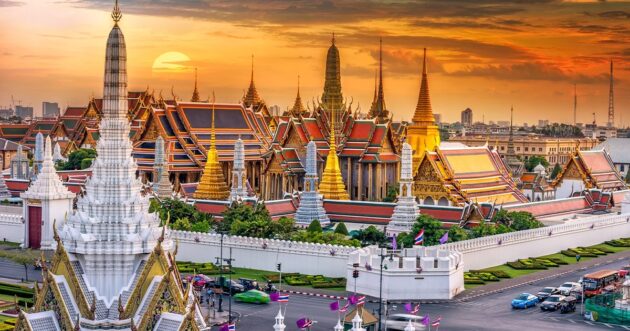
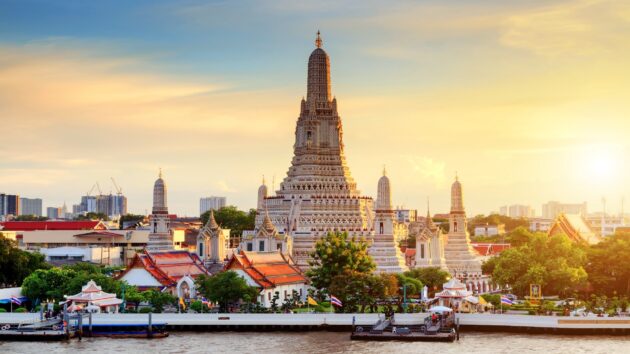
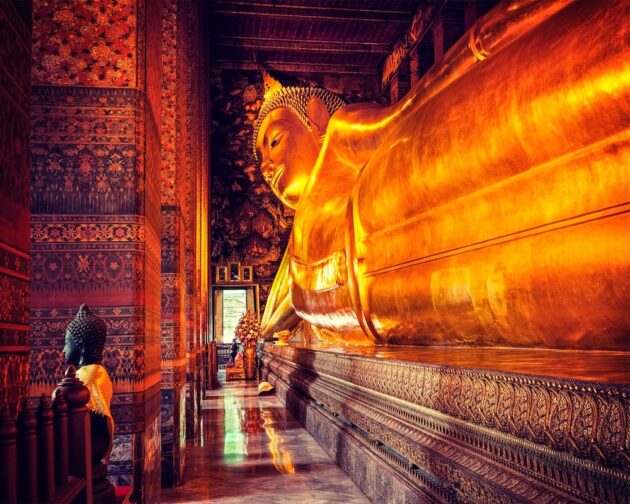
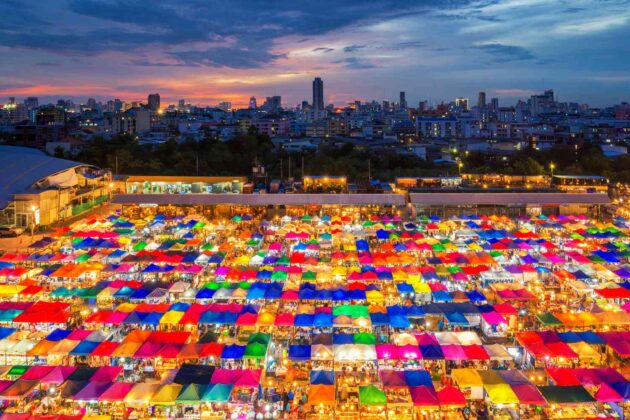
Chaotic, energetic capital. Must-sees: Grand Palace and Wat Phra Kaew (Emerald Buddha—dress modestly: cover shoulders/knees), Wat Pho (Reclining Buddha), Wat Arun (Temple of Dawn). Explore Chatuchak Weekend Market, floating markets, Chinatown street food, and rooftop bars. Take a Chao Phraya River cruise. Don’t rush—peel back the layers beyond Khao San Road backpacker area.

Chiang Mai
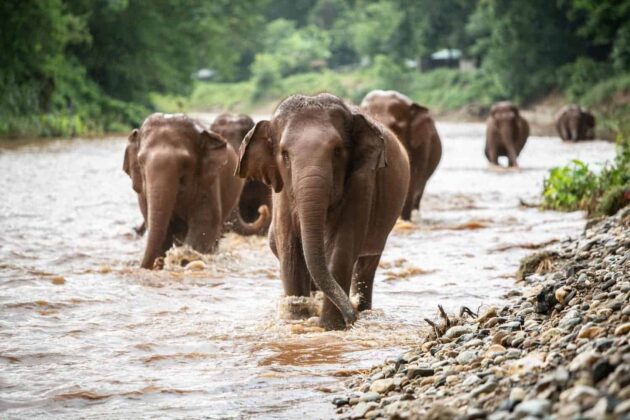
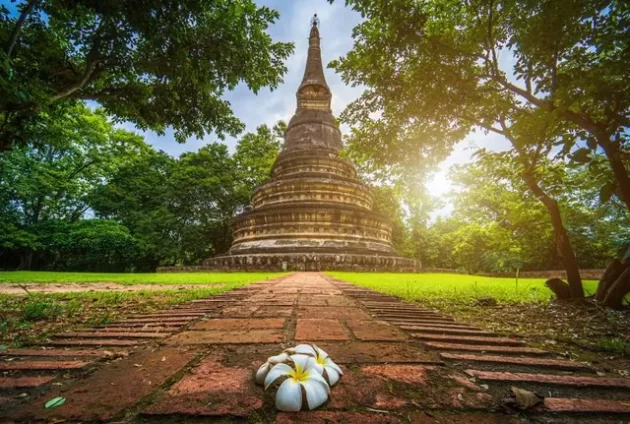
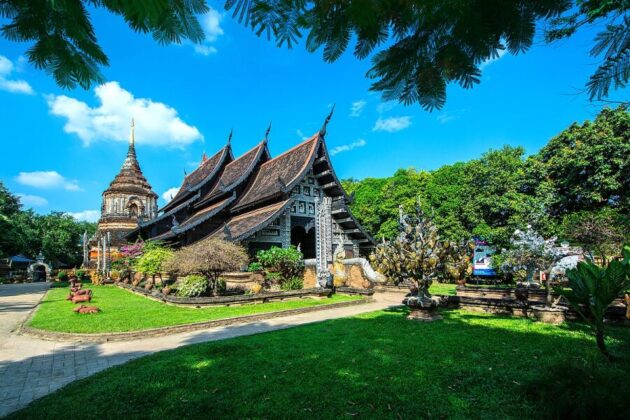
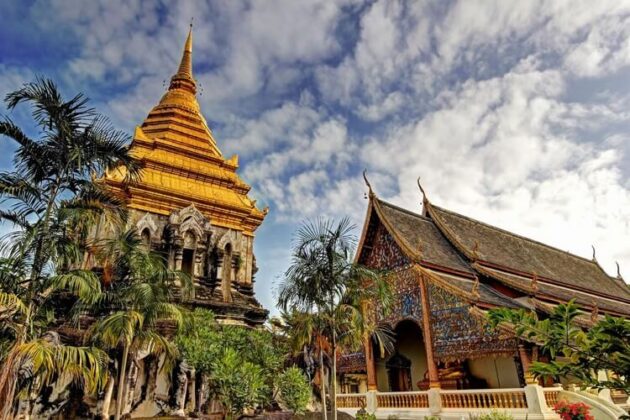
Cooler, more relaxed vibe. Visit temples like Wat Phra That Doi Suthep, night bazaars, and enjoy khao soi (curry noodle soup). Ethical elephant sanctuaries, cooking classes, hiking in Doi Inthanon or nearby parks, and day trips to Chiang Rai (White Temple). Great base for hill tribe experiences and Muay Thai.
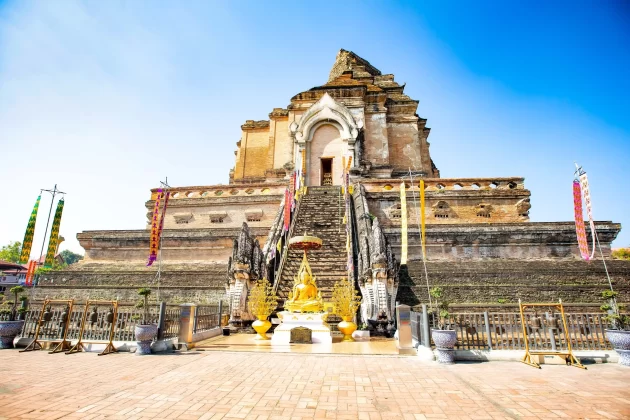
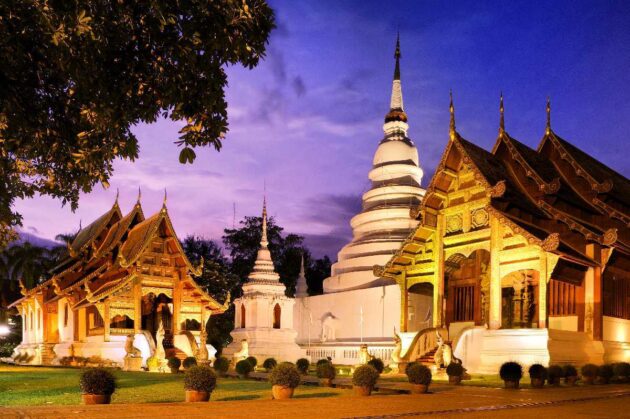
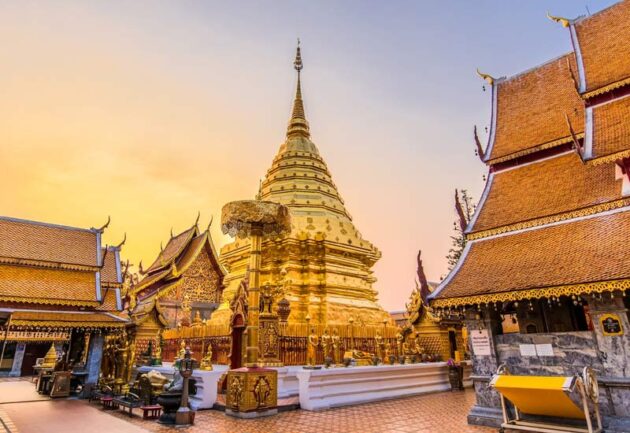
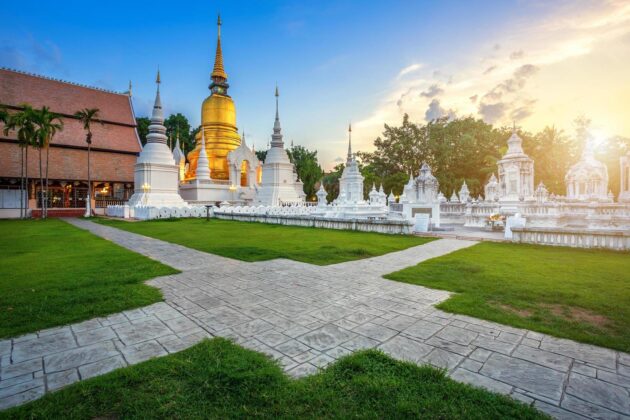
Pattaya City
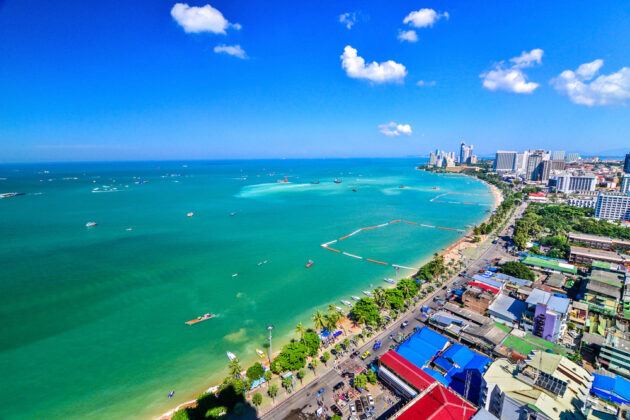
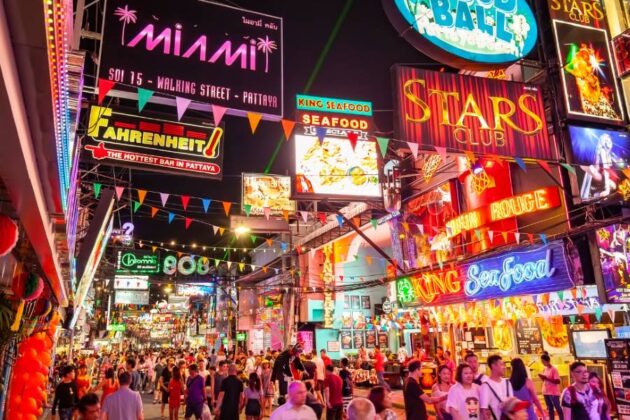
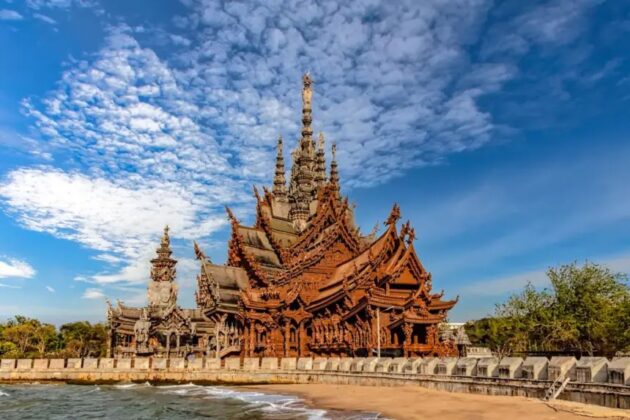
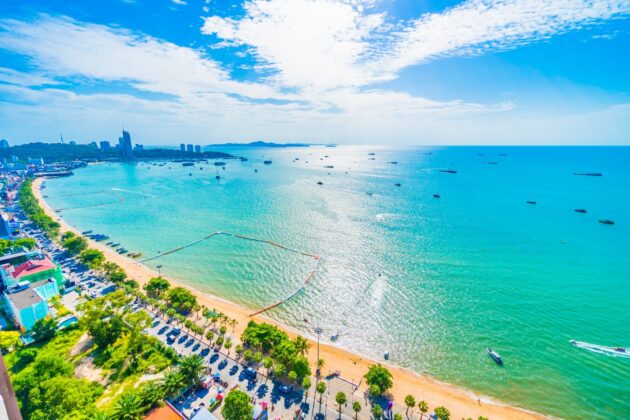
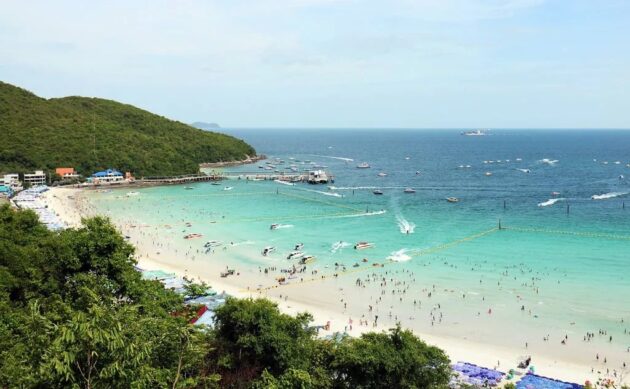
Pattaya is a vibrant beach resort city on Thailand’s eastern Gulf coast, about 120-150 km southeast of Bangkok in Chonburi Province. It is known for its mix of sunny beaches, lively nightlife (especially Walking Street), water sports, cultural sites, and easy day trips. While it has a well-earned reputation for adult-oriented entertainment, it also offers family-friendly options, beautiful gardens, temples, and islands.
Top Destinations and Things to Do
Phuket
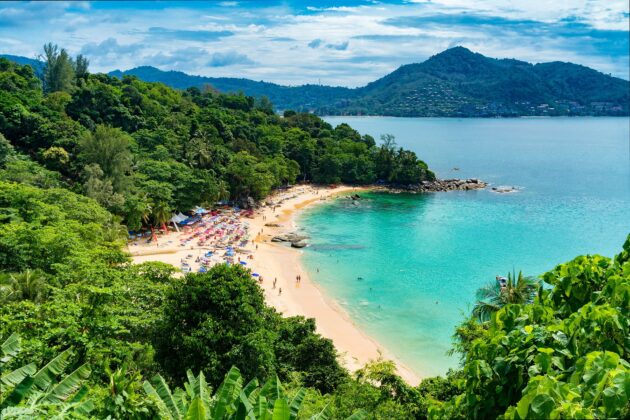
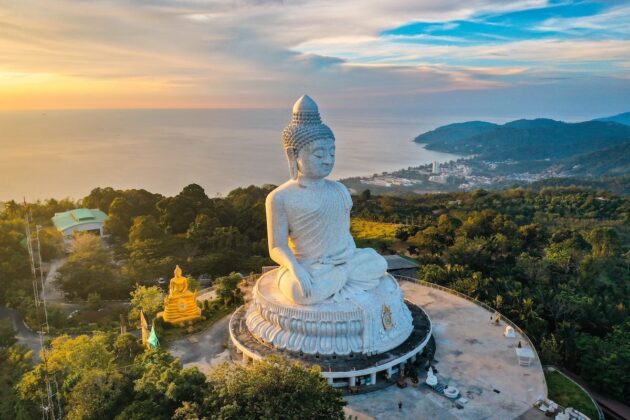
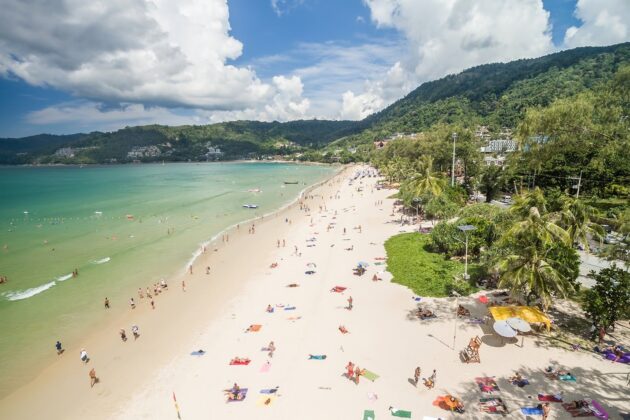
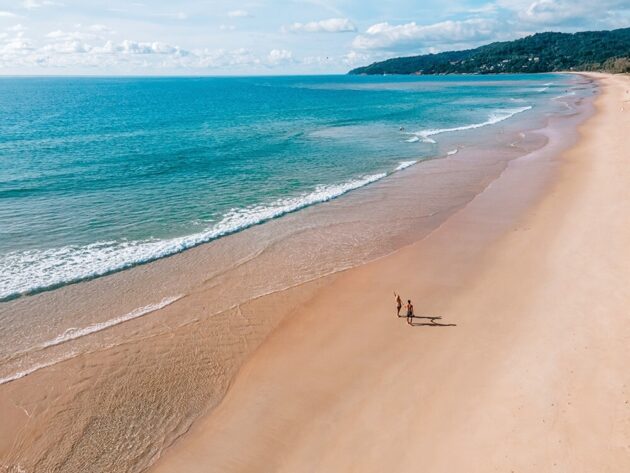
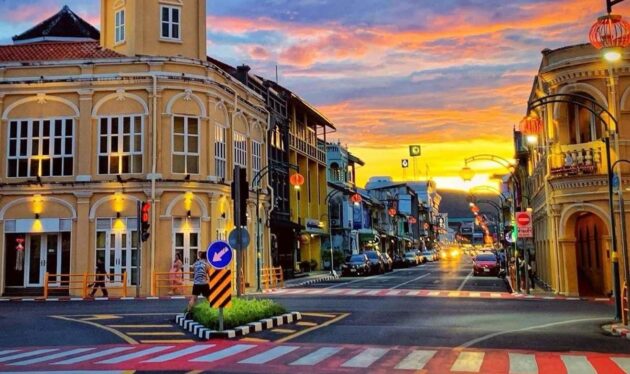
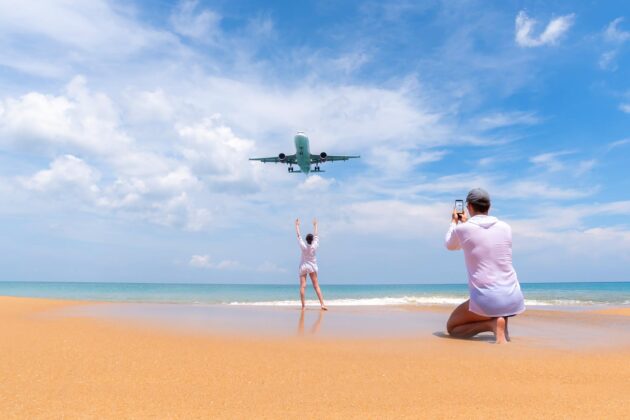
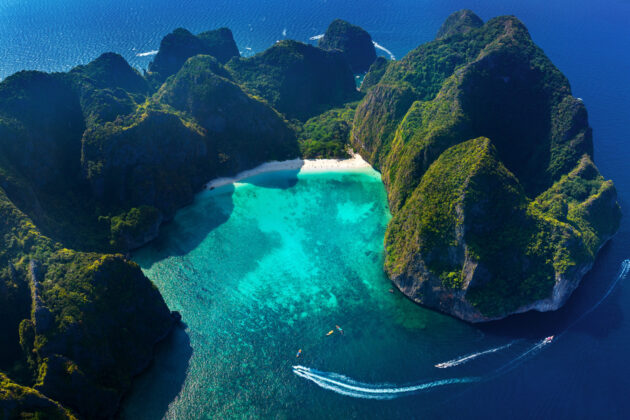
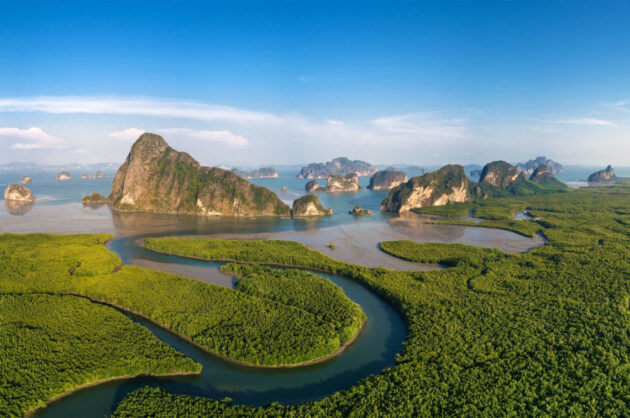
Largest island, gateway to the south. Beaches like Patong (lively), Kata/Karon (family-friendly), or quieter ones. Old Town for culture, Big Buddha viewpoint. Day trips to Phi Phi Islands (stunning limestone cliffs, snorkeling—famous from The Beach), Phang Nga Bay (James Bond Island), or Similan Islands for diving. Busy but convenient with airport.
Railay Beach
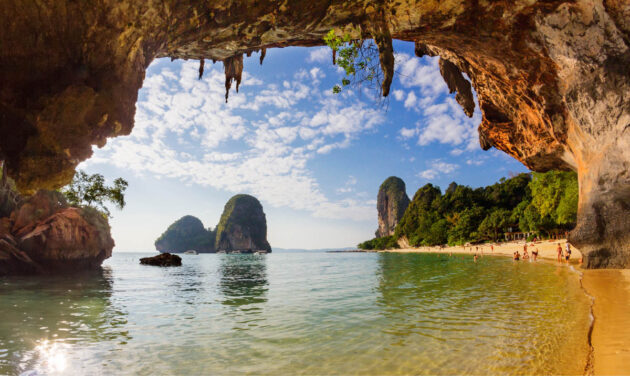
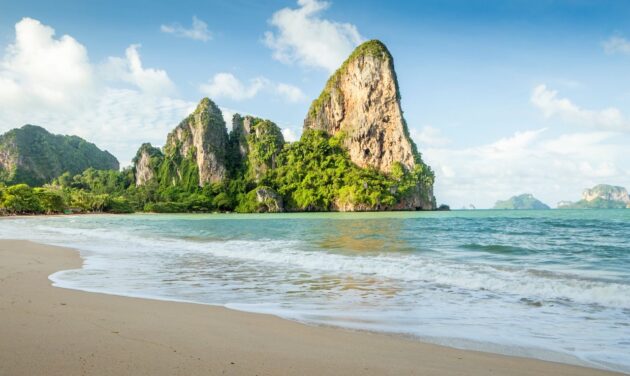
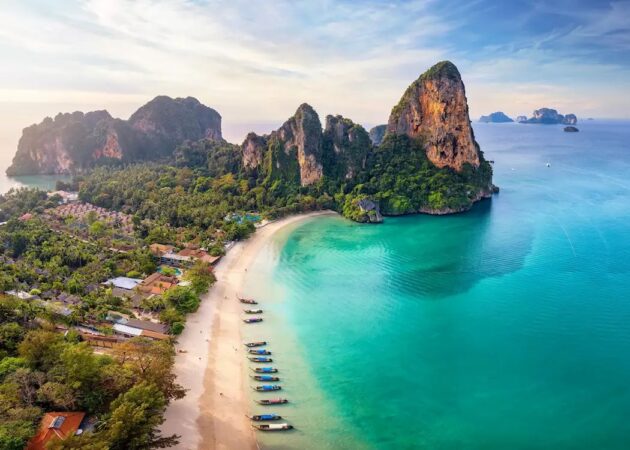
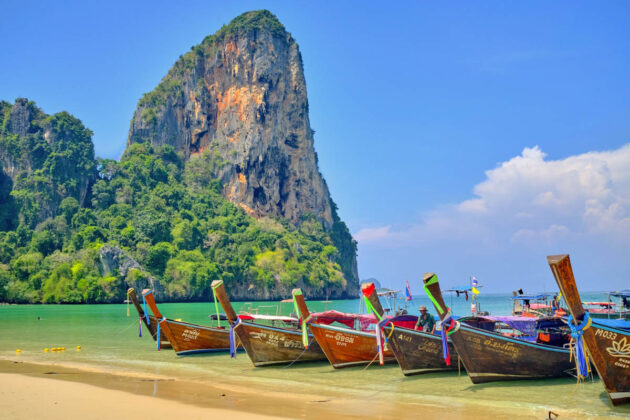
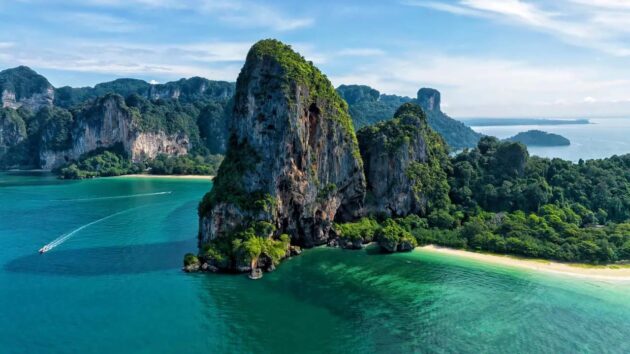
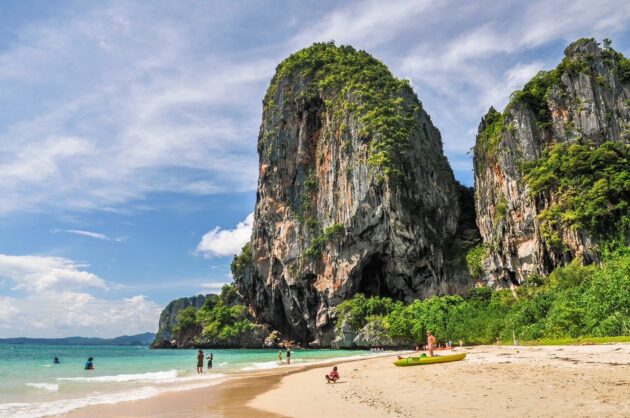
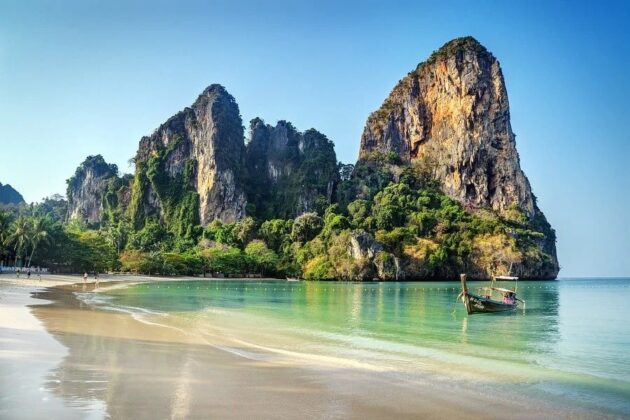
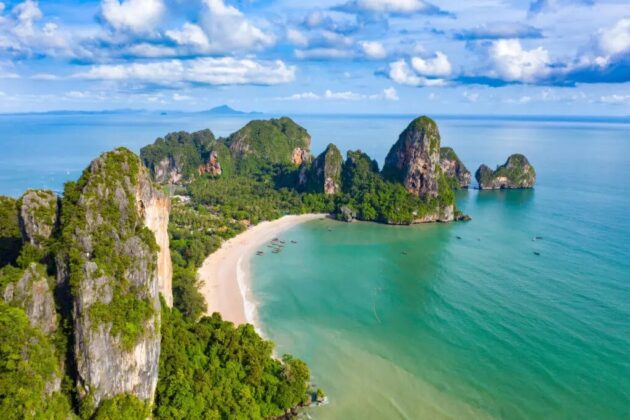
Railay Beach (often spelled Rai Leh or Railay) is a stunning peninsula in Krabi Province, southern Thailand, famous for its dramatic limestone karsts, turquoise waters, pristine beaches, and world-class rock climbing. It’s only accessible by boat, giving it a secluded, almost island-like feel despite being connected to the mainland by cliffs.
Koh Samui
Koh Samui (also spelled Ko Samui) is one of Thailand’s most popular islands in the Gulf of Thailand. It offers a mix of stunning beaches, lush jungle interiors, vibrant nightlife, cultural sites, and luxury resorts. The island is more developed than some neighbors like Koh Phangan or Koh Tao but retains plenty of relaxed vibes, especially outside the busiest areas.
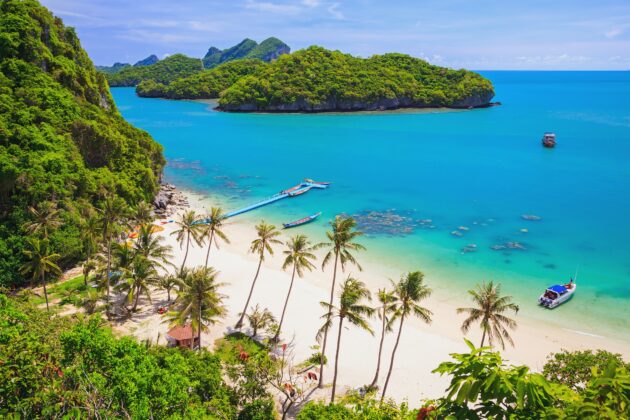
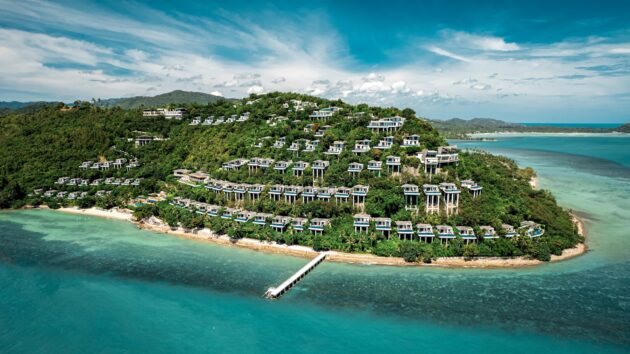
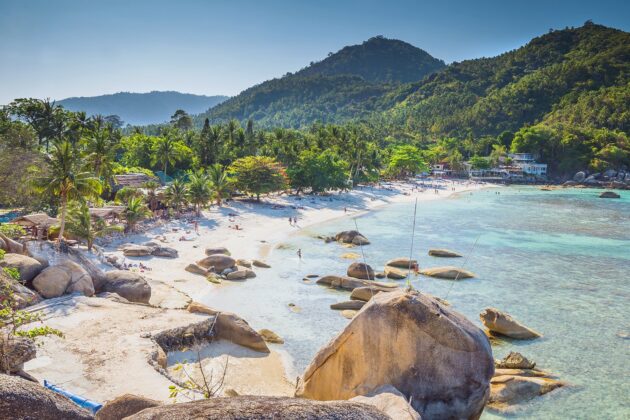
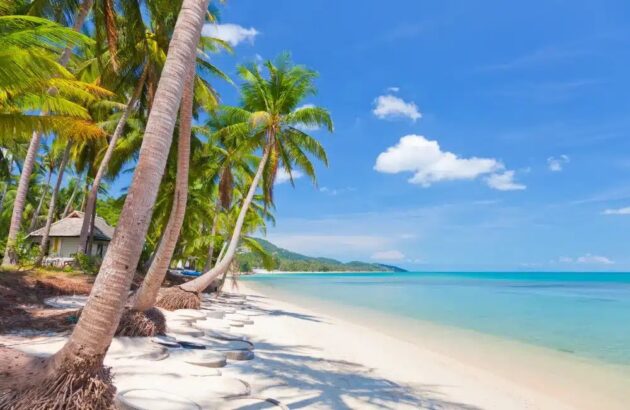
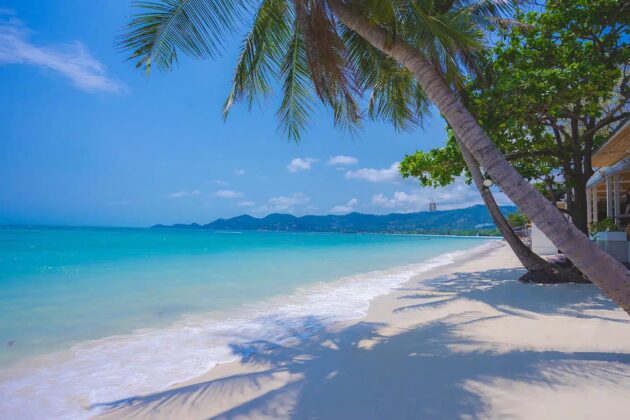
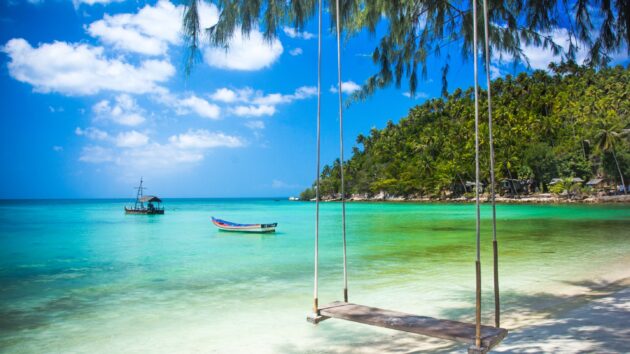
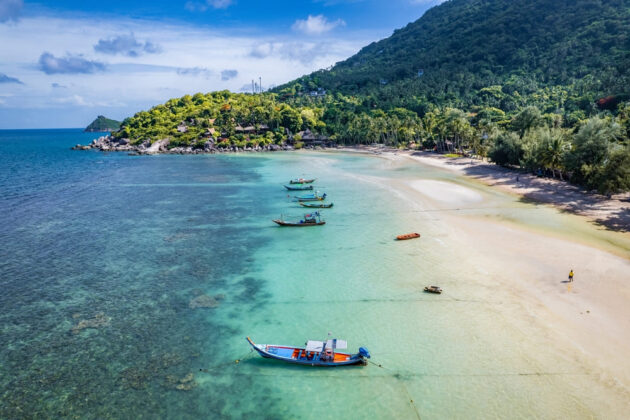
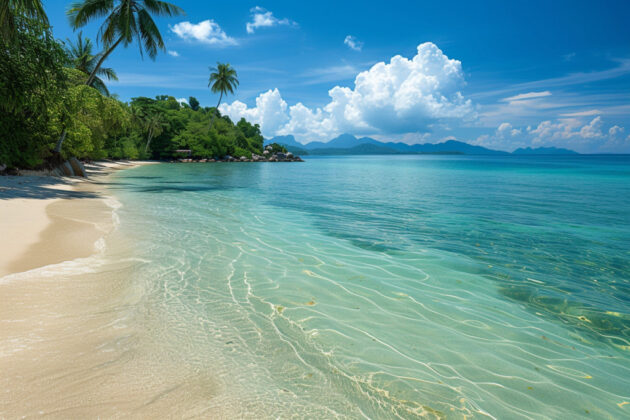
Nangyuan Island Beach
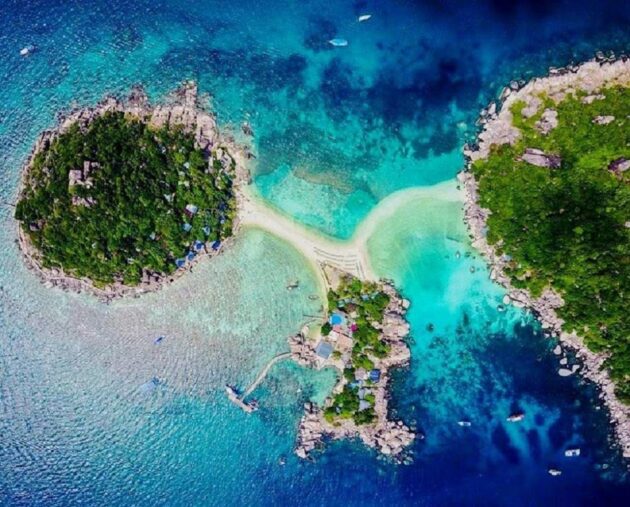
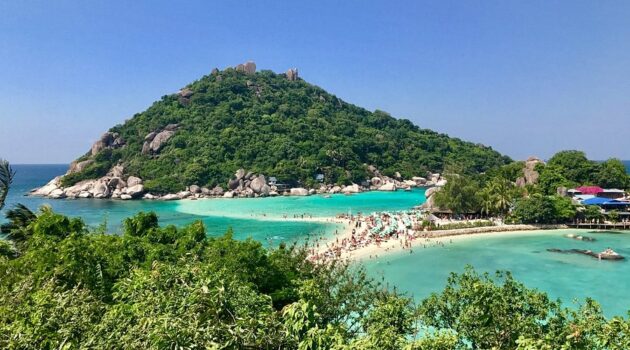
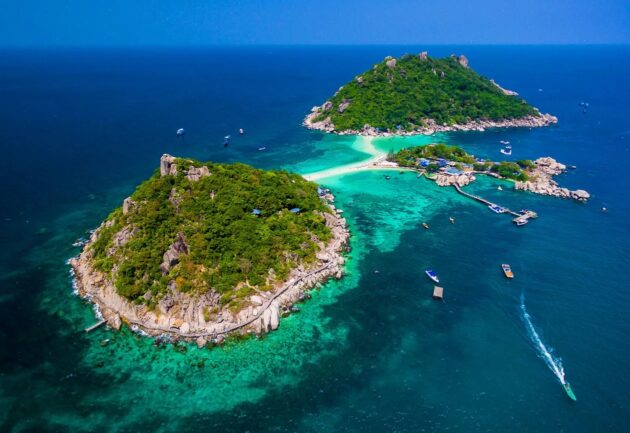
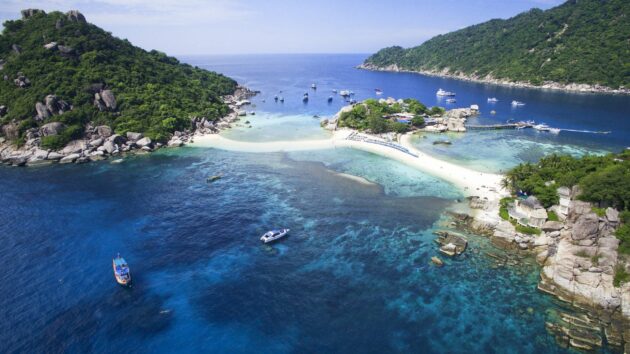
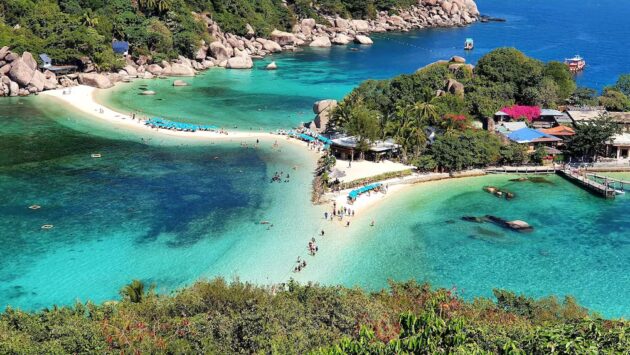
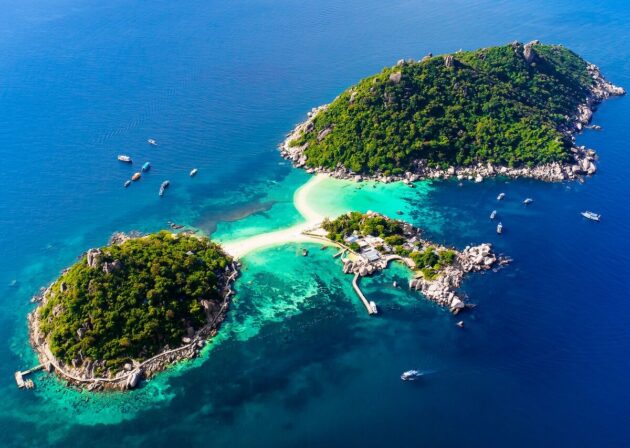
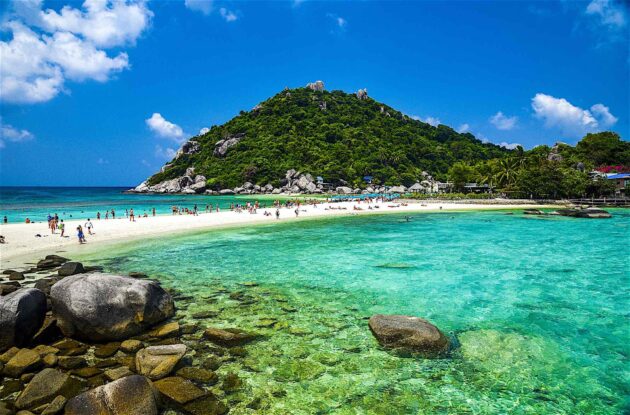
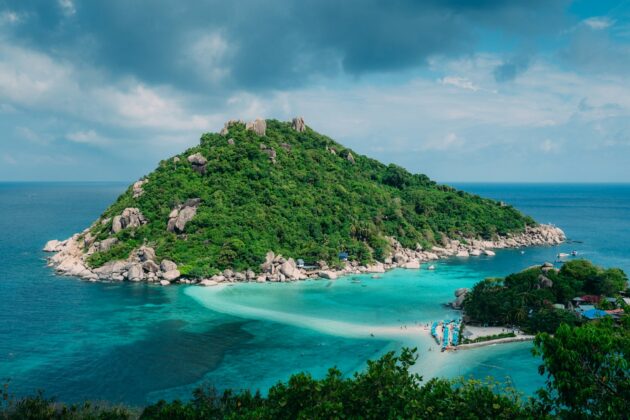
Nangyuan Island (Koh Nang Yuan) is a stunning small cluster of three rocky islands connected by narrow white sandbars, located just off the northwest coast of Koh Tao in the Gulf of Thailand. Its unique “Y” or “dumbbell” shape, crystal-clear turquoise waters, and excellent snorkeling make it one of Thailand’s most photogenic spots—often called a postcard-perfect paradise.
Koh Lipe
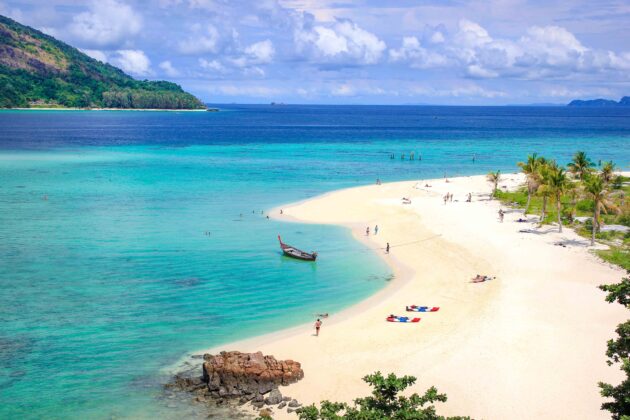
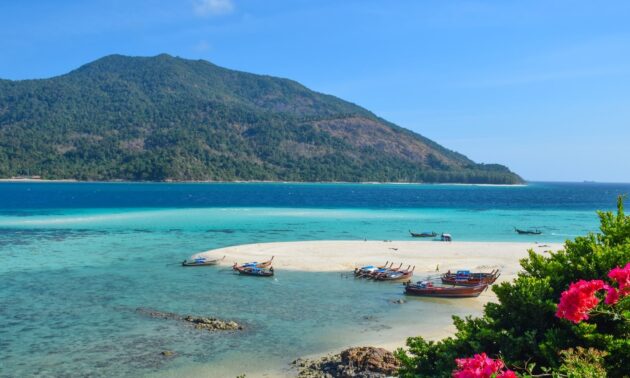
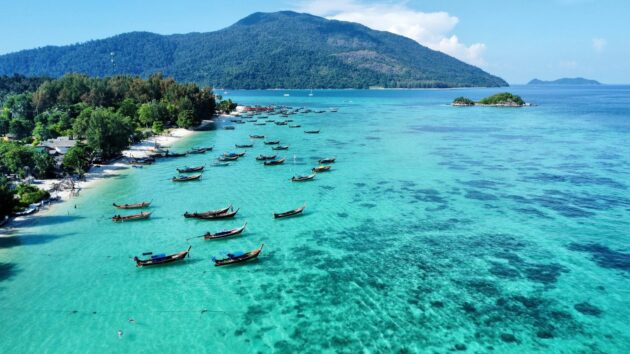
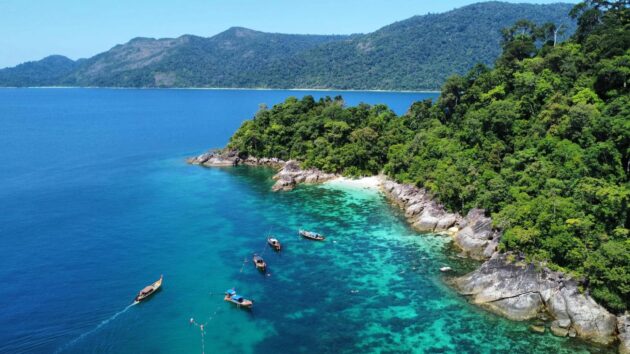
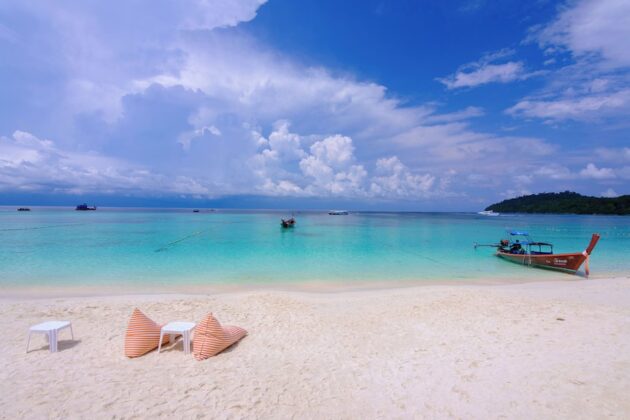
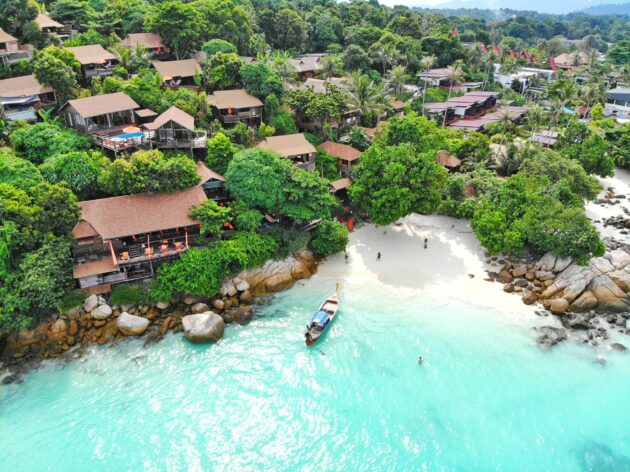
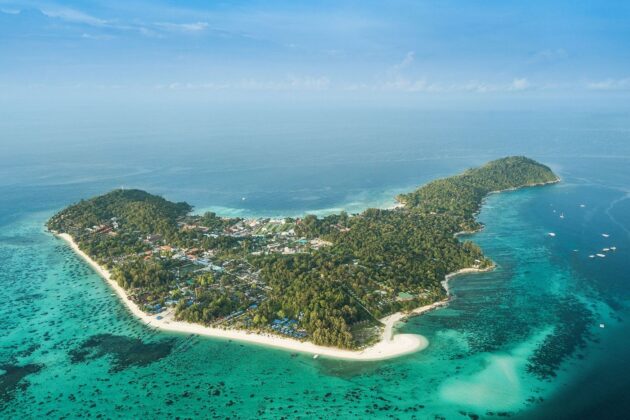
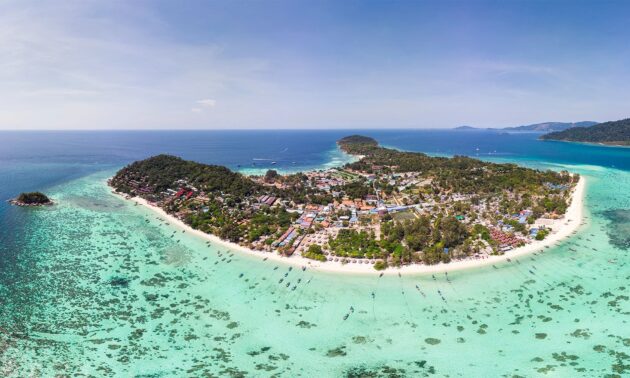
Koh Lipe (also spelled Ko Lipe) is a small, stunning island in Thailand’s Satun Province in the Andaman Sea, part of the Tarutao National Marine Park. It’s often called the “Maldives of Thailand” for its powdery white-sand beaches, crystal-clear turquoise waters, and excellent snorkeling right off the shore.
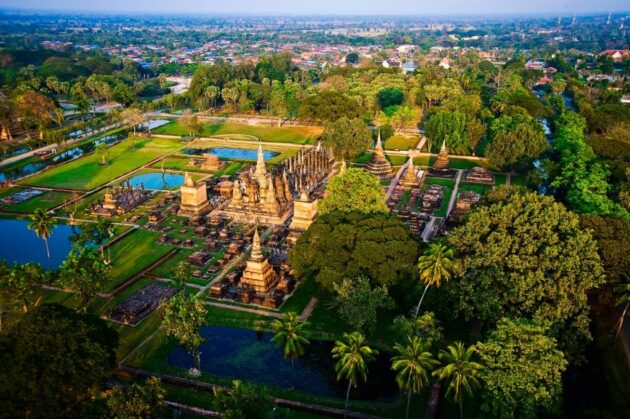
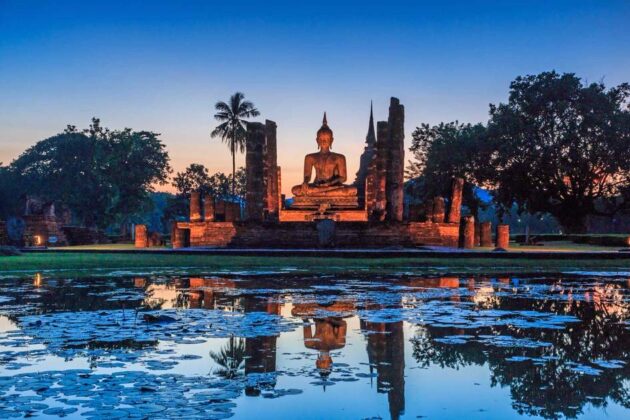
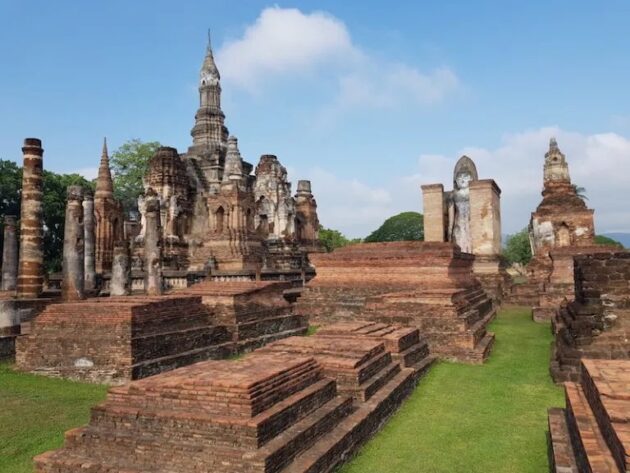
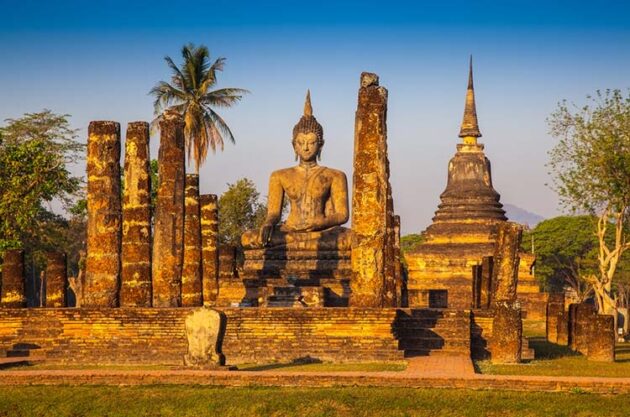
Sukhothai Historical Park
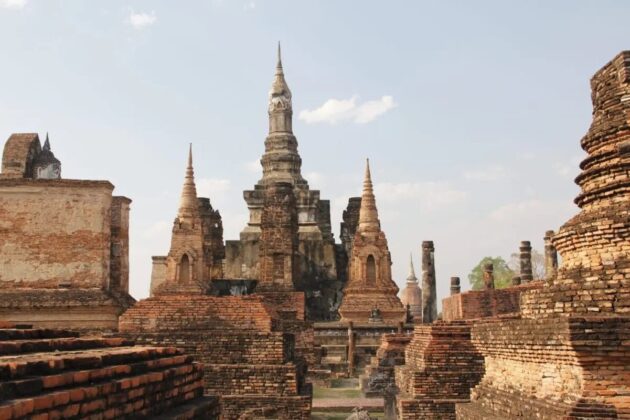
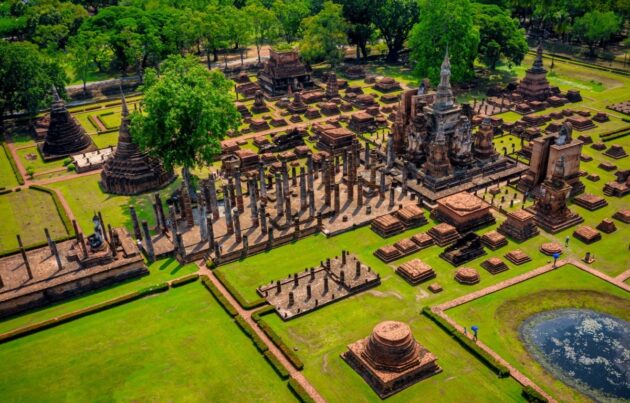
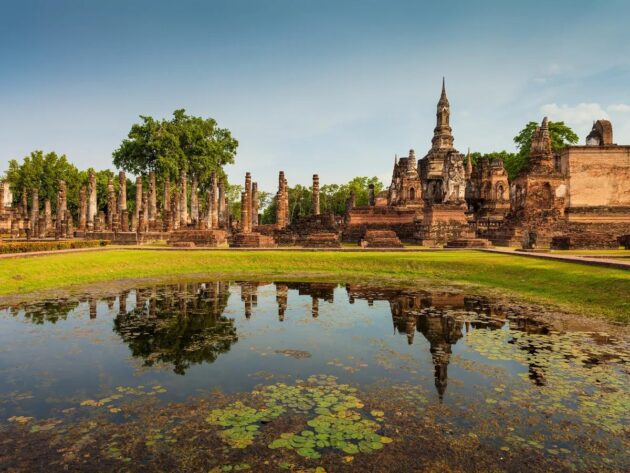
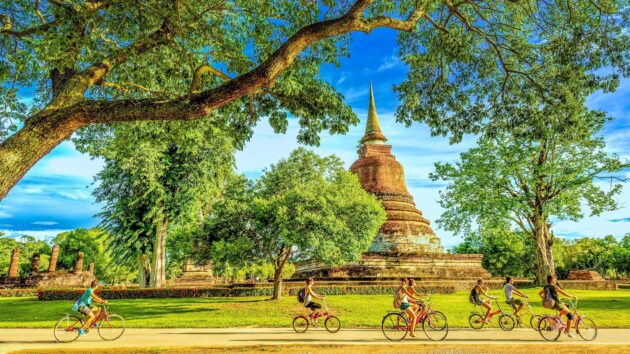
Sukhothai Historical Park (also known as the Historic Town of Sukhothai) is a UNESCO World Heritage Site in northern Thailand. It preserves the ruins of Thailand’s first independent kingdom (founded in 1238), often called the “Dawn of Happiness.” The park spans about 70 km² with around 193 monuments, including temples, stupas, moats, and palaces showcasing early Thai art, architecture, and Buddhist influence.
Phra Nakhon Si Ayutthaya
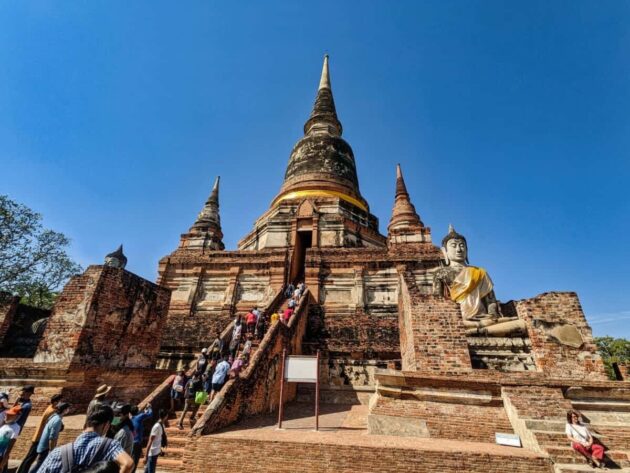
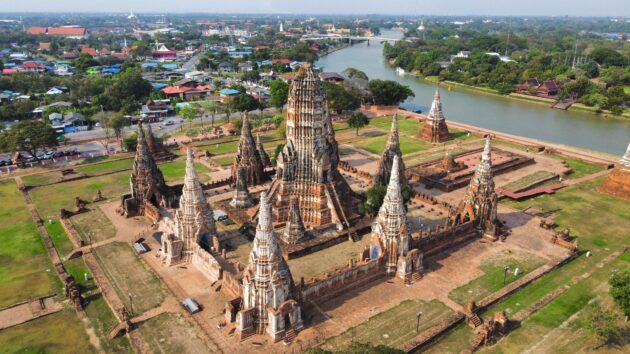
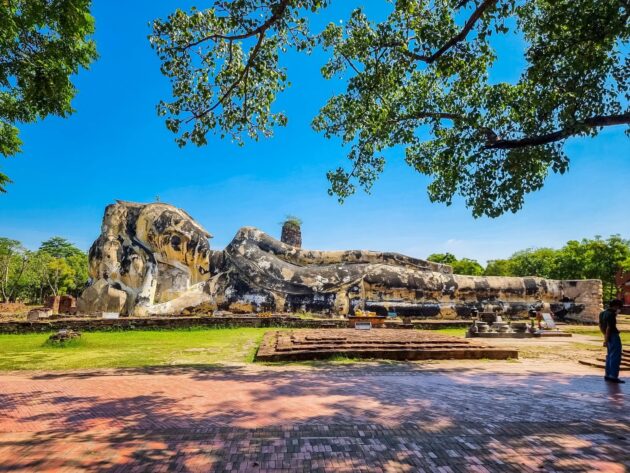
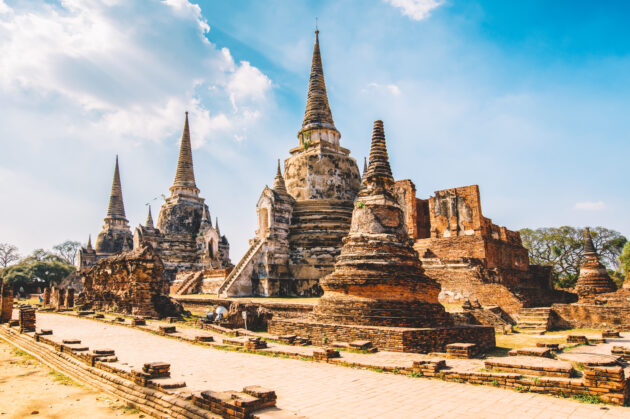
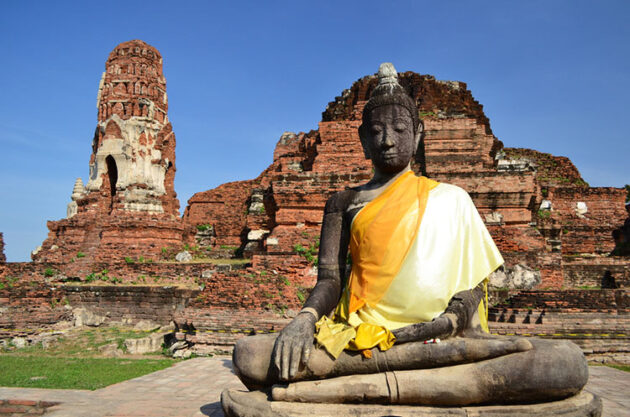
Phra Nakhon Si Ayutthaya (commonly called Ayutthaya) is Thailand’s ancient capital, located about 80 km (50 miles) north of Bangkok. It served as the Siamese capital from 1350 until its destruction by Burmese forces in 1767. The ruins of its grand temples and palaces form a UNESCO World Heritage Site, often compared to Angkor Wat or Bagan for its atmospheric brick chedis (stupas), prangs, and weathered Buddha statues.
Getting Around
Flights: Cheap domestic (AirAsia, Bangkok Airways)—Bangkok to Phuket/Chiang Mai often $25–50.
Trains/Buses: Scenic and budget-friendly for north (Bangkok–Chiang Mai overnight train). Buses are widespread.
Within Cities: Bangkok’s BTS Skytrain/MRT is efficient; use Grab app (like Uber) for taxis/motorbikes—safer than negotiating tuk-tuks. Avoid airport taxis without meters.
Islands: Ferries/speedboats (book via 12Go.asia). Motorbike rental common but risky if inexperienced—wear helmets and get insurance.
Apps: Grab, Google Maps, Google Translate, XE for currency, and a reliable eSIM for data.
Food & Culture Tips
Thai food is world-famous—pad Thai, green curry, som tam (papaya salad), mango sticky rice. Street food is safe and cheap if busy; drink bottled water. Respect customs: Remove shoes at temples/homes, don’t touch heads, dress modestly at religious sites, and use “wai” greeting. Bargain at markets but politely. Tipping isn’t mandatory but appreciated for good service.
Costs
Thailand remains very affordable: Budget traveler: $30–50/day (hostels, street food, public transport). Mid-range: $60–120/day (nice hotels, restaurants, tours). Luxury: $200+/day.
Examples: Hostel dorm ~$5–10, private room $15–40; meal $2–5 street food, $8–15 restaurant; beer ~$3; domestic flight $25–50.
Safety & Health
Thailand is generally safe (US State Department Level 1: Normal Precautions), especially tourist areas. Watch for:
Petty theft in crowds/markets or on beaches.
Taxi/tuk-tuk scams (insist on meter or use Grab).
Road safety—traffic is chaotic; be cautious on scooters.
Nightlife: Drink responsibly; avoid isolated areas late at night.
Health: Mosquito-borne illnesses (dengue, Zika)—use repellent. Tap water not for drinking. Pharmacies are everywhere; get travel insurance for medical/evacuation.
Political demonstrations are rare for tourists but avoid them. Respect strict lèse-majesté laws (criticism of monarchy).
Practical Tips
ATMs widespread; use cards with no foreign fees or exchange cash. Baht (THB) is the currency.
Dress lightly but pack modest clothes for temples and a light jacket for AC or cooler north.
Learn basic Thai phrases or use translation apps—Thais are helpful.
Avoid feeding or interacting with wild monkeys aggressively.
Final Thoughts
Thailand rewards flexible travelers—slow down, eat everything, and embrace the chaos and calm. Check current conditions before travel, especially weather or any policy tweaks. Safe travels! If you have a specific region, budget, or interests (e.g., beaches only, family trip), I can refine this further.