
Daereungwon Tomb Complex Travel Guide (2026)
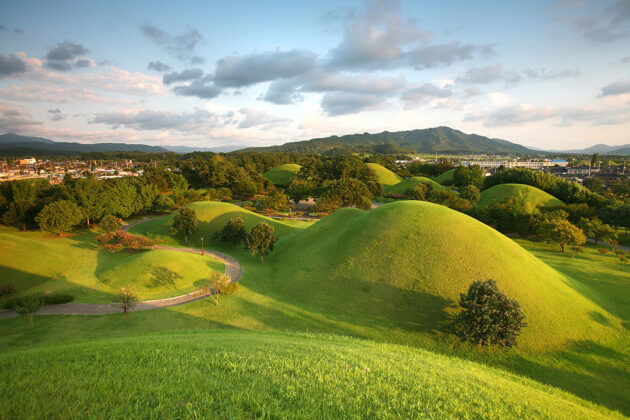
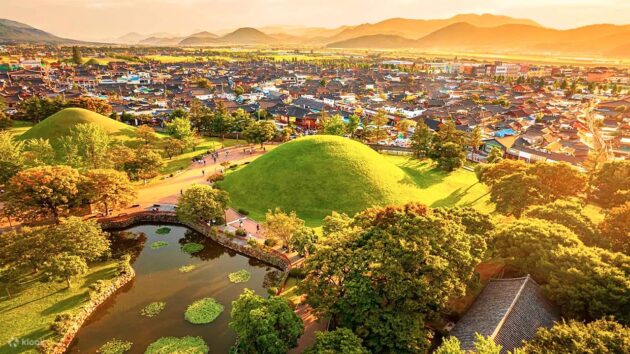
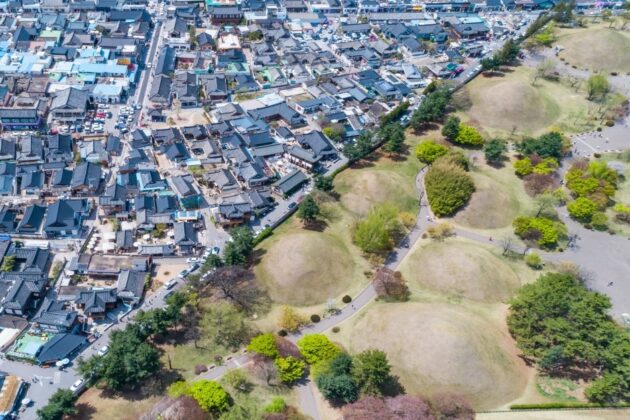
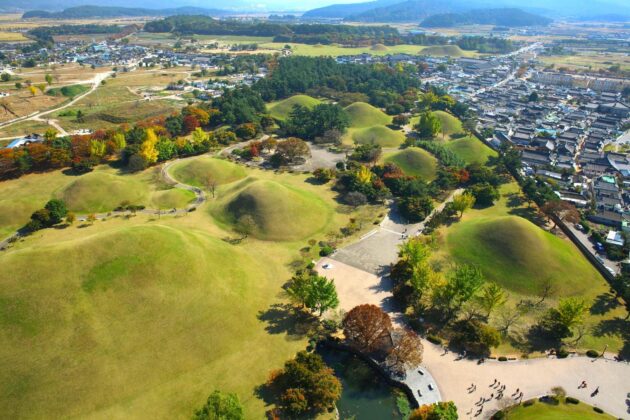
Daereungwon Tomb Complex (Daereungwon Ancient Tombs / Tumuli Park), Gyeongju, South Korea is one of the most iconic and atmospheric historical sites in South Korea. As part of Gyeongju’s UNESCO World Heritage-listed historic areas, this park-like complex features around 23 large grass-covered burial mounds (tumuli) from the Silla Kingdom (57 BCE–935 CE). These mounds contain the remains of Silla kings, queens, and nobles, offering a serene, almost otherworldly glimpse into ancient Korean royal burial practices.
Why Visit Daereungwon?
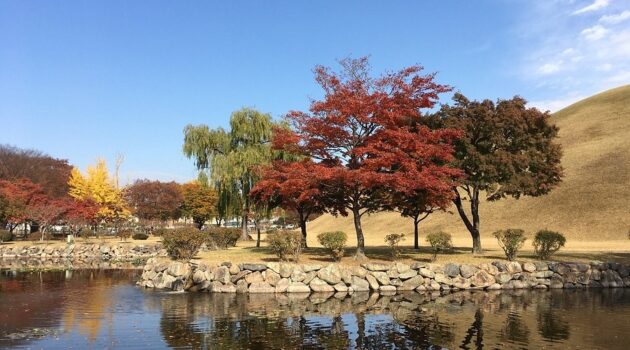
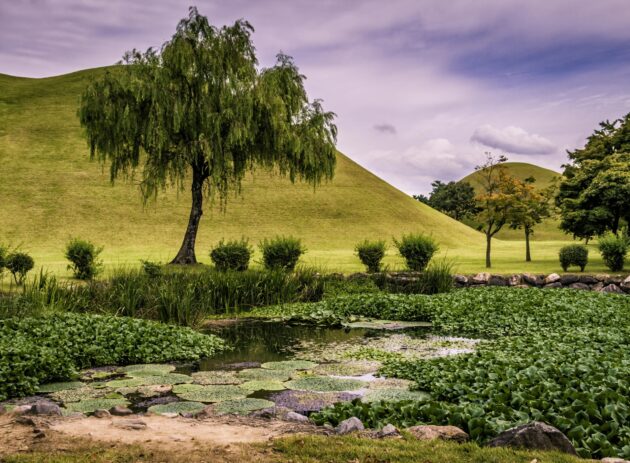
The site stands out for its unique landscape: enormous, perfectly rounded grassy hills scattered across a peaceful urban park, right in the middle of modern Gyeongju. It feels like stepping into a living history book. Walking the winding paths among the mounds provides a contemplative experience, especially beautiful in spring (cherry blossoms) or autumn (vibrant foliage).
Key highlights include:
Cheonmachong Tomb (Sky Horse Tomb, Tomb No. 155): One of the few tombs open to the public. Excavated in 1973, it reveals the wooden chamber structure and replicas of artifacts, including a famous painted deer-skin saddle flap depicting a heavenly horse. Original treasures (gold crowns, ornaments, etc.) are displayed at the Gyeongju National Museum.
Hwangnamdaechong Tomb: The largest double mound (husband and wife tombs), showcasing the scale of Silla royal burials.
Other mounds and pleasant walking paths with interpretive signs.
The complex blends ancient history with everyday city life—tombs sit near homes, cafes, and streets, creating a distinctive vibe.
Practical Information
Address: 9 Gyerim-ro (or 31-1 Hwangnam-dong), Gyeongju-si, Gyeongsangbuk-do.
Opening Hours: Daily 9:00 AM – 10:00 PM (ticket sales usually end at 9:30 PM). Open year-round.
Admission: Adults ₩3,000; Teenagers (13-18) ₩2,000; Children (7-12) ₩1,000. Cheonmachong interior is included with the main ticket. Discounts for groups.
Time Needed: 1–2 hours for a relaxed visit.
Parking: Available nearby (around ₩2,000).
How to Get There
Gyeongju is easily reachable from Seoul (KTX to Singyeongju Station, ~2 hours) or Busan (~30–40 minutes by train or bus). From Gyeongju Station or central areas, it is walkable (10–20 minutes) or a short taxi ride. Many attractions like Cheomseongdae Observatory and Hwangnidan-gil (cafe street) are nearby, making it perfect for a half-day or full-day walking itinerary.
Buses and taxis are convenient; renting a bike is also popular for exploring Gyeongju’s historic core.
Best Time to Visit
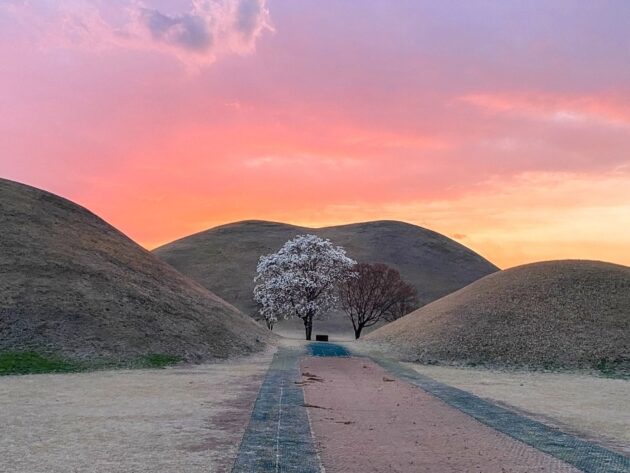
Spring (March–May): Cherry blossoms enhance the scenery.
Autumn (September–November): Colorful leaves and milder crowds. Pink muhly grass blooms beautifully nearby in fall.
Early morning or late afternoon/evening for softer light, fewer people, and a magical atmosphere (the site stays open late).
Avoid peak summer weekends if possible due to heat and crowds.
Visiting Tips
Respect the site: Do not climb the mounds—fines are steep (up to ₩20 million or imprisonment). These are sacred royal tombs.
Wear comfortable shoes for walking on paths that can be uneven or grassy.
Combine with nearby spots: Cheomseongdae (ancient observatory), Donggung Palace and Wolji Pond (especially at night), and Hwangnidan-gil for food and cafes.
Consider a guided tour or audio guide for deeper historical context on Silla culture and excavation stories.
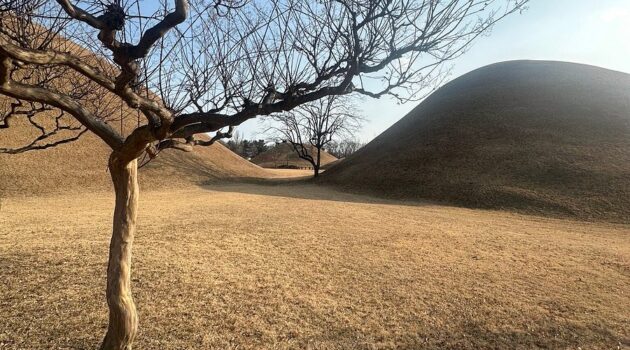
Photography is excellent—look for spots with single trees framing the mounds.
Facilities include restrooms and some information centers/exhibits on artifacts.
Nearby Attractions & Itinerary Ideas
Daereungwon serves as an ideal starting point in Gyeongju’s central historic area. A relaxed day could include:
Morning at Daereungwon.
Stroll to Cheomseongdae.
Lunch in Hwangnidan-gil.
Afternoon/evening at Wolji Pond.
For a deeper experience, pair it with Bulguksa Temple and Seokguram Grotto (a short bus/taxi ride away).
Final Thoughts
Daereungwon Tomb Complex delivers a peaceful, profound connection to Korea’s ancient past. Its accessible location and striking visuals make it a must-visit for anyone interested in history, photography, or simply serene walks in a unique setting. Plan it into any Gyeongju itinerary—you won’t regret it!