
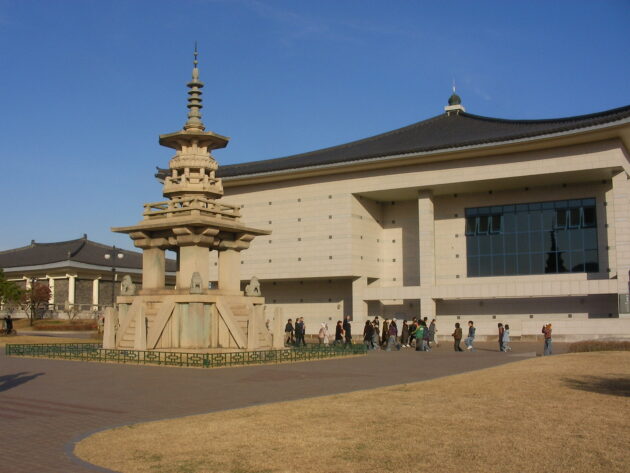
Gyeongju Travel Guide (2026): South Korea’s Historic “Museum Without Walls”
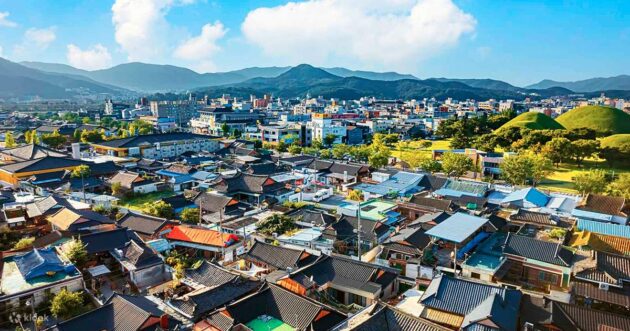
Gyeongju, in North Gyeongsang Province, served as the capital of the ancient Silla Kingdom for nearly 1,000 years. It brims with UNESCO World Heritage Sites, royal tombs, temples, and archaeological treasures. Often called the “museum without walls,” the city blends history, culture, and natural beauty, making it a must-visit destination alongside Seoul and Busan.
Best Time to Visit
Spring (March–May): Cherry blossoms and mild weather make it ideal.
Fall (September–November): Vibrant foliage and comfortable temperatures.
Summer: Humid and busy; winter is cold but quieter with fewer crowds.
How to Get There
From Seoul: Take the KTX high-speed train from Seoul Station to Singyeongju Station (about 2–2.5 hours). Then, catch a taxi or bus to the city center (15–20 minutes).
From Busan: KTX from Busan Station to Singyeongju (30–40 minutes) or express bus (about 1 hour).
Local transport includes buses, taxis, or rental bikes/scooters. Many sites cluster in central areas, but others require a taxi or tour.
Top Attractions
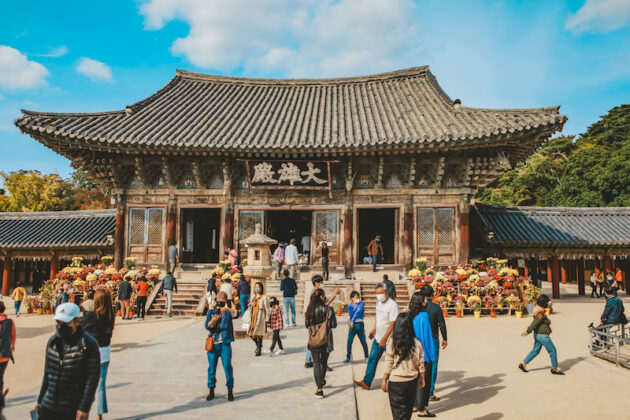
Bulguksa Temple (UNESCO)
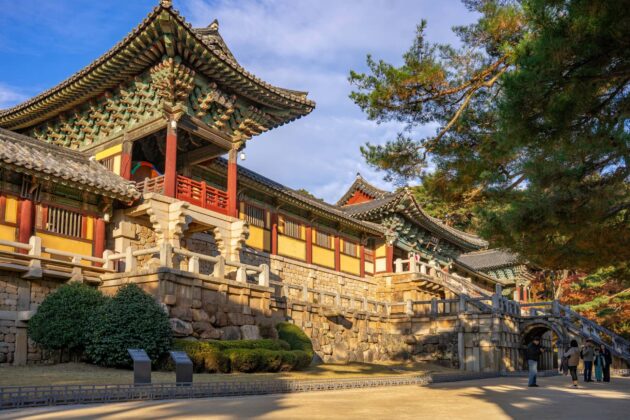
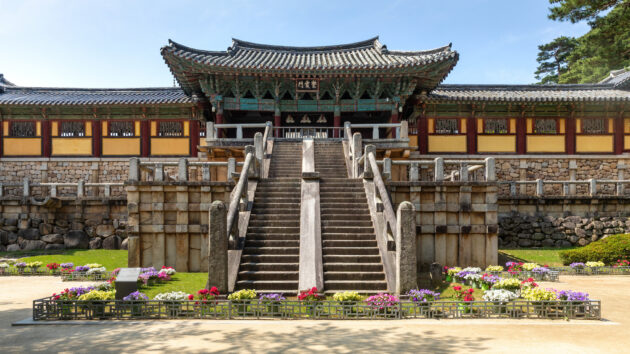
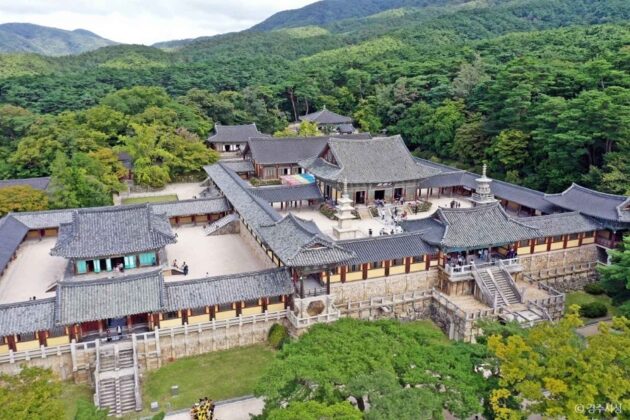
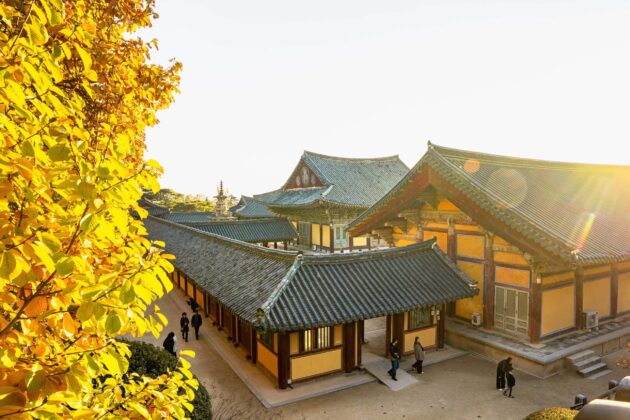
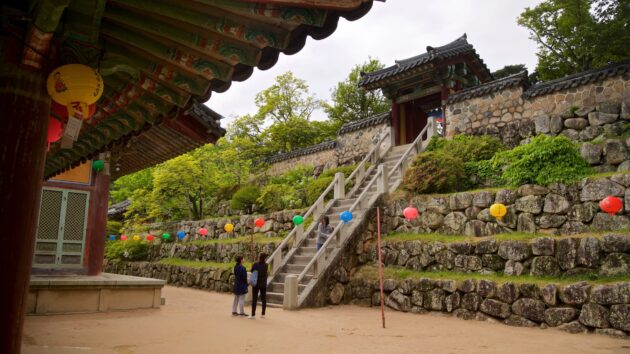
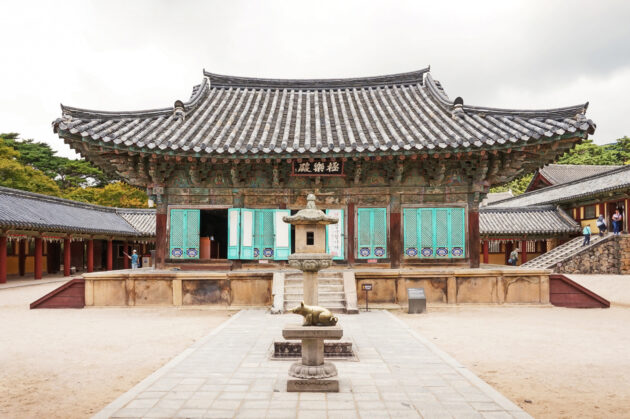
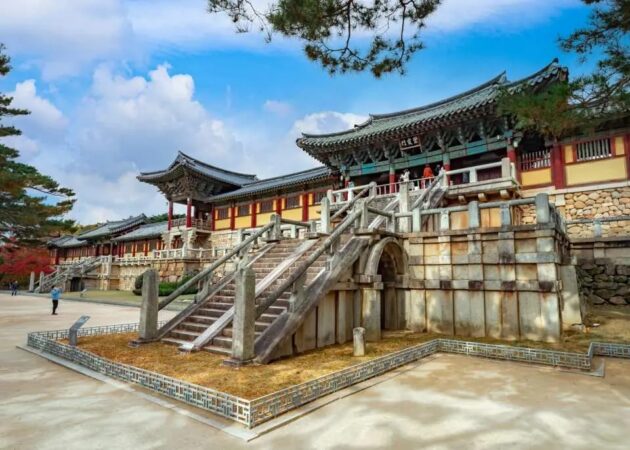
Bulguksa Temple (불국사, Temple of the Buddha Land) is one of South Korea’s most iconic Buddhist sites and a must-visit highlight of Gyeongju, often called the “museum without walls” for its wealth of Silla Kingdom heritage. Designated a UNESCO World Heritage Site in 1995 (together with nearby Seokguram Grotto), it exemplifies the pinnacle of Unified Silla architecture, art, and Buddhist culture from the 8th century.
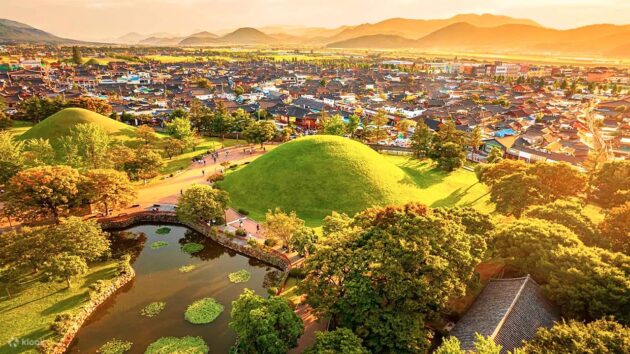
Daereungwon Tomb Complex (Tumuli Park)
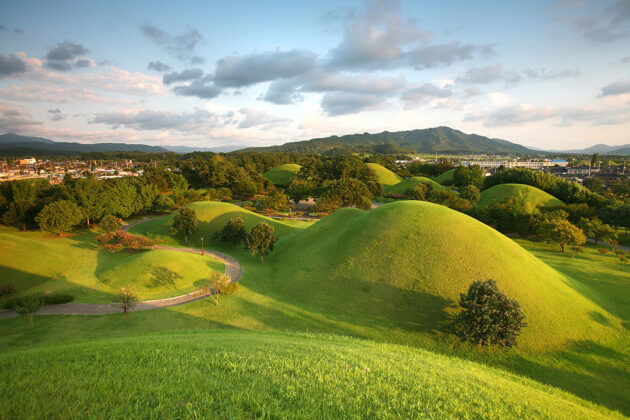
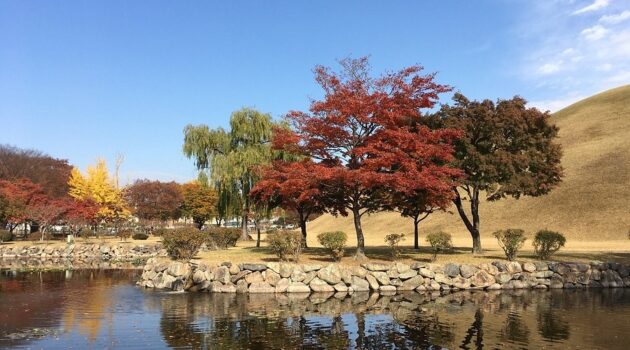
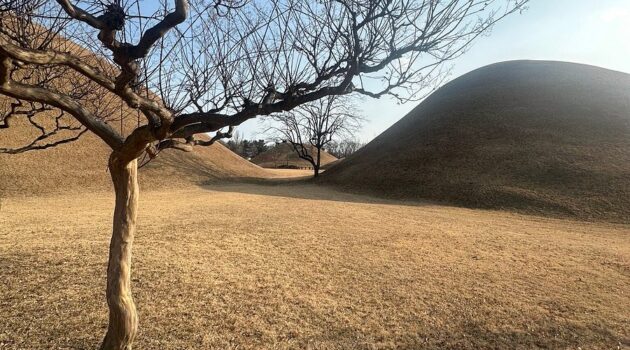
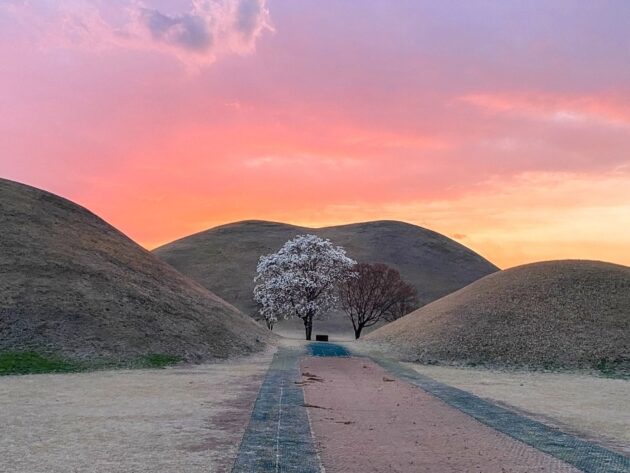
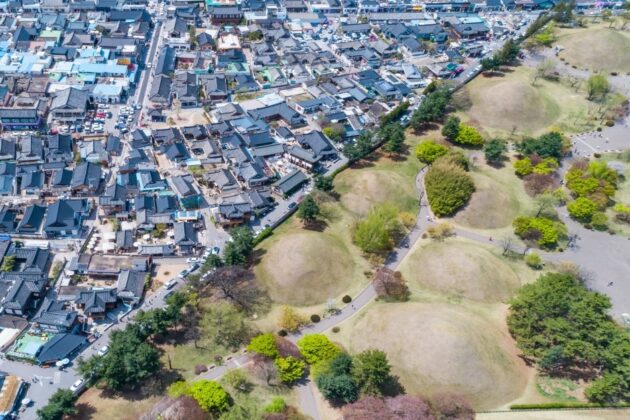
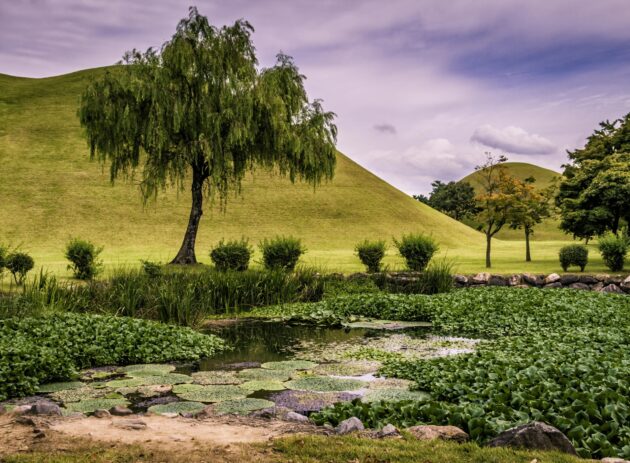
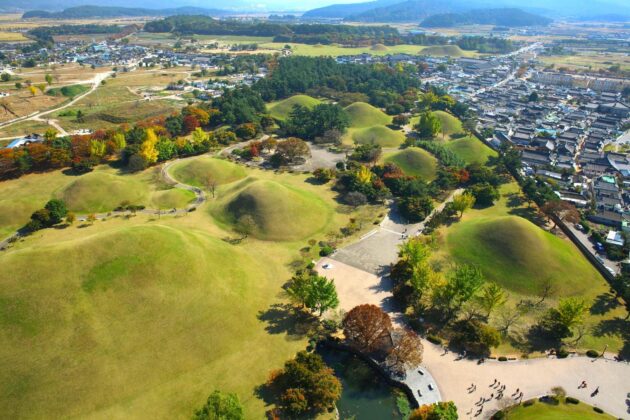
Daereungwon Tomb Complex (Daereungwon Ancient Tombs / Tumuli Park), Gyeongju, South Korea is one of the most iconic and atmospheric historical sites in South Korea. As part of Gyeongju’s UNESCO World Heritage-listed historic areas, this park-like complex features around 23 large grass-covered burial mounds (tumuli) from the Silla Kingdom (57 BCE–935 CE). These mounds contain the remains of Silla kings, queens, and nobles, offering a serene, almost otherworldly glimpse into ancient Korean royal burial practices.
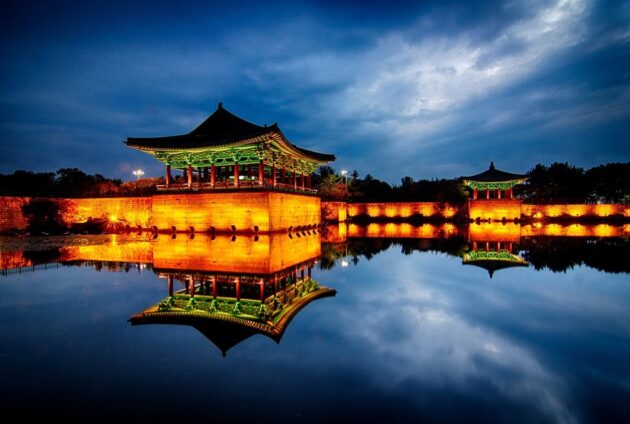
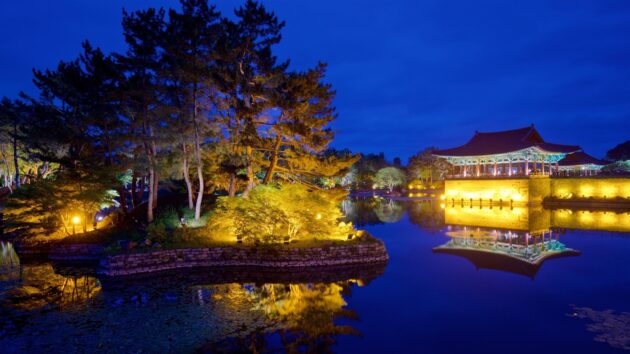
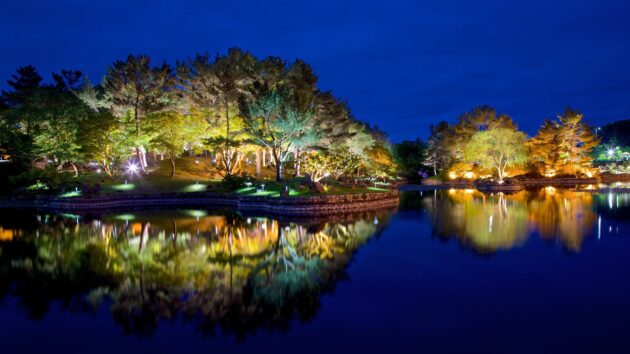
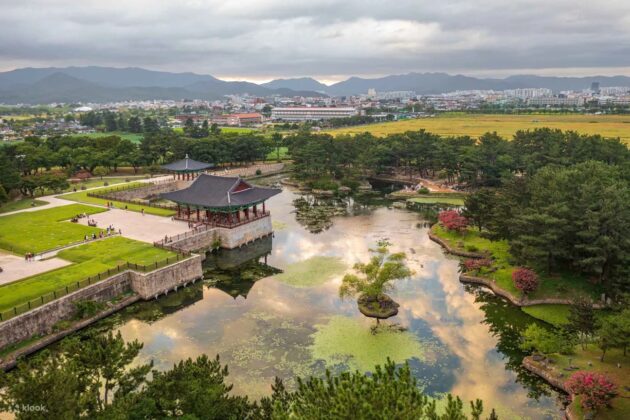
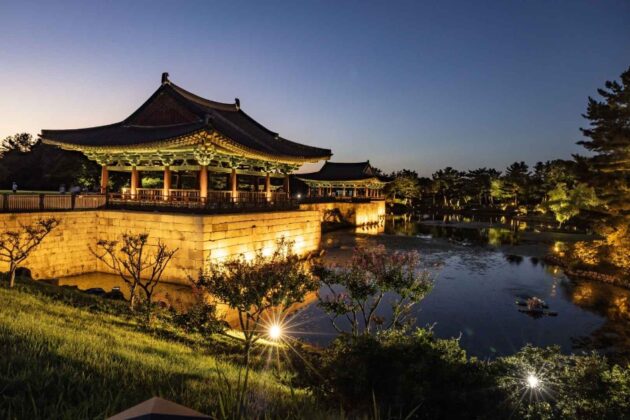
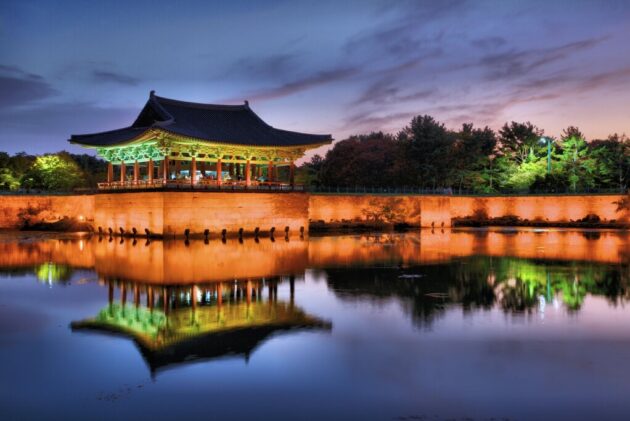
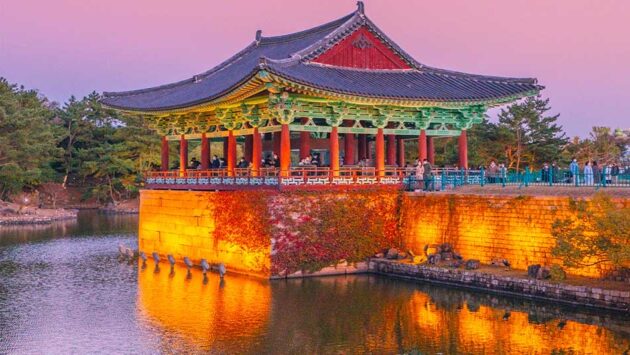
Donggung Palace and Wolji Pond (Anapji Pond)
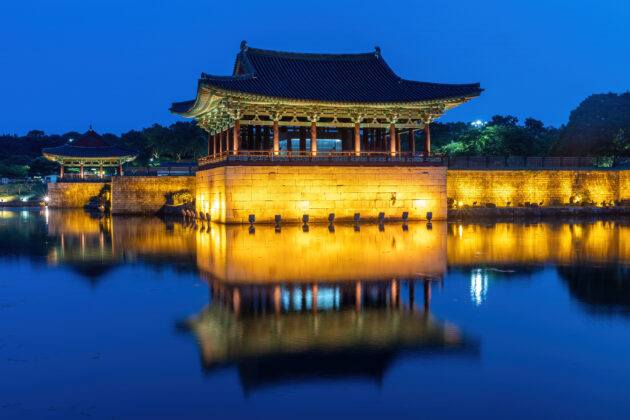
Also known as Anapji (안압지) in earlier times, this is one of Gyeongju’s most enchanting historical sites. It represents a beautifully preserved slice of the Silla Kingdom (57 BC–935 AD), featuring a royal secondary palace complex centered around an artificial pond designed to evoke the sea. Donggung Palace served as the eastern palace for Silla crown princes and hosted important banquets for dignitaries and auspicious events.
Cheomseongdae Observatory
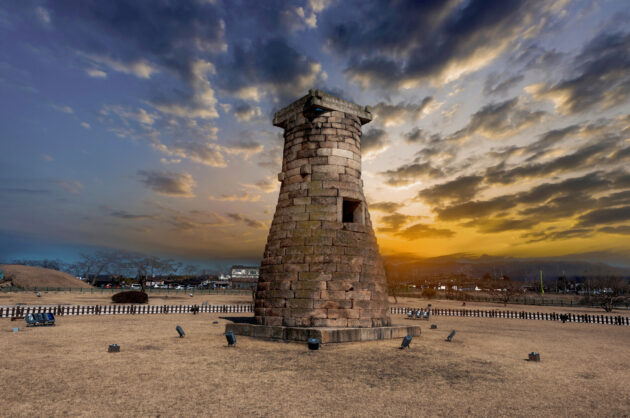
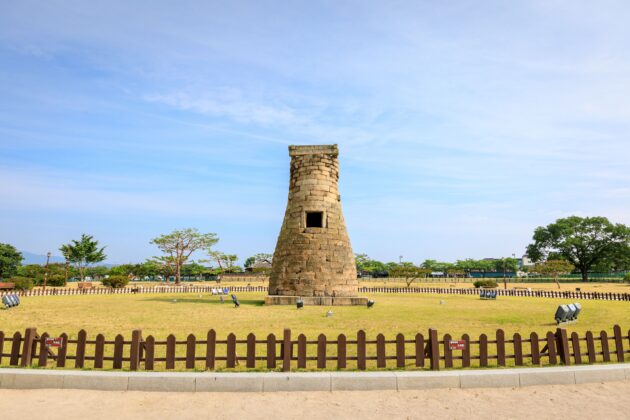
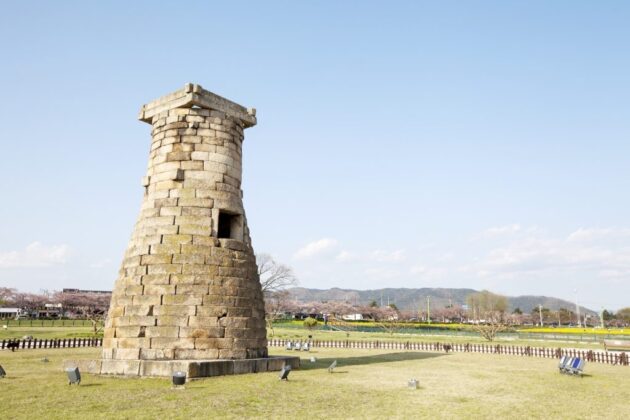
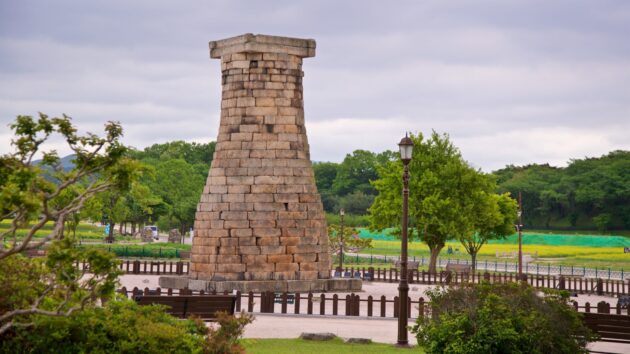
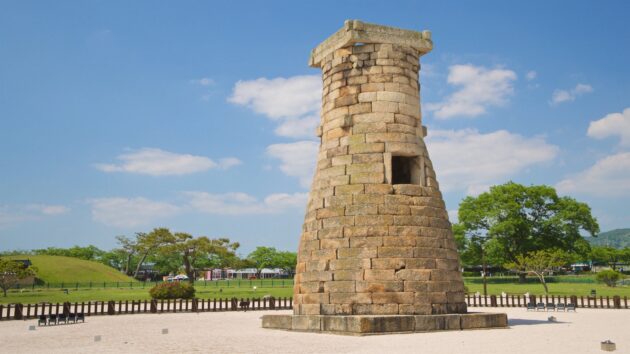
Cheomseongdae (첨성대, “Star-Gazing Tower”) is one of the most iconic landmarks in Gyeongju, often called the “Museum Without Walls” due to its wealth of Silla Kingdom heritage. Built in the 7th century during the reign of Queen Seondeok (632–647 CE), it is the oldest surviving astronomical observatory in Asia and a designated National Treasure No. 31.
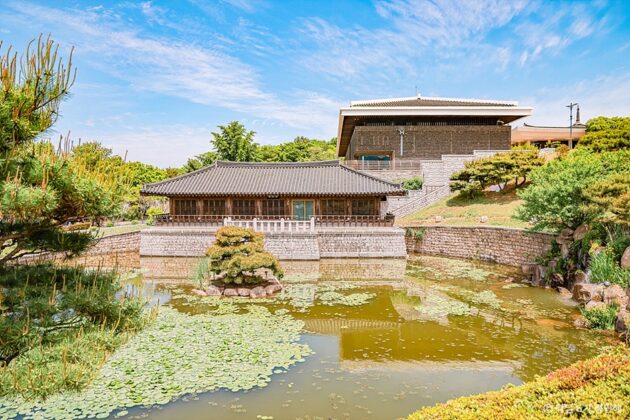
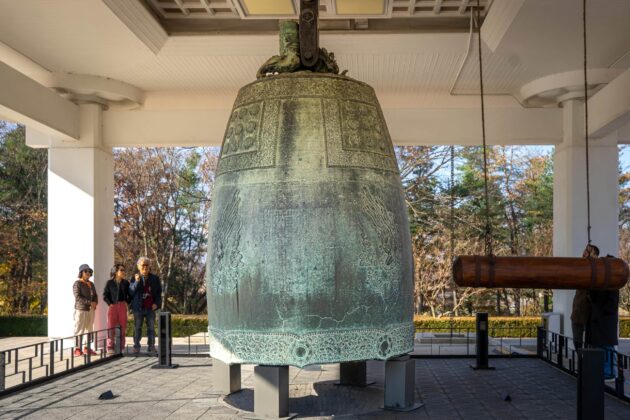
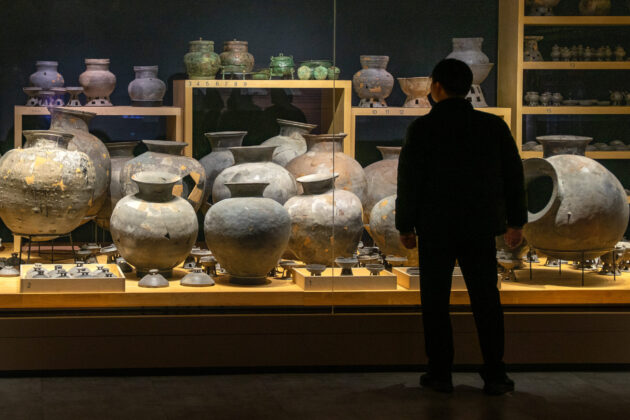
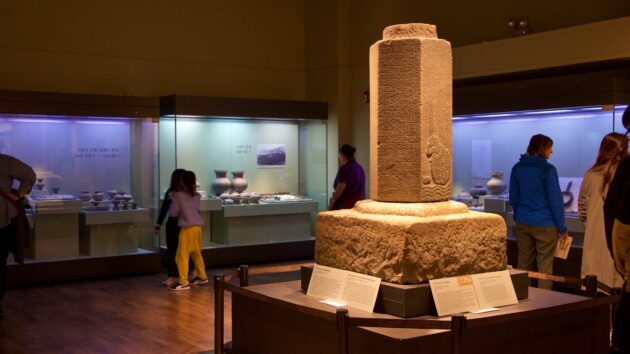
Gyeongju National Museum
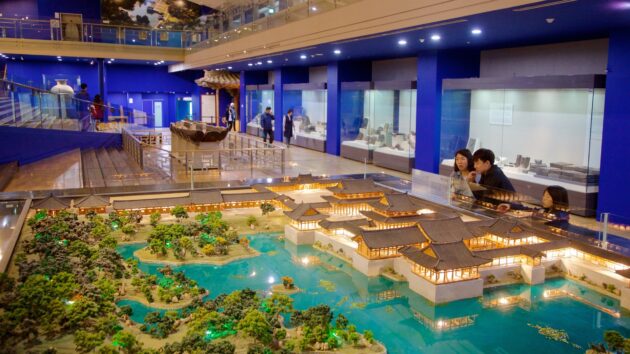
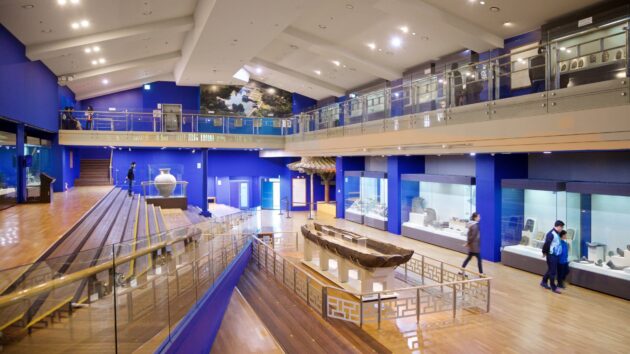
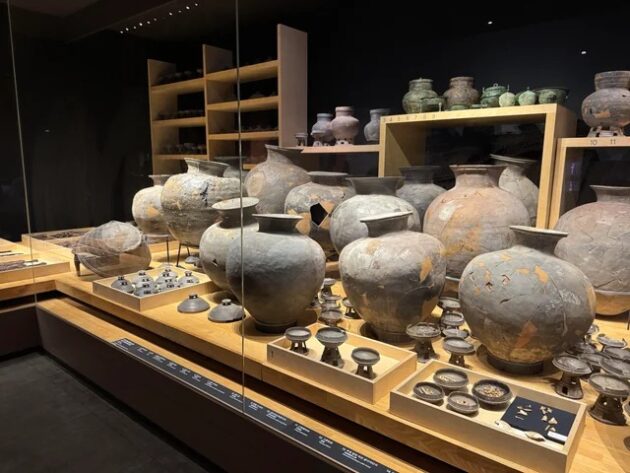
Gyeongju National Museum is one of South Korea’s premier cultural institutions and a must-visit for anyone exploring Gyeongju, the ancient capital of the Silla Kingdom (57 BC–935 AD). Often called one of the best history museums in Korea, it houses an extraordinary collection of artifacts that showcase the artistry, technology, and daily life of the Silla period.
Gyeongju Gyochon Traditional Village
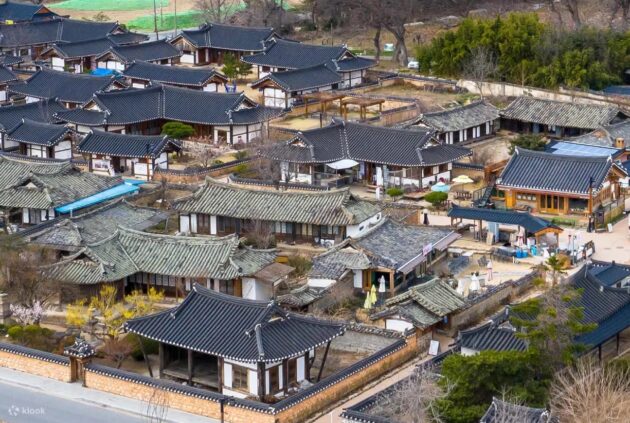
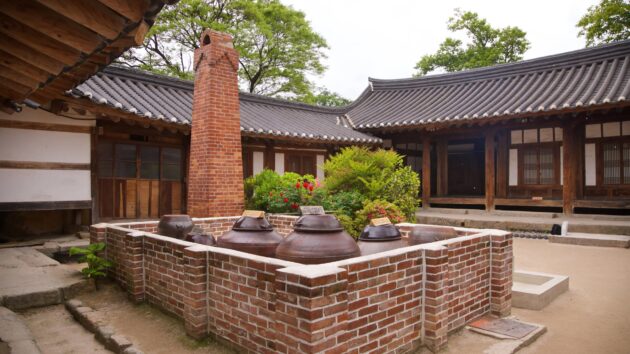
Gyochon Traditional Village (교촌마을) in Gyeongju, South Korea, is a charming, well-preserved hanok village that offers a peaceful glimpse into traditional Korean life, history, and culture. Located in the historic heart of Gyeongju (often called the “Museum Without Walls” for its Silla Kingdom heritage), it features narrow stone alleys lined with traditional tiled-roof homes, courtyards, experience centers, cafes, and cultural sites.
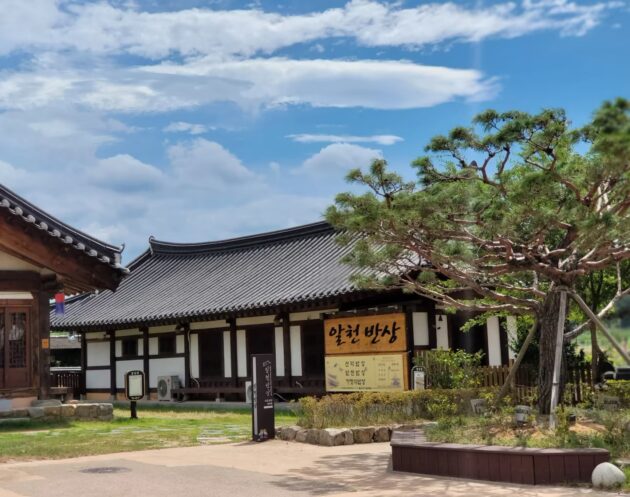
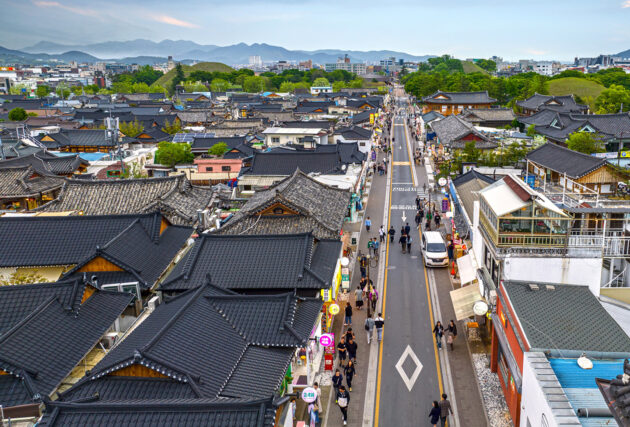
Hwangnidan-gil Street
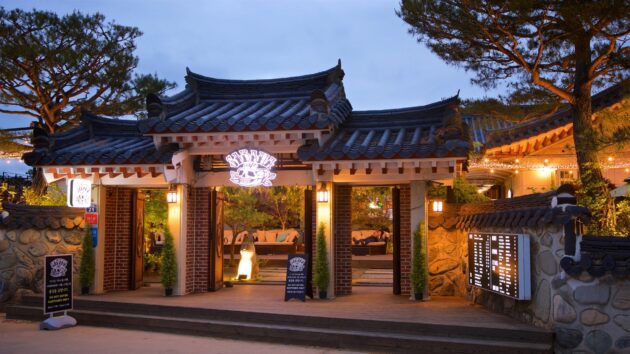
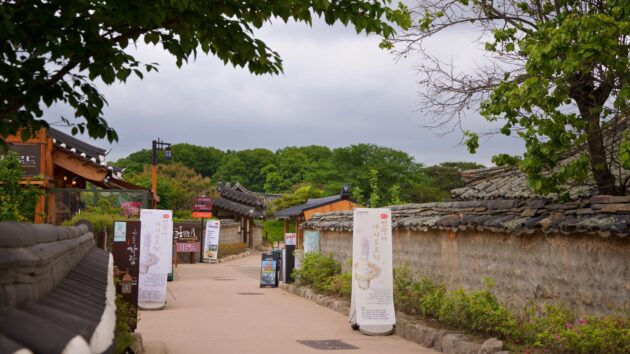
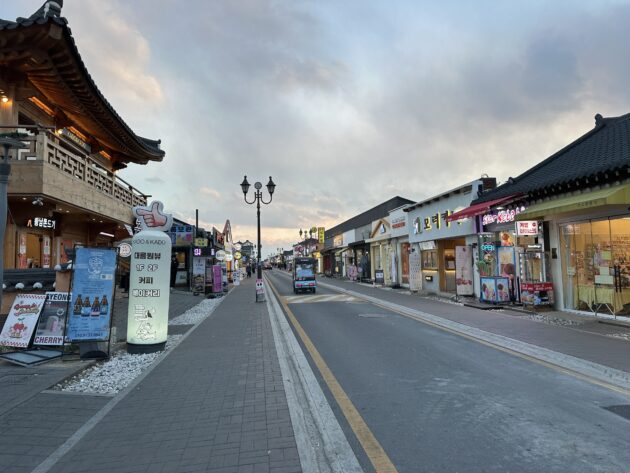
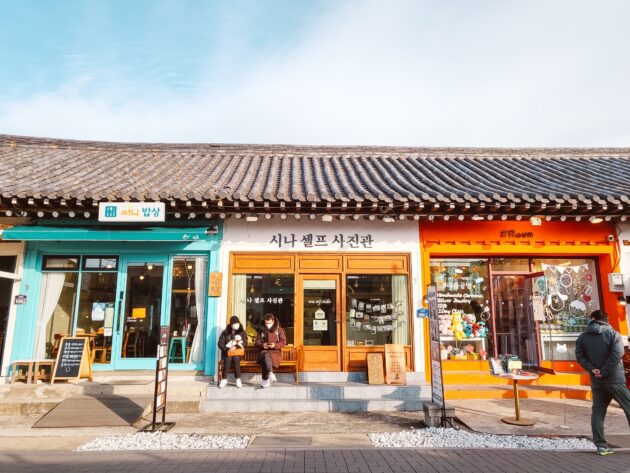
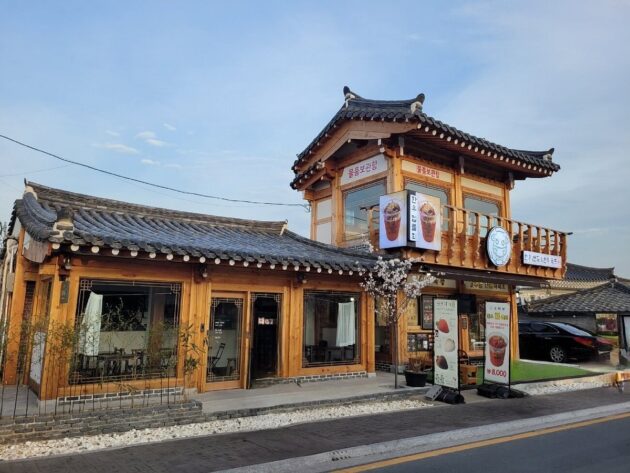
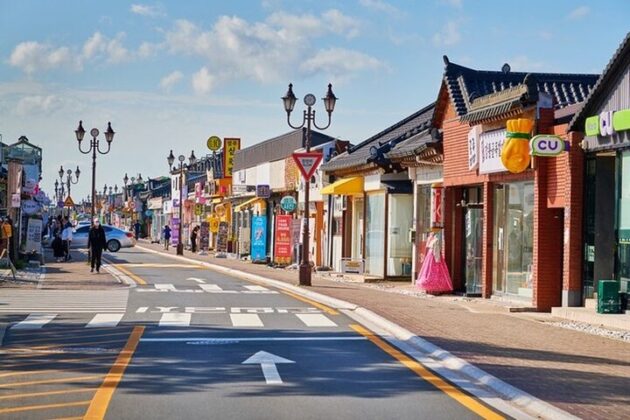
Hwangnidan-gil (황리단길), often called Hwangridan-gil or simply “Hwangnidan Street,” is one of Gyeongju’s most vibrant and photogenic modern attractions. This lively street blends traditional Korean hanok architecture with trendy cafes, boutiques, restaurants, and street food stalls, creating a perfect contrast to the city’s ancient tombs and temples.
Yangdong Folk Village
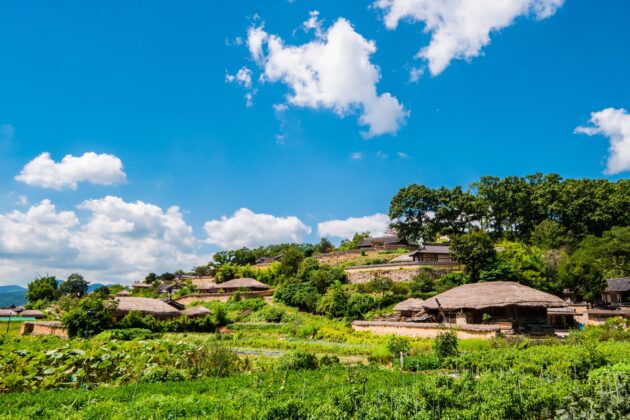
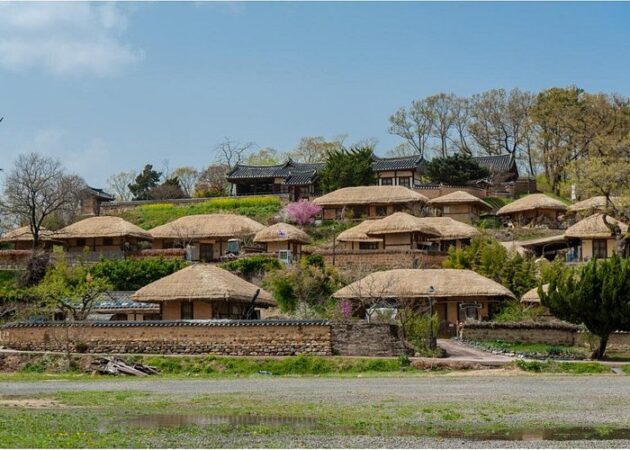
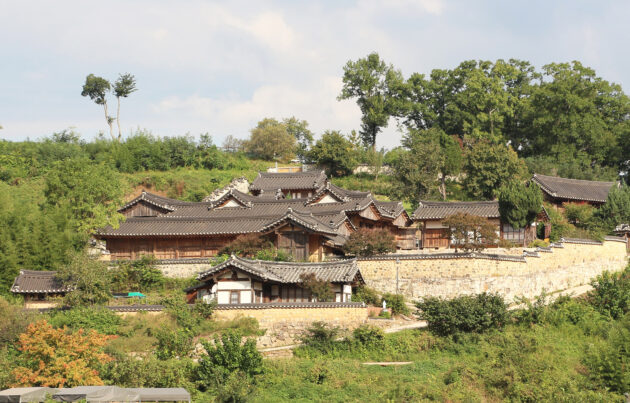
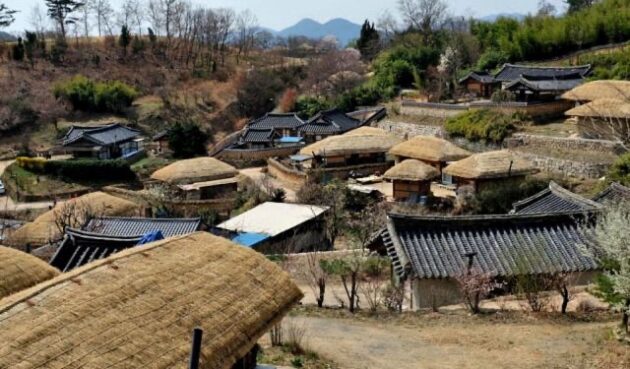
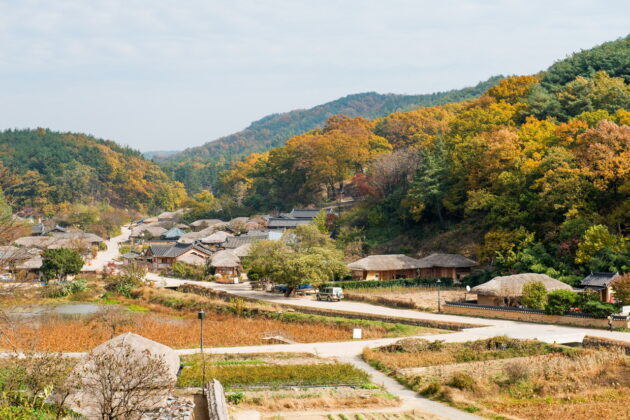
Yangdong Folk Village is Korea’s largest and one of the best-preserved traditional yangban (aristocratic) clan villages from the Joseon Dynasty (1392–1910). Designated a UNESCO World Heritage Site in 2010 (along with Hahoe Folk Village), it offers a living museum experience with over 160 traditional houses—many over 200 years old—nestled in a scenic valley backed by Seolchangsan Mountain.
Suggested Itinerary
2 Days (Recommended):
Day 1: Central Gyeongju — Daereungwon Tombs, Cheomseongdae, Wolji Pond (day and night), National Museum, and cafe strolls in Hwangnidan-gil.
Day 2: Bulguksa Temple + Seokguram Grotto in the morning; explore more tombs or a folk village in the afternoon.
Day Trip Option: Focus on central sites + one temple.
Food Recommendations
Gyeongju offers hearty Korean classics with local twists:
Hwangnam-ppang (Gyeongju Bread): Sweet red bean-filled pastry — a signature souvenir. Try it at famous bakeries like Choi Yeonghwa.
Ssambap: Rice wrapped in fresh leaves with many side dishes (try Ssambap Street).
Bulgogi and Hanwoo (premium Korean beef).
Sundubu (soft tofu stew), temple-style vegetarian food, and local specialties like loach soup or garlic chicken.
Don’t miss street food and traditional markets for authentic flavors.
Where to Stay
Budget: Guesthouses or hanok stays in the historic area.
Mid-range/Comfort: Hotels near the city center or tomb complex.
Unique: Traditional hanok guesthouses or temple stays for cultural immersion.
Many options cluster conveniently near major sights.
Practical Tips
Buy a Gyeongju tourist pass or combination tickets for temples and sites to save money.
Wear comfortable shoes — you’ll do a lot of walking.
Respect temple etiquette (modest clothing, quiet behavior).
Taxis are affordable for longer distances; download Naver Map for navigation.
English signage exists at major sites, but a guided tour enhances the historical experience.
Combine with Busan for a great southeastern Korea itinerary.
Final Thoughts
Gyeongju rewards slow exploration. Stroll among ancient mounds, admire masterful stonework, and feel the depth of Korea’s history. Whether for a day trip or multi-day stay, it offers a peaceful, enriching contrast to busier cities. Safe travels!