

Gyeongju National Museum Travel Guide (2026)
Gyeongju National Museum is one of South Korea’s premier cultural institutions and a must-visit for anyone exploring Gyeongju, the ancient capital of the Silla Kingdom (57 BC–935 AD). Often called one of the best history museums in Korea, it houses an extraordinary collection of artifacts that showcase the artistry, technology, and daily life of the Silla period. With free admission to the permanent exhibitions, beautiful grounds, and English signage, it offers an accessible and enriching experience.
Why Visit?
Gyeongju is a UNESCO World Heritage site known as a “museum without walls” due to its royal tombs, temples, and ancient ruins. The National Museum complements this perfectly by displaying thousands of excavated treasures in one place, helping visitors understand the historical context of the sites around the city. Highlights include dazzling gold artifacts, Buddhist masterpieces, and the iconic Divine Bell of King Seongdeok.
Key Exhibits and Must-Sees
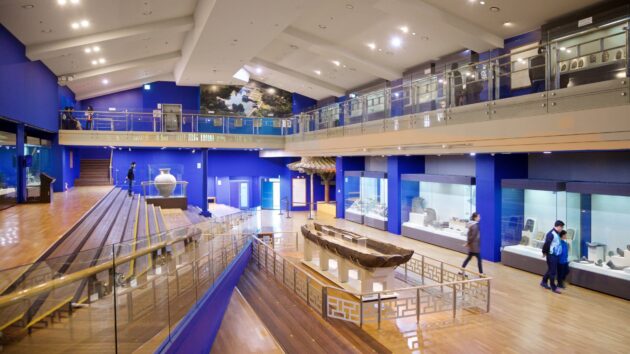
Silla History Gallery: Chronicles the rise and achievements of the Silla Kingdom chronologically. Look for the famous Silla Gold Crown (a symbol of royal authority with intricate tree-like ornaments and jade pendants) and other luxurious gold items like belts and earrings.
Silla Art Gallery: Showcases brilliant Buddhist art, sculptures, and cultural artifacts.
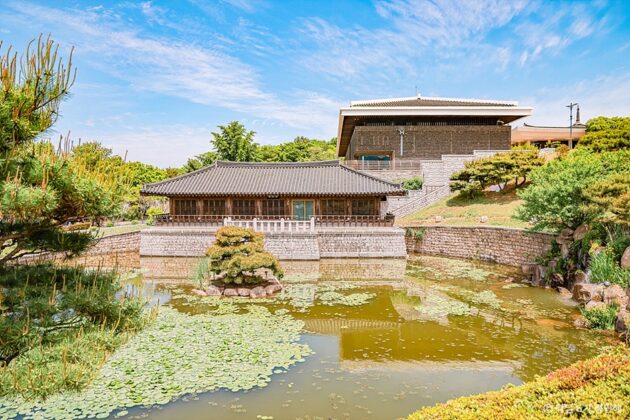
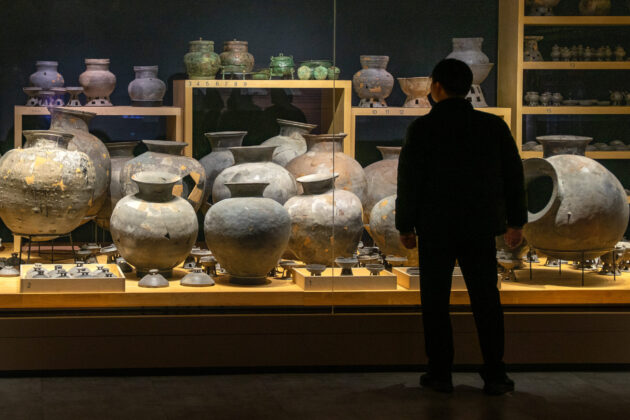
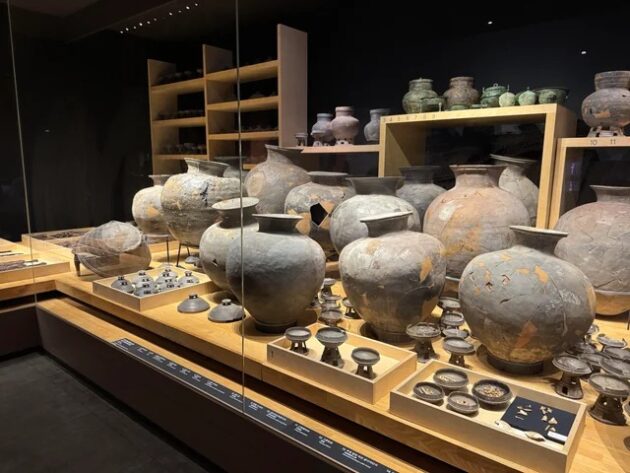
Wolji Gallery: Features around 1,000 artifacts recovered from the nearby Anapji Pond (Donggung Palace and Wolji Pond), including exquisite pottery, roof tiles, and relics from the Unified Silla period.
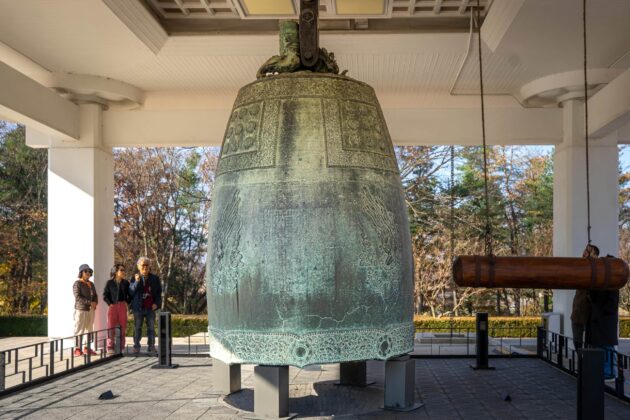
Divine Bell of King Seongdeok (Emille Bell): Housed in its own pavilion outdoors, this massive 8th-century bronze bell (National Treasure) is nearly 4 meters tall and weighs about 25 tons. It is renowned for its beautiful tone and legendary craftsmanship.
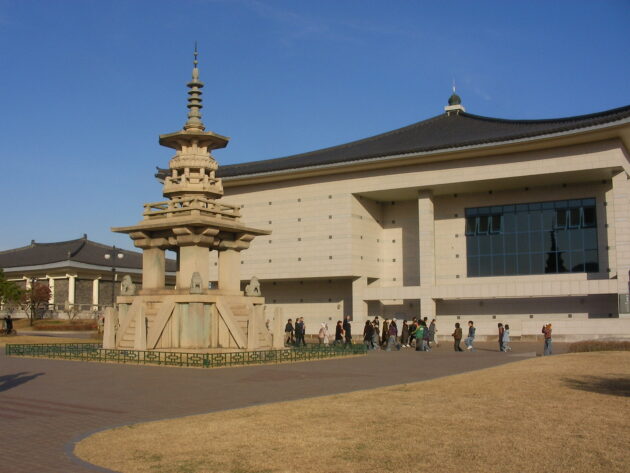
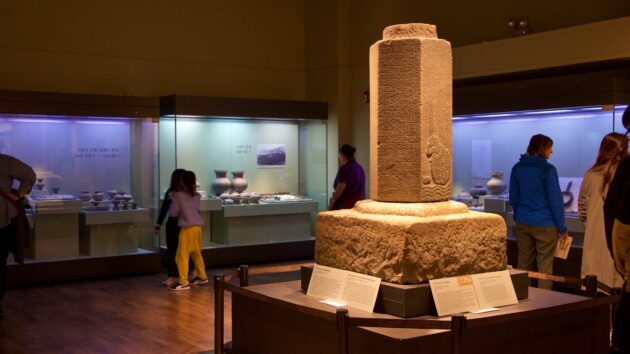
Other highlights include stone and bronze Buddha statues (such as the Medicine Buddha), weapons, jewelry, and ceremonial items. Many artifacts come from nearby royal tombs like Cheonmachong. The grounds also feature ancient stupas and pleasant outdoor spaces.
There’s a dedicated Children’s Museum with interactive exhibits for younger visitors.
Practical Information
Address: 186 Iljeong-ro, Gyeongju-si, Gyeongsangbuk-do.
Opening Hours: Weekdays: 10:00 AM – 6:00 PM; Weekends & public holidays: 10:00 AM – 7:00 PM; Extended hours: Last Wednesday of the month and Saturdays (March–December) until 9:00 PM (or 8:00/9:00 PM depending on the season); Last admission: 30 minutes before closing.
Closed: January 1 (New Year’s Day), Seollal (Lunar New Year), and Chuseok (Korean Thanksgiving).
Admission: Free for permanent exhibitions (special exhibitions may require a free ticket).
Audio Guide: Available in English for a small fee (~₩3,000). Free volunteer guides or downloadable apps provide additional context.
How to Get There
From Gyeongju City Center: Short taxi ride or walkable from nearby sites like Donggung Palace and Wolji Pond (Anapji). Buses such as #10 or #11 (the “Golden Line”) stop nearby.
From Singyeongju KTX Station: Take Bus #700 to Donggung and Wolji Pond stop (about 25 minutes), then a short walk. Taxis are convenient and affordable.
From Busan: Easy day trip by bus or train (about 1–1.5 hours), often combined with other Gyeongju sites.
Parking is available on site.
Visiting Tips
Best Time to Visit: Weekdays for fewer crowds. Mornings or late afternoons (especially with extended hours) are ideal. Allow 2–3 hours to explore thoroughly.
Combine with Nearby Attractions: Pair your visit with Anapji Pond (illuminated beautifully at night), Cheomseongdae Observatory, royal tombs (Daereungwon), or Bulguksa Temple and Seokguram Grotto.
Facilities: Gift shop, seasonal cafe, and restrooms near the entrance. No restrooms inside the main galleries.
Etiquette: Follow standard museum rules—quiet voices, no touching exhibits, and photography as permitted.
Accessibility: Wheelchair and stroller friendly.
Pro Tip: Check the official website for current special exhibitions, which often focus on gold crowns or other Silla treasures.
Final Thoughts
A visit to the Gyeongju National Museum brings the ancient Silla Kingdom to life and provides essential context for exploring the rest of this historic city. Whether you’re a history buff, art lover, or casual traveler, its world-class collection of gold treasures, bells, and Buddhist art makes it unforgettable. Free entry and excellent facilities make it an easy and rewarding stop on any South Korea itinerary.
For the latest details, visit the official site: gyeongju.museum.go.kr/eng. Enjoy your trip to this living museum of Korean heritage!