
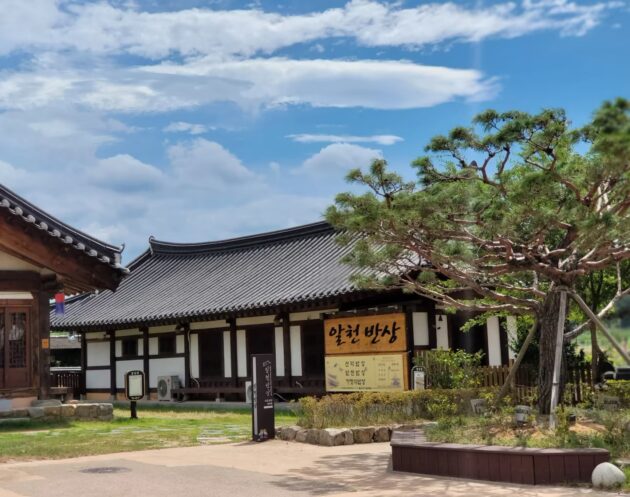
Gyeongju Gyochon Traditional Village (Gyochon Hanok Village) Travel Guide (2026)
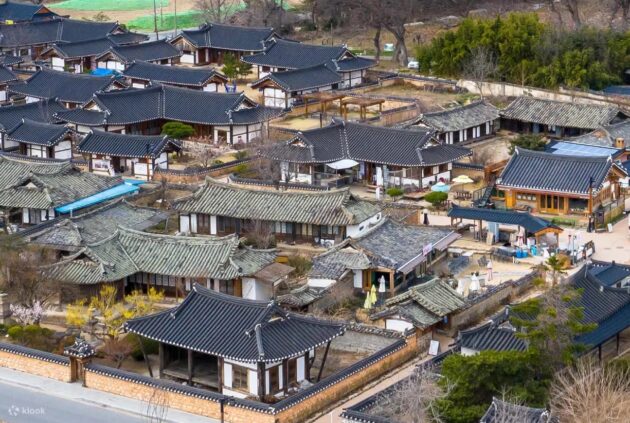
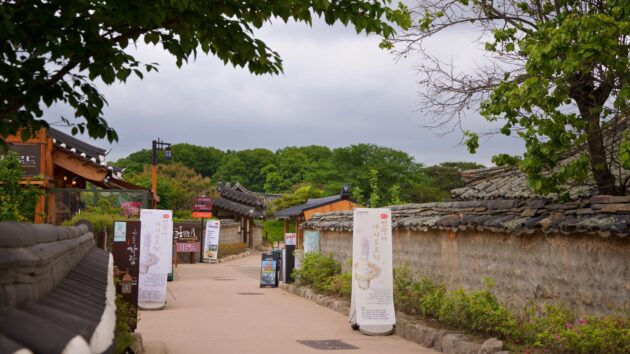
Gyochon Traditional Village (교촌마을) in Gyeongju, South Korea, is a charming, well-preserved hanok village that offers a peaceful glimpse into traditional Korean life, history, and culture. Located in the historic heart of Gyeongju (often called the “Museum Without Walls” for its Silla Kingdom heritage), it features narrow stone alleys lined with traditional tiled-roof homes, courtyards, experience centers, cafes, and cultural sites. Unlike more touristy spots, it feels relaxed and authentic, with many hanoks still occupied or repurposed for workshops and dining.
A Brief History
The village dates back to the 7th century during the Silla Dynasty (one of Korea’s Three Kingdoms). It was home to Korea’s first state-operated educational institution, Gukhak (established in 682 AD under King Sinmun), which later evolved into a hyanggyo (Confucian academy) in subsequent dynasties. This educational legacy earned it the name “Gyochon” (village of education).
It is closely tied to the influential Gyeongju Choi Clan, a wealthy family that maintained prosperity across 12 generations for over 400 years through ethical living and community spirit. Key sites include the House of the Gyeongju Choi Clan (Important Folklore Material No. 27) and the site of Yoseokgung Palace, linked to a legendary Silla-era romance between Princess Yoseok and monk Wonhyo. Traditional Gyeongju Gyodong Beopju liquor (a clear rice wine) is also produced here.
Why Visit?
Stroll through atmospheric hanok streets and courtyards.
Participate in hands-on cultural experiences (hanbok rental, kimchi-making, pottery, etc.).
Combine with nearby highlights like Woljeonggyo Bridge for beautiful photos.
Enjoy a low-key, photogenic alternative to busier Gyeongju sites.
Practical Information
Admission: Free (open 24 hours for walking around). Many workshops, cafes, and some buildings have separate fees or operating hours (typically 9 AM–6 PM).
Address: 39-2 Gyochon-gil, Gyo-dong, Gyeongju-si, Gyeongsangbuk-do (near Woljeonggyo Bridge).
Best Time to Visit: Spring (cherry blossoms) or autumn (vibrant foliage) for the most scenic experience. Early morning or weekdays avoid small crowds. It’s pleasant year-round, but summer can be hot and humid.
How to Get There:
From Gyeongju city center/Bus Terminal: Walkable (20–30 minutes from central areas like Cheomseongdae or Daereungwon Tombs), taxi (inexpensive), or local buses (e.g., lines 60 or 61). It’s centrally located and easy to combine with other sights.
Bike rentals are available nearby or in the village for exploring the area.
Parking: Available.
Top Things to Do and See
Wander the Hanok Streets and Courtyards — Explore the stone-paved paths, traditional homes, and peaceful gardens at your own pace. Many houses have open courtyards perfect for photos.
House of the Gyeongju Choi Clan (Rich Man Choe’s House) — A highlight. Built in 1779, this large residence showcases the family’s wealth and lifestyle, with a shrine and storehouse. Free to visit.
Hanbok Rental — Rent traditional Korean attire and take stunning photos in the village or on nearby Woljeonggyo Bridge. Highly recommended for an immersive, Instagram-worthy experience.
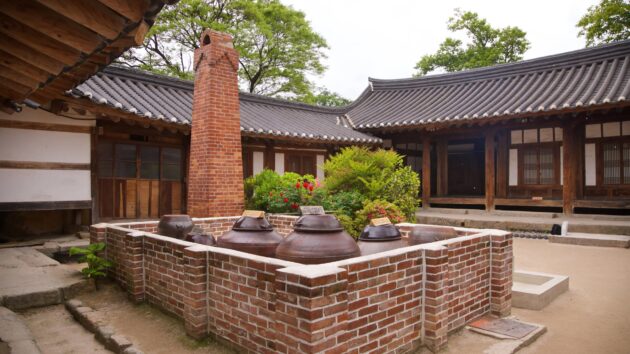
Cultural Experiences & Workshops (fees apply): Fermented Food Experience Center: Make or buy traditional kimchi (great photo ops with fermentation pots outside; free games like archery nearby). Pottery/Earthenware workshops. Quilting or other crafts. Rice cake making (e.g., at Gyochon Garam).
Gyeongju Hyanggyo (Confucian Academy) and Village Museum — Learn about the area’s educational history. The small museum has photos, models, and artifacts (mostly Korean signage; use translation apps).
Live Performances — Catch free traditional music (gugak) or rice cake pounding demonstrations, especially on weekends.
Nearby Attractions (Walkable)
Woljeonggyo Bridge (Korea’s largest wooden bridge, beautifully lit at night; rebuilt Silla-era style).
Namcheon Stream stepping stones.
Gyerim Forest, Naemulwangneung Royal Tomb, Cheomseongdae Observatory, and Daereungwon Tombs.
Food and Drink
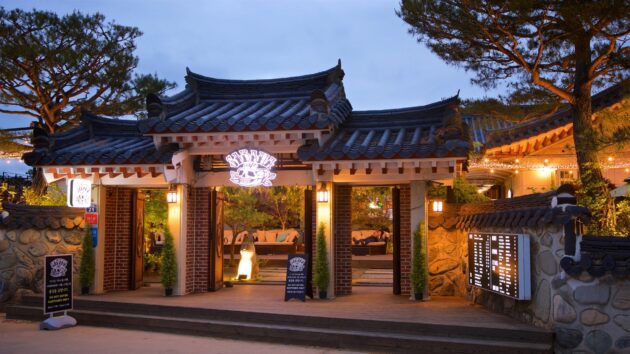
Dine in hanok-style restaurants and cafes with courtyards:
Kyochon Garam: Popular for handmade rice cakes (tteok) and Injeolmi ice cream.
Jinsusungchan: Nicer set meals (bulgogi, crab, etc.) in a garden setting.
Other options: Noodle dishes, hot pots, traditional teas, and ssambap (leaf-wrapped meals).
Try local specialties like Gyeongju Beopju liquor or Hwangnam-ppang (red bean bread).
Prices can be higher due to the scenic setting, but options range from budget to mid-range.
Tips for Visitors
Wear comfortable shoes for walking on uneven stone paths.
Some workshops require advance booking (via Naver app) or have limited hours—check ahead or ask at the tourist info.
Combine with a full day in central Gyeongju; it pairs perfectly with tomb complexes and the bridge.
Respect residents—many hanoks are private homes.
Bring cash for smaller experiences/shops; card acceptance is good but not universal.
Download a translation app for deeper appreciation of signs and exhibits.
Final Thoughts
Gyochon Traditional Village is a delightful, low-pressure spot to slow down, learn, and soak in Gyeongju’s rich Silla heritage. Whether you spend 1–2 hours strolling or half a day doing experiences, it’s a memorable addition to any South Korea itinerary. Safe travels!