
Yangdong Folk Village (Gyeongju Yangdong Maeul) Travel Guide (2026)
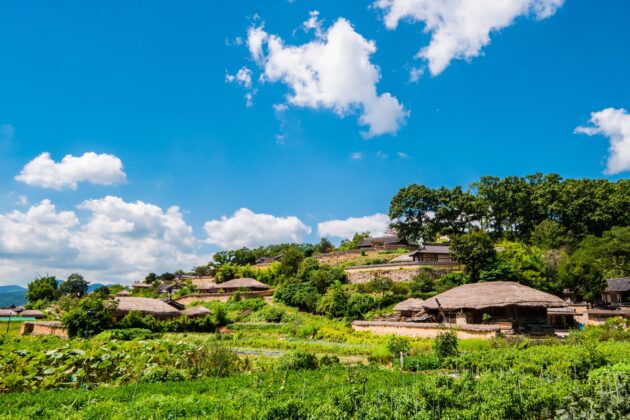
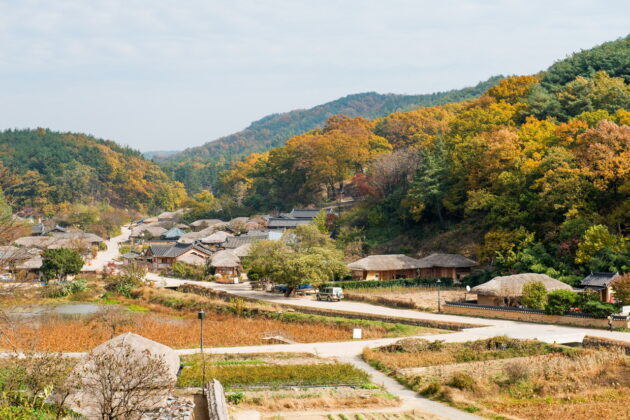
Yangdong Folk Village is Korea’s largest and one of the best-preserved traditional yangban (aristocratic) clan villages from the Joseon Dynasty (1392–1910). Designated a UNESCO World Heritage Site in 2010 (along with Hahoe Folk Village), it offers a living museum experience with over 160 traditional houses—many over 200 years old—nestled in a scenic valley backed by Seolchangsan Mountain.
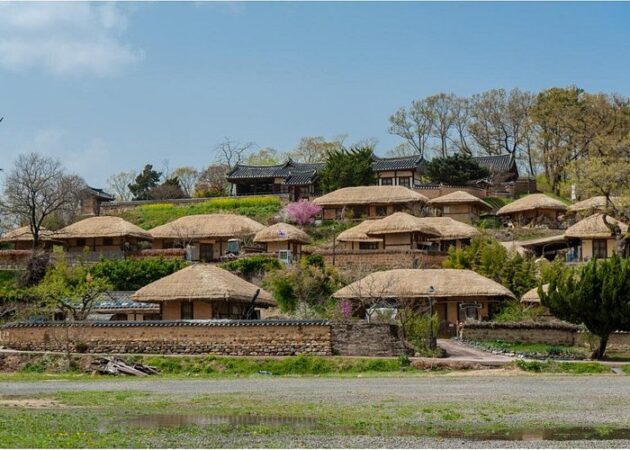
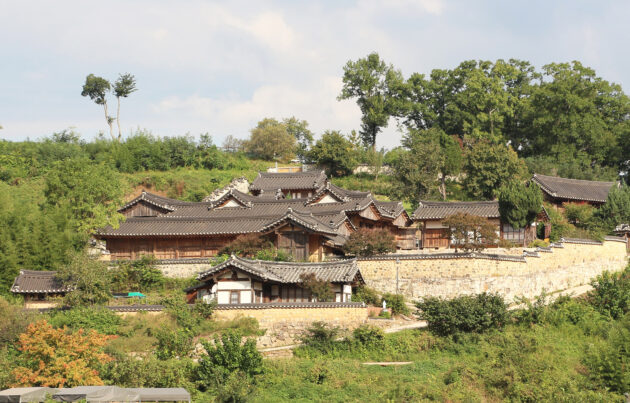
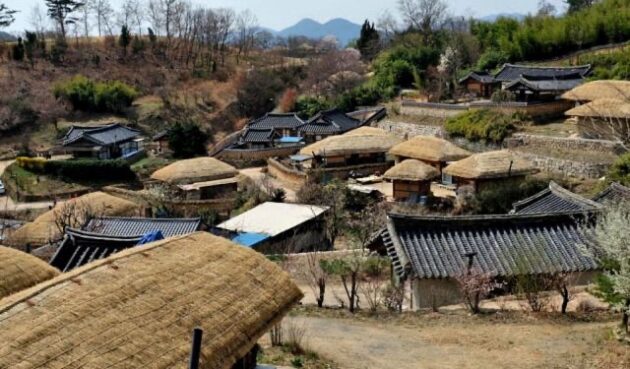
Founded in the 15th century by the Son and Yi clans, the village’s layout reflects Joseon-era social hierarchy and geomancy (pungsu): grander tile-roofed homes of the elite sit higher up, while thatched-roof homes of commoners are lower. Residents still live here, preserving traditions, rituals, and customs. It’s a peaceful, photogenic spot ideal for history buffs, architecture lovers, and those seeking a slower pace away from Gyeongju’s busier sites.
Why Visit?
Immerse yourself in authentic Joseon-era architecture and daily life.
Enjoy beautiful hilly landscapes, traditional pavilions, ancestral homes, and shrines.
Notable structures include Seobaekdang, Mucheomdang, Hyangdan (National Treasure), and various pavilions.
It feels like a “living village” rather than a sterile museum—expect satellite dishes on some thatched roofs as modern life coexists with history.
Practical Information
Address: 134 Yangdongmaeul-gil, Gangdong-myeon, Gyeongju-si, Gyeongsangbuk-do.
Opening Hours: April–September: 9:00–19:00; October–March: 9:00–18:00. Last ticket sales one hour before closing. Open year-round, but hours may adjust for residents’ privacy.
Entrance Fees (as of recent data): Adults 4,000 KRW; Teenagers 2,000 KRW; Children 1,500 KRW. Free for seniors (65+) and preschoolers (under 6) with ID. Group discounts available.
Time Needed: 2–4 hours. Pick up a map/leaflet at the information center for suggested walking routes (a longer 2-hour itinerary covers the highlights).
Facilities: Parking (free), restrooms, small cafe/shops. Some homes may serve as simple eateries.
How to Get There
From Gyeongju:
Bus: Take bus 203 or 204 from Gyeongju Intercity Bus Terminal or near the station. Journey takes about 35–50 minutes. Check schedules in advance as they are not super frequent.
Taxi/Uber: Faster (20–30 minutes) and convenient for groups.
Tour: Many Gyeongju day tours include Yangdong, often combined with other sites.
Tip: Wear comfortable shoes—there are hills, steps, and uneven paths.
Best Time to Visit
Spring (April–June) or Autumn (September–November): Pleasant weather, beautiful foliage or blossoms, fewer extremes.
Avoid midday summer heat or winter cold, as the hilly terrain can be tiring.
Weekdays or early morning/late afternoon for a quieter, more authentic atmosphere.
What to Do
Explore the Village: Wander winding lanes and follow signposted routes to key houses and viewpoints.
Visit Highlights: Seobaekdang (main Son clan house), pavilions like Simsujeong, and the village school (Ganghakdang).
Photography & Views: Capture traditional hanok against the mountain backdrop.
Learn the History: Read plaques or join a free guided tour if available. Respect residents’ privacy—do not enter private homes without permission.
Relax: Grab a coffee or snack and enjoy the peaceful rural setting.
Nearby Attractions
Combine with Gyeongju’s other sites:
Bulguksa Temple and Seokguram Grotto.
Gyeongju city center tombs, temples, and museums.
Woljeonggyo Bridge or other folk villages if time allows.
Tips for Visitors
Respect the Village: It’s a living community—stay on paths, keep noise low, and follow rules.
What to Bring: Comfortable walking shoes, water, sun protection/hat (or layers in cooler months), camera.
Food: Limited options on-site; try traditional Korean meals in Gyeongju or pack snacks.
Accessibility: Hilly terrain—not ideal for those with severe mobility issues.
Overnight Stay: Some hanok guesthouses offer traditional stays for a deeper experience.
Check the official site (yangdongvillage.or.kr) or VisitKorea for updates.
Final Thoughts
Yangdong Folk Village provides a serene, immersive glimpse into Korea’s Confucian past and rural heritage. It’s a refreshing contrast to more crowded tourist spots and a highlight for anyone exploring Gyeongju and South Korea’s historical treasures. Plan it as a half-day trip and savor the timeless atmosphere!
Safe travels! 🇰🇷