
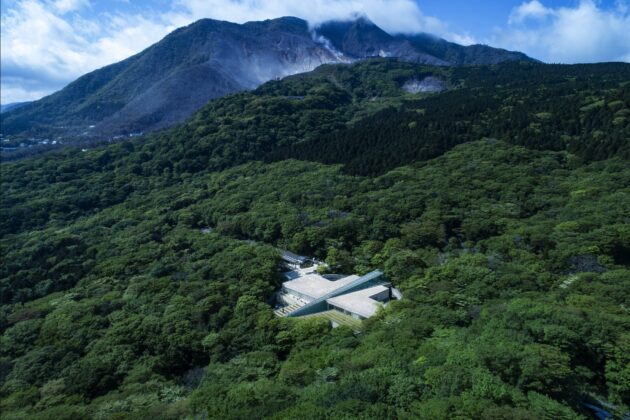
Hakone Travel Guide (2026): Japan’s Classic Hot Spring & Mt. Fuji Escape
Hakone (箱根), located in Kanagawa Prefecture just 80–100 km southwest of Tokyo, is one of Japan’s most popular weekend getaways. Famous for its volcanic landscapes, world-class onsen (hot springs), beautiful Lake Ashi, and iconic views of Mount Fuji, Hakone offers a perfect mix of nature, culture, and relaxation.
Why Visit Hakone?
Stunning views of Mount Fuji (especially clear in winter and early morning)
Abundant natural hot springs
Efficient Hakone Free Pass for easy sightseeing
Rich history along the old Tokaido Road
Variety of museums, shrines, and volcanic valleys
Best Time to Visit
March–May: Cherry blossoms + mild weather
June–August: Lush green scenery, but can be humid and crowded
September–November: Best season for autumn leaves (koyo) — highly recommended
December–February: Clear Mt. Fuji views and fewer crowds, with possible snow
How to Get to Hakone
From Tokyo: Most popular: Odakyu Romancecar (direct from Shinjuku to Hakone-Yumoto, ~85 minutes) Cheaper option: JR Tokaido Line to Odawara + Hakone Tozan Railway (about 2 hours) Shinkansen: Tokyo → Odawara (35 min) then switch to Hakone Tozan
Pro Tip: Buy the Hakone Free Pass (2-day or 3-day) from Odakyu. It covers: Round-trip from Shinjuku (or Odawara); All transportation inside Hakone (train, bus, ropeway, boat, cable car).
Top Attractions
Yumoto
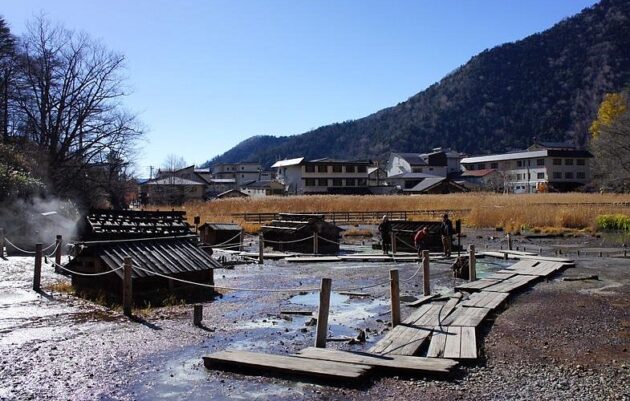
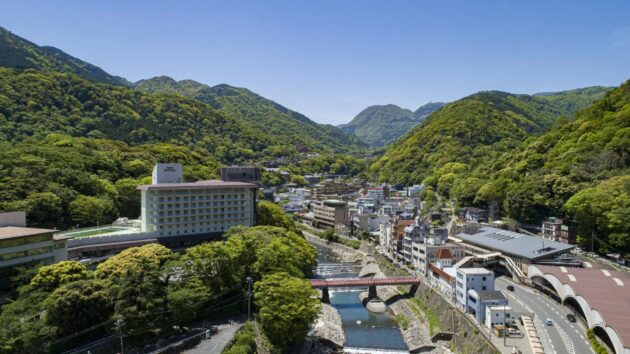
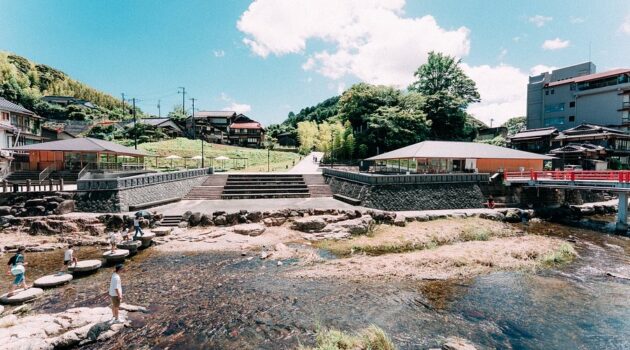
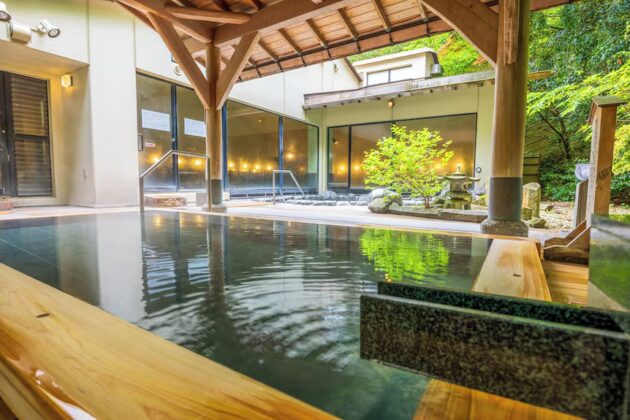
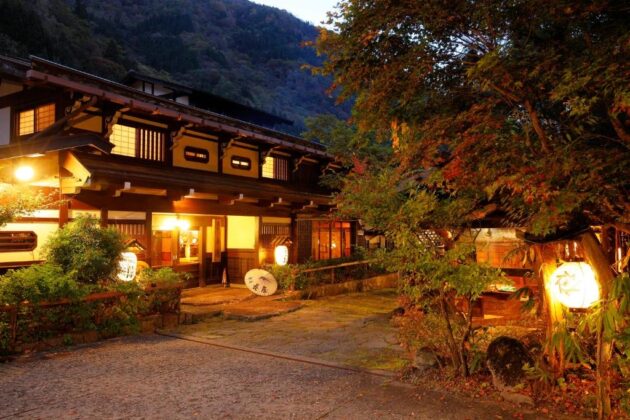
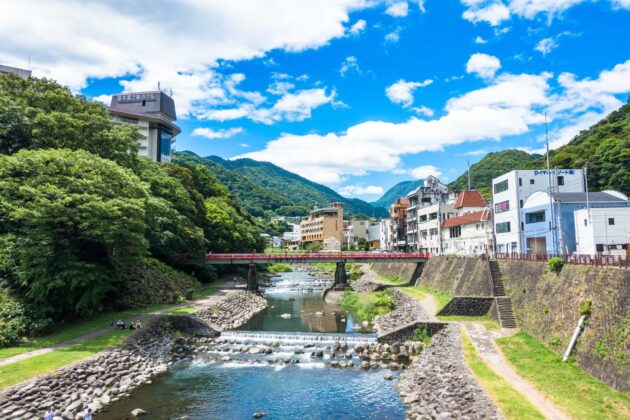
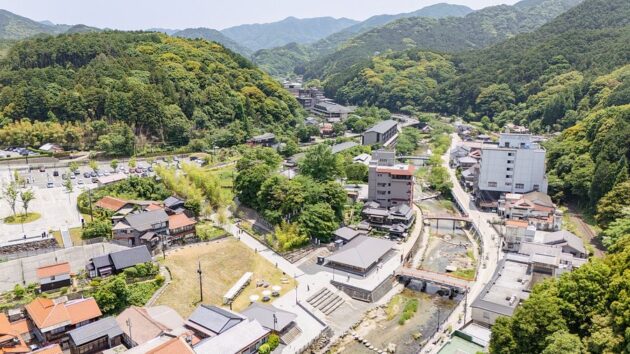
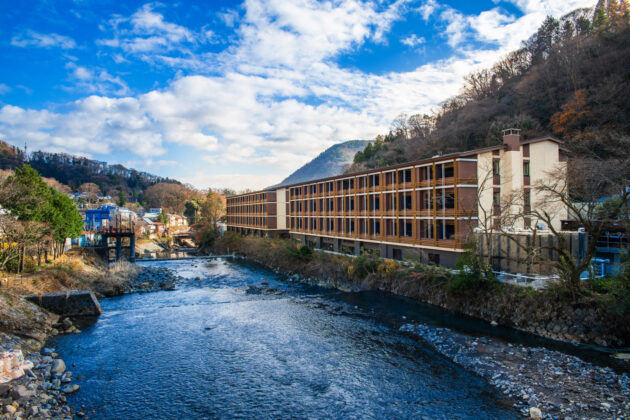
Hakone-Yumoto (often simply called Yumoto) is the main entrance to the Hakone region in Kanagawa Prefecture, Japan. Located at the base of the Hakone mountains, it’s a vibrant onsen town famous for its hot springs, traditional ryokans, riverside scenery, and as a convenient hub for exploring the wider Hakone area, including potential views of Mount Fuji.
Hakone Tozan Railway
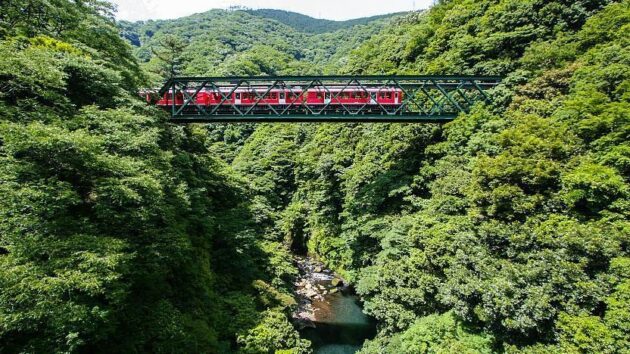
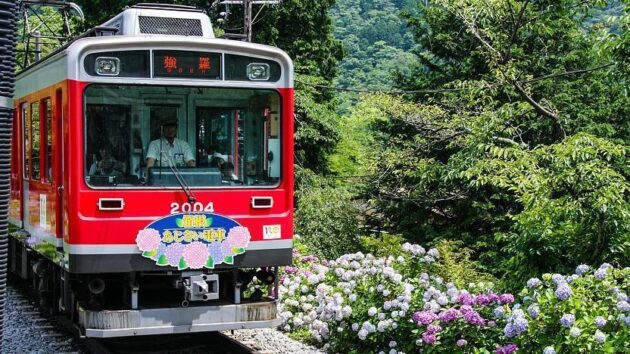
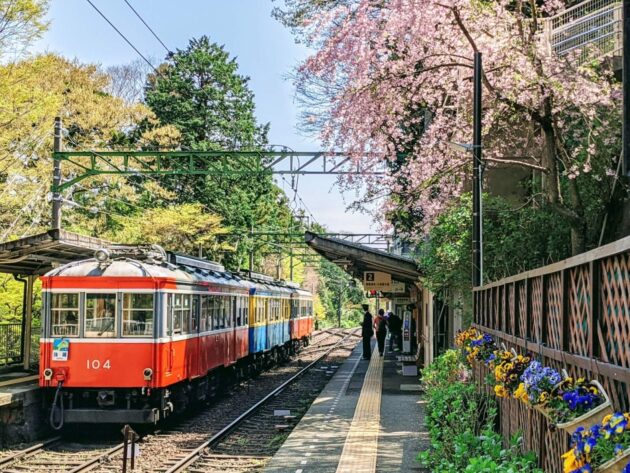
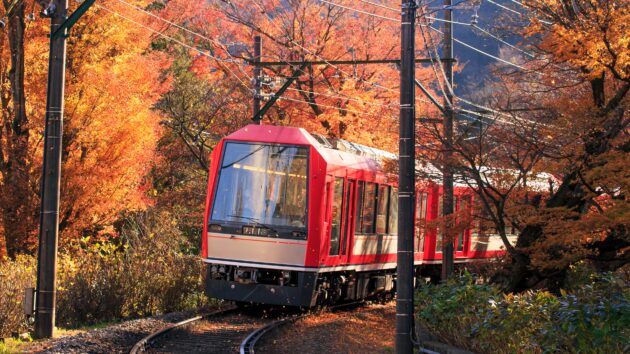
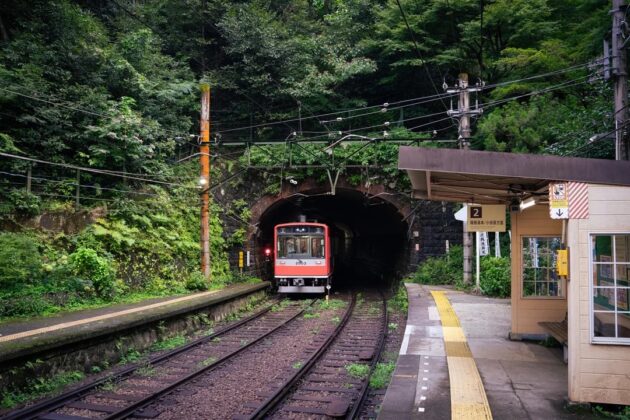
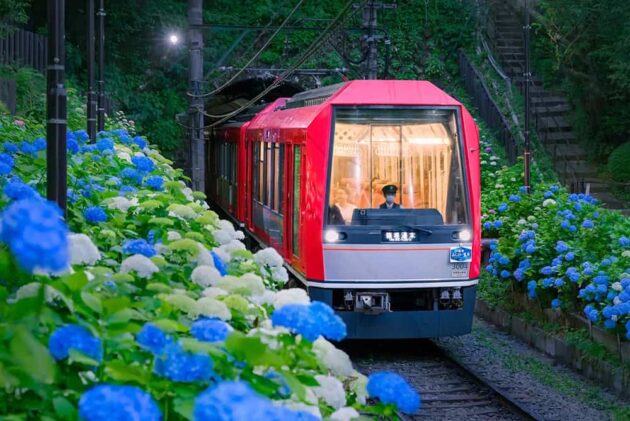
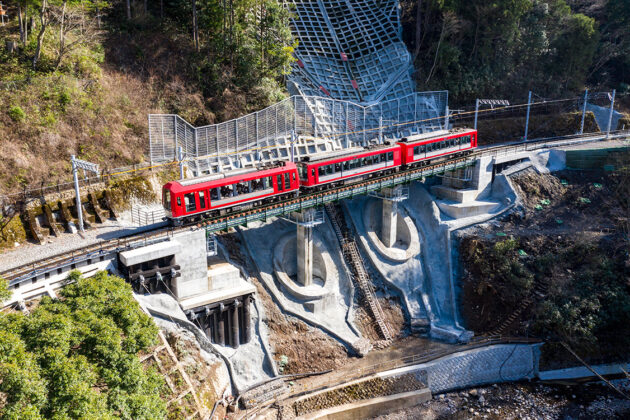
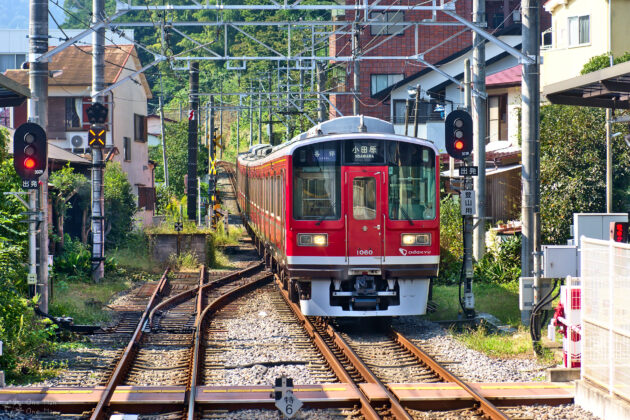
The Hakone Tozan Railway (箱根登山電車, Hakone Tozan Densha) is one of Japan’s oldest and most scenic mountain railways. Often called a highlight of any Hakone visit, it offers a charming, slow-paced ride through steep forested valleys, over bridges, and through tunnels, with dramatic switchbacks that make the journey feel like an adventure.
Gora
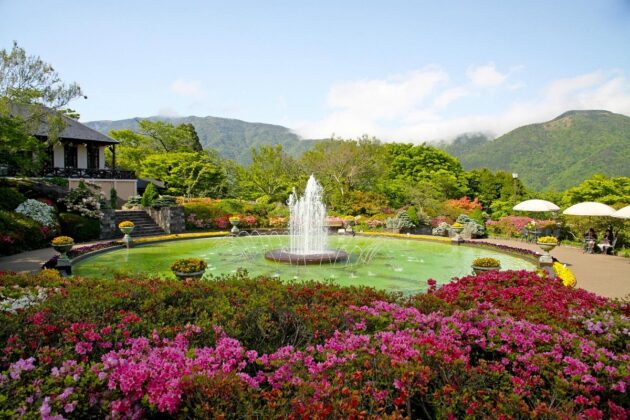
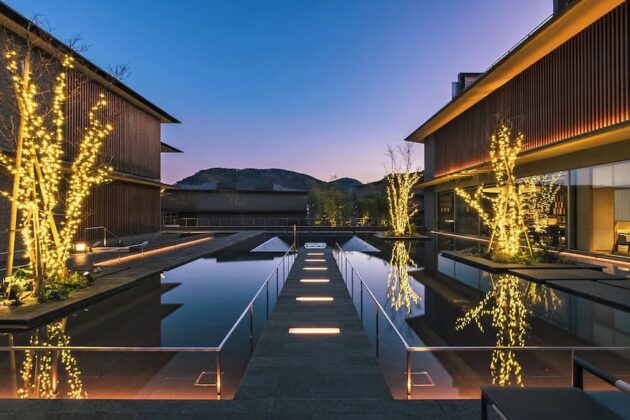
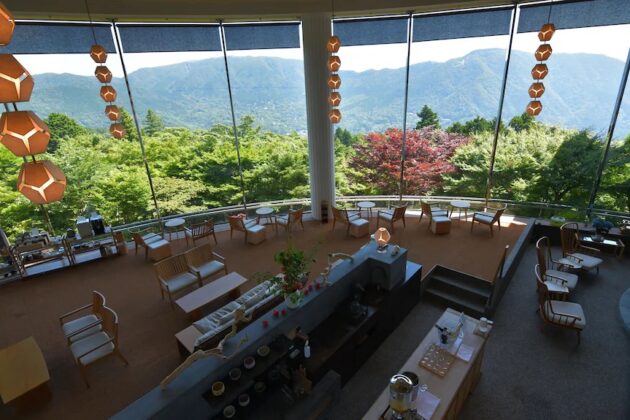
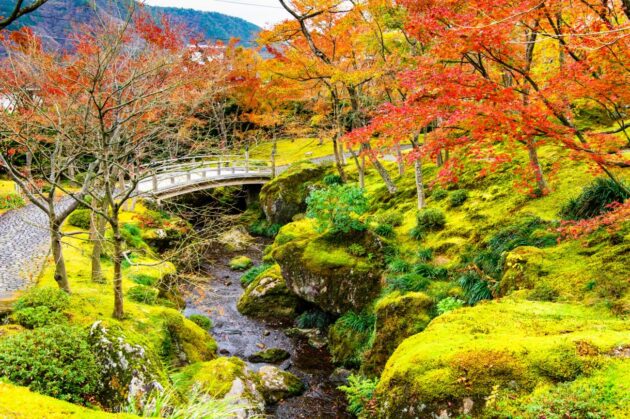
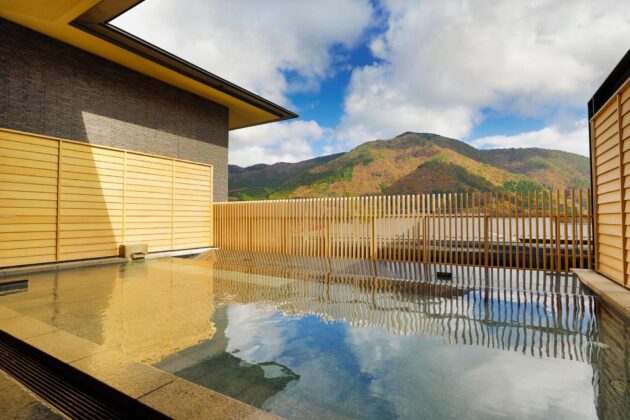
Gora is a charming mountain resort town located in the heart of Hakone, Kanagawa Prefecture, Japan. Sitting at a higher elevation than other parts of Hakone, it offers cool summers, beautiful seasonal scenery, and easy access to some of the region’s best attractions. Famous for its onsen (hot springs), art museums, and as a gateway to the Hakone Ropeway, Gora is an ideal base for exploring the Hakone National Park area.
Owakudani
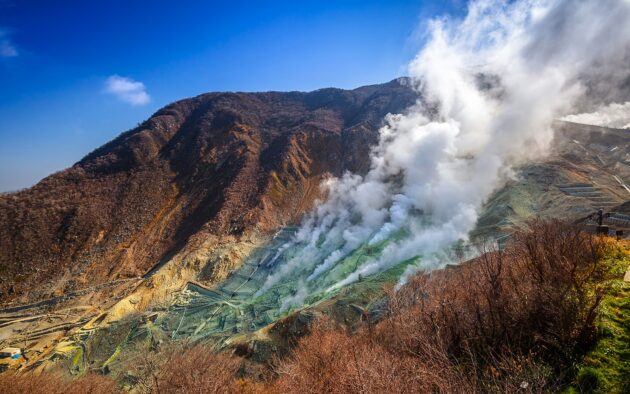
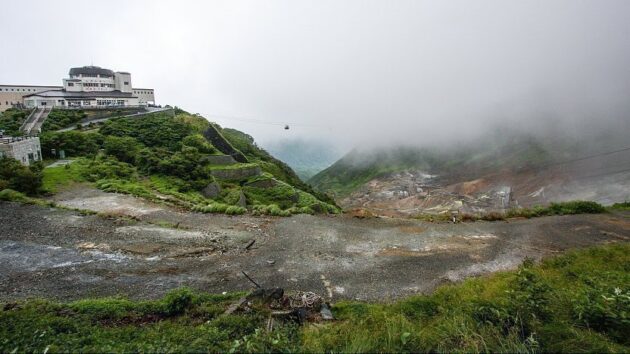
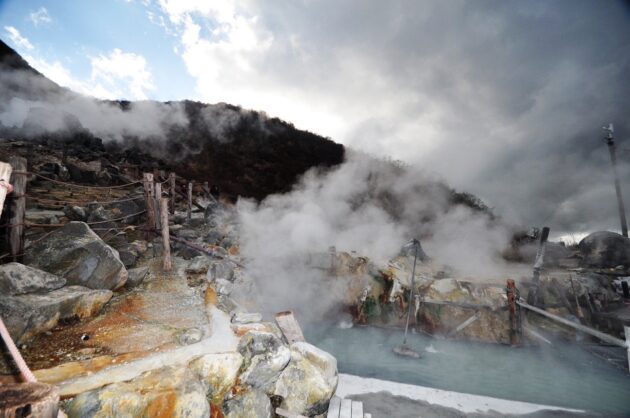
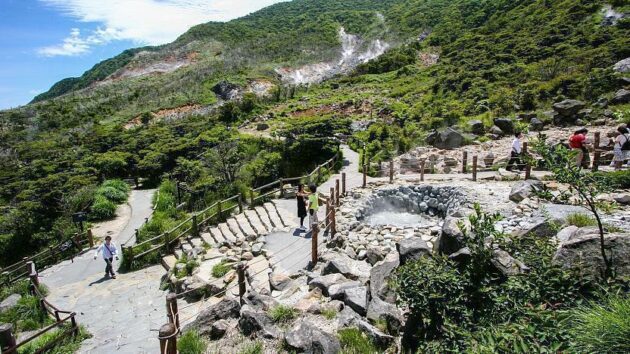
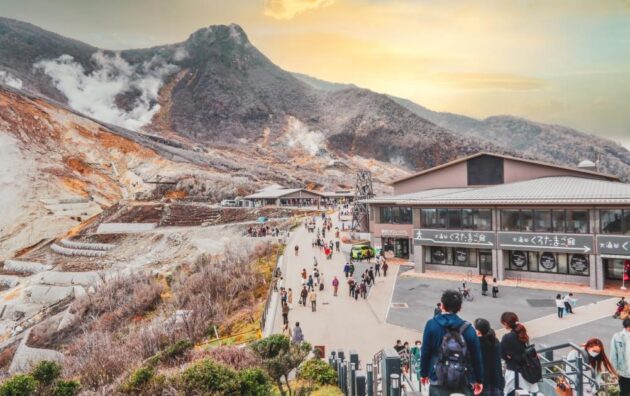
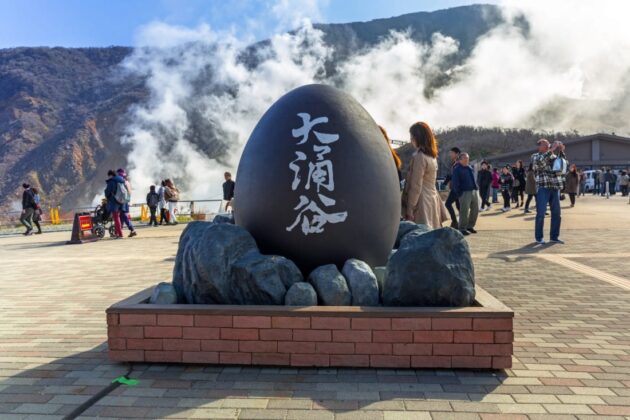
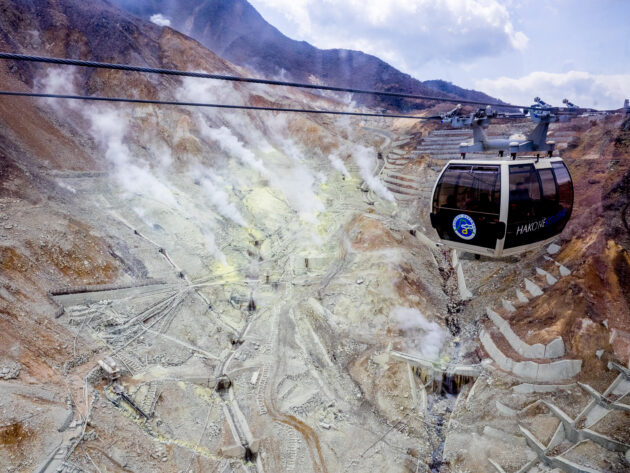
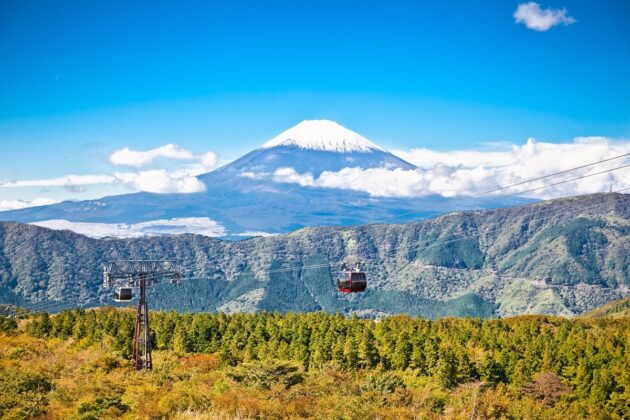
Owakudani, meaning “Great Boiling Valley,” is one of Hakone’s most dramatic and iconic attractions. This active volcanic area formed roughly 3,000 years ago and features steaming sulfur vents, hot springs, rugged landscapes, and the famous kuro-tamago (black eggs). On clear days, it offers stunning panoramic views of Mount Fuji.
Hakone Sightseeing Cruise
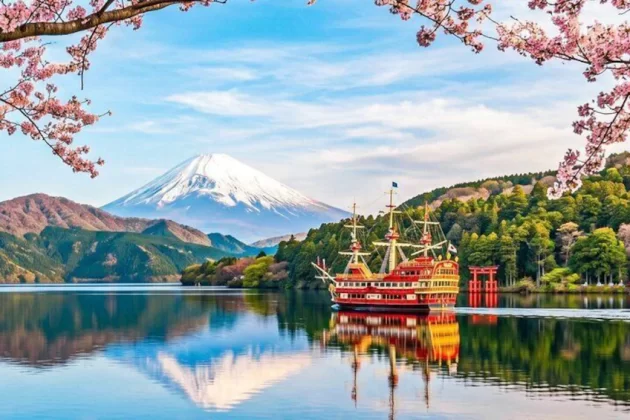
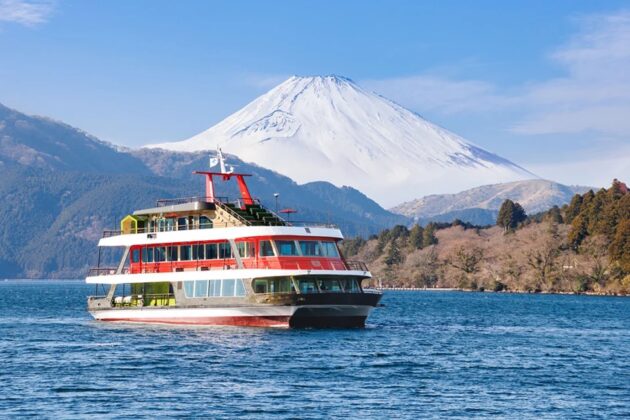
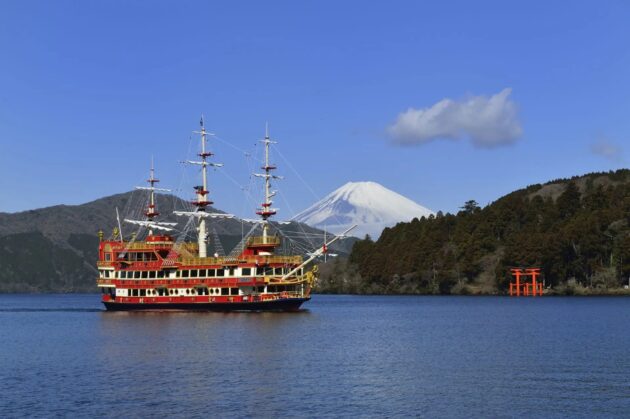
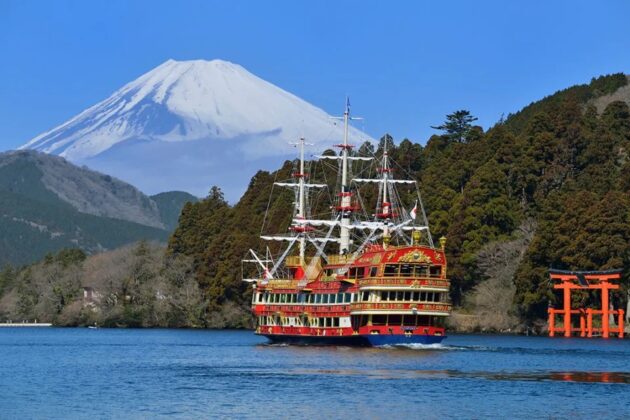
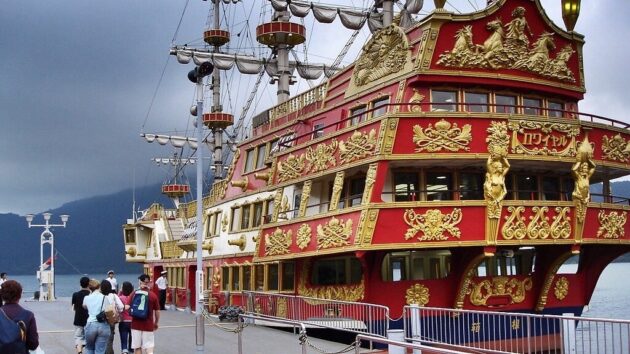
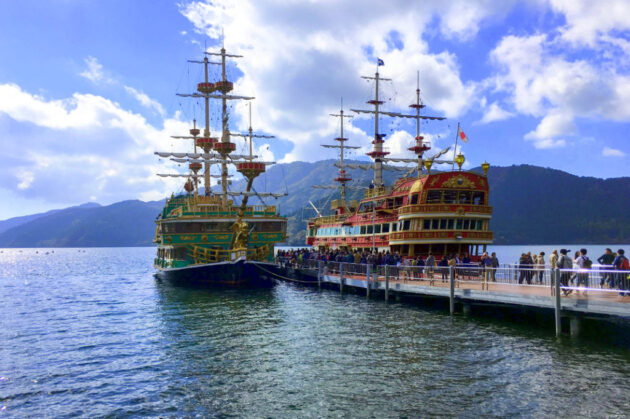
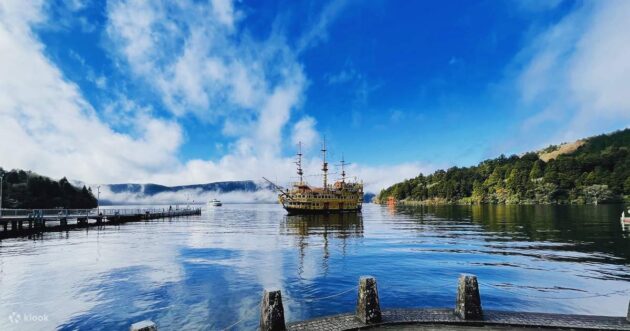
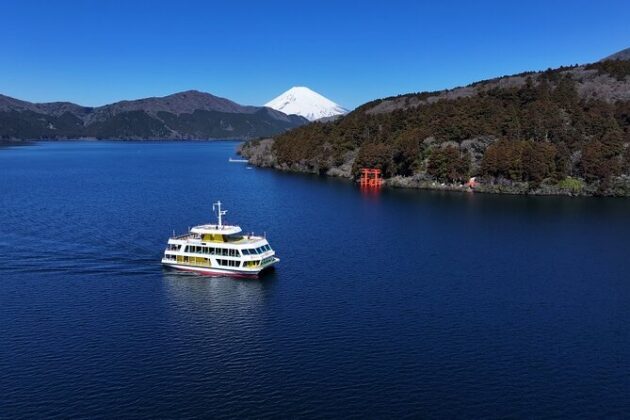
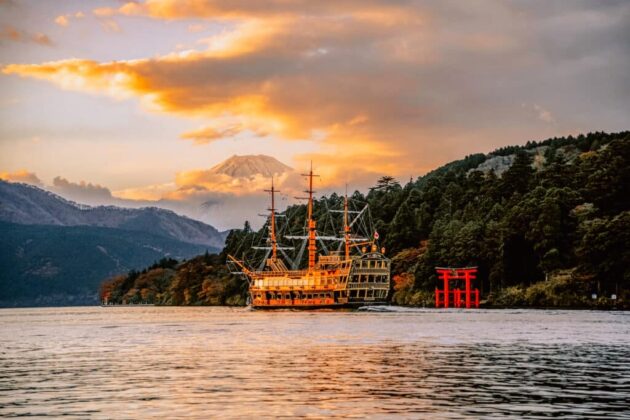
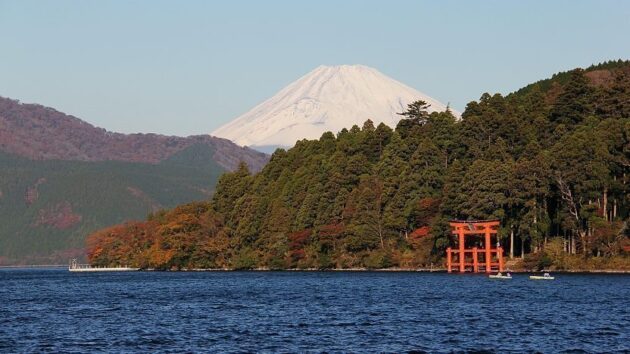
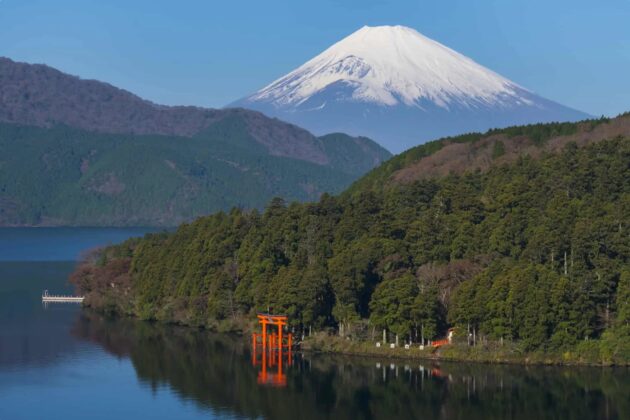
The Hakone Sightseeing Cruise is one of the most iconic and enjoyable experiences in the Hakone area. It features colorful pirate ship-style boats sailing across the beautiful crater lake Lake Ashinoko (Ashi), offering stunning views of forested mountains, the iconic red torii gate of Hakone Shrine, and — on clear days — majestic Mount Fuji.
Hakone Shrine
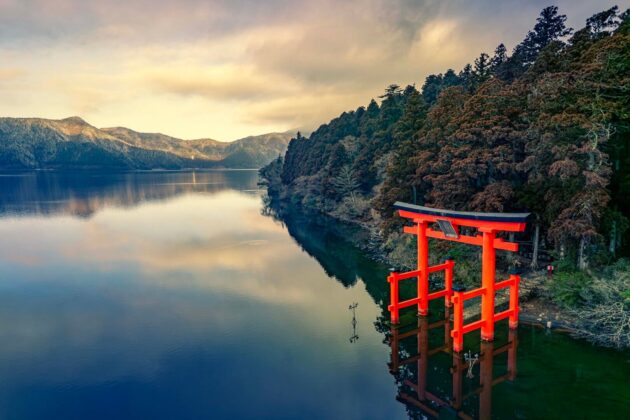
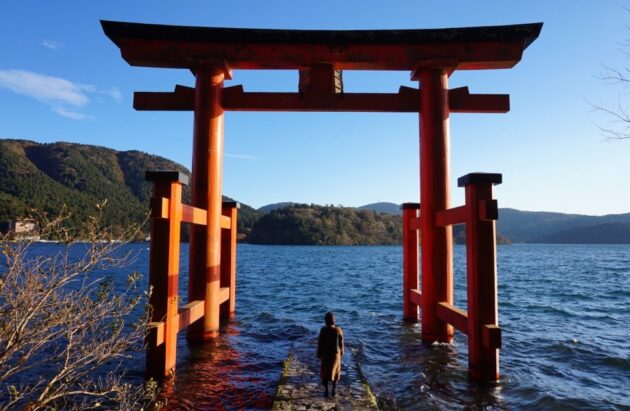
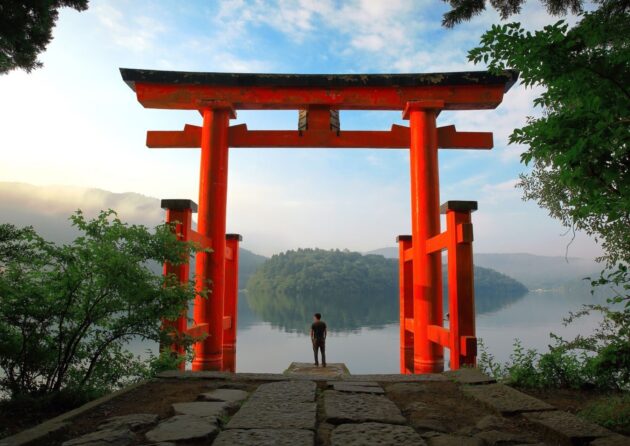
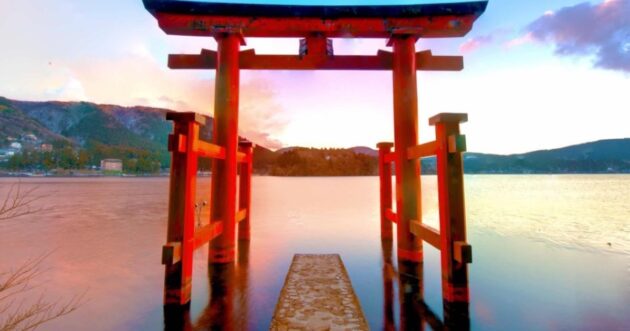
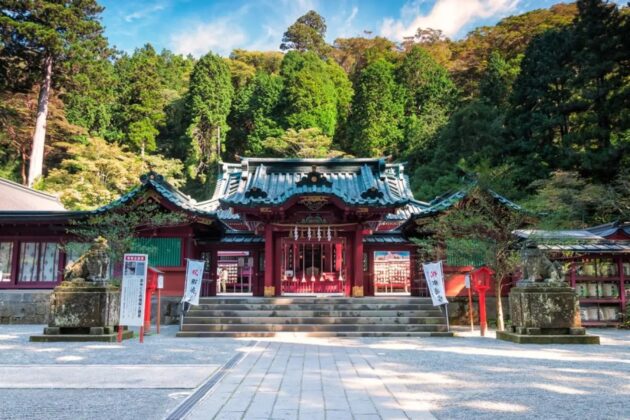
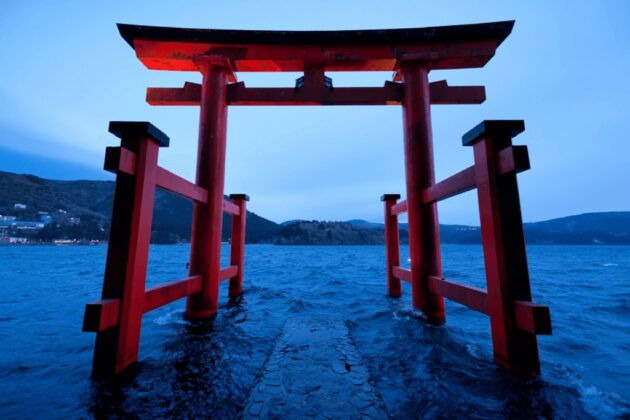
Hakone Shrine (箱根神社, Hakone-jinja) is one of the most scenic and spiritually significant shrines in the Hakone region of Kanagawa Prefecture. Nestled on the southern shore of Lake Ashi (Ashinoko), it is famous for its iconic red torii gate standing in the water, lush cedar forests, and breathtaking views of Mount Fuji on clear days.
Hakone Checkpoint
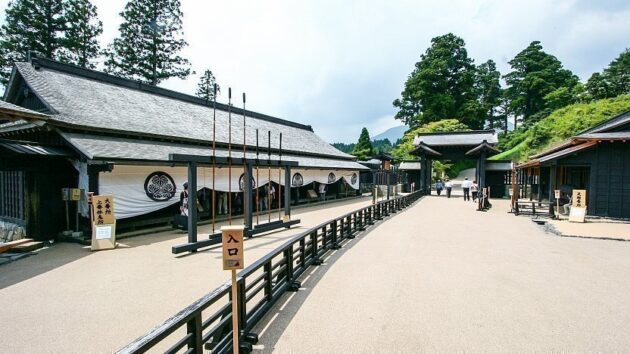
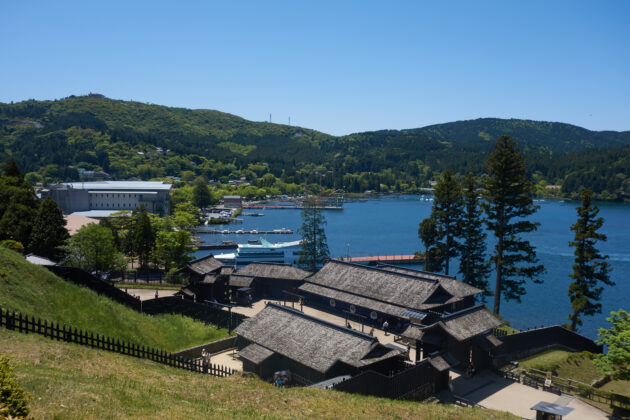
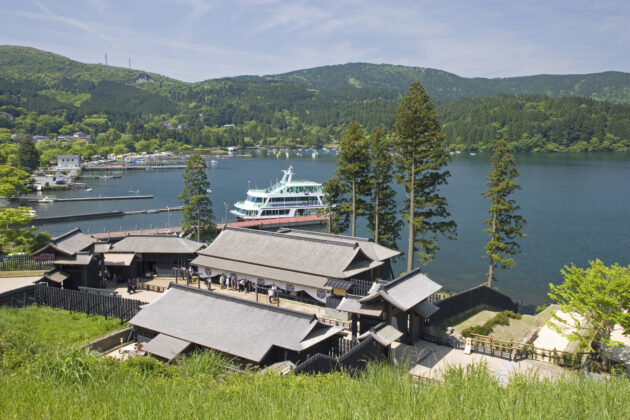
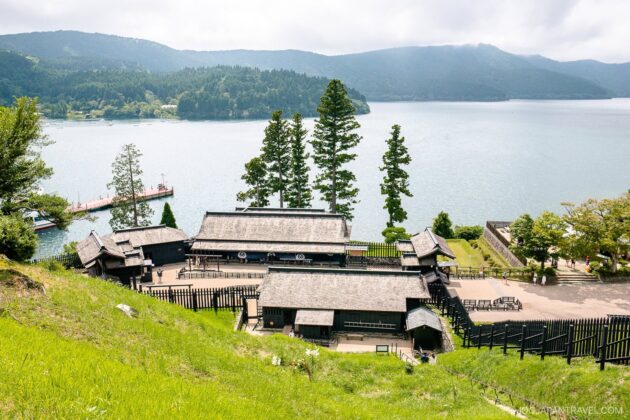
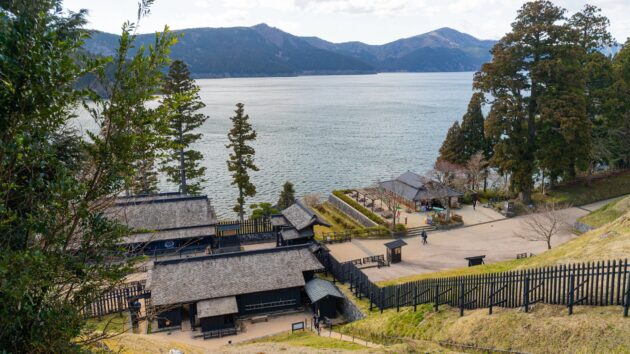
Hakone Checkpoint is a fascinating historical site in Hakone, Kanagawa Prefecture, Japan. It offers a glimpse into Japan’s Edo period (1603–1868) and serves as one of the key attractions around Lake Ashi. Reconstructed to show what a feudal checkpoint looked like, it makes for an excellent stop on any Hakone itinerary, especially for history enthusiasts.
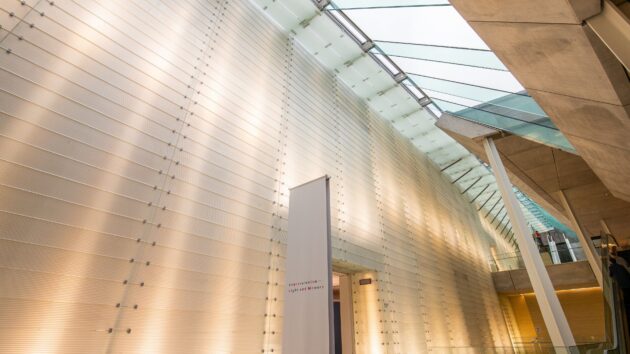
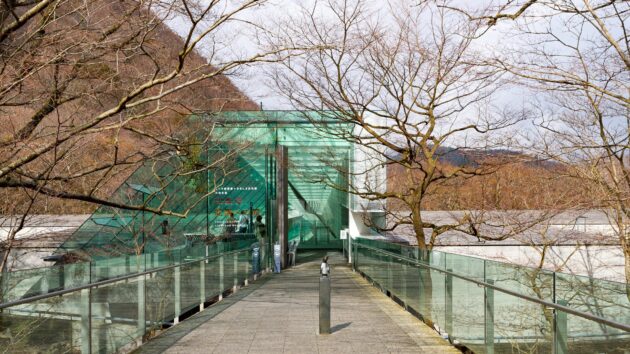
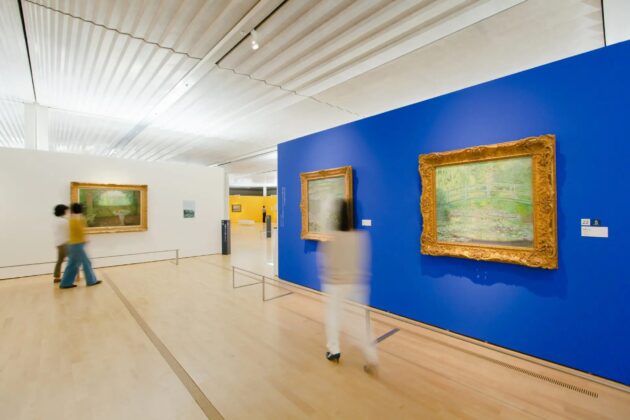
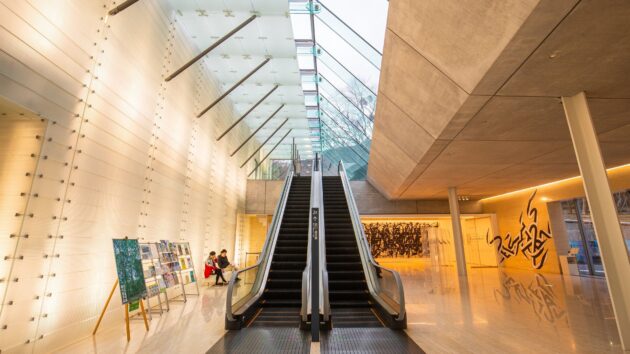
Pola Museum of Art
Nestled in the lush forests of Hakone National Park, the Pola Museum of Art is a serene haven that beautifully blends world-class art with nature. Opened in 2002, it houses one of Japan’s finest private collections of Impressionist and modern art, making it a must-visit for art lovers exploring the Hakone region.
Hakone Open-Air Museum
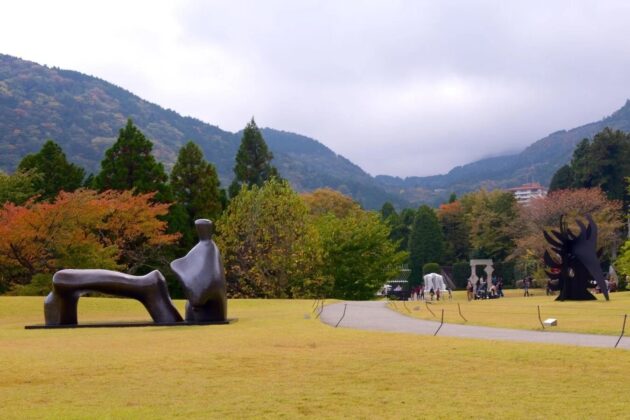
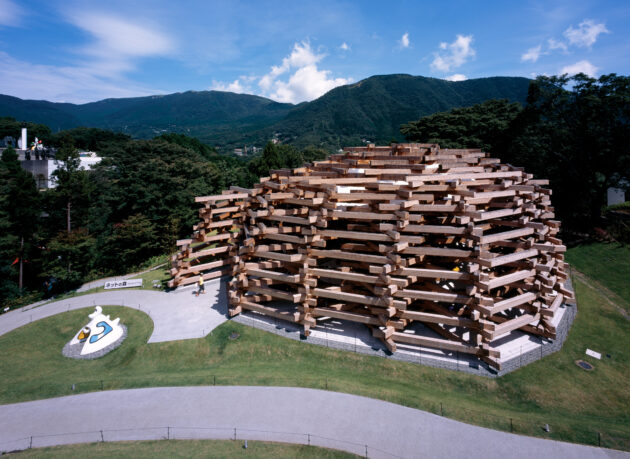
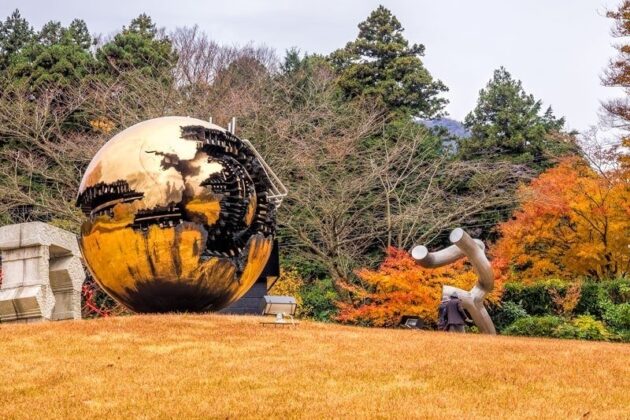
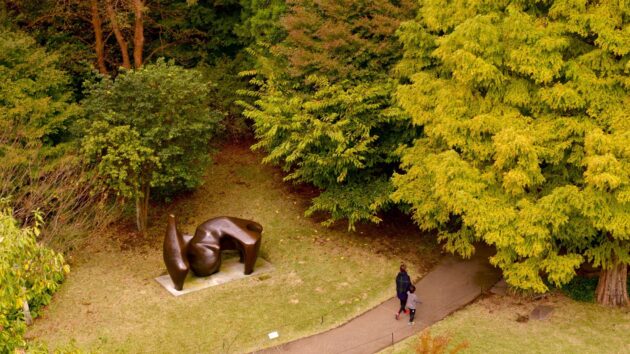
The Hakone Open-Air Museum (箱根彫刻の森美術館, Hakone Chōkoku-no-Mori Bijutsukan) is Japan’s first open-air museum, opened in 1969. It beautifully blends modern and contemporary sculpture with the stunning natural scenery of the Hakone mountains.
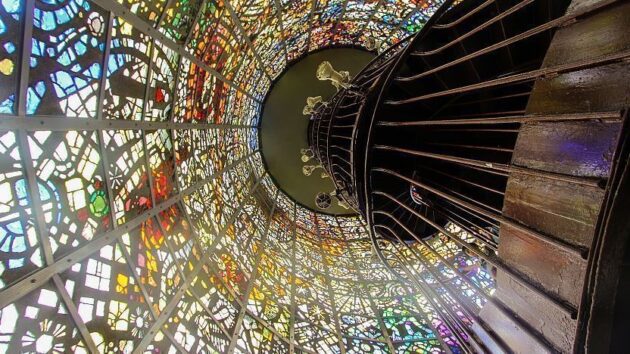
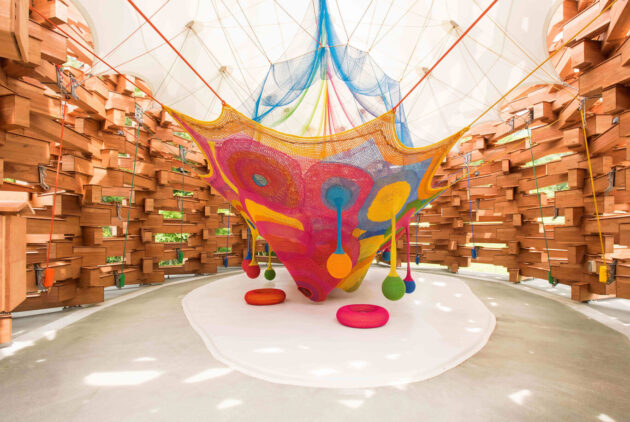
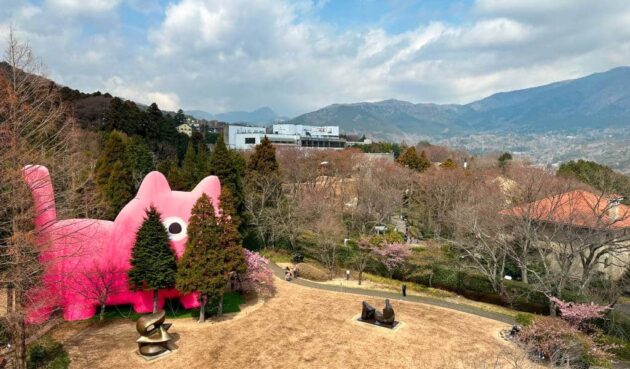
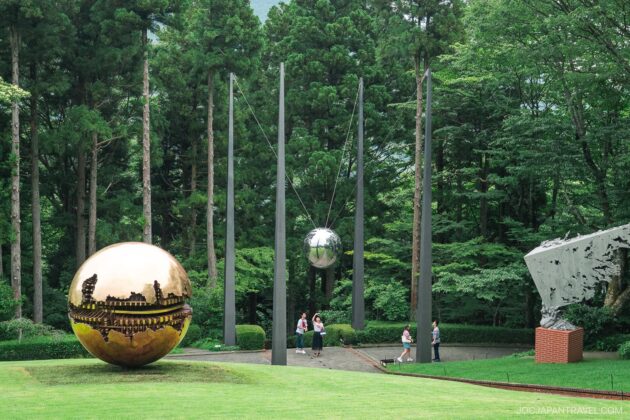
Hakone Glass Forest Museum
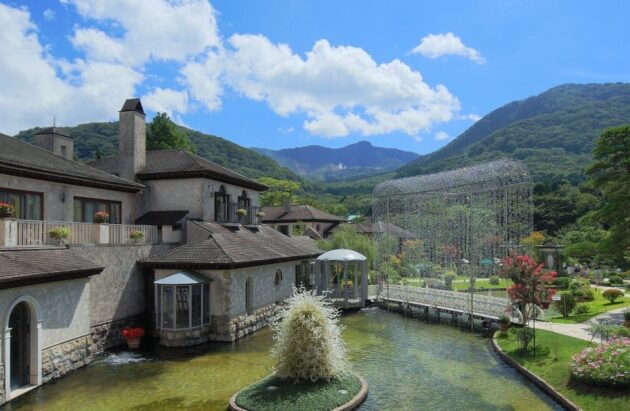
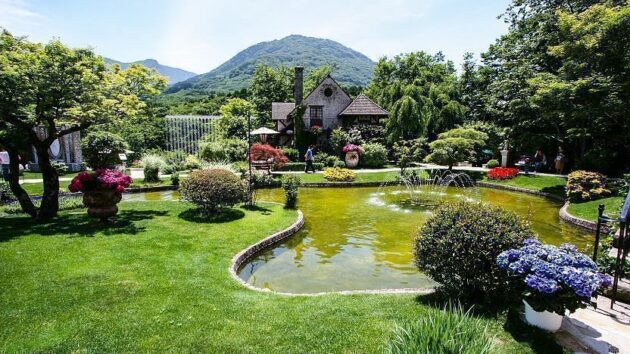
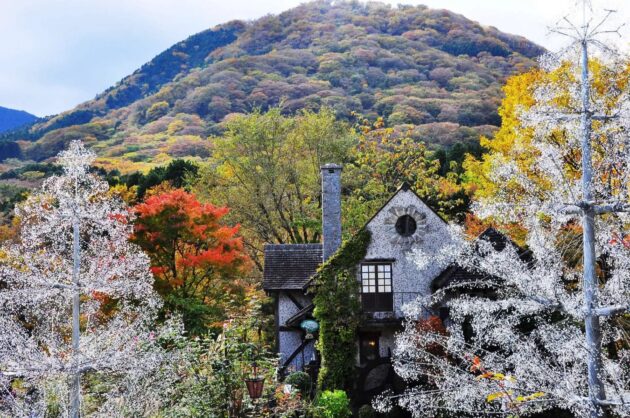
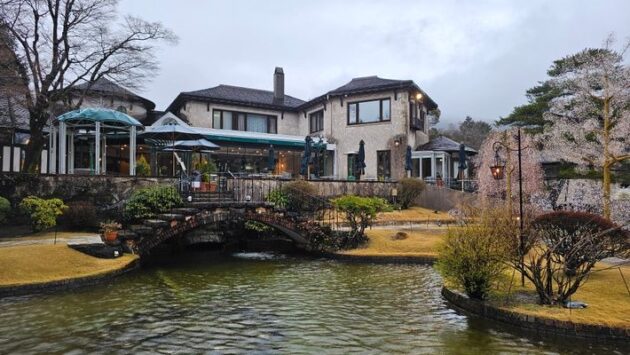
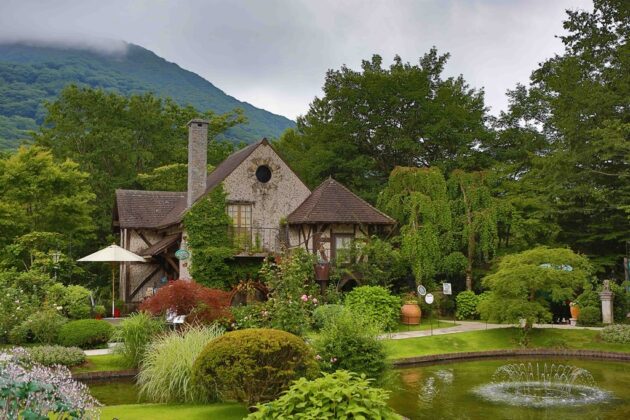
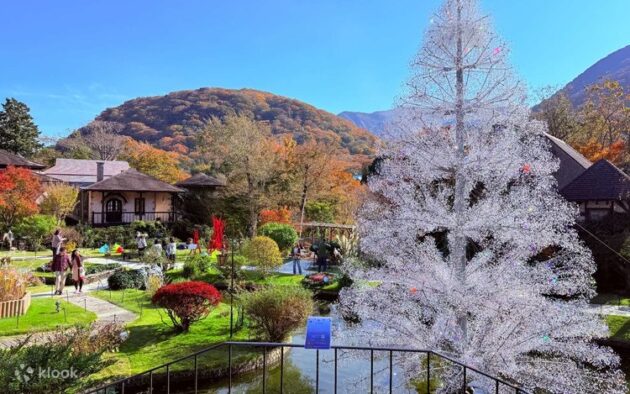
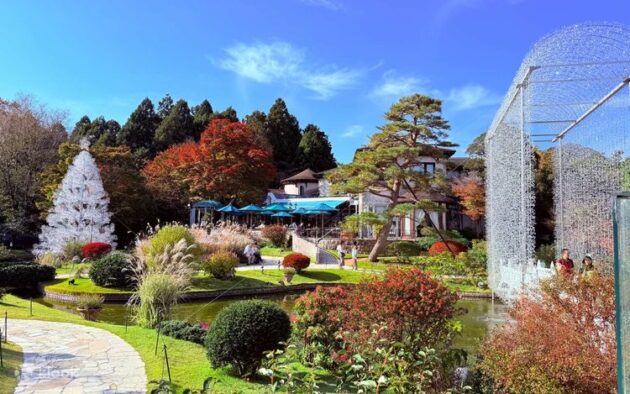
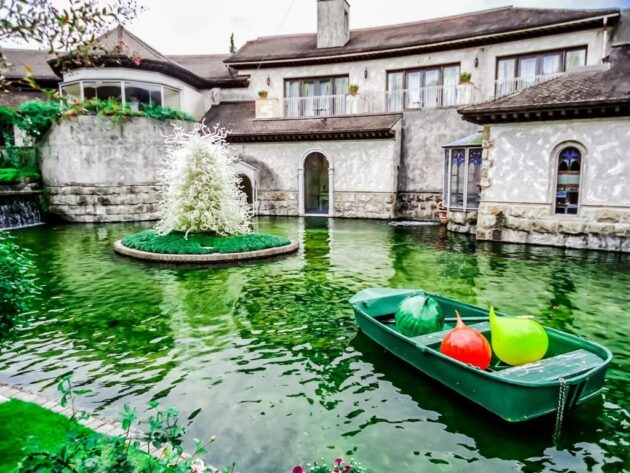
The Hakone Glass Forest Museum, also known as the Hakone Venetian Glass Museum (箱根ガラスの森美術館), is a delightful blend of art, nature, and Italian elegance tucked away in the lush greenery of Hakone’s Sengokuhara area. As Japan’s first museum dedicated to Venetian glass, it features exquisite historical pieces from the 15th to 19th centuries alongside stunning modern works.
Best Onsen Experiences
Hakone Yuryo (Hakone-Yumoto) – Modern, day-use onsen
Yunessun – Fun “theme onsen” with wine, coffee, and outdoor baths
Gora Kadan or Hakone Kowakien – Luxury ryokan experience
Tenzan – Traditional and very popular
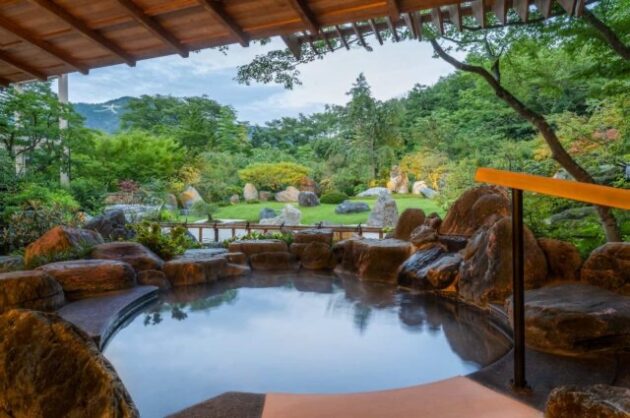
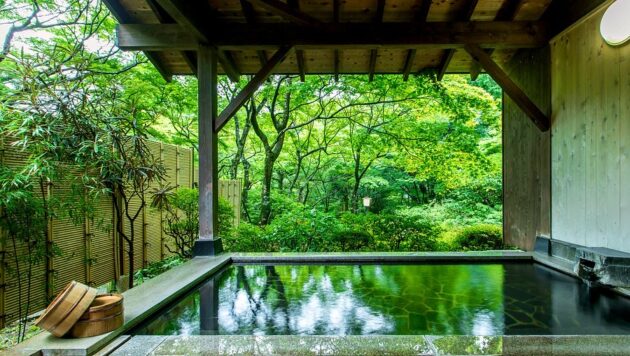
Many ryokans offer private open-air baths (rotenburo) with Mt. Fuji views.
Where to Stay
Luxury: Gora Kadan (one of Japan’s best ryokans); Hakone Prince Hotel (lakeside location).
Mid-range: Hakone Kowakien Tenyu; Yoshiike Ryokan.
Budget: Hakone-Yumoto area hostels/ryokans; Guesthouses near Gora.
Food Recommendations
Kuro-tamago (black eggs) at Owakudani
Hakone Soba (buckwheat noodles)
Kamaboko (fish cakes) in Hakone-Yumoto
Japanese kaiseki dinner at your ryokan
Hakone Beer or local sake
Practical Tips
Weather: Hakone’s mountain weather changes quickly. Check the ropeway status before going.
Mt. Fuji visibility: Best in winter and early morning. Use the Hakone Visitor Center’s live camera.
Crowds: Avoid weekends and Japanese holidays if possible.
Luggage: Use coin lockers or luggage delivery service (takkyubin) from Tokyo.
Language: English signs are decent in tourist areas, but basic Japanese helps.
Cash: Many small shops and some buses prefer cash.
Final Thoughts
Hakone is the perfect balance of accessibility and natural beauty. Whether you’re looking for a romantic getaway, family adventure, or peaceful onsen retreat, this classic Japanese destination rarely disappoints.