
National Pantheon (Panteão Nacional) Complete Travel Guide (2026)
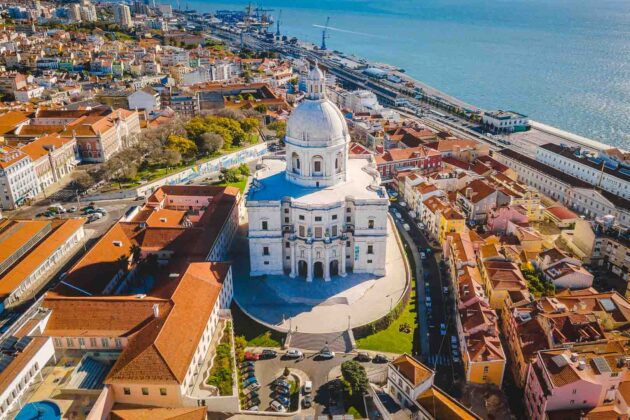
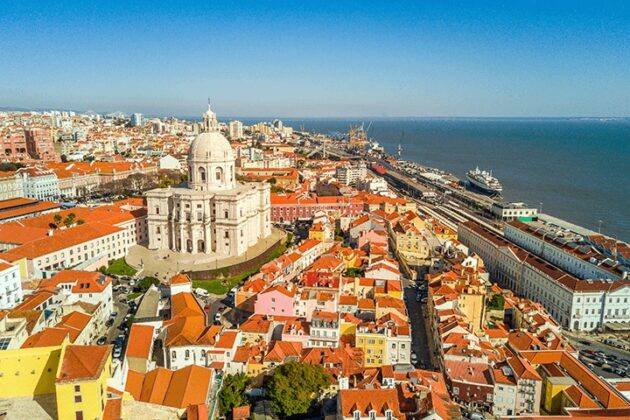
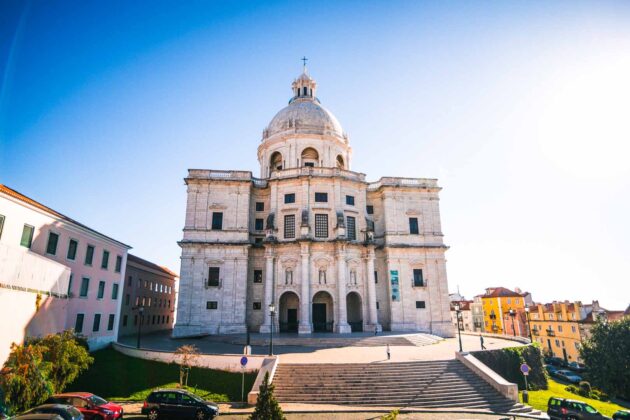
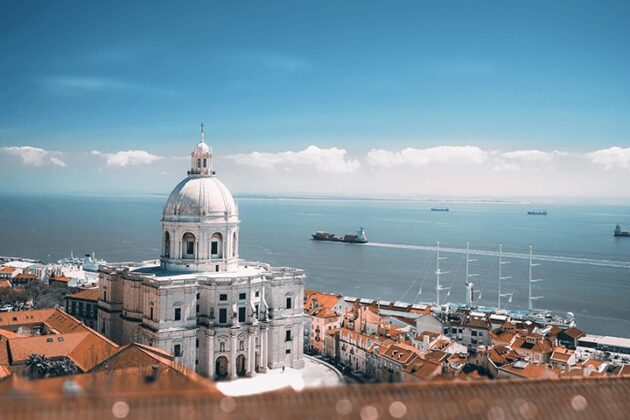
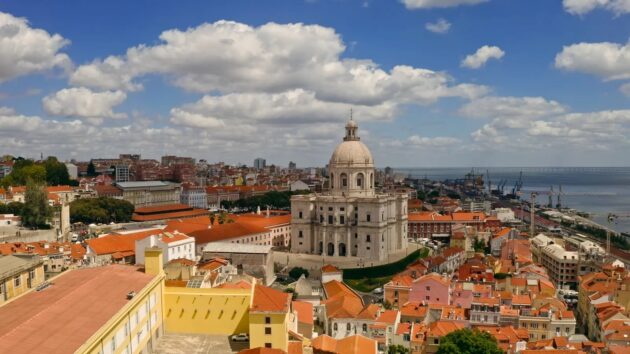
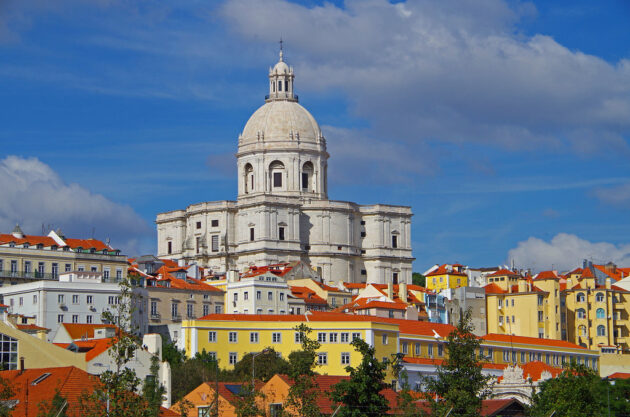
The National Pantheon, also known as the Church of Santa Engrácia (Igreja de Santa Engrácia), is a stunning Baroque landmark in Lisbon’s historic Alfama district. Its iconic white dome dominates the skyline overlooking the Tagus River. Originally built as a church in the late 17th century, it was repurposed as Portugal’s official pantheon in the 20th century and now serves as the final resting place for many of the country’s most illustrious figures.
A Brief History
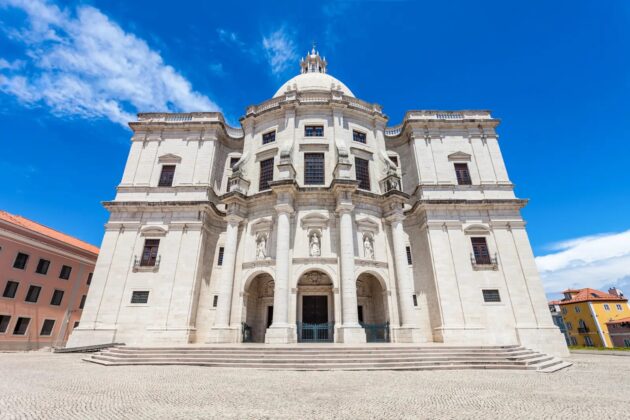
Construction of the Church of Santa Engrácia began in 1682 under architect João Antunes. The project dragged on for centuries—becoming so notoriously delayed that it inspired the Portuguese idiom “obras de Santa Engrácia” (works of Santa Engrácia), meaning something that never ends. The building was only completed in the 1960s with the addition of its grand dome.
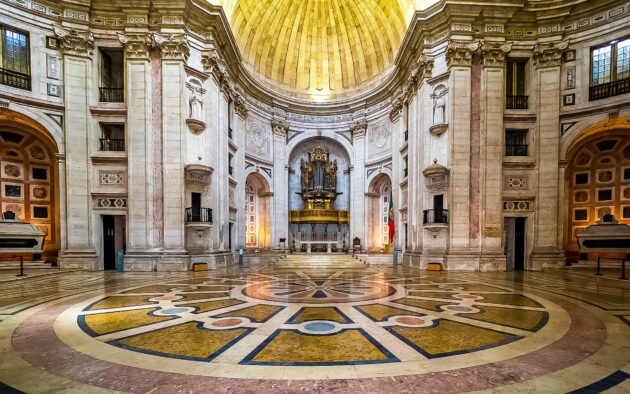
In 1916, it was designated the National Pantheon, and it was officially inaugurated in 1966. The interior features an octagonal plan with a Greek cross layout, vibrant polychrome marble decorations, and an inspiring design reminiscent of St. Peter’s Basilica in Rome.
What to See and Do
Interior and Tombs — Admire the colorful marble nave and explore the burial chambers. Notable figures interred here include Fado legend Amália Rodrigues, footballer Eusébio, presidents like Óscar Carmona, writers such as Sophia de Mello Breyner Andresen and Almeida Garrett, and others. Cenotaphs (empty tombs) honor icons like Vasco da Gama, Luís de Camões, and Prince Henry the Navigator.
Rooftop Terrace/Dome — The highlight for many visitors. Climb up for 360° panoramic views over Alfama’s red-tiled rooftops, the Tagus River, São Jorge Castle, the 25 de Abril Bridge, and beyond. The terrace sits about 40–80 meters high (depending on the exact point) and offers some of the best elevated vistas in eastern Lisbon.
Architecture — Marvel at the Baroque details, including the façade, undulating walls, and ornate interiors.
A visit typically takes 45–90 minutes, making it ideal for a focused stop or as part of a half-day in Alfama.
Practical Information
Opening Hours: April–September: Tuesday–Sunday, 10:00 AM – 6:00 PM (last admission ~5:40 PM). October–March: Tuesday–Sunday, 10:00 AM – 5:00 PM (last admission ~4:40 PM).
Closed: Mondays, January 1, Easter Sunday, May 1, June 13, December 25 (and sometimes 24).
Tickets: Around €8–€10 for adults (prices may vary slightly by source/year). Discounts for youth (13–24), seniors (65+), and families. Free for children under 12. Free with the Lisboa Card. Some free entry days for Portuguese residents. Buy online for skip-the-line access.
Accessibility: Ground floor (nave and burial chambers) is accessible for reduced mobility visitors.
Pro Tip: Visit on a clear day for the best terrace views. Go early or in the late afternoon to avoid crowds.
How to Get There
Address: Campo de Santa Clara, 1100-471 Lisbon.
Tram 28: One of the most scenic options—get off at “Voz do Operário” or near São Vicente de Fora Monastery (short walk).
Metro: Blue line to Santa Apolónia station, then a 10-minute uphill walk.
Bus: Lines like 712, 728, 734, etc., stop nearby at “Panteão Nacional” or “Campo de Santa Clara.”
On Foot: Easy to reach from Alfama or São Vicente neighborhoods, though the final approach involves some uphill walking.
Limited street parking is available, but public transport or walking is strongly recommended due to narrow streets and market crowds on certain days.
Best Time to Visit and Tips
Best Months: Spring (April–June) or fall (September–October) for pleasant weather and manageable crowds.
Combine with:
Feira da Ladra flea market (Tuesdays and Saturdays) right outside on Campo de Santa Clara.
Mosteiro de São Vicente de Fora (nearby monastery with its own great views and royal pantheon).
Explore Alfama’s winding streets, viewpoints (miradouros), and traditional fado spots.
Wear comfortable shoes for stairs and hills. Bring a camera and water. Audio guides or guided tours can add depth if available.
Nearby Attractions and Amenities
After your visit, relax in Botto Machado Garden nearby, which has a kiosk for refreshments. The area offers local eateries for Portuguese cuisine like pastéis de nata or fresh seafood.
Final Thoughts
The National Pantheon is a perfect blend of history, architecture, and breathtaking views—ideal for culture lovers, history buffs, and anyone seeking one of Lisbon’s most photogenic spots. Whether you spend 45 minutes or linger longer soaking in the panorama, it’s a memorable addition to any Lisbon itinerary.
Official Site: Check panteaonacional.gov.pt for the latest details. Enjoy your visit!