


National Tile Museum (Museu Nacional do Azulejo) Travel Guide (2026)
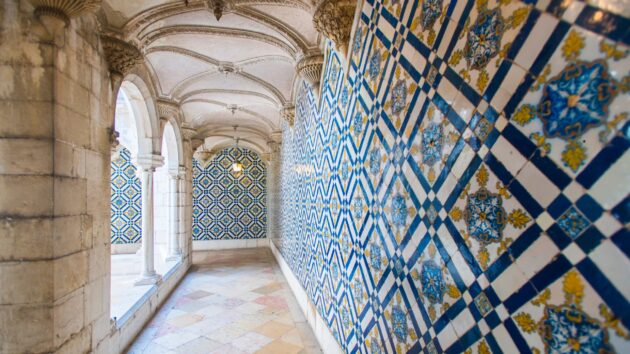
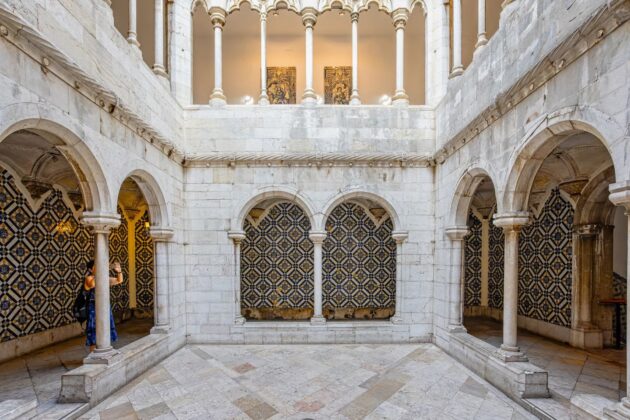
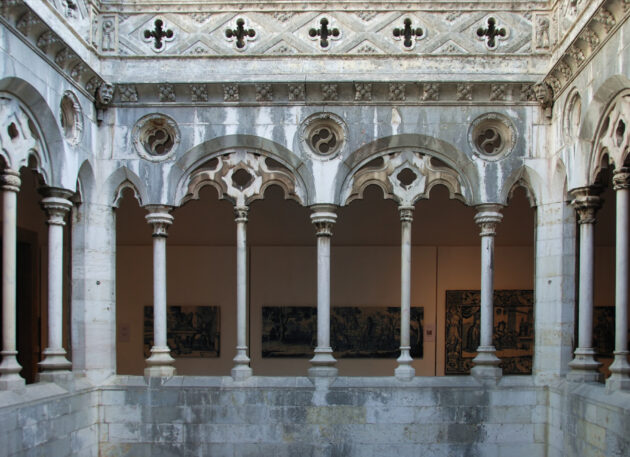
The National Tile Museum (Museu Nacional do Azulejo) is one of Lisbon’s most unique cultural attractions. It is dedicated to azulejos — the iconic glazed ceramic tiles that have adorned Portuguese buildings for centuries. Housed in the historic 16th-century Madre de Deus Convent (founded in 1509 by Queen Leonor), the museum showcases over 500 years of tile-making history, from Moorish influences to contemporary art, within a stunning baroque setting.
Why Visit?
Cultural Icon: Azulejos are everywhere in Lisbon — on building façades, churches, and palaces. This museum tells their full story and explains their role in Portuguese identity.
Highlights include:
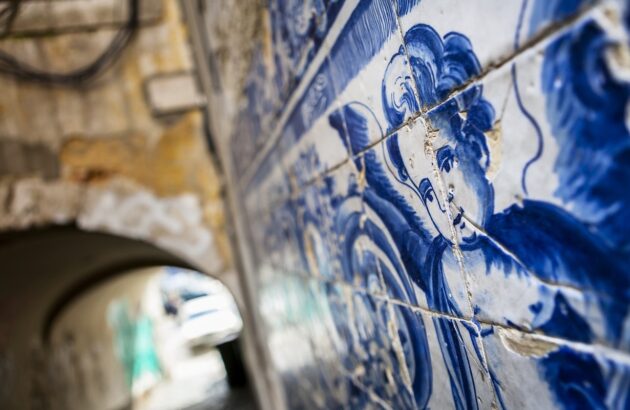
The monumental Grande Panorama de Lisboa (c. 1700): A breathtaking 23-meter-long (75 ft) blue-and-white tile panel depicting Lisbon’s waterfront before the 1755 earthquake. It’s a priceless historical document made of about 1,300 tiles.
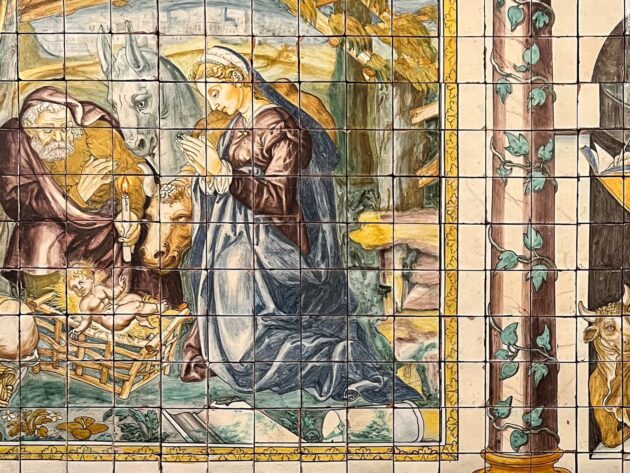
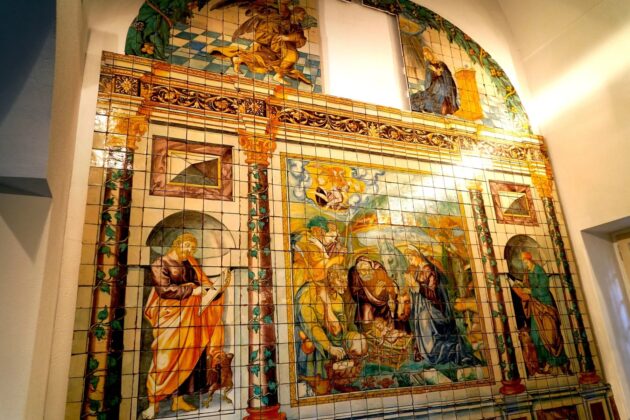
The Retábulo de Nossa Senhora da Vida (Our Lady of Life altarpiece, c. 1580): A large Renaissance tile masterpiece with over 1,000 tiles showing the Adoration of the Shepherds.
Baroque church interiors with gilded woodwork, oil paintings (e.g., by André Gonçalves), and exquisite tile panels.
Chronological displays covering geometric Moorish designs, Renaissance majolica, 17th–18th century baroque, 19th-century industrial tiles, Art Nouveau, and modern works.
The convent itself, with its cloisters, chapels (including Santo António), and ornate decorations, is a highlight.
Plan for 1.5–3 hours to explore comfortably. It’s family-friendly, with tactile replicas and accessible features.
Practical Information
Address: Rua da Madre de Deus 4, 1900-312 Lisboa (Xabregas district, northeast of central Lisbon, near the Tagus River).
Opening Hours (when open): Tuesday–Sunday, 10:00 AM – 6:00 PM (last entry ~5:15–5:30 PM). Closed Mondays and certain holidays (Jan 1, Easter Sunday, May 1, June 13, Dec 25).
Tickets: Around €10 for adults; reduced rates (€5) for ages 13–24 and seniors; free for children under 12. Lisboa Card holders get free entry. Buy online in advance to skip lines. Free entry on the first Sunday of the month in normal times.
Facilities: Gift shop (reproductions and souvenirs), café, and documentation center.
How to Get There
By Bus: Routes 759 (from Restauradores/Praça do Comércio, ~15–20 min, stops right in front), 794, 718, 742, 728, etc.
Metro + Walk/Bus: Santa Apolónia station (20–30 min walk or short bus ride).
Tram or Hop-on-Hop-off Bus: Scenic options that stop nearby.
Taxi/Uber: Quick (~10–15 min) from central areas like Baixa or Alfama.
Lisboa Card: Free public transport + museum entry makes it convenient.
It pairs well with a visit to nearby Alfama, São Vicente de Fora, or the National Pantheon.
Tips for Visitors
Best Time: Weekday mornings for fewer crowds. Combine with azulejo-spotting walks in the city (e.g., via self-guided tile tours).
Photography: Allowed in most areas (check rules on-site); the panorama panel is especially photogenic.
Accessibility: Wheelchair-friendly with ramps, elevators, audio guides in multiple languages, Braille, and tactile elements.
Enhance Your Visit: Consider an audio guide for deeper context on techniques and history. Look for temporary exhibitions.
Nearby: Explore more azulejos at shops like Fábrica Sant’Anna or Viúva Lamego, or in everyday Lisbon streets.
Pro Tip: Wear comfortable shoes — the convent has stairs and multiple levels.
Beyond the Museum
Lisbon’s love for tiles extends far beyond this site. Wander Alfama and Chiado to see them in situ, or visit palaces in Sintra. The museum shop (or its temporary location in Palácio Foz at Restauradores) offers beautiful reproductions to take home.
This museum offers a perfect blend of art, history, and architecture — a true gem for anyone interested in Portuguese culture. When it reopens, it will be even better after the renovations. Plan it into your Lisbon itinerary for a memorable, colorful experience!
Safe travels!