
Sagres Fortress (Fortaleza de Sagres) Travel Guide (2026)
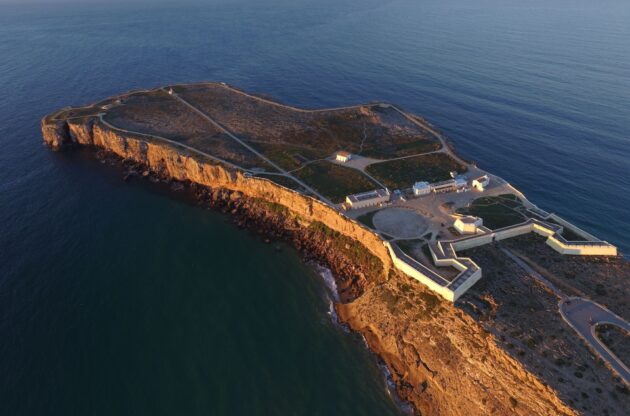
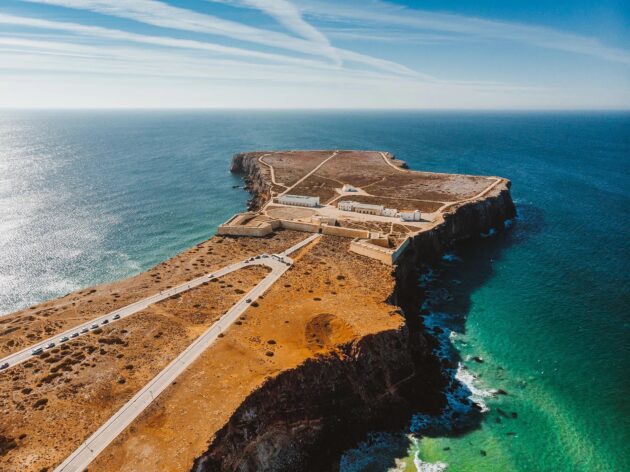
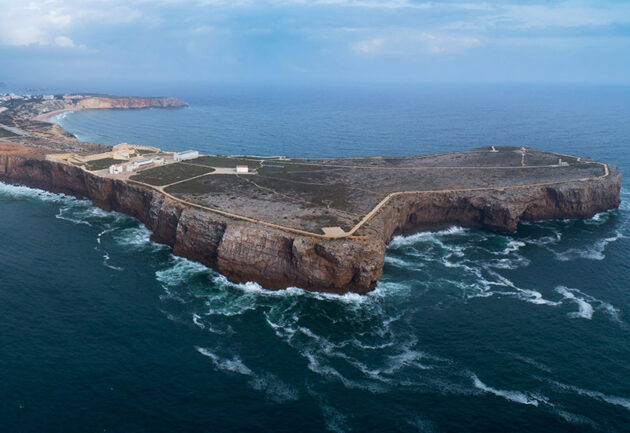
Sagres Fortress, perched on a dramatic windswept promontory at the southwestern tip of Europe, is one of the Algarve’s most iconic historical sites. Closely linked to Prince Henry the Navigator (Infante Dom Henrique) and Portugal’s Age of Discoveries, it offers stunning clifftop views, a mysterious giant compass rose, and a sense of standing at the edge of the known world. While not a traditional castle with towering structures, its vast open grounds, sheer cliffs, and maritime heritage make it a must-visit for history buffs, nature lovers, and photographers.
A Brief History
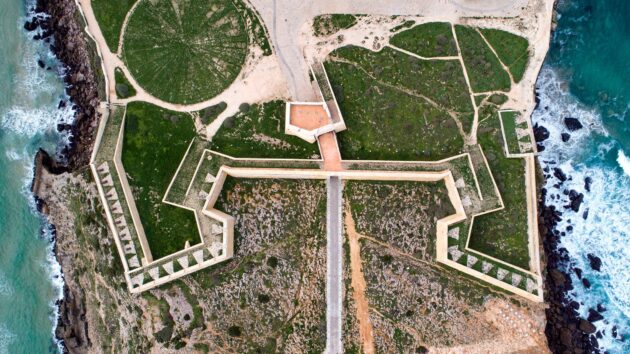
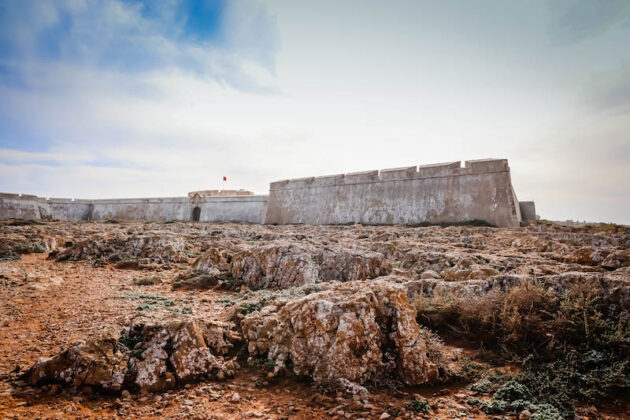
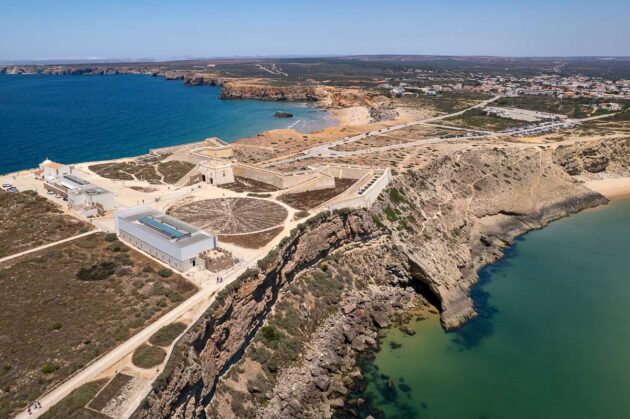
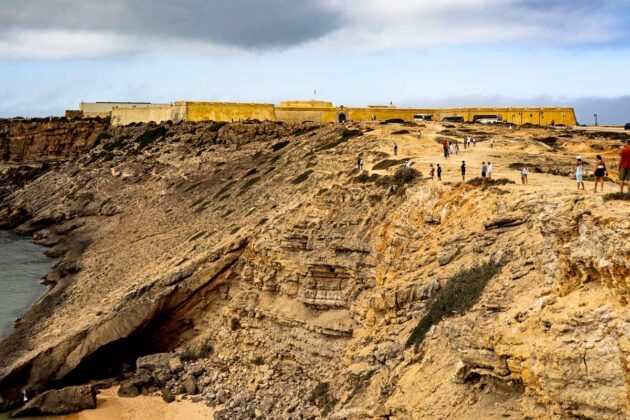
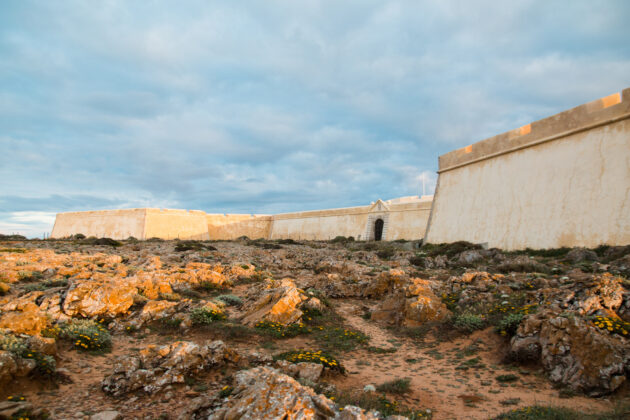
The fortress dates back to the mid-15th century (around 1443–1453), when Prince Henry established a base here for navigation studies, cartography, and planning expeditions along the African coast and beyond. It served as a key outpost in Portugal’s maritime expansion. Much of the original structure was damaged by Sir Francis Drake’s raid in 1587 and the devastating 1755 Lisbon earthquake. What remains today includes reconstructed 16th–18th-century elements: a single massive landward wall (the other sides protected by 40–60m cliffs), a 43-meter-diameter stone Rosa dos Ventos (wind compass or rose), the small 16th-century Igreja de Nossa Senhora da Graça chapel, a cistern tower, and interpretive paths.
It is now a national monument and part of European Heritage, attracting hundreds of thousands of visitors annually.
Opening Hours & Tickets
Hours: 9:30 AM to 5:30 PM (October–April); often extended to 8:00 PM (May–September). Last admission is 30 minutes before closing. Check the official site or on arrival, as hours can adjust.
Closed: January 1, January 22 (municipal holiday), Easter Sunday, May 1, December 25.
Tickets (purchased at the gate only; no official online sales in most sources): Adults: €10; Youth (13–24) & Seniors (65+): €5; Children under 12: Free; Family ticket (1 adult + 1 child): €5 per person. Additional discounts for Portuguese residents, disabled visitors, etc.
A typical visit lasts 45–90 minutes, longer if you walk the full perimeter.
What to See & Do
The Wind Compass (Rosa dos Ventos): The standout feature—a large stone pattern on the ground, likely from the 16th century, used for navigation teaching or as a sundial.
Clifftop Perimeter Walk: Follow paths along the promontory (about 2–3 km round trip) for panoramic Atlantic views, including toward Cabo de São Vicente. Look for seabirds, wildflowers, and dramatic limestone cliffs.
Chapel and Other Structures: Visit the simple whitewashed Igreja de Nossa Senhora da Graça and exhibition areas with info on the Discoveries era.
Visitor Centre: Features a café, shop, and displays.
Sunset Viewing: Arrive late afternoon for golden light and dramatic skies over the ocean—highly recommended.
Pro Tip: Bring a windbreaker or jacket—the area is famously breezy year-round. Wear comfortable shoes for uneven paths. There’s limited shade, so sun protection is essential in summer.
How to Get There
Sagres is about 30–35 km west of Lagos.
By Car (recommended): 30–40 minutes via N125 to Vila do Bispo, then N268. Free parking is available at the fortress.
By Bus: Vamus bus 47 from Lagos (about 50–60 minutes, €3–9 round trip). Fewer services on weekends. The stop is near Sagres town center; walk ~15 minutes (1 km) to the fortress.
From Faro Airport: ~1.5 hours by car; longer by public transport.
Tours: Many day trips from Lagos, Albufeira, etc., combine the fortress with Cabo de São Vicente.
Nearby Attractions & Day Trip Ideas
Cabo de São Vicente (6 km west): Europe’s southwesternmost point with a powerful lighthouse and epic cliffs—perfect for sunset.
Beaches: Praia da Mareta, Praia do Tonel (great for surfing), or Praia da Baleeira (near the harbor).
Sagres Town: Relaxed vibe with fresh seafood restaurants, a fishing harbor, and surf shops. Much more laid-back than Lagos.
Sample Itinerary (from Lagos): Morning bus/drive to Cabo de São Vicente → Sagres Fortress → Lunch in town → Beach time → Sunset return.
Practical Tips
Best Time to Visit: Spring (March–May) or autumn (September–October) for milder crowds and pleasant weather. Summer is busier and windier; winter offers dramatic seas but cooler temperatures.
Food & Facilities: Limited options inside; eat in Sagres town. Fresh fish and seafood are highlights.
Accessibility: Some paths are suitable, but cliffs and uneven terrain may limit full access.
Stay Safe: Stay on marked paths near cliffs. Check weather and sea conditions, especially for swimming/surfing.
Final Thoughts
Sagres Fortress captures the raw, adventurous spirit of Portugal’s maritime past amid breathtaking natural beauty. Whether you’re tracing history or simply soaking in the views, it’s a highlight of any Algarve trip. Safe travels!