
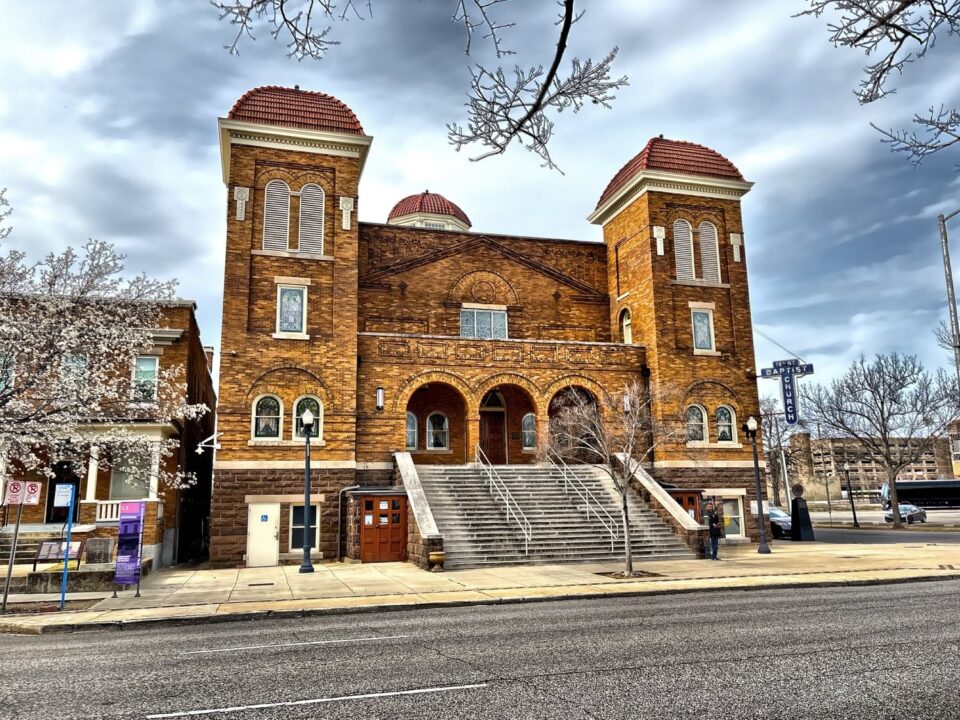
Birmingham Civil Rights Institute Travel Guide (2026)
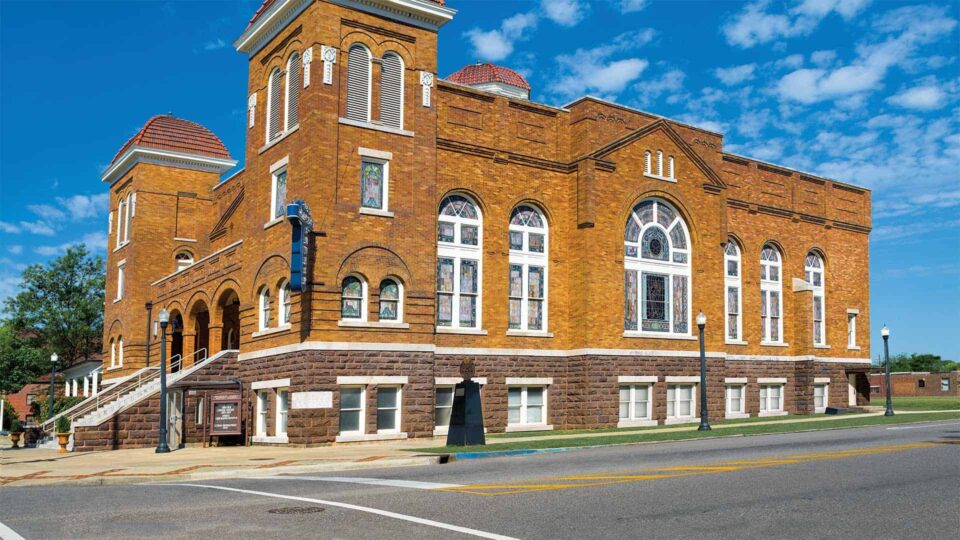
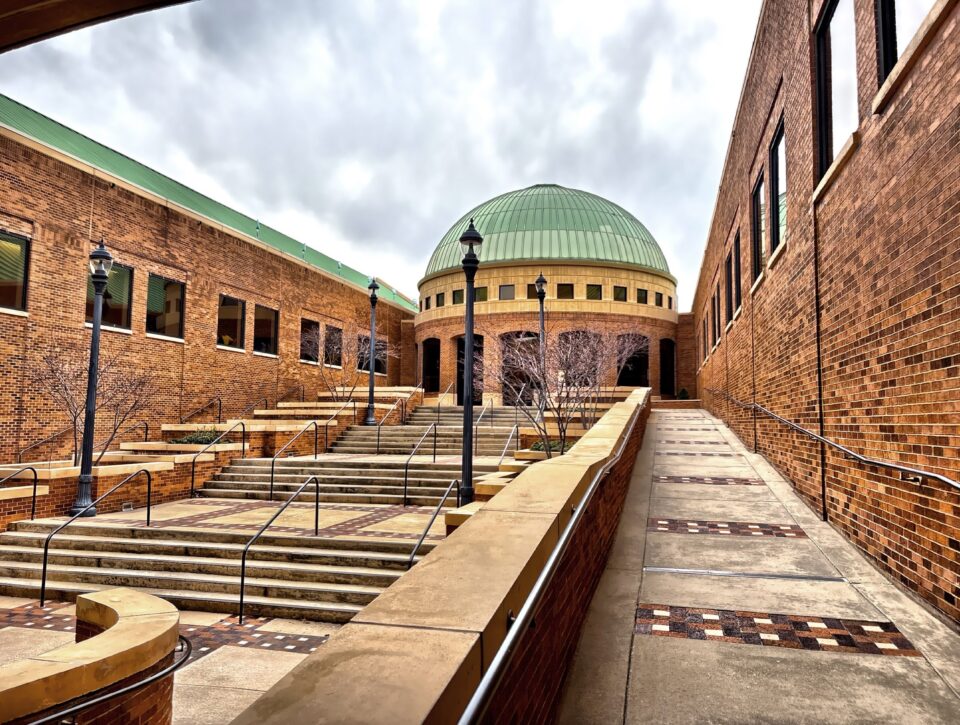
The Birmingham Civil Rights Institute (BCRI) is the museum half of Birmingham’s civil rights story: a Smithsonian-affiliated institution across the street from 16th Street Baptist Church that uses exhibits, artifacts, and archives to explain the 1963 campaign, the segregation that preceded it, and the movement’s national reach. Opened in 1992, it presents the events that happened in the surrounding district as a connected narrative, with objects that carry visitors from the era of segregation through the campaign and its legacy. Its most irreplaceable experience is the way it turns the outdoor civil rights sites into an ordered story, giving context to what you have just walked through.
Why It Is Worth Visiting
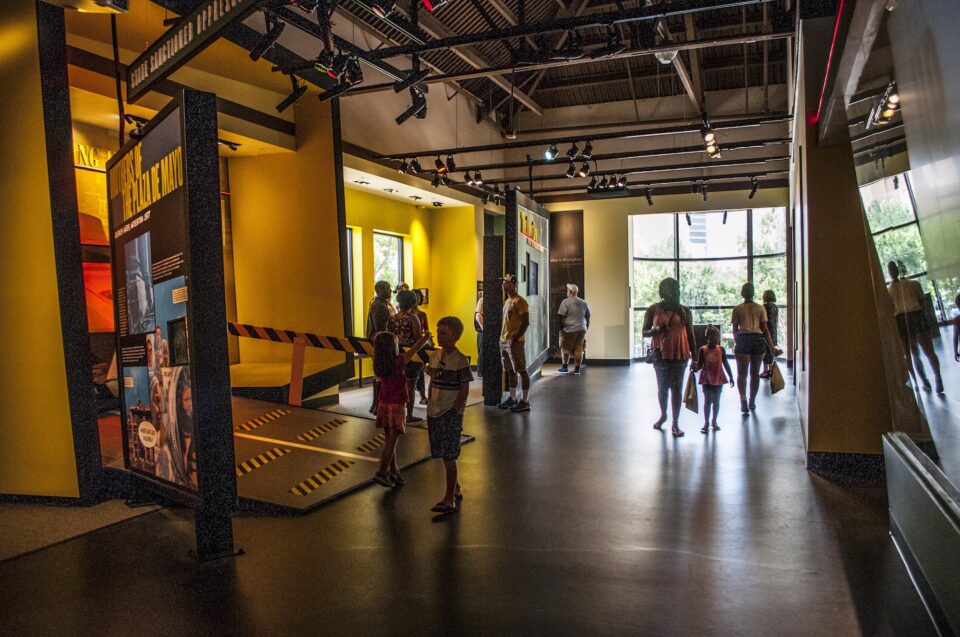
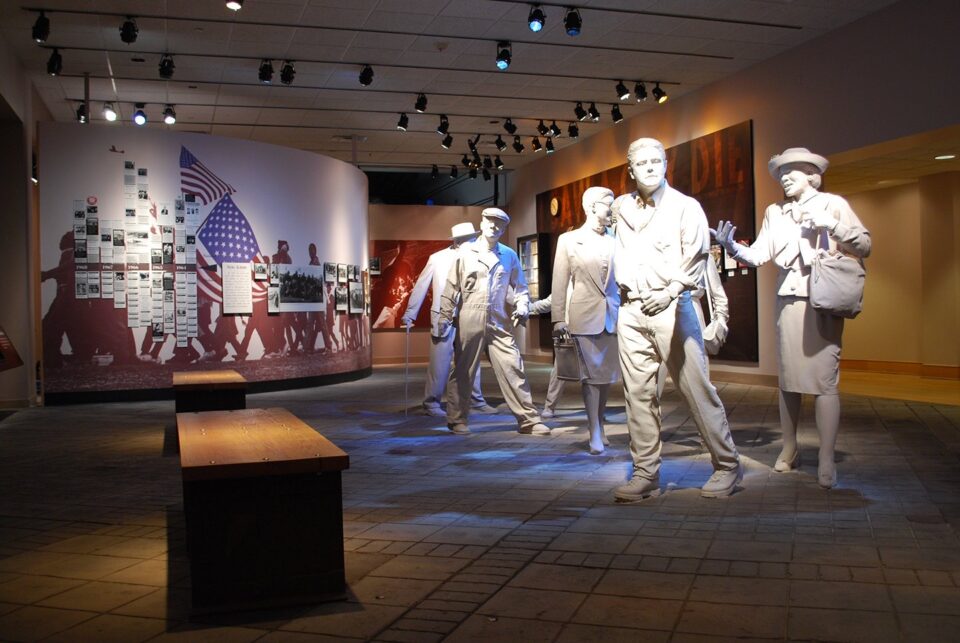
The BCRI is part of the Birmingham Civil Rights National Monument and an affiliate of the Smithsonian Institution, and it interprets the 1963 Birmingham campaign in depth: exhibits cover life under segregation, Project C and the Children’s March, the bombing of 16th Street Baptist Church, and how Birmingham’s struggles helped shape national civil rights law. Where the outdoor district shows you the ground where history happened, the institute shows you why it happened and what followed. The galleries include artifacts, photographs, oral histories, and interactive stations that place Birmingham’s story in the wider American context. The institute reaches more than 150,000 visitors a year, which gives a sense of its role as the district’s interpretive core.
DananaGo’s read is that the institute is best used as the second stop of a civil rights visit, not the first: it makes the park and church you have already walked through mean more. It is also the one place in the district where you can experience the story in climate-controlled depth regardless of weather.
DananaGo’s verdict: This is a Secondary Attraction — a city B-grade stop worth scheduling on a three-to-five-day Birmingham stay. The reasons are concrete: it adds a museum dimension that the open-air monument sites cannot provide, it works well in combination with the district, and it offers a complete half-day experience for anyone who wants more than the walk-through. It suits American-history travelers, students and families learning the Civil Rights Movement, and museum-goers. A reasonable stay is about 90 minutes for the self-guided galleries, or a half day combined with the adjacent civil rights sites. Travelers with limited time and only one civil rights stop should prioritize the outdoor monument sites; if you have a full day or want depth, the institute is the right addition.
What to Experience
The Segregation and Jim Crow Galleries
The permanent exhibits open with the everyday reality of segregation in Birmingham: separate facilities, barriers to work and education, and the legal system that enforced them. Artifacts, photographs, and period materials make the constraints concrete, and the galleries build the context that the outdoor sites assume. Take time here, because it explains why the movement’s tactics — boycotts, sit-ins, marches, and jail — were chosen.
The Birmingham Campaign Gallery
This gallery traces the 1963 campaign from planning to aftermath: the goals of Project C, the role of the A.G. Gaston Motel as headquarters, the mass arrests of child marchers, and the city’s response. Exhibits connect the events to the national news coverage and to the push for the Civil Rights Act of 1964. For many visitors this is the emotional center of the museum, and it is strongest when visited right after walking Kelly Ingram Park.
The Movement and Its Legacy
The later galleries widen the lens to the national movement and its ongoing relevance: how Birmingham influenced civil rights work across the country, and how the fight continues today. This section turns the museum from a local history into a conversation about rights, and it is a good place for families and older students to connect the past to the present.
Plan Your Visit
| Address | 520 16th Street N, Birmingham, AL 35203 |
|---|---|
| Recommended time | 90 minutes for the self-guided galleries; a half day if combined with the civil rights district |
| Hours | Tuesday–Saturday 10 am–5 pm; closed Sunday and Monday; last admission one hour before closing |
| Admission | Adults $15; college students, seniors (65+), and military $13; children below grade 4 free; free for BCRI members |
| Best time | Weekday mornings before school groups arrive; allow an hour for the galleries after the park |
| Getting there | Across 16th Street N from Kelly Ingram Park, next to the A.G. Gaston Motel; free parking behind the building, entrance off 15th Street N |
Check the official website for current opening hours, admission prices, reservations, and key visitor policies.
A Smart Visit Route
Start with the open-air sites across the street — walk Kelly Ingram Park and see the 16th Street Baptist Church exterior first, so the museum’s campaign gallery lands with place attached. Cross to the institute and begin in the segregation galleries, move through the Birmingham campaign section, and finish in the legacy galleries. Plan the museum as the second half of a civil rights morning or afternoon: park free behind the institute, walk the district loop, then return to the museum’s galleries to close the story. End at the museum shop near the exit.
DananaGo Tips
- Visit the outdoor monument sites first, then the museum, so the exhibits have a place to attach to.
- Check BCRI’s current hours before your visit — it is closed Sunday and Monday, and last admission is one hour before closing.
- Bags are screened and lockers are available; leave large bags in your car to speed entry.
- Combine with the adjacent civil rights sites in one walk; the free parking behind the institute makes a convenient base.
Explore More of Birmingham
Birmingham has more to offer beyond the civil rights district — use the city map below to find other sites worth your time.