
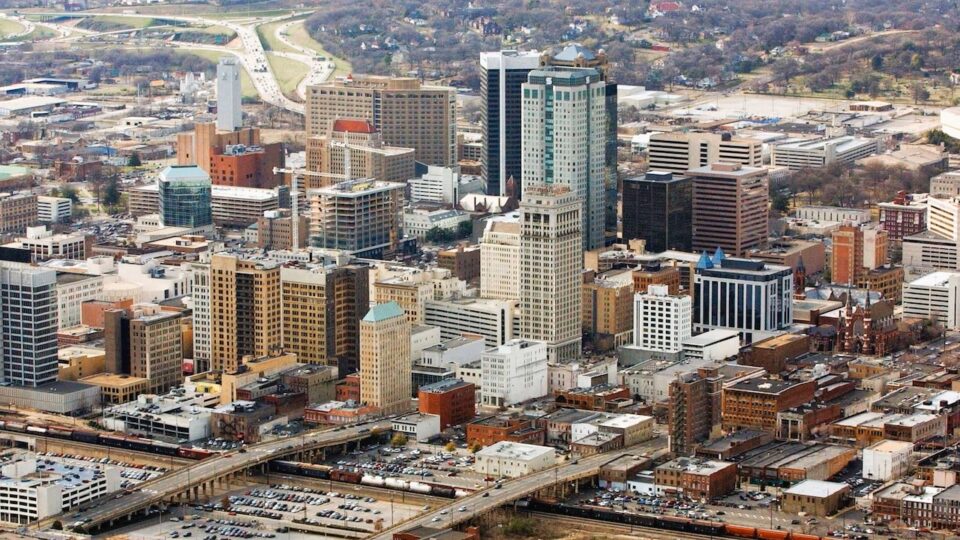
Birmingham Travel Guide (2026)
Birmingham is the city where the American civil rights movement changed the country, and it is also the city built by iron and steel — two histories that meet within a few downtown blocks. The civil rights district — Kelly Ingram Park, 16th Street Baptist Church, the A.G. Gaston Motel — is the essential experience, a place where the events of 1963 are still on the ground. Around it, the city has remade itself around food: a downtown dining scene that earned Birmingham the first MICHELIN recognition in Alabama history. The core experience of a Birmingham trip is standing where the movement’s turning point happened in the morning, then eating your way through one of the South’s best food cities in the evening.
Why Birmingham?
- The civil rights district is walkable and complete. The national monument’s four-block core — Kelly Ingram Park, 16th Street Baptist Church, the A.G. Gaston Motel, and the Birmingham Civil Rights Institute — can be covered on foot in half a day, and no museum in the country reproduces standing on the ground where the 1963 campaign happened.
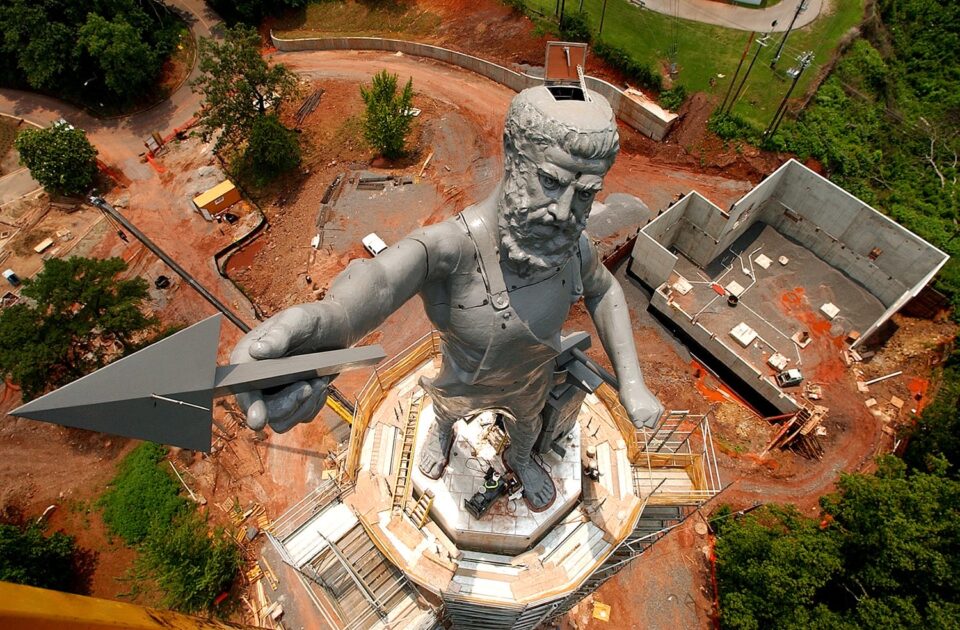
- The city’s industrial past is preserved, not erased. Sloss Furnaces keeps the blast furnaces that built Birmingham open to walk through, and Vulcan, the world’s largest cast-iron statue, stands above the city it symbolizes. Few American cities show you what built them this directly.
- The food scene has national standing. Birmingham is the first Alabama city recognized by the MICHELIN Guide, and it has been named a top dining destination by national food media. The concentration of barbecue, Southern soul food, and meat-and-three diners within the downtown and Avondale districts is hard to match elsewhere in the South.
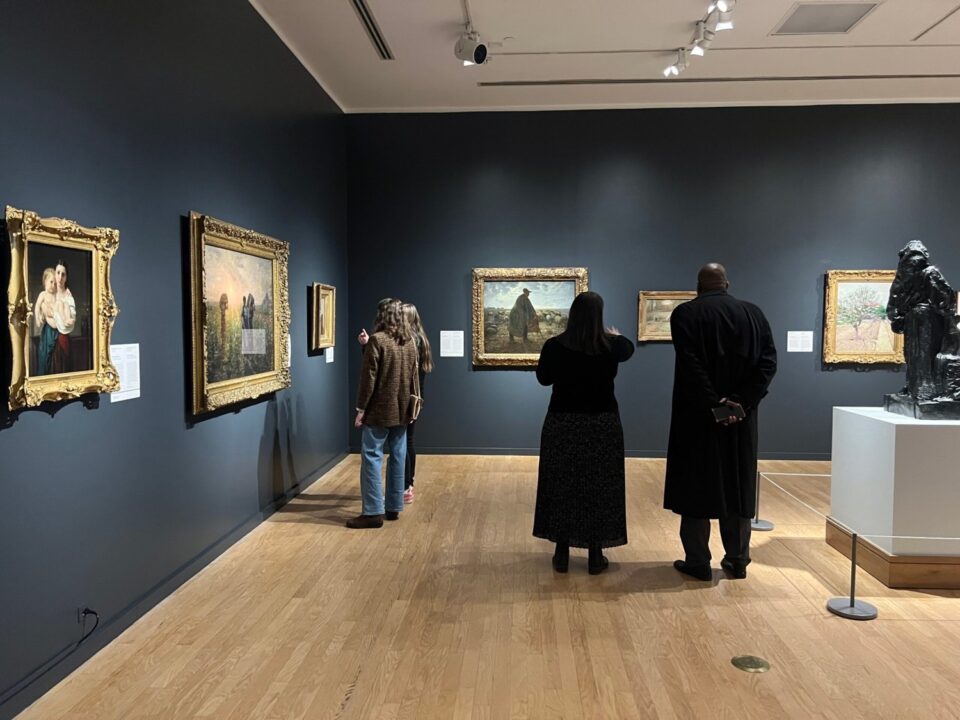
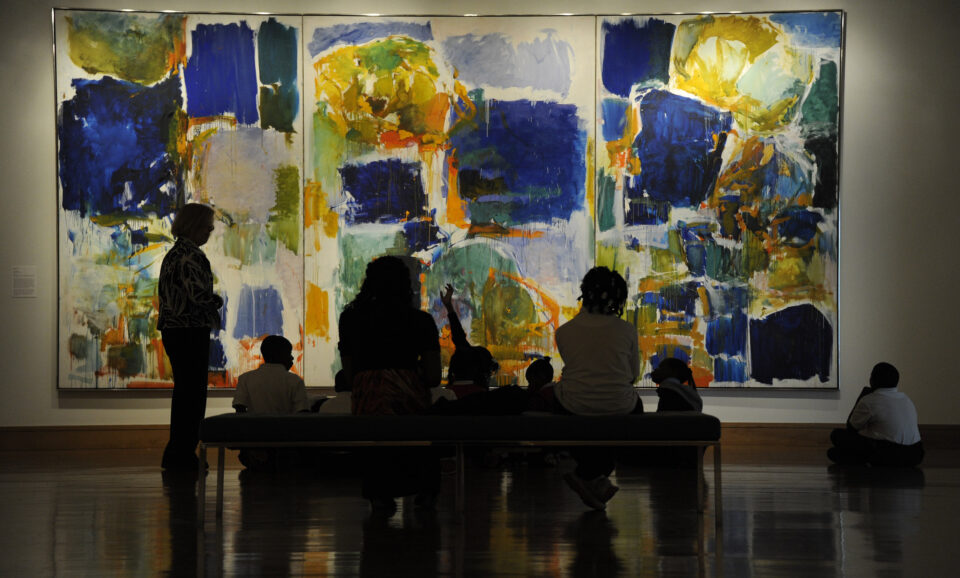
- A free art museum with a major collection. The Birmingham Museum of Art, the Southeast’s largest municipal museum, is free to enter — which makes a museum stop a low-cost, high-value addition to any itinerary.
DananaGo’s verdict: Birmingham suits history travelers, food travelers, and first-time visitors to the South who want to understand the civil rights movement on its original ground. Plan 2 days: one full day for the civil rights district and downtown, a second day for the industrial side (Sloss and Vulcan) with room for the museum. A third day works for the Barber Vintage Motorsports Museum east of the city. Travelers who want only beaches or mountain scenery can skip Birmingham, but for the state’s essential urban experience, this is the priority.
Top Attractions
Birmingham Civil Rights National Monument
Primary Attraction
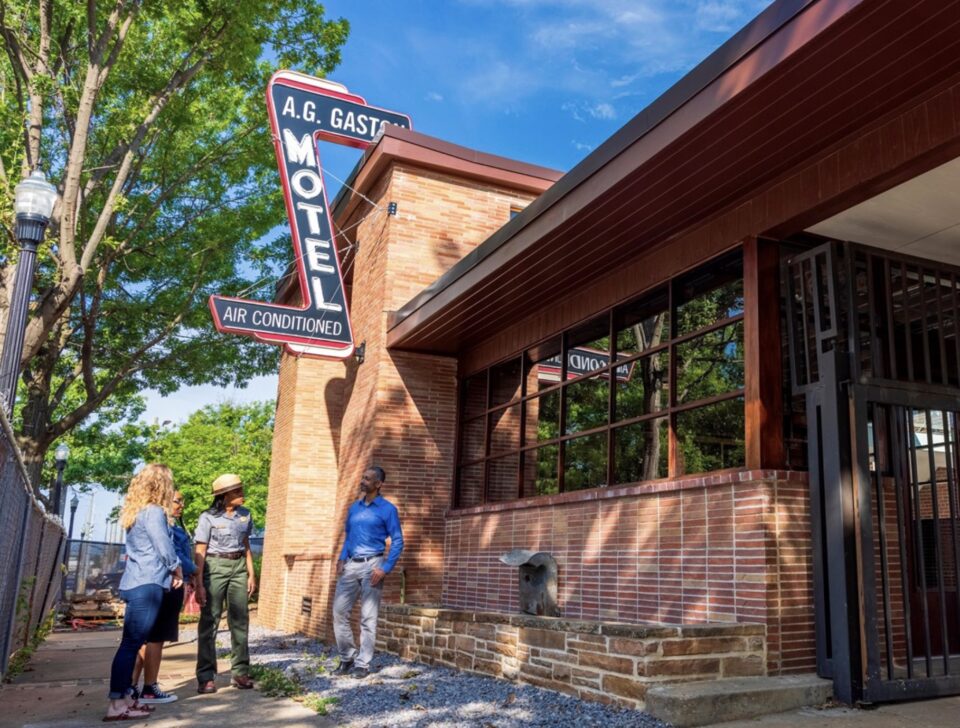
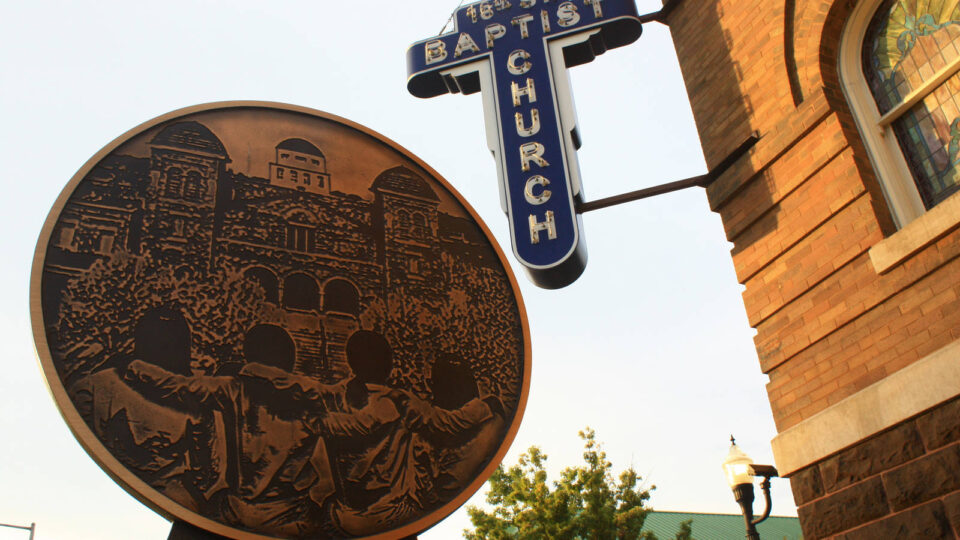
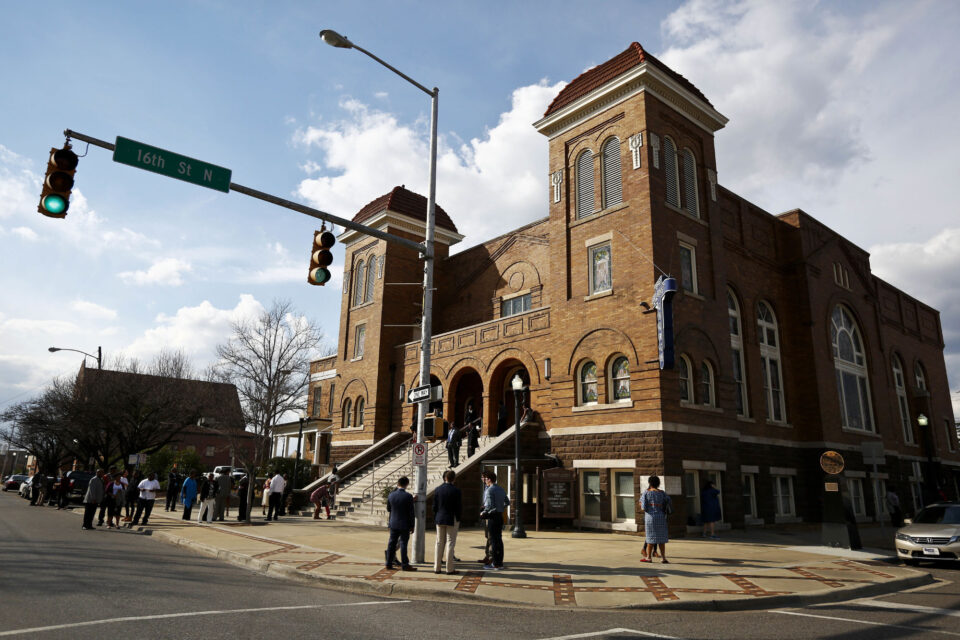
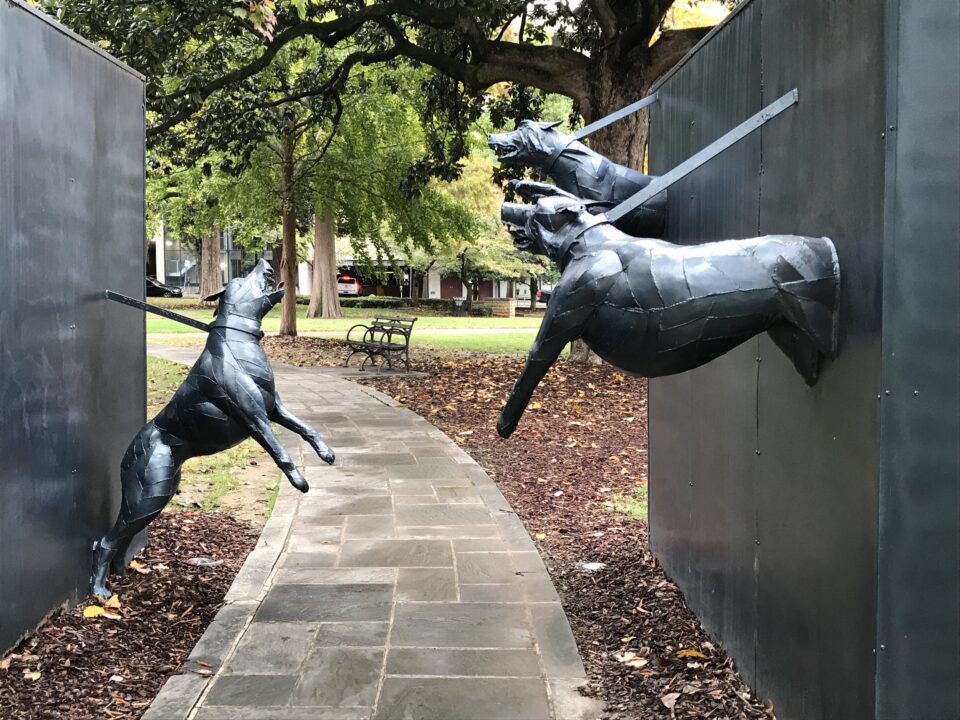
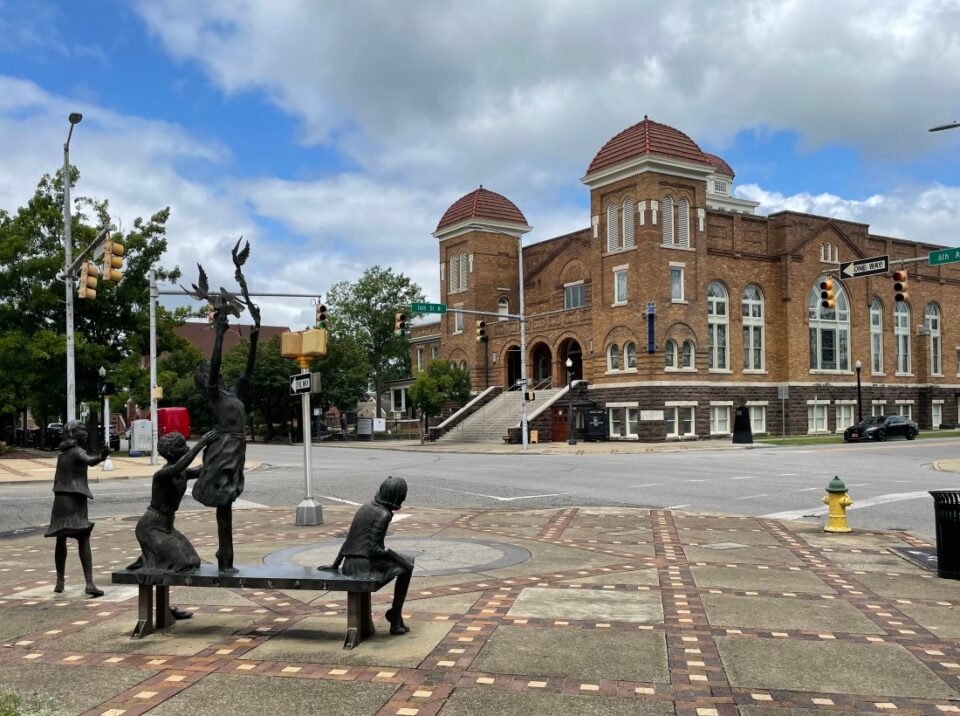
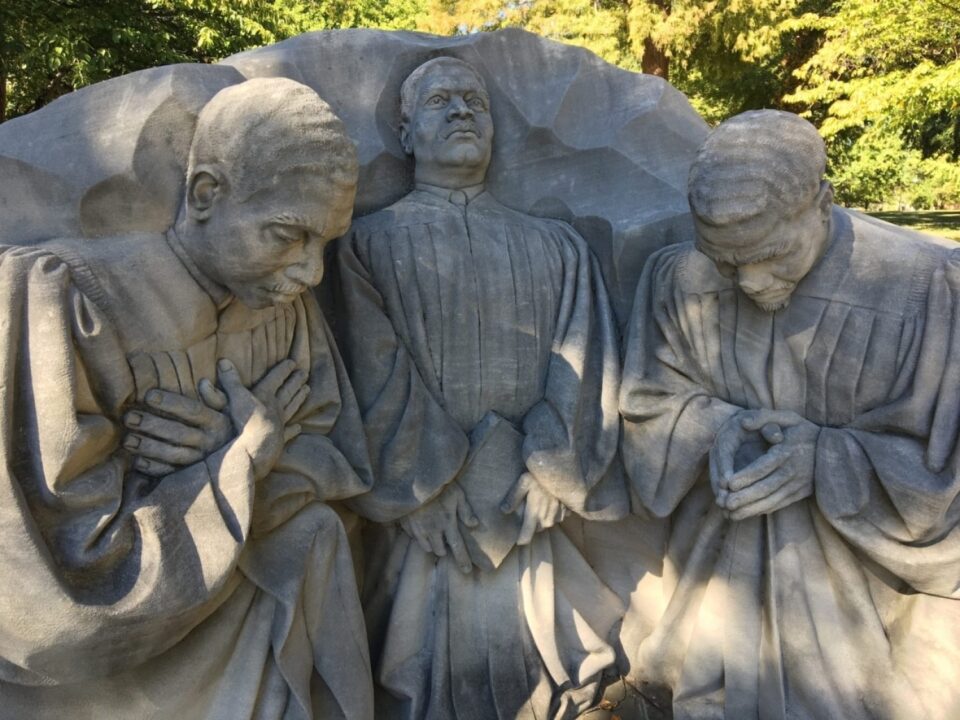
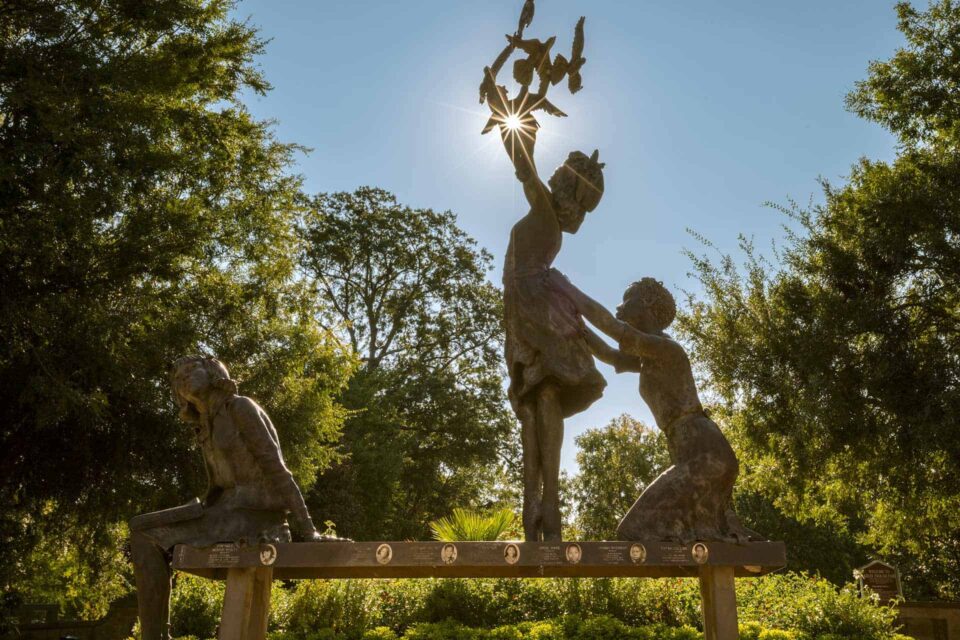
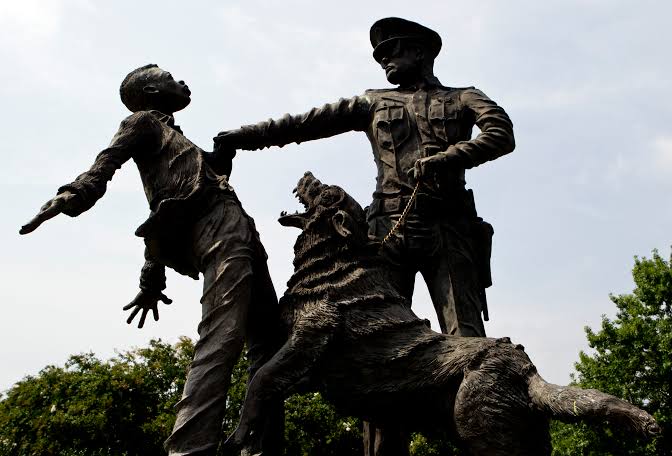
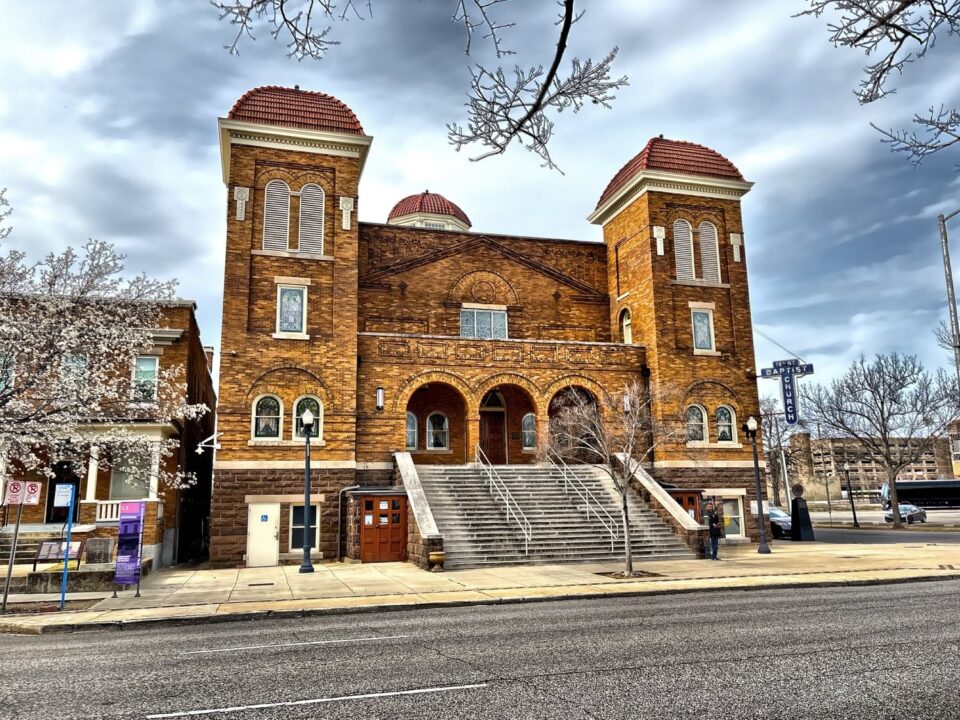
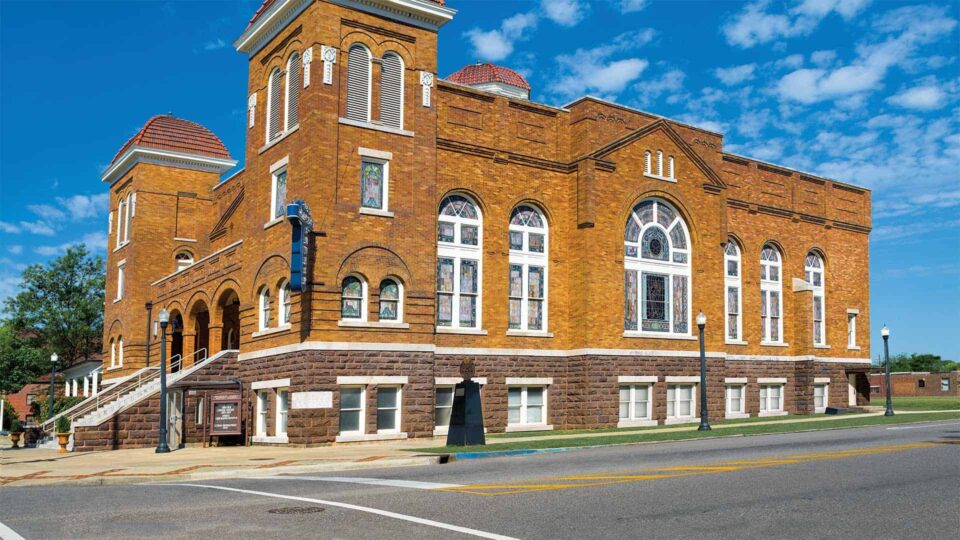
The core of any Birmingham visit: the preserved ground of the 1963 campaign, where the park, the church, and the motel stand as they did. Start here, and the rest of the city’s history falls into place.
Birmingham Civil Rights Institute
Secondary Attraction
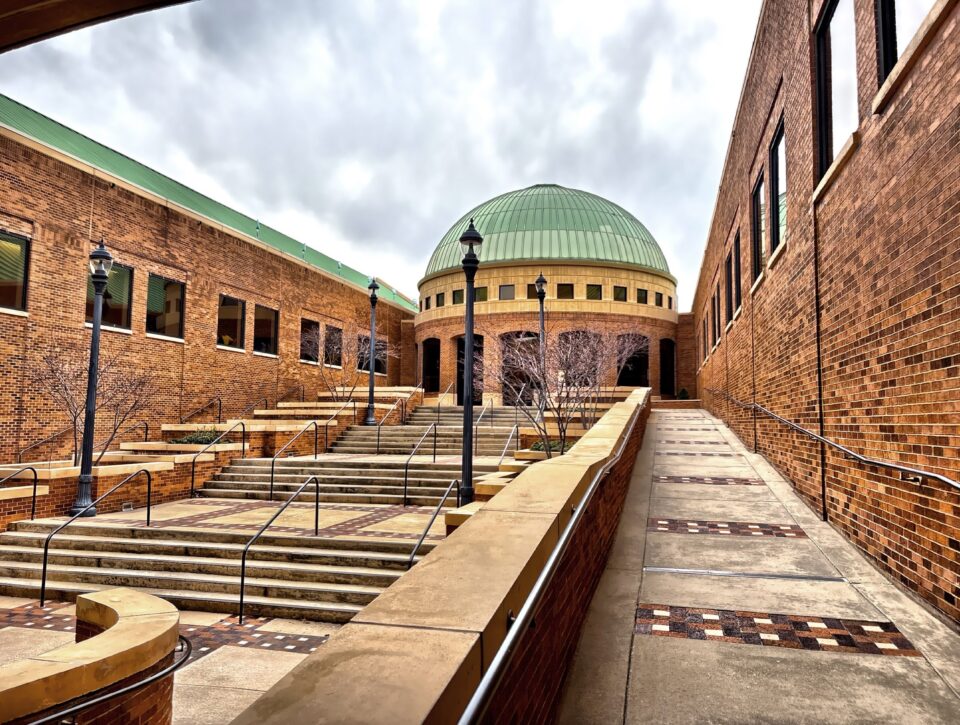
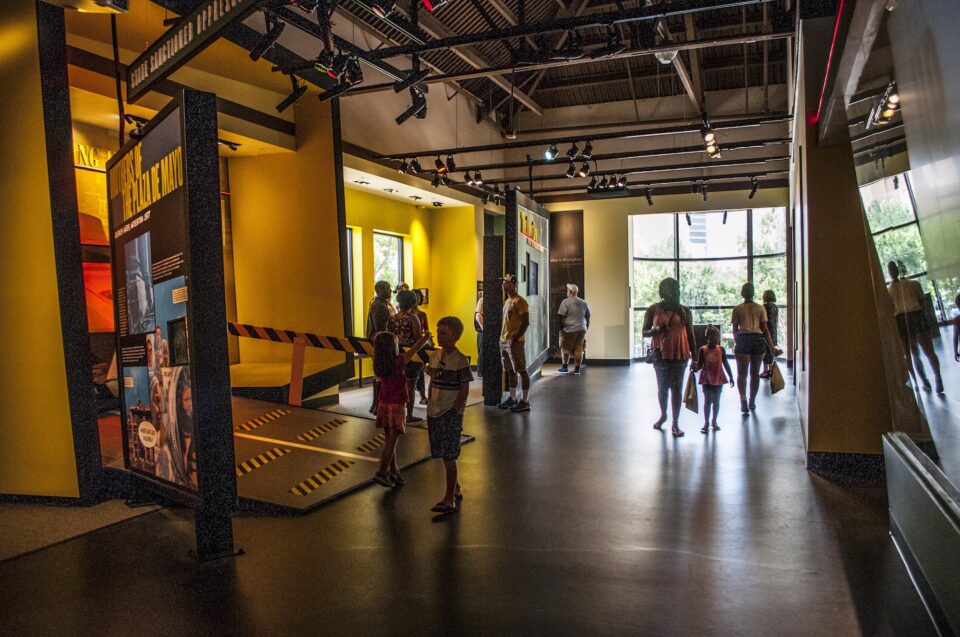
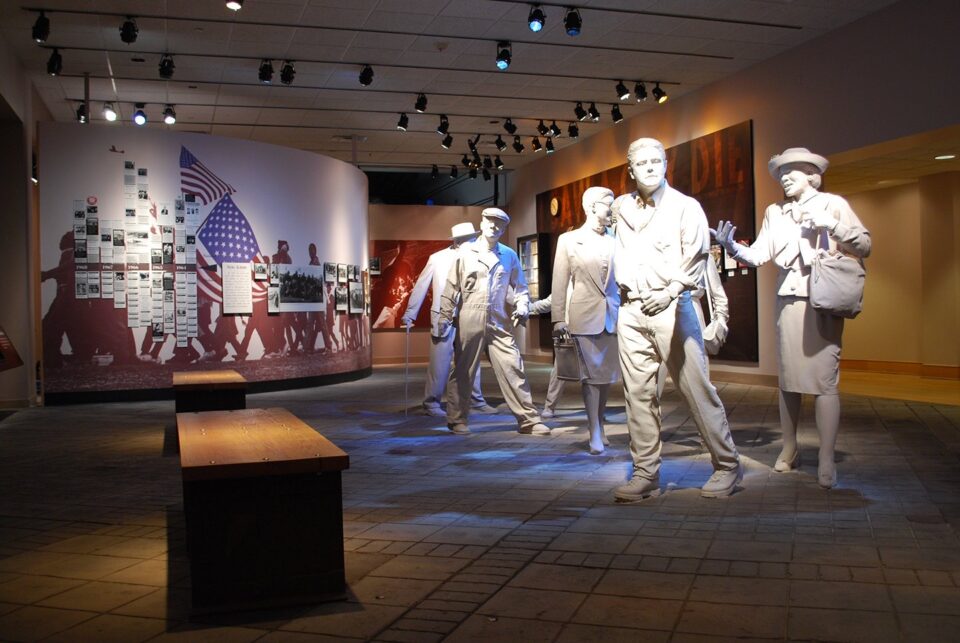
The museum across the street from the outdoor sites, where exhibits turn the park and church into a connected story. It belongs in the same morning as the monument.
Sloss Furnaces
Secondary Attraction
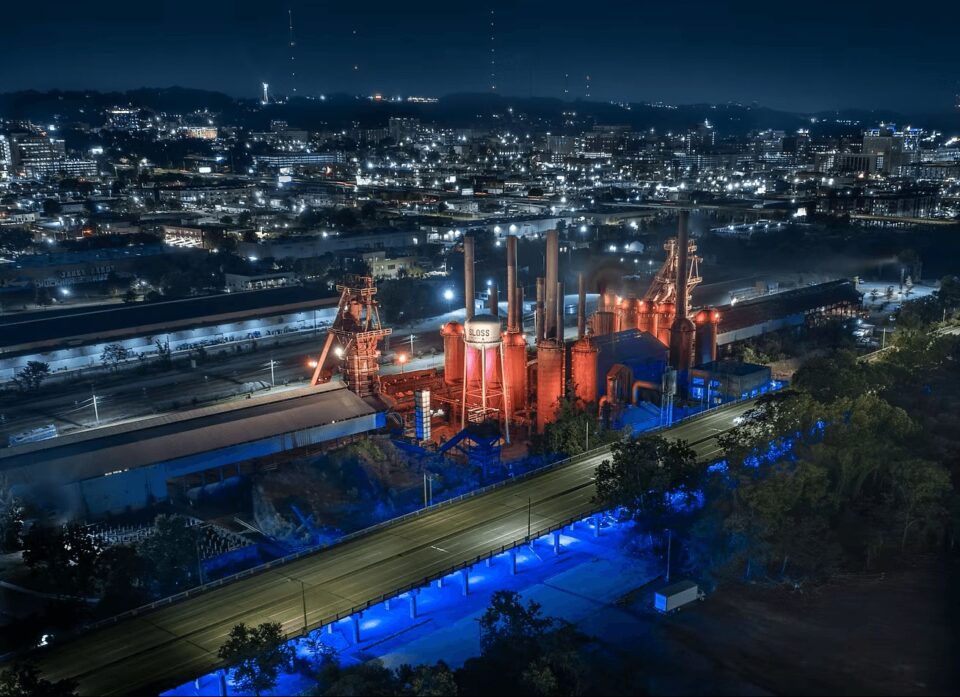
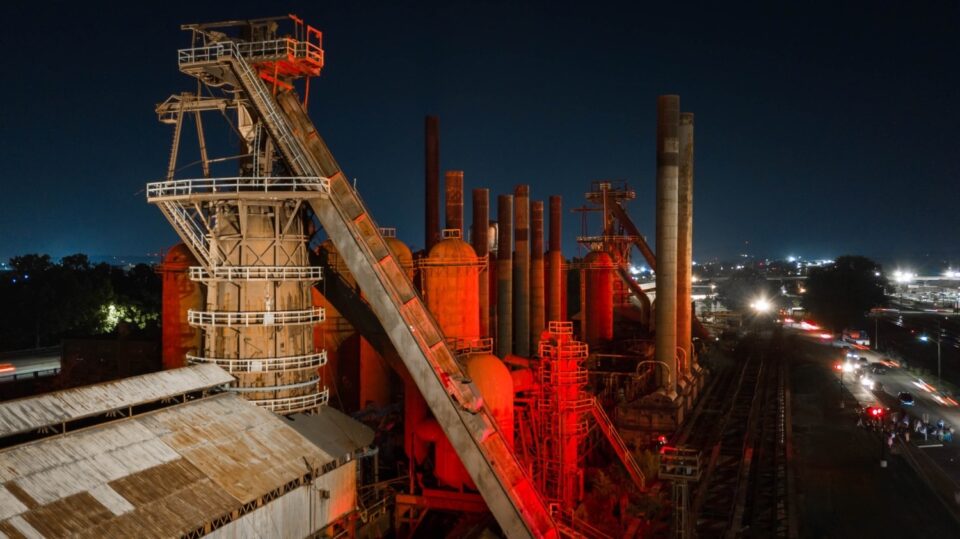
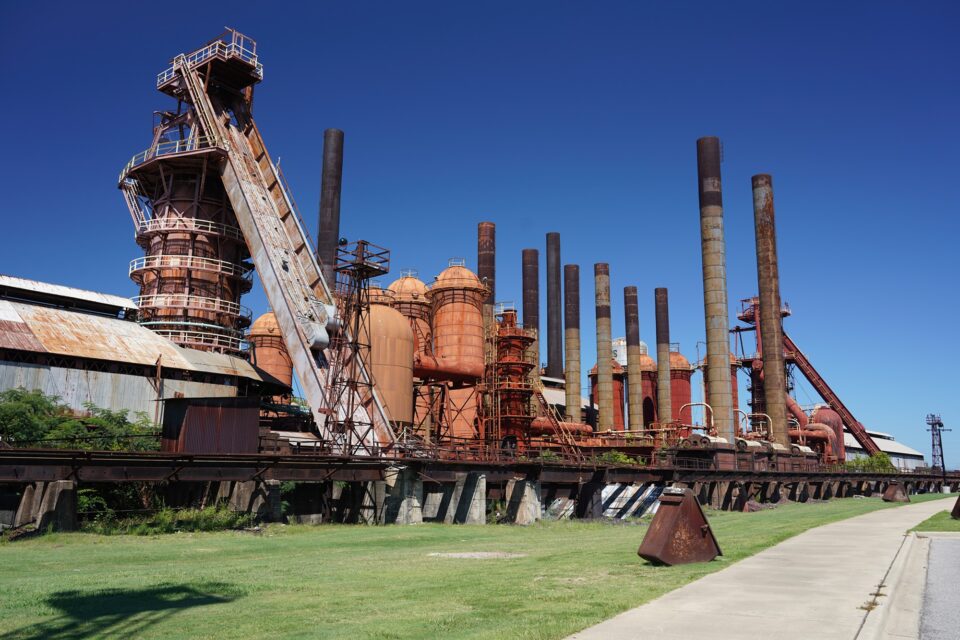
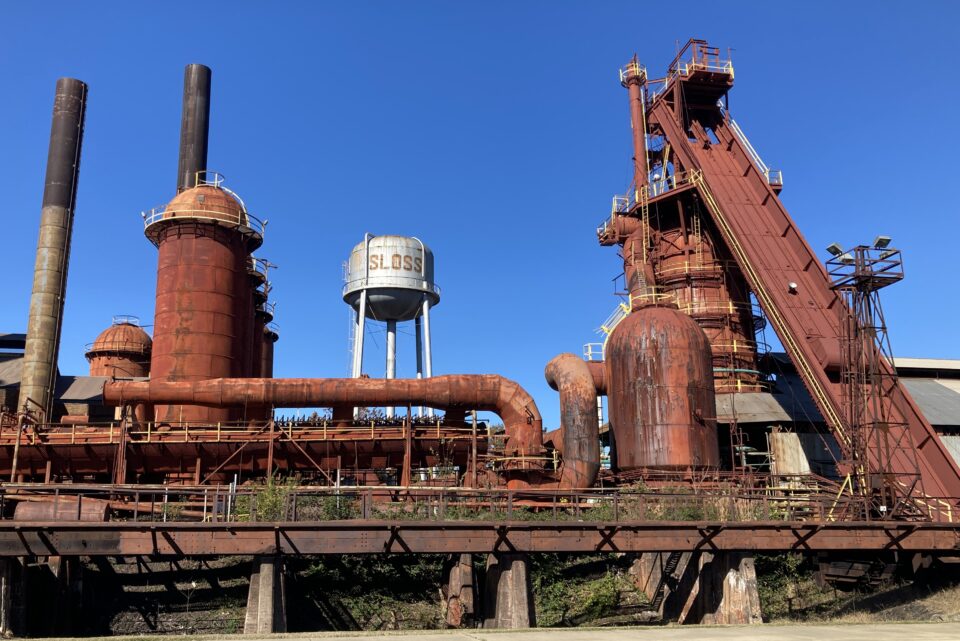
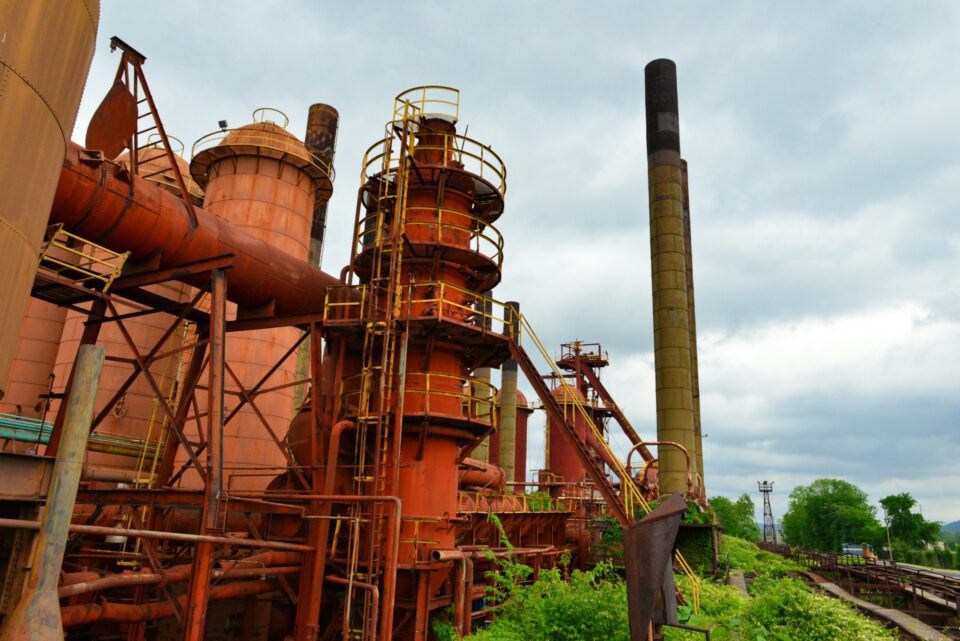
The blast furnaces that built Birmingham, preserved as a National Historic Landmark and open to walk through. This is the city’s industrial half, best seen after the civil rights district.
Birmingham Museum of Art
Secondary Attraction
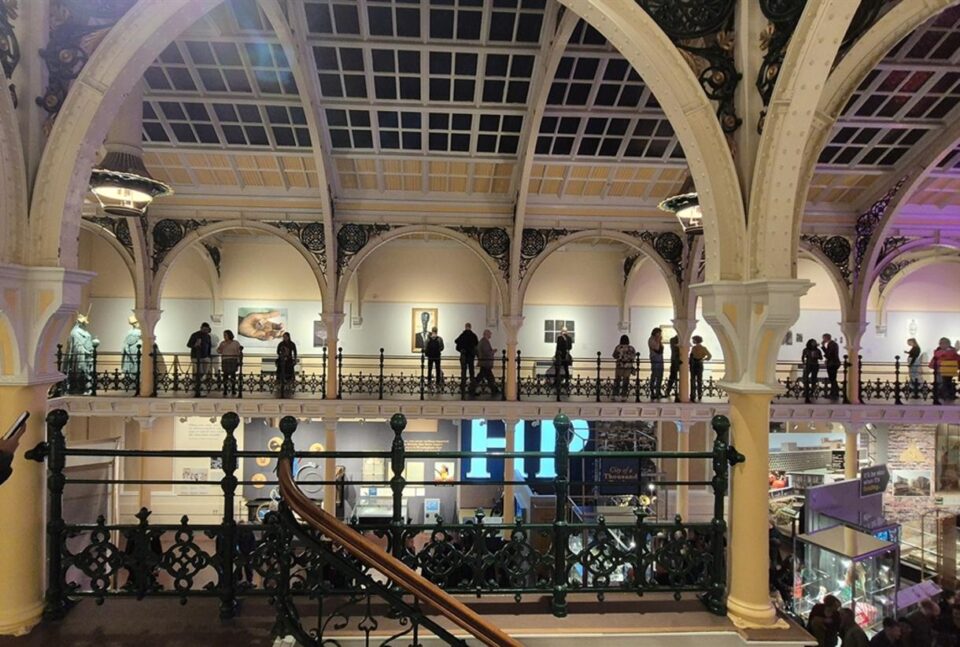
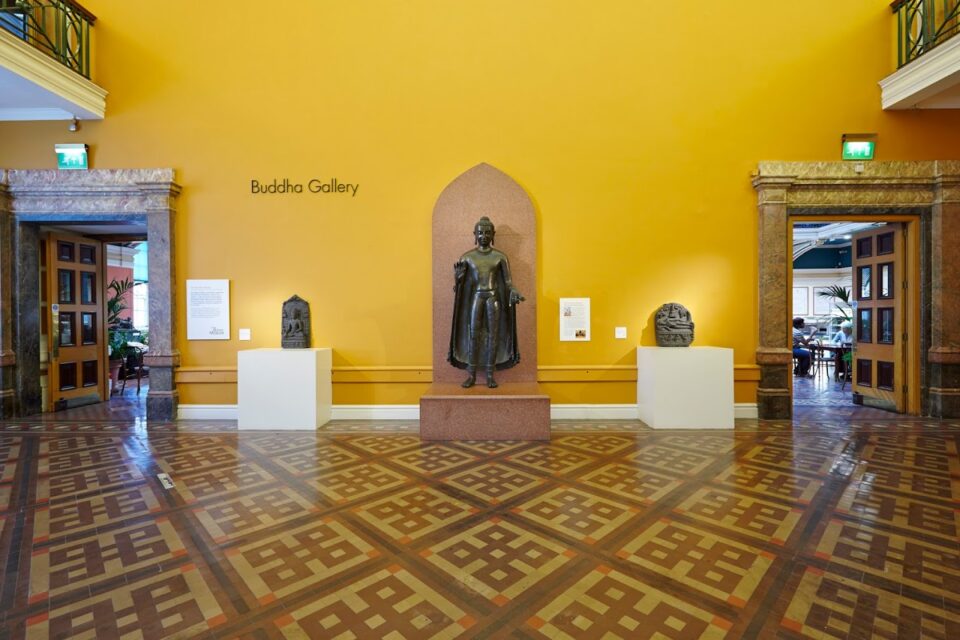
The Southeast’s largest municipal art museum, with free general admission and a strong Asian collection. The low-cost cultural anchor of the downtown day.
Vulcan Park & Museum
Secondary Attraction
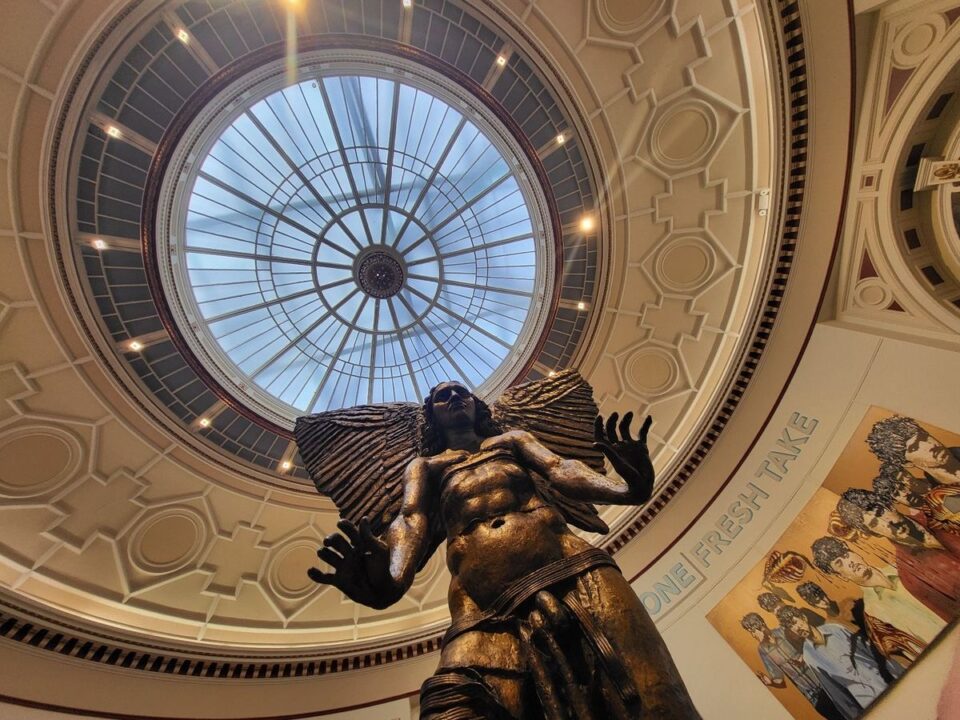
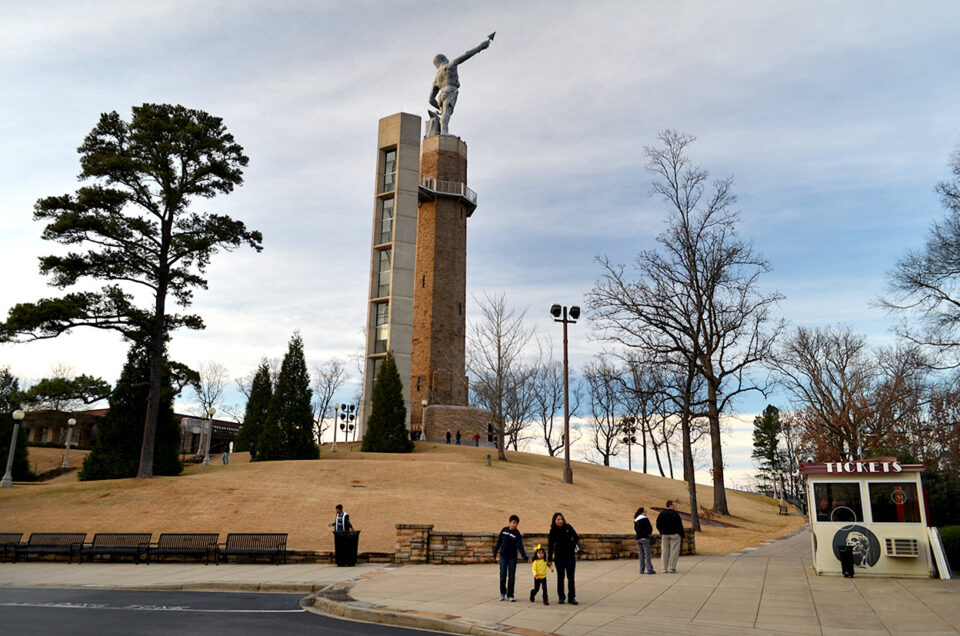
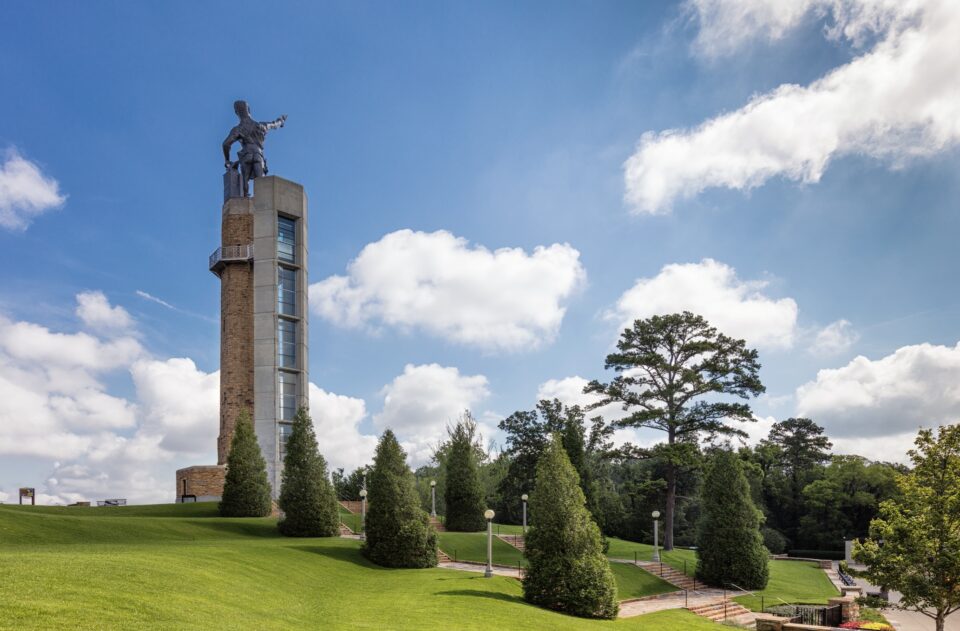
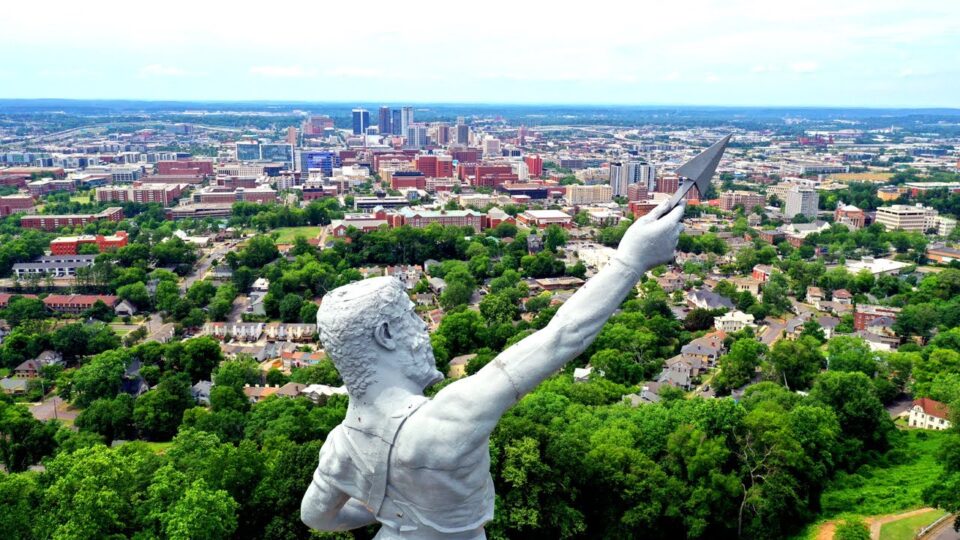
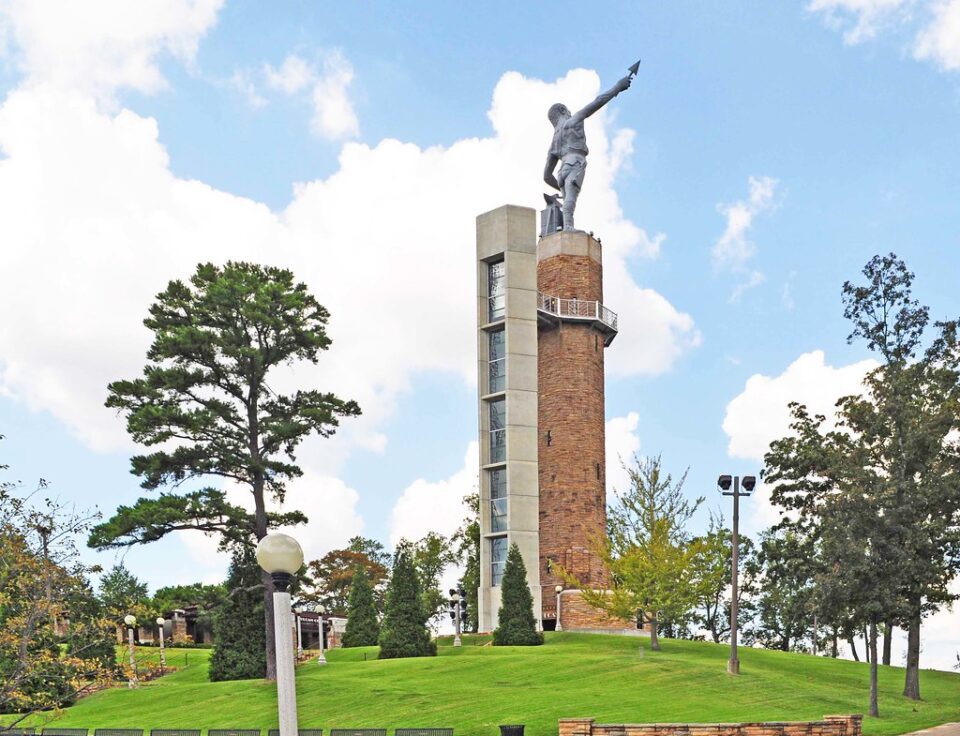
The world’s largest cast-iron statue, standing over the city from Red Mountain with a skyline view. The landmark and the payoff of the industrial story.
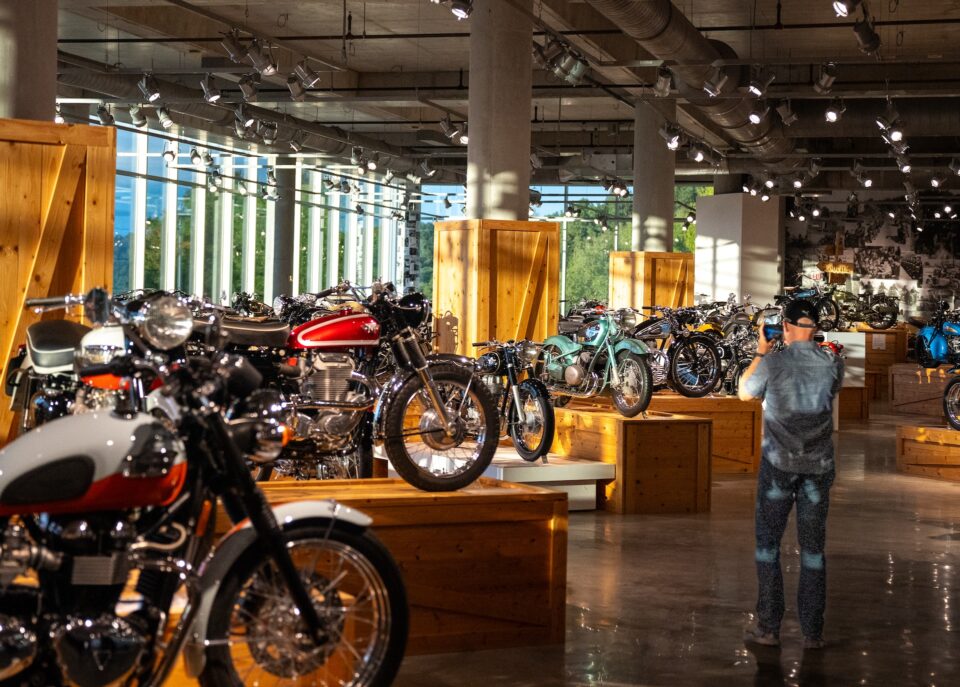
Barber Vintage Motorsports Museum
Secondary Attraction
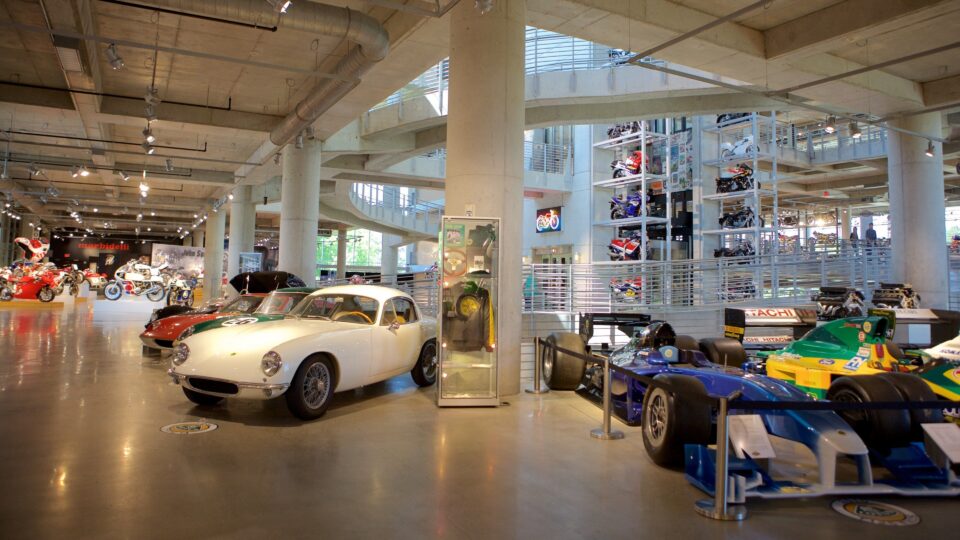
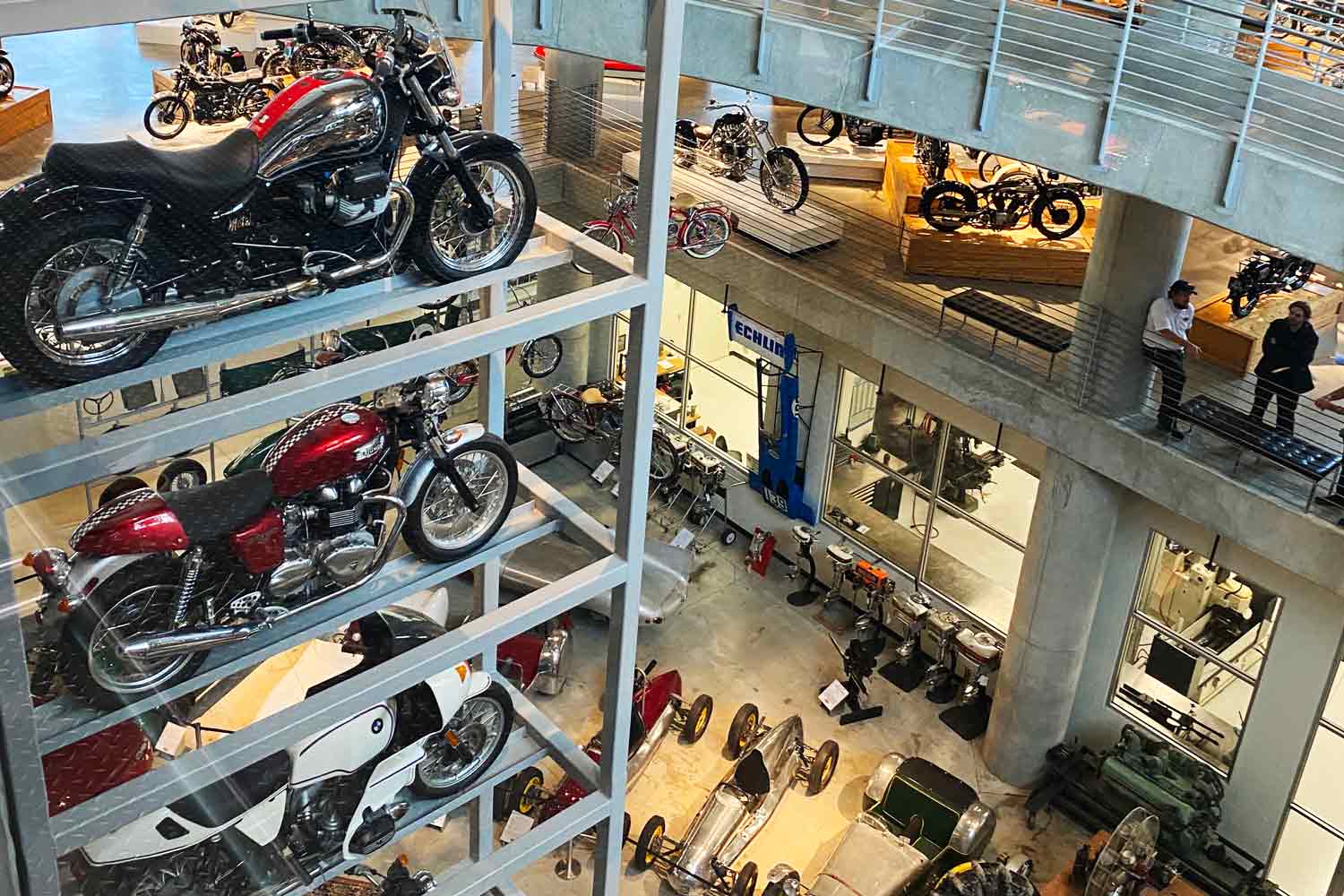
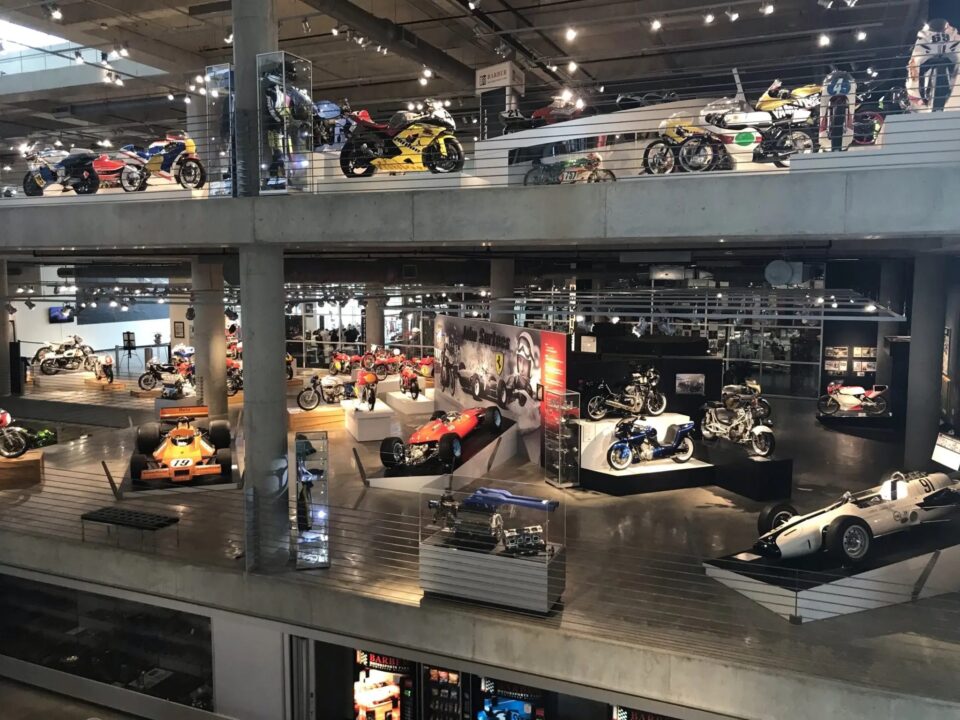
The world’s largest motorcycle collection, a 20–30 minute drive east of the city. Worth the trip for anyone drawn to machinery and design.

How to Plan Your Trip
Recommended Length of Stay
2 days is the right minimum: Day 1 for the civil rights district and downtown, Day 2 for the industrial heritage and the museum. A third day lets you add the Barber Vintage Motorsports Museum and take the food scene at a slower pace. The city’s core is compact, so the days can be unhurried without losing ground.
The DananaGo Route
Day 1 — The civil rights district and downtown: Start at the Birmingham Civil Rights National Monument — walk Kelly Ingram Park and see 16th Street Baptist Church across the street, then continue to the A.G. Gaston Motel and the Birmingham Civil Rights Institute, whose galleries give the outdoor sites their context. In the afternoon, cross downtown to the Birmingham Museum of Art for the free permanent collection. End the day in the downtown dining district.
Day 2 — The industrial side and the view: Head to Sloss Furnaces in the morning and walk the preserved ironworks that built the city. In the afternoon, drive to Vulcan Park & Museum on Red Mountain for the skyline view from the world’s largest cast-iron statue. If you have a third day, make the 20–30 minute drive east to the Barber Vintage Motorsports Museum.
Getting Here & Around & Eat & Stay
How to Get There
By air: Birmingham-Shuttlesworth International Airport (BHM) is about 5 miles northeast of downtown, roughly a 10-minute drive. Taxis run around the clock, Uber and Lyft pick up at the arrivals level, and a hotel shuttle service covers several downtown hotels. By train: Amtrak’s Crescent line stops at the downtown Intermodal Facility, connecting Birmingham to New Orleans, Atlanta, Charlotte, and New York. By car: I-20, I-59, and I-65 meet in Birmingham, making it a few hours’ drive from most southeastern cities.
Getting Around
Downtown is the city’s walkable core, and the civil rights district, the museum, and the dining areas sit within it. For the wider city — Sloss, Vulcan, and the Barber museum — a car is the practical choice, with parking at each site. MAX Transit buses and the Birmingham XPress BRT cover the city, and Uber and Lyft operate throughout.
What to Eat & Drink
Birmingham’s food reputation rests on barbecue, Southern soul food, and the meat-and-three diner — the local term for a plate with one meat and three sides. The city also earned the first MICHELIN recognition in Alabama history, so the range runs from diners to destination restaurants. The best areas for a meal are downtown, near the civil rights district and museum, and the Avondale district, a short drive east with a dense cluster of dining.
Where to Stay
Downtown is the most convenient base: the civil rights district and the museum are within walking distance, and the Amtrak station sits at its edge. For a quieter stay with more dining nearby, the Homewood area, just south of downtown, is a practical alternative. Either area keeps the DananaGo Route within reach.
DananaGo Tips
- Start the first day early: the civil rights district is quietest in the morning, and the park’s sculptures deserve unhurried time.
- Plan a car for at least one day — Sloss, Vulcan, and the Barber museum are not walkable from downtown.
- Spring and fall are the best seasons; summer afternoons in Birmingham are hot and the outdoor sites are best avoided at midday.
- The museum’s general admission is free; use it as the air-conditioned break in a hot-day route.
Explore More
Birmingham is part of a larger Alabama story — use the state map below to explore beyond the city.