
Sloss Furnaces Travel Guide (2026)
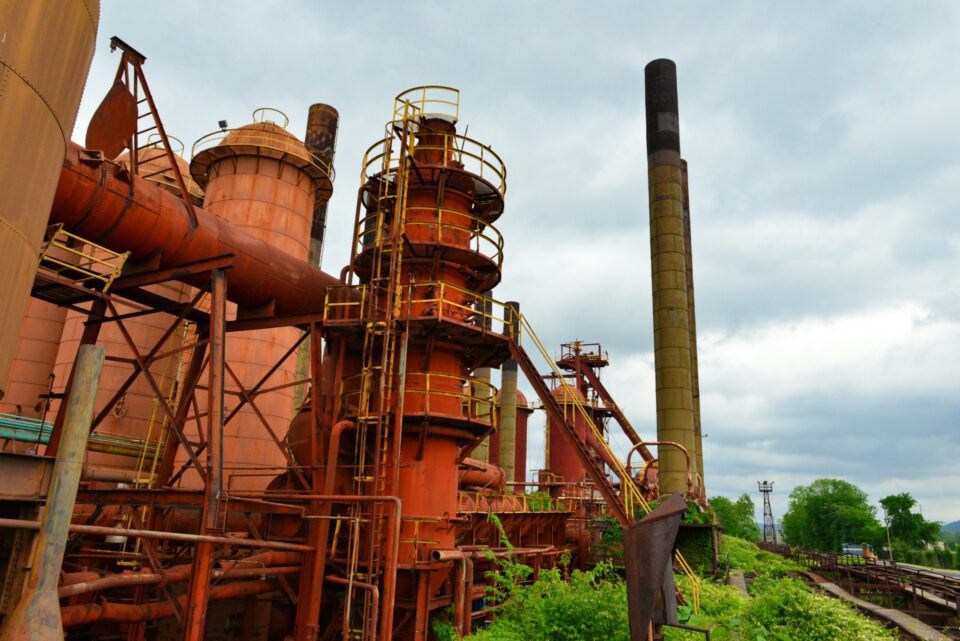
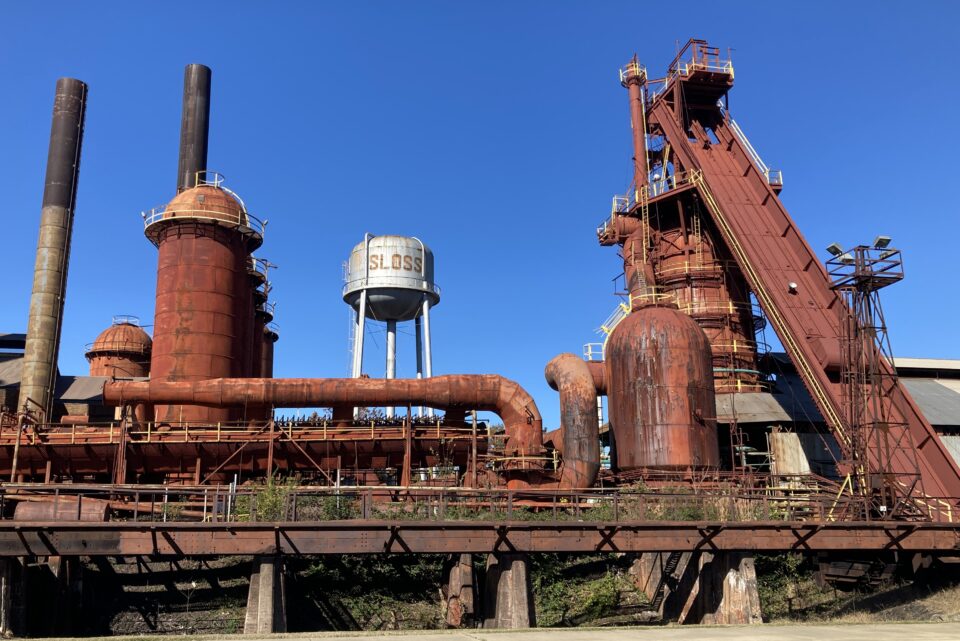
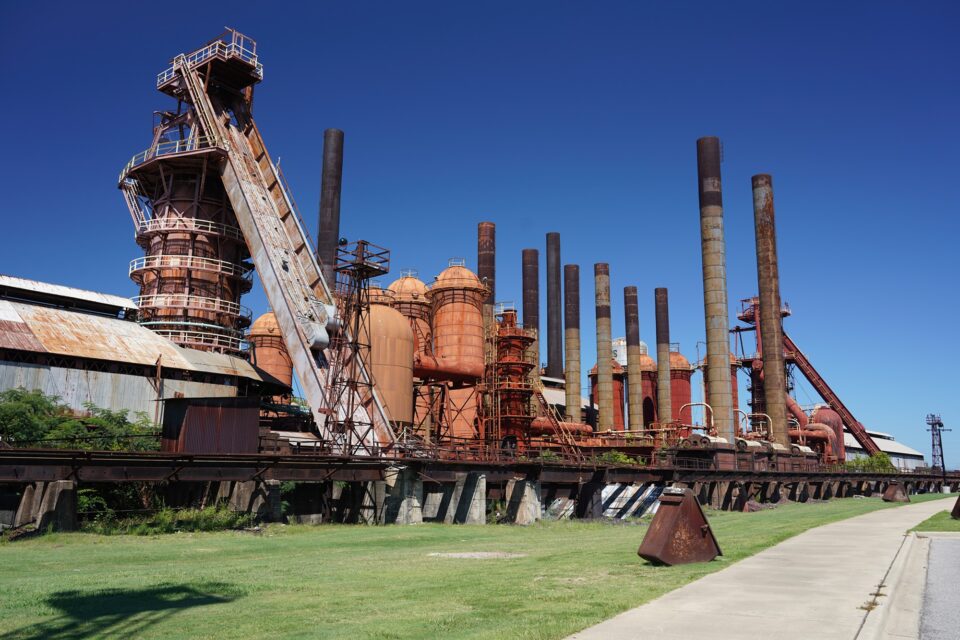
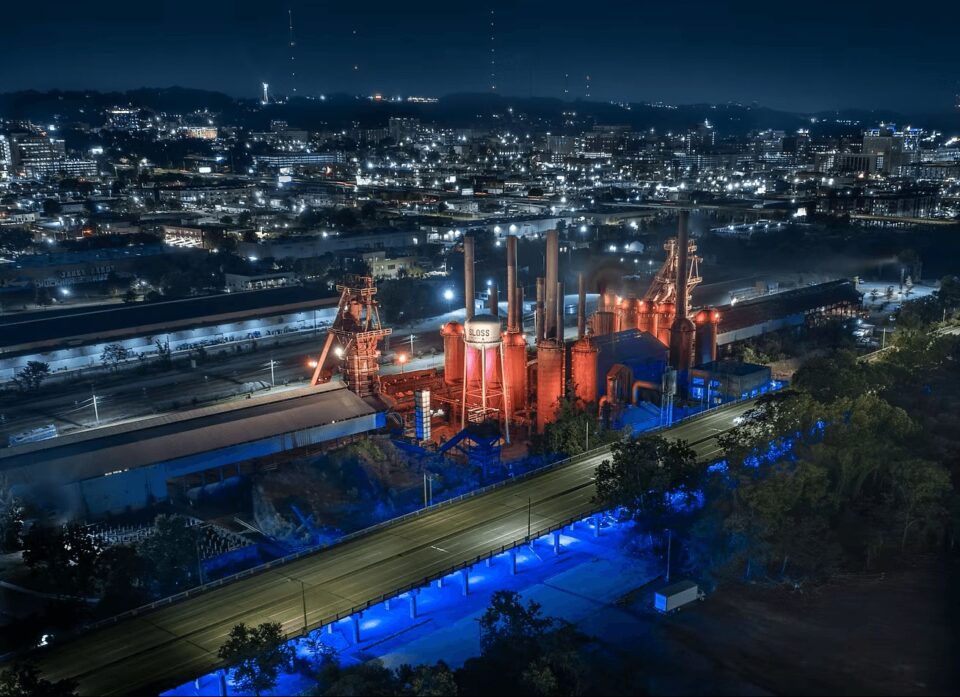
Sloss Furnaces is a preserved iron-making works at the heart of Birmingham’s industrial past: two towering blast furnaces, stoves, pipes, and casting sheds that produced iron for the city’s steel industry from the 1880s until 1971. Designated a National Historic Landmark in 1981, it is one of the few twentieth-century blast furnaces in the United States preserved and interpreted as a historic industrial site. Its most irreplaceable experience is walking among the giant ironmaking machinery itself — no model or diorama, but the actual works, in place.
Why It Is Worth Visiting
The site’s story is the story of Birmingham: established in 1881 by Colonel James Withers Sloss as the coal, limestone, and iron ore of the region launched an industrial boom, Sloss became one of the largest pig iron producers in the world and drew thousands of workers from the rural South and abroad. The scale is visible in the numbers the site publishes: two furnaces built in the late 1920s produced 900 tons of iron a day, using 3.5 million pounds of iron ore daily, kept at 3,800°F by 2.3 million pounds of coke delivered by train each day, with 5 million gallons of water a day for cooling. Sloss stopped producing iron in 1971, was saved from demolition by residents and city investment, and reopened as a National Historic Landmark in 1981. It is now a cultural center, a venue for festivals and concerts, and a working metal-arts campus where artists still cast iron.
DananaGo’s read is that Sloss delivers what few industrial sites can: you can walk the actual plant, look up into the furnaces, and understand the scale of an operation that once powered the city — all on a free self-guided tour.
DananaGo’s verdict: This is a Secondary Attraction — a city B-grade stop worth scheduling on a three-to-five-day Birmingham stay. The reasons are concrete: it is the city’s defining industrial-heritage experience, it is free to visit on your own, and its scale cannot be reproduced anywhere else. It suits industrial-history travelers, photographers, and visitors who want Birmingham’s “other” story alongside the civil rights district. A reasonable stay is 1–2 hours for the self-guided tour, or longer for a guided or night tour. Travelers with no interest in machinery or history can skip it, but for anyone curious about how Birmingham was built, it is the essential stop.
What to Experience
The Blast Furnaces and Casting Sheds
Walk the site and see the two towering furnaces, the pipes, the stoves, and the casting sheds where molten iron was poured. Interpretive signs explain each stage of the ironmaking process, and a free self-guided brochure leads you through the plant in order. This is the core of the visit — you are standing inside the machine that made the city.
The Guided Tours
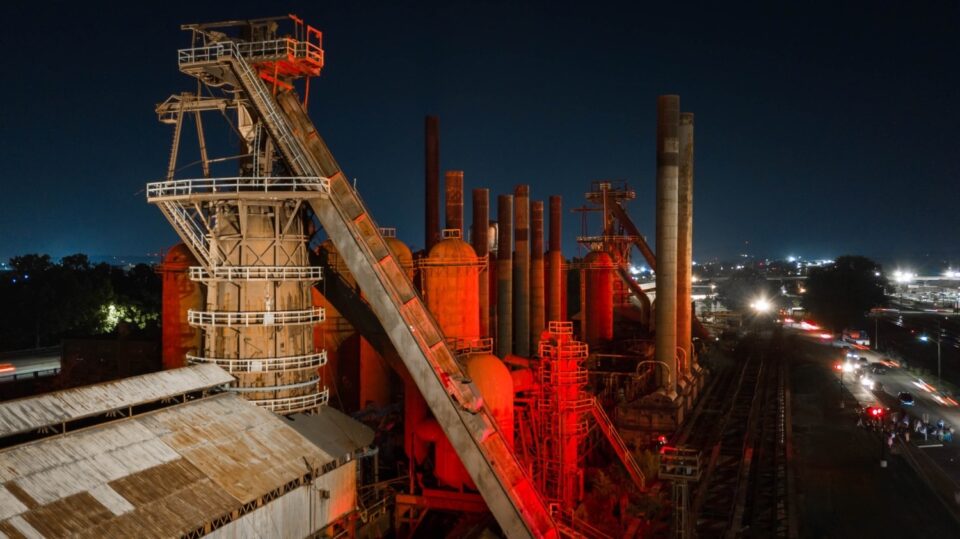
For a small fee, docent-led tours run Tuesday through Saturday at 10:30 am and 2:00 pm and take you deeper into the process and the site’s history, including the people who worked there and the working conditions that shaped them. Call to schedule at least a day in advance. Night tours, offered periodically, turn off the lights and lead you through the darkened plant — a distinctly different atmosphere for visitors who want more than the daytime walk.
The Metal Arts Program
Sloss is not just preserved history: a team of metal artists teaches iron casting and fabrication, hosts the biennial National Conference on Cast Iron Art, and produces sculptures. Depending on the day, you may see molten iron being worked. The visitor center also displays items from the site’s research library and collections.
Plan Your Visit
| Address | 20 32nd Street N, Birmingham, AL 35222 |
|---|---|
| Recommended time | 1–2 hours for the self-guided tour; 90 minutes for the guided tour |
| Hours | Tuesday–Saturday 10 am–4 pm; Sunday noon–4 pm; closed Mondays |
| Admission | Free for self-guided tours; guided tours for a small fee |
| Best time | Weekday mornings to avoid event crowds; the site is largely outdoors, so mild weather is best |
| Getting there | Northeast of downtown, about 10 minutes by car from the city center; free parking on site |
Check the official website for current opening hours, admission prices, reservations, and key visitor policies.
A Focused Visit Route
Start at the visitor center to pick up the free self-guided brochure, then follow the marked route through the plant: begin at the casting sheds where iron was poured, move to the towering furnaces and the stoves, and end at the interpretive panels that explain the process. Allow 45 minutes to an hour for the walk. If you want the guided experience, schedule the 10:30 am or 2:00 pm tour in advance and follow the docent instead. Leave time to check the visitor center’s exhibits before you go.
DananaGo Tips
- Start at the visitor center for the free self-guided brochure — it makes the machinery intelligible.
- Check the closure dates before visiting; the site closes for special events like Furnace Fest.
- Wear comfortable walking shoes; the site is a working industrial plant with uneven ground.
- Combine Sloss with a downtown visit — it is a short drive from the civil rights district.
Explore More of Birmingham
Birmingham has more to offer beyond the industrial district — use the city map below to find other sites worth your time.