
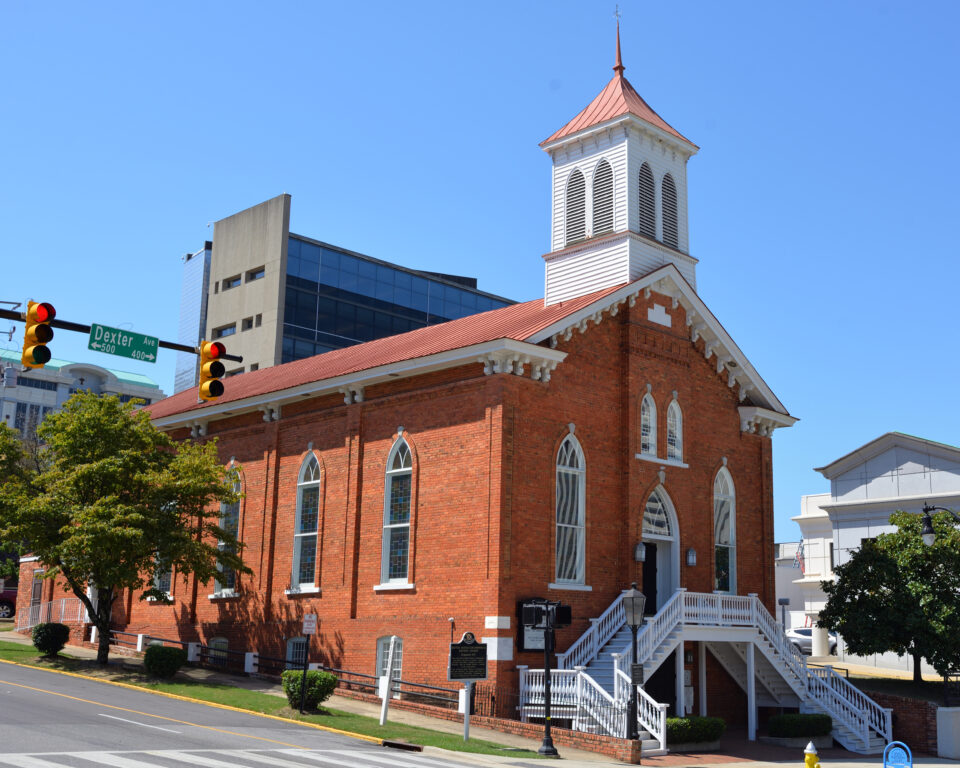
Dexter Avenue King Memorial Baptist Church Travel Guide (2026)
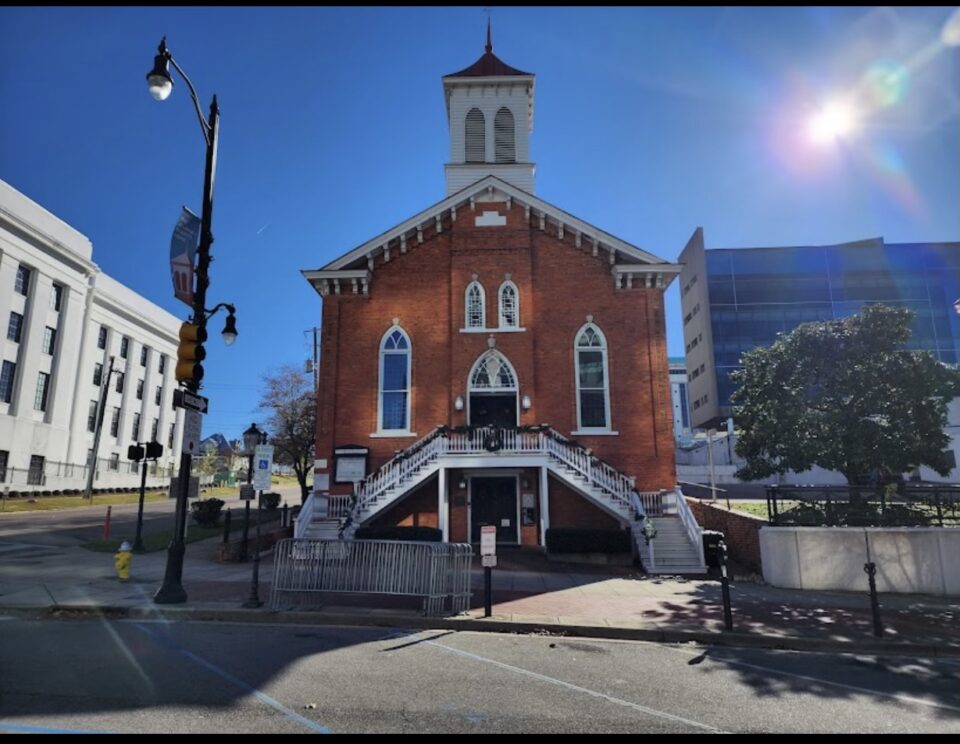
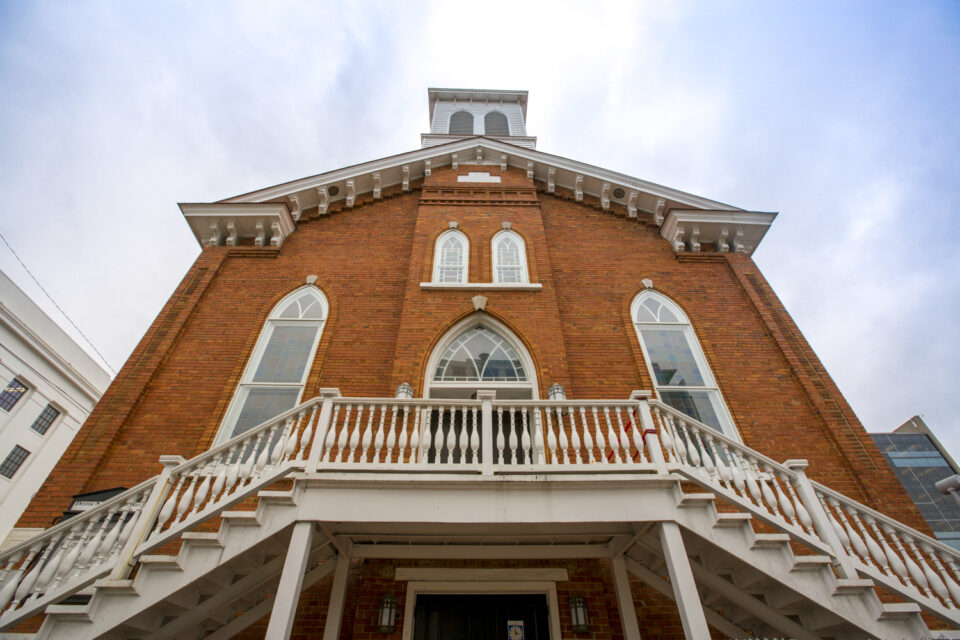
Dexter Avenue King Memorial Baptist Church is where Dr. Martin Luther King Jr. served as pastor from 1954 to 1960, while the Montgomery bus boycott unfolded nearby in 1955–56 and the movement he led gained national shape. The church still worships here at the corner of Dexter Avenue, and tours connect the congregation and its building to the civil rights movement it helped lead. Its most irreplaceable experience is standing in the pulpit where King preached — a working church where the movement’s pastor actually served.
Why It Is Worth Visiting
The church is one of the most significant single buildings in the civil rights story: King arrived as pastor in 1954, and from this pulpit he preached through the Montgomery bus boycott, the campaign that launched the modern movement. The church’s history is bound to the movement’s: its members were deeply involved in the bus boycott, and the church became a center of organizing. Visitors today can tour the sanctuary, see the church’s stained glass and the pastor’s office, and visit the Dexter King Memorial Legacy Center, which interprets the congregation’s role. The church remains an active congregation, which gives the visit a different quality than a static museum.
DananaGo’s read is that the church works best in sequence: it gains its full power after you have seen the city’s other civil rights sites, because it explains how the movement grew from a pulpit and a congregation.
DananaGo’s verdict: This is a Secondary Attraction — a city B-grade stop worth scheduling on a three-to-five-day Montgomery stay. The reasons are concrete: it is the pulpit where the movement’s most famous leader served, its sanctuary is intact and still in use, and it sits on Dexter Avenue near the capitol and the city center. It suits civil-rights and religious-history travelers, and students of the movement. A reasonable stay is 1–1.5 hours for the church tour. Travelers with limited time should prioritize the Legacy Sites; the church is the essential companion stop for those tracing King’s Montgomery.
What to Experience
The Sanctuary and the Pulpit
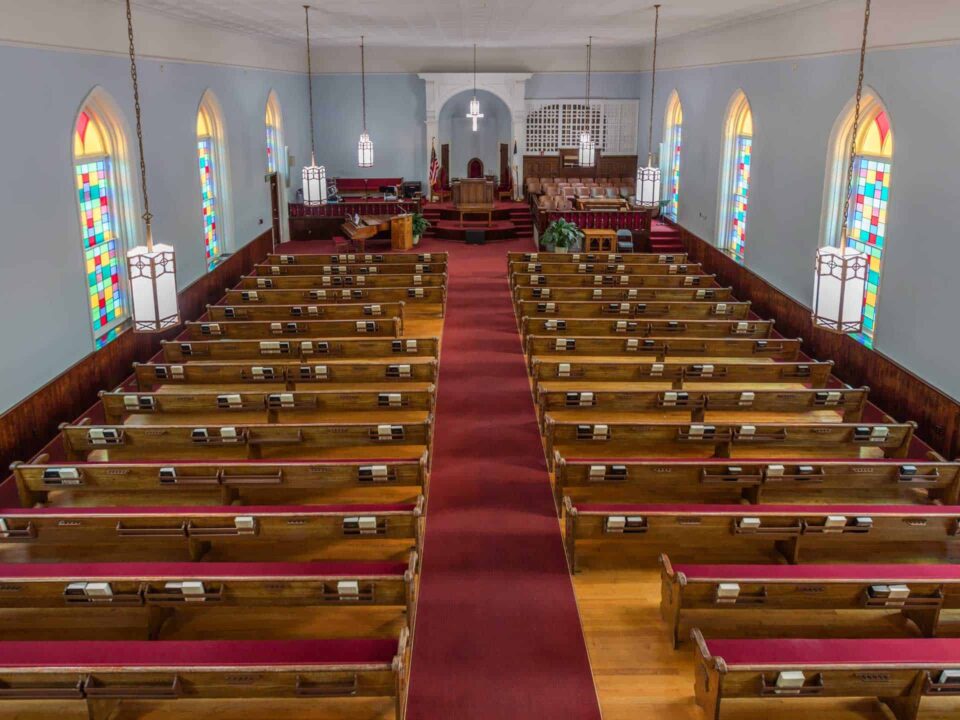
The church’s sanctuary is where King preached each Sunday, and the tour lets you stand in the space and see the pulpit and the congregation’s pews. The stained glass and the historic interior make the building’s continuity vivid — this is the room as it was during the movement.
The Dexter King Memorial Legacy Center
The church’s Legacy Center interprets the congregation’s role in the civil rights movement, connecting the church’s history to the wider story of Montgomery and the nation. It is the interpretive complement to the sanctuary itself.
The Location on Dexter Avenue
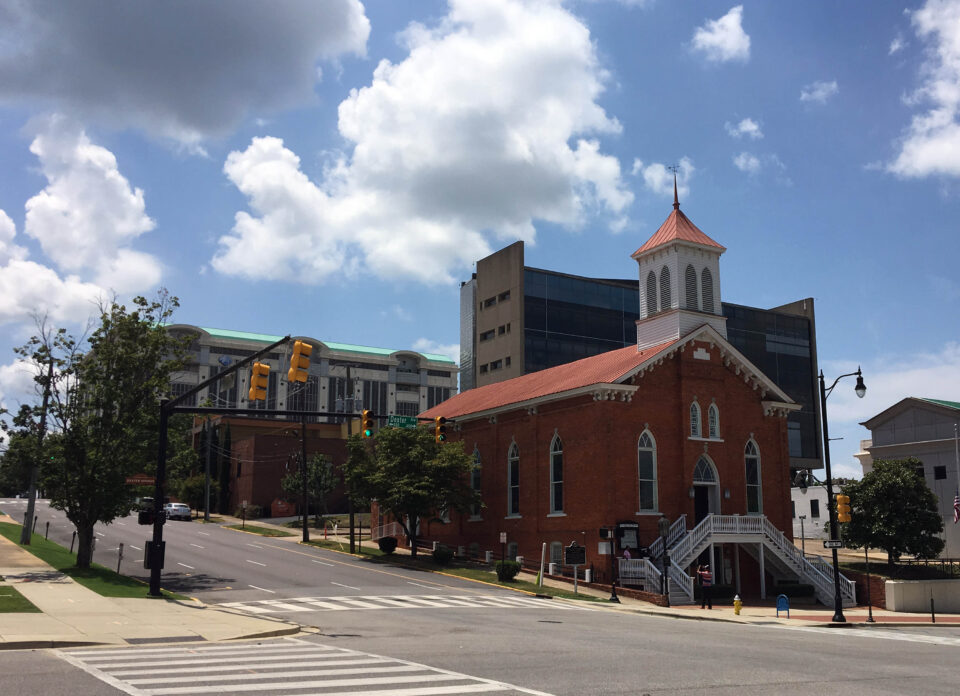
The church stands at the foot of the hill where the state capitol sits, on the same avenue that leads to the site of the bus boycott’s organizing. Walking the avenue between the church and the capitol connects the movement’s two poles in a short walk.
Plan Your Visit
| Address | 454 Dexter Avenue, Montgomery, AL 36104 |
|---|---|
| Recommended time | 1–1.5 hours for the church tour and Legacy Center |
| Hours | Church tours by appointment; the Parsonage Museum is open Friday–Saturday 10 am–4 pm; no tours on Sundays or Mondays |
| Admission | Guided tours require a reservation (for groups of six or more, book online); individual tour prices are set by the church — confirm when booking |
| Best time | Weekday mornings, by appointment |
| Getting there | On Dexter Avenue in downtown Montgomery, a short walk from the state capitol and the city center; street parking nearby |
Check the official website for current opening hours, admission prices, reservations, and key visitor policies.
A Focused Visit Route
Begin by contacting the church to book a tour, since the sanctuary is only open by appointment. Walk from the state capitol down Dexter Avenue to the church, a route that mirrors the avenue’s history. Take the church tour to see the sanctuary and pulpit, then visit the Legacy Center. If you have time, visit the Parsonage Museum (open Friday–Saturday) for the domestic side of King’s Montgomery years. The whole visit fits a morning or afternoon alongside the city’s other civil rights sites.
DananaGo Tips
- Book the tour in advance — the sanctuary is open by appointment only, and no tours run on Sundays or Mondays.
- Visit with the capitol in one walk; the avenue between them carries the city’s history.
- Check whether the Parsonage Museum is open on your day; it runs limited weekend hours.
- Be mindful that the church is an active congregation; tours respect its worship life.
Explore More of Montgomery
Montgomery has more to offer beyond the church — use the city map below to find other sites worth your time.