
Wenshu Monastery Travel Guide (2026): Chengdu’s Tranquil Zen Sanctuary
Wenshu Monastery (文殊院), also known as “Konglin Tang” (空林堂), is a renowned Buddhist Zen temple located in the Wenshu Fang area of Qingyang District, Chengdu. It is one of the oldest and largest Zen temples in Chengdu, and a key national Buddhist temple. The temple primarily enshrines Manjushri Bodhisattva (the Bodhisattva of Wisdom), making it a popular destination for those seeking blessings for wisdom, academic success, and peace.
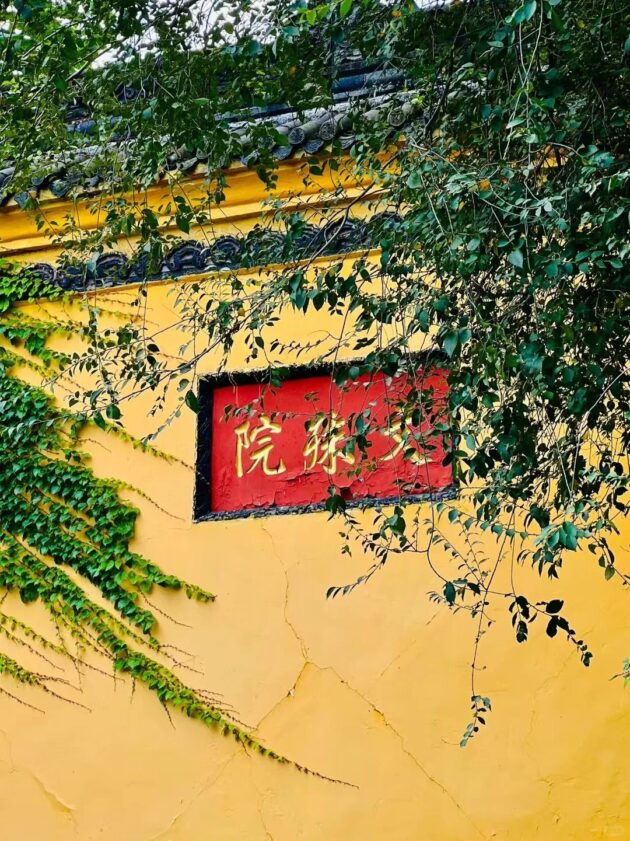
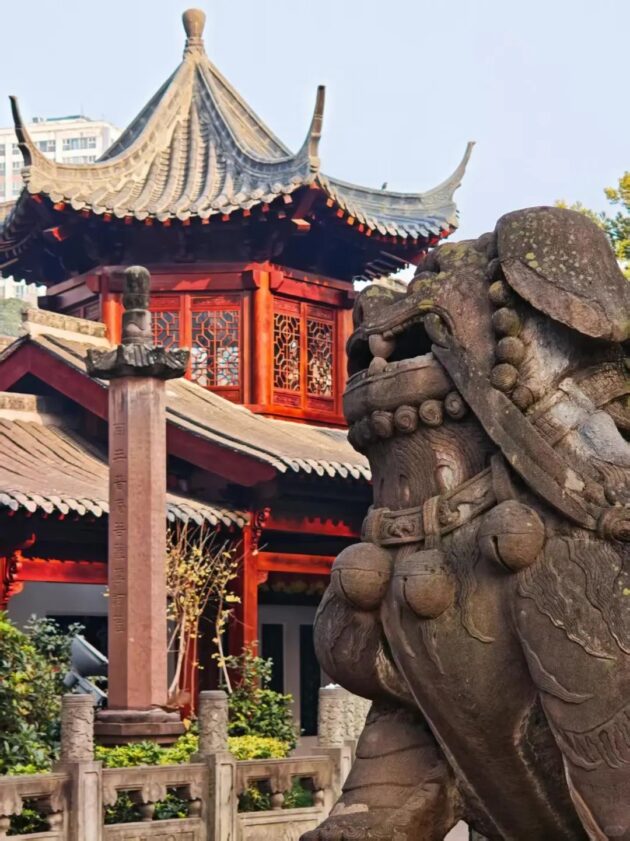
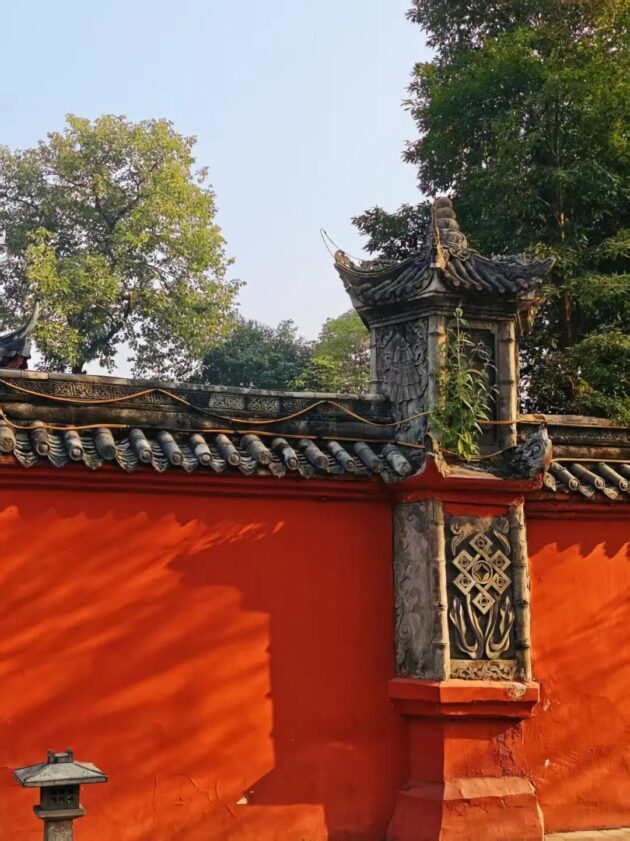
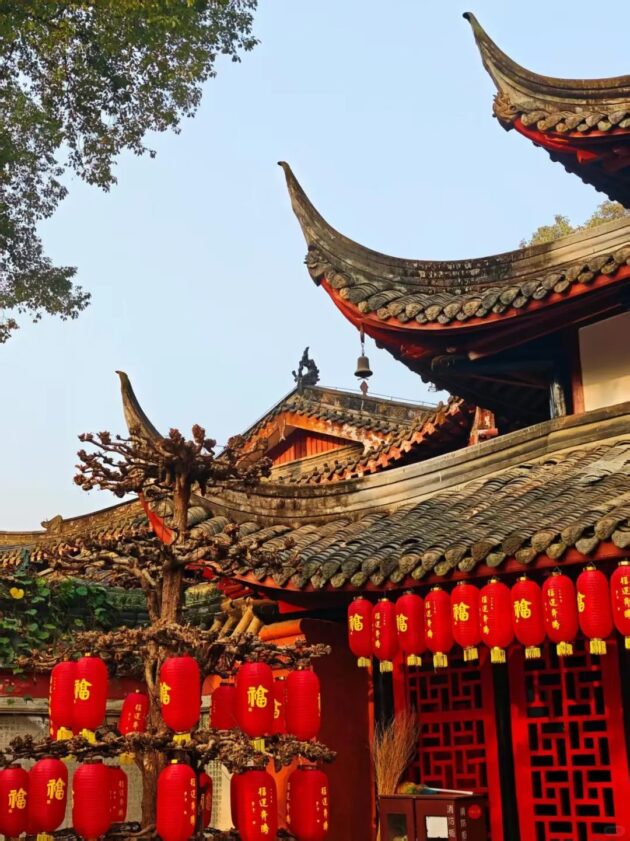
Covering an area of over 20,000 square meters,the monastery is a serene oasis hidden in the heart of the bustling city. With its red walls, dark tiles, ancient trees, and the lingering scent of incense, it offers a peaceful escape from the urban rush. Adjacent to the monastery is the Wenshu Fang historical and cultural district, where Zen atmosphere blends with local life, making it an ideal place to experience Chengdu’s famous “slow life”.
Wenshu Monastery is one of the “Four Great Zen Forests” of the Yangtze River basin and is the best-preserved Buddhist temple in Chengdu. It is a sacred site that combines Zen heritage, ancient gardens, pilgrimage, and religious study.
History
Wenshu Monastery has a history spanning over 1,400 years.
Sui Dynasty (605–617 AD): The temple was first built during the Daye period of the Sui Dynasty and was originally known as Xinxiang Temple (信相寺).
Tang & Song Dynasties: It was later known as Miaoyuan Pagoda Court in the Tang Dynasty and renamed Xinxiang Temple in the Song Dynasty.
Ming Dynasty: The temple was destroyed in warfare towards the end of the Ming Dynasty.
Qing Dynasty (1697 AD): According to legend, during the Kangxi era, officials saw a red light at night and within it, an image of Manjushri Bodhisattva. Funds were raised to rebuild the temple on the ruins, and it was renamed Wenshu Monastery. In 1702, the Kangxi Emperor personally inscribed the plaque “Konglin” (空林, “Empty Forest”) for the temple, which remains one of its most treasured artifacts.
1983: The monastery was designated as a key national Buddhist temple in Han Chinese regions by the State Council.
Best Time to Visit
The temple is open year-round and offers different experiences in each season.
Spring (March–May): Flowers bloom, and the weather is pleasant.
Autumn (September–November): Cool and crisp weather; the ginkgo trees turn golden in November and December, creating a stunning scene.
Winter (December–February): Peaceful and quiet, with fewer crowds.
Summer (June–August): Lush greenery provides shade and a cool retreat.
Best time of day:
Morning (before 9:00 AM): Fewer people, soft lighting, and the best atmosphere for photography.
Afternoon (after 2:00 PM): Softer light and fewer crowds for a more peaceful experience.
Recommended visit duration: 1–3 hours.
Avoid: The 1st and 15th days of the lunar month, when the temple is packed with worshippers. Also avoid Chinese national holidays (National Day, Spring Festival, and May Day).
How to Get There
Address: No. 66, Wenshu Monastery Street, Qingyang District, Chengdu, Sichuan Province
By Metro (Recommended)
Take Metro Line 1 to Wenshu Monastery Station (文殊院站). From the station, it’s about a 3–5 minute walk to the temple. Some sources suggest using Exit K for the shortest walk.
By Bus
Multiple bus routes serve the area. You can take:
16, 55, 98, or 298 (overnight line) to Wenshu Monastery Station
42, 75, 126, or 127 to Da’an West Road West Station
5, 16, 34, 61, or 75 to Wenshu Monastery Station
By Car
Parking is available nearby, both above and below ground. However, the metro is strongly recommended due to central location and traffic.
Tickets & Opening Hours
Admission
FREE! There is no entrance fee.
Opening Hours
Daily: 8:00 AM – 5:00 PM
Last admission: 4:30 PM
Some sources mention that certain areas may remain open until 6:00 PM
Free Incense
Upon entering, you can receive three free eco-friendly incense sticks. There is no need to purchase incense or joss paper outside.
Main Attractions & Things to Do
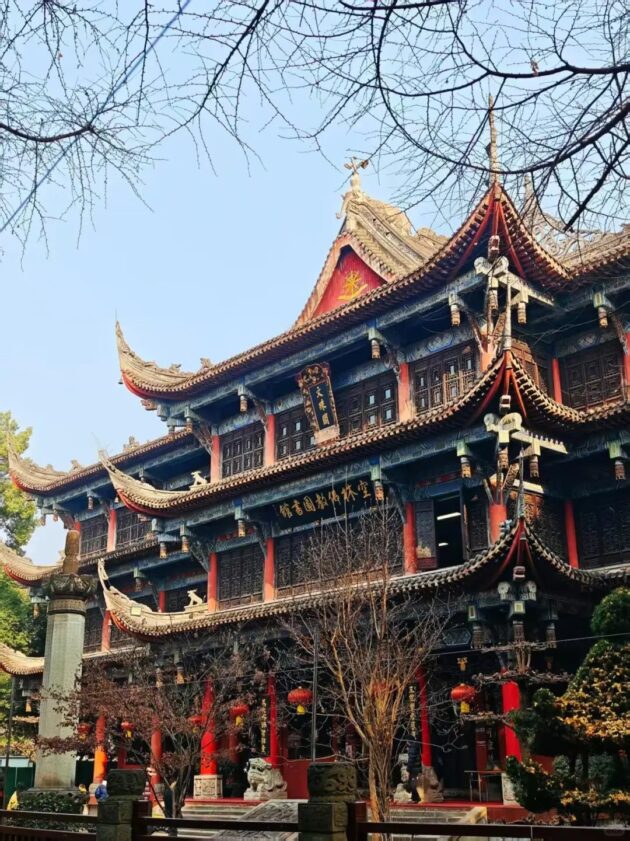
The temple follows a traditional layout along a central north-south axis, featuring a series of halls and courtyards.
1. The Six Main Halls (Follow the Clockwise Pilgrimage Route)
Shanmen (Mountain Gate): The main entrance, simple and solemn, with an ancient plaque above.
Hall of Heavenly Kings (天王殿): The first hall inside. It enshrines the Maitreya Buddha (the “Laughing Buddha”) at the center, flanked by the Four Heavenly Kings, and the guardian deity Weituo Bodhisattva at the back.
Hall of the Three Great Bodhisattvas (三大士殿): This hall enshrines Manjushri, Samantabhadra, and Guanyin Bodhisattvas. It’s a popular place to pray for academic and career success.
Mahavira Hall (大雄宝殿): The core hall of the temple, where monks chant sutras and hold large Dharma assemblies. It enshrines Shakyamuni Buddha, flanked by the Eighteen Arhats. The courtyard outside features ancient cypress trees.
Dharma Hall (说法堂): A hall for Buddhist teachings and lectures.
Sutra Library (藏经楼): The final hall, housing a vast collection of Buddhist scriptures and relics. It enshrines the relic pagodas of the Buddha and the skull relic of Master Xuanzang (the famous Tang Dynasty monk who traveled to India). It also preserves the Kangxi Emperor’s “Konglin” plaque.
2. Thousand Buddha Peace Pagoda (千佛和平塔)
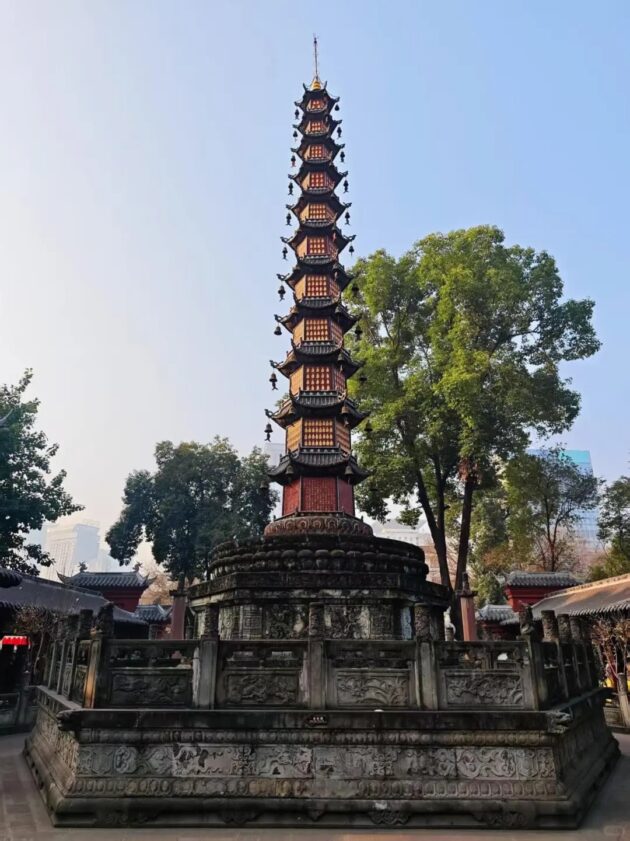
An iconic landmark of the temple, this pagoda is ancient and imposing, with intricate carvings of a thousand Buddha statues. Surrounded by greenery, it’s an excellent spot for quiet walks and photography.
3. The Red Wall & Ancient Architecture
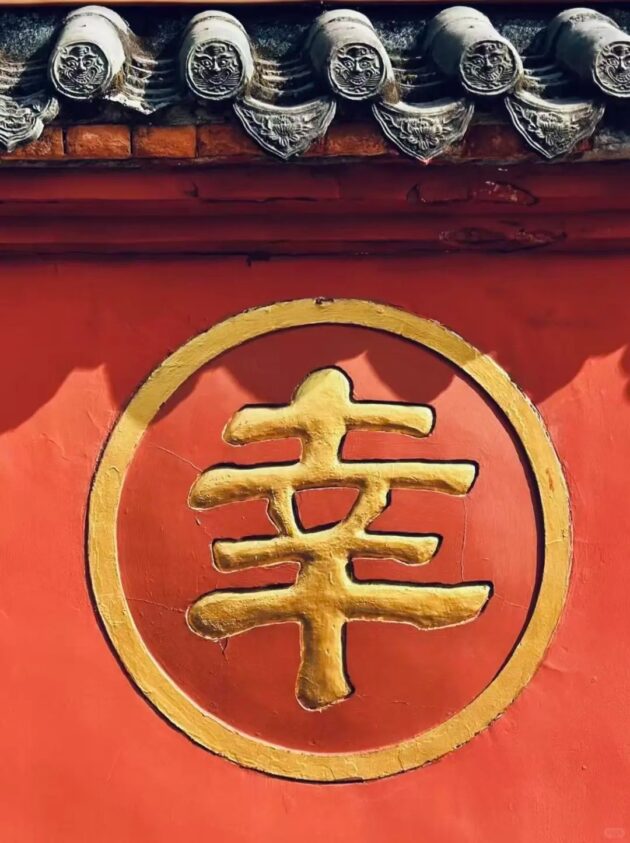
The temple’s iconic red walls (红墙) are one of its most photogenic features. The vermilion walls, paired with rustic eaves and lush greenery, create a captivating atmosphere. Many visitors take photos in front of the famous “Happiness” (幸福) calligraphy on the red wall.
4. Xiangyuan (香园) – Zen Experience Area
Located at the back of the temple, this area offers a serene Zen experience. You can:
Copy sutras for free
Enjoy vegetarian meals at the on-site restaurant
5. Temple Teahouse
The monastery has a traditional tea house where locals and visitors alike enjoy gaiwan tea (covered bowl tea) in a tranquil, bamboo-shaded courtyard. It’s a wonderful place to sit, relax, and soak in the peaceful atmosphere.
6. Over 300 Buddhist Statues
The temple houses over 300 Buddha statues made from various materials including iron, bronze, wood, stone, clay, and even Burmese jade. One particularly precious statue is a Burmese jade Buddha.
7. Wenshu Fang Cultural District
The area surrounding the temple has been developed into the Wenshu Fang historical and cultural district, featuring traditional-style architecture, souvenir shops, Buddhist stores, and authentic Sichuan street food. It’s a great place to explore after visiting the temple.
Local Food
Inside the Temple – Xiangyuan Vegetarian Restaurant
The temple’s vegetarian restaurant, Xiangyuan, offers affordable and delicious Zen-style vegetarian meals. Recommended dishes include:
Zen-style Maocai (禅院冒菜): A sour and spicy vegetarian hotpot
Vegetarian buffet: A wide variety of light and flavorful dishes
Around Wenshu Fang (Street Food & Local Eats)
The streets around the temple are famous for authentic Chengdu snacks. Must-try local favorites include:
Sweet Water Noodles (甜水面): A Chengdu specialty with thick, chewy noodles in a sweet and spicy sauce
Yellow Jelly Noodles (黄凉粉): A refreshing cold snack
Clear Broth Wontons (清汤抄手): A comforting soup dumpling dish
Salt-Fried Pork (盐煎肉): A classic Sichuan stir-fry
Practical Tips
Dress modestly: Avoid wearing short skirts or shorts out of respect for the temple’s sacred atmosphere.
Keep your voice down: The temple is a place of worship and quiet contemplation.
Do not photograph monks or Buddha statues: It is considered disrespectful.
Incense etiquette: When lighting incense, wave it gently to extinguish the flame rather than blowing it out with your mouth.
Beware of touts: Ignore people at the gate offering “free incense” or fortune-telling services. Purchase Buddhist items only from the official temple shop.
Bring your own teacup: If you plan to visit the teahouse, bringing your own cup is a nice way to blend in with the locals.
Best photo spots: The “Happiness” red wall, the pagoda, and the ancient hallways are all highly photogenic.
Plan for half a day: Combine the temple visit with a stroll through Wenshu Fang for a fulfilling half-day experience.
No booking required: You can visit without advance booking.
Nearby Attractions
Wenshu Monastery is centrally located and can be easily combined with other attractions:
Wenshu Fang: Right outside the temple — explore the cultural district.
Kuanzhai Alley (宽窄巷子): About 2–3 km away, accessible by metro or taxi.
Tianfu Square: About 3 km away.
Chengdu Museum: About 3 km away.
Final Thoughts
Wenshu Monastery is more than just a tourist attraction — it’s a living, breathing center of faith and a peaceful refuge in the heart of bustling Chengdu. Whether you come to pray, to learn about Buddhist culture, to photograph the stunning red walls, or simply to sit quietly with a cup of tea, the temple offers a unique and authentic glimpse into Chengdu’s spiritual and cultural soul. As locals say, it’s a place where “Zen meets the everyday” — and it’s an experience you won’t forget.