
Praça Dom Pedro IV (Rossio Square) Travel Guide (2026)
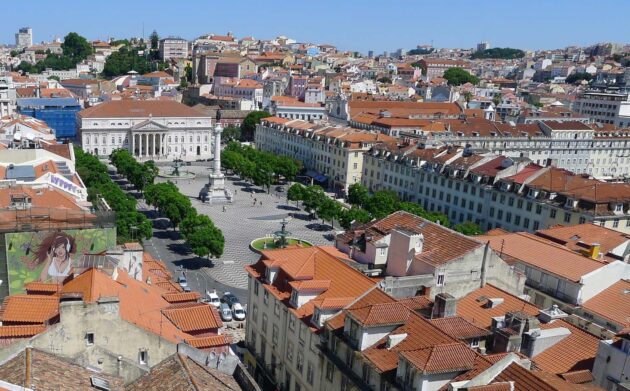
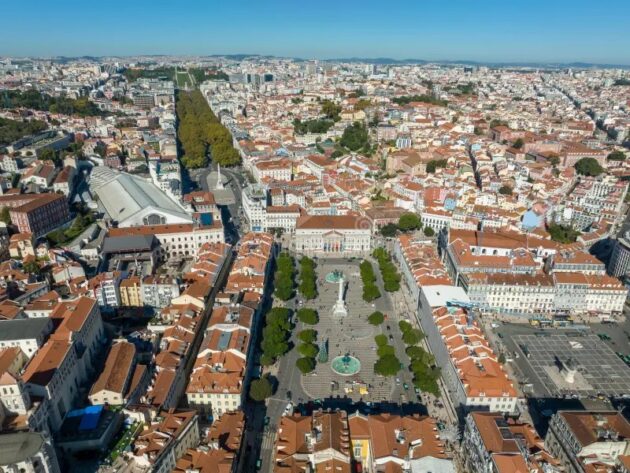
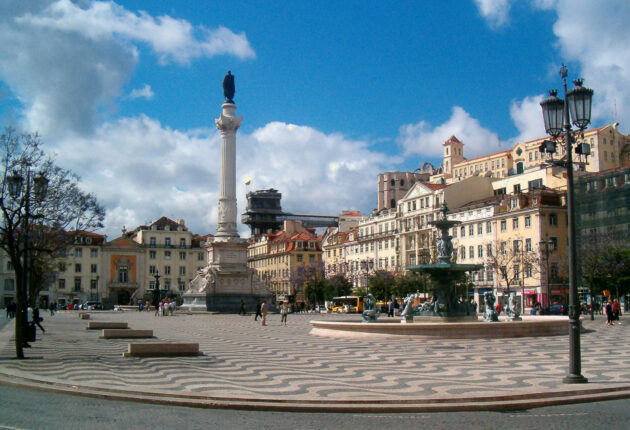
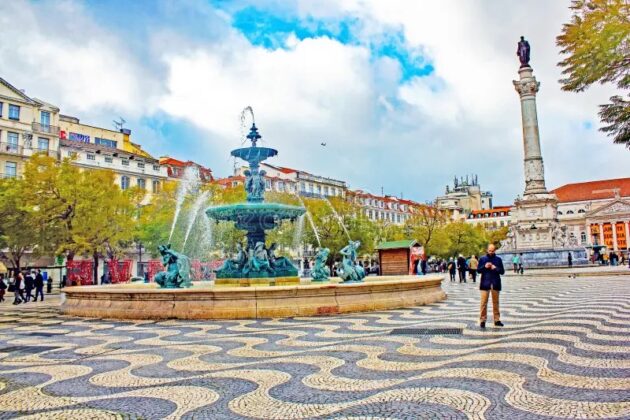
Praça Dom Pedro IV, commonly known as Rossio Square, is the vibrant heart of Lisbon. Located in the Baixa (Lower Town) district, it has been a central gathering place since medieval times. Officially named after King Dom Pedro IV (also Emperor Pedro I of Brazil), the square buzzes with locals and tourists alike. It features iconic wavy black-and-white calçada portuguesa cobblestones, baroque fountains, historic buildings, and a lively atmosphere perfect for people-watching, photos, and soaking in Portuguese culture.
History
Rossio dates back to the 13th–14th centuries as “common land” for public events, including celebrations, bullfights, political rallies, and even grim Inquisition-era executions and auto-da-fé ceremonies. The devastating 1755 earthquake destroyed much of the area, leading to its reconstruction in the elegant Pombaline style with a grid layout and seismic-resistant buildings. The square was further enhanced in the 19th century with its signature pavement, fountains, and the central column. It also played a symbolic role in the 1974 Carnation Revolution.
Key Attractions
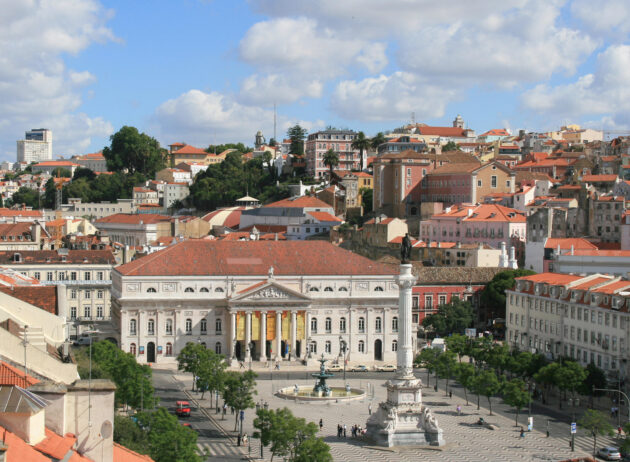
Column of Dom Pedro IV: The square’s centerpiece is a 27–28 meter tall column (erected in 1870) topped with a bronze statue of the king. At its base are four allegorical female figures representing Justice, Wisdom, Strength, and Moderation.
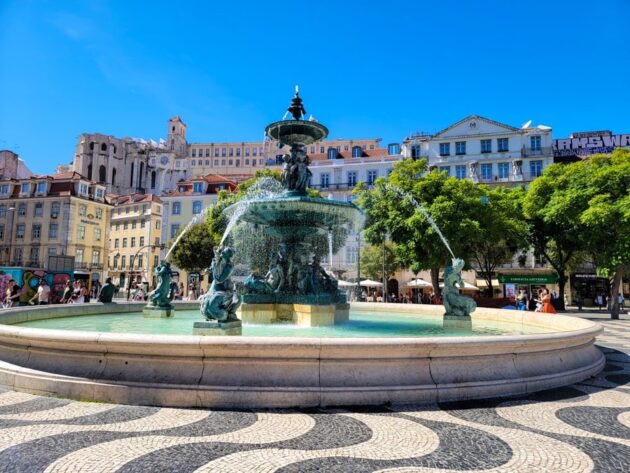
Baroque Fountains: Two ornate 19th-century French-style fountains flank the column, adding elegance and a soothing water sound amid the bustle.
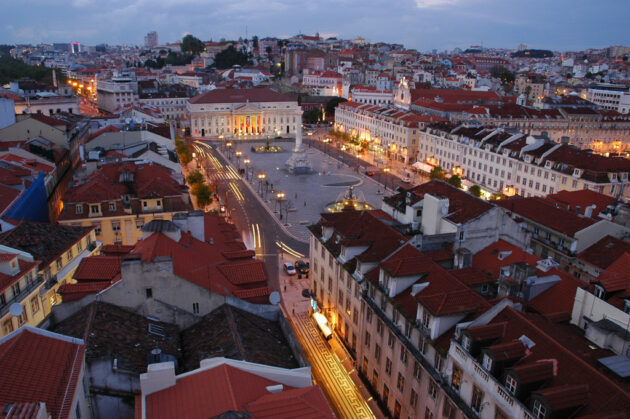
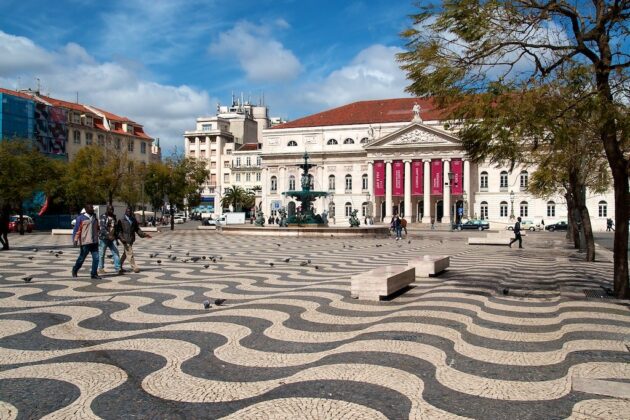
D. Maria II National Theatre: On the north side, this neoclassical gem (built 1842–1846) replaced the former Estaus Palace (Inquisition headquarters). Its grand portico and Corinthian columns are especially striking at night.
Rossio Railway Station: Nearby (northwest corner), this Neo-Manueline masterpiece (1887) has a stunning façade with horseshoe arches. Trains depart here for Sintra—a must-do day trip.
Calçada Portuguesa Pavement: Don’t miss the mesmerizing wave-patterned black-and-white limestone mosaic, evoking Portugal’s maritime heritage.
Nearby Highlights: Elevador de Santa Justa (short walk) for panoramic views. Rua Augusta (pedestrian street leading to Praça do Comércio). Café Nicola (historic café since 1779/1787, great for coffee and people-watching). Praça da Figueira and Praça dos Restauradores.
How to Get There
Metro: Rossio station (Green Line) or nearby Restauradores/Baixa-Chiado. Extremely convenient.
Train: Direct access via Rossio Station (Sintra line).
Tram/Bus: Several lines stop nearby (e.g., Praça da Figueira or Restauradores stops).
Walking/Taxi: Central location makes it easy from Baixa, Chiado, or Alfama. Taxis and ride-sharing are readily available.
The square is pedestrian-friendly and largely flat, though Lisbon’s hills surround it.
Best Time to Visit
Daytime: Early morning for quieter photos and fewer crowds; midday/evening for vibrant energy and street performers.
Season: Spring (April–June) and autumn (September–October) offer mild weather and manageable crowds. Summer evenings are lively but busier and hotter. Winter is quieter and atmospheric.
Open 24/7; free entry. Allow 30–60 minutes for the square itself, more if exploring surroundings.
Things to Do
Stroll the square, admire the architecture, and watch street performers.
Sip a ginjinha (cherry liqueur) at a traditional spot like A Ginjinha nearby.
People-watch at outdoor cafés.
Day trip to Sintra from Rossio Station.
Combine with a walk down Rua Augusta to Praça do Comércio and the Tagus River.
Practical Tips
Wear comfortable shoes for Lisbon’s cobblestones and nearby hills.
Try local pastries (pastéis de nata) or coffee at historic cafés.
Beware of pickpockets in crowded tourist areas.
The square is lively at night with bars and restaurants—great for dinner or drinks.
For views, visit the Santa Justa Lift or nearby viewpoints.
Final Thoughts
Rossio Square perfectly captures Lisbon’s blend of history, resilience, and joie de vivre. Whether you’re passing through or using it as a base, it’s an unmissable introduction to the city’s soul. Enjoy your visit!