
Dakar Travel Guide (2026)
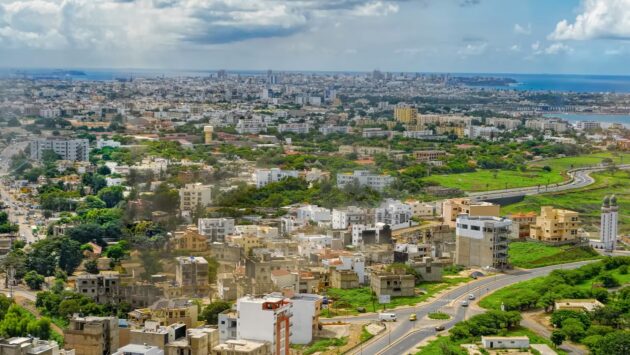
Dakar, the vibrant capital of Senegal, sits on the westernmost point of mainland Africa. This dynamic coastal city blends rich history, vibrant culture, bustling markets, stunning beaches, and a thriving arts scene. Known for its warm teranga (hospitality), Dakar offers a perfect introduction to West African culture. It’s compact yet full of experiences, making it ideal for 3–7 days.
Best Time to Visit
The dry season (November to May) is the best time, with pleasant temperatures (around 20–30°C/68–86°F), lower humidity, and minimal rainfall. Peak months are December to February for cooler weather and events. Avoid the rainy season (June to October) due to heavy rains, humidity, and higher malaria risk.
How to Get There
By Air: Most travelers fly into Blaise Diagne International Airport (DSS), about 50 km from the city. Taxis or pre-booked transfers take 45–60 minutes. Major airlines connect from Europe, and there are regional flights across West Africa.
By Road/Bus: Possible from neighboring countries, but air travel is recommended for convenience.
Top Attractions
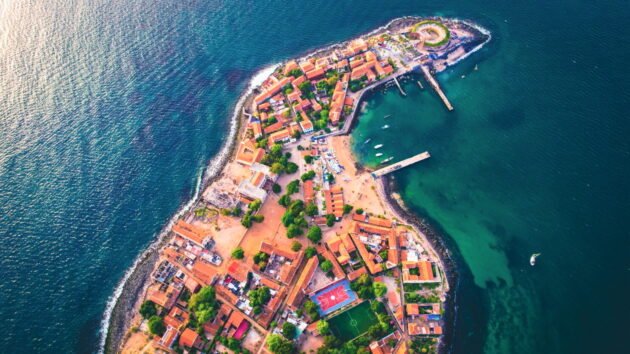
Gorée Island (Île de Gorée)
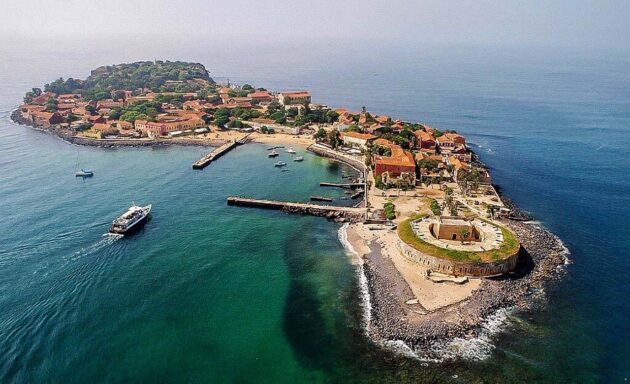
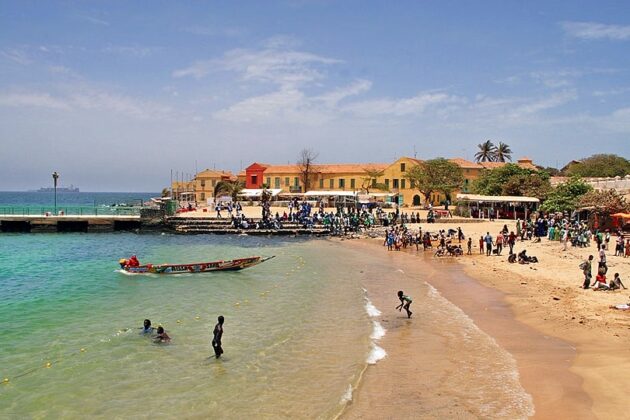
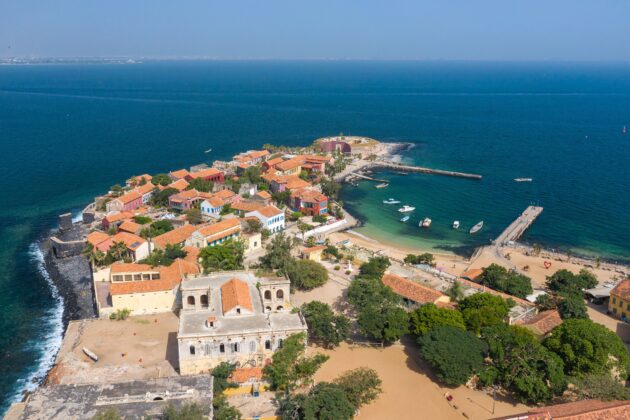
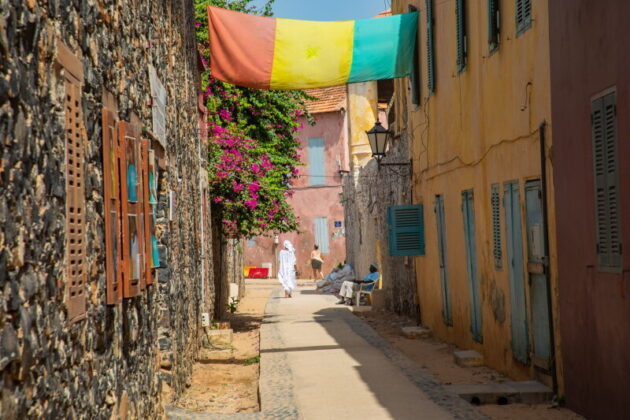
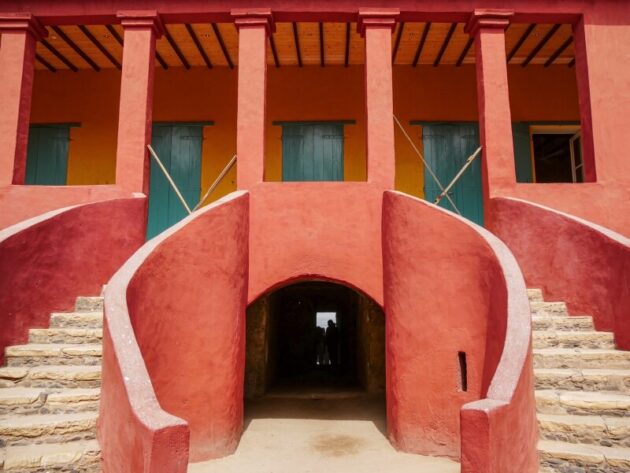
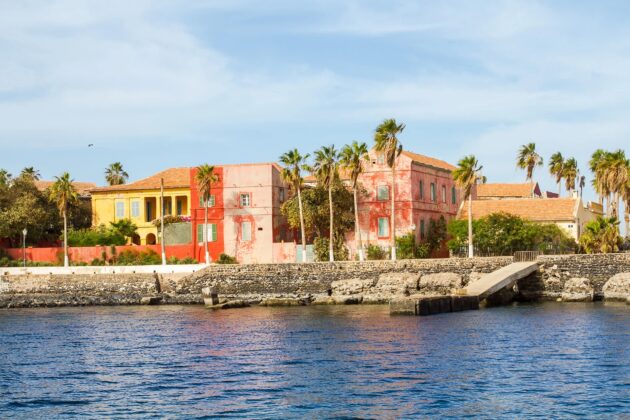
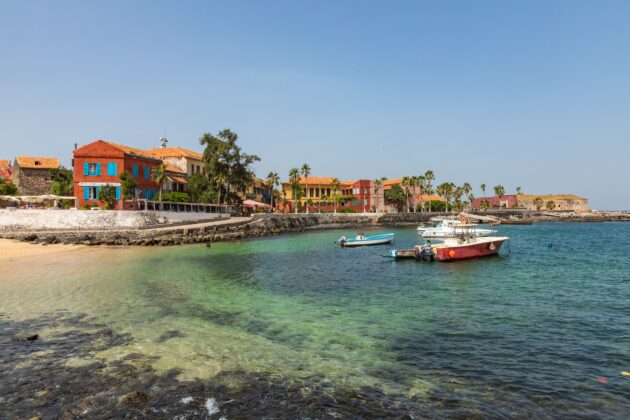
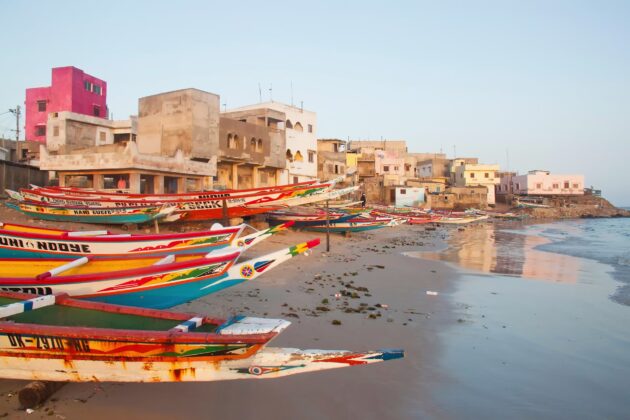
A short ferry ride from Dakar. This UNESCO site features colorful colonial architecture, beaches, and the poignant House of Slaves (Maison des Esclaves), a key memorial to the transatlantic slave trade. It’s a powerful, emotional visit.
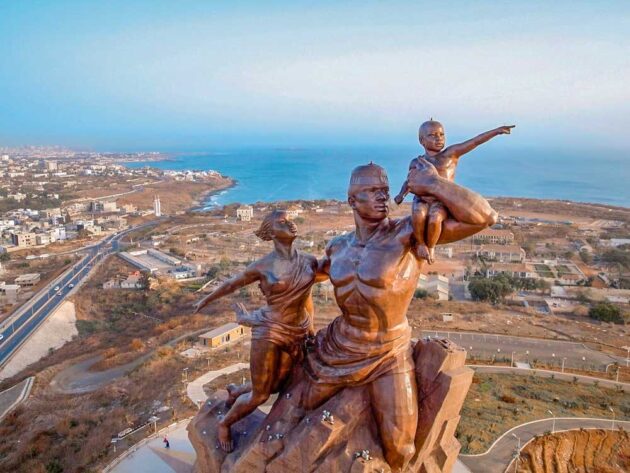
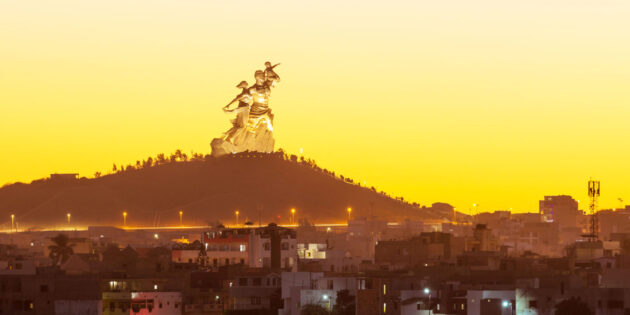
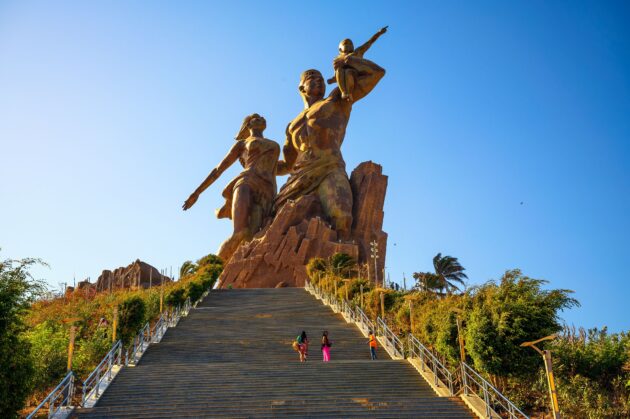
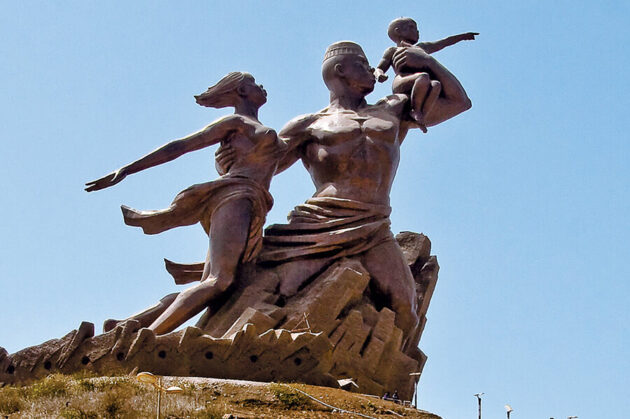
African Renaissance Monument
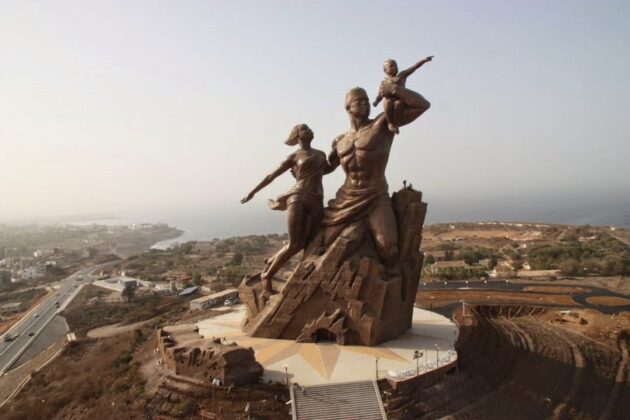
Africa’s tallest statue (49 meters) symbolizes hope and unity. Climb to the top for panoramic views of the city and ocean. Visit at night when it’s illuminated.
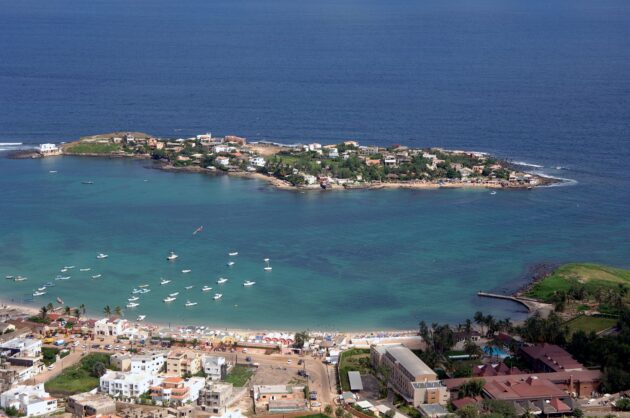
Île de Ngor
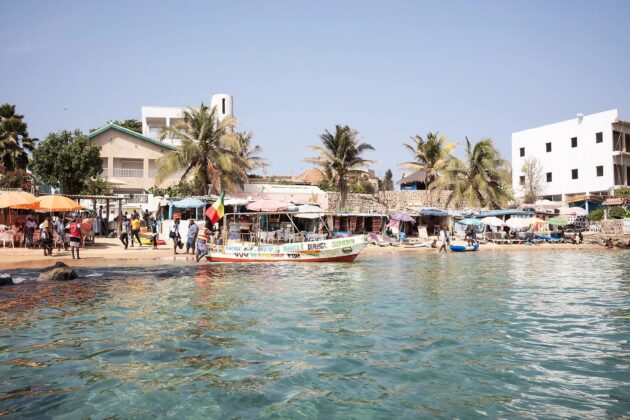
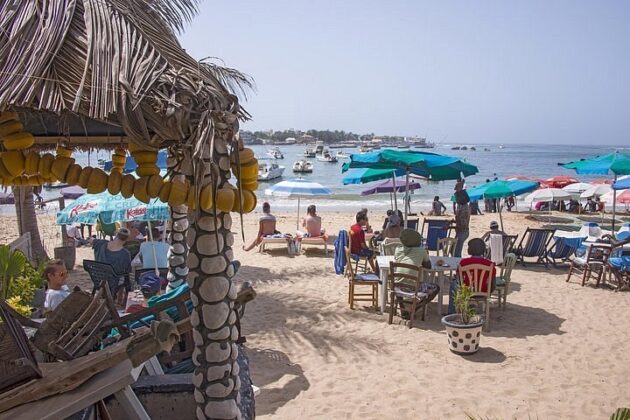
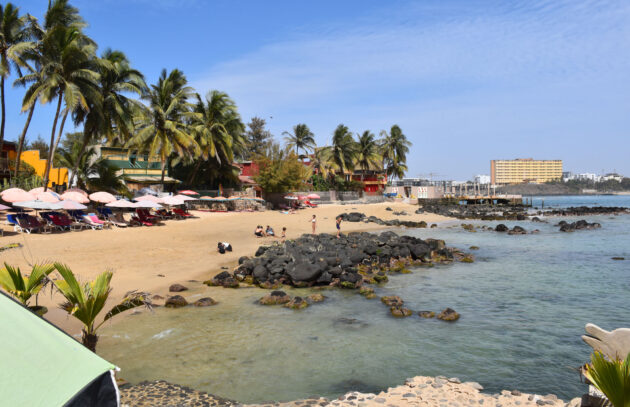
A relaxed island with beaches, clear waters, and a laid-back vibe. Great for swimming, surfing, or a day trip by boat.
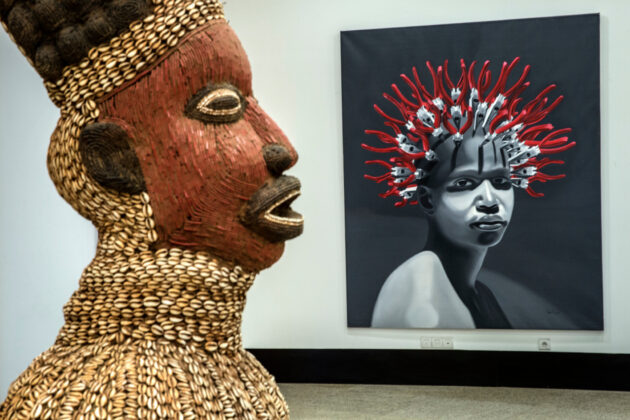
Museum of Black Civilisations
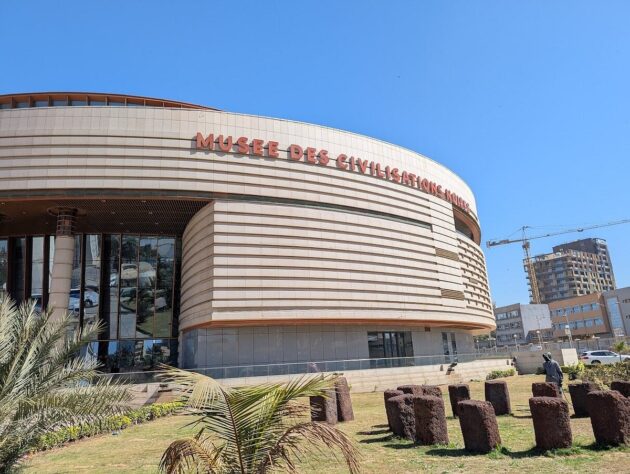
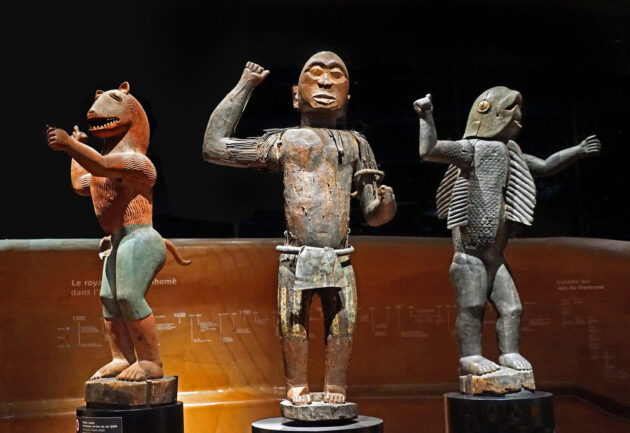
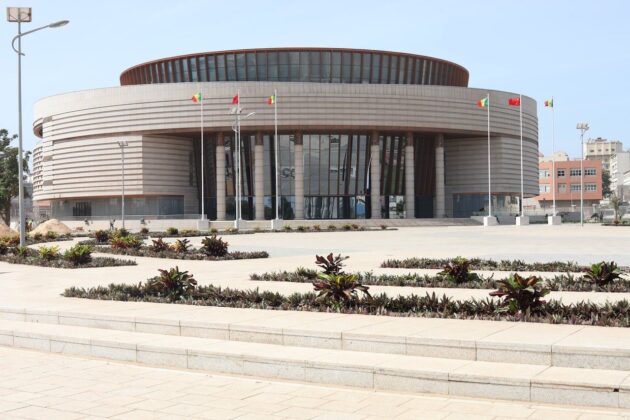
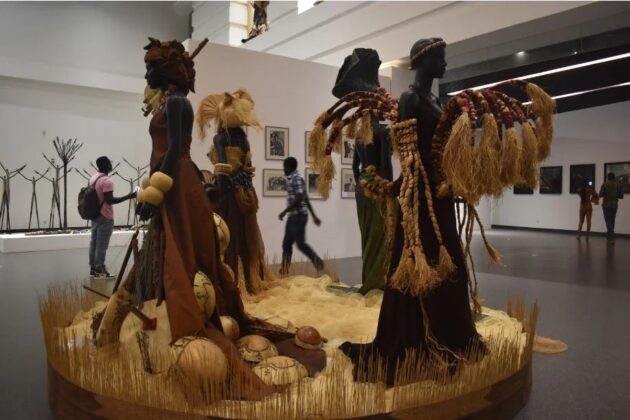
The Museum of Black Civilisations in Dakar, Senegal, is a landmark institution dedicated to preserving, celebrating, and showcasing the artistic, historical, and cultural contributions of Black people from Africa and its diasporas. Opened in 2018, the museum features a vast collection of traditional and contemporary art, historical artifacts, and interactive exhibits that span from ancient African kingdoms to modern-day global Black experiences.
Food and Cuisine
Senegalese food is flavorful and hearty. Must-tries:
Thieboudienne (national dish): Fish, rice, and vegetables in a rich tomato sauce.
Yassa (chicken or fish in onion-lemon sauce).
Dibi (grilled meat).
Fresh seafood, especially grilled fish.
Drinks: Bissap (hibiscus), ginger juice, or attaya (mint tea).
Try street food cautiously and eat at reputable spots. Areas like Les Almadies have good restaurants mixing local and international cuisine.
Where to Stay
Les Almadies: Preferred for beaches, restaurants, and vibe. More relaxed and upscale.
City Center/Plateau: Convenient for business, markets, and ferries.
Options: Mix of luxury (Radisson Blu, Terrou-Bi), mid-range (Novotel, Ibis), and boutique hotels. Book in advance for peak season.
Getting Around
Taxis: Cheap and common (negotiate fares in advance; use ride apps if available).
Car Rapides (colorful minibuses): Authentic but crowded.
Walking: Feasible in central areas, but use caution.
Private driver/tour: Recommended for safety and convenience, especially for day trips.
Day Trips
Lac Rose (Pink Lake): Famous for its pink waters due to algae; combine with quad biking or boat rides.
Other regions: Saint-Louis (UNESCO city), Sine-Saloum Delta, or Lompoul Desert for dunes and escapes.
Practical Tips
Safety: Senegal is one of West Africa’s safer countries, but exercise normal precautions. Watch for pickpockets in crowded areas like markets, Gorée ferry, and Corniche. Avoid walking alone at night in isolated spots. Use reputable taxis.
Health: Drink bottled water, get vaccinations (Yellow Fever required; Hepatitis, Typhoid, Malaria prophylaxis recommended). Use mosquito repellent.
Money: CFA Franc (XOF). ATMs available; carry cash for markets.
Language: French is official; Wolof widely spoken. English is limited but understood in tourist areas. Learn basic French phrases.
Culture: Dress modestly (especially at religious sites). Greet people warmly. Bargain politely. Respect local customs.
Final Thoughts
Dakar is a city that grows on you — from its energetic streets and soulful music (mbalax) to its profound history and welcoming people. Embrace the chaos, savor the flavors, and let teranga guide your experience. Safe travels!