
Gorée Island (Île de Gorée) Travel Guide (2026)
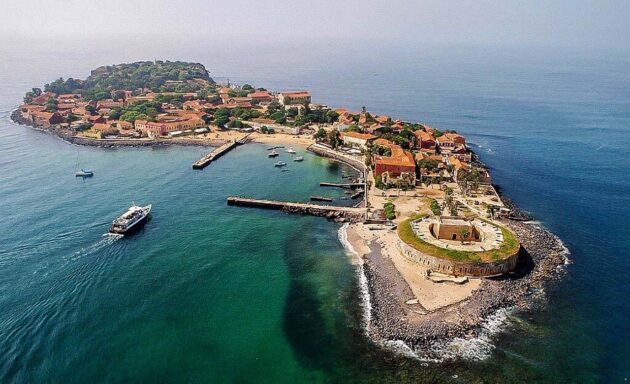
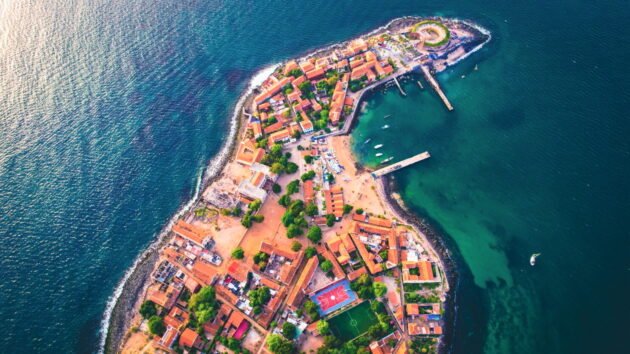
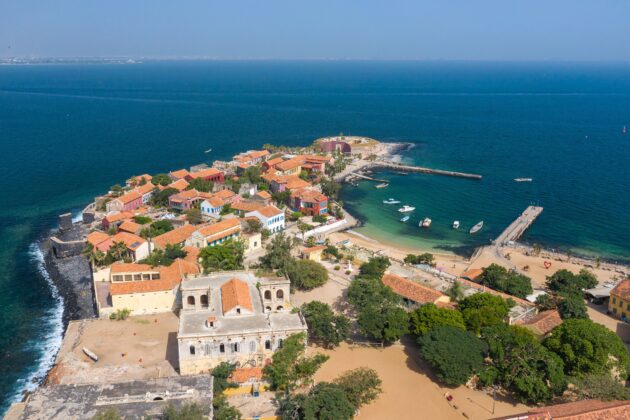
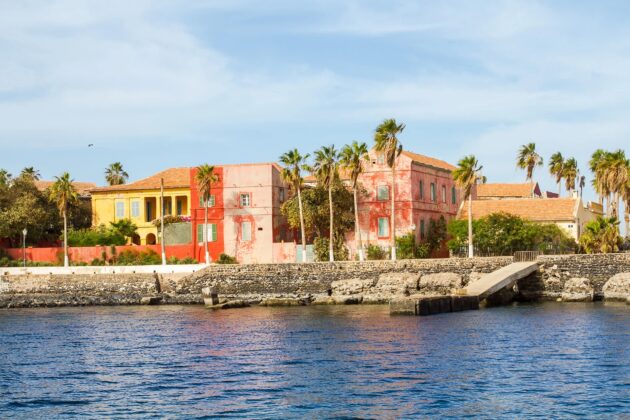
Gorée Island is a small, car-free island just 3.5 km off the coast of Dakar, Senegal. Measuring about 28 hectares (roughly 45 acres), it is one of West Africa’s most poignant historical sites and a UNESCO World Heritage Site since 1978. Known for its colorful colonial architecture, narrow sandy streets, and tragic history as a major center of the transatlantic slave trade from the 15th to 19th centuries, the island offers a powerful mix of reflection, beauty, and culture. Many visitors come for a day trip from Dakar, but an overnight stay reveals a more relaxed, local atmosphere.
History in Brief
European powers (Portuguese, Dutch, British, and French) fought for control of Gorée due to its strategic harbor. It served as a key slave trading post, where captured Africans were held before being shipped across the Atlantic. The island symbolizes both immense suffering and resilience. Today, it is a place of remembrance, education, and vibrant Senegalese life.
How to Get There
Ferry from Dakar: The only way to reach the island. Ferries depart from the Gare Maritime (passenger terminal) in downtown Dakar, near the train station in the Plateau district.
Duration: 20–30 minutes.
Schedule: Ferries run frequently (every 1–2 hours) from around 6:15–7:00 AM to 10:30 PM or later (midnight on some days; check current times). Return ferries are available until late.
Cost: Round-trip tickets are approximately 5,000–6,500 CFA (about USD 8–11) for non-residents. Bring your passport — a copy is not accepted.
Tip: Arrive early for upper-deck seats with great views. The return trip is often included in the ticket price.
Taxis or rideshares can easily get you to the port from anywhere in Dakar.
Best Time to Visit
Dry Season (November to May): Ideal weather with pleasant temperatures, low humidity, and minimal rain. This is the best period for exploring.
Avoid: June to October (rainy/humid season).
Crowds: Weekdays (especially Tuesday–Thursday) are quieter. Weekends, holidays, and school breaks are busier. Early morning ferries help you beat the crowds.
Top Attractions
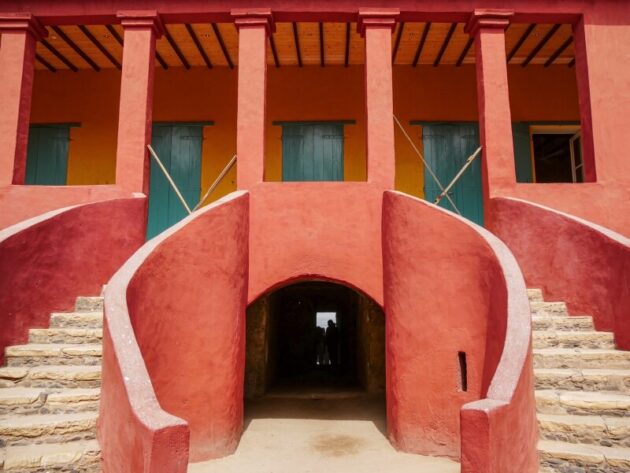
House of Slaves (Maison des Esclaves) — The most visited site. This pink building features dungeons, holding cells, and the famous “Door of No Return” overlooking the ocean. It is a solemn memorial and museum. Open Tue–Sun; closed Mondays. Hours vary (typically 10:30 AM–12 PM and 3–6 PM).
The Castel (Fortifications) — Climb to the old military fort on the rocky plateau for panoramic views of the island, Dakar, and the Atlantic. Great for photos.
Saint Charles Borromeo Church — A historic church reflecting the island’s colonial past.
Mosque — A small, charming local mosque.
Statue of the Liberation of Slaves — A powerful monument depicting breaking chains.
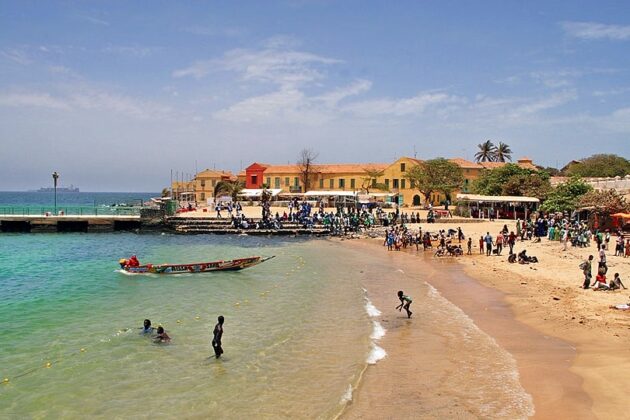
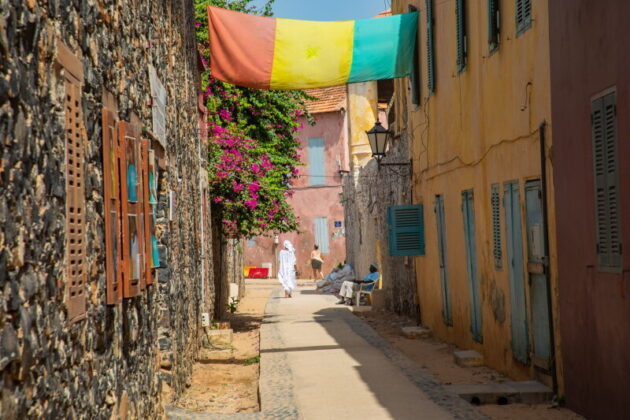
Colorful Streets and Colonial Architecture — Wander the narrow alleys lined with vibrant houses, bougainvillea, and street art. No cars means a peaceful vibe.
Other stops include galleries, artisan shops, and small museums.
Things to Do
Take a guided tour for deeper historical context (guides often approach at the ferry dock, or book one in Dakar).
Explore art galleries and buy local crafts or paintings.
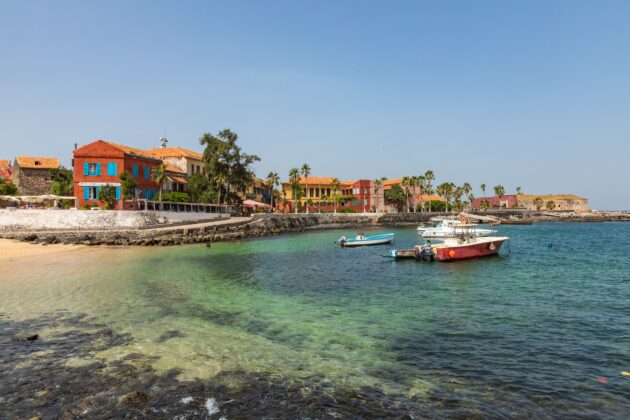
Relax on the small beaches or enjoy harbor views.
Dine on fresh seafood at island restaurants.
Stay overnight to experience the island after day-trippers leave.
Where to Stay and Eat
Most people day-trip from Dakar, but options exist on the island:
Affordable guesthouses and boutique stays like Villa Castel or Maison Augustin Ly.
Island accommodations tend to be pricier than in Dakar.
Food: Try fresh fish, Senegalese dishes like thiéboudienne (fish and rice), or grilled seafood at waterfront spots. There are cafes and small restaurants serving local and tourist fare.
Practical Tips
No motorized vehicles — Wear comfortable shoes for walking (the island is small and walkable).
Currency: CFA Franc (XOF). Cards are not widely accepted; bring cash.
Language: French is official; Wolof is widely spoken. Basic English is understood in tourist areas.
Safety: The island is generally safe and relaxed, but watch for petty theft and persistent vendors/guides. Use common sense.
Respect: Dress modestly, especially at religious sites. Be mindful of the solemn history at the House of Slaves.
Photography: Ask permission before photographing locals. The island is photogenic, especially at golden hour.
Health: Stay hydrated (it can be hot). Senegal requires a yellow fever vaccination for many travelers — check requirements.
Final Thoughts
Gorée Island is more than a tourist spot — it is a profound place that connects visitors to a critical chapter in world history while showcasing Senegalese warmth and beauty. A visit here is often the highlight of a trip to Dakar. Plan for at least half a day, but allow more time if possible to fully absorb its atmosphere. Safe travels!